
ការវិវឌ្ឍន៍នៃកិច្ចប្រជុំកំពូលរវាងសហរដ្ឋអាមេរិក និងចិន
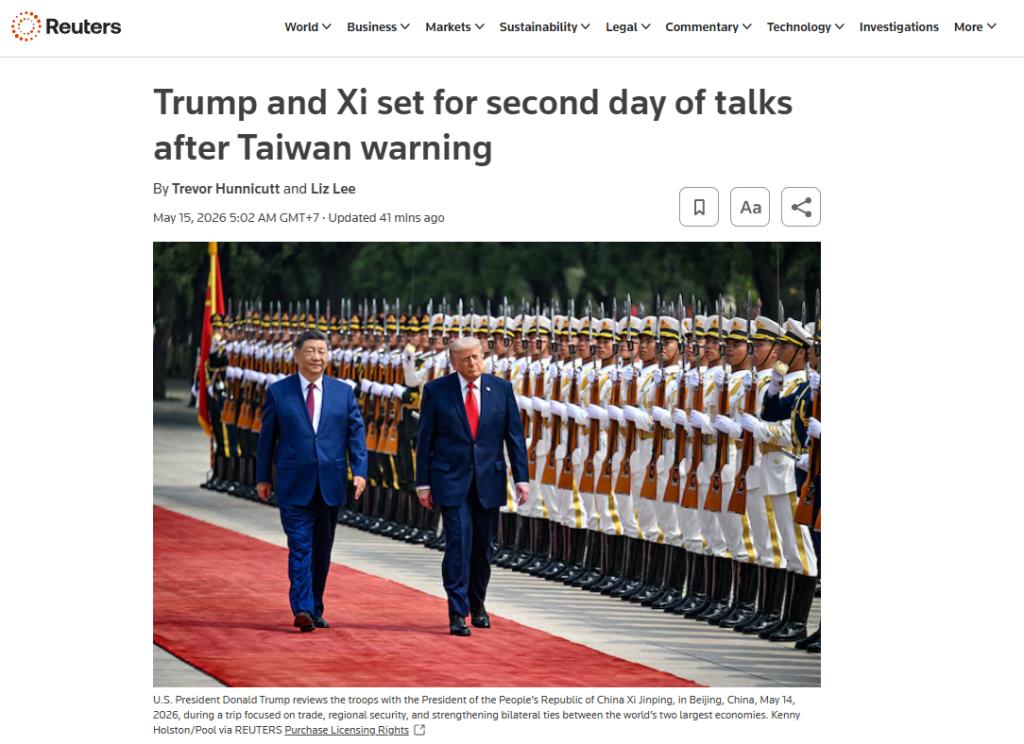
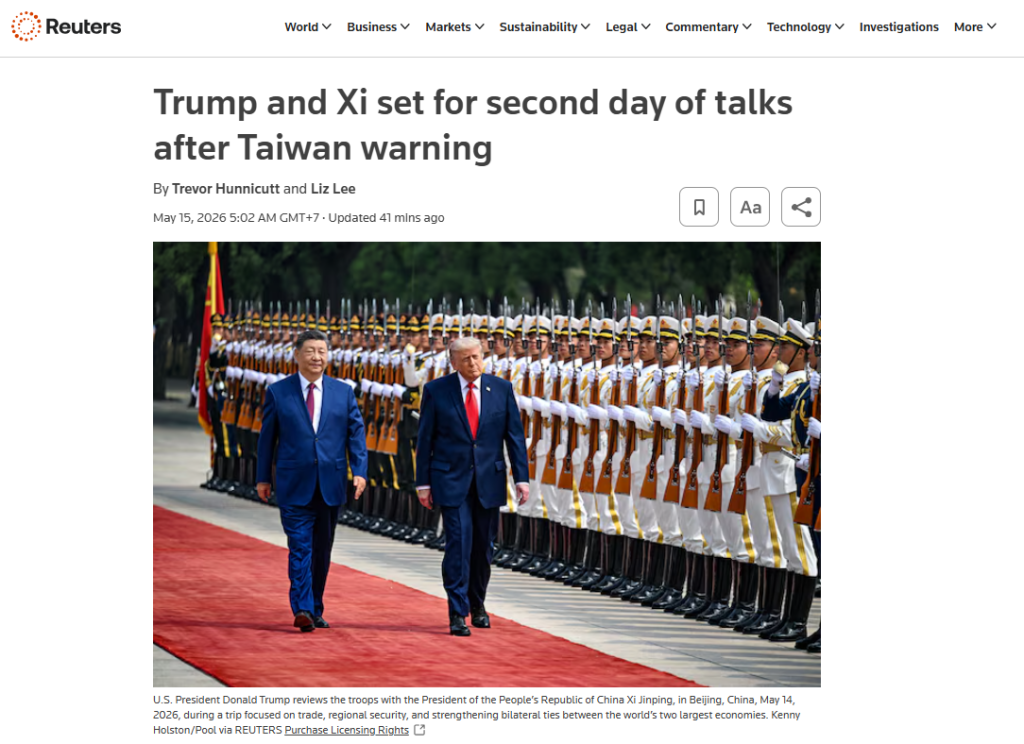
ប្រធានាធិបតីចិន លោក Xi Jinping បានថ្លែងថា កិច្ចពិភាក្សាពីកិច្ចប្រជុំកាលពីម្សិលមិញ បាននាំឲ្យមាន “លទ្ធផលមានតុល្យភាព និងវិជ្ជមាន” ប៉ុន្តែមិនបានបញ្ជាក់លម្អិតបន្ថែមទេ ដែលជួយគាំទ្រអារម្មណ៍វិជ្ជមានទូទៅចំពោះដំណើរការចរចាបន្ត។ លើផ្នែកពាណិជ្ជកម្ម លោក Jamieson Greer ដែលជាតំណាងពាណិជ្ជកម្មសហរដ្ឋអាមេរិក បានបញ្ជាក់ថានៅមិនទាន់មានការសម្រេចថាបទឈប់បាញ់ពាណិជ្ជកម្មបច្ចុប្បន្ននឹងត្រូវបន្តក្រោយពេលផុតកំណត់នៅចុងឆ្នាំនេះ ទោះបីជាមានការរាយការណ៍ថា បានឈានដល់កិច្ចព្រមព្រៀងលើការទិញផលិតផលកសិកម្មអាមេរិក សាច់គោ និងយន្តហោះ Boeing ដោយចិនក៏ដោយ។
ចំណុចជំទាស់សំខាន់ដែលនៅតែជាបញ្ហាគីទាក់ទងទៅនឹងប្រទេសតៃវ៉ាន់ ដោយចិនរក្សាជំហររបស់ខ្លួនក្នុងការមិនច្រានចោលការប្រើប្រាស់កម្លាំងយោធា ខណៈដែលសហរដ្ឋអាមេរិកនៅតែបន្តគាំទ្រសមត្ថភាពការពាររបស់តៃប៉ិក្រោមច្បាប់ដែលមានស្រាប់។ លោក Marco Rubio ដែលជារដ្ឋមន្ត្រីការបរទេសសហរដ្ឋអាមេរិក បានបញ្ជាក់ឡើងវិញថា គោលនយោបាយរបស់សហរដ្ឋអាមេរិកមិនបានផ្លាស់ប្តូរទេ ខណៈក៏បានសង្កត់ធ្ងន់ថា បញ្ហានេះតែងតែត្រូវបានលើកឡើងក្នុងកិច្ចពិភាក្សា។ ថ្ងៃនេះគឺជាថ្ងៃចុងក្រោយនៃកិច្ចប្រជុំកំពូល ហើយទីផ្សារកំពុងតាមដានការវិវឌ្ឍបន្ថែម ជាពិសេសទាក់ទងទៅនឹងការពន្យារបទឈប់បាញ់ពាណិជ្ជកម្មរវាងមហាអំណាចទាំងពីរដែលនឹងផុតកំណត់នៅចុងឆ្នាំនេះ និងថាតើលោក Donald Trump នឹងស្វែងរកការគាំទ្រពីចិនក្នុងការជំរុញអ៊ីរ៉ង់ឲ្យឈានដល់កិច្ចព្រមព្រៀងជាមួយសហរដ្ឋអាមេរិក ក្នុងអំឡុងថ្ងៃចុងក្រោយមុនពេលចាកចេញដែរឫទេ។
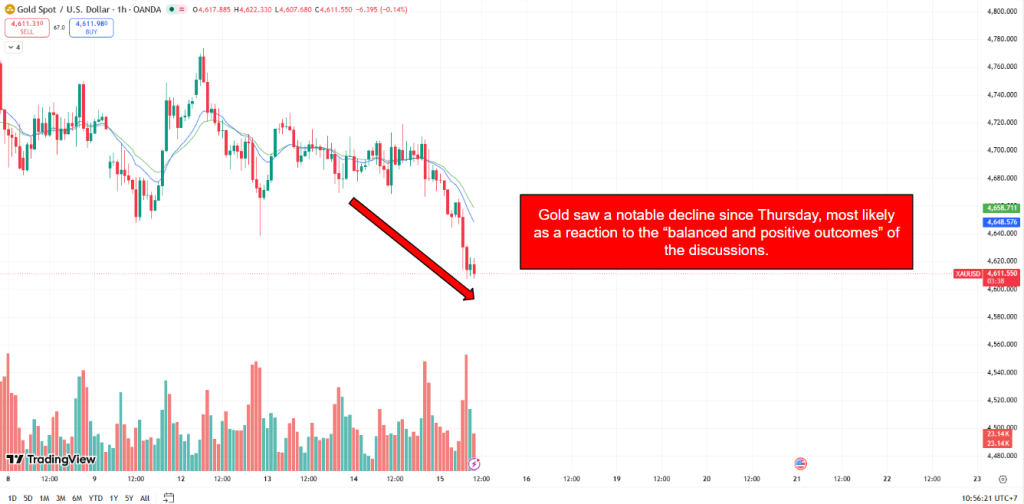
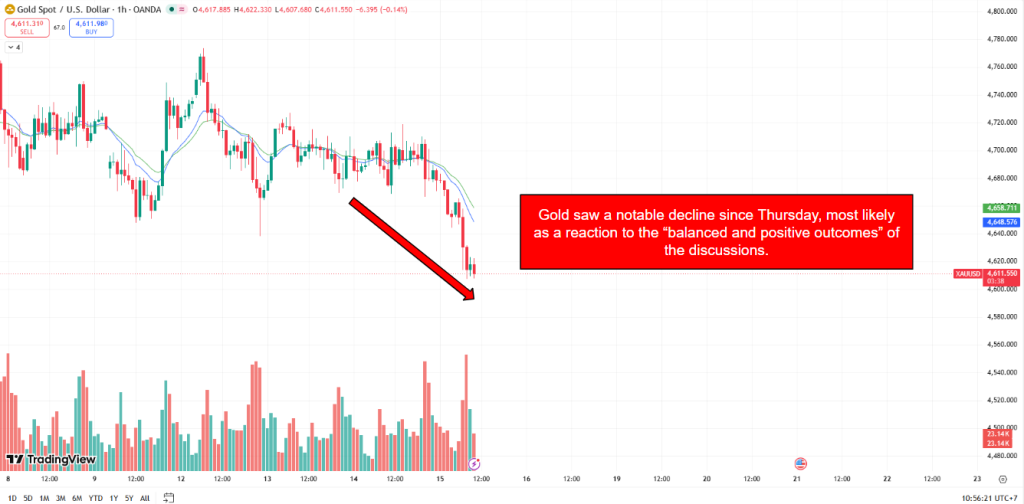
លទ្ធផលវិជ្ជមានពីកិច្ចពិភាក្សាអាចបានជួយកាត់បន្ថយតម្រូវការទ្រព្យសកម្មសុវត្ថិភាព (Safe-Haven Assets)។ តម្លៃមាសបានធ្លាក់ចុះចាប់តាំងពីថ្ងៃព្រហស្បតិ៍ ដោយធ្លាក់ពី $4,685 មក $4,612 (គិតត្រឹមម៉ោង 10:56 ព្រឹក GMT+7 ថ្ងៃទី 15 ខែឧសភា ឆ្នាំ 2026) ខណៈទីផ្សារឆ្លើយតបចំពោះការពិពណ៌នា “លទ្ធផលមានតុល្យភាព និងវិជ្ជមាន” នៃកិច្ចពិភាក្សា។ យ៉ាងណាវិញ ទីផ្សារនៅតែមានភាពប្រុងប្រយ័ត្នចំពោះការវិវឌ្ឍន៍គោលនយោបាយពាណិជ្ជកម្ម និងហានិភ័យភូមិសាស្ត្រនយោបាយបន្តទៅមុខទៀត។
លោក Kevin Warsh ត្រូវបានតែងតាំងជាប្រធានធនាគារកណ្ដាលអាមេរិកថ្មី និងការរំពឹងទុកគោលនយោបាយរបស់ធនាគារកណ្ដាលអាមេរិក
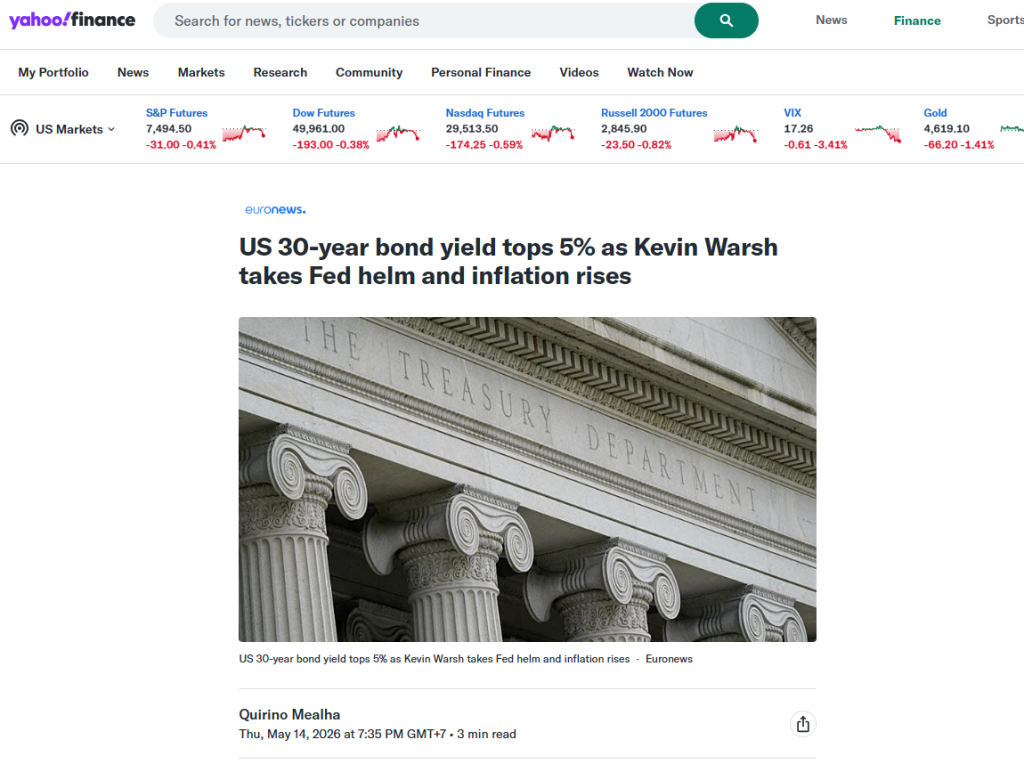
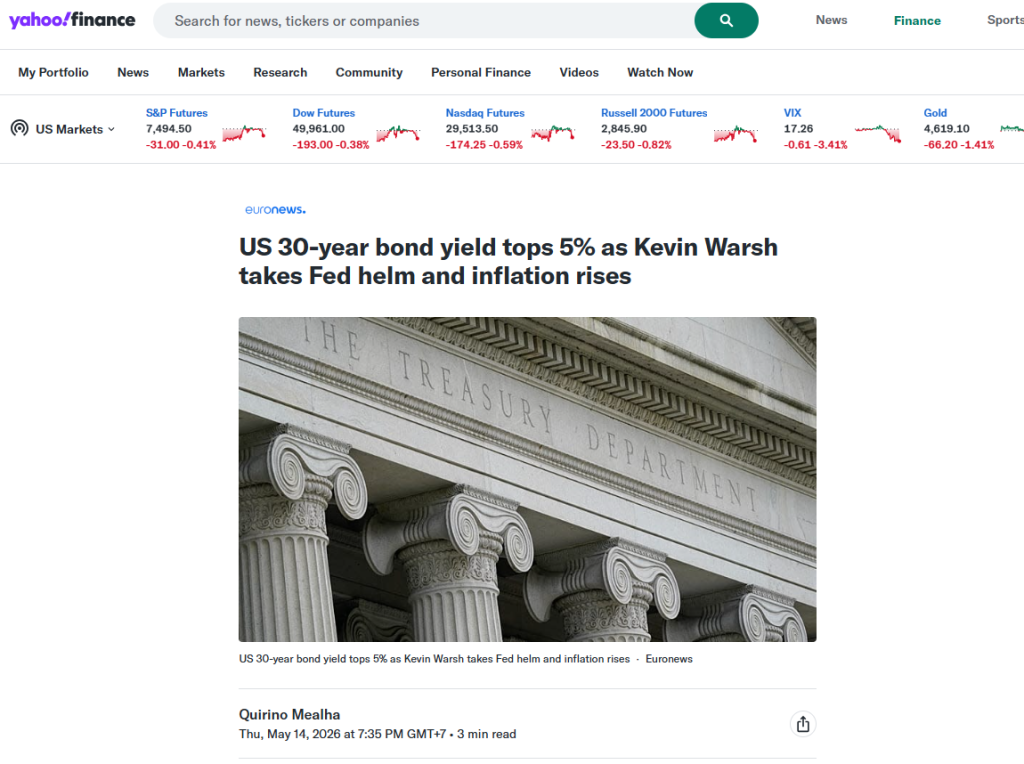
ការតែងតាំងលោក Kevin Warsh ជាប្រធានធនាគារកណ្ដាលអាមេរិក (Fed Chair) ថ្មី បានជួយបង្កើនការរំពឹងទុកថា ធនាគារកណ្ដាលអាមេរិកនឹងមានជំហរគោលនយោបាយរូបិយវត្ថុតឹងរឹងជាងមុន ដោយលោកធ្លាប់គាំទ្រការកាត់បន្ថយតារាងតុល្យការ (Balance Sheet) របស់សហរដ្ឋអាមេរិក យ៉ាងខ្លាំងតាមរយៈ Quantitative Tightening (QT) ដែលជាការកាត់បន្ថយសាច់ប្រាក់ក្នុងប្រព័ន្ធហិរញ្ញវត្ថុ តាមរយៈការកាត់បន្ថយការកាន់កាប់មូលបត្របំណុល និងទ្រព្យសកម្មផ្សេងៗ។ រួមជាមួយទិន្នន័យសន្ទស្សន៍តម្លៃទំនិញប្រើប្រាស់ (CPI) និងសន្ទស្សន៍តម្លៃអ្នកផលិត (PPI) កាលពីដើមសប្តាហ៍ដែលបង្ហាញពីសម្ពាធអតិផរណាបន្ត ទីផ្សារកំពុងរំពឹងថាធនាគារកណ្ដាលអាមេរិកនឹងរក្សាអត្រាការប្រាក់ខ្ពស់រយៈពេលយូរ ដែលអាចគាំទ្រតម្លៃប្រាក់ដុល្លារអាមេរិកឡើងថ្លៃជាងមុន។ ទិន្នផលមូលបត្របំណុលរដ្ឋាភិបាលអាមេរិករយៈពេល 30 ឆ្នាំ (U.S. 30-Year Bond) ក៏បានឡើងលើស 5% ផងដែរ ដែលបង្ហាញពីក្តីបារម្ភអតិផរណា និងការរំពឹងទុកគោលនយោបាយរូបិយវត្ថុតឹងរឹងជាងមុន។
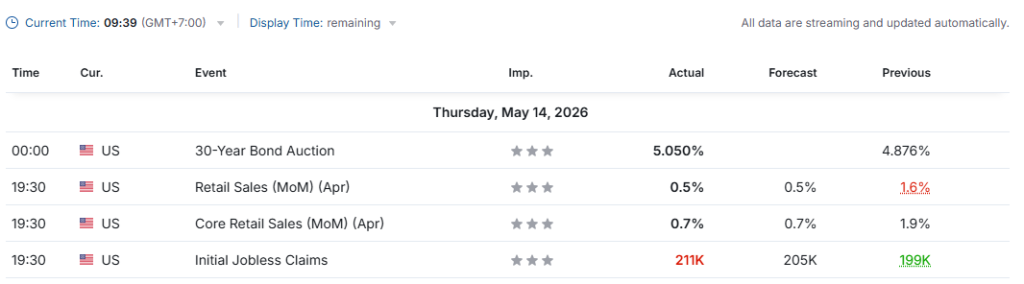
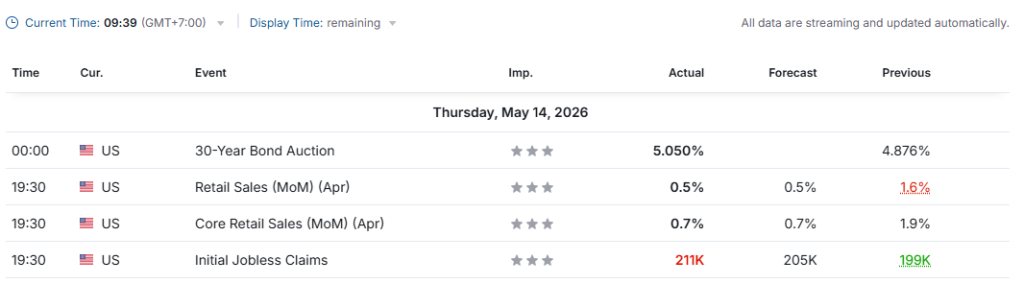
ទោះជាយ៉ាងណា ការធ្លាក់ចុះនៃទិន្នន័យការលក់រាយ (Retail Sales) និងការកើនឡើងនៃការទាមទារជំនួយអត់ការងារធ្វើ (Initial Jobless Claims) ដែលបានចេញផ្សាយនៅថ្ងៃទី 14 ខែឧសភា ឆ្នាំ 2026 បានបង្ហាញពីការថយចុះកំណើនសេដ្ឋកិច្ចនិងតម្រូវការអ្នកប្រើប្រាស់ ដែលជាធម្មតាអាចប៉ះពាល់អវិជ្ជមានដល់តម្លៃប្រាក់ដុល្លារអាមេរិក។
ទោះយ៉ាងណា ទីផ្សារបច្ចុប្បន្នហាក់ដូចជាជឿថា សម្ពាធអតិផរណានឹងកំណត់សមត្ថភាពរបស់ធនាគារកណ្ដាលអាមេរិកក្នុងការកាត់បន្ថយអត្រាការប្រាក់ក្នុងរយៈពេលខ្លី ដែលអាចធ្វើឲ្យប្រាក់ដុល្លារអាមេរិកឡើងថ្លៃជាងមុន។ បើប្រាក់ដុល្លារអាមេរិកឡើងថ្លៃជាងមុនមែន ទីផ្សារផ្សេងៗក៏អាចរងសម្ពាធផងដែរ ជាពិសេសមាស ដែលអាចធ្លាក់ចុះថោកជាងមុន ប្រសិនបើមានការកើនឡើងទៅលើការរំពឹងទុកថាធនាគារកណ្តាលអាមេរិកនឹងរក្សាអត្រាការប្រាក់ខ្ពស់រយៈពេលយូរបន្តទៀត។
| English Version |
U.S.–China Summit Developments
Chinese President Xi Jinping stated that discussions from yesterday’s meeting produced “balanced and positive outcomes,” though no further details were provided, reinforcing a broadly constructive tone around the ongoing negotiations. On trade, U.S. Trade Representative Jamieson Greer noted that it remains undecided whether the current trade truce will be extended beyond its expiry later this year, although agreements have reportedly been reached on Chinese purchases of U.S. agricultural goods, beef, and Boeing aircraft.
The main area of disagreement remains Taiwan, with China maintaining its position of not ruling out the use of force, while the U.S. continues to support Taipei’s defense capabilities under existing legislation. U.S. Secretary of State Marco Rubio reiterated that Washington’s policy remains unchanged, while noting the issue is regularly raised in discussions. Today is set to be the last day of the summit, with markets watching for further developments, particularly around a potential extension of the trade truce before it expires later this year and whether President Trump will seek Chinese support in encouraging Iran toward a U.S. agreement during his final day before departure.
The constructive tone from the talks may have weighed on safe-haven demand. Gold has declined notably since Thursday, falling from $4,685 to $4,612 (as of 10:56 AM GMT+7, May 15, 2026), as markets reacted to the “balanced and positive” characterization of the discussions, while broader markets remain sensitive to updates on trade policy direction and geopolitical spillovers.
Kevin Warsh Appointed as New Fed Chair and Fed Policy Expectations
Kevin Warsh’s appointment as the new Fed Chair reinforced expectations for a more hawkish monetary policy stance, as he has previously advocated for aggressive balance sheet reduction through quantitative tightening (QT), where the Federal Reserve reduces liquidity in the financial system by shrinking its holdings of bonds and other assets. Combined with earlier CPI and PPI data releases this week that indicated persistent inflationary pressure, markets increasingly expect the Federal Reserve to maintain higher interest rates for longer, which remains moderately supportive of the US Dollar. U.S 30-year Treasury yields also climbed above 5%, further reflecting inflation concerns and expectations of tighter monetary policy.
However, softer retail sales data and rising jobless claims released on May 14th, 2026 suggest slowing economic growth and weakening consumer demand, factors that would normally weigh on the USD.
Despite this, markets currently appear to believe that inflationary pressures will limit the Fed’s ability to cut rates in the near term, allowing the bullish USD outlook to outweigh growth concerns for now. A stronger USD could also pressure other markets, particularly gold, which may face a more bearish outlook as expectations for higher-for-longer interest rates continue to strengthen.