
មាតិកា/ Content:
ជ្រើសរើសមាតិកាខាងក្រោម ដើម្បីយកមកសិក្សាឈ្វេងយល់
ទស្សនវិស័យទីផ្សារប្រចាំសប្តាហ៍គិតត្រឹមថ្ងៃទី 25 ខែឧសភា ឆ្នាំ 2026
កត្តាសំខាន់ៗដែលត្រូវតាមដានបំផុតសម្រាប់សប្តាហ៍នេះគឺនឹងដាក់បញ្ចូលនៅក្នុងរបាយការណ៍ខាងក្រោមនេះដោយវិនិយោគិនអាចប្រើប្រាស់ព័ត៌មានខាងក្រោមជាមូលដ្ឋានគ្រឹះមុនពេលធ្វើការសម្រេចចិត្តលើការជួញដូរលើទ្រព្យណាមួយ។ របាយការណ៍នេះរួមបញ្ចូលទាំងការវិភាគបែបសេដ្ឋកិច្ច (Fundamental Analysis) ដែលជាកត្តាសំខាន់ៗជំរុញចលនាទីផ្សារ និងការវិភាគបែបបច្ចេកទេស (Technical Analysis) រួមទាំងចលនាតម្លៃ និងតំបន់សាច់ប្រាក់ (Liquidity Zones) សំខាន់ៗ ដែលវិនិយោគិនគួរតែតាមដាន។
ការបដិសេធ (Disclaimer): របាយការណ៍នេះធ្វើឡើងក្នុងគោលបំណងផ្សព្វផ្សាយការអប់រំ និងព័ត៌មានដែលគួរដឹងតែប៉ុណ្ណោះ។ សូមមេត្តាកំុប្រើប្រាស់របាយការណ៍នេះជាដំបូន្មានវិនិយោគ ឬជាសញ្ញាសម្រាប់ការជួញដូររបស់អ្នក។
ការវិភាគបែបសេដ្ឋកិច្ច (Fundamental Analysis)
កត្តាបីយ៉ាងដែលត្រូវផ្តោតលើសប្តាហ៍នេះ៖
ព្រឹត្តិការណ៍ប្រតិទិនសេដ្ឋកិច្ច
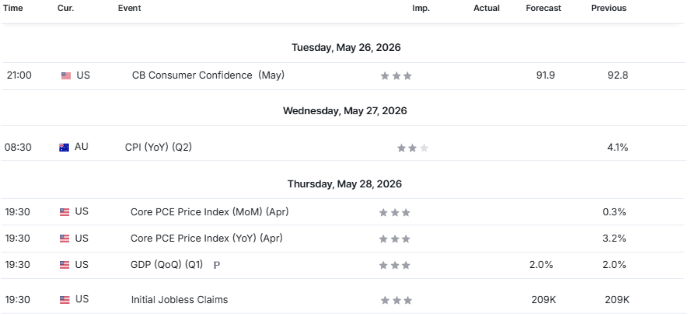
សប្តាហ៍នេះ ប្រតិទិនសេដ្ឋកិច្ចត្រូវបានដឹកនាំដោយទិន្នន័យសំខាន់ៗពីសហរដ្ឋអាមេរិក ខណៈថ្ងៃព្រហស្បតិ៍ត្រូវបានរំពឹងថានឹងក្លាយជាចំណុចសំខាន់បំផុតក្នុងការបង្កើតភាពអស្ថិរភាពនៅទីផ្សារ។
សប្តាហ៍ចាប់ផ្តើមដោយទិន្នន័យ Consumer Confidence របស់សហរដ្ឋអាមេរិក ដែលផ្តល់ការយល់ដឹងអំពីស្ថានភាពទំនុកចិត្តរបស់អ្នកប្រើប្រាស់។ ទិន្នន័យខ្លាំងអាចគាំទ្រប្រាក់ដុល្លារអាមេរិក ខណៈទិន្នន័យខ្សោយអាចប៉ះពាល់ដល់ការរំពឹងទុកនៃកំណើនសេដ្ឋកិច្ចហើយធ្វើឲប្រាក់ដុល្លារអាមេរិកខ្សោយជាងមុន។
បន្ទាប់មក ទិន្នន័យសន្ទស្សន៍តម្លៃទំនិញប្រើប្រាស់ (CPI) របស់អូស្ត្រាលី នឹងជាចំណុចផ្តោតសំខាន់សម្រាប់រូបិយប័ណ្ណអូស្ត្រាលី (AUD)។ អតិផរណាដែលនៅតែខ្ពស់អាចជំរុញឲ្យធនាគារកណ្តាលអូស្ត្រាលីរក្សាគោលនយោបាយតឹងរ៉ឹង ដែលគាំទ្ររូបិយប័ណ្ណ ខណៈទិន្នន័យទន់អាចបង្កសម្ពាធលើ AUD។
ការយកចិត្តទុកដាក់នឹងផ្លាស់ប្តូរទៅកាន់ការចេញផ្សាយទិន្នន័យសំខាន់ៗរបស់សហរដ្ឋអាមេរិកនៅថ្ងៃព្រហស្បតិ៍។ ការចំណាយលើការប្រើប្រាស់ផ្ទាល់ខ្លួនស្នូល (Core PCE) ដែលជាសូចនាករអតិផរណាដែលធនាគារកណ្តាលអាមេរិកប្រើជាចម្បង នឹងត្រូវបានតាមដានយ៉ាងជិតស្និទ្ធដោយវិនិយោគិន។ ទិន្នន័យខ្លាំងជាងការរំពឹងអាចគាំទ្រប្រាក់ដុល្លារអាមេរិក និងបង្កសម្ពាធលើតម្លៃមាស ខណៈទិន្នន័យខ្សោយជាងការរំពឹងអាចបង្កើនការរំពឹងទុកអំពីការកាត់អត្រាការប្រាក់។ ជាមួយគ្នានេះ ផលិតផលក្នុងស្រុកសរុប (GDP) ត្រីមាសទី១ នឹងបង្ហាញពីល្បឿននៃកំណើនសេដ្ឋកិច្ច។ កំណើនខ្លាំងអាចបញ្ជាក់ពីភាពរឹងមាំ ខណៈទិន្នន័យខ្សោយអាចបង្កការព្រួយបារម្ភអំពីការធ្លាក់ថយ។
ចុងក្រោយ ទិន្នន័យការទាមទារគ្មានការងារធ្វើដំបូង (Initial Jobless Claims) នឹងផ្តល់រូបភាពទាន់ពេលអំពីទីផ្សារការងារ។ ការទាមទារងារតិចអាចគាំទ្រប្រាក់ដុល្លារអាមេរិក ខណៈការកើនឡើងអាចបង្ហាញពីភាពទន់ខ្សោយនៃទីផ្សារការងារនៅសហរដ្ឋអាមេរិក។
ជាសរុប ទីផ្សារអាចនៅតែប្រុងប្រយ័ត្នមុនពេលការចេញផ្សាយទិន្នន័យជាច្រើននៅថ្ងៃព្រហស្បតិ៍ ដែលអាចក្លាយជាកត្តាសំខាន់ក្នុងការកំណត់ទិសដៅទីផ្សាររយៈពេលខ្លី។
ការចរចាររវាងសហរដ្ឋអាមេរិក និងអ៊ីរ៉ង់
ក្នុងសប្តាហ៍កន្លងមក មានសេចក្តីរាយការណ៍អំពីការរីកចម្រើនក្នុងការចរចាររវាងសហរដ្ឋអាមេរិក និងអ៊ីរ៉ង់។ ទោះយ៉ាងណា លោក Donald Trump បានណែនាំឲ្យតំណាងរបស់ខ្លួន “កុំប្រញាប់ប្រញាល់ចូលកិច្ចព្រមព្រៀង”។

ដោយហេតុនេះ ការសម្រេចលទ្ធផលចុងក្រោយនៅពេលឆាប់ៗនេះមើលទៅមិនទំនងទេ ទោះបីមានសញ្ញានៃការរីកចម្រើនផ្នែកការទូតក៏ដោយ។ ដូច្នេះ ទិន្នន័យអតិផរណា និងការរំពឹងទុកនយោបាយរបស់ធនាគារកណ្តាលអាមេរិកនឹងនៅតែជាកត្តាសំខាន់បំផុតក្នុងការ
បង្កើតទិសដៅទីផ្សារនៅសប្តាហ៍នេះ។
អតិផរណា និងទិន្នផលមូលបត្របំណុលអាមេរិកកើនឡើង គាំទ្រប្រាក់ដុល្លារអាមេរិកឲឡើងថ្លៃជាងមុន
ទិន្នន័យសប្តាហ៍មុន រួមមានសន្ទស្សន៍អ្នកគ្រប់គ្រងផលិតកម្មសកលរបស់ S&P (S&P Global Manufacturing) សន្ទស្សន៍អ្នកគ្រប់គ្រងសេវាកម្មសកល S&P (S&P Global Services PMI) និងកំណត់ហេតុកិច្ចប្រជុំ FOMC (FOMC Meeting Minutes) បានបង្ហាញថា សម្ពាធអតិផរណានៅតែបន្តមាន។ ទិន្នន័យទាំងនេះគាំទ្រទស្សនៈថាធនាគារកណ្តាលអាមេរិកអាចរក្សាអត្រាការប្រាក់នៅកម្រិតខ្ពស់រយៈពេលវែង ហើយមានវិនិយោគិនខ្លះក៏ពិចារណាអំពីលទ្ធភាពនៃការរឹតបន្តឹងបន្ថែមផងដែរ។
នៅពេលដូចគ្នា ទិន្នផលមូលបត្របំណុលអាមេរិក 30 ឆ្នាំរបស់សហរដ្ឋអាមេរិកបានកើនដល់កម្រិតខ្ពស់បំផុតចាប់តាំងពីឆ្នាំ 2007 ដែលបង្ហាញពីសម្ពាធលើមូលបត្របំណុលរយៈពេលវែង។ ទិន្នផលខ្ពស់ជាទូទៅគាំទ្រប្រាក់ដុល្លារអាមេរិក ហើយបានបង្កសម្ពាធលើរូបិយប័ណ្ណអាស៊ីមួយចំនួនដូចជា រូពីឥណ្ឌា រូប៊ីយ៉ាឥណ្ឌូនេស៊ី ប៉េសូហ្វីលីពីន និងយេនជប៉ុន។
ទិសដៅមាសនៅតែពាក់ព័ន្ធយ៉ាងជិតស្និទ្ធជាមួយអតិផរណា និងការរំពឹងទុកអត្រាការប្រាក់៖
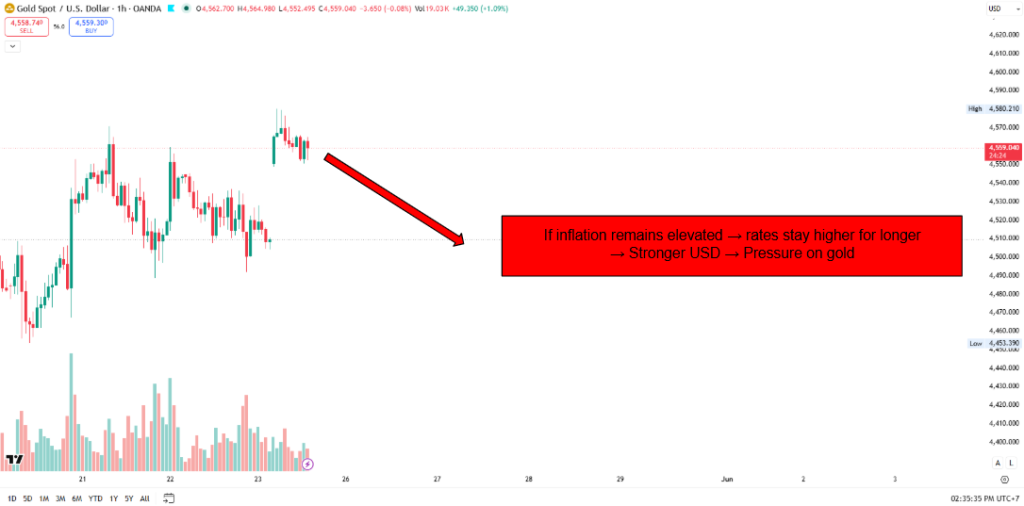
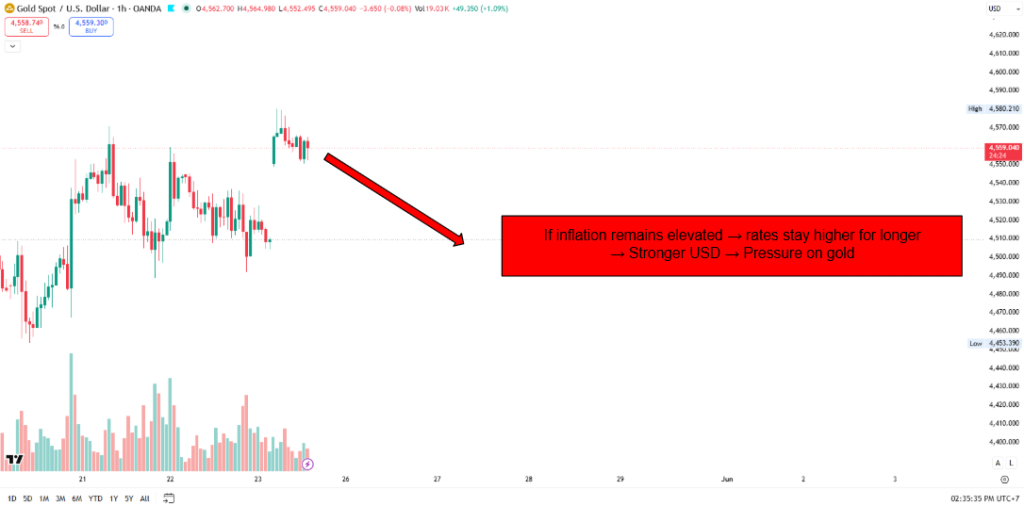
- ប្រសិនបើសម្ពាធអតិផរណានៅតែខ្ពស់ → អត្រាការប្រាក់ និងទិន្នផលនៅតែខ្ពស់ → មាសអាចប្រឈមសម្ពាធធ្លាក់ចុះ
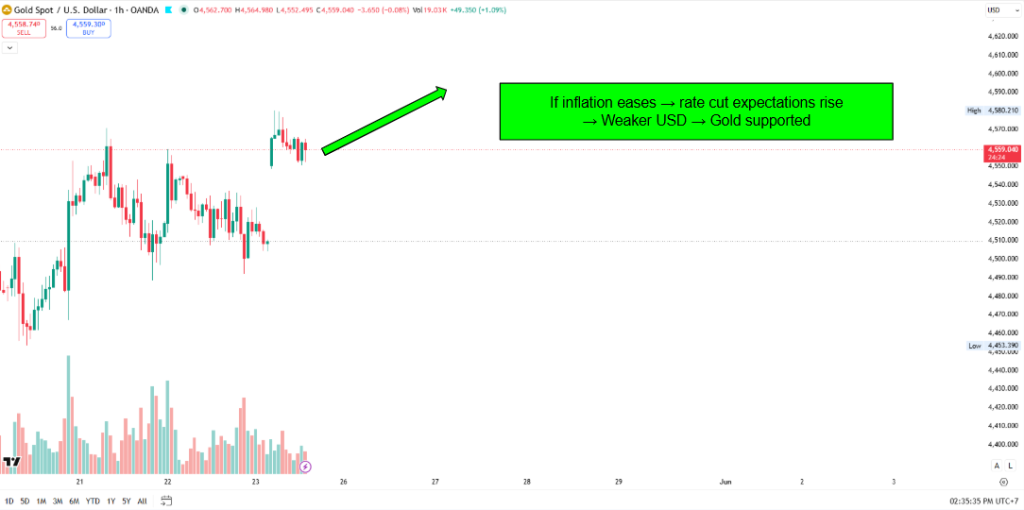
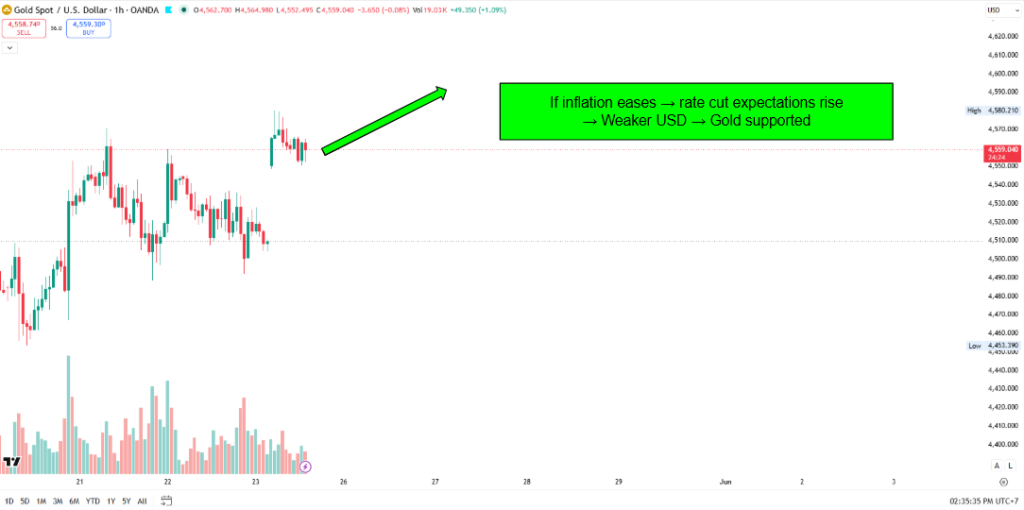
- ប្រសិនបើអតិផរណាធ្លាក់ចុះ → ការរំពឹងទុកការកាត់អត្រាការប្រាក់កើនឡើង → មាសអាចទទួលបានការគាំទ្រ
ការវិភាគបច្ចេកទេស (Technical Analysis)
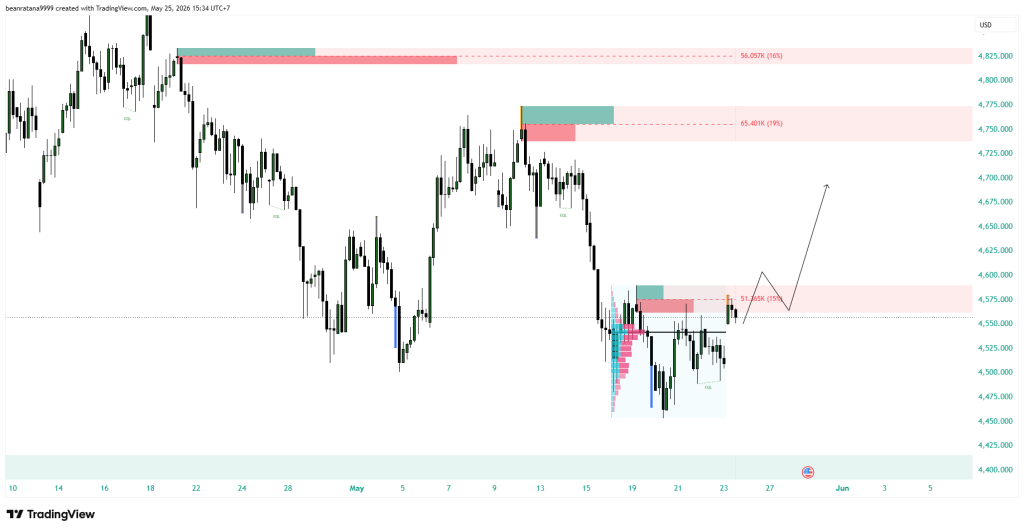
ទិសដៅសប្តាហ៍នេះជាទិសដៅឡើង មាសបានបើកផ្សារនៅផ្នែកខាងលើ POC កាលពីសប្តាហ៍មុនដែលបង្ហាញពីទិសដៅឡើង ដូចនេះក្នុងសប្តាហ៍នេះល្អបំផុតគឺយើងរកឱកាសទិញក្នុងទីសដៅឡើង ដោយកំណត់គោលដៅនៅតំបន់ Resistance សប្តាហ៍មុននៅប្តុំតម្លៃ 4753។
| English Version |
This report highlights key developments for the week ahead, providing investors with relevant context to support informed trading decisions. It covers both fundamental analysis—the primary drivers behind market movements—and technical analysis, including price action and key liquidity zones that traders should monitor.
Disclaimer: This material is provided for educational and informational purposes only and should not be considered as investment advice or a trading signal.
Fundamental Analysis
Three factors to focus on this week from the fundamental side:
Economic Calendar Events





This week’s economic calendar is led by key U.S. data, with Thursday expected to be the main driver of market volatility.
The week begins with U.S. Consumer Confidence, which will provide insight into the strength of consumer sentiment. Stronger readings may support the USD, while weaker data could weigh on growth expectations.
Next, Australia’s CPI will be a key focus for the AUD. Persistent inflation may reinforce a more hawkish stance from the Reserve Bank of Australia, supporting the currency, while softer data could pressure it.
Attention then shifts to Thursday’s high-impact U.S. releases. The Core PCE Price Index, the Fed’s preferred inflation measure, will be closely monitored. Stronger-than-expected data may support the USD and pressure gold, while softer readings could boost expectations for rate cuts. At the same time, U.S. GDP (Q1) will provide a gauge of economic momentum. Strong growth may reinforce a resilient outlook, while weaker data could raise concerns over slowing activity. Finally, Initial Jobless Claims will offer a timely snapshot of the labor market. Lower claims may support the USD, while higher claims could signal softening conditions.
Overall, markets are likely to remain cautious ahead of Thursday’s cluster of data, which may act as the key catalyst for short-term market direction.
U.S.-Iran Negotiations
Over the past week, there have been reports of progress surrounding the negotiations between the U.S. and Iran. However, Trump has urged his representatives “not to rush into a deal”.

Therefore, it is unlikely that the negotiations will be finalized anytime soon despite signs of diplomatic progress. This leaves inflation data and Federal Reserve expectations as the dominant forces driving the market which traders should look out for in this upcoming week.
Inflation and Rising Treasury Yields Support a Strong U.S. Dollar
Last week’s data, including the S&P Global Manufacturing and Services PMI and the FOMC Meeting Minutes, pointed to persistent inflationary pressures. This supports the view that the Federal Reserve may keep interest rates elevated for longer, with some market participants even considering the possibility of further tightening.
Meanwhile, the 30-year U.S. Treasury yield rose to its highest level since 2007, reflecting continued pressure in long-duration bonds. Elevated yields tend to support the USD, which in turn has placed pressure on several Asian currencies, including the Indian Rupee, Indonesian Rupiah, Philippine Peso, and Japanese Yen.

For gold, the outlook remains closely tied to inflation and interest rate expectations:
- If inflationary pressure persists → interest rates and yields stay elevated → gold may face downside pressure
- If inflationary pressure eases → rate cut expectations increase → gold may find support
Technical Analysis
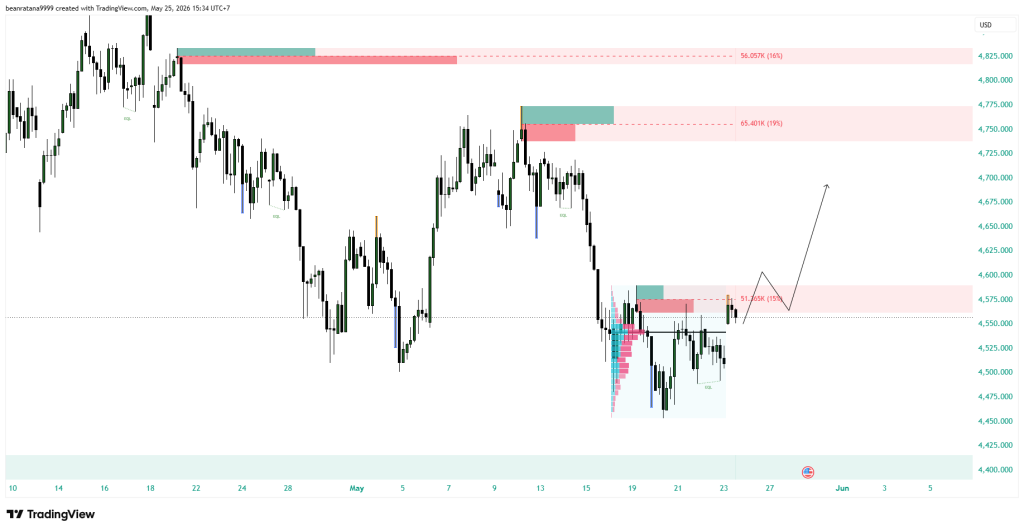
This week’s market is in an uptrend: Gold opened above last week’s POC, showing that the market shifted to an uptrend, so this week traders should look for long opportunities by setting the target to exit at the previous resistance level around 4753.