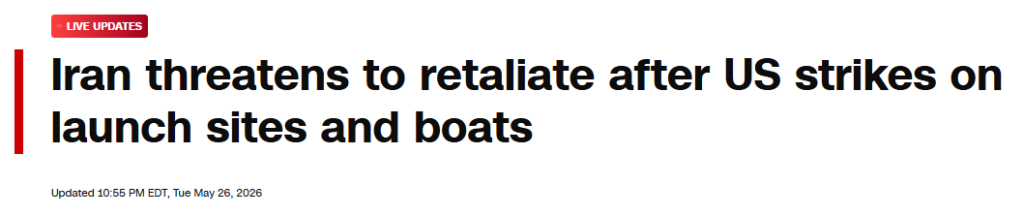
អ៊ីរ៉ង់គំរាមវាយតបតវិញ បន្ទាប់ពីការវាយប្រហាររបស់សហរដ្ឋអាមេរិកលើទីតាំងមីស៊ីល និងទូកអ៊ីរ៉ងពីថ្ងៃច័ន្ទ
ភាពតានតឹងរវាងសហរដ្ឋអាមេរិក និងអ៊ីរ៉ង់បានកើនឡើងម្ដងទៀត បន្ទាប់ពីមានរបាយការណ៍ថា កងទ័ពអាមេរិកបានវាយប្រហារលើទីតាំងបាញ់មីស៊ីល និងនាវាទឹករបស់អ៊ីរ៉ង់នៅដើមសប្ដាហ៍នេះ។ យោងតាម U.S. Central Command ការវាយប្រហារនេះត្រូវបានអនុវត្តក្នុងគោលបំណងការពារខ្លួន និងជាជំហានចាំបាច់ក្រោមបរិបទសន្តិសុខបច្ចុប្បន្ន។
ជាការឆ្លើយតប Islamic Revolutionary Guard Corps (IRGC) របស់អ៊ីរ៉ង់បានចេញសេចក្ដីថ្លែងការណ៍យ៉ាងតឹងរ៉ឹង ដោយព្រមានថា អ៊ីរ៉ង់នឹងវាយតបតទៅវិញលើការរំលោភលើបទឈប់បាញ់ណាមួយ។ IRGC ក៏បានបញ្ជាក់ថា សិទ្ធិក្នុងការវាយតបតវិញគឺ “ស្របច្បាប់ និងប្រាកដជានឹងកើតមាន” ដែលបន្ថែមហានិភ័យនៃការកើនឡើងភាពតានតឹងបន្ថែម ប្រសិនបើស្ថានភាពមិនត្រូវបានគ្រប់គ្រងស្រួលបួល។
បើទោះបីជាមានភាពតានតឹងកើនឡើងក៏ដោយ ការចរចាទៅលើអនុស្សរណៈនៃការយោគយល់គ្នា (MOU) នៅតែបន្តទៅមុខ។ ប៉ុន្តែការសម្រេចអនុស្សរណៈនៃការយោគយល់គ្នានេះនៅមិនទាន់ជិតមកដល់ឡើយ។ ទោះមានការប៉ះទង្គិចខ្លះៗ ការចរចាសន្តិភាពនៅតែបន្ត បង្ហាញថាភាគីទាំងពីរអាចនៅតែស្វែងរកដំណោះស្រាយតាមការចរចា ខណៈស្ថានភាពនៅមានភាពតានតឹងនៅឡើយ។
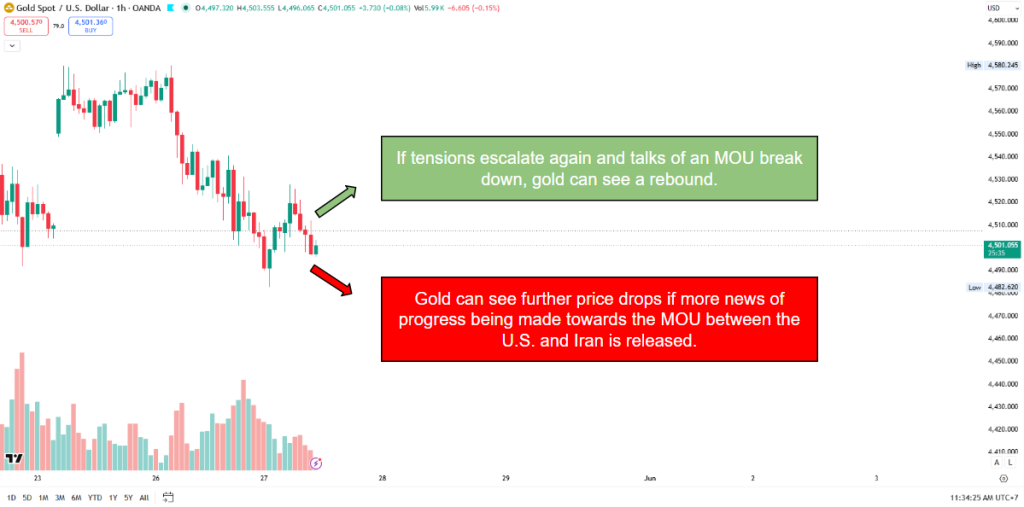
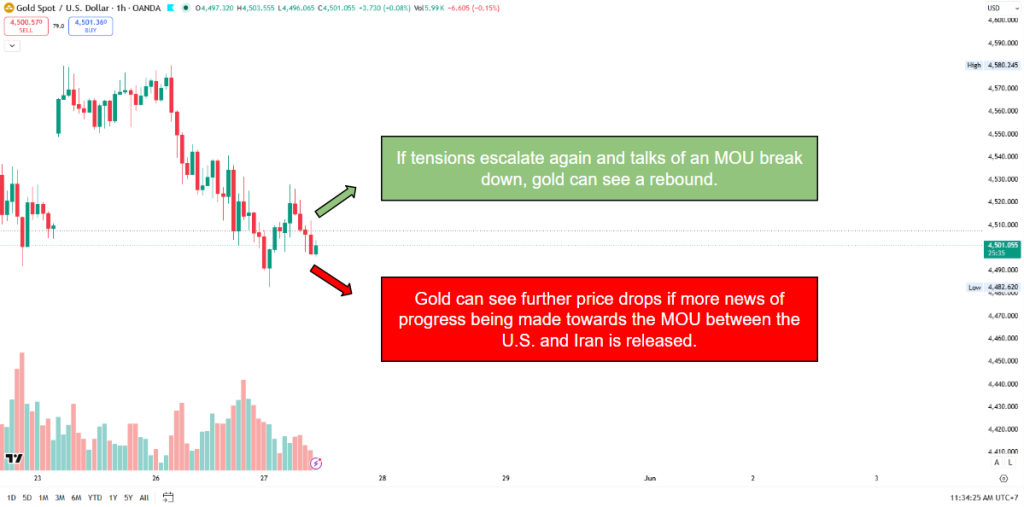
ចំពោះឥទ្ធិពលដែលព័ត៌មាននេះបានជះទៅលើទីផ្សារ តម្លៃមាសអាចរងសម្ពាធចុះក្នុងរយៈពេលខ្លី ដោយសារតែភាពខ្សោយនៃចលនាតម្លៃដែលកំពុងតែមានស្រាប់ និងសញ្ញាថាការចរចាសន្តិភាពនៅតែបន្ត ដែលបន្ថយតម្រូវការទ្រព្យសម្បត្តិសុវត្ថិភាព (safe-haven asset)។ ទោះជាយ៉ាងណា ហានិភ័យភូមិសាស្ត្រនយោបាយ និងការគំរាមតបស្នងនៅតែអាចកំណត់ដែនកំណត់នៃការធ្លាក់ចុះបន្ថែម។
ការប៉ះទង្គិចដ្រូនអ៊ុយក្រែនបង្កើនភាពតានតឹងតាមព្រំដែនសមាជិកអង្គការណាតូ (NATO)
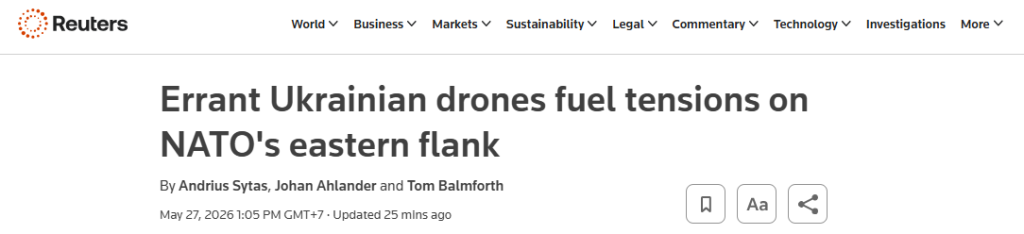
កាលពីម្សិលមិញ មានរបាយការណ៍ថា ដ្រូនរបស់អ៊ុយក្រែនដែលកំពុងវាយប្រហារទៅលើហេដ្ឋារចនាសម្ព័ន្ធថាមពលរបស់រុស្ស៊ី បានហោះចូលដែនអាកាសរបស់សមាជិកអង្គការណាតូ (NATO) ជាបន្តបន្ទាប់នៅតំបន់ព្រំដែនភាគខាងកើត ជាពិសេសនៅប្រទេសបាល់ទិក ដូចជា លីទុយអានី ឡាតវីយ៉ា និងអេស្តូនី។ ទោះបីជាមិនមានការខូចខាតធ្ងន់ធ្ងរ ឧបទ្ទវហេតុនេះបានបង្កឱ្យមានការរំលោភលើដែនអាកាស និងការព្រមានសន្តិសុខកាន់តែខ្លាំងឡើង ដោយបង្កើនការព្រួយបារម្ភអំពីហានិភ័យនៃការលេចធ្លាយពីជម្លោះរុស្ស៊ី និងអ៊ុយក្រែន។
មន្ត្រីបាល់ទិកបានបង្ហាញថា ការឆ្លងដែនទាំងនេះប្រហែលជាមិនមានចេតនាទេ ប៉ុន្តែបានចង្អុលទៅលើការអាចមានការរំខានពីប្រព័ន្ធសង្គ្រាមអេឡិចត្រូនិករបស់រុស្ស៊ីជាហេតុផលមួយដែលអាចបណ្តាលឱ្យកើតមានការឆ្លងដែននេះ។ ហេតុការណ៍នេះបង្កើនក្តីបារម្ភទូលំទូលាយអំពីការរំខានប្រព័ន្ធ GPS និងការបាត់បង់ទិសដៅរបស់ដ្រូន ដែលអាចធ្វើឲមានការកើនឡើងភាពតានតឹងដោយចៃដន្យរវាងសមាជិក NATO និងរុស្ស៊ី។
ការវិវឌ្ឍនេះអាចគាំទ្រតម្រូវការទ្រព្យសម្បត្តិសុវត្ថិភាព (safe-haven asset) បន្តិចបន្តួច ខណៈអាចបង្កភាពប្រែប្រួលរយៈពេលខ្លីនៅទីផ្សារ forex ដោយជួយគាំទ្រប្រាក់ដុល្លារអាមេរិក និងរូបិយប័ណ្ណបម្រុងផ្សេងៗទៀត។ តម្លៃប្រេងក៏អាចទទួលបានក្តីបារម្ភបន្ថែមបន្តិចពីភាពតានតឹងភូមិសាស្ត្រនយោបាយនៅអឺរ៉ុបខាងកើត ទោះបីជាផលប៉ះពាល់នៅមានកម្រិតក៏ដោយ លុះត្រាតែការវាយប្រហារគ្នាកើនឡើងបន្ថែមទៀត។
| English Version |
Iran Threatens to Retaliate After U.S. Strikes on Iranian Launch Sites and Boats from Monday
Tensions between the United States and Iran escalated once again after reports emerged that the U.S. military carried out targeted strikes on Iranian missile launch sites and naval vessels earlier this week. According to the U.S. Central Command, the operations were conducted as a measure of self-defense, signaling Washington’s stance that the actions were necessary amid ongoing security concerns.
In response, Iran’s Islamic Revolutionary Guard Corps (IRGC) issued a strongly worded statement warning that any violations of a ceasefire would be met with retaliation. The group emphasized that it considers a reciprocal response both “legitimate and certain,” reinforcing the risk of further escalation if tensions are not contained.
Despite the renewed friction, diplomatic efforts appear to remain in motion. Progress has reportedly been made toward a memorandum of understanding aimed at ending the conflict, although a finalized agreement is not yet imminent. While isolated clashes have occurred, the continuation of peace talks suggests that both sides may still be seeking a negotiated resolution, even as the situation on the ground remains fragile.
From a market perspective, gold may face near-term bearish pressure amid ongoing price weakness and signs of continued peace talks, indicating limited safe-haven demand. However, persistent geopolitical risks and retaliation threats are likely to cap further downside, while oil prices remain supported by potential supply disruption concerns.
Ukrainian Drone Spillovers Raise NATO Border Tensions
Reports indicate that Ukrainian drones targeting Russian energy infrastructure have increasingly crossed into NATO airspace along the alliance’s eastern flank, particularly in Baltic states such as Lithuania, Latvia, and Estonia. While no significant damage has been reported, the incidents have triggered airspace violations and heightened security alerts, raising concerns about spillover risks from the ongoing Russia–Ukraine conflict.
Baltic officials suggest the incursions are likely unintentional, but point to possible interference from Russian electronic warfare systems as a contributing factor. This has raised broader concerns over GPS disruption and drone navigation failures, increasing the risk of accidental escalation between NATO and Russia.
From a market perspective, the developments are mildly supportive for safe-haven demand, with potential for short-term volatility in FX markets as risk sentiment fluctuates, particularly supporting the USD and other defensive currencies. Oil prices may also see a slight risk premium due to renewed geopolitical uncertainty in Eastern Europe, although the impact remains limited unless the situation escalates further.