
អាមេរិកវាយប្រហារអ៊ីរ៉ង់ម្តងទៀត
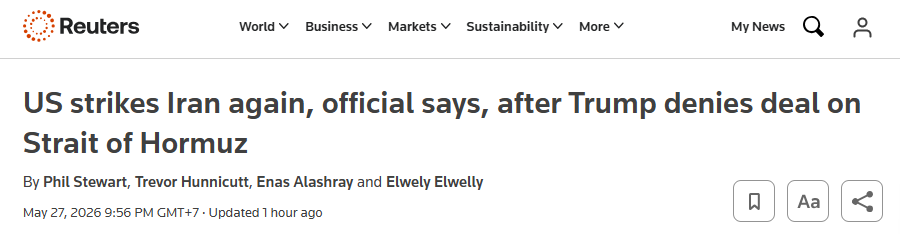
ភាពតានតឹងនៅមជ្ឈិមបូព៌ាបានកើនឡើងជាថ្មីម្តងទៀត បន្ទាប់ពីមន្ត្រីអាមេរិកបានបញ្ជាក់ថា កងកម្លាំងអាមេរិកបានបាញ់ទម្លាក់យន្តហោះដ្រូនអ៊ីរ៉ង់ចំនួន 4 គ្រឿង និងបានធ្វើការវាយប្រហារលើស្ថានីយត្រួតពិនិត្យដីនៅក្នុងទីក្រុងកំពង់ផែយុទ្ធសាស្ត្រ Bandar Abbas កាលពីថ្ងៃពុធ។ យោងតាមមន្ត្រីរូបនេះ សកម្មភាពនេះត្រូវបាន “វាស់វែង ការពារសុទ្ធសាធ និងមានបំណងរក្សាបទឈប់បាញ់”។
ទោះជាយ៉ាងណាក៏ដោយ ការវិវឌ្ឍន៍លើភាគីអ៊ីរ៉ង់បង្ហាញពីការកើនឡើងនៃភាពតានតឹងនៃស្ថានភាពនេះ។ ប្រព័ន្ធផ្សព្វផ្សាយរដ្ឋរបស់អ៊ីរ៉ង់បានរាយការណ៍ថា នាវាចំនួនបួនដែលរកឆ្លងកាត់ច្រកសមុទ្រ Hormuz ត្រូវបានត្រលប់មកវិញបន្ទាប់ពីការបាញ់ព្រមាន។ នេះបង្ហាញពីអស្ថិរភាព
នៅក្នុងចំណុចចង្រ្កានប្រេងដ៏សំខាន់មួយរបស់ពិភពលោក ដែលសូម្បីតែការរំខានតិចតួចក៏អាចមានឥទ្ធិពលខ្លាំងលើទីផ្សារថាមពលពិភពលោកដែរ។
ឧប្បត្តិហេតុចុងក្រោយនេះកើតឡើងបន្ទាប់ពីការវាយប្រហាររបស់អាមេរិកនៅភាគខាងត្បូងប្រទេសអ៊ីរ៉ង់កាលពីថ្ងៃច័ន្ទ ដែលសហរដ្ឋអាមេរិកបានពិពណ៌នាស្រដៀងគ្នាថាជាការការពារ។ ទោះជាយ៉ាងណាក៏ដោយ អង្គភាពឆ្មាំបដិវត្តន៍អ៊ីស្លាម (IRGC) បានថ្កោលទោសសកម្មភាពទាំងនោះថាជា “ការរំលោភបំពានទាំងស្រុង” នៃបទឈប់បាញ់។
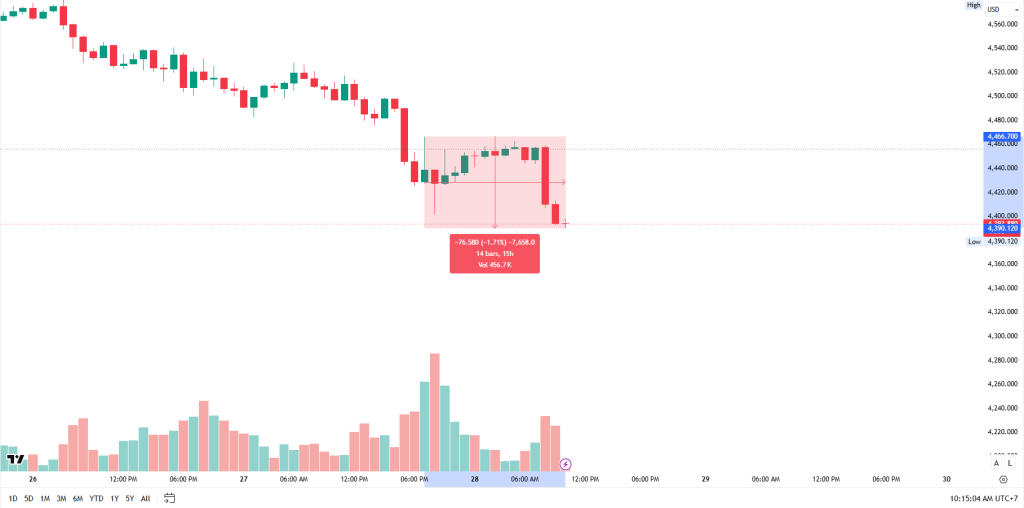
ទោះបីជាមានភាពតានតឹងផ្នែកភូមិសាស្ត្រនយោបាយក៏ដោយ តម្លៃមាសបានធ្លាក់ចុះប្រហែល 1.7% គិតត្រឹមម៉ោង 10:15 ព្រឹក (GMT+7) បន្ទាប់ពីព័ត៌មាននេះ។ ការផ្លាស់ប្តូរនេះបង្ហាញថាទីផ្សារកំពុងផ្តោតកាន់តែខ្លាំងលើកង្វល់ម៉ាក្រូសេដ្ឋកិច្ច ជាពិសេសអតិផរណាជាប់លាប់ និងអត្រាការប្រាក់កើនឡើងជាជាងប្រតិកម្មសុទ្ធសាធចំពោះហានិភ័យភូមិសាស្ត្រនយោបាយ។
គន្លឹះសំខាន់ៗពីកិច្ចប្រជុំគណៈរដ្ឋមន្ត្រីរបស់លោក Donald Trump
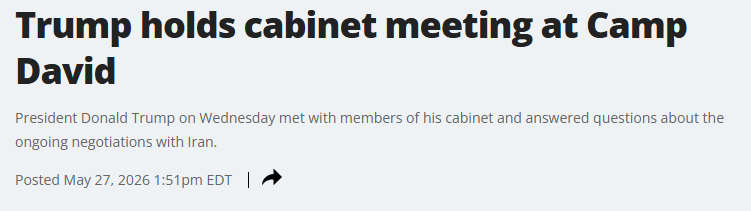
ការកត់សម្គាល់នាពេលថ្មីៗនេះពីលោក Donald Trump និងគណៈរដ្ឋមន្ត្រីរបស់លោកបានផ្តល់ការយល់ដឹងបន្ថែមទៀតអំពីជំហររបស់រដ្ឋបាលសហរដ្ឋអាមេរិកលើប្រទេសអ៊ីរ៉ង់ និងអាទិភាពគោលនយោបាយទូលំទូលាយ។ លោក Donald Trump បានបញ្ជាក់ថាការបោះឆ្នោតពាក់កណ្តាលអាណត្តិនាពេលខាងមុខនេះ គ្មានឥទ្វិពលទៅលើការចរចាដែលកំពុងបន្តជាមួយប្រទេសអ៊ីរ៉ង់ទេ។ នេះគឺជាសញ្ញាថាយុទ្ធសាស្រ្តភូមិសាស្ត្រនយោបាយនៅតែត្រូវបានការពារយ៉ាងទូលំទូលាយពីសម្ពាធនយោបាយក្នុងស្រុក។
ទន្ទឹមនឹងនេះ រដ្ឋលេខាធិការ លោក Marco Rubio បានសង្កត់ធ្ងន់លើជំហរសុខភាពសាធារណៈដ៏តឹងរ៉ឹង ដោយបញ្ជាក់ថា រដ្ឋបាលនឹងមិនអនុញ្ញាតឱ្យមេរោគ Ebola ចូលក្នុងសហរដ្ឋអាមេរិកឡើយ។ ខណៈដែលមិនទាក់ទងនឹងអ៊ីរ៉ង់ដោយផ្ទាល់ ការអត្ថាធិប្បាយនោះបានគូសបញ្ជាក់ពីការផ្តោតទូលំទូលាយលើសន្តិសុខជាតិទាំងមូល។
វឌ្ឍនភាពនៃការចរចាររវាងអាមេរិកនិងអ៊ីរ៉ង់ហាក់មានភាពមិនច្បាស់លាស់។ កាលពីដើមសប្តាហ៍នេះ ភាគីទាំងពីរបានបង្ហាញពីចលនាឆ្ពោះទៅរកអនុស្សរណៈនៃការយោគយល់គ្នា (MOU)។ ទោះជាយ៉ាងណាក៏ដោយ ស្ថានការណ៍កាន់តែយ៉ាប់យ៉ឺនបន្ទាប់ពីសេតវិមានបានច្រានចោលសេចក្តីព្រាងដែលចេញផ្សាយដោយប្រព័ន្ធផ្សព្វផ្សាយរដ្ឋអ៊ីរ៉ង់ ដោយហៅវាថាជា “ការប្រឌិតពេញលេញ”។ លក្ខខណ្ឌដែលបានស្នើឡើងតាមសេចក្តីរាយការណ៍ រួមមានសហរដ្ឋអាមេរិក ដកការបិទផ្លូវជើងទឹករបស់ខ្លួនលើកំពង់ផែអ៊ីរ៉ង់ និងការដកកងទ័ពចេញពីតំបន់ ខណៈអ៊ីរ៉ង់នឹងស្តារសកម្មភាពដឹកជញ្ជូនឆ្លងកាត់ច្រកសមុទ្រ Hormuz ដល់កម្រិតមុនសង្រ្គាមក្នុងរយៈពេលមួយខែ។
នៅពេលដែលភាគីទាំងពីរបានជជែកតវ៉ាជាសាធារណៈអំពីអត្ថិភាព និងលក្ខខណ្ឌនៃកិច្ចព្រមព្រៀងនេះ លទ្ធភាពនៃដំណោះស្រាយរយៈពេលជិតមួយហាក់ដូចជាទាប។ ជាលទ្ធផល សម្ពាធអតិផរណា ជាពិសេសកត្តាដែលជំរុញដោយតម្លៃប្រេងកើនឡើង ត្រូវបានគេរំពឹងថានឹងបន្តកើតមានក្នុងរយៈពេលដ៏ខ្លីខាងមុខនេះ។
ការយកចិត្តទុកដាក់របស់វិនិយោគិនត្រូវបានផ្តោតយ៉ាងរឹងមាំទៅលើទិន្នន័យសេដ្ឋកិច្ចរបស់សហរដ្ឋអាមេរិនៅថ្ងៃនេះ ជាពិសេសសន្ទស្សន៍ការចំណាយលើការប្រើប្រាស់ផ្ទាល់ខ្លួន (PCE) និងទិន្នន័យផលិតផលក្នុងស្រុកសរុប។ ទិន្នន័យទាំងអស់នេះនឹងផ្តល់នូវតម្រុយបន្ថែមទៀតលើគន្លងគោលនយោបាយរូបិយវត្ថុរបស់ធនាគារកណ្តាលអាមេរិក ជាពិសេសនៅពេលដែលអ្នកបង្កើតគោលនយោបាយបន្តរក្សាតុល្យភាពការគ្រប់គ្រងអតិផរណាប្រឆាំងនឹងហានិភ័យនៃកំណើនសេដ្ឋកិច្ច។
| English Version |
US Strikes Iran Again
Tensions in the Middle East escalated once more after a U.S. official confirmed that American forces shot down four Iranian attack drones and conducted a strike on a ground control station in the strategic port city of Bandar Abbas on Wednesday. According to the official, the actions were “measured, purely defensive, and intended to maintain the ceasefire,” signaling that the U.S. is still attempting to frame its military response as controlled rather than escalatory.
However, developments on the Iranian side suggest a more fragile situation. Iranian state media reported that four vessels attempting to transit the Strait of Hormuz were turned back after warning shots were fired. This highlights the continued volatility in one of the world’s most critical oil chokepoints, where even minor disruptions can have outsized effects on global energy markets.
This latest incident follows earlier U.S. strikes in southern Iran on Monday, which Washington similarly described as defensive. The Islamic Revolutionary Guard Corps (IRGC), however, condemned those actions as a “gross violation” of the ceasefire, reinforcing the widening gap in how both sides interpret recent military activity.
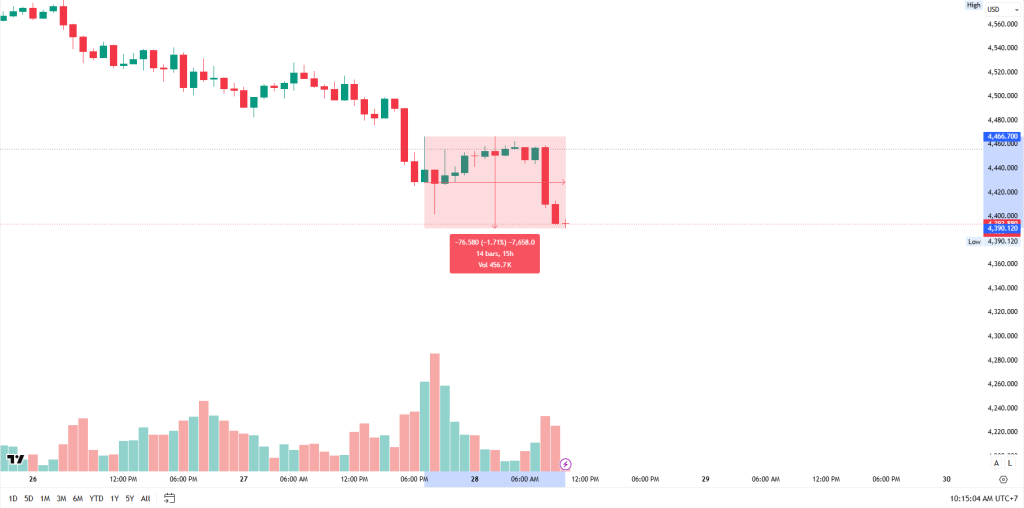
Despite the geopolitical tension, gold prices declined by approximately 1.7% as of 10:15 AM (GMT+7) following the news. The move suggests that markets are increasingly focused on macroeconomic concerns—particularly persistent inflation and elevated interest rates—rather than reacting purely to geopolitical risk.
Key Takeaways from Trump’s Cabinet Meeting
Recent remarks from Donald Trump and his cabinet offered further insight into the U.S. administration’s stance on Iran and broader policy priorities. Trump downplayed the impact of upcoming midterm elections on ongoing negotiations with Iran, signaling that geopolitical strategy remains largely insulated from domestic political pressure.
Meanwhile, Secretary of State Marco Rubio emphasized a strict public health stance, stating that the administration would not allow Ebola into the United States. While unrelated to Iran directly, the comment underscores a broader focus on national security across multiple fronts.
Diplomatic progress between the U.S. and Iran appears increasingly uncertain. Earlier in the week, both sides had indicated movement toward a memorandum of understanding (MOU). However, the situation deteriorated after the White House rejected a draft published by Iranian state media, calling it a “complete fabrication.” The proposed terms reportedly included the U.S. lifting its naval blockade on Iranian ports and withdrawing troops from the region, while Iran would restore shipping activity through the Strait of Hormuz to prewar levels within a month.
With both sides now publicly disputing the existence and terms of any agreement, the likelihood of a near-term resolution appears low. As a result, inflationary pressures, particularly those driven by elevated oil prices, are expected to persist in the near term.
Looking ahead, investor attention is firmly focused on upcoming U.S. economic data later today, particularly the Personal Consumption Expenditures (PCE) index and GDP. These indicators will provide further clues on the Federal Reserve’s monetary policy trajectory, especially as policymakers continue to balance inflation control against economic growth risks.