
ការបដិសេធរបស់ក្រុមហេសបូឡា (Hezbollah) បង្កើនភាពមិនច្បាស់លាស់ចំពោះកិច្ចព្រមព្រៀងឈប់បាញ់
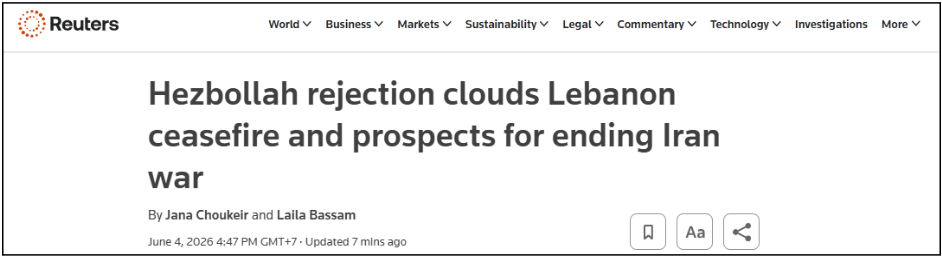
កាលពីម្សិលមិញ ក្រសួងការបរទេសសហរដ្ឋអាមេរិកបានប្រកាសថា ក្របខ័ណ្ឌកិច្ចព្រមព្រៀងឈប់បាញ់មួយរវាងអ៊ីស្រាអែល និងលីបង់ ដែលសហរដ្ឋអាមេរិកបានដើរតួនាទីជាអ្នកសម្របសម្រួល ត្រូវបានសម្រេចក្នុងអំឡុងកិច្ចចរចានៅទីក្រុងវ៉ាស៊ីនតោន។ ដំណឹងនេះបានជួយបន្ធូរបន្ថយក្តីបារម្ភរបស់ទីផ្សារចំពោះការរំខានដល់ការផ្គត់ផ្គង់ថាមពលក្នុងតំបន់ ដែលបានដាក់សម្ពាធលើតម្លៃប្រេង និងផ្តល់ការគាំទ្រមួយចំនួនដល់តម្លៃមាស។
ទោះជាយ៉ាងណា សុទិដ្ឋិនិយមជុំវិញកិច្ចព្រមព្រៀងនេះបានថយចុះយ៉ាងឆាប់រហ័ស បន្ទាប់ពីក្រុមហេសបូឡា (Hezbollah) ដែលជាក្រុមយោធាលីបង់គាំទ្រដោយអ៊ីរ៉ង់ បានបដិសេធសំណើនេះ ដោយអះអាងថាខ្លួនមិនបានចូលរួមក្នុងកិច្ចចរចានោះឡើយ។ រហូតមកដល់ពេលនេះ អ៊ីស្រាអែល លីបង់ និងសហរដ្ឋអាមេរិក មិនទាន់មានការឆ្លើយតបជាផ្លូវការចំពោះជំហររបស់ក្រុមហេសបូឡានោះទេ។
ការបដិសេធនេះបានបង្កើនការសង្ស័យចំពោះប្រសិទ្ធភាពនៃកិច្ចព្រមព្រៀងឈប់បាញ់ដែលបានស្នើឡើង ជាពិសេសខណៈដែលលក្ខខណ្ឌសំខាន់ៗរួមមានការបញ្ឈប់ការបាញ់ប្រហារពីសំណាក់ក្រុមហេសបូឡា និងការដកកងកម្លាំងរបស់ខ្លួនចេញពីភាគខាងត្បូងប្រទេសលីបង់។ ប្រសិនបើលក្ខខណ្ឌទាំងនេះមិនត្រូវបានអនុវត្តទេ កិច្ចព្រមព្រៀងនេះទំនងជាមិនអាចកាត់បន្ថយភាពតានតឹង ឬទប់ស្កាត់ការប៉ះទង្គិចបន្ថែមបានឡើយ។
ស្ថានភាពនេះក៏បានបង្កើតជាបញ្ហាប្រឈមសម្រាប់កិច្ចខិតខំប្រឹងប្រែងផ្នែកការទូតរវាងសហរដ្ឋអាមេរិក និងអ៊ីរ៉ង់ផងដែរ ខណៈដែលអ៊ីរ៉ង់ធ្លាប់បានបញ្ជាក់ថា កិច្ចព្រមព្រៀងណាមួយនឹងត្រូវរួមបញ្ចូលដំណោះស្រាយសម្រាប់ជម្លោះរវាងអ៊ីស្រាអែល និងលីបង់ផងដែរ។ នៅពេលដែលទំនុកចិត្តលើកិច្ចព្រមព្រៀងឈប់បាញ់ចុះខ្សោយ ក្តីបារម្ភអំពីជម្លោះដែលអាចអូសបន្លាយរយៈពេលវែងបានលេចឡើងសារជាថ្មី ដែលបានដាក់សម្ពាធលើតម្លៃមាស ខណៈទីផ្សារវាយតម្លៃពីហានិភ័យនៃសម្ពាធអតិផរណាដែលអាចបន្តយូរ និងលទ្ធភាពដែលធនាគារកណ្តាលអាមេរិកអាចរក្សាអត្រាការប្រាក់នៅកម្រិតខ្ពស់រយៈពេលយូរជាងមុន។
សភាតំណាងរាស្ត្រអាមេរិកបោះឆ្នោតគាំទ្រការបញ្ចប់សង្គ្រាមជាមួយអ៊ីរ៉ង់
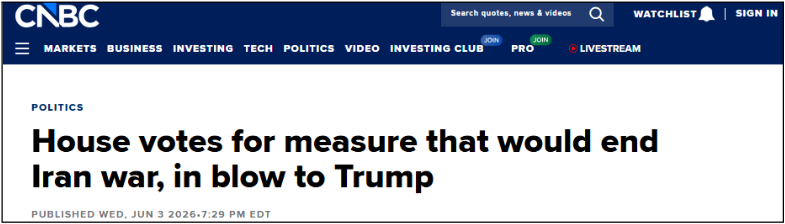
សភាតំណាងរាស្ត្រសហរដ្ឋអាមេរិក ដែលគ្រប់គ្រងដោយគណបក្សសាធារណរដ្ឋ បានបោះឆ្នោតក្នុងលទ្ធផល 215 ទល់នឹង 208 កាលពីថ្ងៃពុធ ដើម្បីគាំទ្រដំណោះស្រាយស្តីពីអំណាចសង្គ្រាម (War Powers Resolution) ដែលមានគោលបំណងកំណត់សមត្ថភាពរបស់ប្រធានាធិបតីលោក Donald Trump ក្នុងការបន្តប្រតិបត្តិការយោធាប្រឆាំងនឹងអ៊ីរ៉ង់ ដោយគ្មានការអនុម័តពីសភា។ សមាជិកសភាសាធារណរដ្ឋចំនួន 4 រូបបានចូលរួមបោះឆ្នោតគាំទ្រជាមួយគណបក្សប្រជាធិបតេយ្យ ដែលឆ្លុះបញ្ចាំងពីក្តីបារម្ភកាន់តែខ្លាំងឡើងនៅក្នុងគណបក្សរបស់លោក Trump អំពីទិសដៅ និងរយៈពេលនៃជម្លោះដែលបានអូសបន្លាយអស់រយៈពេល 3 ខែមកហើយ។
ដំណោះស្រាយនេះនឹងតម្រូវឱ្យដកកងកម្លាំងអាមេរិកចេញពីជម្លោះ លុះត្រាតែសភាប្រកាសសង្គ្រាមជាផ្លូវការ ឬអនុម័តការប្រើប្រាស់កម្លាំងយោធា។ ទោះជាយ៉ាងណា ការបោះឆ្នោតនេះនៅតែមានលក្ខណៈជានិមិត្តរូបជាចម្បងនៅពេលនេះ ព្រោះវាត្រូវការការអនុម័តពីព្រឹទ្ធសភាផងដែរ មុននឹងអាចចូលជាធរមានបាន។
ការប្រឆាំងនឹងជម្លោះនេះកាន់តែផ្តោតលើក្តីបារម្ភថា រដ្ឋបាលអាមេរិកអាចជាប់ពាក់ព័ន្ធក្នុងសង្គ្រាមរយៈពេលវែង ដោយគ្មានយុទ្ធសាស្ត្រច្បាស់លាស់។ អ្នករិះគន់ក៏បានព្រមានផងដែរថា ជម្លោះដែលអូសបន្លាយអាចជំរុញឱ្យតម្លៃប្រេងឥន្ធនៈ អាហារ និងទំនិញប្រើប្រាស់ផ្សេងៗកើនឡើងបន្ថែមទៀត ដែលនឹងបង្កើនសម្ពាធអតិផរណាដែលមានស្រាប់។
ទោះបីជាការបោះឆ្នោតនេះមិនបានផ្លាស់ប្តូរគោលនយោបាយរបស់សហរដ្ឋអាមេរិកភ្លាមៗក៏ដោយ ក៏វាបង្ហាញថា ប្រព័ន្ធត្រួតពិនិត្យ និងតុល្យភាពអំណាចនៅក្នុងប្រព័ន្ធនយោបាយអាមេរិកនៅតែដំណើរការយ៉ាងសកម្ម ដែលអាចជួយកំណត់វិសាលភាពនៃការពង្រីកសកម្មភាពយោធានាពេលអនាគត។ តាមទស្សនៈទីផ្សារ ការវិវត្តនេះអាចត្រូវបានមើលឃើញថាជាសញ្ញាវិជ្ជមានក្នុងកម្រិតមធ្យមសម្រាប់ទំនុកចិត្តវិនិយោគិន ព្រោះទីផ្សារអាចបកស្រាយថា ការត្រួតពិនិត្យកាន់តែខ្លាំងពីសភា នឹងកាត់បន្ថយលទ្ធភាពនៃជម្លោះដែលអូសបន្លាយ ឬពង្រីកបន្ថែម។ ប្រសិនបើភាពតានតឹងភូមិសាស្ត្រនយោបាយថយចុះជាលទ្ធផល តម្លៃប្រេងអាចធ្លាក់ចុះ ដែលជួយបន្ធូរបន្ថយក្តីបារម្ភអំពីអតិផរណា និងផ្តល់ការគាំទ្រមួយចំនួនដល់តម្លៃមាស តាមរយៈការរំពឹងទុកថាបរិយាកាសអត្រាការប្រាក់នឹងមិនតឹងរ៉ឹងខ្លាំងដូចមុន។
| English Version |
Hezbollah Rejection Casts Doubt on Ceasefire Efforts
Yesterday, an announcement from the U.S. State Department revealed that a U.S.-brokered ceasefire framework between Israel and Lebanon had been reached during negotiations in Washington. The news initially eased concerns over potential disruptions to regional energy supplies, weighing on oil prices and providing some support for gold prices.
However, optimism surrounding the agreement quickly faded after Hezbollah, the Iran-backed Lebanese military group, rejected the proposal, stating that it had not participated in the negotiations. Neither Israel, Lebanon, nor the United States immediately responded to Hezbollah’s stance.
The rejection casts doubt on the effectiveness of the proposed ceasefire, particularly as key contingents of the ceasefire include both a cessation of fires from Hezbollah and the withdrawal of its forces from southern Lebanon. Without these contingents being met, the agreement appears unlikely to meaningfully reduce tensions or prevent further exchanges of fire.
The situation also presents a challenge for broader U.S.-Iran diplomatic efforts, as Iran has previously indicated that any agreement would need to include a resolution to the conflict between Israel and Lebanon. As confidence in the ceasefire weakened, concerns over a prolonged conflict resurfaced, pressuring gold prices as markets weighed the risk of sustained inflationary pressures and the possibility that the Federal Reserve may need to keep interest rates elevated for longer.
US House Votes in Favor of Ending Iran War
The Republican-led U.S. House of Representatives voted 215-208 on Wednesday in favor of a war powers resolution aimed at limiting President Donald Trump’s ability to continue military operations against Iran without congressional approval. Four Republican lawmakers joined Democrats in supporting the measure, highlighting growing concerns within Trump’s own party over the direction and duration of the three-month-old conflict.
The resolution would require the withdrawal of U.S. forces from the conflict unless Congress formally declares war or authorizes the use of military force. However, the measure remains largely symbolic for now, as it must also pass the Senate before it can take effect.
Opposition to the conflict has increasingly centered on concerns that the administration could become entangled in a prolonged military engagement without a clearly defined strategy. Critics have also warned that an extended conflict could place further upward pressure on gasoline, food, and other consumer prices, adding to existing inflation concerns.
While the vote does not immediately change U.S. policy, it demonstrates that checks and balances within the U.S. political system remain active, potentially limiting the scope of future military escalation. From a market perspective, the development may be viewed as a modestly positive signal for risk sentiment, as investors could interpret increased congressional scrutiny as reducing the likelihood of a prolonged or expanded conflict. If geopolitical tensions ease as a result, oil prices could face less upward pressure, helping to alleviate inflation concerns and providing some support for gold prices through expectations of a less restrictive interest rate environment.