
ធនាគារកណ្តាលអាមេរិក (Fed) រក្សាអត្រាការប្រាក់ថេរ ប៉ុន្តែទស្សនវិស័យតឹងរ៉ឹងដាក់សម្ពាធលើមាស

ធនាគារកណ្តាលអាមេរិក (Fed) បានសម្រេចរក្សាអត្រាការប្រាក់គោលនៅកម្រិត 3.75% ដដែល ដែលជាលទ្ធផលដែលទីផ្សារហិរញ្ញវត្ថុបានរំពឹងទុកយ៉ាងទូលំទូលាយ។ ទោះជាយ៉ាងណា វិនិយោគិនមិនបានផ្តោតសំខាន់លើការរក្សាអត្រាការប្រាក់នោះទេ ប៉ុន្តែបានយកចិត្តទុកដាក់លើការព្យាករណ៍គោលនយោបាយថ្មីរបស់ Fed វិញ ដែលបង្ហាញថាមន្ត្រីភាគច្រើននៅតែមានការប្រុងប្រយ័ត្នចំពោះការបន្ធូរបន្ថយគោលនយោបាយរូបិយវត្ថុ។
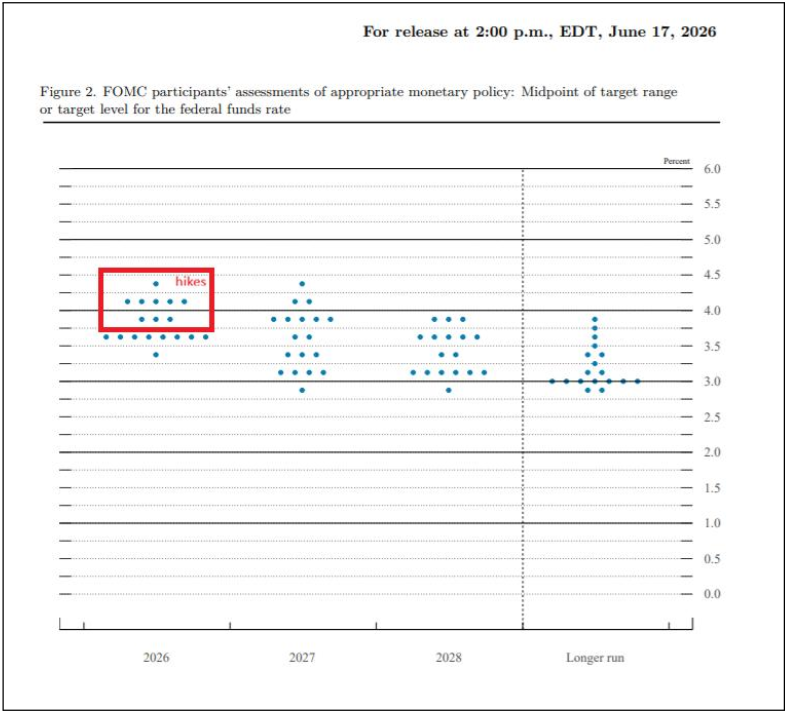
Dot Plot ចុងក្រោយបានបង្ហាញពីទស្សនវិស័យដែលមានលក្ខណៈតឹងរ៉ឹង (Hawkish)។ ក្នុងចំណោមមន្ត្រីដែលបានចូលរួមកិច្ចប្រជំុ FOMC ទាំង 18 រូបដែលបានដាក់ស្នើការព្យាករណ៍ មាន 9 រូបរំពឹងថានឹងមានការដំឡើងអត្រាការប្រាក់យ៉ាងហោចណាស់មួយដងមុនដំណាច់ឆ្នាំ ខណៈ 8 រូបរំពឹងថាអត្រាការប្រាក់នឹងនៅថេរ ហើយមានតែមន្ត្រីម្នាក់ប៉ុណ្ណោះដែលព្យាករណ៍ថានឹងមានការកាត់បន្ថយអត្រាការប្រាក់។ ក្នុងចំណោមការព្យាករណ៍ដែលមានលក្ខណៈតឹងរ៉ឹងជាងគេ មន្ត្រីម្នាក់រំពឹងថានឹងមានការដំឡើងអត្រាការប្រាក់ចំនួន 3 ដង ក្នុងទំហំ 25 Basis Points (ស្មើនឹង 0.25%) ក្នុងរយៈពេល 6 ខែខាងមុខ ខណៈ 5 រូបរំពឹងថានឹងមានការដំឡើង 2 ដង និង 3 រូបរំពឹងថានឹងមានការដំឡើង 1 ដង។
មួយចំណុចដែលគួរឱ្យកត់សម្គាល់គឺ លើកនេះមានការដាក់ស្នើការព្យាករណ៍ត្រឹមតែ 18 ប៉ុណ្ណោះ ជំនួសឱ្យ 19 ដូចធម្មតា ដោយសារប្រធានFed លោក Kevin Warsh មិនបានចូលរួមក្នុងការបំពេញ Dot Plot នេះ។ ក្នុងសន្និសីទសារព័ត៌មាន លោកបានបញ្ជាក់ថា លោកមិនអាចផ្តល់ការណែនាំជាមុនអំពីជំហានបន្ទាប់របស់ Fed បានទេ ដែលបញ្ជាក់ថាការសម្រេចចិត្តនាពេលខាងមុខនឹងនៅតែពឹងផ្អែកលើទិន្នន័យសេដ្ឋកិច្ចដែលនឹងចេញផ្សាយ។
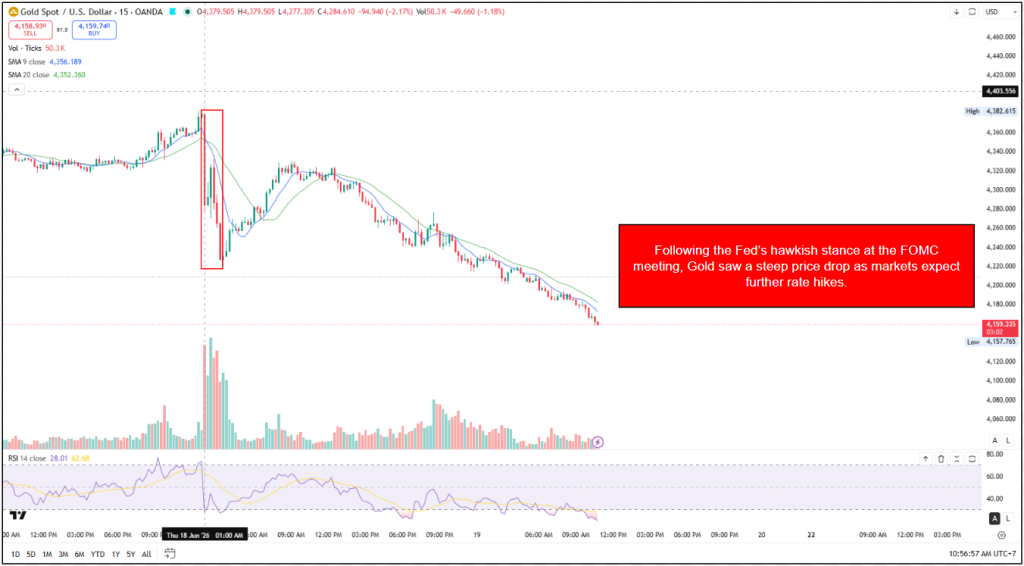
ទីផ្សារបានបកស្រាយសាររួមរបស់ Fed ថាមានលក្ខណៈតឹងរ៉ឹងជាងការរំពឹងទុក ដែលជំរុញឱ្យតម្លៃមាសធ្លាក់ចុះក្នុងអំឡុងព្រឹកថ្ងៃព្រហស្បតិ៍។ ការរំពឹងទុកថាអត្រាការប្រាក់នឹងនៅកម្រិតខ្ពស់ជាងមុន ជាទូទៅជួយគាំទ្រដល់ប្រាក់ដុល្លារអាមេរិក និងទិន្នផលមូលបត្ររដ្ឋាភិបាលអាមេរិក ដែលបង្កើនថ្លៃឱកាស (Opportunity Cost) នៃការកាន់កាប់ទ្រព្យសកម្មដែលមិនផ្តល់ទិន្នផល ដូចជាមាសជាដើម។
ភាពមិនច្បាស់លាស់ជុំវិញអនុស្សរណៈនៃការយោគយល់គ្នា (MoU) រវាងសហរដ្ឋអាមេរិក និងអ៊ីរ៉ង់ នៅតែជាហានិភ័យសំខាន់សម្រាប់ទីផ្សារ
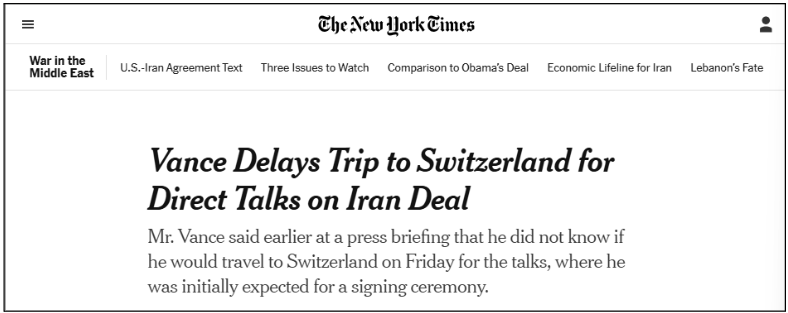
ពិធីចុះហត្ថលេខាជាផ្លូវការលើការបន្តបទឈប់បាញ់រយៈពេល 60 ថ្ងៃរវាងសហរដ្ឋអាមេរិក និងអ៊ីរ៉ង់ ដែលគ្រោងធ្វើឡើងនៅទីក្រុងហ្សឺណែវ (Geneva) នៅថ្ងៃសុក្រ ត្រូវបានលុបចោល ទោះបីមានសេចក្តីរាយការណ៍ថាភាគីទាំងពីរបានចុះហត្ថលេខាលើអនុស្សរណៈនៃការយោគយល់គ្នា (MoU) តាមប្រព័ន្ធឌីជីថលរួចហើយក៏ដោយ។ ការលុបចោលនេះកើតឡើងបន្ទាប់ពីមានព័ត៌មានថា អនុប្រធានាធិបតីអាមេរិក លោក JD Vance នឹងមិនធ្វើដំណើរទៅកាន់ប្រទេសស្វីសទៀតទេ ដែលបង្កើនចម្ងល់អំពីភាពរឹងមាំនៃកិច្ចព្រមព្រៀង និងលទ្ធភាពក្នុងការកាត់បន្ថយភាពតានតឹងឱ្យបានយូរអង្វែង។
យោងតាមប្រព័ន្ធផ្សព្វផ្សាយរដ្ឋអ៊ីរ៉ង់ ប្រធានាធិបតីអ៊ីរ៉ង់បានចុះហត្ថលេខាលើកិច្ចព្រមព្រៀងនេះតាមប្រព័ន្ធឌីជីថលកាលពីដើមសប្តាហ៍នេះ ខណៈប្រធានាធិបតីអាមេរិក លោក Trump បានចុះហត្ថលេខាលើឯកសារនេះជាលើកទីពីរកាលពីថ្ងៃពុធ បន្ទាប់ពីបានចុះហត្ថលេខាតាមប្រព័ន្ធឌីជីថលជាលើកដំបូងកាលពីថ្ងៃអាទិត្យ។ ទោះបីរដ្ឋាភិបាលទាំងពីរហាក់បីដូចជាប្តេជ្ញាចិត្តចំពោះកិច្ចព្រមព្រៀងនេះក៏ដោយ ការលុបចោលពិធីចុះហត្ថលេខាដែលបានគ្រោងទុក បានបង្កើនភាពមិនច្បាស់លាស់ជុំវិញការអនុវត្ត និងប្រសិទ្ធភាពរយៈពេលវែងរបស់អនុស្សរណៈនេះ។
ទន្ទឹមនឹងនេះ អ៊ីស្រាអែលនៅតែបន្តប្រតិបត្តិការយោធាប្រឆាំងនឹងក្រុម Hezbollah ដែលគាំទ្រដោយអ៊ីរ៉ង់នៅប្រទេសលីបង់ ដែលបង្ហាញថាភាពតានតឹងក្នុងតំបន់នៅមិនទាន់ថយចុះទាំងស្រុងនៅឡើយ។ ដូច្នេះ វិនិយោគិនមិនត្រឹមតែតាមដានថាតើពិធីចុះហត្ថលេខាជាផ្លូវការនឹងត្រូវធ្វើឡើងឬអត់នោះទេ ប៉ុន្តែថែមទាំងតាមដានថាតើភាគីពាក់ព័ន្ធទាំងអស់នឹងគោរពតាមលក្ខខណ្ឌនៃបទឈប់បាញ់ដែរឬទេ។
សម្រាប់ទីផ្សារមាស កត្តាសំខាន់គឺរបៀបដែលការវិវត្តន៍ផ្នែកភូមិសាស្ត្រនយោបាយអាចប៉ះពាល់ដល់ការរំពឹងទុកអតិផរណា និងគោលនយោបាយរូបិយវត្ថុនាពេលខាងមុខ។ ខាងក្រោមនេះគឺជាសេណារីយ៉ូសំខាន់ៗពីរ៖
- សេណារីយ៉ូវិជ្ជមានសម្រាប់មាស (Bullish Scenario for Gold): បទឈប់បាញ់ត្រូវបានអនុវត្តដោយជោគជ័យ ដែលជួយកាត់បន្ថយការព្រួយបារម្ភអំពីការរំខានដល់ការផ្គត់ផ្គង់ថាមពល និងជួយរក្សាស្ថិរភាពតម្លៃប្រេង។ សម្ពាធអតិផរណាដែលថយចុះ អាចបន្ថយការរំពឹងទុកចំពោះការដំឡើងអត្រាការប្រាក់បន្ថែមពី Fed ដែលអាចផ្តល់ការគាំទ្រដល់តម្លៃមាស។
- សេណារីយ៉ូអវិជ្ជមានសម្រាប់មាស (Bearish Scenario for Gold): បទឈប់បាញ់ត្រូវបរាជ័យ ឬភាពតានតឹងក្នុងតំបន់កាន់តែធ្ងន់ធ្ងរឡើង ដែលជំរុញឱ្យតម្លៃប្រេងកើនឡើង និងបង្កើនការព្រួយបារម្ភអំពីអតិផរណា។ ស្ថានភាពបែបនេះអាចពង្រឹងការរំពឹងទុកថា Fed នឹងរក្សាជំហរតឹងរ៉ឹង (Hawkish) បន្ថែមទៀត ដែលជួយគាំទ្រប្រាក់ដុល្លារអាមេរិក និងបង្កើតសម្ពាធបន្ថែមលើតម្លៃមាស។
| English Version |
Gold Falls as FOMC Meeting Presents a Hawkish Fed
The Federal Reserve left its policy rate unchanged at 3.75%, a decision that was widely expected by financial markets. However, investors focused less on the rate hold itself and more on the Fed’s updated policy projections, which suggested that officials remain cautious about easing monetary policy.
The latest dot plot showed a relatively hawkish distribution of expectations. Of the 18 officials who submitted projections, nine anticipated at least one rate hike before year-end, while eight expected rates to remain unchanged and only one projected a rate cut. Among the more hawkish forecasts, one official projected three 25-basis-point hikes over the next six months, while five expected two hikes and three anticipated one hike.
Notably, only 18 projections were submitted instead of the usual 19, as Fed Chair Kevin Warsh chose not to participate in the dot plot. During the press conference, Warsh stated that he could not provide guidance on the Fed’s next move, reinforcing the data-dependent nature of future policy decisions.
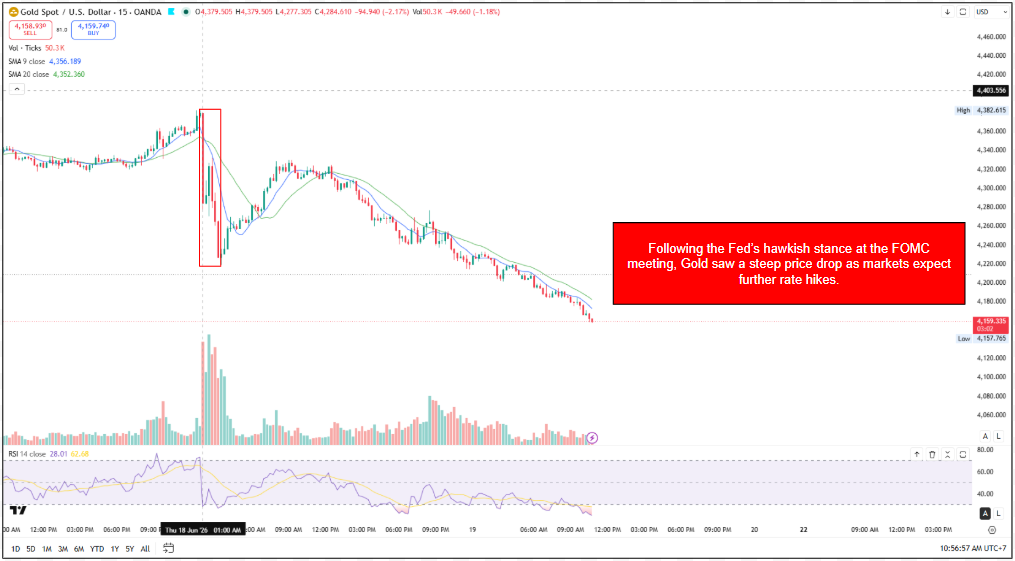
The market interpreted the overall message as more hawkish than expected, leading to a decline in gold prices on Thursday morning. Higher interest-rate expectations tend to support the US dollar and Treasury yields, increasing the opportunity cost of holding non-yielding assets such as gold.
Uncertainty Surrounding US–Iran Ceasefire Remains a Key Market Risk
A formal signing ceremony for the 60-day extension of the US–Iran ceasefire, initially expected to take place in Geneva on Friday, was called off despite reports that both sides had already digitally signed the memorandum of understanding (MoU). The cancellation followed news that U.S. Vice President JD Vance would no longer travel to Switzerland, raising questions about the durability of the agreement and the prospects for a lasting reduction in regional tensions.
According to Iranian state media, Iran’s president digitally signed the agreement earlier this week, while President Trump signed the document for a second time on Wednesday after initially signing it digitally on Sunday. Although both governments appear committed to the framework, the cancellation of the planned ceremony has increased uncertainty surrounding its implementation and long-term effectiveness.
Meanwhile, Israel has continued military operations against the Iranian-backed Hezbollah group in Lebanon, suggesting that broader regional tensions have yet to fully subside. As a result, investors remain focused not only on whether an official signing ceremony will eventually take place, but also on whether all parties involved will adhere to the ceasefire terms.
For gold markets, the key consideration is how geopolitical developments influence inflation expectations and future monetary policy. Here are the 2 possible scenarios:
- Bullish Scenario for Gold: The ceasefire is successfully implemented, reducing concerns over energy supply disruptions and helping stabilize oil prices. Lower inflation pressures could reduce expectations for further Fed rate hikes, potentially supporting gold prices.
- Bearish Scenario: The ceasefire breaks down or regional tensions escalate further, pushing oil prices higher and increasing inflation concerns. This could strengthen expectations for a more hawkish Fed, supporting the U.S. dollar and creating additional pressure on gold prices.