
ការអន្តរាគមន៍ចំនួន 2 លើករបស់ធនាគារកណ្តាលជប៉ុន (BoJ) ធ្វើឱ្យទីផ្សារប្រែប្រួលខ្លាំង
ប្រាក់យ៉េនជប៉ុន (JPY) បានជួបប្រទះការប្រែប្រួលតម្លៃយ៉ាងខ្លាំងកាលពីយប់មិញ បន្ទាប់ពីមានការសង្ស័យថា ធនាគារកណ្តាលជប៉ុន (BoJ) បានធ្វើអន្តរាគមន៍ក្នុងទីផ្សារប្តូរប្រាក់ចំនួន 2 លើក ដើម្បីគាំទ្រតម្លៃប្រាក់យ៉េន។
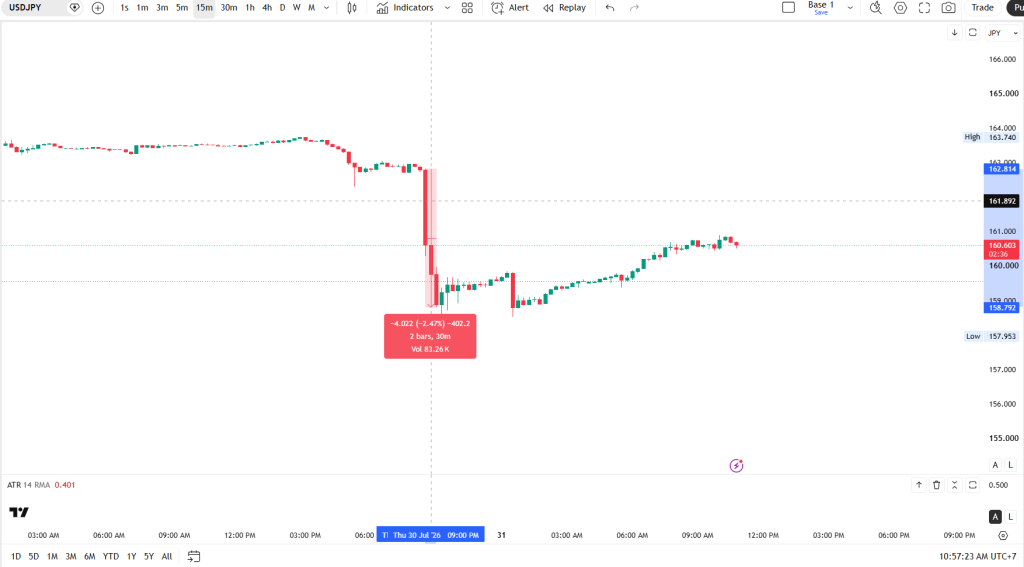
ការអន្តរាគមន៍លើកទីមួយ ត្រូវបានគេជឿថាបានកើតឡើងនៅប្រហែលម៉ោង 8:30 យប់ (GMT+7) ខណៈដែលគូរូបិយប័ណ្ណ USD/JPY បានធ្លាក់ចុះពី 162.814 មក 158.792 ក្នុងរយៈពេលដ៏ខ្លី។ ការធ្លាក់ចុះនេះបានកើតឡើងបន្ទាប់ពី USD/JPY បានឡើងលើសកម្រិត 163 ដែលជាកម្រិតទាបបំផុតរបស់ប្រាក់យ៉េនធៀបនឹងប្រាក់ដុល្លារអាមេរិកក្នុងរយៈពេលប្រមាណ 40 ឆ្នាំ ហើយបានជំរុញឱ្យទីផ្សាររំពឹងថាអាជ្ញាធរជប៉ុននឹងចូលអន្តរាគមន៍។
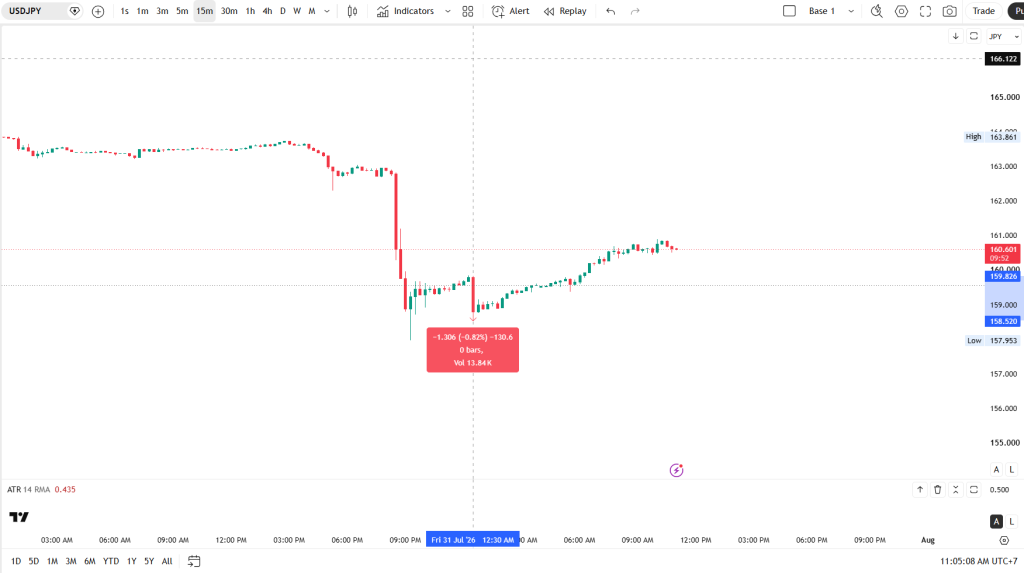
ការអន្តរាគមន៍លើកទីពីរ ត្រូវបានគេសង្ស័យថាបានកើតឡើងនៅប្រហែលម៉ោង 12:30 រំលងអធ្រាត្រ (GMT+7) ដោយបានធ្វើឱ្យ USD/JPY ធ្លាក់ចុះម្តងទៀតពី 159.826 មក 158.520។
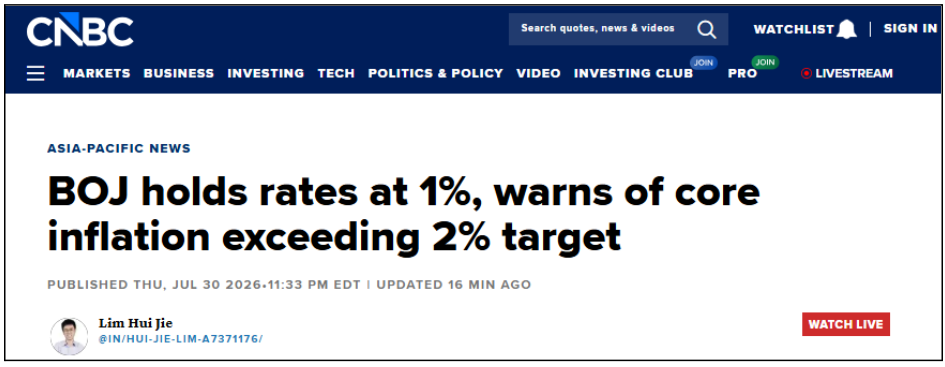
ការអន្តរាគមន៍ទាំងពីរនេះ បានកើតឡើងមុនការប្រកាសសេចក្តីសម្រេចអត្រាការប្រាក់របស់ធនាគារកណ្តាលជប៉ុន។ នៅក្នុងកិច្ចប្រជុំនេះ គណៈកម្មាធិការបានបោះឆ្នោត 8 ទល់នឹង 1 ដើម្បីរក្សាអត្រាការប្រាក់គោលនៅ 1.00%។ ទោះជាយ៉ាងណា សមាជិកក្រុមប្រឹក្សា Hajime Takata បានបោះឆ្នោតផ្ទុយ ដោយគាំទ្រការដំឡើងអត្រាការប្រាក់ 0.25% ដល់ 1.25% ដែលបង្ហាញថា អ្នកកំណត់គោលនយោបាយមួយចំនួននៅតែមានការព្រួយបារម្ភអំពីសម្ពាធអតិផរណា។
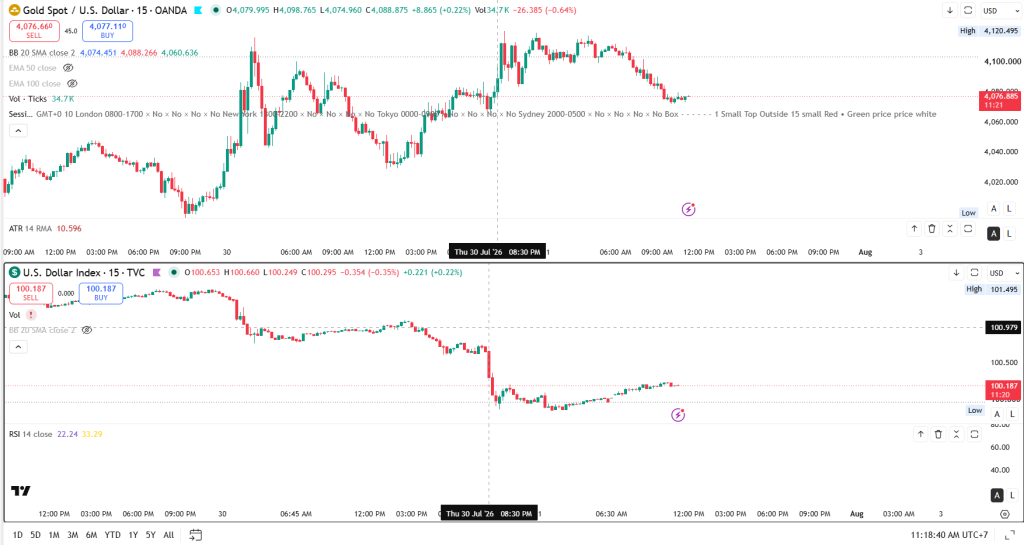
ឥទ្ធិពលនៃការអន្តរាគមន៍ទាំងនេះ មិនបានប៉ះពាល់តែប្រាក់យ៉េនប៉ុណ្ណោះទេ។ សន្ទស្សន៍ប្រាក់ដុល្លារអាមេរិក (DXY) ក៏បានធ្លាក់ចុះក្នុងអំឡុងពេលអន្តរាគមន៍ទាំងពីរលើក ខណៈដែលមាសទទួលបានការគាំទ្រពីការចុះខ្សោយរបស់ប្រាក់ដុល្លារ។
ទិន្នន័យសេដ្ឋកិច្ចអាមេរិកបង្ហាញសញ្ញានៃការថមថយនៃកំណើន

មុនពេលការអន្តរាគមន៍របស់ BoJ ក្លាយជាចំណុចផ្តោតសំខាន់របស់ទីផ្សារ វិនិយោគិនក៏បានតាមដានការប្រកាសទិន្នន័យសេដ្ឋកិច្ចសំខាន់ៗរបស់សហរដ្ឋអាមេរិកផងដែរ។
Core PCE ដែលជាសូចនាករអតិផរណាដែលធនាគារកណ្តាលអាមេរិក (Fed) យកចិត្តទុកដាក់ជាងគេ បានកើនឡើង 0.1% ធៀបនឹងខែមុន ដែលទាបជាងការព្យាករណ៍ 0.2%។ ចំណែកឯទិន្នន័យប្រចាំឆ្នាំ បានចេញមកនៅ 3.3% ស្របតាមការរំពឹងទុករបស់ទីផ្សារ។
ទន្ទឹមនឹងនេះ ការប៉ាន់ស្មានបឋមនៃ GDP របស់សហរដ្ឋអាមេរិក បានបង្ហាញថា សេដ្ឋកិច្ចបានកើនឡើង 1.5% ធៀបនឹងត្រីមាសមុន ដែលទាបជាងការព្យាករណ៍ 2.1% បង្ហាញថាកំណើនសេដ្ឋកិច្ចអាចកំពុងថមថយ។ ទោះជាយ៉ាងណា Initial Jobless Claims បានចេញមកត្រឹម 197,000 ដែលល្អជាងការព្យាករណ៍ 201,000 បង្ហាញថាទីផ្សារការងារអាមេរិកនៅតែមានភាពរឹងមាំ។
ជារួម ទិន្នន័យទាំងនេះបង្ហាញថា សេដ្ឋកិច្ចអាមេរិកអាចកំពុងថមថយបន្តិចម្តងៗ ខណៈទីផ្សារការងារនៅតែមានភាពរឹងមាំ។ ជាធម្មតា អតិផរណាដែលទន់ខ្សោយ និងកំណើនសេដ្ឋកិច្ចដែលយឺតជាងការរំពឹងទុក នឹងបង្កើនការរំពឹងទុកថា Fed អាចបន្ធូរគោលនយោបាយរូបិយវត្ថុនាពេលអនាគត ដែលអាចដាក់សម្ពាធលើប្រាក់ដុល្លារអាមេរិក និងគាំទ្រដល់តម្លៃមាស។
ទោះជាយ៉ាងណា ប្រតិកម្មរបស់ទីផ្សារចំពោះទិន្នន័យសេដ្ឋកិច្ចអាមេរិកមានកម្រិតតិចតួចប៉ុណ្ណោះ ដោយសារការយកចិត្តទុកដាក់របស់វិនិយោគិនបានផ្លាស់ប្តូរទៅលើការប្រែប្រួលខ្លាំងរបស់ USD/JPY បន្ទាប់ពីការសង្ស័យអំពីការអន្តរាគមន៍របស់ BoJ ដែលបានក្លាយជាកត្តាសំខាន់បំផុតជំរុញទីផ្សារកាលពីយប់មិញ។
| English Version |
2 Rounds of Suspected BoJ Intervention Shake Markets
The Japanese yen experienced significant volatility overnight after what appeared to be two rounds of intervention by the Bank of Japan (BoJ).
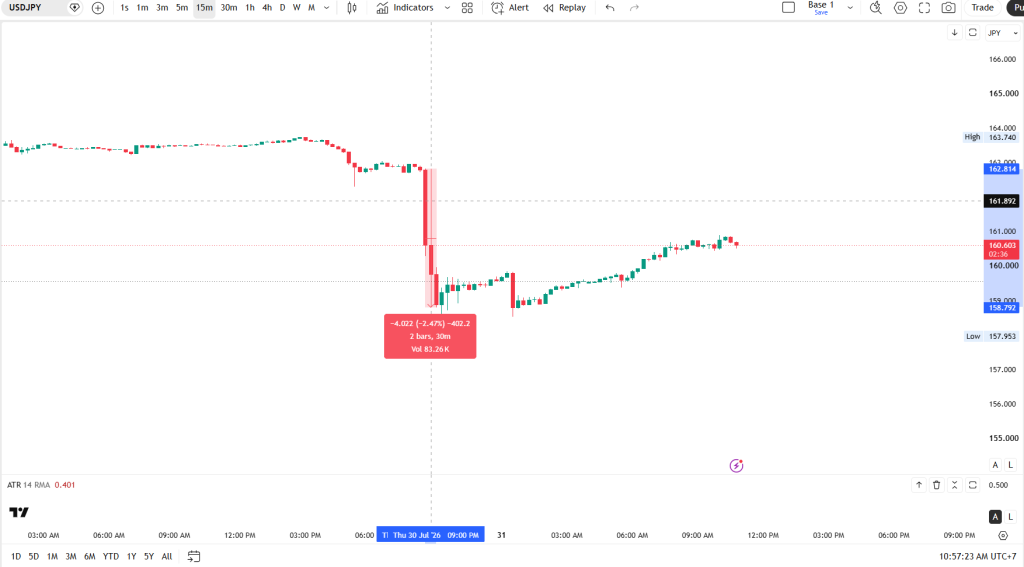
The first suspected intervention occurred at around 8:30 PM (GMT+7), when USD/JPY plunged from 162.814 to 158.792 within a short period. The move came after the pair had climbed above 163, marking the yen’s weakest level against the US dollar in around 40 years and increasing speculation that Japanese authorities would step in to support the currency.
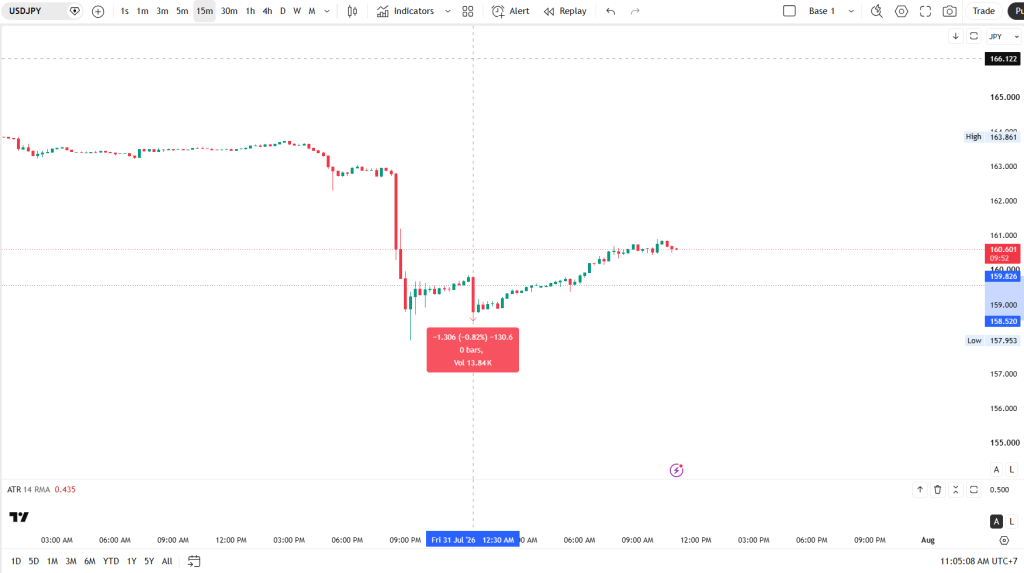
A second round of suspected intervention followed at approximately 12:30 AM (GMT+7), pushing USD/JPY down again from 159.826 to 158.520.
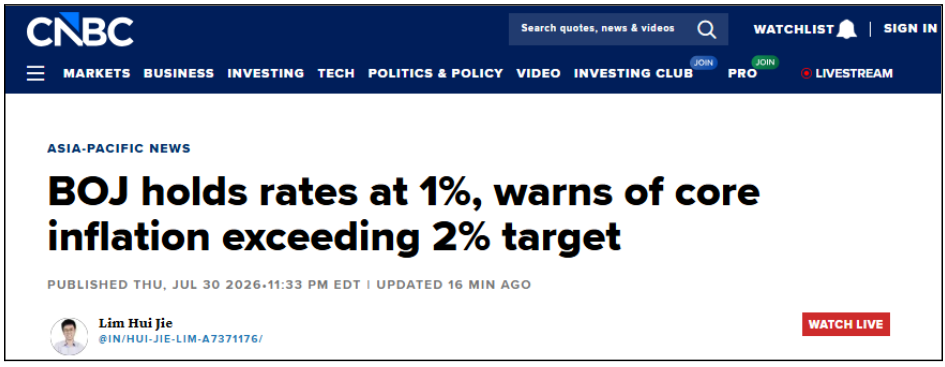
The interventions came hours before the Bank of Japan’s latest monetary policy decision, where policymakers voted 8-1 to leave the benchmark interest rate unchanged at 1.00%. However, board member Hajime Takata dissented, instead voting for a 25 basis point rate hike to 1.25%, highlighting that some policymakers remain concerned about inflationary pressures.
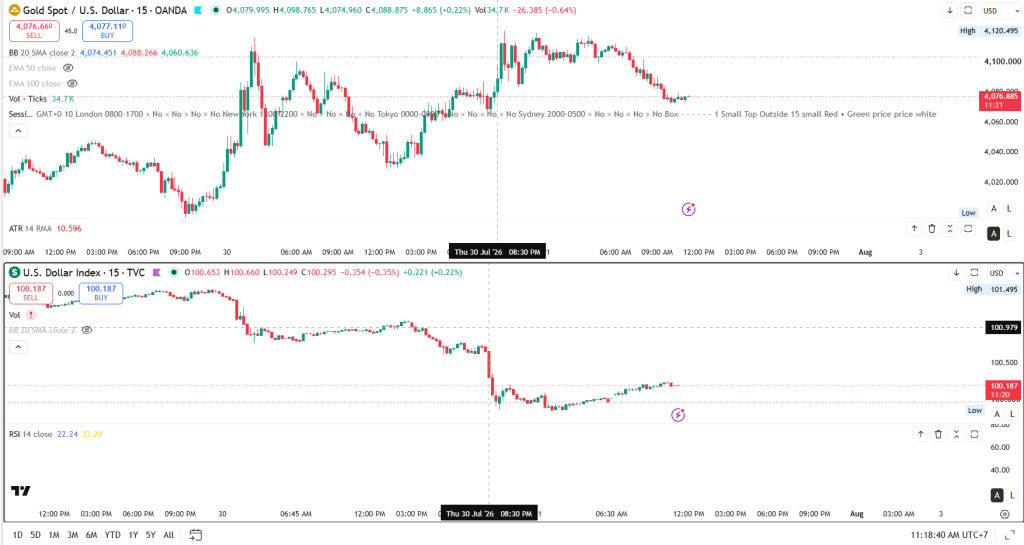
The impact of the suspected interventions extended beyond the Japanese yen. The US Dollar Index (DXY) weakened during both interventions as traders sold the US dollar against the yen, while gold received support from the softer dollar.
Softer US Economic Data Signals Cooling Growth

Before the BoJ intervention became the market’s primary focus, investors were also digesting several key US economic data releases.
Core PCE, the Federal Reserve’s preferred inflation gauge, rose 0.1% month-over-month, below the 0.2% forecast, while the annual reading came in at 3.3%, matching market expectations.
Meanwhile, the preliminary estimate of US GDP showed the economy expanding by 1.5% quarter-over-quarter, below the 2.1% forecast, suggesting that economic growth may be slowing. At the same time, Initial Jobless Claims came in at 197,000, beating expectations of 201,000 and indicating that the US labor market remains relatively resilient.
Overall, the latest data suggests the US economy may be gradually cooling while the labor market remains firm. Under normal circumstances, softer inflation and weaker economic growth would support expectations for a more accommodative Federal Reserve, potentially weighing on the US dollar and providing support for gold.
However, the market’s reaction to the US data was relatively muted, as attention quickly shifted to the sharp moves in USD/JPY following the suspected BoJ interventions, which became the dominant driver of market sentiment overnight.