
សន្ទស្សន៍ CPI របស់សហរដ្ឋអាមេរិកបង្ហាញថា អតិផរណានៅតែខ្ពស់ ប៉ុន្តែមិនកំពុងកើនឡើងបន្ថែម
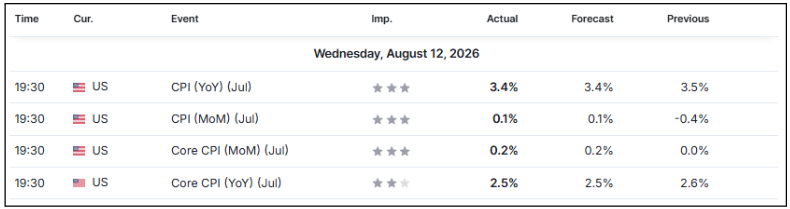
ទិន្នន័យសន្ទស្សន៍ថ្លៃទំនិញប្រើប្រាស់ (CPI) ចុងក្រោយរបស់សហរដ្ឋអាមេរិកបានផ្តល់រូបភាពមួយដែលមានទាំងផ្នែកវិជ្ជមាន និងអវិជ្ជមានសម្រាប់ធនាគារកណ្តាលអាមេរិក (Fed)។ CPI ប្រចាំខែកក្កដា ស្របតាមការរំពឹងទុករបស់ទីផ្សារជាទូទៅ ខណៈអតិផរណាប្រចាំឆ្នាំបានថយចុះបន្តិចមកត្រឹម 3.4% ពី 3.5% ក្នុងខែមិថុនា។ ចំណែក CPI ស្នូល (Core CPI) ប្រចាំឆ្នាំដែលមិនរាប់បញ្ចូលតម្លៃអាហារ និងថាមពល ក៏នៅតែស្ថិតក្នុងកម្រិត 2.5%។
ទិន្នន័យនេះមានសារៈសំខាន់ជាពិសេសនៅពេលប្រៀបធៀបជាមួយរបាយការណ៍ CPI របស់ខែមិថុនា។ កាលពីខែមុន CPI ទូទៅបានចេញមកទាបជាងការរំពឹងទុក ដោយសន្ទស្សន៍ប្រចាំខែបានធ្លាក់ចុះ 0.4% ខណៈអតិផរណាប្រចាំឆ្នាំនៅតែស្ថិតនៅ 3.5%។
ចំណុចសំខាន់មួយទៀត គឺការបន្តធ្លាក់ចុះនៃតម្លៃថាមពល។ សន្ទស្សន៍ថាមពលបានធ្លាក់ចុះ 1.5% ក្នុងខែកក្កដា បន្ទាប់ពីធ្លាក់ចុះ 5.7% ក្នុងខែមិថុនា។ នេះបង្ហាញថា សម្ពាធលើតម្លៃថាមពលកំពុងថយចុះ ទោះបីជាជម្លោះរវាងសហរដ្ឋអាមេរិក និងអ៊ីរ៉ង់នៅតែបន្ត និងអាចបង្កហានិភ័យដល់អតិផរណាតាមរយៈការកើនឡើងនៃតម្លៃប្រេងក៏ដោយ។
នៅពេលរួមបញ្ចូលជាមួយភាពទន់ខ្សោយនាពេលថ្មីៗនេះក្នុងទីផ្សារការងាររបស់សហរដ្ឋអាមេរិក រូបភាពសេដ្ឋកិច្ចកាន់តែគួរឱ្យចាប់អារម្មណ៍។ ការងារក្រៅវិស័យកសិកម្ម (Nonfarm Payrolls) ក្នុងខែកក្កដាបានធ្លាក់ចុះខ្លាំងជាងការរំពឹងទុក ខណៈកំណើនការងារក្នុងខែមិថុនាត្រូវបានកែសម្រួលចុះយ៉ាងខ្លាំង មកត្រឹម 20,000 ការងារ ពីតួលេខប៉ាន់ស្មានដំបូងចំនួន 57,000 ការងារ។
នេះមានន័យថា សេដ្ឋកិច្ចសហរដ្ឋអាមេរិកបច្ចុប្បន្នកំពុងស្ថិតក្នុងស្ថានភាពដែលអតិផរណានៅតែខ្ពស់ ប៉ុន្តែមិនកំពុងកើនឡើងបន្ថែម ខណៈទីផ្សារការងារកំពុងចាប់ផ្តើមបង្ហាញសញ្ញានៃភាពទន់ខ្សោយ។ ស្ថានភាពបែបនេះអាចធ្វើឱ្យ Fed មិនសូវមានភាពបន្ទាន់ក្នុងការដំឡើងអត្រាការប្រាក់ភ្លាមៗ ព្រោះការរឹតបន្តឹងគោលនយោបាយបន្ថែមអាចដាក់សម្ពាធកាន់តែខ្លាំងលើទីផ្សារការងារដែលកំពុងចាប់ផ្តើមចុះខ្សោយ។
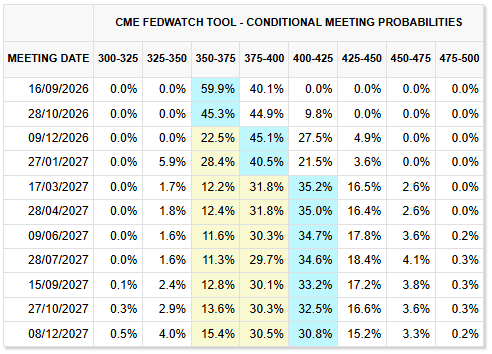
ការផ្លាស់ប្តូរតុល្យភាពរវាងអតិផរណា និងការងារ ក៏បានជះឥទ្ធិពលដល់ការរំពឹងទុករបស់ទីផ្សារចំពោះការសម្រេចចិត្តបន្ទាប់របស់ Fed ទៅលើអត្រាការប្រាក់ផងដែរ។ បន្ទាប់ពីការចេញផ្សាយទិន្នន័យ CPI ចុងក្រោយ ទីផ្សារបានបន្តរំពឹងថា Fed មានប្រូបាប៊ីលីតេខ្ពស់ក្នុងការរក្សាអត្រាការប្រាក់នៅក្នុងកិច្ចប្រជុំ FOMC ខែកញ្ញា។ យោងតាមឧបករណ៍ CME FedWatch បច្ចុប្បន្ន ទីផ្សារកំពុងកំណត់ប្រូបាប៊ីលីតេ 59.9% ថា Fed នឹងរក្សាអត្រាការប្រាក់នៅក្នុងកិច្ចប្រជុំ FOMC ខែកញ្ញា បើធៀបនឹងប្រូបាប៊ីលីតេ 40.1% សម្រាប់ការដំឡើងអត្រាការប្រាក់។ នេះគឺជាការផ្លាស់ប្តូរគួរឱ្យកត់សម្គាល់ពីប៉ុន្មានសប្តាហ៍មុន នៅពេលដែលការដំឡើងអត្រាការប្រាក់មានប្រូបាប៊ីលីតេខ្ពស់ជាងការរក្សាអត្រាការប្រាក់ សម្រាប់កិច្ចប្រជុំខែកញ្ញា។
នៅពេលការរំពឹងទុកអំពីការដំឡើងអត្រាការប្រាក់ថយចុះ ស្ថានភាពនេះអាចក្លាយជាកត្តាគាំទ្រដល់តម្លៃមាស។ មាសជាទ្រព្យសកម្មដែលមិនផ្តល់ចំណូលពីការប្រាក់ ដូច្នេះវាជាទូទៅមានភាពទាក់ទាញជាងមុននៅពេលការរំពឹងទុកអំពីអត្រាការប្រាក់ និងទិន្នផលខ្ពស់ថយចុះ។ ខណៈនេះ ទីផ្សារកំពុងបង្វែរការយកចិត្តទុកដាក់ទៅកាន់សន្ទស្សន៍ថ្លៃទំនិញរបស់អ្នកផលិត (PPI) របស់សហរដ្ឋអាមេរិក ដែលនឹងចេញផ្សាយនៅថ្ងៃនេះ ហើយអាចផ្តល់សញ្ញាបន្ថែមថា តើសម្ពាធអតិផរណាកំពុងបន្តថយចុះឬយ៉ាងណា។ ប្រសិនបើ PPI ចេញមកទាបជាងការរំពឹងទុក វាអាចធ្វើឱ្យការរំពឹងទុកអំពីការដំឡើងអត្រាការប្រាក់ថយចុះបន្ថែមទៀត និងអាចផ្តល់ការគាំទ្របន្ថែមដល់តម្លៃមាស។
| English Version |
U.S. CPI Shows Inflation Is Elevated but Not Accelerating
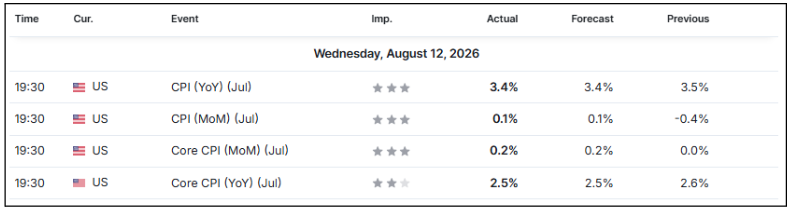
The latest U.S. Consumer Price Index (CPI) data provided a relatively mixed picture for the Federal Reserve. July CPI came broadly in line with market expectations, while annual inflation eased slightly to 3.4%, down from 3.5% in June. Core CPI, which excludes food and energy prices, also remained relatively contained at 2.5% year-over-year.
The data is particularly notable when compared with June’s CPI report. Last month, headline CPI came in below expectations, with the index falling 0.4% month-over-month, while inflation remained at 3.5% year-over-year.
Another important detail is the continued decline in energy prices. The energy index fell 1.5% in July after declining 5.7% in June. This suggests that energy price pressures are easing, despite the ongoing U.S.-Iran conflict and the potential inflationary risks associated with higher oil prices.
When combined with the recent weakness in the U.S. labor market, the broader economic picture becomes more interesting. July’s Nonfarm Payrolls unexpectedly declined, while June payroll growth was revised sharply lower to just 20,000 jobs from the initial estimate of 57,000.
This leaves the U.S. economy in an environment where inflation remains elevated but is not accelerating, while the labor market is beginning to show signs of weakness. Such conditions could give the Federal Reserve less urgency to raise interest rates immediately, as further tightening could place additional pressure on an already-softening labor market.
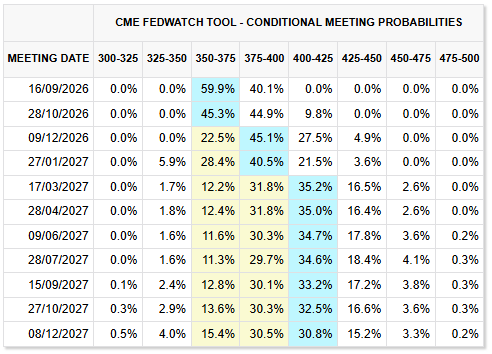
The changing balance between inflation and employment has also affected expectations for the Federal Reserve’s next move. Following the latest CPI data, markets continued to price a greater probability of the Fed keeping interest rates unchanged at its September meeting. According to the CME FedWatch Tool, markets are currently pricing in a 59.9% probability of the Fed keeping interest rates unchanged at its September FOMC meeting, compared with a 40.1% probability of a rate hike. This marks a notable shift from just a few weeks ago, when a rate hike was more likely than a rate hold for the September meeting.
As expectations for further rate hikes decrease, the environment could become more supportive for gold. Gold is a non-yielding asset, meaning it generally becomes more attractive relative to interest-bearing assets when expectations for higher interest rates and yields decline. Market attention now turns to the U.S. Producer Price Index (PPI), due later today, which could provide another indication of whether inflationary pressures are continuing to ease. A softer-than-expected PPI reading could further reduce rate-hike expectations and potentially provide additional support for gold.