
កិច្ចប្រជុំធនាគារកណ្តាលសហរដ្ឋអាមេរិក (FOMC) ក្លាយជាចំណុចផ្តោត ខណៈទីផ្សារវាយតម្លៃអតិផរណា និងទស្សនវិស័យសេដ្ឋកិច្ច
ទីផ្សារកំពុងផ្តោតការយកចិត្តទុកដាក់លើការសម្រេចចិត្តអត្រាការប្រាក់របស់ធនាគារកណ្តាលអាមេរិក (Fed) ដែលនឹងប្រព្រឹត្តទៅនៅម៉ោង 1:00 ព្រឹក (GMT+7) ថ្ងៃព្រហស្បតិ៍។ ខណៈដែលទីផ្សាររំពឹងយ៉ាងទូលំទូលាយថា Fed នឹងរក្សាអត្រាការប្រាក់នៅកម្រិតដដែល វិនិយោគិននឹងផ្តោតជាពិសេសលើសេចក្តីថ្លែងការណ៍របស់ Fed និងការលើកឡើងរបស់ប្រធាន លោក Kevin Warsh ដើម្បីស្វែងរកសញ្ញាអំពីទិសដៅគោលនយោបាយរូបិយវត្ថុនាពេលអនាគត។
ទិន្នន័យសេដ្ឋកិច្ចចុងក្រោយបានបង្ហាញពីសញ្ញាចម្រុះ។ អតិផរណាប្រចាំឆ្នាំរបស់សហរដ្ឋអាមេរិក (CPI) បានធ្លាក់ចុះមកនៅ 3.5% ក្នុងខែមិថុនា ដែលទាបជាងការព្យាករណ៍របស់ទីផ្សារដែលស្ថិតនៅ 3.8%។ ការធ្លាក់ចុះនេះទំនងជាត្រូវបានគាំទ្រដោយការធ្លាក់ចុះនៃតម្លៃថាមពល បន្ទាប់ពីកិច្ចព្រមព្រៀងអនុស្សរណៈយោគយល់ (MoU) រវាងសហរដ្ឋអាមេរិក និងអ៊ីរ៉ង់បានធ្វើឱ្យភាពតានតឹងថយចុះជាបណ្តោះអាសន្ន ដែលអនុញ្ញាតឱ្យចរាចរណ៍ដឹកជញ្ជូនតាមច្រកសមុទ្រ Hormuz មានភាពប្រសើរឡើង ទោះបីជាមិនទាន់ត្រឡប់ទៅកម្រិតមុនពេលមានជម្លោះក៏ដោយ។
ទោះជាយ៉ាងណា ទស្សនវិស័យអតិផរណានៅតែមានភាពមិនច្បាស់លាស់។ បទឈប់បាញ់បានបរាជ័យក្នុងរយៈពេលពីរសប្តាហ៍ចុងក្រោយ ខណៈសហរដ្ឋអាមេរិក និងអ៊ីរ៉ង់បានបន្តការវាយប្រហារគ្នាទៅវិញទៅមក ប៉ុន្តែភាគីទាំងពីរបានព្រមព្រៀងផ្អាកការប្រយុទ្ធជាបណ្តោះអាសន្នកាលពីថ្ងៃចន្ទ ដើម្បីបើកចន្លោះសម្រាប់ការចរចាឡើងវិញ។ ដូច្នេះ នៅតែមិនទាន់ច្បាស់ថា អតិផរណាកំពុងធ្លាក់ចុះពិតប្រាកដ ឬការធ្លាក់ចុះ CPI កាលពីខែមុនគឺដោយសារតែការបន្ធូរបន្ថយភាពតានតឹងភូមិសាស្ត្រនយោបាយជាបណ្តោះអាសន្ន និងការធ្លាក់ចុះតម្លៃប្រេងប៉ុណ្ណោះ។
ទីផ្សារការងារក៏បានបង្ហាញសញ្ញាចម្រុះផងដែរ។ អត្រាគ្មានការងារធ្វើ (Unemployment Rate) បានធ្លាក់ចុះមកនៅ 4.2% ដែលល្អជាងការរំពឹងទុក 4.3% បង្ហាញថាទីផ្សារការងារនៅតែមានភាពរឹងមាំ។ ទោះជាយ៉ាងណា ការកើនឡើងនៃការងារថ្មីក្រៅវិស័យកសិកម្ម (Non-Farm Payrolls) មានត្រឹមតែ 57,000 ការងារ ដែលទាបជាងការរំពឹងទុក 114,000 ការងារ យ៉ាងខ្លាំង បង្ហាញពីការថយចុះនៃល្បឿនជ្រើសរើសបុគ្គលិក និងបង្កើនការព្រួយបារម្ភថាទីផ្សារការងារអាចកំពុងបាត់បង់សន្ទុះ។
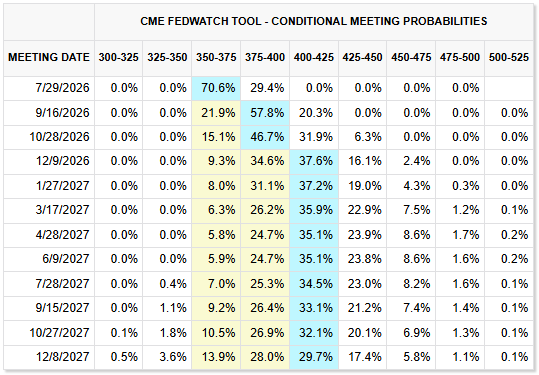
យោងតាម CME FedWatch Tool ទីផ្សារបច្ចុប្បន្នកំពុងកំណត់ប្រូបាប៊ីលីតេប្រមាណ 71% ដែល Fed នឹងរក្សាអត្រាការប្រាក់នៅដដែលក្នុងកិច្ចប្រជុំនេះ ខណៈមានតែ 29% ប៉ុណ្ណោះដែលរំពឹងថា Fed នឹងដំឡើងអត្រាការប្រាក់ 0.25%។ សម្រាប់កិច្ចប្រជុំនៅខែកញ្ញា ទីផ្សាររំពឹងយ៉ាងខ្លាំងថាអត្រាការប្រាក់អាចស្ថិតនៅកម្រិតខ្ពស់ជាងបច្ចុប្បន្ន ដែលបង្ហាញថាវិនិយោគinនៅតែជឿថា ការរឹតបន្តឹងគោលនយោបាយបន្ថែមអាចកើតមាន ប្រសិនបើសម្ពាធអតិផរណានៅតែបន្ត។
ភាពតានតឹងរវាងសហរដ្ឋអាមេរិក និងអ៊ីរ៉ង់កើនឡើង ខណៈច្រកសមុទ្រ Hormuz នៅតែជាហានិភ័យសំខាន់សម្រាប់ទីផ្សារ
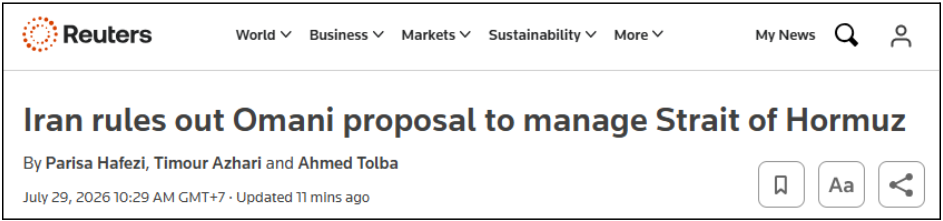
ភាពតានតឹងរវាងសហរដ្ឋអាមេរិក និងអ៊ីរ៉ង់បានកើនឡើងម្តងទៀត បន្ទាប់ពីការផ្អាកការប្រយុទ្ធជាបណ្តោះអាសន្ន ដែលបានបង្កើនការព្រួយបារម្ភអំពីការរំខានដល់ទីផ្សារថាមពលពិភពលោក។ អ៊ីរ៉ង់បានបដិសេធសំណើរបស់អូម៉ង់ស្តីពីការគ្រប់គ្រងរួមលើច្រកសមុទ្រ Hormuz ដោយអះអាងថា ផ្លូវទឹកយុទ្ធសាស្ត្រនេះគួរតែស្ថិតក្រោមការគ្រប់គ្រងរបស់អ៊ីរ៉ង់ជាចម្បង។ ការបដិសេធនេះបានកាត់បន្ថយក្តីសង្ឃឹមសម្រាប់ដំណោះស្រាយការទូត និងបង្កើនភាពមិនច្បាស់លាស់ជុំវិញអនាគតនៃផ្លូវដឹកជញ្ជូនប្រេងដ៏សំខាន់មួយរបស់ពិភពលោក។
ស្ថានការណ៍បានកាន់តែតានតឹង បន្ទាប់ពីកងកម្លាំងបដិវត្តន៍អ៊ីរ៉ង់ (IRGC) បានអះអាងថា ខ្លួនបានវាយប្រហារលើនាវាដឹកប្រេងចំនួនបីគ្រឿងនៅច្រកសមុទ្រ Hormuz បន្ទាប់ពីនាវាទាំងនោះមិនអនុវត្តតាមការព្រមាន ខណៈសហរដ្ឋអាមេរិក និងអារ៉ាប៊ីសាអូឌីតបានធ្វើការវាយប្រហារលើក្រុមដែលគាំទ្រដោយអ៊ីរ៉ង់នៅក្នុងប្រទេសអ៊ីរ៉ាក់ បន្ទាប់ពីមានការវាយប្រហារលើទីតាំងប្រេងនៅអារ៉ាប៊ីសាអូឌីត។ ទោះបីជាការអះអាងមួយចំនួនមិនទាន់អាចផ្ទៀងផ្ទាត់បានក៏ដោយ ការប្រឈមមុខគ្នាឡើងវិញនេះបានជំរុញឱ្យតម្លៃប្រេងកើនឡើង ខណៈទីផ្សារកំពុងតាមដានយ៉ាងជិតស្និទ្ធចំពោះហានិភ័យនៃការកើនឡើងនៃជម្លោះ។
ប្រសិនបើជម្លោះបន្តអូសបន្លាយ ឬមានការរំខានដល់ការដឹកជញ្ជូនតាមច្រកសមុទ្រ Hormuz វាអាចបង្កើនសម្ពាធលើតម្លៃប្រេង និងបង្កើនការព្រួយបារម្ភអំពីអតិផរណានៅទូទាំងពិភពលោក។ ការកើនឡើងនៃការរំពឹងទុកអំពីអតិផរណាអាចជំរុញឱ្យ Fed រក្សាជំហរគោលនយោបាយរូបិយវត្ថុដែលតឹងរ៉ឹងជាងមុន ដែលអាចកាត់បន្ថយការរំពឹងទុកអំពីការបន្ធូរបន្ថយអត្រាការប្រាក់នាពេលអនាគត។ ស្ថានការណ៍នេះអាចផ្តល់ការគាំទ្រដល់ប្រាក់ដុល្លារអាមេរិក ខណៈអាចបង្កើនសម្ពាធលើតម្លៃមាស ដោយសារការកើនឡើងនៃការរំពឹងទុកអត្រាការប្រាក់ធ្វើឱ្យការកាន់កាប់ទ្រព្យសកម្មដែលមិនផ្តល់ផលចំណេញ (Non-Yielding Assets) ដូចជាមាស មានភាពទាក់ទាញតិចជាងមុន។
| English Version |
FOMC Meeting in Focus as Markets Assess Inflation and Economic Outlook
Markets are now turning their attention to the US Federal Reserve’s interest rate decision, scheduled for 1:00 AM (GMT+7) on Thursday. While the Fed is widely expected to keep interest rates unchanged, investors will be paying close attention to the accompanying statement and Chairman Kevin Warsh’s comments for clues on the future path of monetary policy.
Recent economic data has presented a mixed picture. US annual inflation (CPI) slowed to 3.5% in June, below the market forecast of 3.8%. The decline was likely supported by lower energy prices after the memorandum of understanding (MoU) between the US and Iran temporarily eased tensions, allowing shipping through the Strait of Hormuz to recover, although traffic remained below pre-conflict levels.
However, the outlook for inflation remains uncertain. The ceasefire has effectively broken down over the past two weeks as the US and Iran resumed exchanging fire, although both sides agreed to a temporary halt on Monday to allow room for renewed negotiations. As a result, it remains unclear whether inflation is genuinely cooling or whether last month’s softer CPI reading was largely driven by the temporary easing of geopolitical tensions and lower oil prices.
The labour market has also sent mixed signals. The unemployment rate fell to 4.2%, beating expectations of 4.3%, suggesting employment conditions remain relatively resilient. However, Non-Farm Payrolls increased by just 57,000, well below the expected 114,000, pointing to a slowdown in hiring and raising concerns that the labour market may be losing momentum.
According to the CME FedWatch Tool, markets currently assign around a 71% probability that the Federal Reserve will leave interest rates unchanged at this meeting, with only a 29% chance of a 25-basis-point rate hike. Looking ahead to September, markets overwhelmingly expect rates to be higher than current levels, indicating investors believe additional policy tightening remains a strong possibility if inflationary pressures persist.
US-Iran Tensions Escalate as Strait of Hormuz Remains a Key Market Risk
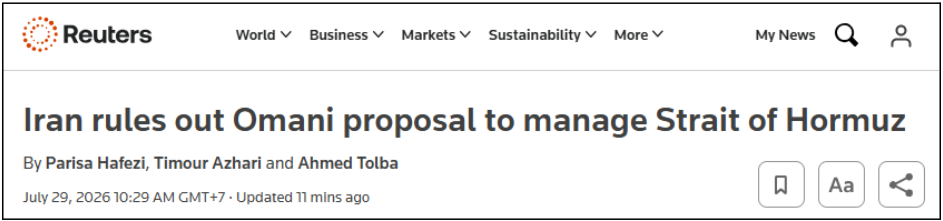
Tensions between the US and Iran have intensified again after a brief pause in fighting, raising concerns over renewed disruptions to global energy markets. Iran has rejected Oman’s proposal for joint regional management of the Strait of Hormuz, insisting that the strategic waterway should remain under greater Iranian control. The rejection has reduced hopes for a diplomatic resolution and increased uncertainty over the future of one of the world’s most important oil transit routes.
The situation has escalated further as Iran’s Revolutionary Guards claimed that its forces struck three oil tankers in the Strait of Hormuz after they allegedly ignored warnings, while the US and Saudi Arabia launched strikes against Iran-backed groups in Iraq following attacks on Saudi oil facilities. Although several claims remain unverified, the renewed exchange of attacks has already pushed oil prices higher, with markets closely monitoring the risk of further escalation.
Any prolonged conflict or disruption to shipping through the Strait of Hormuz could create additional upward pressure on oil prices, increasing inflationary concerns globally. A renewed rise in inflation expectations could reinforce a more hawkish Federal Reserve stance, potentially limiting expectations for future rate cuts. This could provide further support for the US dollar while adding downward pressure on gold prices as higher interest rate expectations increase the opportunity cost of holding non-yielding assets.