
ការសម្រេចអត្រាការប្រាក់របស់ធនាគារកណ្ដាលជប៉ុន (BoJ) និងធនាគារកណ្ដាលអូស្ត្រាលី (RBA) បន្តគាំទ្រកម្លាំងប្រាក់ដុល្លារអាមេរិក
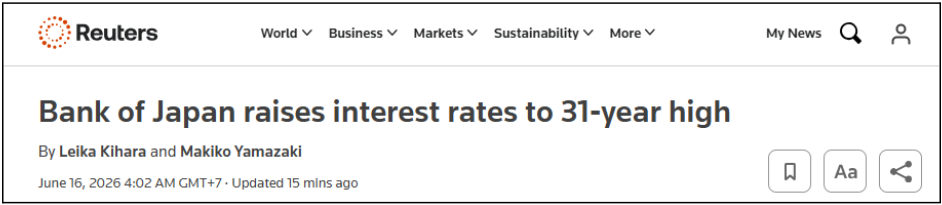
ធនាគារកណ្ដាលជប៉ុន (BoJ) បានដំឡើងអត្រាការប្រាក់គោលនយោបាយពី 0.75% ទៅ 1.00% ស្របតាមការរំពឹងទុករបស់ទីផ្សារ។ ទោះបីជាការដំឡើងអត្រាការប្រាក់នេះបង្ហាញពីការបន្តរឹតបន្តឹងគោលនយោបាយរូបិយវត្ថុដើម្បីទប់ស្កាត់ហានិភ័យអតិផរណាក៏ដោយ គម្លាតអត្រាការប្រាក់ដ៏ធំរវាងប្រទេសជប៉ុន និងសហរដ្ឋអាមេរិកនៅតែបន្តគាំទ្រគូរូបិយប័ណ្ណ USD/JPY ឱ្យស្ថិតនៅជិតកម្រិត 160 ដែលបានកំណត់ការកើនឡើងរបស់ប្រាក់យ៉េន បើទោះបីជា BoJ បានដំឡើងអត្រាការប្រាក់ក៏ដោយ។
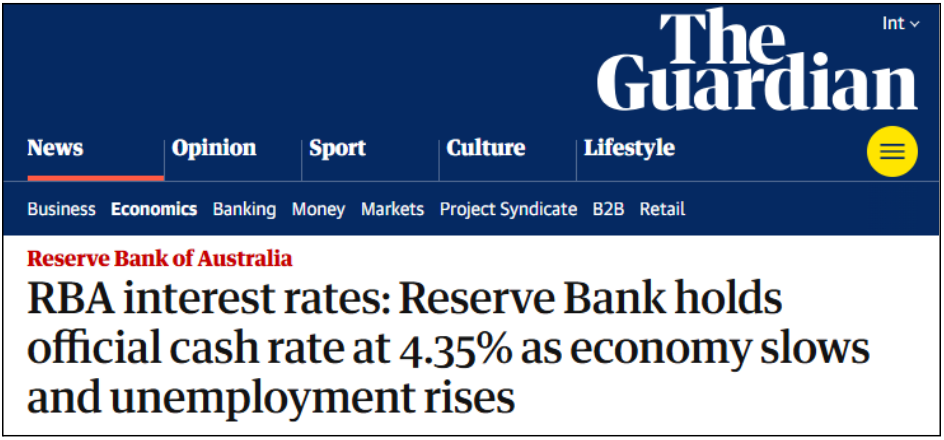
ទន្ទឹមនឹងនេះ ធនាគារកណ្ដាលអូស្ត្រាលី (RBA) បានរក្សាអត្រាការប្រាក់គោលនៅកម្រិត 4.35% ដែលជាការផ្អាកលើកដំបូងបន្ទាប់ពីការដំឡើងអត្រាការប្រាក់ចំនួនបីលើកជាប់គ្នា។ ទោះបីជា RBA នៅតែបង្ហាញជំហរតឹងរ៉ឹង (hawkish) និងបញ្ជាក់ថាអាចមានការរឹតបន្តឹងបន្ថែមទៀត ប្រសិនបើអតិផរណានៅតែខ្ពស់ក៏ដោយ ទីផ្សារនៅតែមានការសង្ស័យថាការដំឡើងអត្រាការប្រាក់បន្ថែមគឺមិនចាំបាច់ ដោយសារសញ្ញានៃកំណើនសេដ្ឋកិច្ចអូស្រាលីដែលថមថយ និងស្ថានភាពទីផ្សារការងារដែលបានបង្ហាញភាពទន់ខ្សោយ។
សរុបមក ការវិវត្តទាំងនេះបានបន្តគាំទ្រកម្លាំងប្រាក់ដុល្លារអាមេរិក។ ជាលទ្ធផល កម្លាំងរបស់ប្រាក់ដុល្លារអាចបន្តកំណត់សក្តានុពលនៃការកើនឡើងរបស់មាស បើទោះបីជាមានព័ត៌មានថ្មីៗអំពី កិច្ចព្រមព្រៀងឈប់បាញ់បឋមរវាងសហរដ្ឋអាមេរិក និងអ៊ីរ៉ង់ ដែលបានជួយបន្ធូរបន្ថយភាពតានតឹងភូមិសាស្ត្រនយោបាយក៏ដោយ។
កិច្ចព្រមព្រៀងឈប់បាញ់បឋមរវាងសហរដ្ឋអាមេរិក និងអ៊ីរ៉ង់ បន្ថយកម្រិតហានិភ័យភូមិសាស្ត្រនយោបាយ
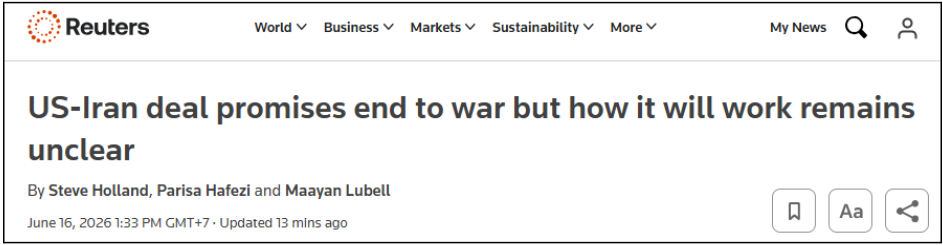
ព័ត៌មានថ្ងៃនេះបានបង្ហាញថា អនុស្សរណៈយោគយល់ (Memorandum of Understanding) រវាងសហរដ្ឋអាមេរិក និងអ៊ីរ៉ង់ ត្រូវបានចុះហត្ថលេខាតាមប្រព័ន្ធអេឡិចត្រូនិក ដោយលោក Donald Trump និងអនុប្រធានាធិបតី J.D. Vance ព្រមទាំងប្រធានសភាអ៊ីរ៉ង់លោក Mohammad Bagher Ghalibaf។
តាមការរាយការណ៍ ការចរចាបច្ចេកទេសទាក់ទងនឹងកម្មវិធីនុយក្លេអ៊ែររបស់អ៊ីរ៉ង់ គ្រោងនឹងចាប់ផ្តើមនៅសប្តាហ៍នេះ ខណៈការបន្ធូរបន្ថយទណ្ឌកម្ម ឬការដោះលែងទ្រព្យសម្បត្តិ នឹងអាស្រ័យលើការអនុវត្តតាមកិច្ចព្រមព្រៀងរបស់អ៊ីរ៉ង់។
លោក Vance បានអធិប្បាយថា ឯកសារនេះមានប្រវែងប្រហែល “មួយក្រដាសកន្លះ” និងមានលក្ខណៈទូទៅប៉ុណ្ណោះ ដែលបង្ហាញថាវានៅតែជាក្របខណ្ឌបឋម មិនមែនជាកិច្ចព្រមព្រៀងពេញលេញឡើយ។
កិច្ចព្រមព្រៀងបច្ចុប្បន្នគ្រោងពន្យារការឈប់បាញ់រយៈពេល 60 ថ្ងៃ និងការបើកឡើងវិញនៃច្រកសមុទ្រ Hormuz។ ទោះជាយ៉ាងណា វិនិយោគិនរនៅតែមានភាពប្រុងប្រយ័ត្ន ដោយសារភាពមិនច្បាស់លាស់ថា ភាគីពាក់ព័ន្ធទាំងអស់ រួមទាំងអ៊ីស្រាអែល និងលីបង់ នឹងអនុវត្តតាមលក្ខខណ្ឌឈប់បាញ់បានពេញលេញឬអត់។
ទោះជាយ៉ាងណា ដោយសារលក្ខណៈបឋមនៃកិច្ចព្រមព្រៀង និងភាពមិនច្បាស់លាស់លើការអនុវត្ត តម្លៃមាសទំនងជានឹងបន្តស្ថិតក្នុងដំណាក់កាល range មុនកិច្ចប្រជុំ FOMC នៅថ្ងៃព្រហស្បតិ៍ និងពិធីចុះហត្ថលេខាជាផ្លូវការនៅថ្ងៃសុក្រ លុះត្រាតែមានព័ត៌មានថ្មីអំពីការកើនឡើងនៃភាពតានតឹង។
| English Version |
Bank of Japan (BoJ) and Reserve Bank of Australia (RBA) Decisions Reinforce US Dollar Strength
The Bank of Japan (BoJ) raised its policy interest rate from 0.75% to 1.00%, in line with market expectations. While the move reflects the BoJ’s continued efforts to normalize monetary policy amid inflation concerns, the wide interest rate differential between Japan and the United States continues to support USD/JPY near the 160 level, limiting the yen’s gains despite the rate hike.
Meanwhile, the Reserve Bank of Australia (RBA) left its cash rate unchanged at 4.35%, marking its first pause after three consecutive rate hikes. Although the central bank maintained a hawkish tone and signaled that further tightening remains possible if inflation persists, markets remained skeptical that additional rate increases would be necessary given signs of slowing economic growth and softer labor market conditions.
Taken together, these developments have generally supported continued US dollar strength. As a result, the stronger dollar could limit gold’s upside potential despite recent reports that the United States and Iran have reached a preliminary ceasefire agreement, which has helped ease geopolitical tensions.
US–Iran Preliminary Ceasefire Agreement Eases Geopolitical Tension
News today indicated that a Memorandum of Understanding between the United States and Iran has been signed electronically by US officials, including Donald Trump and Vice President J.D. Vance, alongside Iranian parliamentary speaker Mohammad Bagher Ghalibaf.
According to reports, technical negotiations on Iran’s nuclear programme are expected to begin this week. However, any sanctions relief or asset releases will be conditional on Iran’s compliance with the agreement.
Vice President Vance described the document as “about a page and a half” and “very general,” suggesting that the agreement remains a preliminary framework rather than a fully binding settlement.
The current understanding reportedly extends the ceasefire for another 60 days and includes the reopening of the Strait of Hormuz. However, market participants remain cautious as it is still unclear whether all parties, including Israel and Lebanon, will fully adhere to the ceasefire terms.
Given the preliminary nature of the agreement and lingering uncertainty over implementation, gold is likely to remain in a range phase ahead of Thursday’s FOMC meeting and Friday’s official signing of the MoU, barring any renewed escalation headlines.