
លោក Donald Trump ផ្អាកការវាយប្រហារយោធាដែលបានគ្រោងទុកលើអ៊ីរ៉ង់
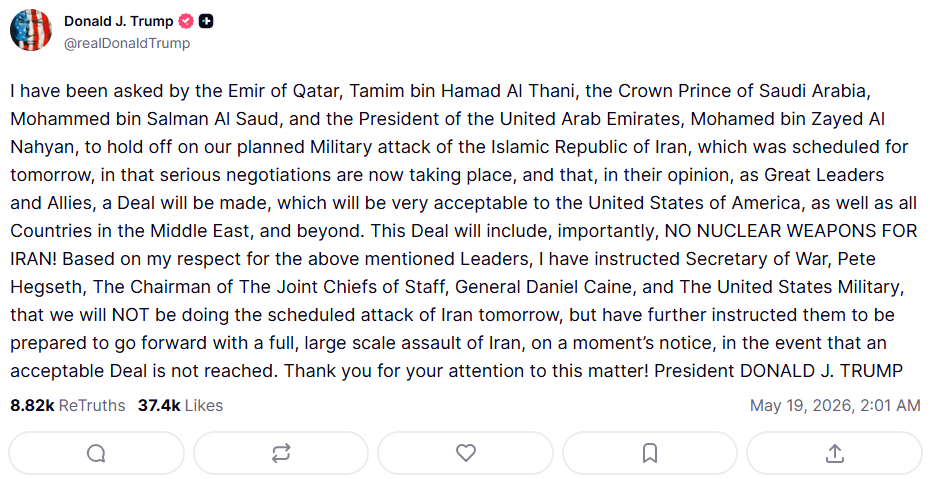
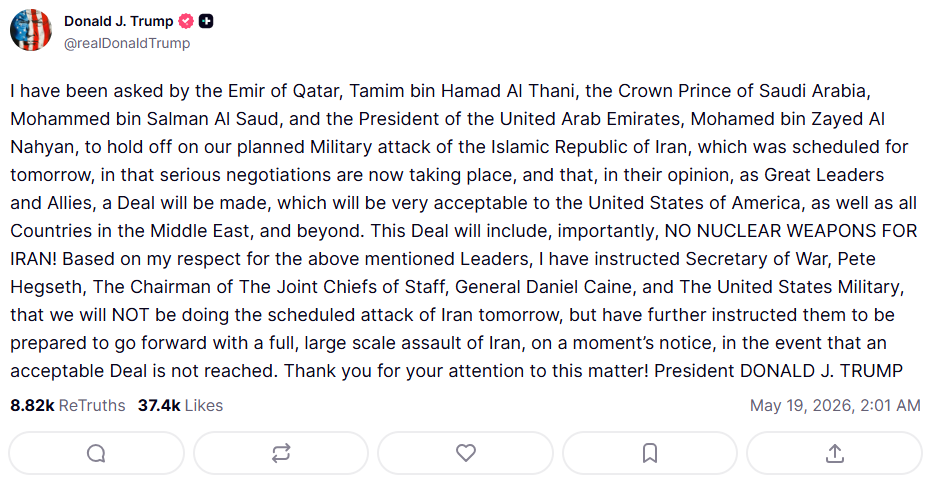
នៅថ្ងៃអង្គារ ទី 19 ខែឧសភា ឆ្នាំ 2026 ប្រធានាធិបតីសហរដ្ឋអាមេរិក លោក Donald Trump បានប្រកាសតាមរយៈ Truth Social ថា សហរដ្ឋអាមេរិកនឹងពន្យារពេលការវាយប្រហារយោធាលើប្រទេសអ៊ីរ៉ង់ ដែលត្រូវបានគ្រោងទុកសម្រាប់ថ្ងៃពុធ។ ការសម្រេចចិត្តនេះធ្វើឡើងបន្ទាប់ពីមានសំណើពីមេដឹកនាំក្នុងតំបន់មជ្ឈិមបូព៌ា រួមមាន លោក Tamim bin Hamad Al Thani លោក Mohammed bin Salman និង លោក Mohamed bin Zayed Al Nahyan ដើម្បីអនុញ្ញាតឱ្យការចរចាបន្ត។
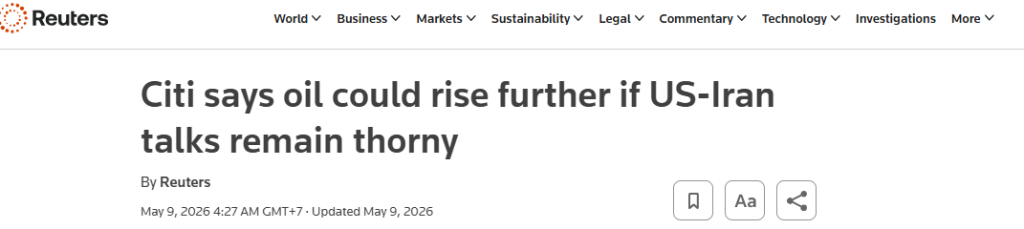
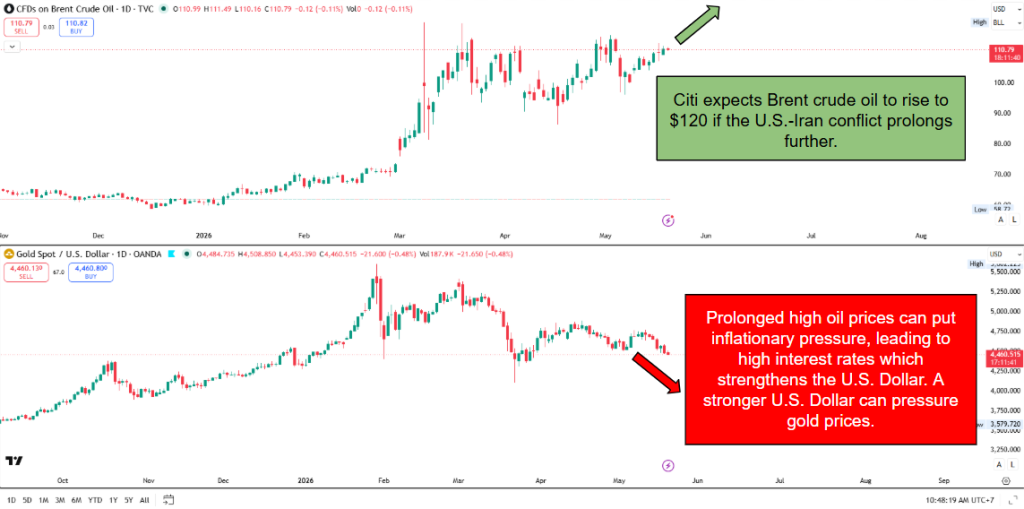
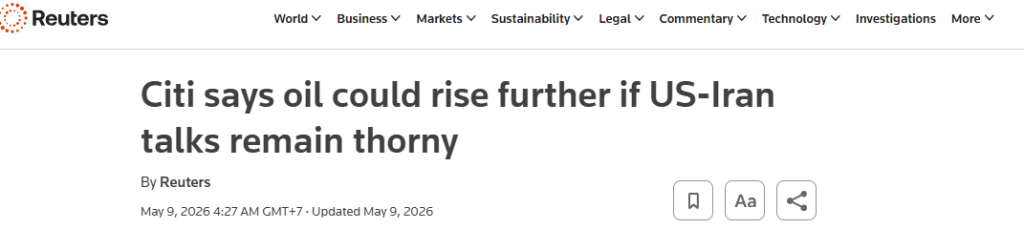
ក្នុងករណីដែលមិនមានកិច្ចព្រមព្រៀង Citigroup រំពឹងថាតម្លៃប្រេងឆៅ Brent អាចកើនឡើងដល់ប្រហែល 120 ដុល្លារក្នុងមួយធុងក្នុងរយៈពេលខ្លី ដោយសារទីផ្សារអាចកំពុងមិនបានវាយតម្លៃពេញលេញលើហានិភ័យនៃការរអាក់រអួលផ្គត់ផ្គង់យូរអង្វែង។
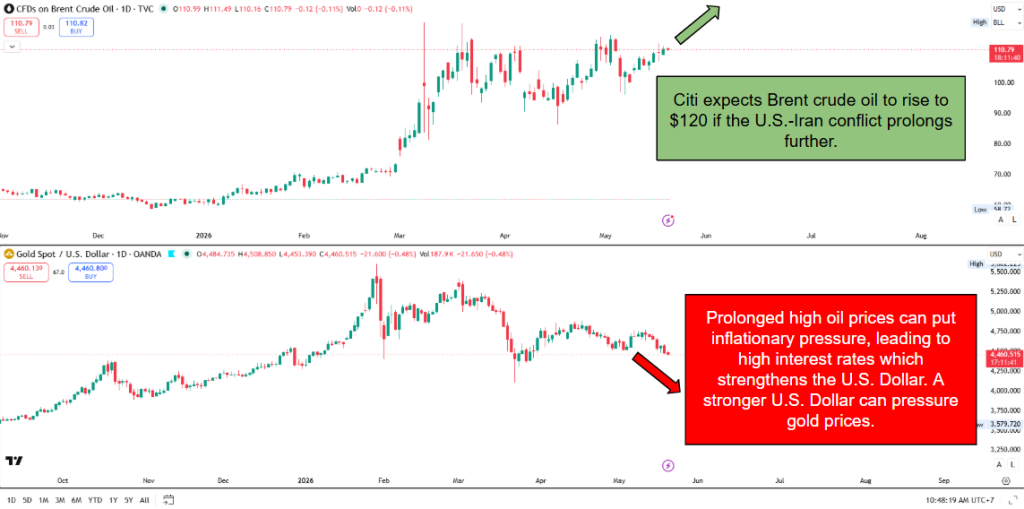
ការកើនឡើងនៃតម្លៃប្រេងអាចបង្កើនសម្ពាធអតិផរណា ដែលអាចនាំឲ្យធនាគារកណ្តាលអាមេិករក្សាអត្រាការប្រាក់នៅកម្រិតខ្ពស់រយៈពេលវែងជាងមុន។ ក្នុងស្ថានភាពបែបនេះ ប្រាក់ដុល្លារអាមេរិកអាចឡើងថ្លៃជាងមុន ខណៈដែលមាសអាចធ្លាក់ចុះថោកជាងមុន ដោយសារទិន្នផលមូលបត្របំណុលអាមេរិកឡើងខ្ពស់ជាងមុន។
(ចំណាំ៖ មាសមិនតែងតែធ្លាក់នៅពេលដុល្លារកើនឡើងទេ ព្រោះហានិភ័យភូមិសាស្ត្រនយោបាយអាចគាំទ្រតម្លៃមាសផងដែរ។)
ការកើនឡើងនៃទិន្នផលមូលបត្របំណុលអាមេរិក
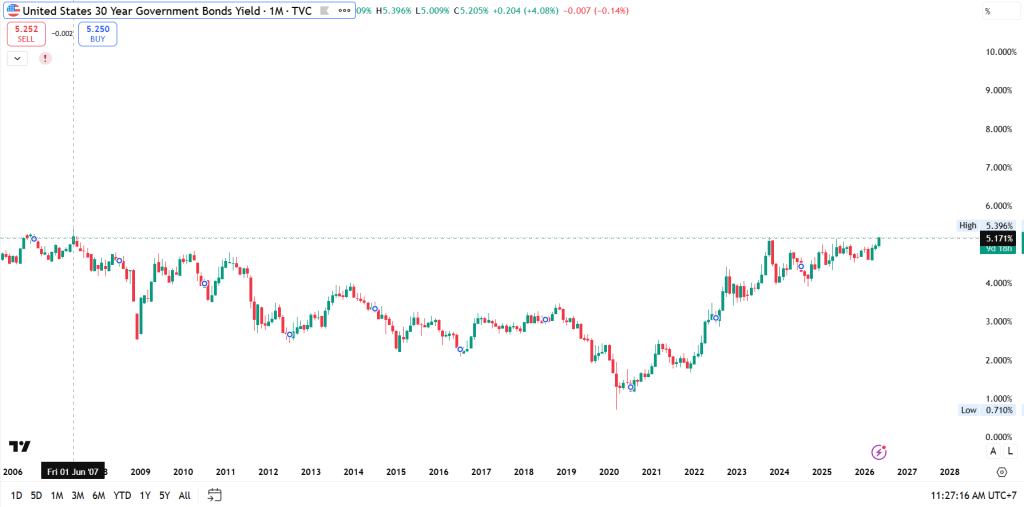
នៅថ្ងៃទី 19 ខែឧសភា ឆ្នាំ 2026 ទិន្នផលមូលបត្របំណុលអាមេរិករយៈពេល 30 ឆ្នាំបានកើនឡើងដល់កម្រិតខ្ពស់បំផុតចាប់តាំងពីឆ្នាំ 2007 បង្ហាញពីសម្ពាធបន្តលើបំណុលរយៈពេលវែង។
ទោះបីជាធនាគារកណ្តាលអាមេរិកត្រូវបានរំពឹងថានឹងរក្សាអត្រាការប្រាក់ឲ្យនៅដដែលក្នុងរយៈពេលខ្លីក៏ដោយ ការរំពឹងទុករបស់ទីផ្សារចំពោះគោលនយោបាយអនាគតនៅតែមានភាពមិនច្បាស់លាស់។ វិនិយោគិនពី Kalshi ដែលជាវេទិកាទីផ្សារព្យាករណ៍ បានដាក់ប្រូបាប 64% ថាការកើនឡើងអត្រាការប្រាក់បន្ទាប់អាចកើតមានមុនខែកក្កដា ឆ្នាំ 2027។
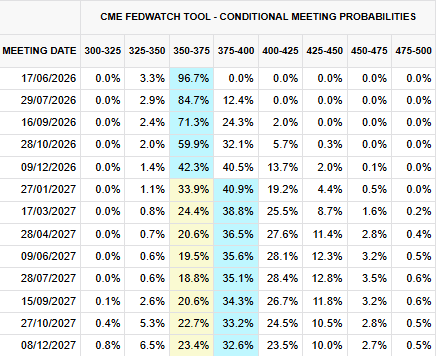
ក្នុងបរិបទបច្ចុប្បន្ន ការកើនឡើងនៃទិន្នផលមូលបត្របំណុលអាមេរិកត្រូវបានជំរុញជាចម្បងដោយការរំពឹងថាអតិផរណានឹងបន្តនៅខ្ពស់ដោយសារតម្លៃប្រេងអាចនៅថ្លៃក្នុងរយៈពេលវែងដែលបណ្តាលមកពីវិបត្តិរវាងអាមេរិក និងអ៊ីរ៉ង់ មិនមែនដោយការរំពឹងអំពីការរឹតបន្តឹងគោលនយោបាយរូបិយវត្ថុតែមួយទេ។ ការកើនឡើងនៃតម្លៃថាមពលបានបង្កើនការព្រួយបារម្ភអំពីអតិផរណា ធ្វើឲ្យវិនិយោគិនទាមទារអត្រាផលត្រឡប់ខ្ពស់ជាងមុនសម្រាប់ការកាន់កាប់បំណុលរយៈពេលវែង។
ចំណុចសង្ខេបសំខាន់ៗ៖
- ការរំពឹងអតិផរណាខ្ពស់ → ទិន្នផលមូលបត្របំណុលកើនឡើង → ប្រាក់ដុល្លារអាមេរិកឡើងថ្លៃ → ការកាន់កាប់មាសមានឱកាសចំណេញទាប → តម្លៃមាសអាចធ្លាក់ចុះ។
- ទោះយ៉ាងណា ប្រសិនបើហានិភ័យភូមិសាស្ត្រនយោបាយកើនឡើងហើយមានឥទ្ធិពលលើសសម្ពាធអតិផរណា តម្រូវការទ្រព្យសកម្មសុវត្ថិភាព (Safe-Haven Assets) អាចកើនឡើង ដែលអាចគាំទ្រតម្លៃមាស ទោះបីទិន្នផលមូលបត្របំណុលនៅកម្រិតខ្ពស់ក៏ដោយ។
នេះបង្ហាញថា ទំនាក់ទំនងរវាងទិន្នផលមូលបត្របំណុល និងតម្លៃមាស មិនតែងតែមានទិសដៅតែមួយទេ ជាពិសេសនៅពេលដែល ការកើនឡើងអតិផរណា និងហានិភ័យភូមិសាស្ត្រនយោបាយកើតមានជាមួយគ្នា។
| English Version |
Trump Holds Off on Planned Military Attack on Iran
On Tuesday, May 19th, 2026, U.S. President Donald Trump announced via Truth Social that the United States would hold off on a planned military strike on Iran, originally scheduled for the same day. The decision followed requests from regional leaders, including Tamim bin Hamad Al Thani, Mohammed bin Salman, and Mohamed bin Zayed Al Nahyan. President Trump added that serious negotiations are currently underway and expressed confidence that a deal could be reached. However, he emphasized that the U.S. remains prepared to launch a large-scale military response at short notice if talks fail.
In the event that no agreement is reached, Citigroup expects Brent crude oil prices to rise toward $120 per barrel in the near term, noting that markets may be underpricing the risk of prolonged supply disruptions.
A sustained rise in oil prices could contribute to renewed inflationary pressure. This, in turn, may lead central banks to maintain higher interest rates for longer. Under such conditions, the U.S. dollar would likely remain supported, while gold could face headwinds due to higher real yields.
(Note: Gold doesn’t always fall with a stronger dollar—geopolitical risk can still support it, so the impact may be mixed.)
Rising U.S. Bond Yields
On May 19th, 2026, the 30-year U.S. Treasury yield rose to its highest level since 2007, reflecting continued pressure in long-duration bonds.
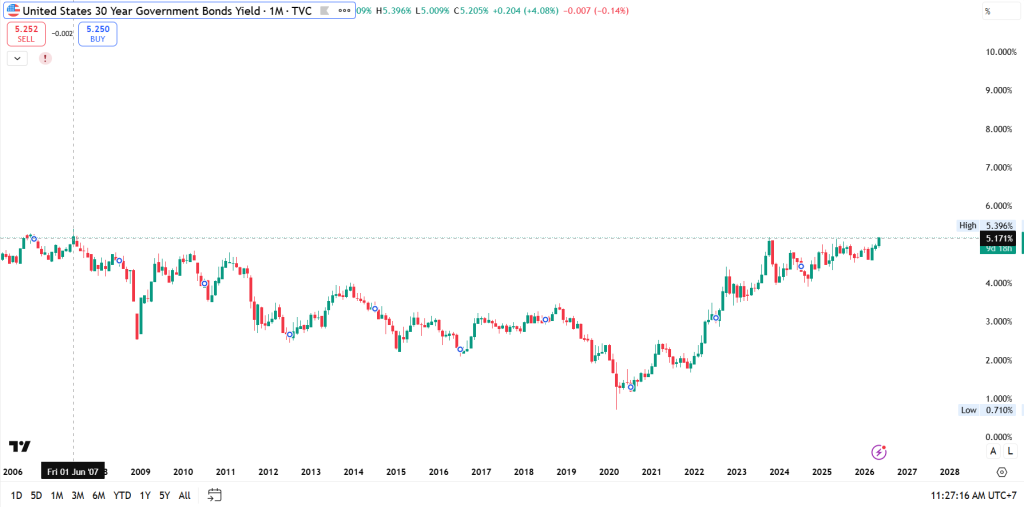
While the Federal Reserve is still widely expected to keep rates unchanged in the near term, market expectations for future policy remain uncertain. Traders on Kalshi, a prediction market platform, place a 64% probability that the next rate hike could occur by July 2027.
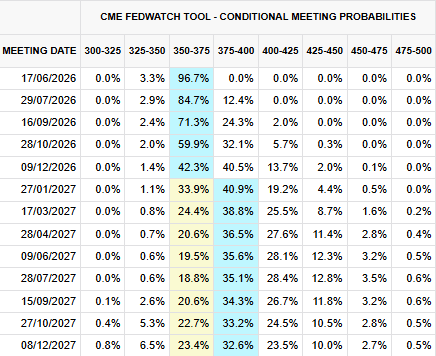
In the current environment, rising yields are being driven largely by inflation expectations linked to prolonged elevated oil prices amid the U.S.–Iran conflict, rather than purely by monetary policy tightening expectations. The surge in energy prices has contributed to persistent inflation concerns, prompting investors to demand higher yields on long-term bonds.
The key takeaways are:
- Higher inflation expectations → higher bond yields → stronger U.S. dollar → increased opportunity cost of holding gold → downward pressure on gold prices.
- However, if geopolitical risk intensifies and outweighs inflationary pressure, safe-haven demand may dominate, potentially supporting gold prices despite elevated yields.
This highlights that the relationship between yields and gold is not always linear, particularly in periods where inflation shocks and geopolitical risks are occurring simultaneously.