
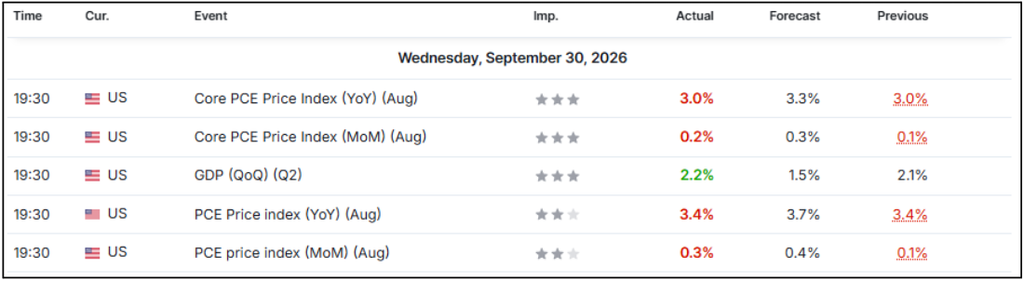
ទិន្នន័យសេដ្ឋកិច្ចរបស់សហរដ្ឋអាមេរិកចុងក្រោយ បានបង្ហាញពីស្ថានភាពចម្រុះសម្រាប់ Federal Reserve ដោយអតិផរណាបង្ហាញសញ្ញាថាកំពុងថមថយ ខណៈសកម្មភាពសេដ្ឋកិច្ចនៅតែមានភាពរឹងមាំ។ ទិន្នន័យ PCE Price Index សម្រាប់ខែសីហា បានកើនឡើង 3.4% ធៀបនឹងឆ្នាំមុន ដែលទាបជាងការរំពឹងទុក 3.7% ខណៈ Core PCE កើនឡើង 3.0% ដែលក៏ទាបជាងការរំពឹងទុកផងដែរ។ ទន្ទឹមនឹងនេះ សេដ្ឋកិច្ចសហរដ្ឋអាមេរិកបានកើនឡើងក្នុងអត្រាប្រចាំឆ្នាំ 2.2% ក្នុងត្រីមាសទី 2 ដែលត្រូវបានកែសម្រួលឡើងពីការប៉ាន់ស្មានមុន 1.5% ដោយបង្ហាញពីការចំណាយរបស់អ្នកប្រើប្រាស់ ការវិនិយោគ និងការចំណាយរបស់រដ្ឋាភិបាលដែលមានភាពរឹងមាំជាងមុន។ ជារួម ទិន្នន័យទាំងនេះបង្ហាញថា សកម្មភាពសេដ្ឋកិច្ចនៅតែមានភាពធន់ ខណៈសម្ពាធអតិផរណាបានថមថយបន្តិច ប៉ុន្តែអតិផរណានៅតែស្ថិតនៅលើសពីគោលដៅ 2% របស់ធនាគារកណ្តាលអាមេរិក (Fed) ។
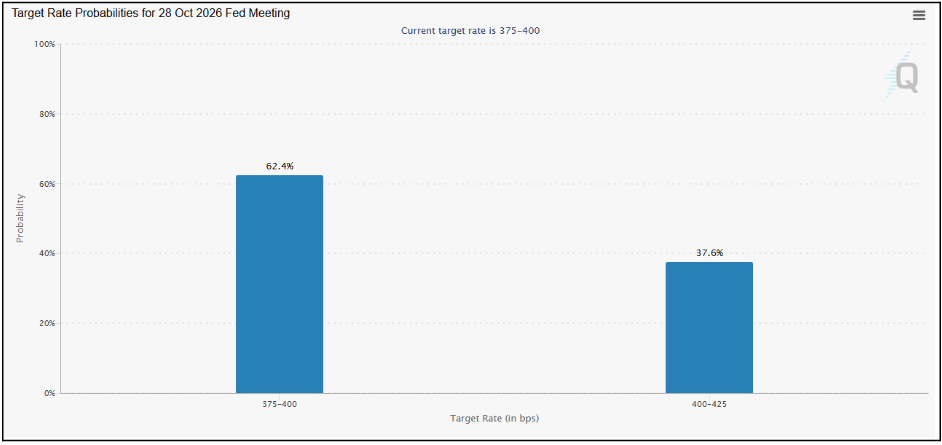
ស្ថានភាពនេះបានកាត់បន្ថយការរំពឹងទុកអំពីការដំឡើងអត្រាការប្រាក់បន្ថែមនៅក្នុងកិច្ចប្រជុំ FOMC ខែតុលា។ តាម CME FedWatch Tool បច្ចុប្បន្ន ទីផ្សារកំពុងរំពឹងថាមានប្រូបាប៊ីលីតេ 62.4% ដែល Fed នឹងរក្សាអត្រាការប្រាក់នៅដដែលក្នុងកិច្ចប្រជុំ FOMC ខែតុលា កើនឡើងពី 49.07% កាលពីម្សិលមិញ។
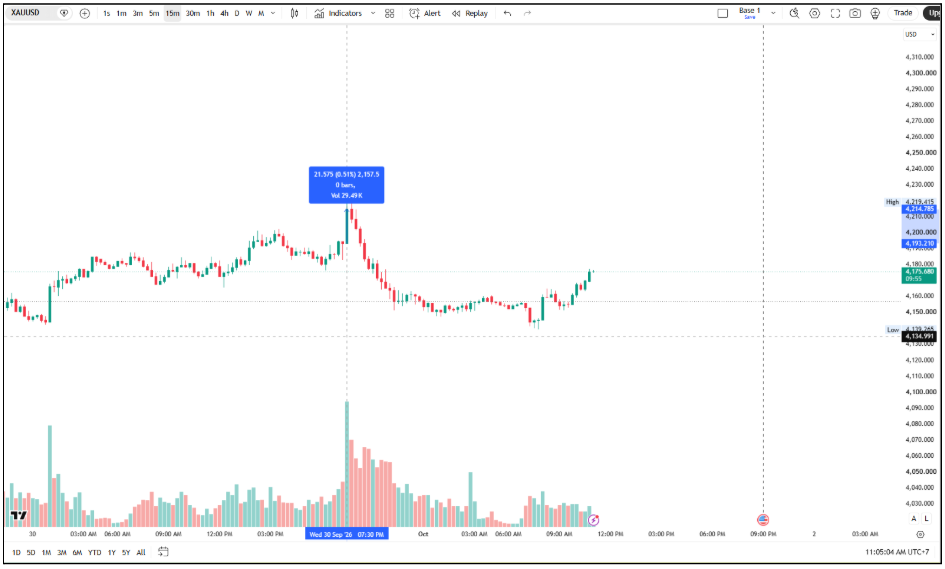
ការផ្លាស់ប្តូរនៃការរំពឹងទុកអំពីអត្រាការប្រាក់នេះ បានផ្តល់ការគាំទ្រដល់មាសដំបូង ដោយមាសបានកើនឡើង 0.51% បន្ទាប់ពីការចេញផ្សាយទិន្នន័យសេដ្ឋកិច្ច។ ទោះជាយ៉ាងណា គិតត្រឹមព្រឹកថ្ងៃព្រហស្បតិ៍ មាសហាក់ដូចជាមិនអាចរក្សាកំណើនទាំងនេះបានទេ ខណៈការកើនឡើងនៃអត្រាផលចំណេញមូលបត្របំណុលរដ្ឋាភិបាលសហរដ្ឋអាមេរិក (US Treasury Yields) នៅតែជាកត្តាដាក់សម្ពាធប្រឆាំងនឹងមាស។
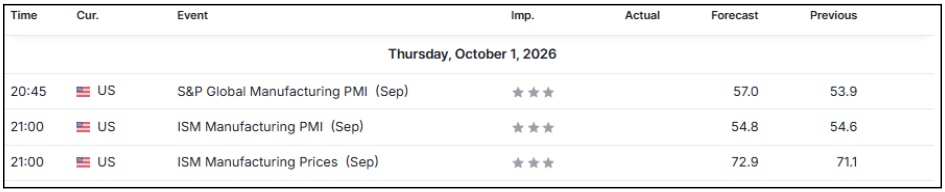
សម្រាប់ថ្ងៃនេះ ការយកចិត្តទុកដាក់របស់ទីផ្សារនឹងផ្តោតលើទិន្នន័យ U.S. PMI រួមមាន S&P Global Manufacturing PMI និង ISM Manufacturing PMI។ ទិន្នន័យទាំងនេះនឹងផ្តល់ព័ត៌មានបន្ថែមអំពីល្បឿននៃសកម្មភាពសេដ្ឋកិច្ចបច្ចុប្បន្នរបស់សហរដ្ឋអាមេរិក ហើយអាចមានឥទ្ធិពលលើការរំពឹងទុករបស់ទីផ្សារចំពោះការសម្រេចចិត្តអំពីគោលនយោបាយរូបិយវត្ថុរបស់ Fed នៅកិច្ចប្រជុំខាងមុខ។
| English Version |
The latest U.S. economic data presented a mixed picture for the Federal Reserve, with inflation showing signs of cooling while economic growth remained resilient. The August PCE Price Index rose 3.4% year-on-year, below the 3.7% forecast, while Core PCE increased 3.0%, also coming in below expectations. At the same time, the U.S. economy grew at an annualized 2.2% in Q2, revised higher from the previous estimate of 1.5%, reflecting stronger consumer spending, investment, and government spending. Together, the data suggest that economic activity remains relatively resilient while inflationary pressures have eased somewhat, although inflation remains above the Federal Reserve’s 2% target.
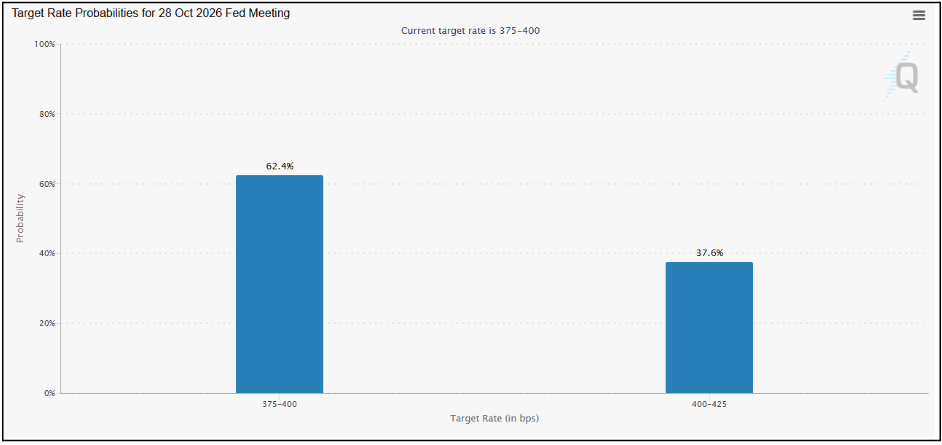
This combination has reduced expectations for another rate hike at the October FOMC meeting, with the CME FedWatch tool now showing a 62.4% probability of a rate hold, up from 49.07% previously.
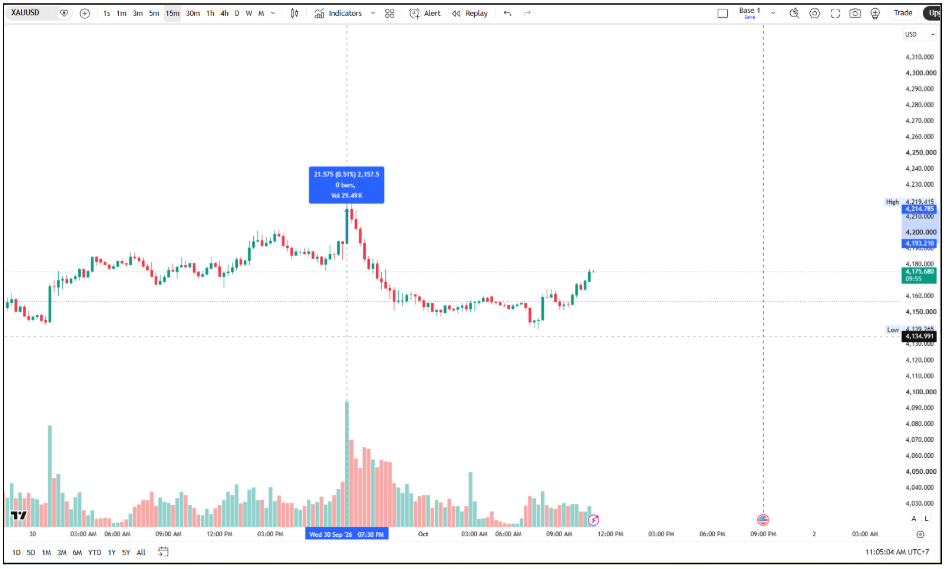
The shift in rate expectations initially provided support for Gold, which gained 0.51% following the economic data release. However, Gold has struggled to maintain those gains as of Thursday morning, as rising Treasury yields continue to provide a counterweight to the softer inflation data.
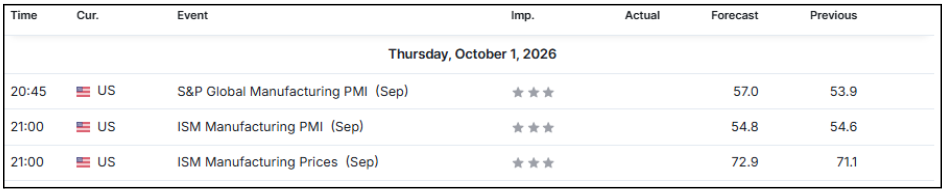
Looking ahead, market attention will turn to today’s U.S. PMI data, including the S&P Global Manufacturing PMI and ISM Manufacturing PMI. These releases should provide further insight into the current pace of U.S. economic activity and could influence expectations for the Fed’s next policy decision.