
លោក Williams នៃធនាគារកណ្តាលអាមេរិក (Fed) បង្ហាញថា អាចត្រូវការដំឡើងអត្រាការប្រាក់តែមួយលើកទៀតនៅឆ្នាំ 2026
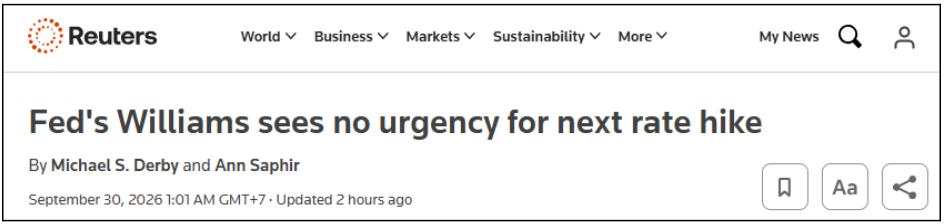
ប្រធាន Federal Reserve Bank of New York លោក John Williams បានបង្ហាញពីទស្សនវិស័យដែលមានភាពប្រុងប្រយ័ត្នជាងមុនចំពោះគោលនយោបាយរូបិយវត្ថុរបស់ Fed ក្នុងអំឡុងពេលថ្លែងសុន្ទរកថានៅ Economic Club of New York នៅ University of Buffalo ដោយបង្ហាញថា Fed អាចត្រូវការតែការដំឡើងអត្រាការប្រាក់មួយលើកបន្ថែមទៀតមុនដំណាច់ឆ្នាំនេះ ជំនួសឱ្យការដំឡើងពីរលើកដែលទីផ្សារហិរញ្ញវត្ថុបានរំពឹងទុកពីមុន។
លោក Williams បានថ្លែងថា បន្ទាប់ពីការសម្រេចចិត្តគោលនយោបាយរបស់ Fed កាលពីខែកញ្ញា “មិនមានភាពចាំបាច់ត្រូវប្រញាប់ប្រញាល់” នោះទេ ដោយលោកបានសង្កត់ធ្ងន់ថា អ្នករៀបចំគោលនយោបាយគួរតែតាមដានទិន្នន័យសេដ្ឋកិច្ចដែលនឹងចេញជាបន្តបន្ទាប់ មុនពេលសម្រេចចិត្តអំពីជំហានបន្ទាប់។ លោកបានបន្ថែមថា ការផ្តល់ពេលវេលាបន្ថែមដើម្បីវាយតម្លៃស្ថានភាពសេដ្ឋកិច្ច “គួរតែផ្តល់ភាពច្បាស់លាស់កាន់តែច្រើន” អំពីដំណើរការរបស់សេដ្ឋកិច្ច និងទិសដៅសមស្របសម្រាប់គោលនយោបាយរូបិយវត្ថុ។
ចំពោះទស្សនវិស័យសម្រាប់រយៈពេលដែលនៅសល់ក្នុងឆ្នាំ 2026 លោក Williams បានបង្ហាញថា ប្រសិនបើស្ថានភាពសេដ្ឋកិច្ចវិវត្តទៅតាមការព្យាករណ៍របស់លោកយ៉ាងទូលំទូលាយ នោះការកែសម្រួលអត្រាការប្រាក់គោលដៅរបស់ Fed ឱ្យកើនឡើងមួយលើកទៀតនៅចុងឆ្នាំនេះ អាចជាជម្រើសសមស្រប ដើម្បីជួយឱ្យអតិផរណាត្រឡប់ទៅរកគោលដៅ 2% របស់ Fed បានទាន់ពេលវេលា។ ទោះជាយ៉ាងណា លោកបានសង្កត់ធ្ងន់ថា នេះគ្រាន់តែជាការព្យាករណ៍ផ្ទាល់ខ្លួនរបស់គាត់ប៉ុណ្ណោះ ហើយការសម្រេចចិត្តចុងក្រោយនឹងអាស្រ័យលើទិន្នន័យសេដ្ឋកិច្ចដែលនឹងចេញជាបន្តបន្ទាប់។
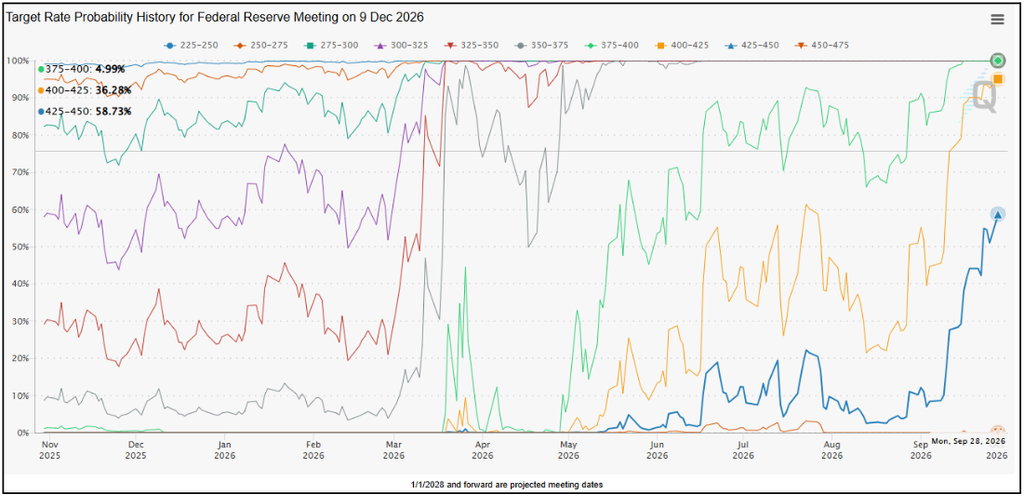
សុន្ទរកថារបស់លោក Williams កាលពីថ្ងៃអង្គារ បានផ្ទុយពីការរំពឹងទុករបស់ទីផ្សារកាលពីដើមសប្តាហ៍។ យោងតាម CME FedWatch Historical Target Rate Probability កាលពីដើមថ្ងៃចន្ទសប្តាហ៍នេះ ទីផ្សារបានកំណត់តម្លៃក្នុងការរំពឹងទុកថាមានប្រូបាប៊ីលីតេ 58.73% ដែល Fed នឹងដំឡើងអត្រាការប្រាក់ពីរលើកបន្ថែមទៀតត្រឹមខែធ្នូ។
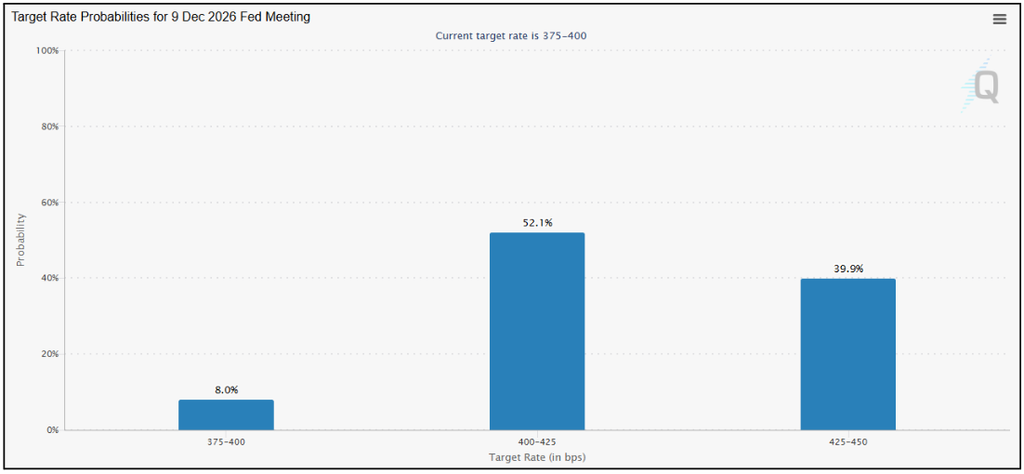
បន្ទាប់ពីសុន្ទរកថារបស់លោក Williams កាលពីថ្ងៃអង្គារ ប្រូបាប៊ីលីតេនេះបានធ្លាក់ចុះមកត្រឹម 39.9% ដែលបង្ហាញពីការផ្លាស់ប្តូរគួរឱ្យកត់សម្គាល់នៅក្នុងការរំពឹងទុករបស់ទីផ្សារ ឆ្ពោះទៅរកគោលនយោបាយរូបិយវត្ថុដែលមានភាពតឹងរ៉ឹងតិចជាងមុន។
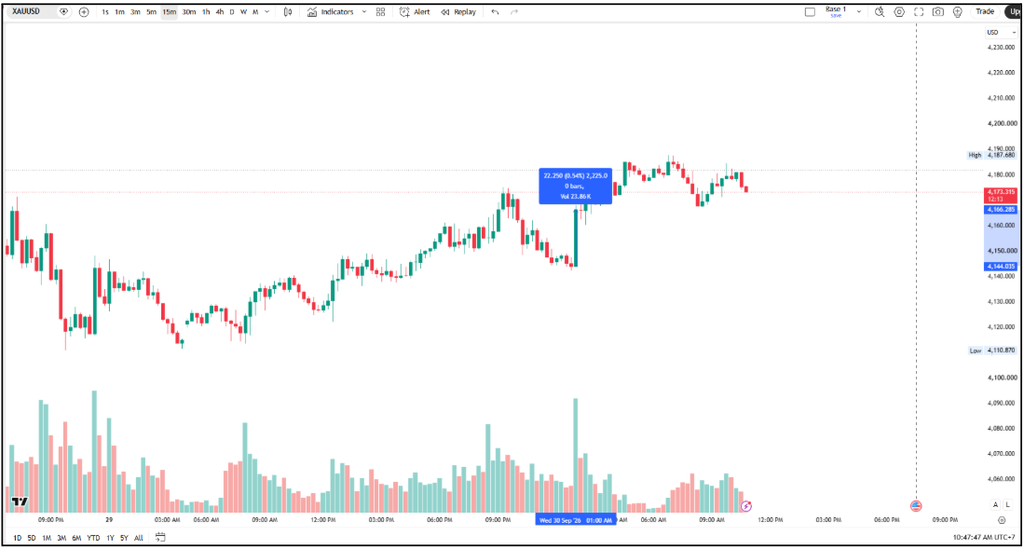
សម្រាប់មាស ការផ្លាស់ប្តូរទៅរកការរំពឹងទុកអំពីគោលនយោបាយដំឡើងអត្រាការប្រាក់ដែលមានភាពតឹងរ៉ឹងតិចជាងមុន បានផ្តល់ការគាំទ្រដល់តម្លៃមាស ដោយតម្លៃមាសបានកើនឡើង 0.54% បន្ទាប់ពីការលើកឡើងរបស់លោក Williams របស់ Fed។ ការធ្លាក់ចុះនៃការរំពឹងទុកចំពោះការដំឡើងអត្រាការប្រាក់ពីរលើកបន្ថែមទៀត អាចបានកាត់បន្ថយសម្ពាធកើនឡើងលើ អត្រាផលចំណេញមូលបត្របំណុលអាមេរិក (Treasury Yields) និងប្រាក់ដុល្លារអាមេរិកដែលជួយគាំទ្រដល់តម្លៃមាស។ ការកើនឡើងនេះក៏បង្ហាញផងដែរថា ការផ្លាស់ប្តូរនៅក្នុងការរំពឹងទុកអំពីអត្រាការប្រាក់របស់ Fed អាចជះឥទ្ធិពលយ៉ាងឆាប់រហ័សដល់ភាពប្រែប្រួលរបស់ទីផ្សារ។ ទោះជាយ៉ាងណា ទស្សនវិស័យនៅតែអាស្រ័យលើទិន្នន័យអតិផរណា និងទីផ្សារការងារដែលនឹងចេញនាពេលខាងមុខ ដែលនឹងក្លាយជាកត្តាសំខាន់ក្នុងការកំណត់ថាតើ Fed នឹងដំឡើងអត្រាការប្រាក់មួយលើកបន្ថែមទៀត ឬពិចារណាលើការរឹតបន្តឹងគោលនយោបាយបន្ថែមទៀត។
សង្ខេបទិន្នន័យសេដ្ឋកិច្ច
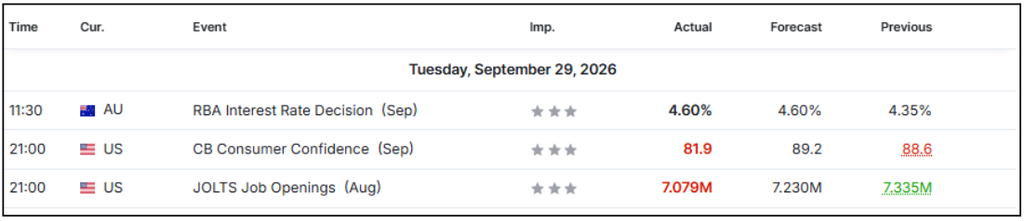
កាលពីម្សិលមិញ ធនាគារកណ្តាលអូស្រ្តាលី (RBA) បានដំឡើងអត្រាការប្រាក់ ដែលឆ្លុះបញ្ចាំងពីនិន្នាការទូលំទូលាយរបស់ធនាគារកណ្តាលជាច្រើនផ្សេងទៀត ដែលកំពុងរក្សា ឬរឹតបន្តឹងគោលនយោបាយរូបិយវត្ថុ ដើម្បីឆ្លើយតបទៅនឹងសម្ពាធអតិផរណាដែលនៅតែបន្តកើតមាន។ ជាមួយគ្នានេះ ទិន្នន័យ US Consumer Confidence និង JOLTS Job Openings សុទ្ធតែចេញមកទាបជាងការព្យាករណ៍ ដែលបង្ហាញពីភាពទន់ខ្សោយដែលអាចកើតមាននៅក្នុងទំនុកចិត្តរបស់អ្នកប្រើប្រាស់ និងការថមថយបន្តិចម្តងៗនៃទីផ្សារការងាររបស់សហរដ្ឋអាមេរិក។ ការវិវត្តទាំងនេះអាចជាសញ្ញាបង្ហាញពីការថយចុះនៃសន្ទុះសេដ្ឋកិច្ច ដែលធ្វើឱ្យទីផ្សារបន្តយកចិត្តទុកដាក់ទៅលើទិន្នន័យសេដ្ឋកិច្ចរបស់សហរដ្ឋអាមេរិកដែលនឹងចេញ ដើម្បីស្វែងរកតម្រុយបន្ថែមអំពីទស្សនវិស័យគោលនយោបាយរូបិយវត្ថុរបស់ Fed។
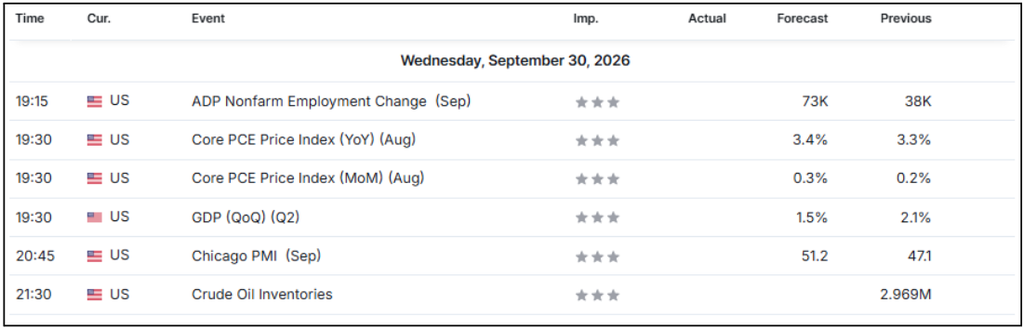
សម្រាប់ថ្ងៃនេះ ប្រតិទិនទិន្នន័យសេដ្ឋកិច្ចមានការចេញផ្សាយទិន្នន័យសំខាន់ៗមួយចំនួនរបស់សហរដ្ឋអាមេរិក រួមមាន ADP Nonfarm Employment Change, PCE Price Index និង GDP។ ទិន្នន័យទាំងនេះរួមគ្នានឹងជួយផ្តល់រូបភាពកាន់តែច្បាស់អំពីស្ថានភាពបច្ចុប្បន្ននៃសេដ្ឋកិច្ច និងទីផ្សារការងាររបស់សហរដ្ឋអាមេរិក ព្រមទាំងផ្តល់តម្រុយបន្ថែមអំពីសម្ពាធអតិផរណា និងទិសដៅដែលអាចកើតមាននៃការសម្រេចចិត្តគោលនយោបាយបន្ទាប់របស់ Fed។ ទិន្នន័យផ្សេងទៀតដូចជា Chicago PMI និង Crude Oil Inventories ក៏នឹងស្ថិតនៅក្នុងការចាប់អារម្មណ៍របស់ទីផ្សារផងដែរ ដោយ Chicago PMI អាចផ្តល់ព័ត៌មានបន្ថែមអំពីសកម្មភាពអាជីវកម្ម ខណៈ Crude Oil Inventories អាចមានឥទ្ធិពលលើតម្លៃប្រេង និងការរំពឹងទុកអំពីអតិផរណាកាន់តែទូលំទូលាយ។
| English Version |
Fed’s Williams Signals That Only One More Rate Hike May Be Needed in 2026
New York Fed President John Williams delivered a more measured message on the Federal Reserve’s monetary policy outlook during his speech at the Economic Club of New York at the University of Buffalo, suggesting that only one additional interest rate hike may be necessary by the end of this year, rather than the two hikes previously anticipated by financial markets.
Williams stated that following the Fed’s September policy decision, there was “no need for urgency,” emphasizing that policymakers should assess incoming economic data before deciding on their next move. He added that allowing more time to evaluate economic conditions “should provide greater clarity” on the economy’s performance and the appropriate direction of monetary policy.
Regarding the outlook for the remainder of 2026, Williams indicated that if economic conditions develop broadly in line with his forecast, one further upward adjustment to the federal funds target range may be appropriate later this year to support a timely return of inflation to the Fed’s 2% target. However, he stressed that this remains his personal forecast, with the final decision depending on incoming economic data.
Williams’ remarks on Tuesday contrasted with market expectations earlier in the week. According to CME FedWatch historical target rate probabilities, markets were pricing in a 58.73% probability of two additional rate hikes by December as of earlier Monday this week.
Following Williams’ comments on Tuesday, that probability declined to 39.9%, indicating a notable shift in expectations toward a less aggressive monetary tightening path.
For Gold, the shift toward a potentially less aggressive rate-hiking path provided support, with Gold gaining 0.54% following Fed Williams’ remarks. The decline in expectations for two additional rate hikes may have eased upward pressure on Treasury Yields and the US Dollar, supporting Gold prices. The move also highlights how changes in Federal Reserve rate expectations can quickly influence market volatility. However, the outlook remains dependent on upcoming inflation and labor market data, which will be critical in determining whether the Fed proceeds with one additional hike or considers further tightening.
Economic Data Recap
Yesterday, the Reserve Bank of Australia (RBA) raised interest rates, reflecting a broader trend of central banks maintaining or tightening monetary policy in response to persistent inflationary pressures. Meanwhile, US Consumer Confidence and JOLTS Job Openings both came in below forecasts, suggesting potential weakness in consumer sentiment and a gradual cooling of the US labor market. These developments may signal slowing economic momentum, keeping markets attentive to incoming US economic data for further clues on the Federal Reserve’s monetary policy outlook.
Looking ahead, today’s economic calendar features several key US releases, including the ADP Nonfarm Employment Change, Personal Consumption Expenditures (PCE) Price Index, and GDP data. Together, these releases should provide a clearer picture of the current US economic and labor market conditions, while offering further insight into inflationary pressures and the potential direction of the Fed’s next policy decisions. Other releases, including the Chicago PMI and Crude Oil Inventories, will also be on the market’s radar, with the former providing additional insight into business activity and the latter potentially influencing oil prices and broader inflation expectations.