
ការចរចាសន្តិភាពរវាងអាមេរិក និងអ៊ីរ៉ង់នៅប្រទេសស្វីសបានបញ្ចប់៖ តើមានចំណុចសំខាន់ៗអ្វីខ្លះ?
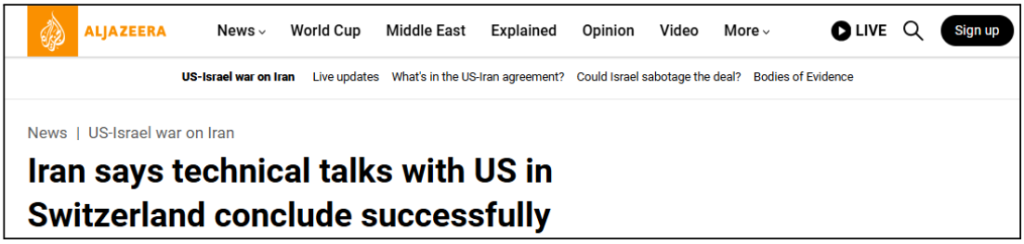
ការចរចាសន្តិភាពរវាងសហរដ្ឋអាមេរិក និងអ៊ីរ៉ង់នៅប្រទេសស្វីសបានបញ្ចប់ហើយ។ ក្នុងចំណោមការអភិវឌ្ឍសំខាន់ៗ មានការរាយការណ៍ថា សហរដ្ឋអាមេរិកបានផ្អាកការដាក់ពន្ធ/ទណ្ឌកម្មលើការនាំចេញប្រេងរបស់អ៊ីរ៉ង់រយៈពេល 60 ថ្ងៃ និងបានដោះលែងទ្រព្យសម្បត្តិអ៊ីរ៉ង់ប្រហែល 12 ពាន់លានដុល្លារ ដែលត្រូវបានបង្កកពីមុន។ បន្ថែមពីនេះ ការឈប់បាញ់នៅប្រទេសលីបង់ហាក់ដូចជាកំពុងរក្សាស្ថិរភាពជាទូទៅ ដោយភាគីទាំងពីរបានព្រមព្រៀងបង្កើត “ក្រុមសម្របសម្រួលការប៉ះទង្គិច (de-confliction cell)” ដើម្បីកាត់បន្ថយហានិភ័យនៃការកើតឡើងវិញនៃសកម្មភាពយោធា។
ស្ថានភាពនៅច្រកសមុទ្រ Hormuz ក៏បានបង្ហាញសញ្ញាកែលម្អផងដែរ។ ទោះបីជាច្រកនេះមិនទាន់ត្រឡប់ទៅស្ថានភាពដំណើរការពេញលេញដូចមុនក៏ដោយ ទិន្នន័យចរាចរណ៍ដឹកជញ្ជូនតាមសមុទ្របង្ហាញថា ចំនួននាវាឆ្លងកាត់បានកើនឡើងបើប្រៀបធៀបនឹងអំឡុងពេលបិទ ប៉ុន្តែនៅតិចជាងកម្រិតមុនវិបត្តិ។ អង្គការ International Maritime Organization របស់អង្គការសហប្រជាជាតិ (United Nations) ក៏បានចូលរួមសម្របសម្រួលក្នុងការឆ្លើយតប ដោយរួមទាំងការជួយសង្គ្រោះនាវិកប្រមាណ 11,000 នាក់ ដែលត្រូវបានជាប់គាំងបន្ទាប់ពីការរំខានបណ្តោះអាសន្ននៃផ្លូវសមុទ្រនេះ។ សរុបមក ច្រកសមុទ្រនេះកំពុងដំណើរការក្នុងស្ថានភាពកំណត់មួយ ដែលបង្ហាញពីការវិលត្រឡប់ទៅរកស្ថានភាពធម្មតាបន្តិចម្តងៗ មិនមែនការបើកពេញលេញទេ។
ទោះបីមានវឌ្ឍនភាពនេះក៏ដោយ ភាពខ្វែងគំនិតសំខាន់ៗនៅតែបន្តមានរវាងសហរដ្ឋអាមេរិក និងអ៊ីរ៉ង់។ សហរដ្ឋអាមេរិកអះអាងថា មូលនិធិអ៊ីរ៉ង់ដែលបានដោះលែង នឹងត្រូវប្រើសម្រាប់ការទិញផលិតផលកសិកម្មពីសហរដ្ឋអាមេរិក ខណៈដែលអ៊ីរ៉ង់អះអាងថា ខ្លួនមានសិទ្ធិពេញលេញក្នុងការប្រើប្រាស់មូលនិធិនេះតាមការសម្រេចរបស់ខ្លួន។ ភាគីទាំងពីរក៏បានចេញសេចក្តីថ្លែងការណ៍ខុសគ្នាផងដែរ អំពីការត្រឡប់មកវិញរបស់អ្នកត្រួតពិនិត្យរបស់ International Atomic Energy Agency (IAEA) ទៅអ៊ីរ៉ង់។ បន្ថែមពីនេះ ភាពខ្វែងគំនិតនៅតែមានជុំវិញរចនាសម្ព័ន្ធដំណើរការរយៈពេលវែងនៃច្រកសមុទ្រ Hormuz ដោយសហរដ្ឋអាមេរិកប្រឆាំងនឹងការដាក់ថ្លៃឆ្លងកាត់ ឬការរឹតបន្តឹងណាមួយ ខណៈដែលអ៊ីរ៉ង់បានបញ្ជាក់ថា លក្ខខណ្ឌនឹងមិនត្រឡប់ទៅរបៀបដូចមុនវិបត្តិទេ។ គេរំពឹងថា បញ្ហាទាំងនេះនឹងត្រូវបានចរចាបន្តក្នុងរយៈពេលឈប់បាញ់ 60 ថ្ងៃ ដើម្បីឈានទៅរកកិច្ចព្រមព្រៀងសន្តិភាពពេញលេញ។
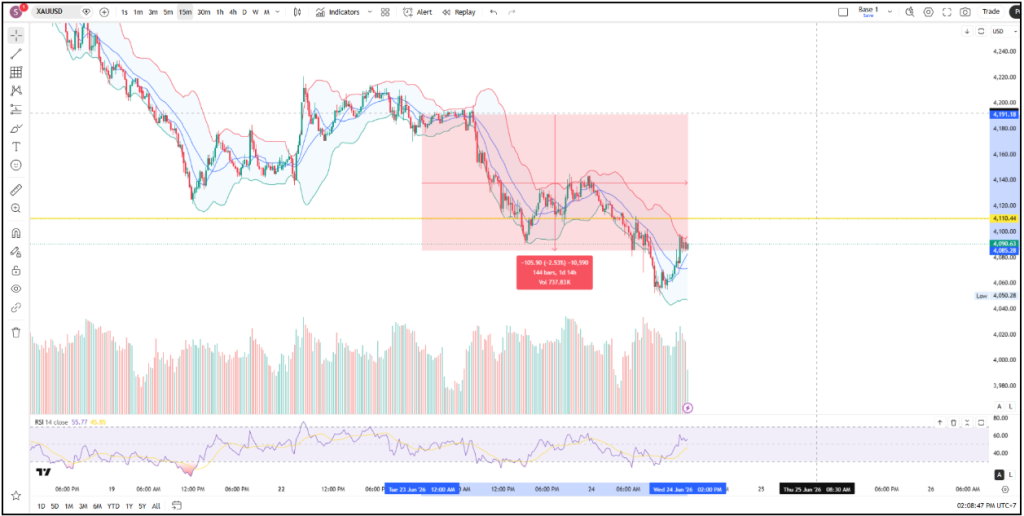
ទោះបីមានការបន្ធូរបន្ថយភាពតានតឹងភូមិសាស្ត្រនយោបាយ និងការកែលម្អលក្ខខណ្ឌដឹកជញ្ជូនតាមច្រកសមុទ្រ Hormuz ក៏ដោយ តម្លៃមាសនៅតែធ្លាក់ប្រហែល 2.53% បន្ទាប់ពីព័ត៌មាននេះ។ ទោះយ៉ាងណា ការធ្លាក់នេះភាគច្រើនអាចបណ្តាលមកពីការថយចុះនៃ “បុព្វលាភហានិភ័យភូមិសាស្ត្រនយោបាយ (geopolitical risk premium)” ជាជាងការប្រែប្រួលទៅរកការរំពឹងទុកអំពីការឡើងអត្រាការប្រាក់ក្នុងរយៈពេលខ្លី។ ការរំពឹងទុកអំពីអតិផរណា និងគោលនយោបាយរបស់ធនាគារកណ្ដាលអាមេរិកនៅតែពឹងផ្អែកសំខាន់លើទិន្នន័យម៉ាក្រូសេដ្ឋកិច្ចទូលំទូលាយ មានន័យថា មាសនៅតែពឹងផ្អែកខ្លាំងលើការរំពឹងទុកអំពីពេលវេលានៃការកាត់បន្ថយអត្រាការប្រាក់ ជាងកត្តាភូមិសាស្ត្រនយោបាយតែមួយនេះ។
ទិន្នន័យសន្ទស្សន៍អ្នកគ្រប់គ្រងការទិញ (PMI) របស់សហរដ្ឋអាមេរិក បន្តគាំទ្រការរក្សាអត្រាការប្រាក់ខ្ពស់របស់ធនាគារកណ្តាលអាមេរិក (Fed)

ទិន្នន័យបឋម S&P Global PMI សម្រាប់ខែមិថុនា ដែលបានចេញផ្សាយកាលពីយប់មិញ បានបង្ហាញថា វិស័យផលិតកម្ម និងវិស័យសេវាកម្មរបស់សហរដ្ឋអាមេរិក នៅតែបន្តពង្រីកខ្លួន ដែលជាសញ្ញាបញ្ជាក់ថា សេដ្ឋកិច្ចអាមេរិកនៅតែមានភាពរឹងមាំ ទោះបីស្ថិតក្នុងបរិយាកាសអត្រាការប្រាក់ខ្ពស់ក៏ដោយ។
- Services PMI: 51.3 (ការព្យាករណ៍៖ 51.1, មុន៖ 50.7)
- Manufacturing PMI: 55.7 (ការព្យាករណ៍៖ 54.6, មុន៖ 55.1)
ជាទូទៅ PMI ដែលស្ថិតនៅលើកម្រិត 50 បង្ហាញពីការពង្រីកសកម្មភាពសេដ្ឋកិច្ច ខណៈដែល PMI ក្រោមកម្រិត 50 បង្ហាញពីការធ្លាក់ចុះនៃសកម្មភាពសេដ្ឋកិច្ច។ ទិន្នន័យចុងក្រោយនេះបានបង្ហាញថា សកម្មភាពអាជីវកម្មនៅតែមានសុខភាពល្អ ជាពិសេសវិស័យផលិតកម្មដែលបានកើនឡើងលើសការរំពឹងទុក និងបន្តបង្ហាញពីភាពធន់រឹងមាំ។
សម្រាប់ទីផ្សារហិរញ្ញវត្ថុ ទិន្នន័យសេដ្ឋកិច្ចដែលរឹងមាំអាចជួយគាំទ្រដល់ប្រាក់ដុល្លារអាមេរិក ដោយសារទិន្នន័យនេះកាត់បន្ថយភាពបន្ទាន់លើធនាគារកណ្តាលអាមេរិក (Fed) ក្នុងការបញ្ចុះអត្រាការប្រាក់។ ដរាបណាសកម្មភាពសេដ្ឋកិច្ចនៅតែមានភាពធន់ Fed នឹងមានលទ្ធភាពរក្សាអត្រាការប្រាក់នៅកម្រិតបច្ចុប្បន្នបានយូរជាងមុន ដែលស្របទៅនឹងសារតឹងរ៉ឹង (Hawkish) ដែល Fed បានបង្ហាញនាពេលកន្លងមក។
ទោះបីជាទិន្នន័យចេញមកល្អជាងការរំពឹងទុកក៏ដោយ ប្រតិកម្មរបស់ទីផ្សារមានកម្រិតតិចតួចប៉ុណ្ណោះ ដោយតម្លៃមាស និងគូរូបិយប័ណ្ណសំខាន់ៗ មិនបានប្រែប្រួលខ្លាំងបន្ទាប់ពីការចេញផ្សាយទិន្នន័យនេះឡើយ។ នេះបង្ហាញថា វិនិយោគិនភាគច្រើនបានរំពឹងទុករួចហើយថា សេដ្ឋកិច្ចអាមេរិកនឹងនៅតែមានភាពរឹងមាំ ហើយកំពុងផ្តោតការយកចិត្តទុកដាក់ទៅលើកត្តាធំៗផ្សេងទៀត ដូចជាទស្សនវិស័យគោលនយោបាយរបស់ Fed ទិន្នន័យអតិផរណា និងការវិវត្តនៃស្ថានភាពភូមិសាស្ត្រនយោបាយ។
ទស្សនវិស័យមាស៖ ទិន្នន័យ PMI នេះមានឥទ្ធិពលអវិជ្ជមានតិចតួចចំពោះមាស ព្រោះវាបន្តគាំទ្រការរំពឹងទុកថា អត្រាការប្រាក់អាចស្ថិតនៅកម្រិតខ្ពស់ក្នុងរយៈពេលយូរជាងមុន។ ទោះជាយ៉ាងណា ទិន្នន័យនេះមិនទំនងជាក្លាយជាកត្តាចម្បងដែលជំរុញទីផ្សារដោយឡែកនោះទេ។ ទិសដៅរយៈពេលខ្លីរបស់មាស នឹងនៅតែពឹងផ្អែកជាចម្បងលើការរំពឹងទុកអំពីការបញ្ចុះ ឬតម្លើងអត្រាការប្រាក់របស់ Fed និងការវិវត្តនៃស្ថានភាពភូមិសាស្ត្រនយោបាយ។ ដូច្នេះ ទិន្នន័យ PMI ចុងក្រោយនេះ អាចផ្តល់ការគាំទ្រខ្លះដល់ប្រាក់ដុល្លារអាមេរិក ប៉ុន្តែមិនបានផ្លាស់ប្តូរទស្សនវិស័យទូទៅរបស់មាសឱ្យមានភាពខុសគ្នាខ្លាំងនោះឡើយ។
| English Version |
US-Iran Peace Talks in Switzerland Concludes: What Are the Key Takeaways?
US-Iran peace talks in Switzerland have now concluded. Among the key developments, the United States has reportedly waived sanctions on Iranian oil exports for 60 days and released approximately $12 billion in previously frozen Iranian assets. In addition, a ceasefire in Lebanon appears to be largely holding, with both sides agreeing to establish a “de-confliction cell” aimed at ending military operations in the country.
The situation surrounding the Strait of Hormuz has also shown improvement. While the strait has not fully returned to normal operating conditions, maritime traffic data indicates that vessel movements have increased compared to the closure period, though they remain below pre-conflict levels. The International Maritime Organization has also been involved in coordinating responses, including efforts to assist approximately 11,000 seafarers who were stranded following the temporary disruption of the waterway. Overall, the strait is operating in a partially restricted manner, reflecting a gradual normalization rather than a full reopening.
Despite the progress, significant disagreements remain. Washington maintains that the released Iranian funds will be used to purchase US agricultural products, while Tehran insists that it will have full discretion over how the funds are spent. Both sides have also provided conflicting statements regarding the return of International Atomic Energy Agency (IAEA) inspectors to Iran. In addition, disagreements persist over the future status of the Strait of Hormuz, with the United States opposing any Iranian tolls or restrictions, while Iran has stated that conditions will not return to their pre-war arrangement. The current expectation is that these issues will be negotiated further within the 60-day ceasefire window, with the aim of reaching a more comprehensive agreement.
Despite the easing of geopolitical tensions and improved maritime conditions, gold is still down around 2.5% following the news. However, this move is more likely reflecting a reduction in geopolitical risk premium rather than a shift toward expectations of a near-term interest rate hike. Inflation expectations and Federal Reserve policy outlook remain primarily driven by broader macroeconomic data, meaning gold continues to be more sensitive to rate-cut timing and real yields than to this specific geopolitical development alone.
US PMI Data Reinforces Fed’s Hawkish Stance
Last night’s preliminary June S&P Global PMI figures showed continued expansion across both the manufacturing and services sectors, reinforcing the Federal Reserve’s view that the US economy remains resilient despite elevated interest rates.
- Services PMI: 51.3 (Forecast: 51.1, Previous: 50.7)
- Manufacturing PMI: 55.7 (Forecast: 54.6, Previous: 55.1)
A PMI reading above 50 indicates economic expansion, while a reading below 50 signals contraction. The latest figures suggest that business activity remains healthy, with the manufacturing sector posting a stronger-than-expected increase and continuing to demonstrate resilience.
For financial markets, stronger economic data can support the US Dollar by reducing the urgency for the Federal Reserve to lower interest rates. As long as economic activity remains resilient, policymakers have greater flexibility to maintain interest rates at current levels, consistent with the Fed’s recent hawkish messaging.
Despite the positive surprise in the data, market reactions were relatively muted, with gold and major currency pairs showing limited movement following the release. This suggests that investors had largely anticipated a resilient US economy and remain focused on broader drivers such as the Federal Reserve’s policy outlook, inflation data, and geopolitical developments.
Gold Outlook: While the PMI figures are modestly negative for gold because they reinforce expectations of a higher-for-longer interest rate environment, the data is unlikely to become a major catalyst on its own. Gold’s near-term direction will continue to depend primarily on evolving Federal Reserve rate-cut expectations and geopolitical developments. As a result, the latest PMI readings may provide some support for the US Dollar, but they do not materially alter the broader outlook for gold.