
មហាសន្និបាតអង្គការសហប្រជាជាតិ (United Nations General Assembly) បានចាប់ផ្តើមជាផ្លូវការកាលពីថ្ងៃទី18 ខែកញ្ញា ប៉ុន្តែ កិច្ចពិភាក្សាទូទៅ (General Debate) នៃមហាសន្និបាតអង្គការសហប្រជាជាតិ ដែលជាវេទិកាដែលមេដឹកនាំប្រទេសនានាមកជួបជុំគ្នាដើម្បីថ្លែងសុន្ទរកថា និងលើកឡើងពីបញ្ហាសំខាន់ៗនៅលើពិភពលោក បានចាប់ផ្តើមកាលពីម្សិលមិញ។
សម្រាប់ទីផ្សារហិរញ្ញវត្ថុ ថ្ងៃដំបូងនៃកិច្ចពិភាក្សាបានផ្តោតសំខាន់លើស្ថានការណ៍ជម្លោះដែលកំពុងបន្តរវាងសហរដ្ឋអាមេរិក និងអ៊ីរ៉ង់ ខណៈសញ្ញាមួយចំនួននៃការចរចាផ្នែកការទូតបានជួយកាត់បន្ថយការព្រួយបារម្ភអំពីការផ្គត់ផ្គង់ប្រេង។ ជាលទ្ធផល តម្លៃប្រេងឆៅបានធ្លាក់ចុះយ៉ាងខ្លាំង ខណៈតម្លៃមាសបានបិទជាមួយនឹងការកើនឡើងបន្តិច។
មាសបានបិទកើនឡើង 0.24% កាលពីម្សិលមិញ ខណៈ ប្រេងឆៅ WTI បានធ្លាក់ចុះ 2.29% និង ប្រេងឆៅ Brent បានធ្លាក់ចុះ 1.77%។
អ៊ីរ៉ង់បង្ហាញពីឆន្ទៈក្នុងការបើកច្រកសមុទ្រ Hormuz ឡើងវិញ
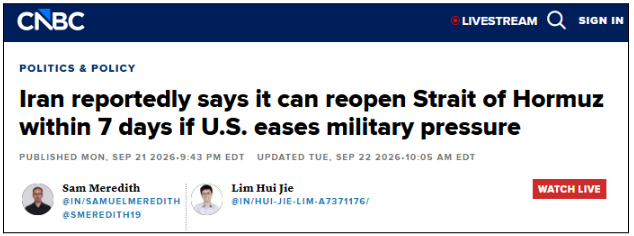
មុនពេលកិច្ចពិភាក្សាទូទៅចាប់ផ្តើម ទីផ្សារបានប្រតិកម្មចំពោះព័ត៌មានថា អ៊ីរ៉ង់មានឆន្ទៈបើកច្រកសមុទ្រ Hormuz ឡើងវិញក្នុងរយៈពេល 7 ថ្ងៃ ប្រសិនបើសហរដ្ឋអាមេរិកបន្ធូរបន្ថយសម្ពាធយោធា និងដកការរារាំងលើកំពង់ផែរបស់អ៊ីរ៉ង់។
ច្រកសមុទ្រ Hormuz គឺជាផ្លូវដឹកជញ្ជូនប្រេងដ៏សំខាន់មួយរបស់ពិភពលោក ដូច្នេះលទ្ធភាពនៃការបើកច្រកនេះឡើងវិញមានសារៈសំខាន់ចំពោះការផ្គត់ផ្គង់ថាមពលសកល។ សំណើរបស់អ៊ីរ៉ង់ត្រូវបានរាយការណ៍ថា បានបញ្ជូនទៅកាន់សហរដ្ឋអាមេរិកតាមរយៈអ្នកសម្របសម្រួល និងរួមមានឆន្ទៈក្នុងការបន្តការចរចាដើម្បីបញ្ចប់អរិភាព។
លទ្ធភាពនៃការបើកច្រកសមុទ្រ Hormuz ឡើងវិញបានកាត់បន្ថយការព្រួយបារម្ភអំពីការរំខានដល់ការផ្គត់ផ្គង់ប្រេងសកលក្នុងរយៈពេលយូរ ដែលបានដាក់សម្ពាធធ្លាក់ចុះលើតម្លៃប្រេងឆៅ។
លោក Trump គាំទ្រការហាមឃាត់ការនាំចេញប្រេងម៉ាស៊ូត
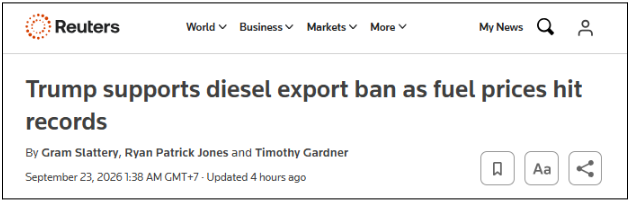
ក្នុងអំឡុងពេលកិច្ចពិភាក្សាទូទៅ ប្រធានាធិបតីសហរដ្ឋអាមេរិក លោក Donald Trump ក៏បានលើកឡើងពីការកើនឡើងយ៉ាងខ្លាំងនៃតម្លៃប្រេងឥន្ធនៈ ដោយបានបង្ហាញការគាំទ្រចំពោះការរឹតបន្តឹង ឬហាមឃាត់ការនាំចេញប្រេងម៉ាស៊ូតរបស់សហរដ្ឋអាមេរិក ដើម្បីបង្កើនការផ្គត់ផ្គង់ប្រេងឥន្ធនៈសម្រាប់ទីផ្សារក្នុងស្រុក។
ទោះជាយ៉ាងណា វិធានការនេះមិនទាន់ត្រូវបានអនុវត្តនៅឡើយទេ។ រដ្ឋមន្ត្រីក្រសួងរតនាគារសហរដ្ឋអាមេរិក លោក Scott Bessent បាននិយាយថា រដ្ឋបាលកំពុងពិនិត្យមើលថាតើការរឹតបន្តឹងការនាំចេញនេះអាចអនុវត្តបានដែរឬទេ និងថាតើការហាមឃាត់ទាំងស្រុង ឬមួយផ្នែក នឹងមានប្រសិទ្ធភាពដែរឬទេ។
សំណើនេះក៏បានប្រឈមនឹងការមិនយល់ស្របពីមន្ត្រីមួយចំនួននៅក្នុងរដ្ឋបាលផងដែរ។ រដ្ឋមន្ត្រីក្រសួងថាមពលសហរដ្ឋអាមេរិក លោក Chris Wright បានលើកឡើងថា ការរឹតបន្តឹងការនាំចេញអាចបង្កើតឱ្យមានប្រេងម៉ាស៊ូតលើសតម្រូវការនៅតំបន់ឆ្នេរសមុទ្រឈូងសមុទ្រអាមេរិក ដែលអាចជំរុញឱ្យរោងចក្រចម្រាញ់ប្រេងកាត់បន្ថយអត្រាផលិតកម្ម ហើយចុងក្រោយអាចធ្វើឱ្យការផ្គត់ផ្គង់ធ្លាក់ចុះជំនួសឱ្យកើនឡើង។
រដ្ឋមន្ត្រីក្រសួងមហាផ្ទៃសហរដ្ឋអាមេរិក លោក Doug Burgum ក៏បានលើកឡើងថា ការហាមឃាត់ការនាំចេញអាចមិនកាត់បន្ថយតម្លៃប្រេងបានច្រើនទេ ហើយអាចនាំឱ្យប្រទេសនាំចេញថាមពលផ្សេងទៀតចាត់វិធានការឆ្លើយតប ដែលអាចប៉ះពាល់ដល់រដ្ឋមួយចំនួនដូចជា California ដែលពឹងផ្អែកលើថាមពលពីប្រទេសទាំងនោះ។
ដូច្នេះ ការរឹតបន្តឹងការនាំចេញប្រេងម៉ាស៊ូតនៅតែជាបញ្ហាដែលទីផ្សារគួរតាមដាន ដោយសារតែគោលនយោបាយនេះមិនទាន់ចូលជាធរមានទេ។
សញ្ញានៃការចរចាផ្នែកការទូតរវាងសហរដ្ឋអាមេរិក និងអ៊ីរ៉ង់
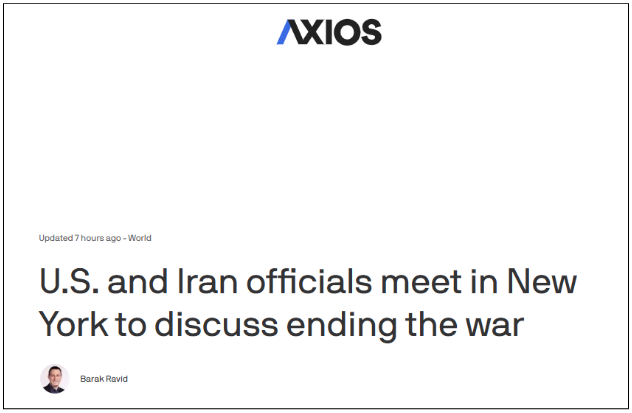
ចំណុចដែលមានសារៈសំខាន់ជាងនេះសម្រាប់ទីផ្សារ គឺ លោក Trump បាននិយាយថា មាន “សន្ទុះយ៉ាងខ្លាំង” ឆ្ពោះទៅរកលទ្ធភាពនៃការឈានដល់កិច្ចព្រមព្រៀងជាមួយអ៊ីរ៉ង់។
ការលើកឡើងនេះកើតឡើងបន្ទាប់ពី បេសកជនសហរដ្ឋអាមេរិក លោក Steve Witkoff និង លោក Jared Kushner បានពិភាក្សាជាមួយអ្នកសម្របសម្រួលជុំវិញលទ្ធភាពនៃកិច្ចព្រមព្រៀងមួយ។ លោក Trump ក៏បាននិយាយថា មន្ត្រីសហរដ្ឋអាមេរិកបានជួបប្រជុំជាមួយគណៈប្រតិភូអ៊ីរ៉ង់រយៈពេល 3 ម៉ោង ហើយបានពិពណ៌នាកិច្ចប្រជុំនោះថា “ល្អខ្លាំង”។ របាយការណ៍បានបង្ហាញថា ការពិភាក្សាបន្ថែមអាចនឹងកើតឡើង ប៉ុន្តែព័ត៌មានលម្អិតអំពីការចរចានៅមានកម្រិតនៅឡើយ។
ទោះបីមិនទាន់មានកិច្ចព្រមព្រៀងក៏ដោយ ការវិវត្តទាំងនេះបានបង្ហាញសញ្ញាថា ស្ថានការណ៍រវាងសហរដ្ឋអាមេរិក និងអ៊ីរ៉ង់កំពុងមានទិសដៅទៅរកការចរចាផ្នែកការទូតកាន់តែច្រើន។
តើវាមានន័យយ៉ាងដូចម្តេចចំពោះមាស?
ប្រតិកម្មរបស់ទីផ្សារគួរឱ្យចាប់អារម្មណ៍ជាពិសេសតាមរយៈ ទំនាក់ទំនងរវាងប្រេង និងអតិផរណា។
ជាមួយនឹងលទ្ធភាពនៃការបើកច្រកសមុទ្រ Hormuz ឡើងវិញ និងការចរចាផ្នែកការទូតរវាងសហរដ្ឋអាមេរិក និងអ៊ីរ៉ង់ដែលបានកាត់បន្ថយការព្រួយបារម្ភមួយចំនួនអំពីការរំខានដល់ការផ្គត់ផ្គង់ តម្លៃប្រេងបានធ្លាក់ចុះ។ តម្លៃថាមពលដែលធ្លាក់ចុះអាចជួយកាត់បន្ថយការរំពឹងទុកអំពីអតិផរណានាពេលអនាគត ជាពិសេសនៅពេលដែលតម្លៃប្រេងបានក្លាយជាកត្តាសំខាន់មួយដែលជំរុញសម្ពាធអតិផរណា។
សម្រាប់មាស វាបង្កើតឱ្យមានបរិយាកាសដែលមានកត្តាចម្រុះ។ តម្លៃប្រេងដែលធ្លាក់ចុះអាចកាត់បន្ថយការព្រួយបារម្ភអំពីអតិផរណា ដែលអាចធ្វើឱ្យការរំពឹងទុកអំពីអត្រាការប្រាក់ខ្ពស់ថយចុះ និងផ្តល់ការគាំទ្រខ្លះដល់មាស។ ទន្ទឹមនឹងនេះ ការថយចុះនៃហានិភ័យភូមិសាស្ត្រនយោបាយ និងហានិភ័យនៃការរំខានដល់ខ្សែសង្វាក់ផ្គត់ផ្គង់ ក៏អាចកាត់បន្ថយតម្រូវការទិញមាសជាទ្រព្យសកម្ម Safe Haven ផងដែរ។
ដូច្នេះ ការកើនឡើង 0.24% របស់មាសកាលពីម្សិលមិញ បានកើតឡើងស្របពេលដែលតម្លៃប្រេងឆៅធ្លាក់ចុះយ៉ាងខ្លាំង ដែលបង្ហាញថាទីផ្សារកំពុងឆ្លើយតបទៅនឹងផលប៉ះពាល់ដែលអាចកើតមានពីការធ្លាក់ចុះនៃតម្លៃថាមពលទៅលើការរំពឹងទុកអំពីអតិផរណា និងទិសដៅគោលនយោបាយរូបិយវត្ថុ។
អ្វីដែលត្រូវតាមដានបន្ត
កិច្ចពិភាក្សាទូទៅនៃមហាសន្និបាតអង្គការសហប្រជាជាតិនៅតែបន្ត ដែលមានន័យថា មតិយោបល់ ឬការវិវត្តថ្មីៗជុំវិញ ស្ថានការណ៍រវាងសហរដ្ឋអាមេរិក និងអ៊ីរ៉ង់ ច្រកសមុទ្រ Hormuz និងទីផ្សារថាមពល អាចបន្តមានឥទ្ធិពលលើប្រេង និងមាស។
សម្រាប់ទីផ្សារ ចំណុចសំខាន់ដែលត្រូវតាមដានគឺថា តើសញ្ញានៃការចរចាផ្នែកការទូតដែលបានបង្ហាញក្នុងថ្ងៃដំបូង នឹងវិវត្តទៅជាការចរចាជាក់ស្តែង ឬឈានដល់កិច្ចព្រមព្រៀងដែរឬទេ។ រហូតដល់មានភាពច្បាស់លាស់បន្ថែម តម្លៃប្រេងអាចនៅតែមានប្រតិកម្មចំពោះព័ត៌មានជុំវិញច្រកសមុទ្រ Hormuz ខណៈអ្នកតាមដានមាសនឹងបន្តផ្តោតលើរបៀបដែលការផ្លាស់ប្តូរតម្លៃប្រេងអាចប៉ះពាល់ដល់ការរំពឹងទុកអំពីអតិផរណា និងទស្សនវិស័យគោលនយោបាយរូបិយវត្ថុ។
| English Version |
The United Nations General Assembly officially began on September 18, but the highly watched General Debate, where world leaders gather in the UN General Assembly Hall to address global issues, began yesterday.
For financial markets, the first day of the debate brought particular attention to the ongoing conflict between the United States and Iran, with signs of potential diplomacy helping ease concerns over oil supply. As a result, crude oil prices fell sharply, while gold ended the day slightly higher.
Gold closed 0.24% higher yesterday, while WTI Crude Oil fell 2.29% and Brent Crude Oil declined 1.77%.
Iran Signals Willingness to Reopen the Strait of Hormuz
Before the General Debate began, markets reacted to reports that Iran was willing to reopen the Strait of Hormuz within seven days if the United States eased military pressure and lifted its blockade on Iranian ports.
The Strait of Hormuz is one of the world’s most important oil shipping routes, making any potential reopening significant for global energy supply. Iran’s proposal was reportedly delivered to the U.S. through mediators and included a willingness to resume negotiations aimed at ending hostilities.
The possibility of the strait reopening reduced concerns about prolonged disruptions to global oil supplies, putting downward pressure on crude prices.
Trump Backs Potential Diesel Export Ban
During the General Debate, U.S. President Donald Trump also addressed the sharp rise in fuel prices, saying he supports restricting or banning U.S. diesel exports as a way to increase domestic fuel availability.
However, the measure has not been implemented. U.S. Treasury Secretary Scott Bessent said the administration is still examining whether an export restriction would be feasible and whether a full or partial ban would be effective.
The proposal has also faced opposition from within the administration. Energy Secretary Chris Wright has argued that restricting exports could create a diesel glut along the U.S. Gulf Coast, potentially encouraging refiners to reduce production and ultimately resulting in less supply. Interior Secretary Doug Burgum has similarly argued that an export ban may not significantly lower petroleum prices and could trigger retaliatory measures from other energy-exporting countries.
This means the potential diesel export restriction remains an issue to watch, rather than a policy that is already in effect.
Signs of Potential US-Iran Diplomacy
Perhaps more importantly for markets, Trump said there was “a lot of momentum” toward a potential agreement with Iran.
His comments came after U.S. envoys Steve Witkoff and Jared Kushner held discussions with mediators regarding a possible agreement. Trump also said that U.S. officials had held a three-hour meeting with Iran’s delegation, describing the discussions as “very good.” Reports indicated that further discussions could take place, although details of the negotiations remain limited.
While an agreement has not been reached, the developments have introduced a more diplomatic tone to the U.S.-Iran situation.
What Does This Mean for Gold?
The market reaction was particularly notable through the oil-inflation relationship.
With the possibility of the Strait of Hormuz reopening and renewed U.S.-Iran diplomacy reducing some concerns over supply disruptions, oil prices moved lower. Lower energy prices can reduce expectations for future inflation, particularly when oil prices have been an important source of inflationary pressure.
For gold, this creates a more mixed environment. Lower oil prices can reduce inflation concerns, which could lessen expectations for higher interest rates and provide some support for gold. At the same time, a reduction in geopolitical and supply-chain risks can remove some of the safe-haven demand for the precious metal.
Yesterday’s 0.24% gain in gold therefore came alongside a significant decline in crude oil prices, suggesting that markets were responding to the potential impact of lower energy prices on inflation and monetary policy expectations.
What to Watch Next
The UN General Debate continues, meaning further comments or developments surrounding the U.S.-Iran situation, the Strait of Hormuz, and energy markets could continue to influence oil and gold.
For markets, the key question is whether the diplomatic signals seen during the first day develop into concrete negotiations or an agreement. Until then, oil prices are likely to remain sensitive to headlines surrounding the Strait of Hormuz, while gold traders will continue watching how changes in oil prices affect inflation expectations and the outlook for monetary policy.