សហរដ្ឋអាមេរិកព្រមានដាក់ទណ្ឌកម្មលើប្រទេសដែលធ្វើការជួញដូរជាមួយអ៊ីរ៉ង់
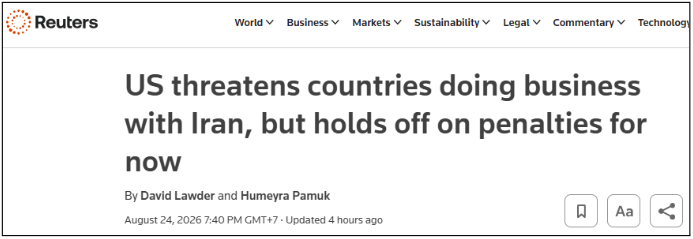
ក្រសួងរតនាគារសហរដ្ឋអាមេរិកបានព្រមានប្រទេស និងអង្គភាពដែលបន្តធ្វើការជួញដូរជាមួយអ៊ីរ៉ង់ថា ពួកគេអាចប្រឈមនឹងទណ្ឌកម្មបន្ទាប់បន្សំ (Secondary Sanctions) ខណៈដែលសហរដ្ឋអាមេរិកបន្តបង្កើនសម្ពាធលើរបបអ៊ីរ៉ង់។ ជាផ្នែកមួយនៃវិធានការថ្មីៗនេះ ការិយាល័យគ្រប់គ្រងទ្រព្យសម្បត្តិបរទេស (OFAC) បានដាក់ទណ្ឌកម្មលើអង្គភាព បុគ្គល និងនាវាជិត 60 នៅក្នុងដែនសមត្ថកិច្ចជាច្រើន ដែលត្រូវបានចោទប្រកាន់ថាបានជួយគាំទ្រសកម្មភាពរបស់អ៊ីរ៉ង់ រួមមានការទិញបច្ចេកវិទ្យានុយក្លេអ៊ែរ និងមីស៊ីលដោយខុសច្បាប់ ប្រតិបត្តិការវាយប្រហារតាមប្រព័ន្ធអ៊ីនធឺណិត និងបណ្តាញបង្កើតចំណូលពីការលក់ប្រេង។
អ៊ីរ៉ង់បានប្តេជ្ញាថានឹងឆ្លើយតបចំពោះការពង្រីកទណ្ឌកម្មនេះ ខណៈក៏បានបង្ហាញទំនុកចិត្តថា ដៃគូពាណិជ្ជកម្មសំខាន់ៗរបស់ខ្លួន រួមមានចិន និងរុស្ស៊ី នឹងមិនចុះចាញ់ចំពោះយុទ្ធនាការដាក់សម្ពាធរបស់សហរដ្ឋអាមេរិកឡើយ។ ការវិវត្តនេះបានបន្ថែមភាពមិនប្រាកដប្រជាផ្នែកភូមិសាស្ត្រនយោបាយទៅក្នុងទីផ្សារហិរញ្ញវត្ថុ ជាពិសេសប្រសិនបើភាពតានតឹងរវាងអ៊ីរ៉ង់ និងសហរដ្ឋអាមេរិកកាន់តែធ្ងន់ធ្ងរ។ សម្រាប់មាស វាអាចផ្តល់ការគាំទ្រដល់តម្លៃមាសតាមរយៈតម្រូវការទិញជាទ្រព្យសកម្មសុវត្ថិភាព (Safe-Haven) ខណៈអ្នកវិនិយោគស្វែងរកការការពារពីហានិភ័យភូមិសាស្ត្រនយោបាយ។ ទោះជាយ៉ាងណា ប្រសិនបើការនាំចេញប្រេងរបស់អ៊ីរ៉ង់មានការរំខាន វាអាចជំរុញតម្លៃប្រេងឱ្យកើនឡើង និងបង្កើនក្តីបារម្ភអំពីអតិផរណា ដែលអាចធ្វើឱ្យការរំពឹងទុកអំពីអត្រាការប្រាក់របស់សហរដ្ឋអាមេរិកកាន់តែស្មុគស្មាញ។ ដូច្នេះ ទិសដៅរបស់មាសនឹងអាស្រ័យលើថាតើតម្រូវការទ្រព្យសកម្មសុវត្ថិភាព ឬក្តីបារម្ភអំពីអតិផរណា និងអត្រាការប្រាក់ គឺជាកត្តាដែលមានឥទ្ធិពលខ្លាំងជាងលើទីផ្សារ។
សហរដ្ឋអាមេរិកនឹងបង្កើនពន្ធគយលើរថយន្ត គ្រឿងបន្លាស់ និងដែកថែបពីកាណាដា
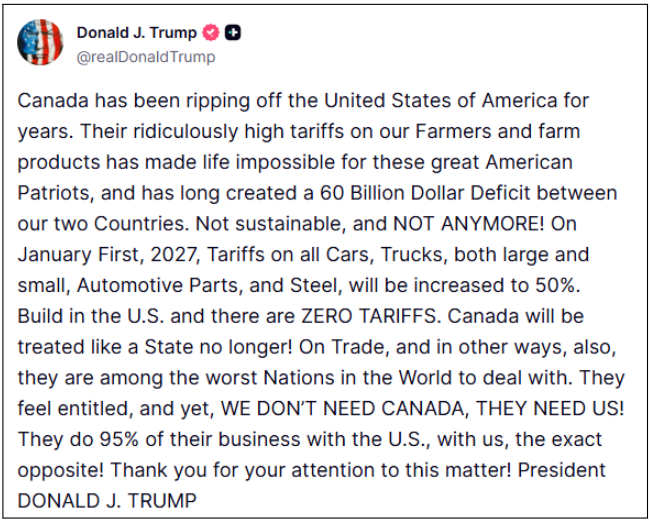
ប្រធានាធិបតីសហរដ្ឋអាមេរិក លោក Donald Trump បានប្រកាសតាមបណ្តាញសង្គម Truth Social ថា សហរដ្ឋអាមេរិកនឹងបង្កើនពន្ធគយចំនួន 50% លើរថយន្ត រថយន្តដឹកទំនិញ គ្រឿងបន្លាស់យានយន្ត និងដែកថែបពីកាណាដា ចាប់ពីថ្ងៃទី 1 ខែមករា ឆ្នាំ 2027។ ការប្រកាសនេះបានកើតឡើងបន្ទាប់ពីការចរចាផ្នែកពាណិជ្ជកម្មរវាងសហរដ្ឋអាមេរិក និងកាណាដាបានបរាជ័យកាលពីចុងសប្តាហ៍ ដោយបង្កើនក្តីបារម្ភអំពីភាពតានតឹងផ្នែកពាណិជ្ជកម្មឡើងវិញរវាងប្រទេសទាំងពីរ។
ការវិវត្តនេះអាចបង្កើនភាពប្រែប្រួលរបស់តម្លៃមាស ដោយសារវាមានកត្តាពីរដែលមានឥទ្ធិពលផ្ទុយគ្នាមកលើមាស។ កត្តាមួយគឺការដំឡើងពន្ធគយ និងភាពតានតឹងផ្នែកពាណិជ្ជកម្មអាចបង្កើនភាពមិនប្រាកដប្រជាផ្នែកសេដ្ឋកិច្ច និងភូមិសាស្ត្រនយោបាយ ដែលជំរុញតម្រូវការទិញមាសជាទ្រព្យសកម្មសុវត្ថិភាព (Safe-Haven) និងអាចគាំទ្រតម្លៃមាស។ មួយវិញទៀត ពន្ធគយខ្ពស់អាចបង្កើនថ្លៃដើម និងសម្ពាធអតិផរណា ដែលអាចធ្វើឱ្យអត្រាការប្រាក់ស្ថិតនៅកម្រិតខ្ពស់យូរជាងមុន និងដាក់សម្ពាធលើតម្លៃមាស។ ដូច្នេះ កត្តាដែលមានឥទ្ធិពលខ្លាំងជាងលើការរំពឹងទុករបស់ទីផ្សារ នឹងក្លាយជាកត្តាសំខាន់ក្នុងការកំណត់ទិសដៅរបស់តម្លៃមាសក្នុងរយៈពេលខ្លីខាងមុខ។
| English Version |
US Threatens Sanctions on Countries Doing Business with Iran
The US Treasury Department has warned countries and entities that continue doing business with Iran that they could face potential secondary sanctions as Washington expands pressure on the Iranian regime. As part of the latest measures, the Office of Foreign Assets Control (OFAC) sanctioned nearly 60 entities, individuals, and vessels across multiple jurisdictions that were accused of supporting Iran’s activities, including illicit nuclear and missile technology procurement, cyber operations, and oil-revenue generation networks.
Iran has vowed to retaliate against the expanded sanctions while expressing confidence that major trading partners, including China and Russia, will resist the US pressure campaign. The development adds another layer of geopolitical uncertainty to financial markets, particularly if tensions between Iran and the US escalate further. For gold, this could provide support through increased safe-haven demand as investors seek protection against geopolitical risks. However, any potential disruption to Iran’s oil exports could also push oil prices higher, raising concerns over inflation and potentially complicating expectations for US interest rates. As a result, the direction of gold will depend on whether safe-haven demand or inflation and interest-rate concerns become the stronger market driver.
US to Increase Tariffs on Canadian Cars, Trucks, Automotive Parts, and Steel
US President Donald Trump announced on Truth Social that the US will increase tariffs by 50% on Canadian cars, trucks, automotive parts, and steel starting January 1, 2027. The announcement came after trade negotiations between the US and Canada fell through over the weekend, adding to concerns over renewed trade tensions between the two countries.
The development could increase volatility in gold as it presents two opposing forces for the precious metal. On one hand, higher tariffs and renewed trade tensions could increase economic and geopolitical uncertainty, encouraging safe-haven demand and potentially supporting gold prices. On the other hand, higher tariffs could raise costs and contribute to inflationary pressures, which could keep interest rates higher for longer and put pressure on gold. The factor that has the greater influence on market expectations will likely determine the direction of gold in the near term.