
លោក Kevin Warsh ថ្លែងក្នុងកិច្ចប្រជុំ IMF

លោក Kevin Warsh បានចូលរួមកិច្ចពិភាក្សាក្រោមទម្រង់ Fireside Chat ក្នុងកិច្ចប្រជុំ IMF កាលពីព្រឹកមិញ ដោយមិនបានផ្តល់សញ្ញាច្បាស់លាស់ច្រើនអំពីទិសដៅនៃការសម្រេចចិត្តលើអត្រាការប្រាក់នាពេលអនាគត (forward guidance) របស់ធនាគារកណ្តាលអាមេរិក (Fed) នោះទេ។ ទោះបីជាលោកមិនបានបង្ហើបពីសញ្ញាជាក់លាក់អំពីជំហានបន្ទាប់របស់ Fed ក៏ដោយ ការលើកឡើងរបស់លោកបានបង្ហាញពីទស្សនៈថា សេដ្ឋកិច្ចពិភពលោកនៅតែមានភាពធន់រឹងមាំ ដោយទទួលបានការគាំទ្រពីការកើនឡើងយ៉ាងខ្លាំងនៃការវិនិយោគនៅតាមតំបន់ផ្សេងៗ ទោះបីជាល្បឿននៃកំណើនការវិនិយោគមានភាពខុសគ្នាពីតំបន់មួយទៅតំបន់មួយក៏ដោយ។
នៅពេលត្រូវបានសួរអំពីបញ្ញាសិប្បនិម្មិត (AI) លោក Warsh បានទទួលស្គាល់ថា ដំណើរនៃការអភិវឌ្ឍ និងឥទ្ធិពលរបស់ AI លើសេដ្ឋកិច្ចទំនងជានឹងជួបប្រទះភាពប្រែប្រួល និងឧបសគ្គជាច្រើន ដោយលោកបានពិពណ៌នាថា វានឹងក្លាយជា «ដំណើរដែលមានភាពរលាក់រលួញខ្លាំង» (“very bumpy”)។ ទោះជាយ៉ាងណា លោកនៅតែមានសុទិដ្ឋិនិយមចំពោះអត្ថប្រយោជន៍រយៈពេលវែងរបស់ AI ចំពោះសេដ្ឋកិច្ច។ ជាមួយគ្នានេះ លោកបានសង្កត់ធ្ងន់ថា ធនាគារកណ្តាលត្រូវប្រកាន់យកភាពប្រុងប្រយ័ត្ន និងការវាយតម្លៃដោយហ្មត់ចត់ (“soberness”) ចំពោះការវិវត្តទាំងនេះ។ នេះបង្ហាញថា អ្នករៀបចំគោលនយោបាយគួរតែរក្សាការប្រុងប្រយ័ត្ន និងផ្អែកលើការវាយតម្លៃជាក់ស្តែង ជាជាងអនុញ្ញាតឱ្យសុទិដ្ឋិនិយមជុំវិញ AI គ្របដណ្តប់លើហានិភ័យសេដ្ឋកិច្ចដែលអាចកើតមាន។
ជារួម ការលើកឡើងរបស់លោក Warsh មិនបានផ្តល់ភាពច្បាស់លាស់ច្រើនអំពីពេលវេលា ឬទិសដៅនៃការសម្រេចចិត្តលើអត្រាការប្រាក់នាពេលអនាគតនោះទេ។ ទោះជាយ៉ាងណា ការវាយតម្លៃរបស់លោកចំពោះសេដ្ឋកិច្ចពិភពលោកបង្ហាញថា លោកមើលឃើញថា សកម្មភាពសេដ្ឋកិច្ចនៅតែមានភាពរឹងមាំ និងធន់នឹងសម្ពាធបានល្អក្នុងកម្រិតមួយ។ ប្រសិនបើសេដ្ឋកិច្ចនៅតែមានភាពធន់រឹងមាំបែបនេះ វាអាចផ្តល់លទ្ធភាពឱ្យអ្នករៀបចំគោលនយោបាយពិចារណារឹតបន្តឹងគោលនយោបាយរូបិយវត្ថុបន្ថែម ប្រសិនបើអតិផរណានៅតែស្ថិតក្នុងកម្រិតខ្ពស់។ ចំពោះតម្លៃមាស នេះអាចជាកត្តាដាក់សម្ពាធលើតម្លៃមាស ព្រោះការរំពឹងទុកអំពីការដំឡើងអត្រាការប្រាក់អាចបង្កើនថ្លៃឱកាស (opportunity cost) នៃការកាន់កាប់ទ្រព្យសកម្មដែលមិនផ្តល់ផលចំណេញជាការប្រាក់ (non-yielding asset) ដូចជាមាស។
CPI និង PPI សុទ្ធតែខ្ពស់ជាងការរំពឹងទុក ប៉ុន្តែតម្លៃមាសបានស្ដារឡើងវិញលើសពីការខាតបង់ដំបូងទាំងស្រុង
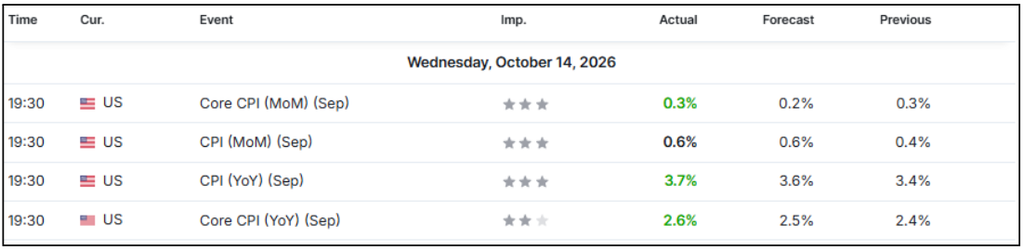
ទិន្នន័យអតិផរណារបស់សហរដ្ឋអាមេរិកដែលបានចេញផ្សាយកាលពីថ្ងៃពុធ និងថ្ងៃព្រហស្បតិ៍ សុទ្ធតែខ្ពស់ជាងការរំពឹងទុក ដោយបង្កើនការព្រួយបារម្ភថា សម្ពាធអតិផរណានៅតែបន្តកើតមាន។ កាលពីថ្ងៃពុធ សន្ទស្សន៍ថ្លៃទំនិញប្រើប្រាស់ (CPI) បានកើនឡើងដល់ 3.7% ដែលខ្ពស់ជាងការព្យាករណ៍ 3.6%។ ទិន្នន័យដែលខ្ពស់ជាងការរំពឹងទុកនេះបានពង្រឹងការរំពឹងទុកចំពោះជំហរគោលនយោបាយរូបិយវត្ថុដែលតឹងរ៉ឹងជាងមុនរបស់ Fed ព្រោះអតិផរណាដែលនៅតែខ្ពស់អាចជំរុញឱ្យអ្នករៀបចំគោលនយោបាយបន្តរក្សាគោលនយោបាយរូបិយវត្ថុក្នុងកម្រិតរឹតត្បិត ឬពិចារណាដំឡើងអត្រាការប្រាក់មួយលើកទៀត។ ការរំពឹងទុកបែបនេះជាទូទៅអាចដាក់សម្ពាធលើតម្លៃមាស តាមរយៈការជំរុញអត្រាការប្រាក់ឱ្យកើនឡើង និងបង្កើនថ្លៃឱកាស (opportunity cost) នៃការកាន់កាប់ទ្រព្យសកម្មដែលមិនផ្តល់ផលចំណេញជាការប្រាក់ (non-yielding asset) ។
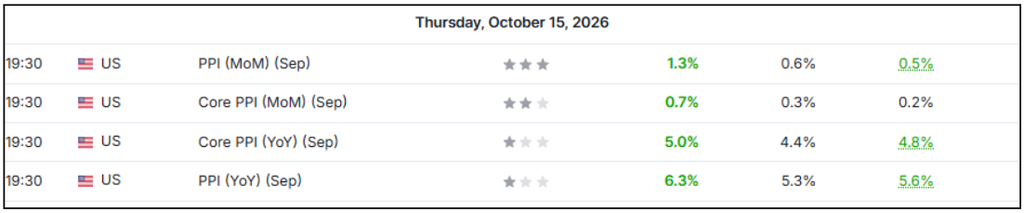
សម្ពាធអតិផរណាកាន់តែត្រូវបានបង្ហាញយ៉ាងច្បាស់នៅថ្ងៃព្រហស្បតិ៍ នៅពេលសន្ទស្សន៍ថ្លៃទំនិញផលិតកម្ម (PPI) បានកើនឡើងដល់ 6.3% ដែលខ្ពស់ជាងការព្យាករណ៍ 5.3% យ៉ាងច្រើន។ ចំណែកឯ PPI ស្នូល (Core PPI) ក៏ខ្ពស់ជាងការរំពឹងទុកផងដែរ ដោយឈានដល់ 5.0% បើធៀបនឹងការព្យាករណ៍ 4.4%។ ទិន្នន័យទាំងនេះបង្ហាញថា សម្ពាធអតិផរណានៅតែជាបញ្ហាគួរឱ្យព្រួយបារម្ភ មិនត្រឹមតែនៅកម្រិតអ្នកប្រើប្រាស់ប៉ុណ្ណោះទេ ប៉ុន្តែក៏នៅកម្រិតថ្លៃទំនិញផលិតកម្មផងដែរ។ ស្ថានភាពនេះអាចធ្វើឱ្យ Fed កាន់តែពិបាកក្នុងការនាំអតិផរណាឱ្យធ្លាក់ចុះប្រកបដោយចីរភាពទៅរកគោលដៅ 2%។
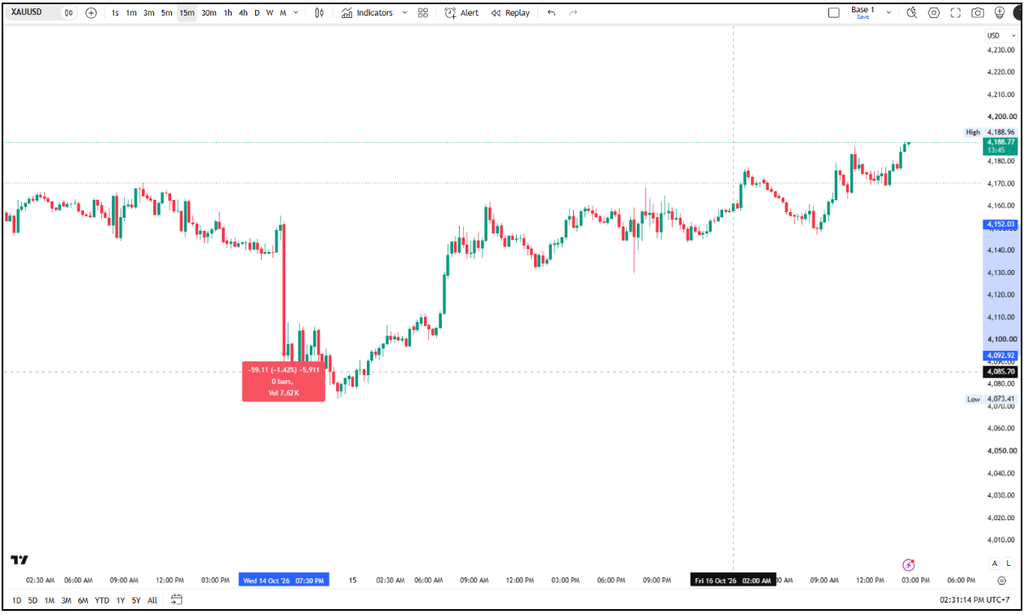
ទោះបីជាបរិយាកាសម៉ាក្រូសេដ្ឋកិច្ចបែបនេះមិនអំណោយផលដល់តម្លៃមាសក៏ដោយ ក៏តម្លៃមាសបានបង្ហាញពីភាពធន់គួរឱ្យកត់សម្គាល់។ បន្ទាប់ពីការចេញផ្សាយទិន្នន័យ CPI ដែលខ្ពស់ជាងការរំពឹងទុក តម្លៃមាសបានធ្លាក់ចុះដំបូងចំនួន 1.42%។ ទោះជាយ៉ាងណា គិតត្រឹមថ្ងៃទី 16 ខែតុលា តម្លៃមាសបានស្ដារឡើងវិញលើសពីការខាតបង់ដំបូងទាំងអស់។ ការងើបឡើងវិញនេះបង្ហាញថា សម្ពាធលក់ដែលកើតឡើងបន្ទាប់ពីការចេញផ្សាយទិន្នន័យអតិផរណា ត្រូវបានឆ្លើយតបដោយតម្រូវការទិញចូលជាថ្មី។ កម្រិតតម្លៃ $4,073 ក្នុងមួយអោន កំពុងលេចឡើងជាតំបន់គាំទ្រដ៏សំខាន់មួយដែលទីផ្សារគួរតាមដាន។ ទោះបីជាចលនាតម្លៃនេះមិនទាន់បញ្ជាក់ថា និន្នាការកើនឡើងបានត្រឡប់មកវិញក្នុងរយៈពេលវែងក៏ដោយ ក៏វាបង្ហាញថា អ្នកទិញនៅតែមានឆន្ទៈចូលទីផ្សារ ទោះបីជាមានហានិភ័យនៃការរឹតបន្តឹងគោលនយោបាយរូបិយវត្ថុក៏ដោយ។
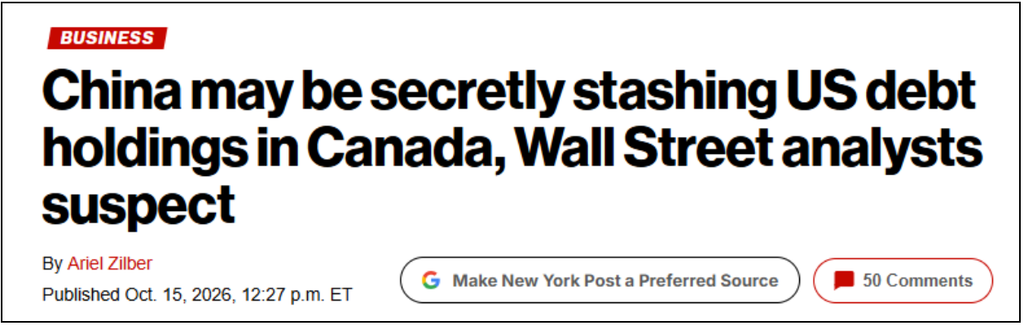
កត្តាមួយទៀតដែលអាចជួយគាំទ្រតម្លៃមាស គឺការធ្លាក់ចុះនៃអត្រាផលចំណេញមូលបត្របំណុលរដ្ឋាភិបាលអាមេរិក (US Treasury Yields) នាពេលថ្មីៗនេះ។ ជាទូទៅ ការធ្លាក់ចុះនៃអត្រាផលចំណេញនេះកាត់បន្ថយថ្លៃឱកាស (opportunity cost) នៃការកាន់កាប់មាស ដែលធ្វើឱ្យមាសកាន់តែមានភាពទាក់ទាញចំពោះវិនិយោគិន។ កត្តាមួយដែលអាចរួមចំណែកដល់ការធ្លាក់ចុះនេះ គឺតម្រូវការទិញមូលបត្របំណុលរដ្ឋាភិបាលអាមេរិកពីវិនិយោគិនចិន។ យោងតាមរបាយការណ៍មួយចំនួន ប្រទេសចិនបាននិងកំពុងបង្កើនការកាន់កាប់មូលបត្របំណុលរដ្ឋាភិបាលអាមេរិកដោយស្ងៀមស្ងាត់ តាមរយៈអ្នករក្សាទុកទ្រព្យសកម្ម (custodians) នៅក្រៅសហរដ្ឋអាមេរិក។ ប្រសិនបើសកម្មភាពនេះបានជួយបង្កើនតម្រូវការមូលបត្របំណុលអាមេរិក វាអាចជួយពន្យល់ពីមូលហេតុមួយចំនួននៃសម្ពាធធ្លាក់ចុះលើអត្រាផលចំណេញ ទោះបីជាទំនាក់ទំនងផ្ទាល់រវាងកត្តាទាំងនេះមិនទាន់ត្រូវបានបញ្ជាក់ច្បាស់លាស់ក៏ដោយ។
ជារួម តម្លៃមាសកំពុងប្រឈមមុខនឹងកត្តាដែលមានឥទ្ធិពលផ្ទុយគ្នា។ អតិផរណាដែលនៅតែខ្ពស់ និងលទ្ធភាពនៃការរឹតបន្តឹងគោលនយោបាយរូបិយវត្ថុបន្ថែមពី Fed នៅតែជាហានិភ័យដែលអាចដាក់សម្ពាធលើតម្លៃមាស។ ផ្ទុយទៅវិញ ការធ្លាក់ចុះនៃអត្រាផលចំណេញមូលបត្របំណុលអាមេរិក និងតម្រូវការទិញចូលនៅជុំវិញកម្រិត $4,073 កំពុងជួយឱ្យតម្លៃមាសងើបឡើងវិញ។ ចំណុចសំខាន់ដែលត្រូវតាមដាន គឺថាតើតម្លៃមាសអាចរក្សាការងើបឡើងវិញនេះបានដែរឬទេ ទោះបីជាសម្ពាធអតិផរណានៅតែបន្តកើតមាន ឬការរំពឹងទុកថ្មីអំពីការដំឡើងអត្រាការប្រាក់នឹងដាក់សម្ពាធលើតម្លៃមាសម្ដងទៀតនៅពេលខាងមុខ។
| English Version |
Kevin Warsh Speaks at the IMF Meeting
Kevin Warsh spoke earlier this morning at a fireside chat during the IMF meeting, offering limited forward guidance on the Federal Reserve’s future interest rate decisions. While he stopped short of providing clear signals about the Fed’s next policy move, his remarks highlighted his view that the global economy remains resilient, supported by a significant surge in investment across different regions, although the pace of investment growth varies globally.
When asked about artificial intelligence (AI), Warsh acknowledged that its economic impact would likely follow a “very bumpy” path. Nevertheless, he expressed optimism about its long-term benefits for the economy, while emphasizing that the central bank must approach these developments with a sense of “soberness.” This suggests that policymakers should remain cautious and grounded in their assessments rather than allowing optimism surrounding AI to overshadow potential economic risks.
Overall, Warsh’s comments offered little clarity on the timing or direction of future interest rate decisions. However, his assessment of the global economy suggests that he sees economic activity as relatively strong and resilient. If this resilience persists, it could provide policymakers with greater room to consider further monetary tightening if inflation remains elevated. For gold, this presents a potential headwind, as expectations of higher interest rates can increase the opportunity cost of holding a non-yielding asset.
Both CPI and PPI Came in Hot, but Gold Has Recovered More Than All of Its Initial Losses
US inflation data released on Wednesday and Thursday came in hotter than expected, reinforcing concerns that inflationary pressures remain persistent. On Wednesday, the Consumer Price Index (CPI) rose to 3.7%, exceeding the 3.6% forecast. The hotter-than-expected reading strengthened the case for a more hawkish Federal Reserve, as persistent inflation could encourage policymakers to maintain restrictive monetary policy or consider another interest rate hike. Such expectations typically weigh on gold by supporting interest rates and increasing the opportunity cost of holding a non-yielding asset.
The inflationary pressure was further underscored on Thursday, when the Producer Price Index (PPI) came in at 6.3%, significantly above the 5.3% forecast. Core PPI also exceeded expectations, reaching 5.0% against a forecast of 4.4%. Together, these readings suggest that inflationary pressures remain a concern not only at the consumer level but also across producer prices, potentially complicating the Fed’s efforts to bring inflation sustainably back toward its 2% target.
Despite this bearish macroeconomic backdrop, gold has demonstrated notable resilience. Following the hotter-than-expected CPI release, gold initially fell by 1.42%. However, as of October 16, the precious metal has recovered more than all of its initial losses. This recovery suggests that selling pressure following the inflation data has been met by renewed buying interest, with the $4,070 level emerging as an important area of potential support. While this price action does not necessarily signal a sustained bullish reversal, it indicates that buyers remain willing to step in despite the threat of tighter monetary policy.
Another factor that may be supporting gold is the recent decline in US Treasury yields. Lower yields generally reduce the opportunity cost of holding gold, making the precious metal relatively more attractive to investors. One possible contributing factor is demand for US Treasury securities from Chinese investors. According to reports, China has been quietly accumulating US Treasury securities through custodians outside the United States. If this activity has contributed to stronger demand for Treasuries, it could help explain some of the downward pressure on yields, although the direct link remains uncertain.
Overall, gold is facing conflicting forces. Elevated inflation and the possibility of further Fed tightening remain bearish risks, while declining Treasury yields and buying interest around $4,073 are helping the metal recover. The key question is whether gold can sustain its recovery despite persistent inflationary pressures, or whether renewed expectations of higher interest rates will eventually put the precious metal under pressure again.