
របាយការណ៍ទីផ្សារប្រចាំសប្តាហ៍ទស្សនវិស័យទីផ្សារប្រចាំសប្តាហ៍គិតត្រឹមថ្ងៃទី 24 ខែសីហា ឆ្នាំ 2026
កត្តាសំខាន់ៗដែលត្រូវតាមដានបំផុតសម្រាប់សប្តាហ៍នេះគឺនឹងដាក់បញ្ចូលនៅក្នុងរបាយការណ៍ខាងក្រោមនេះដោយវិនិយោគិនអាចប្រើប្រាស់ព័ត៌មានខាងក្រោមជាមូលដ្ឋានគ្រឹះមុនពេលធ្វើការសម្រេចចិត្តលើការជួញដូរលើទ្រព្យណាមួយ។ របាយការណ៍នេះរួមបញ្ចូលទាំងការវិភាគបែបសេដ្ឋកិច្ច (Fundamental Analysis) ដែលជាកត្តាសំខាន់ៗជំរុញចលនាទីផ្សារ និងការវិភាគបែបបច្ចេកទេស (Technical Analysis) រួមទាំងចលនាតម្លៃ និងតំបន់សាច់ប្រាក់ (Liquidity Zones) សំខាន់ៗ ដែលវិនិយោគិនគួរតែតាមដាន។
ការបដិសេធ (Disclaimer): របាយការណ៍នេះធ្វើឡើងក្នុងគោលបំណងផ្សព្វផ្សាយការអប់រំ និងព័ត៌មានដែលគួរដឹងតែប៉ុណ្ណោះ។ សូមមេត្តាកំុប្រើប្រាស់របាយការណ៍នេះជាដំបូន្មានវិនិយោគ ឬជាសញ្ញាសម្រាប់ការជួញដូររបស់អ្នក។
ការវិភាគបែបសេដ្ឋកិច្ច (Fundamental Analysis)
កត្តាបួនយ៉ាងដែលត្រូវផ្តោតលើសប្តាហ៍នេះ៖
សង្ខេបសប្តាហ៍មុន – ក្រសួងរតនាគារអាមេរិកបង្កើនការទិញមូលបត្របំណុល ខណៈតម្លៃមាសកើនឡើង ទោះបីកំណត់ហេតុ FOMC មានសញ្ញាតឹងរឹង (Hawkish)
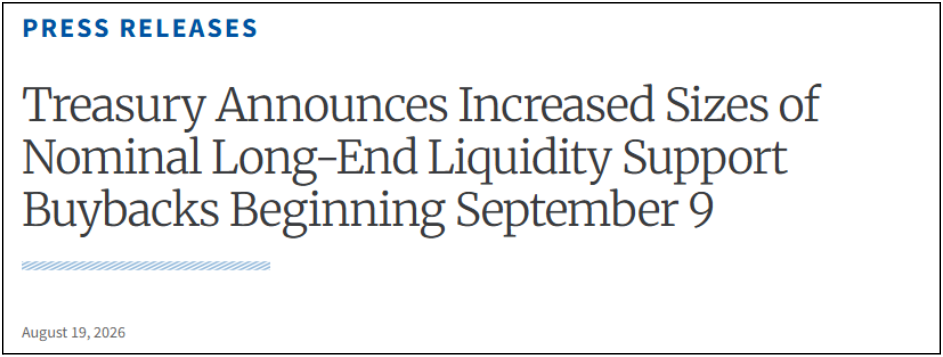
ចំណុចសំខាន់មួយក្នុងទីផ្សារកាលពីសប្តាហ៍មុន គឺ ក្រសួងរតនាគារអាមេរិក (U.S. Treasury) បានសម្រេចបង្កើនទំហំការទិញមូលបត្របំណុលរដ្ឋអាមេរិកត្រឡប់មកវិញ (Treasury buybacks) សម្រាប់មូលបត្របំណុលអាយុពី 10 ទៅ 30 ឆ្នាំ ដោយបង្កើនចំនួនអប្បបរមាពី $2 ពាន់លាន ទៅយ៉ាងហោចណាស់ $4 ពាន់លានក្នុងមួយប្រតិបត្តិការ។ ការបង្កើនទំហំនៃការទិញត្រឡប់មកវិញនេះ នឹងចាប់ផ្តើមមានប្រសិទ្ធភាពចាប់ពី ថ្ងៃទី 9 ខែកញ្ញា ដល់ថ្ងៃទី 4 ខែវិច្ឆិកា។
ការប្រកាសនេះបានធ្វើឡើងកាលពីថ្ងៃពុធ បន្ទាប់ពីការលក់ចេញយ៉ាងខ្លាំងនៅក្នុងទីផ្សារមូលបត្របំណុលសកលកាលពីថ្ងៃអង្គារ ដែលបានធ្វើឱ្យ ទិន្នផលមូលបត្របំណុលរដ្ឋអាមេរិកអាយុ 30 ឆ្នាំ (30-year U.S. Treasury yield) កើនឡើងដល់កម្រិតខ្ពស់បំផុតចាប់តាំងពីឆ្នាំ 2007។ ការលក់ចេញនេះត្រូវបានជំរុញដោយការព្រួយបារម្ភអំពីការកើនឡើងនៃភាពតានតឹងរវាងសហរដ្ឋអាមេរិក និងអ៊ីរ៉ង់ និងស្ថានភាពហិរញ្ញវត្ថុរបស់រដ្ឋាភិបាលអាមេរិកដែលកាន់តែយ៉ាប់យ៉ឺន ខណៈបំណុលរដ្ឋាភិបាលអាមេរិកបានកើនលើស $40 ទ្រីលាន ជាលើកដំបូង។
បន្ទាប់ពីការប្រកាសនេះ ទិន្នផលមូលបត្របំណុលអាយុ 10 ឆ្នាំ និង 30 ឆ្នាំបានធ្លាក់ចុះយ៉ាងខ្លាំង ខណៈសន្ទស្សន៍ប្រាក់ដុល្លារ (DXY) ក៏បានធ្លាក់ចុះផងដែរ។ តម្លៃមាសបានឆ្លើយតបជាវិជ្ជមាន ដោយកើនឡើង 3.07% ខណៈការធ្លាក់ចុះនៃទិន្នផលមូលបត្របំណុល និងការចុះខ្សោយនៃប្រាក់ដុល្លារ បានផ្តល់ការគាំទ្រដល់តម្លៃមាស។
ការកើនឡើងនៃតម្លៃមាសនេះមានសារៈសំខាន់ជាពិសេស ដោយសារវា បានលើសឥទ្ធិពលនៃកំណត់ហេតុកិច្ចប្រជុំ FOMC ខែកក្កដា ដែលបានចេញផ្សាយនៅម៉ោង 1:00 ព្រឹក (GMT+7) ថ្ងៃព្រហស្បតិ៍។ កំណត់ហេតុនេះបានបង្ហាញថា សមាជិកភាគច្រើនរបស់ធនាគារកណ្តាលអាមេរិក (Fed) បានគាំទ្រការរក្សាអត្រាការប្រាក់នៅ 3.50%–3.75% ខណៈសមាជិក 3 រូបបានគាំទ្រការដំឡើងអត្រាការប្រាក់ 25 basis points។ មន្ត្រី Fed ក៏នៅតែចាត់ទុកថា អតិផរណាស្ថិតក្នុងកម្រិតខ្ពស់ និងបានបង្ហាញថា ការរឹតបន្តឹងគោលនយោបាយបន្ថែមអាចនៅតែចាំបាច់ ប្រសិនបើអតិផរណាមិនបន្តធ្លាក់ចុះ ដែលធ្វើឱ្យកំណត់ហេតុនេះមានសញ្ញា តឹងរឹង (Hawkish)។
ទោះបីកំណត់ហេតុ FOMC មានសញ្ញាតឹងរឹងក៏ដោយ តម្លៃមាសនៅតែបន្តកើនឡើង ដែលបង្ហាញថា ការប្រកាសអំពីការបង្កើនការទិញមូលបត្របំណុលត្រឡប់មកវិញរបស់ក្រសួងរតនាគារអាមេរិក និងការធ្លាក់ចុះនៃទិន្នផលមូលបត្របំណុលដែលកើតឡើងបន្ទាប់ពីការប្រកាសនេះ មានឥទ្ធិពលខ្លាំងជាងសញ្ញាគោលនយោបាយរូបិយវត្ថុដែលតឹងរឹងរបស់ Fed ទៅលើតម្លៃមាស។
ជារួម ចលនាតម្លៃកាលពីសប្តាហ៍មុនបានបង្ហាញពីសារៈសំខាន់នៃ ទិន្នផលមូលបត្របំណុលរដ្ឋអាមេរិក និងប្រាក់ដុល្លារអាមេរិក ចំពោះទិសដៅតម្លៃមាស ដោយការប្រកាសបង្កើនការទិញមូលបត្របំណុលត្រឡប់មកវិញ បានក្លាយជាកត្តាសំខាន់មួយដែលជំរុញតម្លៃមាសកាលពីសប្តាហ៍មុន។
ព្រឹត្តិការណ៍ប្រតិទិនសេដ្ឋកិច្ចសប្តាហ៍នេះ
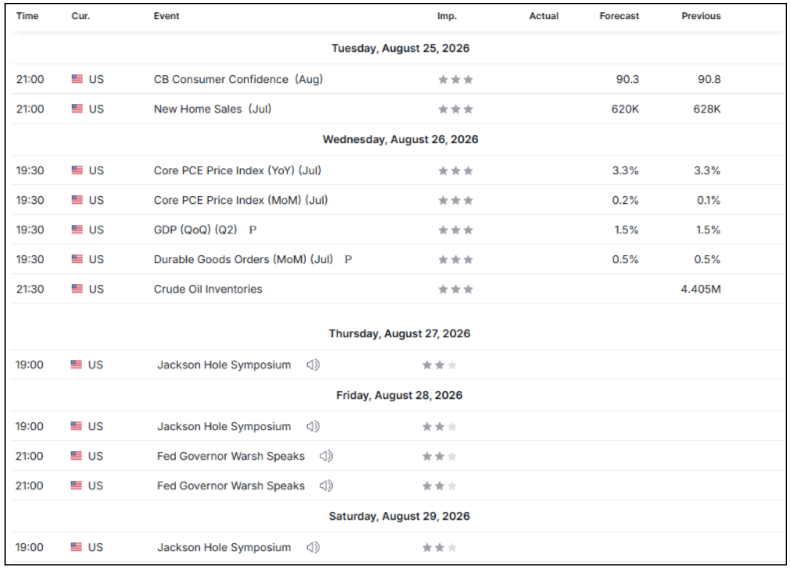
ចំណុចផ្តោតសំខាន់នៃប្រតិទិនសេដ្ឋកិច្ចក្នុងសប្តាហ៍នេះ នឹងស្ថិតនៅថ្ងៃពុធ ទី 26 ខែសីហា នៅពេលដែលទិន្នន័យសេដ្ឋកិច្ចសំខាន់ៗរបស់សហរដ្ឋអាមេរិកជាច្រើន ត្រូវបានកំណត់ឱ្យចេញផ្សាយក្នុងពេលតែមួយនៅម៉ោង 19:30 (GMT+7)។ សន្ទស្សន៍តម្លៃ Core PCE ដែលជារង្វាស់អតិផរណាមូលដ្ឋានដែលធនាគារកណ្តាលអាមេរិក (Fed) ផ្តោតសំខាន់ នឹងចេញផ្សាយស្របពេលជាមួយទិន្នន័យ GDP ត្រីមាសទី 2 (Q2 GDP) និងការបញ្ជាទិញទំនិញប្រើប្រាស់បានយូរ (Durable Goods Orders)។ ដោយសារទិន្នន័យទាំងបីនេះចេញផ្សាយក្នុងពេលតែមួយ វាអាចផ្តល់នូវទិដ្ឋភាពទូលំទូលាយជាងមុនអំពីអតិផរណា និងកំណើនសេដ្ឋកិច្ចរបស់សហរដ្ឋអាមេរិក ដែលអាចជះឥទ្ធិពលដល់ការរំពឹងទុកអំពីគោលនយោបាយរូបិយវត្ថុរបស់ Fed និងបង្កឱ្យមានភាពប្រែប្រួលក្នុងទីផ្សារប្រាក់ដុល្លារអាមេរិក មាស និងទ្រព្យសកម្មសំខាន់ៗផ្សេងទៀត។
នៅចុងសប្តាហ៍ ការយកចិត្តទុកដាក់នឹងផ្លាស់ប្តូរទៅកាន់ សន្និសីទ Jackson Hole (Jackson Hole Economic Policy Symposium) ដែលនឹងប្រព្រឹត្តទៅចាប់ពីថ្ងៃទី 27 ដល់ 29 ខែសីហា។ ព្រឹត្តិការណ៍ប្រចាំឆ្នាំនេះប្រមូលផ្តុំអ្នកដឹកនាំធនាគារកណ្តាល រដ្ឋមន្ត្រីហិរញ្ញវត្ថុ មន្ត្រីរដ្ឋាភិបាល អ្នកសិក្សា សេដ្ឋវិទូ និងអ្នកចូលរួមក្នុងទីផ្សារហិរញ្ញវត្ថុមកពីជុំវិញពិភពលោក ដើម្បីពិភាក្សាអំពីបញ្ហាសេដ្ឋកិច្ច និងគោលនយោបាយសំខាន់ៗ។
ចំណុចសំខាន់នៃសន្និសីទនេះ គឺសុន្ទរកថារបស់ប្រធាន Fed លោក Kevin Warsh ដែលរំពឹងថានឹងធ្វើឡើងនៅថ្ងៃសុក្រ ទី 28 ខែសីហា។ ខណៈទីផ្សារកំពុងតាមដានយ៉ាងជិតស្និទ្ធទៅលើទិសដៅគោលនយោបាយរូបិយវត្ថុរបស់ Fed រាល់ការលើកឡើងរបស់លោក Warsh ឬមន្ត្រីធនាគារកណ្តាលផ្សេងទៀតក្នុងអំឡុងពេលសន្និសីទរយៈពេលបីថ្ងៃនេះ អាចផ្តល់តម្រុយអំពីទិសដៅគោលនយោបាយនាពេលអនាគត។ ដូច្នេះ សុន្ទរកថា និងការលើកឡើងរបស់មន្ត្រីធនាគារកណ្តាលពេញមួយព្រឹត្តិការណ៍ អាចបង្កឱ្យមានភាពប្រែប្រួលខ្លាំងនៅក្នុងទីផ្សារ ជាពិសេសលើប្រាក់ដុល្លារអាមេរិក ទិន្នផលមូលបត្របំណុលរតនាគារអាមេរិក និងមាស។
ជម្លោះពន្ធគយរវាងសហរដ្ឋអាមេរិក និងកាណាដាកាន់តែតានតឹង
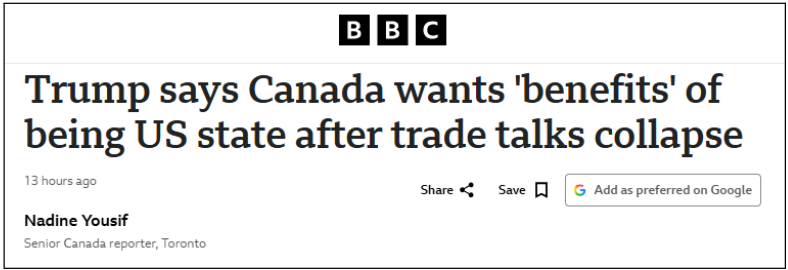
ភាពតានតឹងផ្នែកពាណិជ្ជកម្មរវាងសហរដ្ឋអាមេរិក និងកាណាដា នឹងក្លាយជាកត្តាសំខាន់មួយដែលត្រូវតាមដាននៅសប្តាហ៍នេះ បន្ទាប់ពីការចរចារវាងប្រទេសទាំងពីរបានបរាជ័យកាលពីថ្ងៃសុក្រមុន។ បន្ទាប់មក សហរដ្ឋអាមេរិកបានដាក់ ពន្ធគយ 50% លើទំនិញរបស់កាណាដាដែលមានតម្លៃប្រមាណ $20 ពាន់លាន រួមមានផលិតផលដូចជា ស្រា គ្រឿងសង្ហារឹម គ្រឿងអេឡិចត្រូនិក និងទំនិញប្រើប្រាស់ផ្សេងៗ។ ពន្ធគយទាំងនេះគ្របដណ្តប់ប្រមាណ 5% នៃការនាំចេញរបស់កាណាដាទៅកាន់សហរដ្ឋអាមេរិក ប៉ុន្តែការអនុវត្តពន្ធគយនេះបានបង្ហាញពីការកើនឡើងយ៉ាងខ្លាំងនៃភាពតានតឹងផ្នែកពាណិជ្ជកម្មរវាងប្រទេសទាំងពីរ។
កាណាដាបានឆ្លើយតបដោយប្រកាសដាក់ ពន្ធគយតបត្រឡប់ក្នុងទំហំស្មើគ្នា (dollar-for-dollar retaliatory tariffs) លើទំនិញរបស់សហរដ្ឋអាមេរិកជាច្រើនប្រភេទ រួមមានដែកថែប គ្រឿងអេឡិចត្រូនិក ឧបករណ៍ប្រើប្រាស់ក្នុងផ្ទះ ឧបករណ៍កសិកម្ម និងផលិតផលក្រដាសនិងក្រដាសកាតុង។ វិធានការទាំងនេះគ្រោងនឹងចូលជាធរមាននៅ ថ្ងៃទី 8 ខែកញ្ញា ដែលធ្វើឱ្យភាពតានតឹងរវាងប្រទេសពាណិជ្ជកម្មធំទាំងពីរកាន់តែខ្លាំងឡើង។
សម្រាប់តម្លៃមាស ភាពតានតឹងផ្នែកពាណិជ្ជកម្មដែលកើនឡើងនេះ អាចមាន ផលប៉ះពាល់ចម្រុះ។ មួយផ្នែក ការកើនឡើងនៃភាពតានតឹងអាចបង្កើនភាពមិនច្បាស់លាស់ផ្នែកសេដ្ឋកិច្ច និងជំរុញតម្រូវការមាសក្នុងនាមជាទ្រព្យសកម្មសុវត្ថិភាព។ មួយផ្នែកទៀត ពន្ធគយអាចធ្វើឱ្យថ្លៃទំនិញនាំចូលកើនឡើង និងបង្កើនសម្ពាធអតិផរណា ដែលអាចធ្វើឱ្យការរំពឹងទុកអំពីការកាត់បន្ថយអត្រាការប្រាក់ធ្លាក់ចុះ និងដាក់សម្ពាធលើតម្លៃមាសតាមរយៈការរំពឹងទុកអំពីអត្រាការប្រាក់ខ្ពស់។ ដូច្នេះ ទីផ្សារនឹងតាមដានថា តើជម្លោះនេះនឹងវិវត្តទៅជាសង្គ្រាមពាណិជ្ជកម្មដែលកាន់តែទូលំទូលាយ និងអូសបន្លាយ ឬភាគីទាំងពីរនឹងវិលត្រឡប់ទៅកាន់តុចរចាវិញ ជាពិសេសនៅពេលវិនិយោគិនកំពុងវាយតម្លៃផលប៉ះពាល់ដែលអាចកើតមានលើ អតិផរណា និងការរំពឹងទុកអំពីអត្រាការប្រាក់។
សហរដ្ឋអាមេរិកនឹងប្រកាសទណ្ឌកម្មថ្មីលើអ៊ីរ៉ង់
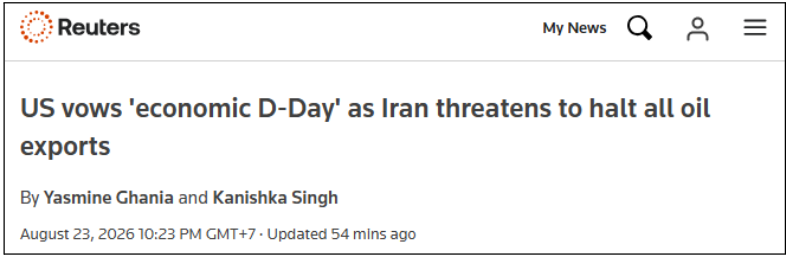
រដ្ឋមន្ត្រីក្រសួងរតនាគារអាមេរិក លោក Scott Bessent គ្រោងនឹងធ្វើសន្និសីទសារព័ត៌មាននៅម៉ោង 1:00 ព្រឹក (GMT+7) ថ្ងៃអង្គារ ដែលលោកត្រូវបានរំពឹងថានឹងប្រកាសអំពីទណ្ឌកម្មថ្មីលើអ៊ីរ៉ង់ ដែលលោកបានពិពណ៌នាថាជា “ទណ្ឌកម្មដ៏តឹងរឹងបំផុតក្នុងប្រវត្តិសាស្ត្រ”។ វិធានការទាំងនេះត្រូវបានរំពឹងថានឹងផ្តោតលើដៃគូពាណិជ្ជកម្មរបស់អ៊ីរ៉ង់ ជាពិសេសប្រទេសដែលនៅតែបន្តទិញប្រេងពីអ៊ីរ៉ង់។
ការប្រកាសនេះកើតឡើង ខណៈភាពតានតឹងរវាងប្រទេសទាំងពីរនៅតែមានកម្រិតខ្ពស់ ដោយអ៊ីរ៉ង់បានព្រមានថា ខ្លួនអាចផ្អាកការនាំចេញប្រេងពីតំបន់ឈូងសមុទ្រ ប្រសិនបើសម្ពាធផ្នែកសេដ្ឋកិច្ចនៅតែបន្ត។ ច្រកសមុទ្រ Hormuz ដែលជាផ្លូវដ៏សំខាន់សម្រាប់ការដឹកជញ្ជូនប្រេងសកល ក៏បានឃើញការធ្លាក់ចុះយ៉ាងខ្លាំងនៃចរាចរណ៍នាវាដឹកប្រេង ដែលបង្កើនការព្រួយបារម្ភអំពីការរំខានបន្ថែមដល់ការផ្គត់ផ្គង់ប្រេងសកល។
សម្រាប់ទីផ្សារ ចំណុចសំខាន់ដែលត្រូវតាមដានគឺ វិសាលភាពនៃទណ្ឌកម្ម និងការឆ្លើយតបរបស់អ៊ីរ៉ង់។ ការកើនឡើងនៃភាពតានតឹងខ្លាំងជាងការរំពឹងទុក អាចជំរុញតម្លៃប្រេងឱ្យកើនឡើង និងបង្កើនការព្រួយបារម្ភអំពីអតិផរណា ដែលអាចដាក់សម្ពាធលើតម្លៃមាសតាមរយៈការរំពឹងទុកអំពីអត្រាការប្រាក់ខ្ពស់។ ទោះជាយ៉ាងណា ការកើនឡើងនៃភាពតានតឹងភូមិសាស្ត្រនយោបាយក៏អាចបង្កើន តម្រូវការមាសក្នុងនាមជាទ្រព្យសកម្មសុវត្ថិភាពផងដែរ។ ដូច្នេះ វិនិយោគិននឹងតាមដានការប្រកាសនេះយ៉ាងយកចិត្តទុកដាក់ ដោយផ្តោតលើផលប៉ះពាល់ដែលអាចកើតមានលើ តម្លៃប្រេង ការរំពឹងទុកអំពីអតិផរណា និងតម្លៃមាស។
| English Version |
This report highlights key developments for the week ahead, providing investors with relevant context to support informed trading decisions. It covers both fundamental analysis—the primary drivers behind market movements—and technical analysis, including price action and key liquidity zones that traders should monitor.
Disclaimer: This material is provided for educational and informational purposes only and should not be considered as investment advice or a trading signal.
Fundamental Analysis
Four factors to focus on this week from the fundamental side:
Last Week Recap – U.S. Treasury Boosts Bond Buybacks as Gold Rallies Despite Hawkish FOMC Minutes
One of the biggest market developments last week was the U.S. Treasury’s decision to more than double the size of its buybacks for 10- to 30-year Treasury bonds, increasing the minimum amount from $2 billion to at least $4 billion per operation. The increased buyback size will take effect from September 9 through November 4.
The announcement came on Wednesday following a major sell-off in global bond markets on Tuesday, which pushed the 30-year U.S. Treasury yield to its highest level since 2007. The sell-off was driven by concerns over a potential escalation of the U.S.-Iran conflict and the deteriorating U.S. fiscal outlook, with U.S. government debt surpassing the $40 trillion threshold for the first time.
Following the announcement, 10- and 30-year Treasury yields fell sharply, while the Dollar Index (DXY) also declined. Gold responded positively, gaining 3.07% on Wednesday as lower bond yields and a weaker dollar provided support to the precious metal.
The move in gold was particularly notable because it overshadowed the impact of the July FOMC Meeting Minutes, which were released at 1:00 AM GMT+7 on Thursday morning. The minutes showed that most Fed officials supported keeping the federal funds rate unchanged at 3.50%–3.75%, while three members favored a 25-basis-point hike. Fed officials also continued to view inflation as elevated and indicated that further policy tightening could be necessary if inflation fails to decline, giving the minutes a relatively hawkish tone.
Despite the hawkish FOMC minutes, gold continued to gain, suggesting that the Treasury’s increased bond buyback announcement and the resulting decline in Treasury yields had a stronger influence on gold than the Fed’s more hawkish policy signals.
Overall, last week’s price action highlighted the importance of Treasury yields and the U.S. dollar in determining gold’s direction, with the Treasury buyback announcement emerging as one of the week’s most significant drivers of the precious metal.
This Week’s Economic Calendar Events
The main focus of this week’s economic calendar will be on Wednesday, August 26, when several important U.S. economic indicators are scheduled to be released simultaneously at 19:30 (GMT+7). The Core PCE Price Index, the Federal Reserve’s preferred measure of underlying inflation, will be released alongside Q2 GDP and Durable Goods Orders. With all three indicators arriving at the same time, the data could provide a broader picture of U.S. inflation and economic growth, potentially influencing expectations for the Federal Reserve’s monetary policy and creating volatility across the U.S. dollar, gold, and other major assets.
Later in the week, attention will shift to the Jackson Hole Economic Policy Symposium, which will take place from August 27–29. The annual event brings together central bankers, finance ministers, government officials, academics, economists, and financial market participants from around the world to discuss important economic and policy issues.
A key highlight will be Fed Chair Kevin Warsh’s speech, which is expected on Friday, August 28. With markets closely watching the Federal Reserve’s monetary policy outlook, any comments from Warsh or other central bankers during the three-day symposium could provide clues about future policy direction. As a result, speeches and remarks from central bank officials throughout the event could trigger significant market volatility, particularly in the U.S. dollar, Treasury yields, and gold.
U.S.-Canada Tariff Dispute Escalates
Trade tensions between the U.S. and Canada will be an important development to watch this week after negotiations between the two countries broke down last Friday. The U.S. subsequently imposed 50% tariffs on around $20 billion of Canadian goods, covering products including wine, furniture, electronics and other consumer goods. The tariffs represent roughly 5% of Canada’s exports to the U.S., but their implementation marks a significant escalation in trade tensions between the two countries.
Canada responded by announcing dollar-for-dollar retaliatory tariffs on a range of U.S. goods, including steel, electronics, appliances, agricultural equipment, pulp and paper. The measures are scheduled to take effect on September 8, further escalating tensions between the two major trading partners.
For gold, the renewed trade tensions could have mixed implications. On one hand, the escalation could increase economic uncertainty and strengthen demand for gold as a safe-haven asset. On the other hand, tariffs could increase the cost of imported goods and add to inflationary pressures, potentially reducing expectations for interest-rate cuts and putting pressure on gold through higher interest-rate expectations. Therefore, markets will be watching whether the dispute develops into a broader and more prolonged trade conflict or whether both sides return to negotiations.
U.S. to Announce New Iran Sanctions
U.S. Treasury Secretary Scott Bessent is scheduled to hold a press conference at 1:00 AM (GMT+7) on Tuesday, where he is expected to announce what he has described as the “toughest sanctions in history” against Iran. The measures are expected to target Iran’s trading partners, with particular attention on countries that continue to purchase Iranian oil.
The announcement comes as tensions between Washington and Tehran remain elevated, with Iran warning that it could halt oil exports from the Gulf if the economic pressure continues. The Strait of Hormuz, a key route for global oil shipments, has already seen a sharp decline in tanker traffic, raising concerns over further disruptions to global oil supplies.
For markets, the key focus will be on the scope of the sanctions and Iran’s response. A stronger-than-expected escalation could push oil prices higher and reinforce inflation concerns, potentially putting pressure on gold through higher interest-rate expectations. However, further geopolitical escalation could also increase safe-haven demand for gold. Investors will therefore be watching the announcement closely for its potential impact on oil prices, inflation expectations, and gold.