
របាយការណ៍ទីផ្សារប្រចាំសប្តាហ៍ទស្សនវិស័យទីផ្សារប្រចាំសប្តាហ៍គិតត្រឹមថ្ងៃទី 15 ខែមិថុនា ឆ្នាំ 2026
កត្តាសំខាន់ៗដែលត្រូវតាមដានបំផុតសម្រាប់សប្តាហ៍នេះគឺនឹងដាក់បញ្ចូលនៅក្នុងរបាយការណ៍ខាងក្រោមនេះដោយវិនិយោគិនអាចប្រើប្រាស់ព័ត៌មានខាងក្រោមជាមូលដ្ឋានគ្រឹះមុនពេលធ្វើការសម្រេចចិត្តលើការជួញដូរលើទ្រព្យណាមួយ។ របាយការណ៍នេះរួមបញ្ចូលទាំងការវិភាគបែបសេដ្ឋកិច្ច (Fundamental Analysis) ដែលជាកត្តាសំខាន់ៗជំរុញចលនាទីផ្សារ និងការវិភាគបែបបច្ចេកទេស (Technical Analysis) រួមទាំងចលនាតម្លៃ និងតំបន់សាច់ប្រាក់ (Liquidity Zones) សំខាន់ៗ ដែលវិនិយោគិនគួរតែតាមដាន។
ការបដិសេធ (Disclaimer): របាយការណ៍នេះធ្វើឡើងក្នុងគោលបំណងផ្សព្វផ្សាយការអប់រំ និងព័ត៌មានដែលគួរដឹងតែប៉ុណ្ណោះ។ សូមមេត្តាកំុប្រើប្រាស់របាយការណ៍នេះជាដំបូន្មានវិនិយោគ ឬជាសញ្ញាសម្រាប់ការជួញដូររបស់អ្នក។
ការវិភាគបែបសេដ្ឋកិច្ច (Fundamental Analysis)
កត្តាបីយ៉ាងដែលត្រូវផ្តោតលើសប្តាហ៍នេះ៖
ព្រឹត្តិការណ៍សេដ្ឋកិច្ចសំខាន់ៗកាលពីសប្តាហ៍មុន – ផ្តោតលើអតិផរណា
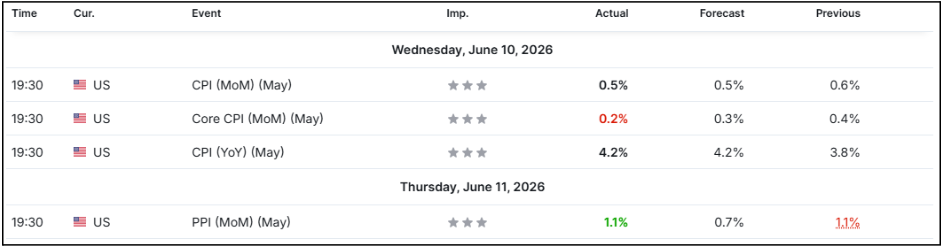
ប្រតិទិនសេដ្ឋកិច្ចកាលពីសប្តាហ៍មុនបានផ្តោតសំខាន់លើអតិផរណា ដោយមានការចេញផ្សាយទិន្នន័យសន្ទស្សន៍ថ្លៃទំនិញប្រើប្រាស់ (CPI) និងសន្ទស្សន៍ថ្លៃទំនិញអ្នកផលិត (PPI)។ ខណៈដែល CPI សរុបចេញមកស្របតាមការរំពឹងទុកជាទូទៅ Core CPI បានចេញមកទាបជាងការព្យាករបន្តិច។ ផ្ទុយទៅវិញ PPI បានធ្វើឱ្យទីផ្សារភ្ញាក់ផ្អើលក្នុងទិសដៅវិជ្ជមាន ដោយកើនឡើងដល់ 1.1% ខណៈដែលការព្យាករមានត្រឹម 0.7% ប៉ុណ្ណោះ។
ជារួម ទិន្នន័យទាំងនេះបង្ហាញថាសម្ពាធអតិផរណានៅតែមិនទាន់ធូរស្រាលទាំងស្រុង បើទោះបីជាសញ្ញាសេដ្ឋកិច្ចមួយចំនួននៅតែមានភាពចម្រុះក៏ដោយ។ នៅពេលបូកបញ្ចូលជាមួយរបាយការណ៍ Non-Farm Payrolls (NFP) និងទិន្នន័យទីផ្សារការងារពីសប្តាហ៍មុន ទិដ្ឋភាពរួមនៅតែមិនផ្លាស់ប្តូរច្រើន ដោយទីផ្សារការងារអាមេរិកបន្តបង្ហាញភាពរឹងមាំ ខណៈអតិផរណានៅតែខ្ពស់ជាងគោលដៅរយៈពេលវែងរបស់ធនាគារកណ្តាលអាមេរិក (Fed)។
ព្រឹត្តិការណ៍សេដ្ឋកិច្ចសំខាន់ៗសម្រាប់សប្តាហ៍នេះ – ផ្តោតលើការសម្រេចអត្រាការប្រាក់របស់ធនាគារកណ្តាលធំៗ
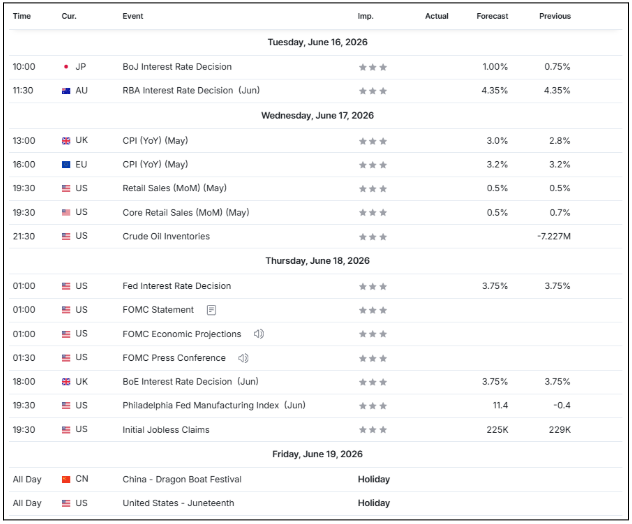
ប្រតិទិនសេដ្ឋកិច្ចសប្តាហ៍នេះនឹងត្រូវបានគ្របដណ្ដប់ដោយការសម្រេចអត្រាការប្រាក់ពីធនាគារកណ្តាលធំៗជាច្រើន ដោយធនាគារកណ្តាលអាមេរិក (Fed) ត្រូវបានគេរំពឹងថានឹងទាក់ទាញការចាប់អារម្មណ៍ពីទីផ្សារច្រើនជាងគេ។
ដោយផ្អែកលើទិន្នន័យអតិផរណា និងទីផ្សារការងារថ្មីៗនេះ ទីផ្សាររំពឹងយ៉ាងទូលំទូលាយថា Fed នឹងរក្សាអត្រាការប្រាក់នៅកម្រិតបច្ចុប្បន្ន។ ទោះជាយ៉ាងណា វិនិយោគិនទំនងជានឹងផ្តោតសំខាន់លើការណែនាំអំពីគោលនយោបាយនាពេលអនាគត ការព្យាករសេដ្ឋកិច្ច និងទស្សនវិស័យអត្រាការប្រាក់របស់អ្នកកំណត់គោលនយោបាយ ជាជាងការសម្រេចអត្រាការប្រាក់ផ្ទាល់។
សេណារីយ៉ូសំខាន់ៗដែលគួរតាមដាន៖
- លទ្ធផលដែលទំនងកើតឡើងបំផុត: Fed រក្សាអត្រាការប្រាក់នៅដដែល។ ប្រតិកម្មរបស់ទីផ្សារមាសអាចអាស្រ័យលើសាររបស់ Fed និងការព្យាករនានា ជាជាងការសម្រេចអត្រាការប្រាក់ផ្ទាល់។
- លទ្ធផលដែលមិនសូវទំនង ប៉ុន្តែអាចកើតឡើង: Fed ដំឡើងអត្រាការប្រាក់។ លទ្ធផលនេះអាចជួយគាំទ្រប្រាក់ដុល្លារអាមេរិក និងទិន្នផលសញ្ញាប័ណ្ណរដ្ឋាភិបាលអាមេរិក (Treasury Yields) ដែលអាចបង្កើតសម្ពាធដល់តម្លៃមាស។
- លទ្ធផលដែលមិនសូវទំនង ប៉ុន្តែអាចកើតឡើង: Fed បញ្ចុះអត្រាការប្រាក់។ លទ្ធផលនេះអាចធ្វើឱ្យប្រាក់ដុល្លារអាមេរិក និងទិន្នផលសញ្ញាប័ណ្ណធ្លាក់ចុះ ដែលអាចជួយគាំទ្រតម្លៃមាស។
វិនិយោគិនក៏គួរតាមដានការសម្រេចអត្រាការប្រាក់របស់ធនាគារកណ្តាលធំៗផ្សេងទៀតផងដែរ។ ទោះបីជាការសម្រេចទាំងនេះមិនមានឥទ្ធិពលដោយផ្ទាល់លើតម្លៃមាសក៏ដោយ ក៏វាអាចប៉ះពាល់ដល់កម្លាំងរូបិយប័ណ្ណនានា ជាពិសេសធៀបនឹងប្រាក់ដុល្លារអាមេរិក ដែលអាចមានឥទ្ធិពលដោយប្រយោលលើមាស និងទីផ្សារហិរញ្ញវត្ថុទូលំទូលាយ។
សេណារីយ៉ូសំខាន់ៗដែលគួរតាមដានសម្រាប់ការសម្រេចអត្រាការប្រាក់របស់ធនាគារកណ្តាលផ្សេងៗ៖
- ការសម្រេចអត្រាការប្រាក់មានជំហរតឹងរ៉ឹងជាងការរំពឹងទុក (More Hawkish): រូបិយប័ណ្ណបរទេសអាចឡើងថ្លៃធៀបនឹងប្រាក់ដុល្លារអាមេរិក ដែលអាចជួយគាំទ្រតម្លៃមាស។
- ការសម្រេចអត្រាការប្រាក់មានជំហរបន្ធូរបន្ថយជាងការរំពឹងទុក (More Dovish): ប្រាក់ដុល្លារអាមេរិកអាចឡើងថ្លៃធៀបនឹងរូបិយប័ណ្ណផ្សេងៗ ដែលអាចបង្កើតសម្ពាធដល់តម្លៃមាស។
កិច្ចព្រមព្រៀងសន្តិភាពរវាងសហរដ្ឋអាមេរិក និងអ៊ីរ៉ង់ អាចត្រូវបានចុះហត្ថលេខានៅថ្ងៃសុក្រ
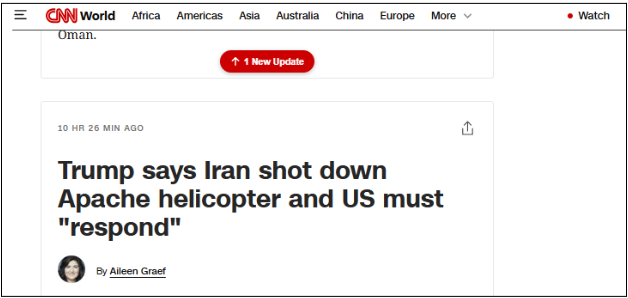
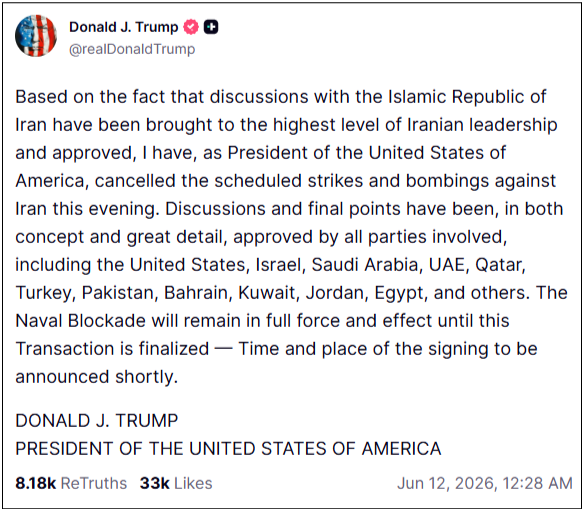
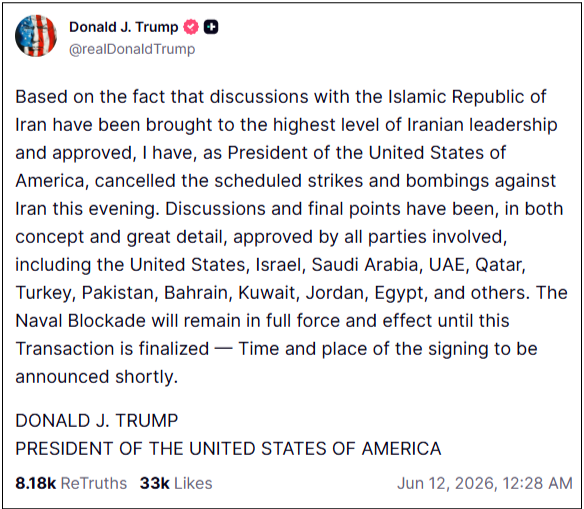
កាលពីសប្តាហ៍មុន អ៊ីរ៉ង់ និងសហរដ្ឋអាមេរិកបានផ្លាស់ប្តូរការវាយប្រហារគ្នា បន្ទាប់ពីមានព័ត៌មានថាឧទ្ធម្ភាគចក្រ Apache របស់សហរដ្ឋអាមេរិកមួយគ្រឿងត្រូវបានបាញ់ទម្លាក់ដោយកងកម្លាំងអ៊ីរ៉ង់។ ដំបូងឡើយ ប្រធានាធិបតីអាមេរិក លោក Donald Trump បានគ្រោងធ្វើការវាយប្រហារអ៊ីរ៉ង់ «យ៉ាងខ្លាំងក្លា» នៅថ្ងៃសុក្រ ដើម្បីឆ្លើយតប។ ទោះជាយ៉ាងណា នៅពេលថ្ងៃសុក្រមកដល់ លោក Trump បានប្រកាសតាមរយៈ Truth Social ថាលោកបានផ្អាកការវាយប្រហារនោះ ដោយអះអាងថាការពិភាក្សាត្រូវបានលើកឡើងដល់ថ្នាក់ដឹកនាំខ្ពស់បំផុតរបស់អ៊ីរ៉ង់ និងទទួលបានការយល់ព្រមរួចហើយ។ ទោះជាយ៉ាងណា នៅពេលនោះ ភាគីអ៊ីរ៉ង់មិនទាន់បានបញ្ជាក់ជាផ្លូវការអំពីកិច្ចព្រមព្រៀងណាមួយនៅឡើយទេ។
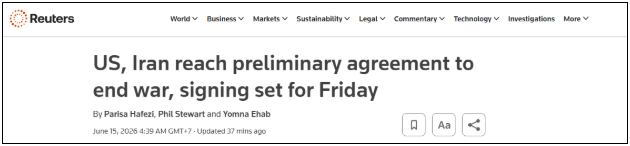
ទោះបីជាយ៉ាងណា ការចរចាហាក់ដូចជាមានការរីកចម្រើនល្អក្នុងអំឡុងចុងសប្តាហ៍ ដោយមានសេចក្តីរាយការណ៍ចេញផ្សាយនៅថ្ងៃនេះថា សហរដ្ឋអាមេរិក និងអ៊ីរ៉ង់បានឈានដល់កិច្ចព្រមព្រៀងបឋមមួយ ដើម្បីបញ្ឈប់អរិភាព និងបើកច្រកសមុទ្រ Hormuz ឡើងវិញ។
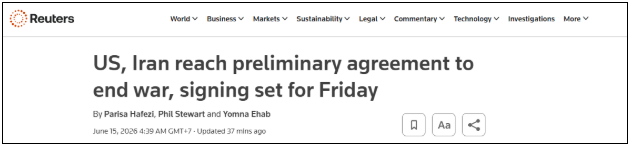
បទឈប់បាញ់នេះនឹងអនុវត្តលើគ្រប់សមរភូមិ រួមទាំងប្រទេសលីបង់ផងដែរ។ កិច្ចព្រមព្រៀងដែលមានវិសាលភាពធំជាងនេះនឹងត្រូវចរចាក្នុងអំឡុងពេលបទឈប់បាញ់រយៈពេល 60 ថ្ងៃ ដែលរួមមានទាំងការបន្ធូរបន្ថយទណ្ឌកម្មហិរញ្ញវត្ថុលើអ៊ីរ៉ង់ និងបញ្ហាកម្មវិធីនុយក្លេអ៊ែររបស់អ៊ីរ៉ង់។ ចំណុចដែលនៅមានភាពមិនច្បាស់លាស់គឺ អ៊ីស្រាអែលមិនទាន់បានចេញសេចក្តីថ្លែងការណ៍ណាមួយទាក់ទងនឹងបទឈប់បាញ់នេះនៅឡើយទេ។ កិច្ចព្រមព្រៀងនេះគ្រោងនឹងត្រូវចុះហត្ថលេខាជាផ្លូវការនៅថ្ងៃសុក្រ ក្នុងប្រទេសស្វីស។ ទោះជាយ៉ាងណា ការខ្វះការបញ្ជាក់ជាផ្លូវការពីភាគីអ៊ីស្រាអែលនៅតែបង្កើតភាពមិនប្រាកដប្រជា និងបង្កើនលទ្ធភាពដែលភាពតានតឹងអាចកើតឡើងវិញ មុនពេលកិច្ចព្រមព្រៀងត្រូវបានបញ្ចប់ជាផ្លូវការ។
បច្ចុប្បន្ននេះ ទីផ្សារហាក់ដូចជាកំពុងផ្តោតការយកចិត្តទុកដាក់កាន់តែខ្លាំងលើផលប៉ះពាល់របស់ជម្លោះនេះចំពោះអតិផរណា និងគោលនយោបាយរូបិយវត្ថុ ជាជាងតម្រូវការទ្រព្យសុវត្ថិភាព (Safe-Haven Demand) តែមួយមុខ។ សេណារីយ៉ូសំខាន់ៗដែលគួរតាមដាន៖
- ភាពតានតឹងថយចុះ និងកិច្ចព្រមព្រៀងត្រូវបានចុះហត្ថលេខានៅថ្ងៃសុក្រ៖ តម្លៃប្រេងអាចធ្លាក់ចុះ ដោយសារការព្រួយបារម្ភអំពីការរំខានដល់ការផ្គត់ផ្គង់ប្រេងមានការថយចុះ។ កត្តានេះអាចជួយកាត់បន្ថយសម្ពាធអតិផរណា និងគាំទ្រការរំពឹងទុកអំពីការបញ្ចុះអត្រាការប្រាក់នាពេលអនាគត ដែលអាចជួយគាំទ្រតម្លៃមាស។
- ភាពតានតឹងកើនឡើង និងកិច្ចព្រមព្រៀងមិនត្រូវបានចុះហត្ថលេខានៅថ្ងៃសុក្រ៖ តម្លៃប្រេងអាចកើនឡើង ដោយសារការព្រួយបារម្ភអំពីការរំខានដល់ការផ្គត់ផ្គង់ប្រេង។ កត្តានេះអាចបង្កើនសម្ពាធអតិផរណា និងពង្រឹងការរំពឹងទុកថាអត្រាការប្រាក់នឹងស្ថិតក្នុងកម្រិតខ្ពស់រយៈពេលយូរ ដែលអាចបង្កើតសម្ពាធដល់តម្លៃមាស។
ការវិភាគបច្ចេកទេស (Technical Analysis)
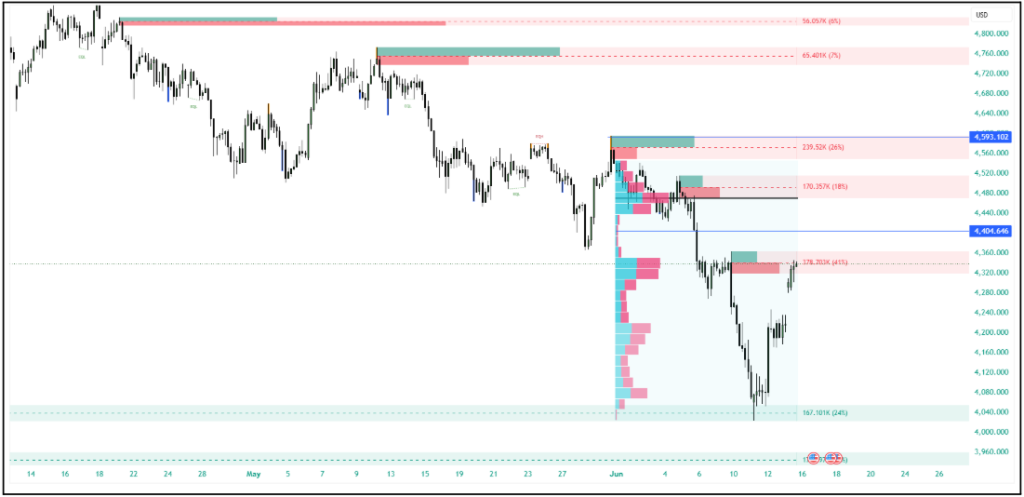
និន្នាការបច្ចុប្បន្ន៖ ទីផ្សារបច្ចុប្បន្នកំពុងផ្លាស់ទីក្នុងទិសដៅធ្លាក់ចុះប្រចាំសប្តាហ៍ ដំណាក់កាល Pullback។
កម្រិត (Resistance Level)ទី១៖ តម្លៃ Resistanceដែលនៅជិតប៉ផុតនៅតម្លៃ 4404 ជាតបន់ដែលយើងគួរពិចារណាក្នុងការចូល Short ក្នុងសប្តាហ៍នេះ។
កម្រិត (Resistance Level)ទី២៖ តម្លៃ Resistanceបន្ទាប់នៅម្តុំតម្លៃ4471$ ដែលទីផ្សារអាចទៅដល់មុនបន្តធ្លាក់ចុះមកវិញ ប៉ុន្តែបើសិនតម្លៃបន្តទៅហួសតម្លៃនេះវាបញ្ជាក់ប្រាប់យើងថាទីផ្សារប្តូរទៅជាទិសដៅឡើងវិញ។
គោលដៅធ្លាក់ចុះ៖ ការបន្តនៃនិន្នាការធ្លាក់ចុះនេះ អាចរុញច្រានតម្លៃឱ្យកាន់តែទាបទៅរកកម្រិត 3800 ដុល្លារបើសិនជាស្ថានភាពសង្រ្គាមរវាង សហរដ្ឋអាមេរិក និង អុឺរ៉ង់នៅតែមានភាពតានតឹង។
ទិដ្ឋភាពយុទ្ធសាស្ត្រ៖ មុននឹងអនុវត្តការជួញដូរណាមួយ អ្នកជួញដូរគួរតែរង់ចាំលទ្ធផលនៃការចចាររវាងសហរដ្ឋអាមេរិក និង អុឺរ៉ង ដើម្បីកំណត់ពីទិសដៅឲ្យបានកាន់តែច្បាស់លាស់។
| English Version |
This report highlights key developments for the week ahead, providing investors with relevant context to support informed trading decisions. It covers both fundamental analysis—the primary drivers behind market movements—and technical analysis, including price action and key liquidity zones that traders should monitor.
Disclaimer: This material is provided for educational and informational purposes only and should not be considered as investment advice or a trading signal.
Fundamental Analysis
Three factors to focus on this week from the fundamental side:
Last Week’s Economic Calendar Events – Inflation in Focus
Last week’s economic calendar was heavily focused on inflation, highlighted by the release of both the Consumer Price Index (CPI) and Producer Price Index (PPI). While headline CPI came in broadly in line with expectations, Core CPI was slightly softer than forecast. In contrast, PPI surprised to the upside, rising 1.1% versus expectations of 0.7%.
Taken together, the data suggests that inflationary pressures have not fully subsided, although the signals remain mixed. Combined with the previous week’s Non-Farm Payrolls (NFP) report and labor market data, the broader picture remains largely unchanged: the U.S. labor market continues to show resilience while inflation remains above the Federal Reserve’s long-term target.
This Week’s Economic Calendar Events – Central Bank Interest Rate Decision in Focus
This week’s economic calendar will be dominated by interest rate decisions from several major central banks, with the Federal Reserve (Fed) expected to attract the most market attention.
Based on recent labor market and inflation data, markets widely expect the Fed to keep interest rates unchanged at its upcoming meeting. However, investors will likely focus less on the rate decision itself and more on the Fed’s forward guidance, economic projections, and any changes to policymakers’ interest rate outlook.
Key scenarios to watch include:
- Most likely outcome: The Fed keeps interest rates unchanged. Market reaction may depend on the tone of the Fed’s statement and projections rather than the decision itself.
- Less likely outcome: The Fed raises interest rates. This could support the U.S. dollar and Treasury yields, potentially creating headwinds for gold prices.
- Less likely outcome: The Fed cuts interest rates. This could weaken the U.S. dollar and lower yields, potentially providing support for gold prices.
Investors should also monitor interest rate decisions from other major central banks. While these decisions may not affect gold prices directly, they can influence relative currency strength, particularly against the U.S. dollar, which can indirectly impact gold and broader financial markets.
The key scenarios to watch for regarding the other central banks’ interest rate decisions:
- More hawkish than expected: Foreign currencies may strengthen against the U.S. dollar, potentially supporting gold prices.
- More dovish than expected: The U.S. dollar may strengthen relative to other currencies, potentially creating headwinds for gold prices.
U.S. and Iran Peace Deal to Be Signed This Friday
In the past week, Iran and the US exchanged fire after news of a US Apache helicopter being shot down by Iranian forces. Initially, US President Donald Trump planned to strike Iran “very hard” on Friday as a response, but once Friday arrived, Trump announced via Truth Social that he halted the planned strikes, claiming that discussions had been brought to the highest level of Iranian leadership and approved. However, no official agreement had been confirmed by the Iranian side at that time.
Regardless, it seems like negotiations have progressed smoothly over the weekend, with reports coming out today that the US and Iran have reached a preliminary agreement to cease hostilities and reopen the Strait of Hormuz.
The ceasefire will be applied on all fronts, including Lebanon. A more expansive agreement will be negotiated during the 60-day ceasefire period, including both sanction relief for Iran and Iran’s nuclear programs. The only point of contention is that Israel has not made any announcement regarding this ceasefire. The agreement is scheduled to be officially signed on Friday in Switzerland. However, the absence of any formal statement from Israel leaves some uncertainty, raising the possibility that tensions could re-emerge before the agreement is finalized.
At present, markets appear to be paying closer attention to the inflation and monetary policy implications of the conflict than to safe-haven demand alone. The key scenarios to watch out for:
- Tensions ease, and the agreement is signed on Friday: Oil prices may decline as concerns over supply disruptions ease. This could reduce inflationary pressures and support expectations for future interest rate cuts, potentially providing support for gold prices.
- Tensions escalate, and the agreement is not signed on Friday: Oil prices may rise due to concerns over supply disruptions. This could increase inflationary pressures and reinforce expectations for higher-for-longer interest rates, potentially creating headwinds for gold prices.
Technical Analysis
Current Trend: The market is currently moving in a weekly downtrend (Pullback phase).
Resistance Level 1: The nearest resistance level is at 4404, which is a zone we should consider for taking a Short position this week.
Resistance Level 2: The next resistance level is around $4471, which the market might reach before continuing its decline. However, if the price breaks above this level, it confirms that the market has reversed into an uptrend.
Downside Target: The continuation of this downtrend could push the price lower toward the $3800 level if the tensions between the United States and Iran persist.
Strategic Outlook: Before executing any trades, traders should wait for the outcome of the negotiations between the US and Iran to determine the market direction more clearly.