
Understanding about Real GDP vs Nominal GDP ⭐️ គន្លឹះសំខាន់– ផលិតផលក្នុងស្រុកសរុប (GDP) គឺជាសូចនាករសេដ្ឋកិច្ចដ៏សំខាន់ដែលកំណត់បរិមាណតម្លៃសរុបនៃទំនិញ និងសេវាកម្មទាំងអស់ដែលផលិតនៅក្នុងប្រទេសមួយក្នុងរយៈពេលជាក់លាក់មួយ។– ទោះជាយ៉ាងណាក៏ដោយ GDP អាចត្រូវបានវាស់វែងតាមពីរវិធី គឺ៖ ផលិតផលក្នុងស្រុកសរុបមាននាម (Nominal GDP) និងផលិតផលក្នុងស្រុកសរុបពិត (Real GDP)។– ផលិតផលក្នុងស្រុកសរុបមាននាម (Nominal GDP) គឺជាតម្លៃសរុបនៃទំនិញ និងសេវាកម្មដែលផលិតក្នុងសេដ្ឋកិច្ចក្នុងកំឡុងពេលជាក់លាក់ណាមួយ (ជាធម្មតាក្នុងមួយឆ្នាំ) ដោយប្រើតម្លៃទីផ្សារបច្ចុប្បន្ន។– ផលិតផលក្នុងស្រុកសរុបពិត (Real GDP) សំដៅទៅលើតម្លៃរូបិយវត្ថុនៃទំនិញ និងសេវាកម្មចុងក្រោយដោយផ្អែកលើតម្លៃថេរ ពោលគឺដោយមិនគិតពីការប្រែប្រួលតម្លៃដែលបណ្តាលមកពីអតិផរណា។ ⭐️ តើផលិតផលក្នុងស្រុកសរុបជាអ្វី?ផលិតផលក្នុងស្រុកសរុប (GDP) គឺជាសូចនាករសេដ្ឋកិច្ចដ៏សំខាន់ដែលកំណត់បរិមាណតម្លៃសរុបនៃទំនិញ និងសេវាកម្មទាំងអស់ដែលផលិតនៅក្នុងប្រទេសមួយក្នុងរយៈពេលជាក់លាក់មួយ។ វាជារង្វាស់មូលដ្ឋាននៃទំហំ និងដំណើរការនៃសេដ្ឋកិច្ច ដែលឆ្លុះបញ្ចាំងពីសកម្មភាពសេដ្ឋកិច្ចទាំងមូល។ ទោះជាយ៉ាងណាក៏ដោយ GDP អាចត្រូវបានវាស់វែងតាមពីរវិធី គឺ៖ ផលិតផលក្នុងស្រុកសរុបមាននាម (Nominal GDP) និងផលិតផលក្នុងស្រុកសរុបពិត (Real GDP)។ ភាពខុសគ្នារវាង GDP ទាំងពីរនេះគឺស្ថិតនៅលើការកែតម្រូវអតិផរណា។ ផសសពិត (Real GDP) គិតលើអតិផរណាដែលផ្តល់នូវតំណាងត្រឹមត្រូវជាងនៃកំណើនជាក់ស្តែងរបស់សេដ្ឋកិច្ច ខណៈដែល ផសសមាននាម (Nominal GDP) មិនគិតពីការផ្លាស់ប្តូរកម្រិតតម្លៃនោះទេ។ ការយល់ដឹងពីភាពខុសគ្នានេះគឺចាំបាច់ណាស់ ព្រោះវាជួយអ្នកសេដ្ឋកិច្ច អ្នកបង្កើតគោលនយោបាយ និងអ្នកវិនិយោគធ្វើការសម្រេចចិត្តប្រកបដោយការយល់ដឹងអំពីនិន្នាការសេដ្ឋកិច្ច សម្ពាធអតិផរណា និងសុខុមាលភាពសេដ្ឋកិច្ចពិតប្រាកដរបស់ប្រទេសមួយ។ ⭐️ ផលិតផលក្នុងស្រុកសរុបមាននាម (Nominal GDP)ផលិតផលក្នុងស្រុកសរុបមាននាម (Nominal GDP) គឺជាតម្លៃសរុបនៃទំនិញ និងសេវាកម្មដែលផលិតក្នុងសេដ្ឋកិច្ចក្នុងកំឡុងពេលជាក់លាក់ណាមួយ (ជាធម្មតាក្នុងមួយឆ្នាំ) ដោយប្រើតម្លៃទីផ្សារបច្ចុប្បន្ន។ វាមិនរាប់បញ្ចូលការផ្លាស់ប្តូរក្នុងកម្រិតតម្លៃទេ នោះមានន័យថា Nominal GDP ឆ្លុះបញ្ចាំងពីការផ្លាស់ប្តូរផលិតកម្ម និងការផ្លាស់ប្តូរតម្លៃ ឬអាចនិយាយបានថា តម្លៃទំនិញ និងសេវាកម្មត្រូវបានគណនាតាមកម្រិតតម្លៃបច្ចុប្បន្ន។ ⭐️ ផលិតផលក្នុងស្រុកសរុបពិត (Real GDP)ផលិតផលក្នុងស្រុកសរុបពិត (Real GDP) សំដៅទៅលើតម្លៃរូបិយវត្ថុនៃទំនិញ និងសេវាកម្មចុងក្រោយដោយផ្អែកលើតម្លៃថេរ ពោលគឺដោយមិនគិតពីការប្រែប្រួលតម្លៃដែលបណ្តាលមកពីអតិផរណា។ តម្លៃទំនិញ និងសេវាកម្មត្រូវបានគណនាក្នុងកម្រិតតម្លៃថេរ ដែលជាធម្មតាត្រូវបានកំណត់ដោយឆ្នាំមូលដ្ឋានដែលបានកំណត់ទុកជាមុន ឬដោយប្រើកម្រិតតម្លៃនៃឆ្នាំមុន។ ម្យ៉ាងវិញទៀត Real GDP ត្រូវបានចាត់ទុកថាជាការបង្ហាញដ៏ត្រឹមត្រូវបំផុតនៃសេដ្ឋកិច្ចរបស់ប្រទេសមួយ និងអត្រាកំណើនសេដ្ឋកិច្ច។ ⭐️ ភាពខុសគ្នារវាង Real GDP និង Nominal GDP– មូលដ្ឋានវាស់វែងNominal GDP ត្រូវបានវាស់វែងតាមតម្លៃទីផ្សារបច្ចុប្បន្ន ដោយមិនមានការកែតម្រូវសម្រាប់ការផ្លាស់ប្តូរកម្រិតតម្លៃតាមពេលវេលា។រីឯ Real GDP ត្រូវបានកែតម្រូវសម្រាប់អតិផរណា ហើយត្រូវបានវាស់វែងជាតម្លៃថេរតាមឆ្នាំមូលដ្ឋាន ដែលធ្វើឱ្យមានលទ្ធផលដ៏ត្រឹមត្រូវបំផុតនៃសេដ្ឋកិច្ចរបស់ប្រទេសមួយ និងអត្រាកំណើនសេដ្ឋកិច្ច។ – ផលប៉ះពាល់នៃអតិផរណាNominal GDP អាចត្រូវបានជះឥទ្ធិពលដោយអតិផរណា ព្រោះវាឆ្លុះបញ្ចាំងទាំងការផ្លាស់ប្តូរផលិតកម្ម និងការផ្លាស់ប្តូរតម្លៃ។ ជាលទ្ធផល វាប្រហែលជាមិនផ្តល់រង្វាស់ត្រឹមត្រូវនៃកំណើនសេដ្ឋកិច្ចប៉ុន្មានទេ។ចំណែកឯ Real GDP គឺតំណាងឱ្យអតិផរណាដែលឆ្លុះបញ្ចាំងពីការផ្លាស់ប្តូរបរិមាណនៃទំនិញ និងសេវាកម្មដែលបានផលិត ដោយសារវារក្សាកម្រិតតម្លៃថេរ។ – ការប្រើប្រាស់ទិន្នន័យ GDP ក្នុងការវិភាគសេដ្ឋកិច្ចReal GDP ត្រូវបានគេប្រើប្រាស់ជាញឹកញាប់នៅក្នុងការវិភាគសេដ្ឋកិច្ច ព្រោះវាជួយអ្នកសេដ្ឋកិច្ច និងអ្នកបង្កើតគោលនយោបាយវាយតម្លៃបានកាន់តែច្បាស់ពីការផ្លាស់ប្តូរនៅក្នុងទិន្នផលជាក់ស្តែងរបស់សេដ្ឋកិច្ចរវាងប្រទេសនានាតាមពេលវេលាជាក់ស្ដែង។ចំណែកឯ Nominal GDP វិញ ត្រូវបានគេប្រើសម្រាប់ធ្វើការវាយតម្លៃលើតម្លៃសរុបនៃផលិតកម្មសេដ្ឋកិច្ច ប៉ុន្តែវាប្រហែលជាមិនសូវបង្ហាញពីភាពច្បាស់លាស់សម្រាប់ការវិភាគនិន្នាការសេដ្ឋកិច្ចប៉ុន្មានទេ។ | English Version | ⭐️ Key takeaway– Gross Domestic Product (GDP) is a crucial economic indicator that quantifies the total value of all goods and services produced within a country’s borders over a specific period.– GDP can be measured in two ways: nominal and real GDP.– Nominal GDP is the total value of goods and services produced within an economy during a specific time period, typically a year, using current market prices.– Real GDP, on the other hand, is an inflation-adjusted measure of the total value of goods and services produced within an economy during a specific time period. ⭐️ Overview of GDP as an economic indicatorGross Domestic Product (GDP) is a crucial economic indicator that quantifies the total value of all goods and services produced within a country’s borders over a specific period. It serves as a fundamental measure of an economy’s size and performance, reflecting the overall economic activity. However, GDP can be measured in two ways: nominal and real GDP. The difference between them lies in the adjustment for inflation. Real GDP takes inflation into account, providing a more accurate representation of an economy’s actual growth, while nominal GDP does not consider changes in price levels. Understanding this difference is essential because it helps economists, policymakers, and investors make informed decisions about economic trends, inflationary pressures, and the true economic well-being of a nation. ⭐️ Nominal GDPNominal GDP is the total value of goods and services produced within an economy during a specific time period, typically a year, using current market prices. It does not account for changes in the price level, meaning it reflects both changes in production and changes in prices. ⭐️ Real GDPReal GDP, on the other hand, is an inflation-adjusted measure of the total value of goods and services produced within an economy during a specific time period. It measures the total value of all goods and services produced within a country’s borders during a specific period but uses constant, fixed prices from a base year to account for changes in the price level. Real GDP provides a more accurate measure of an economy’s actual output by removing the influence of price changes, allowing for meaningful comparisons of economic growth over time or between countries. ⭐️ The difference between Real GDP and Nominal GDP– Measurement BasisNominal GDP is measured in current market prices, without adjusting for changes in price levels over time.Real GDP, on the other hand, is adjusted for inflation and is measured in constant, fixed prices from a base year, which allows for a more accurate representation of an economy’s actual output. – Impact of InflationNominal GDP can be influenced by inflation, as it reflects both changes in production and changes in prices. As a result, it may not provide an accurate measure of economic growth.Real GDP accounts for inflation, making it a better indicator of changes in the quantity of goods and services produced, as it holds the price level constant. – Use in Economic AnalysisReal GDP is often preferred in economic analysis because it helps economists and policymakers assess changes in an economy’s actual output, enabling more meaningful comparisons of economic growth over time or between countries.Nominal GDP, while valuable for assessing the total value of an economy’s production, may be less suitable for analyzing economic trends without considering the impact of changing price levels.

Understanding about Money Supply ⭐️ គន្លឹះសំខាន់– ការផ្គត់ផ្គង់រូបិយវត្ថុ ឬជាភាសាអង់គ្លេសហៅថា Money Supply (M) គឺសំដៅលើចំនួនប្រាក់សរុប ដែលចរាចរនៅក្នុងសេដ្ឋកិច្ច។– Money Supply ជាទូទៅត្រូវបានបែងចែកជាបួនយ៉ាងគឺ M0, M1, M2, M3។– ការផ្គត់ផ្គង់រូបិយវត្ថុ គឺជាឧបករណ៍ដ៏សំខាន់មួយសម្រាប់ធនាគារកណ្តាល និងអ្នកបង្កើតគោលនយោបាយ ដើម្បីត្រួតពិនិត្យ និងគ្រប់គ្រងសុខភាពសេដ្ឋកិច្ចទាំងមូល។ ⭐️ តើការផ្គត់ផ្គង់រូបិយវត្ថុជាអ្វី?ការផ្គត់ផ្គង់រូបិយវត្ថុ ឬជាភាសាអង់គ្លេសហៅថា Money Supply (M) គឺសំដៅលើចំនួនប្រាក់សរុប ដែលចរាចរនៅក្នុងសេដ្ឋកិច្ច។ Money Supply រួមបញ្ចូលទម្រង់ផ្សេងៗនៃប្រាក់ដូចជា រូបិយប័ណ្ណរូបវន្ត និងកាក់ រហូតដល់មានសមតុល្យគណនីឌីជីថល និងសមតុល្យគណនីធនាគារ។ Money Supply មានសារៈសំខាន់ណាស់នៅក្នុងសេដ្ឋកិច្ច និងគោលនយោបាយរូបិយវត្ថុ ព្រោះវាមានឥទ្ធិពលលើសកម្មភាពសេដ្ឋកិច្ច អតិផរណា និងអត្រាការប្រាក់។ ⭐️ ប្រភេទនៃការផ្គត់ផ្គង់រូបិយវត្ថុMoney Supply ជាទូទៅត្រូវបានបែងចែកជាបួនយ៉ាងគឺ M0, M1, M2, M3 គឺ៖– M0 ជារង្វាន់រូចបំផុតនៃការផ្គត់ផ្គង់រូបិយវត្ថុ ដែលជារួមមានសាច់ប្រាក់តម្កល់នៅក្នុងធនាគារ និងចំនួនទឹកប្រាក់ដែលធ្វើចរាចរនៅក្នុងសេដ្ឋកិច្ច។ M0 រួមមានសាច់ប្រាក់ ឬទ្រព្យសកម្មដែលអាចបម្លែងជារូបិយប័ណ្ណភ្លាមៗ។– M1 គឺជាប្រភេទនៃការផ្គត់ផ្គង់សាច់ប្រាក់ ដែលរួមមានកាក់ ក្រដាសប្រាក់ជាដើម។ គេប្រើប្រាស់ M1 ដើម្បីកំណត់នូវបរិមាណសាច់ប្រាក់ដែលធ្វើចរាចរ ហើយក្នុង M1 នោះផងដែរមានរួមបញ្ចូលដូចជាសាច់ប្រាក់ ឬទ្រព្យសកម្មដែលអាចបម្លែងជារូបិយប័ណ្ណភ្លាមៗ។– M2 គឺជាប្រភេទមួយនៅក្នុងការផ្គត់ផ្គង់រូបិយវត្ថុ ដោយមានរួមបញ្ចូលទាំង M1 និងរាល់ការដាក់ប្រាក់ ការសន្សំ និងមូលធននៅក្នុងស្ថាប័ន មិនមែនទីផ្សារហរិញ្ញវត្ថុ។ អ្នកសេដ្ឋកិច្ចប្រើប្រាស់ M2 ដើម្បីពិនិត្យមើលទៅលើចំនួនសាច់ប្រាក់ ដែលចរាចរនៅក្នុងសេដ្ឋកិច្ច ដើម្បីបង្ហាញនូវលក្ខខណ្ឌសេដ្ឋកិច្ចរូបិយវត្ថុ។ – M3 គឺជាប្រភេទនៃការផ្គត់ផ្គង់រូបិយវត្ថុដែលរួមមាន M2 ការដាក់ប្រាក់ក្នុងរយៈពេលវែង មូលធន និងទ្រព្យសកម្មដែលអាចបម្លែងសាច់ប្រាក់ដែលមានមួយចំនួនធំ។ ក្នុងនោះផងដែរ M3 មានលក្ខណៈទូលាយជាង M2 ហើយត្រូវបានអ្នកសេដ្ឋកិច្ចប្រើប្រាស់ដើម្បីប៉ាន់ស្មានការផ្គត់ផ្គង់រូបិយវត្ថុនៅក្នុងសេដ្ឋកិច្ចទាំងមូល។ ⭐️ ឥទ្ធិពលនៃការផ្គត់ផ្គង់រូបិយវត្ថុមកលើសេដ្ឋកិច្ចការផ្គត់ផ្គង់រូបិយវត្ថុ គឺជាឧបករណ៍ដ៏សំខាន់មួយសម្រាប់ធនាគារកណ្តាល និងអ្នកបង្កើតគោលនយោបាយ ដើម្បីត្រួតពិនិត្យ និងគ្រប់គ្រងសុខភាពសេដ្ឋកិច្ចទាំងមូល។ ជាងនេះទៅទៀត ការប្រែប្រួលក្នុងការផ្គត់ផ្គង់ប្រាក់អាចប៉ះពាល់ដល់អត្រាការប្រាក់ អតិផរណា និងកំណើនសេដ្ឋកិច្ចបានផងដែរ។ ម្យ៉ាងវិញទៀត តាមរយៈការកែតម្រូវការផ្គត់ផ្គង់ប្រាក់តាមរយៈឧបករណ៍គោលនយោបាយរូបិយវត្ថុផ្សេងៗដូចជា ប្រតិបត្តិការទីផ្សារបើកចំហ ឬការផ្លាស់ប្តូរតម្រូវការទុនបម្រុង ធនាគារកណ្តាលអាចមានឥទ្ធិពលលើលក្ខខណ្ឌសេដ្ឋកិច្ចដើម្បីសម្រេចបាននូវគោលបំណងគោលនយោបាយរបស់ពួកគេ ដូចជារក្សាស្ថិរភាពតម្លៃ និងប្រជាពលរដ្ឋមានការងារធ្វើពេញលេញ។ | English Version | ⭐️ Key takeaway– Money supply, often abbreviated as “M,” refers to the total amount of money in circulation within an economy at a specific point in time.– There are different measures or classifications of money supply, which are often denoted as M0, M1, M2, M3, and so on.– Money supply is a critical tool for central banks and policymakers to monitor and manage the overall health of an economy. ⭐️ What is Money Supply?Money supply, often abbreviated as “M,” refers to the total amount of money in circulation within an economy at a specific point in time. It encompasses various forms of money, from physical currency and coins to digital and bank account balances. Money supply is a critical concept in economics and monetary policy, as it influences economic activity, inflation, and interest rates. ⭐️ Components of Money SupplyM0 (MB or Monetary Base):M0 represents the most basic and narrow measure of money supply.It includes physical currency (coins and banknotes) in circulation, as well as the reserves held by commercial banks at the central bank (often referred to as “vault cash”).M0 is sometimes called the “monetary base” because it serves as the foundation for the broader money supply measures. M1 (Narrow Money):M1 is a broader measure that includes M0.In addition to the components of M0, M1 includes demand deposits, which are funds held in checking accounts that are readily accessible for day-to-day transactions.It represents money that is highly liquid and readily used for purchases and payments. M2 (Broad Money):M2 is a more comprehensive measure of the money supply that encompasses M1.It includes all the elements in M1, as well as savings accounts, time deposits (certificates of deposit or CDs) with relatively short maturities, and money market mutual funds.M2 represents money that is somewhat less liquid than M1 but is still readily accessible for various financial transactions. M3 (Broadest Money):Some economies may use M3 or even broader measures of money supply, which include additional components such as longer-term time deposits, large institutional money market funds, and other liquid assets held by financial institutions. ⭐️ Effect of Money Supply on the economyMoney supply is a critical tool for central banks and policymakers to monitor and manage the overall health of an economy. Changes in the money supply can affect interest rates, inflation, and economic growth. By adjusting the money supply through various monetary policy tools (such as open market operations or changes in reserve requirements), central banks can influence economic conditions to achieve their policy objectives, such as price stability and full employment.
Understanding about GDP Per Capita ⭐️ គន្លឹះសំខាន់– ផលិតផលក្នុងស្រុកសរុបសម្រាប់មនុស្សម្នាក់ ឬជាភាសាអង់គ្លេសហៅថា GDP Per Capita គឺជារង្វាស់នៃទិន្នផលសេដ្ឋកិច្ចរបស់ប្រទេស ឬតំបន់ក្នុងមនុស្សម្នាក់។– រូបមន្តសម្រាប់គណនា GDP ក្នុងមនុស្សម្នាក់គឺ៖GDP Per Capita = GDP / ចំនួនប្រជាជន– GDP គឺជាតម្លៃសរុបនៃទំនិញ និងសេវាកម្មទាំងអស់ដែលផលិតនៅក្នុងព្រំដែនរបស់ប្រទេសមួយក្នុងអំឡុងពេលជាក់លាក់មួយ ដែលជាធម្មតាក្នុងមួយឆ្នាំ ឬមួយត្រីមាស។ ⭐️ តើអ្វីទៅជា GDP Per Capita?ផលិតផលក្នុងស្រុកសរុបសម្រាប់មនុស្សម្នាក់ ឬជាភាសាអង់គ្លេសហៅថា GDP Per Capita គឺជារង្វាស់នៃទិន្នផលសេដ្ឋកិច្ចរបស់ប្រទេស ឬតំបន់ក្នុងមនុស្សម្នាក់។ វាត្រូវបានគណនាដោយបែងចែក GDP សរុបរបស់ប្រទេស ឬតំបន់ដោយចំនួនប្រជាជនរបស់ខ្លួន។ រង្វាស់ GDP នេះត្រូវបានប្រើដើម្បីវាយតម្លៃ និងប្រៀបធៀបសុខុមាលភាពសេដ្ឋកិច្ចជាមធ្យម ឬស្តង់ដារនៃការរស់នៅរបស់ប្រជាជននៅក្នុងប្រទេស ឬតំបន់ផ្សេងៗគ្នា។ រូបមន្តសម្រាប់គណនា GDP ក្នុងមនុស្សម្នាក់គឺ៖GDP Per Capita = GDP / ចំនួនប្រជាជន ⭐️ GDP Per Capita vs GDPនិយមន័យ៖– ផលិតផលក្នុងស្រុកសរុប (Gross Domestic Product)៖ GDP គឺជាតម្លៃសរុបនៃទំនិញ និងសេវាកម្មទាំងអស់ដែលផលិតនៅក្នុងព្រំដែនរបស់ប្រទេសមួយក្នុងអំឡុងពេលជាក់លាក់មួយ ដែលជាធម្មតាក្នុងមួយឆ្នាំ ឬមួយត្រីមាស។ វាវាស់វែងទំហំសេដ្ឋកិច្ចទាំងមូល និងតំណាងឱ្យទិន្នផលសេដ្ឋកិច្ចសរុប។– GDP per capita: GDP per capita ត្រូវបានគណនាដោយបែងចែក GDP សរុបរបស់ប្រទេស ឬតំបន់ដោយចំនួនប្រជាជនរបស់ខ្លួន។ វាផ្តល់នូវទិន្នផលសេដ្ឋកិច្ចជាមធ្យម ឬប្រាក់ចំណូលសម្រាប់មនុស្សម្នាក់នៅក្នុងប្រទេស ឬតំបន់នោះ។ គោលបំណង៖– GDP៖ GDP ត្រូវបានប្រើជាចម្បងដើម្បីវាស់ស្ទង់លទ្ធផលសេដ្ឋកិច្ចរួម និងទំហំនៃសេដ្ឋកិច្ចរបស់ប្រទេសមួយ។ វាជួយអ្នកបង្កើតគោលនយោបាយ អ្នកសេដ្ឋកិច្ច និងអ្នកវិនិយោគវាយតម្លៃថាតើសេដ្ឋកិច្ចកំពុងរីកចម្រើន ជាប់គាំង ឬចុះកិច្ចសន្យា។– GDP per capita: ម្យ៉ាងវិញទៀត GDP per capita ផ្តោតលើសុខុមាលភាពសេដ្ឋកិច្ចជាមធ្យម ឬស្តង់ដារនៃការរស់នៅរបស់ប្រជាជន។ វាអនុញ្ញាតឱ្យមានការប្រៀបធៀបកម្រិតជីវភាពក្នុងចំណោមប្រទេស ឬតំបន់ផ្សេងៗគ្នា និងផ្តល់នូវការយល់ដឹងអំពីការចែកចាយប្រាក់ចំណូលនៅក្នុងប្រជាជនមួយ។ ឯកតា៖– GDP: GDP ជាធម្មតាត្រូវបានបង្ហាញជារូបិយប័ណ្ណរបស់ប្រទេសដែលត្រូវបានវាស់វែង (ឧ. ដុល្លារអាមេរិក ប្រាក់អឺរ៉ូ យ៉េន)។– GDP per capita: GDP per capita ត្រូវបានបង្ហាញជារូបិយប័ណ្ណដូចគ្នា ប៉ុន្តែផ្អែកលើបុគ្គលម្នាក់ៗ។ វាតំណាងឱ្យប្រាក់ចំណូលមធ្យម ឬទិន្នផលសេដ្ឋកិច្ចសម្រាប់បុគ្គលម្នាក់ៗ។ ការប្រៀបធៀប៖– GDP គឺជារង្វាស់នៃសកម្មភាពសេដ្ឋកិច្ចសរុបនៅក្នុងប្រទេសមួយ ហើយមិនគិតពីទំហំប្រជាជនទេ។ ដូច្នេះ ប្រទេសដែលមាន GDP ខ្ពស់អាចនៅតែមាន GDP ទាបសម្រាប់មនុស្សម្នាក់ ប្រសិនបើចំនួនប្រជាជនមានចំនួនច្រើន។– GDP per capita ផ្តល់នូវទិដ្ឋភាពកាន់តែល្អិតល្អន់ដោយពឹងផ្អែកលើចំនួនប្រជាជន។ វាជួយឱ្យប្រទេសនីមួយៗបានដឹងថា “តើជាមធ្យមប្រជាជនរស់នៅក្នុងប្រទេសនោះមានស្ថានភាពល្អប៉ុណ្ណា?” ឬ “តើប្រជាជនមានប្រាក់ចំណូលជាមធ្យមប៉ុន្មាន?” ទាំងអស់នេះធ្វើឱ្យមានប្រយោជន៍សម្រាប់ការប្រៀបធៀបកម្រិតរស់នៅរវាងប្រទេសដែលមានទំហំប្រជាជនខុសៗគ្នា។ ⭐️ ទិន្នន័យខ្ពស់បំផុតនៃ GDP Per Capita តាមប្រទេសក្នុងឆ្នាំ 2023ប្រទេសដែលមាន GDP Per Capita ខ្ពស់ខាងក្រោមនេះគឺជាប្រទេសកំពូលទាំង 10 ដែលមាន GDP Per Capita ខ្ពស់ក្នុងឆ្នាំ 2023 បើយោងតាមទិន្នន័យរបស់មូលនិធិរូបិយវត្ថុអន្តរជាតិ (IMF) ។ ប្រទេស GDP Per Capita (USD) លុចសំបួ $132.37 អៀរឡង់ $114.58 ន័រវែស $101.10 ស្វីស $98.77 សិង្ហបុរី $91.10 កាតា $83.89 សហរដ្ឋអាមេរិក $80.03 អ៊ីស្លង់ $75.18 ដាណឺម៉ាក $68.83 អូស្ត្រាលី $64.96 ប្រទេសជាច្រើនក្នុងបញ្ជីនេះមានចំនួនប្រជាជនតិចតួច។ ប្រទេសលុចសំបួ ដែលស្ថិតនៅក្នុងបញ្ជីខាងលើ មានចំនួនប្រជាជនតិចបំផុតប្រហែល 660,000 នាក់ក្នុងឆ្នាំ 2023។ ប្រទេសដែលមានប្រជាជនតិច ភាគច្រើនគឺជាប្រទេសនាំចេញថាមពល មជ្ឈមណ្ឌលហិរញ្ញវត្ថុនៅក្នុងតំបន់ និងជាមហាអំណាចអាជីវកម្មខាងផ្នែកនាំចេញ។ (ប្រភព៖ Investopedia & International Monetary Fund) ⭐️ ទិន្នន័យទាបបំផុតនៃ GDP Per Capita តាមប្រទេសក្នុងឆ្នាំ 2023ប្រទេសដែលមាន GDP Per Capita ទាបខាងក្រោមនេះគឺជាប្រទេសទាំង 10 ដែលមាន GDP Per Capitaទាប បើយោងតាមទិន្នន័យរបស់មូលនិធិរូបិយវត្ថុអន្តរជាតិ (IMF) ។ ប្រទេស GDP ក្នុងមនុស្សម្នាក់ៗ (USD) ប៊ូរុនឌី $249.22 សៀរ៉ាឡេអូន $415.09 ស៊ូដង់ខាងត្បូង $467.07 ម៉ាឡាវី $496.14 សាធារណរដ្ឋអាហ្វ្រិកកណ្តាល $534.48 ម៉ាដាហ្កាស្កា $536.47 សូម៉ាលី $544.39 យេម៉ែន $573.19 ម៉ូសំប៊ិក $587.33 នីហ្សេរីយ៉ា $613.93 (ប្រភព៖ Investopedia & International Monetary Fund) | English Version |⭐️ Key takeaway– Gross Domestic Product (GDP) per capita is a measure of the economic output of a country or region per person.– GDP per capita = Real GDP / Population– GDP (Gross Domestic Product): GDP is the total value of all goods and services produced within a country’s borders during a specific period, usually a year or a quarter. ⭐️ What is GDP Per Capita?Gross Domestic Product (GDP) per capita is a measure of the economic output of a country or region per person. It is calculated by dividing the total GDP of a country or region by its population. This metric is used to assess and compare the average economic well-being or standard of living of the people in different countries or regions. The formula for calculating GDP per capita is:GDP per capita = Real GDP / Population ⭐️ GDP Per Capita vs GDPDefinition:– GDP (Gross Domestic Product): GDP is the total value of all goods and services produced within a country’s borders during a specific period, usually a year or a quarter. It measures the overall size of an economy and represents its aggregate economic output.– GDP per capita: GDP per capita, on the other hand, is calculated by dividing the total GDP of a country or region by its population. It provides the average economic output or income per person within that country or region. Purpose:– GDP: GDP is primarily used to measure the overall economic performance and size of a country’s economy. It helps policymakers, economists, and investors assess whether an economy is growing, stagnating, or contracting.– GDP per capita: GDP per capita, on the other hand, focuses on the average economic well-being or standard of living of the population. It allows for comparisons of living standards among different countries or regions and provides insights into income distribution within a population. Units:– GDP: GDP is usually expressed in the currency of the country being measured (e.g., U.S. dollars, euros, yen).– GDP per capita: GDP per capita is expressed in the same currency but on a per-person basis. It represents the average income or economic output per individual. Comparison:– GDP is a measure of the total economic activity within a country and doesn’t account for population size. Therefore, a country with a high GDP may still have a low GDP per capita if its population is large.GDP per capita provides a more nuanced view by taking population into account. It helps answer questions like “How well-off is the average person in this country?” or “What is the average income or economic output per person?” This makes it useful for comparing living standards between countries with different population sizes. ⭐️ Highest GDP Per Capita by Country 2023Countries With the Highest GDP Per CapitaBelow are the top 10 countries with the highest GDP per capita in 2023, according to the International Monetary Fund (IMF). Country GDP Per Capita (USD) Luxembourg $132.37 Ireland $114.58 Norway $101.10 Switzerland $98.77 Singapore $91.10 Qatar $83.89 United States $80.03 Iceland $75.18 Denmark $68.83 Australia $64.96 Many of the countries on the list have relatively small populations. Luxembourg, at the top of the list, has one of the smallest populations, with about 660,000 people in 2023. Most of the small population countries are energy exporters, regional financial centers, and export business powerhouses. (Source: Investopedia & International Monetary Fund) ⭐️ Lowest GDP Per Capita by Country 2023Countries With the Lowest GDP Per CapitaThese are the 10 countries with the lowest GDP per capita, according to the IMF. Country GDP Per Capita (USD) Burundi $249.22 Sierra Leone $415.09 South Sudan $467.07 Malawi $496.14 Central African Republic $534.48 Madagascar $536.47 Somalia $544.39 Yemen $573.19 Mozambique $587.33 Niger $613.93 (Source: Investopedia & International Monetary Fund)
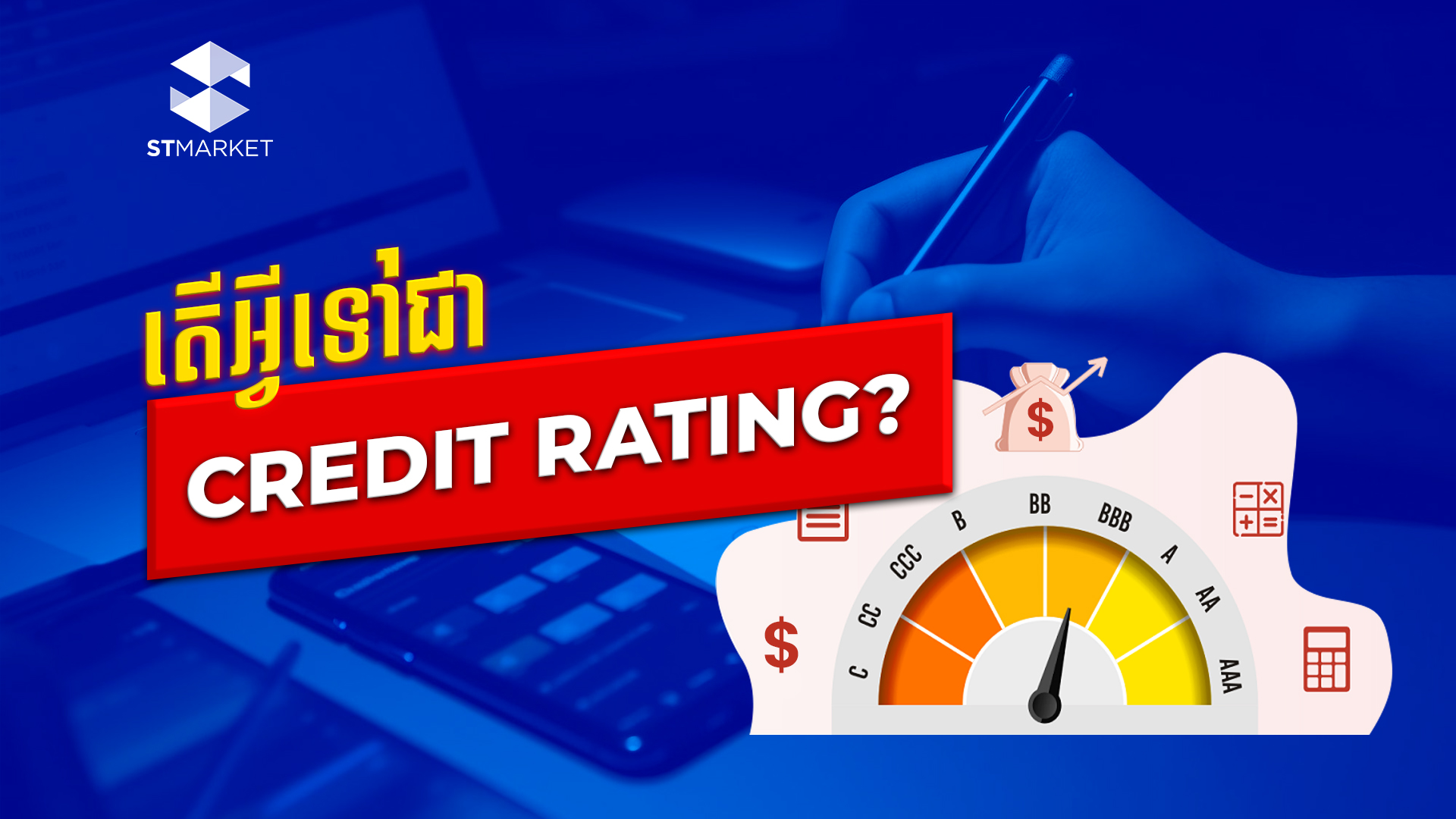
Understanding about Credit Rating ⭐️ គន្លឹះសំខាន់– ចំណាត់ថ្នាក់ឥណទាន ដែលត្រូវបានគេស្គាល់ថាជាពិន្ទុឥណទាន ឬចំណាត់ថ្នាក់ហានិភ័យនៃឥណទាន (Credit Rating) គឺជាពិន្ទុដែលតំណាងឱ្យឥណទានរបស់បុគ្គល ឬអង្គភាពណាមួយ។– ការវាយតម្លៃឥណទានមានសារៈសំខាន់ណាស់ ព្រោះវាអាចឱ្យក្រុមហ៊ុន ឬរដ្ឋាភិបាលធានាបាននូវដើមទុនចាំបាច់ នៅក្នុងអត្រាការប្រាក់ដែលសមរម្យមួយ។– មាត្រដ្ឋានវាយតម្លៃឥណទានដែលគេស្គាល់ និងប្រើជាញឹកញាប់បំផុតនោះគឺជាមាត្រដ្ឋានដែលត្រូវបានបង្កើតឡើងដោយ Standard & Poor’s (S&P), Moody’s និង Fitch Ratings ។– ភ្នាក់ងារវាយតម្លៃឥណទានត្រូវពិចារណាទៅលើកត្តាជាច្រើនក្នុងការសម្រេចចិត្តរបស់ពួកគេ ហើយពួកគេម្នាក់ៗមានយុទ្ធសាស្រ្ត ឬរូបមន្តរៀងៗខ្លួន។ ⭐️ តើអ្វីទៅជាចំណាត់ថ្នាក់ឥណទាន?ចំណាត់ថ្នាក់ឥណទាន ដែលត្រូវបានគេស្គាល់ថាជាពិន្ទុឥណទាន ឬចំណាត់ថ្នាក់ហានិភ័យនៃឥណទាន (Credit Rating) គឺជាពិន្ទុដែលតំណាងឱ្យឥណទានរបស់បុគ្គល ឬអង្គភាពណាមួយ។ វាគឺជាសូចនាករហិរញ្ញវត្ថុដ៏សំខាន់មួយដែលត្រូវបានប្រើប្រាស់ដោយម្ចាស់បំណុល ម្ចាស់ផ្ទះ និងស្ថាប័នហិរញ្ញវត្ថុផ្សេងទៀតដើម្បីវាយតម្លៃហានិភ័យដែលទាក់ទងនឹងការផ្តល់ប្រាក់កម្ចី ការពង្រីកឥណទាន ឬការចូលទៅក្នុងកិច្ចព្រមព្រៀងហិរញ្ញវត្ថុជាមួយអ្នកខ្ចី ឬអង្គភាពណាមួយ។ ⭐️ សារៈសំខាន់នៃចំណាត់ថ្នាក់ឥណទានការវាយតម្លៃឥណទានមានសារៈសំខាន់ណាស់ ព្រោះវាអាចឱ្យក្រុមហ៊ុន ឬរដ្ឋាភិបាលធានាបាននូវដើមទុនចាំបាច់ នៅក្នុងអត្រាការប្រាក់ដែលសមរម្យមួយ។ យ៉ាងណាមិញ ការវាយតម្លៃឥណទានដែលមានពិន្ទុទាបអាចបណ្តាលឱ្យមានការចំណាយលើការខ្ចីប្រាក់ខ្ពស់ ហើយអាចមានផលវិបាកក្នុងការទទួលបានកម្ចីដើមទុនផងដែរ។ ជាទូទៅ អង្គភាពតែងតែស្នើសុំធ្វើការវាយតម្លៃឥណទានសម្រាប់ឧបករណ៍ហិរញ្ញវត្ថុរបស់ពួកគេ (ដូចជាសញ្ញាប័ណ្ណ) ហើយពួកគេនឹងបង់សេវាដល់ភ្នាក់ងារវាយតម្លៃសម្រាប់សេវាកម្មនោះ។ ការវាយតម្លៃទាំងនេះផ្តល់នូវរង្វាស់ក្នុងការផ្តល់ឥណទានដ៏សក្តិសម និងទំនុកចិត្តដល់វិនិយោគិន ដែលធ្វើឱ្យកាន់តែមានភាពងាយស្រួលសម្រាប់អង្គភាព ឬរដ្ឋាភិបាលក្នុងការស្នើសុំដើមទុនដើម្បីពង្រីកអាជីវកម្មរបស់ពួកគេ។ ⭐️ មាត្រដ្ឋានវាយតម្លៃឥណទានភ្នាក់ងារវាយតម្លៃឥណទានប្រើប្រាស់មាត្រដ្ឋានវាយតម្លៃឥណទានផ្សេងៗគ្នា ដើម្បីវាយតម្លៃនូវភាពសក្តិសមនៃពិន្ទុឥណទានរបស់អង្គភាព រួមទាំងបុគ្គល សាជីវកម្ម និងរដ្ឋាភិបាល។ មាត្រដ្ឋានវាយតម្លៃឥណទានត្រូវបានប្រើប្រាស់ខុសគ្នាបន្តិចបន្តួចអាស្រ័យទៅលើភ្នាក់ងារផ្សេងៗ ប៉ុន្តែមាត្រដ្ឋានវាយតម្លៃឥណទានដែលគេស្គាល់ និងប្រើជាញឹកញាប់បំផុតនោះគឺជាមាត្រដ្ឋានដែលត្រូវបានបង្កើតឡើងដោយ Standard & Poor’s (S&P), Moody’s និង Fitch Ratings ដែលមាត្រដ្ឋានទាំងនេះ ជាធម្មតារាប់ចាប់ពីភាពសក្តិសមនៃពិន្ទុឥណទានខ្ពស់រហូតដល់ភាពសក្តិសមនៃពិន្ទុឥណទានទាប ដូចមាននៅក្នុងតារាងខាងក្រោម៖ ⭐️ Credit Rating Scale: S&P Global Moody’s Fitch Ratings AAA Aaa AAA AA Aa AA A A A BBB Baa BBB BB Ba BB B B B CCC Caa CCC CC Ca CC C C C D — RD — — D មាត្រដ្ឋានវាយតម្លៃឥណទានទាំងនេះអាចជួយវិនិយោគិន និងម្ចាស់ប្រាក់កម្ចីវាយតម្លៃអំពីភាពសក្តិសមនៃឥណទានក្នុងការផ្គត់ផ្គង់ឧបករណ៍ហិរញ្ញវត្ថុ ដូចជាសញ្ញាប័ណ្ណ ឬប្រាក់កម្ចីបានយ៉ាងឆាប់រហ័ស។ ការវាយតម្លៃឥណទានដែលមានពិន្ទុខ្ពស់អាចបង្ហាញពីហានិភ័យទាប ខណៈពេលដែលការវាយតម្លៃឥណទានដែលមានពិន្ទុទាបបង្ហាញពីកម្រិតហានិភ័យខ្ពស់។ ភ្នាក់ងារផ្សេងៗគ្នាក៏អាចប្រើនិមិត្តសញ្ញា និងការសម្គាល់បន្ថែម ដើម្បីជាជំនួយក្នុងការវាយតម្លៃរបស់ពួកគេបន្ថែមទៀត។ ខណៈពេលដែលមាត្រដ្ឋានទាំងនេះផ្តល់ជាព័ត៌មានដ៏មានតម្លៃក៏ពិតមែន តែវាមិនមែនជាកត្តាតែមួយគត់កំណត់បានក្នុងការវាយតម្លៃហានិភ័យឥណទានឡើយ គឺត្រូវរាប់បញ្ចូលនូវកត្តាផ្សេងៗទៀតដូចជាលក្ខខណ្ឌសេដ្ឋកិច្ច និងសន្ទស្សន៍អារម្មណ៍ទីផ្សារហិរញ្ញវត្ថុដែលចូលរួមដើរតួយ៉ាងសំខាន់ក្នុងការសម្រេចចិត្តមុននឹងធ្វើការវិនិយោគផងដែរ។ ⭐️ កត្តាវាយតម្លៃឥណទានភ្នាក់ងារវាយតម្លៃឥណទានត្រូវពិចារណាទៅលើកត្តាជាច្រើនក្នុងការសម្រេចចិត្តរបស់ពួកគេ ហើយពួកគេម្នាក់ៗមានយុទ្ធសាស្រ្ត ឬក្បួនរៀងៗខ្លួន។ ជាទូទៅ ក្បួនទាំងនោះគឺជាកត្តាសំខាន់ដែលអាចមានឥទ្ធិពលលើការវាយតម្លៃឥណទានរបស់ក្រុមហ៊ុន ឬអ្នកខ្ចីរបស់រដ្ឋាភិបាល៖– ប្រវត្តិនៃការទូទាត់របស់អង្គភាព រួមទាំងការខកខានការបង់ប្រាក់ ឬការមិនបានបង់ប្រាក់កន្លងមក– ចំនួនទឹកប្រាក់ដែលជំពាក់បច្ចុប្បន្ន និងប្រភេទបំណុលដែលមាន– លំហូរសាច់ប្រាក់ និងចំណូលបច្ចុប្បន្ន– ទីផ្សាររួម ឬទស្សនវិស័យសេដ្ឋកិច្ច– ករណីពិសេសណាមួយដែលអាចរារាំងការសងបំណុលឱ្យទាន់ពេលវេលា យើងត្រូវចំណាំថាការវាយតម្លៃឥណទានគឺពាក់ព័ន្ធនឹងការវិនិច្ឆ័យមួយចំនួន ដែលអាស្រ័យលើខាងភ្នាក់ងារវាយតម្លៃឥណទាន ហើយវាអាចមានការប្រែប្រួលបានគ្រប់ពេលវេលា ទោះបីជាអង្គភាពមួយដែលមានប្រវត្តិនៃការបង់ប្រាក់ដ៏ទៀងទាត់ក៏ដោយ ក៏អាចត្រូវបានចំណាត់ថ្នាក់ពិន្ទុឥណទានទាបដែរ ប្រសិនបើភ្នាក់ងារវាយតម្លៃឥណទានជឿជាក់ថាសមត្ថភាពក្នុងការទូទាត់សងរបស់ពួកគេគឺនឹងត្រូវចុះខ្សោយ។ | English Version | ⭐️ Key takeaway– A credit rating, also known as a credit score or credit risk rating, is a numerical representation of an individual’s or an entity’s creditworthiness.– The importance of credit ratings extends beyond just prospective investors to the entities being rated– The most commonly known and used credit rating scale is the one developed by Standard & Poor’s (S&P) and Moody’s.– Credit rating agencies consider a wide range of factors in forming their opinions, and they each have their own formulas. ⭐️ What is Credit Rating?A credit rating, also known as a credit score or credit risk rating, is a numerical representation of an individual’s or an entity’s creditworthiness. It is a crucial financial indicator used by lenders, creditors, landlords, and other financial institutions to assess the risk associated with lending money, extending credit, or entering into financial agreements with the borrower or entity. ⭐️ Importance of credit ratingThe importance of credit ratings extends beyond just prospective investors to the entities being rated. A high credit rating enables a company or government to secure the necessary capital at favorable interest rates, making it more affordable. On the other hand, a low credit rating may result in higher borrowing costs or even difficulty in accessing capital. Entities usually request credit ratings for themselves or their financial instruments (like bonds), and they compensate rating agencies for this service. These ratings provide a measure of creditworthiness and trust to potential investors, making it easier for entities to attract capital for various purposes, from business expansion to government projects. ⭐️ Credit rating scaleCredit rating agencies use various credit rating scales to assess the creditworthiness of entities, including individuals, corporations, and governments. Different agencies may use slightly different scales, but the most commonly known and used credit rating scale is the one developed by Standard & Poor’s (S&P) and Moody’s. These scales typically range from high creditworthiness to low creditworthiness, as follows: ⭐️ Credit Rating Scale: S&P Global Moody’s Fitch Ratings AAA Aaa AAA AA Aa AA A A A BBB Baa BBB BB Ba BB B B B CCC Caa CCC CC Ca CC C C C D — RD — — D These credit rating scales help investors and lenders quickly assess the creditworthiness of the issuer of a financial instrument, such as a bond or a loan. Higher ratings suggest a lower risk of default, while lower ratings indicate a higher level of risk. Different agencies may also use additional symbols and modifiers to further refine their assessments. It’s important to note that while these scales provide valuable information, they are not the sole factors considered when evaluating credit risk, and other factors like economic conditions and financial market sentiment also play a role in investment decisions. ⭐️ Credit rating factorsCredit rating agencies consider a wide range of factors in forming their opinions, and they each have their own formulas. In general, these are some of the major factors that can influence the credit rating of a company or government borrower:– The entity’s payment history, including any missed payments or past defaults– The amount it currently owes and the types of debt it has– Current cash flows and income– The overall market or economic outlook– Any unique issues that might prevent timely repayment of debts Note that credit ratings involve some judgment calls on the part of the agency and are subject to change. Even an entity with a spotless payment history can be downgraded if the rating agency believes its ability to make repayments will be impaired.

Key Insights: What happened last night? តើមានអ្វីកើតឡើងកាលពីយប់មិញ? ស្ថានភាពទីផ្សារហាក់ដូចជាមានសភាពច្របូកច្របល់ខ្លាំង ក្រោយពីការប្រកាសផែនការវិនិយោគមួយចំនួនដោយលោកប្រធានាធិបតី Donald Trump កាលពីម្សិលមិញ។ ជាក់ស្តែង ទីផ្សារភាគហ៊ុន ទីផ្សារមូលបត្របំណុល និងគ្រីបតូ ទាំងអស់កំពុងធ្លាក់ចុះគួរឱ្យចាប់អារម្មណ៍។ ចំណែកឯតម្លៃប្រេងក៏ធ្លាក់ចុះដែរ លើកលែងតែតម្លៃមាសដែលឡើងថ្លៃតែប៉ុណ្ណោះ។ នេះក៏ត្រូវបានគាំទ្រដោយការកើនឡើងនៃសន្ទស្សន៍ VIX ដោយបង្ហាញពីការភ័យខ្លាចកាន់តែច្រើនពីវិនិយោគិន។ ទាំងអស់នេះគឺជាលទ្ធផលពី៖ អ្វីដែលគួរតាមដាន៖ |English Version| What happened last night? The market seems to be in very bad conditions from yesterday’s investment plan announced by President Donald Trump, as the stock market, bond market, and crypto are all falling like there is no way back. Oil prices also dropped, except for gold prices, which are rising ahead of uncertainty. This is also supported by a higher VIX index that indicates a rising fear from investors. All of these are the result of: Looking Forward:
របាយការណ៍សង្ខេបទិន្នន័យប្រចាំសប្តាហ៍ ត្រូវនឹងថ្ងៃទី 03 ខែមីនា ឆ្នាំ2025 នៅក្នុងរបាយការណ៍នេះ យើងនឹងតាមដានទៅលើបណ្តាសេដ្ឋកិច្ចសំខាន់ៗ រួមមានសហរដ្ឋអាមេរិក តំបន់អឺរ៉ុប និងកាណាដា ដែលភាគច្រើនផ្តោតសំខាន់ទៅលើសូចនាករសេដ្ឋកិច្ច និងព្រឹត្តិការណ៍សេដ្ឋកិច្ចមួយចំនួនដែលបានកើតឡើងក្នុងសប្តាហ៍នេះ។ ប្រទេសកាណាដា ដោយសារតែមានការបន្ធូរបន្ថយគោលនយោបាយរូបិយវត្ថុពីធនាគារកណ្តាលនៅកាណាដានាពេលថ្មីៗនេះ ឥឡូវនេះយើងចាប់ផ្តើមឃើញមានការកើនឡើងយ៉ាងប្រសើរពីតម្រូវការប្រើប្រាស់ក្នុងស្រុក ស្របពេលដែលវិនិយោគិនមួយចំនួននៅតែមានភាពភ័យខ្លាចចំពោះការដំឡើងពន្ធនៅថ្ងៃស្អែក (ថ្ងៃទី 4 ខែមីនា)។ ដូច្នេះ កត្តាដូចជាភាពរឹងមាំនៃកំណើនសេដ្ឋកិច្ច និងលទ្ធភាពនៃការកើនឡើងអត្រាអតិផរណាពីពន្ធគយអាចនឹងបង្អាកក្នុងការកាត់បន្ថយអត្រាការប្រាក់របស់ធនាគារកណ្តាលថែមទៀត។ អឺរ៉ុប ដូចដែលបានបង្ហាញខាងលើ អតិផរណាភាគច្រើននៅក្នុងតំបន់អឺរ៉ូកំពុងចាប់ផ្តើមកើនឡើងជាបន្តបន្ទាប់ ជាពិសេសមុនពេលដែលពន្ធរបស់លោក Trump ចូលជាធរមាន។ នេះក៏អាចកើតមានឡើងដោយសារតែការកើនឡើងនៃអតិផរណាប្រាក់ឈ្នួលដែលបានគាបសង្កត់លើប្រាក់ចំណេញរបស់អាជីវកម្មពួកគេ ពោលគឺបង្កើននូវហានិភ័យអតិផរណាកាន់តែខ្ពស់ជាងមុន។ អ្វីដែលសំខាន់នោះគឺផ្អែកទៅលើការសម្រេចចិត្តរបស់លោក Trump ទៅលើពន្ធ 25%។ ប្រសិនបើលោកសម្រេចថានឹងដាក់ពន្ធនេះទៅលើអឺរ៉ុប នោះយើងនឹងឃើញពីការកើនឡើងកាន់តែច្រើនពីអត្រាអតិផរណា ស្របពេលដែលតម្រូវការអាចនឹងកាត់បន្ថយជាងមុន។ ដូច្នេះហើយបានជាវិនិយោគិននឹងតាមដានទៅលើការសម្រេចចិត្តអត្រាការប្រាក់របស់ធនាគារកណ្តាលអឺរ៉ុប ដោយជឿជាក់ថាអាចនឹងកាត់បន្ថយបន្ថែមទៀត។ សហរដ្ឋអាមេរិក ទោះបីជាកំណើនសេដ្ឋកិច្ចរបស់សហរដ្ឋអាមេរិកបានកាត់បន្ថយបន្តិចក៏ដោយ ក៏វានៅតែមានសភាពរឹងមាំនោះដែរ ដោយសារតែការកើនឡើងនៃការចំណាយរបស់ប្រជាជននៅទីនោះរហូតទៅដល់ 4.2%។ ប៉ុន្តែតម្លៃទំនិញវិញនៅតែមានកម្រិតខ្ពស់ដដែល។ ការទិញធំក៏ជាភស្តុតាងមួយទៀតដែលបង្ហាញថាមនុស្សនៅតែអាចមានសមត្ថភាពក្នុងការចាយវាយទូទៅ ហើយតម្រូវការនៅតែមាននៅក្នុងសេដ្ឋកិច្ច។ ទោះជាយ៉ាងណាក៏ដោយ អតិផរណាខ្ពស់នាពេលថ្មីៗនេះក៏ជាបញ្ហាប្រឈមមួយសម្រាប់ធនាគារកណ្តាលអាមេរិកក្នុងការបង្អាក់លើការបន្ទាបអត្រាការប្រាក់ ជាពិសេសជាមួយនឹងការរំពឹងទុកអតិផរណាដែលកំពុងបន្តមានពីគោលនយោបាយពន្ធដារ។ នេះគឺជាការអាប់ដេតព័ត៌មានខ្លះៗរបស់លោក Trump។ |English Version| Weekly Data Summary Report As of March 3, 2025 In this report, we will assess major economies, including the United States, the Eurozone, and Canada, mainly based on their economic indicators and economic events that have occurred within this week. Canada Given how the Bank of Canada has aggressively eased the monetary policy, the growth is now starting to see some differences through having more demand coming from household consumption, while some are concerning about the looming tariff from Trump’s policy tomorrow (March 4). Therefore, all of these factors—strong growth and potential inflation from tariffs—would likely hint at a pause from the Bank of Canada. The European As shown above, most of the inflation in the Eurozone is starting to tick up ahead of the Trump tariff having come into effect. This could be mainly due to an increase in wage inflation that has squeezed the business’s profit while keeping the inflation risk higher. But the important part depends on Trump’s tariff decision is whether 25% will really come into effect. If so, then we are likely to see more inflation flow into the Eurozone and result in a scarcity of demand consumption. All are now looking into the ECB’s rate decision this week with another easing projection. The United States A softer US economic growth, yet remains in a strong zone as consumer spending is still surging to 4.2%, although pricing is still putting some constraints on the budgeting. Big-purchasing is also another way of showing that people are still able to pay off goods; demand is still flowing around, which keeps the growth in good condition as of now. However, recent high inflation is also a challenge for the Federal Reserve on pausing, especially with ongoing inflation expectations from tariff policy. Here are some updated from the Trump post.

Risk-On, Risk-Off: Understanding the Mindset បម្រែបម្រួលទីផ្សារអាចកើតមានឡើងដោយសារកត្តាជាច្រើន រួមទាំងកត្តាសន្ទស្សន៍អារម្មណ៍របស់វិនិយោគិន ឬស្ថានភាពសេដ្ឋកិច្ច ឬក៏ការផ្លាស់ប្តូរគោលនយោបាយផ្សេងៗ។ យ៉ាងណាមិញ តើអ្នកមានធ្លាប់ឃើញពីការប្រែប្រួល ដោយមិនមានហេតុផលសមស្របពីខាងក្រោយដែរ ឬទេ? ទាំងនេះអាចចាត់ទុកថាជា “Risk off និងRisk on mentality”។ តើនេះមានន័យយ៉ាងណា? ចាត់ទុកវាជាសន្ទស្សន៍អារម្មណ៍របស់វិនិយោគិន ដែលប្រែប្រួលតាមរយៈភាពភ័យខ្លាច ឬសុទិដ្ឋិនិយម។ Risk Off = ភាពភ័យខ្លាច ប្រសិនបើអ្នកវិនិយោគមានការភ័យខ្លាចដោយសារតែមានភាពមិនច្បាស់លាស់ក្នុងទីផ្សារ ឬការផ្លាស់ប្តូរគោលនយោបាយសំខាន់ៗ នោះពួកគេនឹងមានការស្ទាក់ស្ទើរក្នុងការដាក់ទ្រព្យសកម្មទាំងអស់របស់ពួកគេនៅក្នុងការវិនិយោគ ជាពិសេសការវិនិយោគដែលមាន “ហានិភ័យខ្ពស់ ផលចំណេញខ្ពស់”។ ពេលខ្លះពួកគេក៏អាចផ្លាស់ប្តូរការវិនិយោគនេះទៅរកទ្រព្យសម្បត្តិដែលមានសុវត្ថិភាពវិញ ឬទ្រព្យសម្បត្តិដែលងាយស្រួលក្នុងការចាយវាយ ដូចជាសាច់ប្រាក់ ដើម្បីកាត់បន្ថយហានិភ័យនៃភាពមិនច្បាស់លាស់នេះ។ ដូច្នេះ ពួកគេអាចលក់ទ្រព្យសម្បត្តិរបស់ពួកគេចេញ(ដែលគេហៅថា Sell-off) ដើម្បីយកប្រាក់ចំណេញដែលពួកគេទទួលបាន។ ដូច្នេះទាំងអស់នេះគឺជាលក្ខណៈមួយចំនួនដែលត្រូវបានគេមើលឃើញថាជា “Risk off”។ ជាក់ស្តែង គឺការដែលវិនិយោគិនព្យាយាមក្នុងការរក្សាប្រាក់ដែលកំពុងមាន ជាជាងការយកទៅវិនិយោគដើម្បីទទួលបានប្រាក់ចំណេញ។ Risk on = សុទិដ្ឋិនិយម ផ្ទុយទៅវិញ ប្រសិនបើអ្នកមានសុទិដ្ឋិនិយមអំពីទស្សនវិស័យសេដ្ឋកិច្ចខ្ពស់ ហើយរំពឹងថានឹងមានផលចំណេញបានច្រើន នោះគេហៅថា “Risk on”។ ពួកគេនឹងវិនិយោគទៅលើទ្រព្យសកម្ម ដើម្បីបង្កើតលំហូរប្រាក់ចំណូលបន្ថែមទៀត។ កត្តាដែលជះឥទ្ធិពល ការផ្លាស់ប្តូរសន្ទស្សន៍អារម្មណ៍ ឬសន្ទស្សន៍ទំនុកចិត្តភាគច្រើនគឺដោយសារតែភាពមិនច្បាស់លាស់នៅក្នុងទស្សនវិស័យសេដ្ឋកិច្ច ការផ្លាស់ប្តូរគោលនយោបាយទាំងពីរដ្ឋាភិបាលនិងធនាគារកណ្តាល ឬមតិយោលបល់ផ្សេងៗរបស់វិនិយោគិនល្បីៗដូចជា Warren Buffet ឬ Ray Dalio ជាដើម។ ជាឧទាហរណ៍ ប្រសិនបើធនាគារកណ្តាលដំឡើងអត្រាការប្រាក់ នេះបង្ហាញពីការរឹតបន្តឹងគោលនយោបាយរូបិយវត្ថុបន្ថែមទៀត ដែលអាចពន្យឺតកំណើនសេដ្ឋកិច្ច និងនាំទៅភាពភ័យខ្លាចកាន់តែច្រើន ឬRisk off។ វិបត្តិហិរញ្ញវត្ថុឆ្នាំ 2009 ក៏ជាឧទាហរណ៍ដ៏ជ្រាលជ្រៅមួយទៀតនៃ “សេណារីយ៉ូ Risk off” ដែលបង្កឡើងដោយការដួលរលំនៃទីផ្សារលំនៅឋាន និងវិបត្តិធនាគារជាបន្តបន្ទាប់។ បើក្រឡេកមើលព័ត៌មានថ្មីៗ៖ ការលួចលុយគ្រីបតូ $1.5bn របស់ក្រុមហ៊ុន ByBit ដោយកូរ៉េខាងជើង ដោយបានបង្កភាពមិនប្រាកដប្រជាក្នុងទីផ្សារជាពិសេសអ្នកដែលកំពុងមាន bitcoin នៅក្នុងដៃ។ ជាការឆ្លើយតបតម្លៃ Bitcoin បានធ្លាក់ចុះយ៉ាងខ្លាំងមកនៅខាងក្រោម $85,000 ហើយតម្លៃកាក់ផ្សេងទៀតក៏បានធ្លាក់ចុះជាបន្តបន្ទាប់។ ទន្ទឹមនឹងនេះ ក៏មានព័ត៌មានមួយចំនួនដែលលើកឡើងថាលោក Warren Buffet បានលក់ទ្រព្យសម្បត្តិ និងបង្កើននូវការរក្សាទុកប្រាក់ក្នុងដៃកាន់តែច្រើន។ ហើយនេះក៏បានធ្វើឱ្យមនុស្សមួយផ្សេងធ្វើតាមលោក។ ទាំងអស់នេះគឺជាអ្វីដែលនាំឱ្យមានភាពចលាចលនៅក្នុងទីផ្សារភាគហ៊ុន ទីផ្សារវត្ថុធាតុដើម ព្រមទាំងទីផ្សារគ្រីបតូ។ សូមចំណាំថា ការក្លេងបន្លំនៅក្នុងទីផ្សារមានទម្រង់ផ្សេងៗពីគ្នា ដែលនៅក្នុងនោះក៏មានការត្រួតពិនិត្យបទប្បញ្ញត្តិផងដែរ។ ការប្រៀបធៀបរវាង Risk On និង Risk Off ទ្រព្យសម្បត្តិដែលពេញចិត្តក្នុងអំឡុងពេលនីមួយៗ ឈ្វេងយល់ឱ្យស៊ីជម្រៅអំពីទ្រព្យសកម្មប្រភេទណាដែលមានប្រយោជន៍ខ្លាំងសម្រាប់ Risk On និង Risk Off ដោយសារតែមិនមែនគ្រប់ហានិភ័យទាំងអស់គួរតែមិនធ្វើអ្វីទាំងអស់នោះឡើយ។ ដូចអ្វីដែលលោក Warren Buffet បាននិយាយថា “ត្រូវភ័យខ្លាចនៅពេលដែលអ្នកដទៃលោភលន់ ហើយលោភលន់ពេលអ្នកដទៃភ័យខ្លាច”។ ហើយទោះបីជាទីផ្សារមិនអាចទាយទុកជាមុនបានក៏ដោយ ក៏មានទ្រព្យសម្បត្តិមួយចំនួនដែលអ្នកអាចពិចារណាខាងក្រោម៖ ក្នុងអំឡុងពេលដែលមានហានិភ័យខ្ពស់ មនុស្សភាគច្រើននិយមឈ្វេងរកទ្រព្យសម្បត្តិដែលមានសុវត្ថិភាពដូចជាមាស ប័ណ្ណរដ្ឋាភិបាល រូបិយប័ណ្ណមួយចំនួនដូចជា USD, Swiss Franc, និង JPY ជាដើម ឬភាគហ៊ុនបែប Defense (KO, WMT, Unilever, JNJ ឬភាគហ៊ុនដែលទាក់ទងនឹងឧបករណ៍ប្រើប្រាស់ ឬរបស់របរប្រើប្រាស់ប្រចាំថ្ងៃ) ក្នុងអំឡុងពេលដែលមានហានិភ័យទាប វិនិយោគិនជាធម្មតាផ្តោតលើក្រុមហ៊ុនដែលបានបង្កើតអ្វីដែលថ្មី ឬក្រុមហ៊ុនបច្ចេកវិទ្យាដែលពាក់ព័ន្ធនឹងបច្ចេកវិទ្យាថ្មីៗដូចជា AI, cloud computing, រថយន្តអគ្គិសនី (NVDA, TSLA, APPL, etc.) ឬក្រុមហ៊ុនឈានមុខគេផ្នែកវេជ្ជសាស្រ្ត។ ការពិពណ៌នាខាងលើទាំងអស់មិនគួរចាត់ទុកថាជាការប្រឹក្សាយោលបល់លើការវិនិយោគនោះទេ។ ដូច្នេះ លោកអ្នកគួរគប្បីពិចារណាឱ្យបានច្បាស់លាស់មុនធ្វើការសម្រេចចិត្ត។ |English Version| The market can be changed for various reasons, either due to sentiment, economic outlook, or policy changes. Yet, ever seen how there are significant changes without any reason behind? Like just a sudden swift. All of these are sometimes found by what we called “risk off and risk on mentality.”. What exactly does this mean? Think of it as an investor’s sentiment, which is driven by fear or optimism. Risk off = Fearful If investors are being fearful due to a high uncertainty outlook or significant policy change, then they will be reluctant to put all their assets in a “high risk, high return” type of asset or even on any investment. They sometimes go for safe haven assets or even high-liquidity assets such as cash to reduce the risk of uncertainty. Therefore, they might sell out their asset to take on the profit they have gained. So all of these are the characteristics of what we called “risk-off” mentality. With that being said, the goal is to preserve the capital rather than generate a high return. Risk on = Optimism Vice versa, if you have optimism about the economic outlook and anticipate a high return, then this is called “risk on.” They would pull most of the asset to generate a more income stream and return on investment. Factor cause To review, most of the sentiment shift is mainly due to uncertainty in the economic outlook, policy changes either from the government or central banks, market manipulation, or the market players’ opinions, such as Warren Buffett or Ray Dalio. For example, if the central bank raises interest rates, this signals a tightening monetary policy that can slow down economic growth and lead to risk-off behavior. The 2009 financial crisis is also another profound example of the prolonged “risk off scenario,” triggered by the collapse of the housing market and subsequent banking crisis. Take a look at recent news: A $1.5bn hack of crypto exchange ByBit by North Korean. A big boom in news leads to a risk-off mentality as investors who hold on to bitcoin are being fearful of their underlying asset. In response, Bitcoin has dropped dramatically to below $85,000 and other coins’ prices have dropped. Along with how Warren Buffett sold off his underlying assets and held on to cash more, it was also another factor to influence many to do the same thing. All of these are what have led to turbulence in the stock market, commodities, and crypto market. Please note that manipulation can take various forms and is subject to regulatory oversight Comparison Between Risk On and Risk Off Favored assets during each period Dive deeply into what kind of asset would be very beneficial for risk-off and risk-on mentalities, as not all risk-off strategies deserve to hold on to cash or do nothing. Just like what Warren Buffet said, “Be fearful when others are greedy. Be greedy when others are fearful.” And even if the market is quite unpredictable, there are some assets you may consider below: All of the above descriptions are not meant for investment advice; therefore, kindly take them as part of your consideration before making any informed decision.

Key Market Insights Ahead of the Inflation Data Release ទិន្នន័យអតិផរណារបស់សហរដ្ឋអាមេរិកនៅយប់នេះនឹងផ្តល់នូវទស្សនវិស័យមួយចំនួនអំពីបម្រែបម្រួលអត្រាអតិផរណា ព្រមទាំងសកម្មភាពដែលទីផ្សារបានធ្វើបន្ទាប់ពីបានឮការគំរាមកំហែងពន្ធពីប្រធានាធិបតីអាមេរិក។ តើពួកគេនឹងទិញទុកមុនដើម្បីទទួលបានអត្ថប្រយោជន៍មុនពន្ធមកដល់ ឬពួកគេមិនបានធ្វើអ្វីសោះ? អ្វីដែលយើងបានដឹងកាលពីម្សិលមិញ៖ អត្រាអតិផរណាប្រចាំត្រីមាសបានកើនឡើងខ្ពស់ជាងការរំពឹងទុក ដោយបង្កើននូវលទ្ធភាពដែលធនាគារកណ្តាលអាមេរិកអាចនឹងរក្សាអត្រាការប្រាក់ឱ្យកាន់តែយូរជាងនេះ។ ដោយនៅក្នុងនោះក៏គេបានលើកឡើងពីកំណើនតម្លៃស៊ុតខ្ពស់ព្រមទាំងតម្លៃលំនៅឋាន។ ពោលគឺអាចនឹងនាំទៅរកការកើនឡើងនៃការរំពឹងទុកអត្រាអតិផរណាបន្ថែមទៀត។ ការរំពឹងទុក៖ ទោះបីជាដូច្នេះក៏ដោយ បើយោងតាមការព្យាករណ៍របស់អ្នកវិភាគ គេជឿជាក់ថាអាចនឹងមានកម្រិតទាបជាងមុន ហើយទិន្នន័យការចំណាយផ្សេងៗអាចនឹងជឿជាក់ថាធ្លាក់ចុះមករក 0.2% នៅក្នុងខែមករា។ នេះអាចបណ្តាលមកពីការស្ទាក់ស្ទើរក្នុងការទិញទំនិញក្នុងអំឡុងពេលមិនប្រាកដប្រជាក៏ថាបាន។ យ៉ាងណាមិញ ព័ត៌មានបន្ថែមទៀតនឹងចេញផ្សាយតាមរយៈរបាយការណ៍នៅយប់នេះ។ ប្រតិកម្មតម្លៃមាសដែលអាចកើតមានអាស្រ័យលើហេតុផលផ្សេងៗ។ ប៉ុន្តែប្រសិនបើទិន្នន័យអតិផរណាឡើងកាន់តែខ្លាំង ហើយនាំឱ្យធនាគារកណ្តាលអាមេរិក (Federal Reserve) រក្សាអត្រាការប្រាក់បន្ថែមទៀត នោះវានឹងទំនងជាធ្វើឱ្យតម្លៃមាសធ្លាក់ចុះ។ ប្រសិនបើទិន្នន័យអតិផរណាទាបជាងមុន នោះតម្លៃមាសអាចនឹងល្អបន្តិច (ទោះបីជាមិនច្រើនក៏ដោយ)។ កត្តាផ្សេងទៀតអាចជំរុញដោយព័ត៌មានកិច្ចប្រជុំរបស់លោក Trump នៅយប់នេះជាមួយនាយករដ្ឋមន្ត្រីអ៊ុយក្រែន ដែលត្រូវបានគេតាមដានយ៉ាងសកម្មមុនពេលទីផ្សារបិទ។ |English Version| US inflation data tonight will give a rough idea of the direction of the disinflation progress, along with how the market did after hearing the tariff threat from the US’s president. Did they buy-front to get an advantage ahead of the tariff come or did they do nothing? What we learned: Quarterly inflation surged higher than expected, giving the dooming idea that the Federal Reserve will remain faithful to holding the rate for longer. All come with higher egg prices to housing prices, and yet, a higher tariff is likely to continue fueling the inflation expectation. Expectation: Despite this, most inflation data could probably come softer with major spending expected to reduce to 0.2% in January, as per analysts. Perhaps reluctant to purchase goods during uncertainty? But further clear insights will be shown through the report tonight. Possible gold price reaction depends on various reasons. Yet if the inflation data heat up once again and lead the Federal Reserve to become hawkish, then this will likely weaken the gold price. If the cooling data come, then there will remain a positive message for the gold, albeit not much. Other factors from Trump’s meeting tonight with Prime Minister of Ukraine will likely be a key highlight before the market closes.

Key Updates: Tariff Implementation on Schedule, War’s Uncertain End, Rare Mineral Agreement Today, and Federal Reserve’s Concerns |English Version|

Economic Aspect to consider: US Gross Domestic Product វិនិយោគិនជាច្រើននឹងតាមដានទៅលើការចេញផ្សាយនូវទិន្នន័យផលិតផលក្នុងស្រុកសរុបសម្រាប់ត្រីមាសចុងក្រោយ ដោយពួកគេជឿជាក់ថាទិន្នន័យនេះអាចនឹងមានកម្រិតទាបជាងមុន ហើយអតិផរណាវិញនៅតែអាចកើនឡើងខ្ពស់ជាងមុនផងដែរ។ ទាំងអស់នេះសុទ្ធតែបណ្តាលមកពីភាពមិនច្បាស់លាស់ក្នុងកំណើនសេដ្ឋកិច្ចចំពោះពន្ធគយ ព្រមទាំងការវិវត្តន៍នៃភូមិសាស្ត្រនយោបាយ ដែលទំនងជានឹងធ្វើឱ្យប៉ះពាល់ដល់ទស្សនវិស័យ ឬទស្សនអារម្មណ៍របស់វិនិយោគិន។ បើទោះបីជាកំណើនសេដ្ឋកិច្ចនេះអាចនឹងមានកម្រិតដូចអ្វីដែលគេព្យាករណ៍ ឬលើសពីនេះក៏ដោយ នេះក៏មិនមានន័យថាស្ថានភាពសេដ្ឋកិច្ចអាមេរិកមានសុខភាពល្អប្រសើរនោះដែរ។ ជាក់ស្តែង ទិន្នន័យការងារថ្មីដែលគេជឿជាក់ថាទីផ្សារការងារនៅតែមានសភាពរឹងមាំ ប៉ុន្តែលោកអ្នកក៏គួរតែពិចារណាទៅលើការបញ្ឈប់ការងារដោយលោកប្រធានាធិបតី Donald Trump និងលោក Elon Musk នាពេលឥឡូវនេះដែរ។ រំពឹងថានឹងមានការវិនិយោគបន្ថែមទៀតចូលមកសេដ្ឋកិច្ច? អាចនឹងមិនទាន់មកទេ ឬត្រូវការពេលយូរជាងនេះ។ លើសពីនេះ អតិផរណាកំពុងផ្ទុះឡើងនាពេលថ្មីៗ ហើយប្រសិនបើការគំរាមកំហែងពន្ធគយនៅតែមាន នោះយើងទំនងជានឹងឃើញការកាត់បន្ថយលើការចំណាយប្រចាំថ្ងៃរបស់ប្រជាជននៅទីនោះ ហើយតម្រូវការក៏អាចនឹងមានកាន់តែតិចនោះដែរ។ នោះហើយជាមូលហេតុដែលធនាគារកណ្តាលអាមេរិក (Federal Reserve) ឥឡូវនេះកំពុងមានទំនោរទៅរកការរក្សាអត្រាការប្រាក់។ កត្តាដែលបានព្យាករណ៍ទាំងពីរនេះសុទ្ធតែជាកម្លាំងជំរុញសំខាន់នៅក្នុងកំណើនសេដ្ឋកិច្ចអាមេរិករួចទៅហើយ។ ដូច្នេះសាកស្រមៃថា ប្រសិនបើកម្លាំងទាំងពីរនេះទ្រុឌទ្រោម តើកំណើនសេដ្ឋកិច្ចអាចនឹងទៅមុខទៀតដែរ ឬទេ? ចុះបើ រំពឹងថានឹងមានសេដ្ឋកិច្ចរបស់ដៃគូពាណិជ្ជកម្មមកជួយ? ចម្លើយនោះគឺ អាចនឹងមានលទ្ធភាពតិច។ សេដ្ឋកិច្ចអាមេរិកអាចខ្លាំងជាងមិត្តភ័ក្តិភាគច្រើន។ ដោយពិចារណាលើសេដ្ឋកិច្ចរបស់ប្រទេសកាណាដា អ្នកខ្លះបានព្យាករណ៍រួចហើយនូវសេណារីយ៉ូនៃការជាប់គាំង ទោះបីជាមានការបន្ធូរបន្ថយគោលនយោបាយរូបិយវត្ថុយ៉ាងខ្លាំងក៏ដោយ។ ដូចគ្នានឹងសេដ្ឋកិច្ចរបស់ចក្រភពអង់គ្លេសដែលកំពុងស្វែងរកការជំរុញបន្ថែមលើសេដ្ឋកិច្ចរបស់ខ្លួនផងដែរ។ ចំណែកសហភាពអឺរ៉ុប និងសហរដ្ឋអាមេរិកកំពុងមានជម្លោះពាណិជ្ជកម្មនាពេលថ្មីៗនេះ។ ក្រៅពីនេះ ប្រទេសជប៉ុនកំពុងដំណើរការល្អ ប៉ុន្តែក៏កំពុងប្រយុទ្ធប្រឆាំងនឹងបញ្ហាអតិផរណា ហើយរំពឹងថានឹងមានការរឹតបន្តឹងគោលនយោបាយរូបិយវត្ថុផងដែរ។ ដូច្នេះ អាមេរិកអាចជាប្រទេសតែមួយគត់ដែលអាចសង្គ្រោះខ្លួនឯង។ ប៉ុន្តែខ្ញុំនៅតែទន្ទឹងរង់ចាំការផ្លាស់ប្តូរគោលនយោបាយបន្ថែមទៀតពីលោកប្រធានាធិបតី Trump ។ |English Version| Many expected to have softened growth for the last quarter, anticipating an upward inflation problem. All are due to uncertainty in economic growth to tariffs related to geopolitical development, which will likely dampen investor sentiment. Even if the growth meets the projected line or overshoot, this still does not mean that the US economy is in very healthy and balanced economic growth. Recent labor data are solid but do consider the recent layoffs from Trump and Elon Musk’s initiative. Expecting to have more investment pull in? have not come yet. Inflation is flaring like crazy, and if the tariff threat does not fade away or the tariff agreement has not been reached on good terms, then we are likely to see more constraints on budget spending coming in leading to demand deterioration. And that is why the Federal Reserve is now standing side by side on hold for longer. These two projected factors are already eye-soaring for the US economy. So imagine what could be a possible growth coming in where the main driver in growth is already heading toward a downturn. Expecting to have trading partner’s economies help? Very Unlikely. The US economy could be stronger than most peers. Considering Canada’s economy, some already projected a stagflation scenario or what some called a “can’t growth economy,” despite heavy ease. The same as the UK’s economy, which is also seeking stimulus within. The EU and the US have now in a trade conflict recently. Japan is doing fine on its own but is also fighting an inflation battle with an expected tightening monetary policy as well. All of which are trying to fight against their own problems. Therefore, the US could be the only one that can save themselves, more or less. But I’m still looking forward to more policy changes from Trump.