
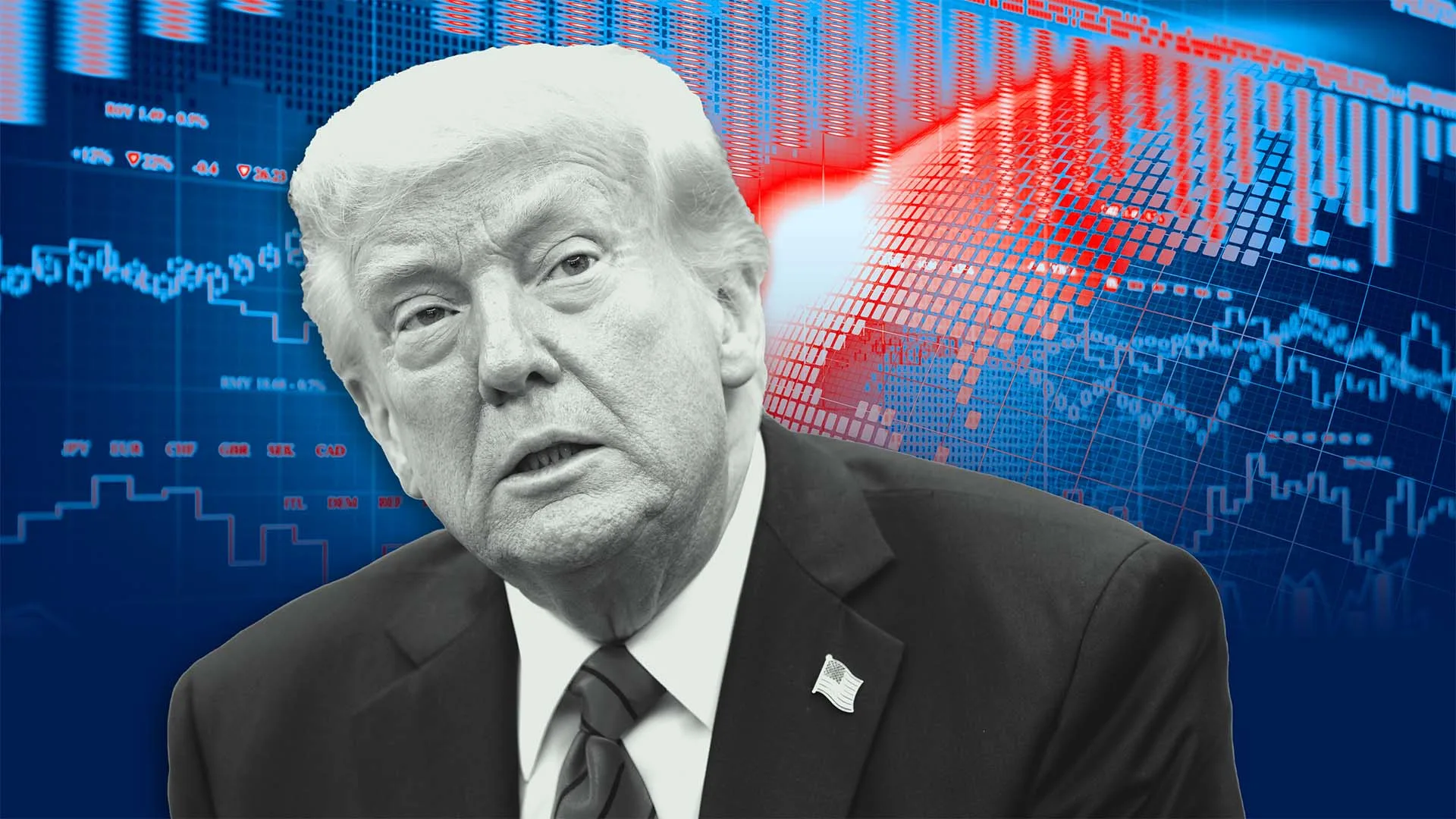
នេះជាអ្វីដែលអ្នកគួរដឹង៖ → ដូច្នេះ ដរាបណាកិច្ចព្រមព្រៀងពាណិជ្ជកម្មនៅមានដដែល តម្លៃមាសទំនងជានឹងបន្តធ្លាក់ចុះ។ ***យកចិត្តទុកដាក់បន្ថែមលើកិច្ចព្រមព្រៀងពាណិជ្ជកម្មរវាងអាមេរិក និងចិនយប់នេះ។*** |English Version| Here is what you should know: → So as long as the trade agreement remains in place, the gold price will likely continue downward. Other than that, look forward to tonight’s US job data—JOLTs Job openings and CB Consumer confidence, which both will offer insights regarding the labor market conditions and consumer sentiment. ***pay extra attention to the trade agreement between the US and China tonight.***

Market Update: Trade negotiations are on the table once again!
តម្លៃមាសបានធ្លាក់ចុះ នៅពេលដែលសហរដ្ឋអាមេរិកបានចុះកិច្ចព្រមព្រៀងពាណិជ្ជកម្មជាមួយនឹងសេដ្ឋកិច្ចធំៗ។ ទីមួយ គឺជាមួយប្រទេសជប៉ុនដែលបានសម្រេចថានឹងយកពន្ធ 15% លើទំនិញជប៉ុន ហើយជប៉ុននឹងវិនិយោគចំនួន 550 ពាន់លានដុល្លារនៅសហរដ្ឋអាមេរិក ខណៈពេលដែលពួកគេក៏នឹងបើកទីផ្សារសម្រាប់រថយន្ត ឡានដឹកទំនិញ អង្ករ និងផលិតផលកសិកម្មមួយចំនួន។ ទី២ ឥណ្ឌូណេស៊ីក៏យល់ព្រមបើកទីផ្សារផងដែរ នេះបើយោងតាមការបង្ហោះព័ត៌មានតាមបណ្តាញសង្គមរបស់លោកប្រធានាធិបតី Donald Trump។ ក្រៅពីនេះ រឿងមួយដែលត្រូវដឹងនោះគឺថា សហរដ្ឋអាមេរិក និងជប៉ុនឥឡូវនេះកំពុងស្វែងរកកិច្ចព្រមព្រៀងថ្មីមួយទៅលើឧស្ម័នធម្មជាតិរាវអាឡាស្កា ខណៈដែលតម្រូវការអង្កររបស់ជប៉ុនអាចនឹងកើនឡើងប្រហែល 75% នេះបើយោងតាមសេចក្តីថ្លែងការណ៍របស់សេតវិមាន។ ទាំងនេះសុទ្ធតែជាព័ត៌មានវិជ្ជមាន។ ទោះបីជាបែបនេះក៏ដោយ លោកប្រធានធនាគារកណ្តាលជប៉ុន Uchida ក៏បានប្តេជ្ញាថានឹងតាមដានសេដ្ឋកិច្ចយ៉ាងជិតស្និទ្ធផងដែរ។ ម៉្យាងវិញទៀត លោក Trump ក៏បានបញ្ជាក់ម្តងទៀតថា លោកអាចនឹងកាត់បន្ថយពន្ធ ប្រសិនបើប្រទេសមួយយល់ព្រមបើកទីផ្សារ (ដូចករណីជប៉ុន)។ បើមិនដូច្នេះទេ ពន្ធកាន់តែខ្ពស់ជាងមុន។ នេះបានផ្តល់ភាពតានតឹងទៅលើសេដ្ឋកិច្ចសំខាន់ៗផ្សេងទៀតដែលមិនគោរពតាមគោលការណ៍របស់លោក។ ហើយដោយសារតែសេចក្តីថ្លែងការណ៍នេះ តម្លៃមាសបានស្ទុះងើបឡើងវិញភ្លាមៗ មុនពេលបន្តនិន្នាការធ្លាក់ចុះរបស់ពួកគេថែមទៀត។ ទន្ទឹមនឹងនេះ សម្រាប់កិច្ចព្រមព្រៀងពាណិជ្ជកម្មរវាងសហរដ្ឋអាមេរិក និងសហភាពអឺរ៉ុបវិញ វិនិយោគិនបានរំពឹងទុកខ្លះថា សហភាពអឺរ៉ុប និងសហរដ្ឋអាមេរិកអាចនឹងឈានទៅដល់ការយកពន្ធចំនួន 15% លើការនាំចូលរបស់អឺរ៉ុប ស្របពេលដែលពួកគេអាចនឹងលើកលែងពន្ធលើផលិតផលមួយចំនួន។ ពោលគឺ វាស្រដៀងទៅនឹងការធ្វើឡើងរបស់ប្រទេសជប៉ុនដែរ។ ប៉ុន្តែប្រសិនបើរឿងនេះបរាជ័យ ហើយលោក Trump នៅតែបន្តគំរាមកំហែងពន្ធ 30% នោះ EU ទំនងជានឹងដាក់ពន្ធត្រឡប់ទៅវិញ។ កត្តាទាំងអស់នេះបានធ្វើឱ្យតម្លៃមាសធ្លាក់ចុះកាលពីយប់មិញ ហើយប្រសិនបើកិច្ចព្រមព្រៀងពាណិជ្ជកម្មភាគច្រើនត្រូវបានព្រមព្រៀងគ្នានោះ និន្នាការធ្លាក់ចុះនេះទំនងជានឹងបន្ត លុះត្រាតែមានកត្តាផ្សេងទៀតចូលមកដូចជា ការកើតឡើងម្តងទៀតនៃសង្គ្រាម អត្រាការប្រាក់ ឬការលាលែងពីតំណែង/ឧក្រិដ្ឋកម្មរបស់ប្រធានធនាគារកណ្តាលអាមេរិក Powell ជាដើម។ |English Version| The Gold prices primarily move downward as the market digests the trade agreement with other major economies. One is with Japan, which includes 15% tariffs on Japanese goods in exchange for an investment of $550 billion in the US and opening the market to cars, trucks, rice, and other selected agricultural products. Second, Indonesia also agrees to open the market as well, in accordance with its social media post. One thing to be aware of is that the US and Japan are now exploring a new offtake agreement for Alaskan liquefied natural gas, while Japan’s rice purchase could be boosted by 75%, as per the White House statement. Even with this positive outlook, the Bank of Japan’s Uchida also vowed to closely monitor the economy. However, shortly after his re-announcement, Trump also reiterated that he “will only lower tariffs if a country agrees to open its market. If not, much higher tariffs.” Leaving more tension in the room for other major economies that do not comply. And with this statement alone, the gold prices shortly rebounded before continuing their downward trend. Meanwhile, for the US-EU trade deal, there is some speculation that the EU and US will be closing on potential 15% tariffs on European imports, with some exemptions on some products, similar to what has been done with Japan. But if this fails and Trump continues to threaten the 30%, then the EU will likely reciprocate. All of these factors caused the gold price to decline last night, and if the majority of the trade deal is agreed upon, then this downtrend would likely continue unless other factors come into play, such as war escalation, the interest rate or Federal Reserve Chair Powell’s resignation/criminality. But the question is for how long?

Breaking News: Global Trade and Economic Updates—July 23, 2025
សហរដ្ឋអាមេរិក៖ លោកប្រធានាធិបតី Trump បានបន្តរិះគន់ប្រធានធនាគារកណ្តាលអាមេរិកលោក Jerome Powell ដោយស្នើឱ្យមានការកាត់បន្ថយអត្រាការប្រាក់យ៉ាងហោចណាស់ 3% ឬប្រហែលជាច្រើនជាងនេះ។ ទន្ទឹមនឹងនេះ រដ្ឋមន្ត្រីក្រសួងរតនាគារសហរដ្ឋអាមេរិក Scott Bessent បានអំពាវនាវឱ្យមានការស៊ើបអង្កេតលើការកែលម្អថ្មីៗរបស់ធនាគារកណ្តាលអាមេរិក ទោះបីជាសុន្ទរកថាចុងក្រោយរបស់លោក Powell មិនបានសំដៅទៅលើក្តីកង្វល់ទាំងនេះក៏ដោយ។ ដូច្នេះតើ Powell បានផ្តោតទៅលើអ្វីកាលពីយប់មិញ? → មិនបានផ្តោតទៅលើគោលនយោបាយរូបិយវត្ថុ ស្ថានភាពសេដ្ឋកិច្ច ឬអតិផរណាទេ។ → ផ្តោតលើស្ថិរភាពប្រព័ន្ធធនាគារ ដូចជាដើមទុនដែលមានគុណភាពខ្ពស់ ហានិភ័យប្រព័ន្ធធនាគារ ព្រមទាំងការធ្វើតេស្តលើប្រព័ន្ធធនាគារតែប៉ុណ្ណោះ។ កិច្ចព្រមព្រៀងពាណិជ្ជកម្ម ហ្វីលីពីន៖ លោក Trump បានចុះកិច្ចព្រមព្រៀងពាណិជ្ជកម្មថ្មីមួយជាមួយប្រទេសហ្វីលីពីន ដោយបានបន្ទាបពន្ធពី 20% ទៅ 19% លើទំនិញហ្វីលីពីន ខណៈពេលដែលមិនយកពន្ធទៅលើទំនិញអាមេរិកនោះទេ(ពន្ធ 0% លើសហរដ្ឋអាមេរិក ទីផ្សារបើកចំហ)។ កិច្ចព្រមព្រៀងនេះក៏រួមបញ្ចូលកិច្ចសហប្រតិបត្តិការយោធាផងដែរ។ → ព័ត៌មានវិជ្ជមានសម្រាប់វិនិយោគិន និងទីផ្សារភាគហ៊ុន → តម្លៃមាសអាចនឹងធ្លាក់ចុះ។ ឥណ្ឌូណេស៊ី៖ លោក Trump បានយល់ព្រមកិច្ចព្រមព្រៀងពាណិជ្ជកម្មជាមួយប្រទេសឥណ្ឌូនេស៊ី ជាមួយនឹងពន្ធ 19% លើទំនិញឥណ្ឌូនេស៊ី និង 0% លើទំនិញរបស់សហរដ្ឋអាមេរិក។ លើសពីនេះ ឥណ្ឌូណេស៊ីក៏នឹងផ្គត់ផ្គង់សារធាតុរ៉ែសំខាន់ៗដល់សហរដ្ឋអាមេរិក ក៏ដូចជាចុះហត្ថលេខាលើកិច្ចព្រមព្រៀងសំខាន់ៗទាក់ទងនឹងយន្តហោះ Boeing ផលិតផលកសិកម្ម និងថាមពលរបស់អាមេរិក ពោលគឺពង្រឹងទំនាក់ទំនងទ្វេភាគី។ កិច្ចព្រមព្រៀងនេះអាចនឹងជះឥទ្ធិពលវិជ្ជមានសម្រាប់ក្រុមហ៊ុនផលិតរថយន្ត ក្រុមហ៊ុនបច្ចេកវិទ្យា និងឧស្សាហកម្មកសិកម្ម → វិជ្ជមានសម្រាប់ទីផ្សារភាគហ៊ុន។ អាមេរិក-ចិន៖ យោងតាមនាយករដ្ឋមន្ត្រី Swedish នាសប្តាហ៍ក្រោយនេះ អាចនឹងមានកិច្ចចរចាពាណិជ្ជកម្មរវាងអាមេរិក និងចិននៅទីក្រុង Stockholm ដោយផ្តោតជាចម្បងលើកិច្ចព្រមព្រៀងពាណិជ្ជកម្ម។ ជប៉ុន៖ នៅព្រឹកមិញនេះ លោក Trump ក៏បានប្រកាសអំពី “កិច្ចព្រមព្រៀងដ៏ធំ” ជាមួយប្រទេសជប៉ុន ដែលនឹងកំណត់ពន្ធ 15% លើការនាំចូលទំនិញជប៉ុន ខណៈដែលមើលឃើញថា 550 ពាន់លានដុល្លារត្រូវបានទាញចូលទៅក្នុងសហរដ្ឋអាមេរិក។ ពន្ធ 15% នេះមានកម្រិតទាបជាងអត្រាពន្ធដំបូងចំនួន 25% (នៅក្នុងលិខិតពន្ធ) ដែលអាចចាត់ទុកថាជាព័ត៌មានសុទិដ្ឋិនិយមបំផុតសម្រាប់មនុស្សគ្រប់គ្នា ជាពិសេសនៅពេលដែលពួកគេបើកអាជីវកម្មលើរថយន្ត និងឡានដឹកទំនិញ អង្ករ និងផលិតផលកសិកម្មមួយចំនួនផ្សេងទៀត។ -> Nikkei បានកើនឡើងនៅក្នុងទីផ្សារអាស៊ីដំបូង។ កាណាដា៖ នាយករដ្ឋមន្ត្រីកាណាដា លោក Mark Carney បានប្រកាសពីកិច្ចខិតខំប្រឹងប្រែងជាវិជ្ជមាន ដើម្បីធានាបាននូវកិច្ចព្រមព្រៀងពាណិជ្ជកម្មជាមួយប្រធានាធិបតីអាមេរិក លោក Donald Trump មុនពេលផុតកំណត់នៅថ្ងៃទី 1 ខែសីហា។ ជាក់ស្តែងទៅ គាត់កំពុងរៀបចំយ៉ាងសកម្មនូវវិធានការដើម្បីគាំទ្រកម្មករក្នុងឧស្សាហកម្មដែក និងឈើដែលត្រូវបានរងផលប៉ះពាល់ដោយគោលនយោបាយពន្ធខ្ពស់របស់ប្រធានាធិបតី Donald Trump ទោះបីជាបញ្ហានេះមិនទាន់មានការរីកចម្រើនច្រើននៅឡើយទេរហូតមកដល់ពេលនេះ។ |English Version| The United States: President Trump continued to criticize the Federal Reserve Chairman Jerome Powell, suggesting interest rates should be lowered by at least 3 points, possibly more. Meanwhile, U.S. Treasury Secretary Scott Bessent has called for an investigation into the Federal Reserve’s recent renovations, though Powell’s latest speech did not refer to these concerns. So what did Powell focus on last night? → none on monetary policies, economic conditions, or inflation. → Focus on banking system stability, such as higher-quality capital, less systemic risk, and stress tests. Trade Agreement Philippines: Trump hailed a new trade agreement with the Philippines, imposing a 19% tariff, down from 20%, on Philippine goods, while eliminating U.S. tariffs (0% tariff on the U.S., open market). The deal also includes military cooperation. → Positive sentiment for investors, stock market tonight→ possibly disfavor gold price. Indonesia: In a Truth Social post, Trump celebrated a trade pact with Indonesia, with 19% tariffs on Indonesian goods and 0% on US goods. Furthermore, Indonesia will also supply critical minerals to the U.S., as well as sign major deals for Boeing aircraft, American farm products, and energy, strengthening bilateral ties. → Positive deal for automakers, tech companies, manufacturers, and agriculture industries → positive for the stock market tonight. US-China: According to the Swedish PM, there will be a continued trade negotiation between the US and China early next week in Stockholm, primarily focusing on the trade deal. Japan: Early this morning, Trump also announced a “massive deal” with Japan, which will set 15% tariffs on Japanese imports while seeing $550 billion pulled into the US. This 15% comes lower than the initial tariff rate of 25% in the tariff letter, which could be considered very optimistic for everyone, particularly when they open to trade on cars and trucks, rice, and certain other agricultural products. –> Nikkei rose in early Asian market. Canada: Canadian Prime Minister Mark Carney announced ongoing positive efforts to secure a trade deal with U.S. President Donald Trump before the deadline of August 1st. In fact, He is actively preparing measures to support workers in the steel and softwood lumber industries, which have been affected by President Donald Trump’s high tariff policies, although not much progress has been made so far.

Gold price movement: 5 factors to consider
នេះគឺជាព្រឹត្តិការណ៍មួយចំនួនដែលបានជះឥទ្ធិពលទៅកាន់តម្លៃមាសនាពេលបច្ចុប្បន្ន។ កត្តាទី 1៖ ប្រធានធនាគារកណ្តាលអាមេរិកកំពុងប្រឈមមុខនឹងពាក្យបណ្តឹង លោកស្រីតំណាង GOP របស់សភា Anna Paulina Luna បានប្តឹងលោកប្រធានធនាគារកណ្តាល Jerome Powell ជាផ្លូវការទៅកាន់នាយកដ្ឋានយុត្តិធម៌ ដោយចោទប្រកាន់គាត់ពីបទភូតកុហក។ នេះកើតឡើងនៅពេលដែលលោកស្រី Luna បានអះអាងថា Powell បានក្លែងបន្លំលើការចំណាយអាគារជួសជុលថ្មីរបស់ធនាគារកណ្តាល Eccles។ ទោះបីជាលោក Powell បានបដិសេធការចោទប្រកាន់ទាំងអស់នេះក៏ដោយ ប្រសិនបើភស្តុតាងបានសបញ្ជាក់ពីបទល្មើសនេះ នោះលោកប្រធាន Powell អាចប្រឈមមុខនឹងការជាប់ពន្ធនាគាររហូតដល់ 5 ឆ្នាំ និងពិន័យជាប្រាក់ផងដែរ។ កត្តាទី២៖ ជម្លោះរុស្ស៊ី-អ៊ុយក្រែនកាន់តែតានតឹង ភាពតានតឹងនៃសង្គ្រាមរវាងរុស្ស៊ី និងអ៊ុយក្រែននៅតែបន្តកើនឡើង ដោយសារមានយន្តហោះគ្មានមនុស្សបើកជាង ៤០០គ្រឿង និងមីស៊ីល ២៤ ដើមបានវាយប្រហារអ៊ុយក្រែនពេញមួយយប់ រួមទាំងជំរកជនស៊ីវិលនៅក្នុងស្ថានីយ៍រងផងដែរ។ ការវាយប្រហារទាំងអស់នេះនាំឱ្យមានការកើនឡើងនៃចំនួនអ្នកស្លាប់និងរបួសយ៉ាងច្រើន។ ដូច្នេះហើយ ប្រទេសន័រវេស និងហូឡង់បានសន្យាផ្គត់ផ្គង់មីស៊ីលដល់អ៊ុយក្រែន ខណៈដែលក្រុមហ៊ុនបារាំងក៏គ្រោងនឹងផលិតយន្តហោះគ្មានមនុស្សបើកនៅអ៊ុយក្រែន ក្នុងគោលបំណងពង្រឹងលើការការពាររបស់អ៊ុយក្រែនផងដែរ។ សរុបមក ប្រទេសភាគច្រើនកំពុងគាំទ្រអ៊ុយក្រែន ដែលមានបំណងបញ្ចប់ជម្លោះនេះ។ ការចរចាបទឈប់បាញ់រវាងរុស្ស៊ីនិងអ៊ុយក្រែនត្រូវបានគេគ្រោងធ្វើនៅថ្ងៃទី២៤ដល់ថ្ងៃទី២៥ខែកក្កដាក្នុងប្រទេសតួកគី។ កត្តាទី ៣៖ អុីស្រាអែល-ហ្គាហ្សា ទន្ទឹមនឹងនេះ ជម្លោះអុីស្រាអែល-ហ្គាហ្សានៅតែបន្ត ដោយមានជនជាតិប៉ាឡេស្ទីនយ៉ាងហោចណាស់ 60 នាក់ត្រូវបានសម្លាប់ ហើយភាពអត់ឃ្លានត្រូវបានគេឃើញនៅគ្រប់ទីកន្លែង។ ជាលទ្ធផល ប្រទេសផ្សេងទៀត រួមទាំងចក្រភពអង់គ្លេស បារាំង អុីតាលី និងជប៉ុន បានចេញសេចក្តីទាមទាររួមមួយសម្រាប់បទឈប់បាញ់ជាបន្ទាន់នៅក្នុងជម្លោះអុីស្រាអែល-ហ្គាហ្សា។ → ពួកគេចង់ជំរុញឱ្យមានការបន្ធូរបន្ថយ និងដំណោះស្រាយចំពោះអំពើហិង្សាដែលកំពុងបន្ត។ កត្តាទី៤៖ អុីរ៉ង់មានបំណងចរចាកិច្ចព្រមព្រៀងនុយក្លេអ៊ែរ អុីរ៉ង់បានបង្ហាញឆន្ទៈក្នុងការចរចានុយក្លេអ៊ែរជាមួយរុស្ស៊ី និងចិន ដែលជាសញ្ញានៃការផ្លាស់ប្តូរគោលជំហររបស់ក្រុងតេអេរ៉ង់។ នេះធ្វើឡើងបន្ទាប់ពីការវាយប្រហារតាមអាកាសរបស់អាមេរិកទៅលើទីតាំងនុយក្លេអ៊ែរអ៊ីរ៉ង់។ យោងតាមការបង្ហោះរបស់ Trump នៅព្រឹកនេះ “ការខូចខាតគឺធ្ងន់ធ្ងរណាស់ ពួកគេ(សំដៅលើនុយក្លេអ៊ែរអុីរ៉ង់) ត្រូវបានបំផ្លាញ” ខណៈពេលដែលចោទប្រកាន់ CNN ថាពួកគេចេញផ្សាយព័ត៌មានក្លែងក្លាយ។ កត្តាទី៥៖ ការពិភាក្សាពាណិជ្ជកម្ម ការពិភាក្សារវាងសហរដ្ឋអាមេរិក និងចិនត្រូវបានគេរាយការណ៍ថាកំពុងឆ្ពោះទៅរកផ្នែកវិជ្ជមាន ដោយពួកគេអាចនឹងពិភាក្សាទៅលើការជួញដូរប្រេងនៅរុស្សុី និងអុីរ៉ង់ម្តងទៀត ជាពិសេសនៅពេលដែលចិនក្លាយជាប្រទេសទិញប្រេងធំបំផុតរបស់ពួកគេ។ ទន្ទឹមនឹងនោះ ការចរចាពាណិជ្ជកម្មជាមួយសហភាពអឺរ៉ុបនៅតែដដែល ទោះបីជាភាគីទាំងពីរមានគោលបំណងសម្រេចនូវកិច្ចព្រមព្រៀងក្នុងពេលឆាប់ៗនេះក៏ដោយ។ *** ចំណុចសំខាន់ *** ដូច្នេះ កត្តាទី 1 និងទី 2 កំពុងធ្វើឱ្យតម្លៃមាសឡើងថ្លៃ ហើយកត្តាទី 3 អាចរួមចំណែកមួយផ្នែក ដរាបណាការវាយប្រហារនៅតែមាន។ ប៉ុន្តែប្រសិនបើបទឈប់បាញ់មានម្តងទៀត នោះកត្តាទី៣នឹងក្លាយជាកត្តាកាត់បន្ថយតម្លៃមាសម្តង។ ចំពោះកត្តាទី 4 និងទី 5 ទាំងនេះកំពុងទាញតម្លៃមាសទៅរកការធ្លាក់ចុះបន្តិចហើយ។ |English Version| Here are some events that have been pushing the gold prices around. Factor 1: Federal Reserve Chair Faces Criminal Referral House GOP Representative Anna Paulina Luna has formally referred Federal Reserve Chair Jerome Powell to the Department of Justice for a criminal investigation, accusing him of perjury. This comes when Luna claims Powell misrepresented and cost overruns on the new renovations at the Federal Reserve’s Eccles Building and maintenance. Although Powell has denied all of these accusations, if this evidence is proven, then Powell could face up to 5 years in prison and fines. Factor 2: Russia-Ukraine Conflict Intensifies The ongoing war between Russia and Ukraine continues to escalate, with over 400 drones and 24 missiles striking Ukrainian targets overnight, including civilian shelters in substations. All of these attacks led to a significant rise in casualties. Therefore, Norway and the Netherlands have pledged to supply missiles to Ukraine, while French companies plan to manufacture drones in Ukraine to support their defense efforts. In short, the majority are supporting Ukraine, which aims to end this conflict. Ceasefire talks between Russia and Ukraine are scheduled for July 24-25 in Turkey. Factor 3: Israel-Gaza Meanwhile, the Israel-Gaza conflict continues, with at least 60 Palestinians killed, and starvation is seen everywhere. As a result, other countries, including the UK, France, Italy, and Japan, issued a collective demand for an immediate ceasefire in the Israel-Gaza conflict. → They want to press for de-escalation and a resolution to the ongoing violence. Factor 4: Iran Signals Openness to Nuclear Talks Iran has expressed willingness to engage in nuclear negotiations with Russia and China, signaling a potential shift in Tehran’s stance. This follows a fragile ceasefire with Israel and the US after US airstrikes targeted Iranian nuclear facilities. According to a Trump post earlier this morning, “Damages are very severe; they are destroyed,” while calling out CNN a fake news. Factor 5: Trade Talk U.S.-China discussions are reportedly leaning toward a positive side, with potential talks on Russian and Iranian oil trades on the table. Especially when China becomes the largest purchaser of Iranian oil. Meanwhile, trade talks with the European Union remain stalled, though both sides are eager to reach an agreement soon. ***Important*** To conclude, factors 1 and 2 are causing the gold prices to go upward, where factor 3 can partly contribute as long as the fight remains. Yet, if the ceasefire exists once again, then Factor 3 will become a factor to decrease the gold price. As for factor 4 and 5, these are paving some path for more certainty, which could also lead to gold prices declining as well.

Macro Dose: What Had Happened Last Week?
របាយការណ៍សង្ខេបទិន្នន័យប្រចាំសប្តាហ៍ គិតត្រឹមថ្ងៃទី21 ខែកក្កដា ឆ្នាំ2025 ខាងក្រោមនេះគឺជារបាយការណ៍សង្ខេបអំពីស្ថានភាពសេដ្ឋកិច្ចសហរដ្ឋអាមេរិក ដែលភាគច្រើនផ្អែកលើព្រឹត្តិការណ៍សំខាន់ៗទាក់ទងនឹងគោលនយោបាយរបស់ប្រធានាធិបតី Donald Trump បញ្ហាពន្ធពាណិជ្ជកម្ម និងបញ្ហាសង្គ្រាមនៅក្នុងសប្តាហ៍នេះផងដែរ។ ការបដិសេធ៖ សូមចំណាំថានេះគ្រាន់តែជាមតិយោបល់តែប៉ុណ្ណោះ។ ព័ត៌មានសំខាន់ៗនៅក្នុងសប្តាហ៍នេះ សូចនាករសេដ្ឋកិច្ចក្នុងសប្តាហ៍នេះ៖ សូចនាករសេដ្ឋកិច្ចទាំងអស់រួមមាន – អតិផរណា ការលក់រាយ និងទិន្នន័យការងារ – កំពុងបង្ហាញពីភាពរឹងមាំនៃស្ថានភាពសេដ្ឋកិច្ចនៅអាមេរិក ហើយវាអាចនាំឱ្យធនាគារកណ្តាលរក្សាអត្រាការប្រាក់ខ្ពស់បានយូរនោះដែរ។ ទីផ្សារនៅតែជឿជាក់ថា អត្រាការប្រាក់អាចនឹងកាត់បន្ថយចំនួន 2 ដងពោលគឺនៅក្នុងខែកញ្ញា និងធ្នូនៅឆ្នាំនេះ។ របាយការណ៍ប្រាក់ចំណូល របាយការណ៍ប្រាក់ចំណូលរបស់ធនាគារធំៗជាច្រើនដូចជា JPMorgan និង Wells Fargo បានឆ្លុះបញ្ជាំងឱ្យឃើញថា ប្រាក់ចំណូលរបស់ពួកគេមានកម្រិតលើសពីទិន្នន័យព្យាករណ៍ ប៉ុន្តែតម្លៃភាគហ៊ុនវិញគឺបានធ្លាក់ចុះដោយសារតែមូលហេតុដូចជា៖ ចំណែកឯ BlackRock ក៏ប្រឈមមុខនឹងបញ្ហាដូចគ្នាដែរ ទោះបីជារបាយការណ៍នេះមានកម្រិតទាបជាងការព្យាករណ៍ក៏ដោយ។ របាយការណ៍ប្រាក់ចំណូល Citigroup៖ របាយការណ៍ប្រាក់ចំណូល NETFLIX |English Version| Weekly Data Summary Report As of July 21, 2025 Below is a summary of the United States, primarily based on critical events related to President Donald Trump, the trade war, and war conflicts within the week. Disclaimer: Please note this is opinion-based; do not take it as investment advice. Key Highlight Event this week: Economic Indicator this week Economic Indicator vice, all the economic indicators—inflation, retail sales + labor market—are leading toward stronger economic activity, and that could lead the Federal Reserve to hold the interest rate high for longer. The market is pricing in two rate cuts, starting in September and December this year. Earning Calendar Many major banks’ earnings reports, such as JPMorgan and Wells Fargo overbeat the forecast in revenue and earnings, and yet, some stock prices still declined for the reason: BlackRock also faces the same problem, although the report missed the expectations. Citigroup: Overexceed the estimation Plan for a citi stablecoin → positive outlook. NETFLIX Financial firms have updated their price target from $1,300 to $1,560 given a strong bullish sentiment among analysts, especially when the earnings report also beat the expectations.

Market Update: The Federal Reserve and Trump’s new executive order.
ធនាគារកណ្តាលអាមេរិក ទិន្នន័យលក់រាយ អត្រាអតិផរណា(Consumer Price Index) ព្រមទាំងទិន្នន័យការងារសុទ្ធតែបង្ហាញពីភាពរឹងមាំនៃស្ថានភាពសេដ្ឋកិច្ច ហើយក៏អាចជំរុញឱ្យធនាគារកណ្តាលអាមេរិក (FED) រក្សាអត្រាការប្រាក់កាន់តែយូរជាងមុន។ សូម្បីតែលោកស្រី Kugler ក៏បានគាំទ្រទៅលើគោលជំហរនេះផងដែរ ខណៈពេលដែលលោក Daly បានស្នើឱ្យមានការកាត់បន្ថយអត្រាការប្រាក់ចំនួនពីរនៅឆ្នាំនេះ។ ជាក់ស្តែងទៅ លោកស្រី Kugler បានព្យាករណ៍ថាអតិផរណា PCE ខែមិថុនាអាចនឹងស្ថិតនៅក្នុងកម្រិត 2.5% ធៀបនឹងអត្រាគោលដៅ 2% ចំណែកអត្រាអតិផរណាមិនរាប់បញ្ចូលអាហារ និងថាមពល (Core PCE) អាចនឹងស្ថិតនៅក្នុងកម្រិត 2.8% ខ្ពស់ជាងនៅក្នុងខែឧសភា។ ទិន្នន័យនេះនឹងចេញផ្សាយនៅថ្ងៃទី 31 ខែកក្កដា ឆ្នាំ 2025។ ការព្យាករណ៍លើការសម្រេចអត្រាការប្រាក់នាពេលនេះគឺ ធនាគារកណ្តាលអាចនឹងរក្សាអត្រាការប្រាក់នៅក្នុងខែសីហា ហើយទីផ្សារជឿជាក់ថា 50.8% អាចនឹងកាត់បន្ថយជាលើកដំបូងនៅក្នុងខែកញ្ញា និងប្រហែល 41.2% បន្តការកាត់បន្ថយអត្រាការប្រាក់ខែធ្នូ។ យ៉ាងណាមិញ ទោះបីជាលោក Trump ច្បាស់ថាគាត់នឹងមិនបណ្តេញលោក Powell ចេញពីដំណែងក៏ដោយ គាត់ក៏បានចុះហត្ថលេខាលើបទបញ្ជាប្រតិបត្តិថ្មីកាលពីថ្ងៃព្រហស្បតិ៍ទាក់ទងនឹង “ប្រភេទអាជីពថ្មី”។ នេះត្រូវបានបង្កើតឡើងដើម្បីជំរុញគោលនយោបាយរបស់រដ្ឋបាលដែលស្របតាមរបៀបវារៈរបស់ប្រធានាធិបតី។ ទោះជាយ៉ាងណាក៏ដោយ នេះក៏បង្កឱ្យមានការព្រួយបារម្ភផងដែរអំពីអព្យាក្រឹតភាព ដោយសារតួនាទីនេះគឺមានទំនោរទៅរកភាគីនយោបាយច្រើនជាងការកាន់គោលជំហររៀងៗខ្លួន។ នេះក៏មានន័យថា ប្រធានាធិបតី Donald Trump នឹងមានអំណាចកាន់តែខ្លាំងបន្ថែមទៀតសម្រាប់ការសម្រេចចិត្តលើអត្រាការប្រាក់។ លោក Trump គ្រោងនឹងបើកផ្លូវលើការវិនិយោគគ្រីបតូចំពោះទីផ្សារចូលនិវត្តន៍របស់សហរដ្ឋអាមេរិកចំនួន 9 ទ្រីលានដុល្លារ។ នេះសំដៅលើជម្រើសនៃការវិនិយោគសម្រាប់បុគ្គលិកនៅអាមេរិក ដែលអនុញ្ញាតឱ្យពួកគេយកប្រាក់សន្សំចូលនិវត្តន៍ទៅវិនិយោគលើទ្រព្យសកម្មដែលមានហានិភ័យខ្ពស់ និងអាចទទួលបានមកវិញខ្ពស់។ ព័ត៌មានបន្ថែម៖ ពាណិជ្ជកម្មជាមួយសហភាពអឺរ៉ុប និងកាណាដានៅតែស្ថិតក្រោមការពិភាក្សា ទោះបីជាពួកគេទាំងពីរដឹងថាកិច្ចព្រមព្រៀងពាណិជ្ជកម្មនឹងមិនស្ថិតក្រោមការចង់បានរបស់ពួកគេក៏ដោយ។ ដូច្នេះ តើទាំងអស់នេះប្រាប់អ្វីទៅកាន់អ្នក? ទីផ្សារនៅតែបង្ហាញរូបភាពចម្រុះ ពោលគឺបម្រែបម្រួលទីផ្សារអាស្រ័យលើភាគីណាដែលកាន់អំណាចច្រើនជាង។ ប្រសិនបើទីផ្សារជឿជាក់ថា អំណាចរបស់លោក Trump មានច្រើនជាង នោះពួកគេរំពឹងថាតម្លៃមាសឡើងថ្លៃបន្ថែមទៀត ហើយផ្ទុយទៅវិញសម្រាប់អំណាចរបស់លោក Powell ។ |English Version| The Federal Reserve Recent strong data, including retail sales, consumer inflation, and solid labor data, are all pushing the Federal Reserve (FED) to reaffirm its holding of high interest rates for longer. Even the FED’s Kugler has also proven to stand on this side, while the FED’s Daly suggested going with two rate cuts this year. In fact, the FED’s Kugler estimates June PCE inflation is 2.5% versus the 2% target, with core at 2.8%, both higher than in May, which is set to release on July 31, 2025. The projection now stands with holding the interest rate in August, and the initial rate cut would be in September, with 50.8%, followed by 41.2% priced in for the December rate cut. Regardless, even if Trump was clear that he’s unlikely to fire Powell, he also signed the new executive order on Thursday regards to “new types of non-careers for federal Reserves”. This was created to advance the administration’s policies that align with the president’s agenda. However, this also raises concerns over the neutrality, like the traditional one, since this role is more likely to risk politicizing the federal workforce and loyalty to a political side. This also means that President Donald Trump will hold more power through this role. Despite this role playing a small part in the unemployment rate, it is significant when it comes to power or a move to lower the interest rate. Trump is set to open the $9 trillion US retirement market to crypto investments. This refers to the investment options for American workers, allowing them to allocate retirement savings to higher-risk, potentially higher-return assets. Extra info: Trade with the EU and Canada is still under discussion, albeit they both know that the trade agreement won’t be anywhere near their expected desires. So what do all of these tell you? The market still showed a mixed picture, depending on which side held more power. If the market is swayed by Trump’s power, they will price in more upward gold prices, and vice versa for Powell’s power.
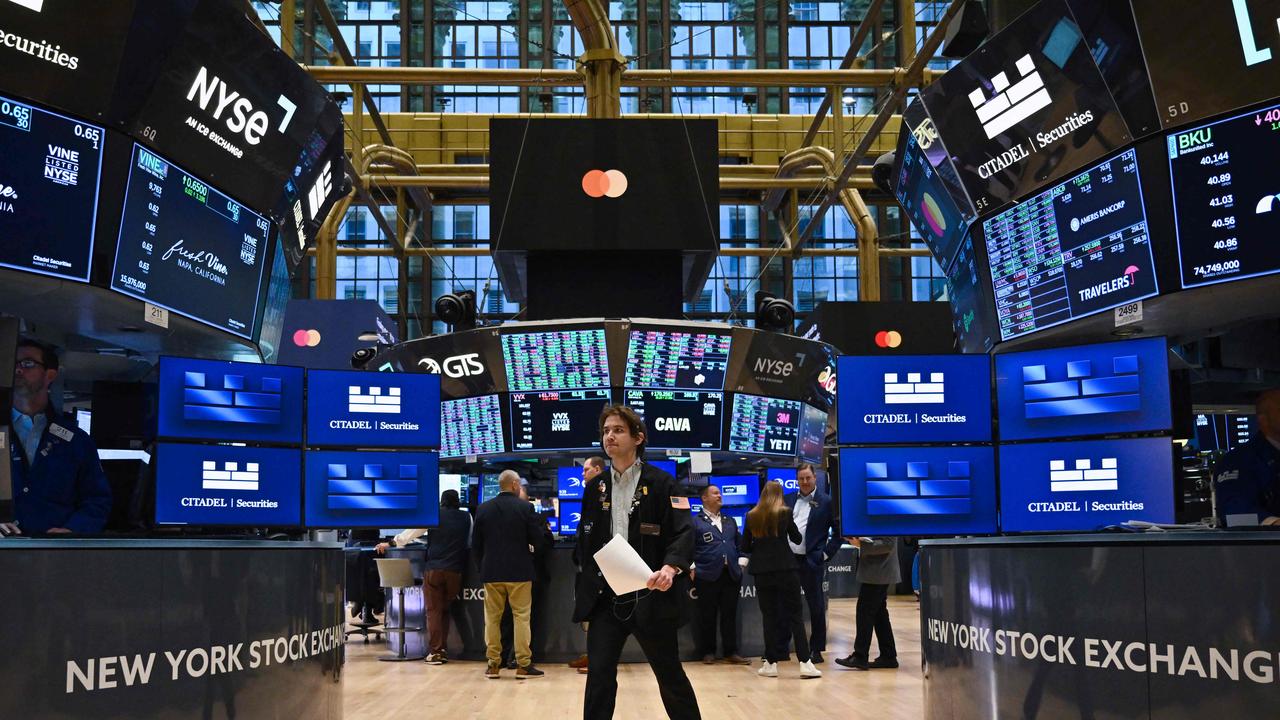
Market Mover: US Retail Sales, Trump’s sign executive, Netflix Earnings Report.
បន្ទាប់ពីលោក Trump បន្តដាក់សម្ពាធទៅលើការដកដំណែងលោកប្រធានធនាគារកណ្តាល Powell ស្របពេលដែលព្យាយាមដកចំណាប់អារម្មណ៍ចេញពីករណី Epstein ឥឡូវនេះទីផ្សារតាមដានទៅលើទិន្នន័យលក់រាយនៅសហរដ្ឋអាមេរិក ដែលវាស់ទៅលើតម្រូវការប្រើប្រាស់នៅទីនោះ។ យោងតាមអ្នកវិភាគ ការព្យាករណ៍ទិន្នន័យប្រចាំខែអាចឡើងខ្ពស់ដល់ 0.1% ដែលអាចឆ្លុះបញ្ជាំងពីការកើនឡើងនៃតម្រូវការប្រើប្រាស់ច្រើនជាងមុន ពោលគឺអាចធ្វើឱ្យពួកគេរក្សាអត្រាការប្រាក់កាន់តែយូរ។ ប៉ុន្តែនោះមិនមែនតែងតែកើតមានរហូតនោះទេ (ប្រសិនបើចេញផ្សាយដូចការរំពឹងទុក)។ ទិន្នន័យជាក់ស្តែងអាចចេញមកខុសគ្នា។ ដូច្នេះតើថ្ងៃនេះនឹងមានលទ្ធផលយ៉ាងណា? ព័ត៌មានបន្ថែម៖ លោក Trump ត្រូវបានគេរំពឹងថានឹងចុះហត្ថលេខាលើបទបញ្ជាប្រតិបត្តិនៅថ្ងៃព្រហស្បតិ៍នៅម៉ោង 16:00 ET (ប្រហែលម៉ោង 3:00 ព្រឹក កម្ពុជា) ទោះបីជាមិនបានបង្ហាញពីប្រធានបទណាមួយជាក់លាក់ក៏ដោយ។ ទីផ្សារភាគហ៊ុន៖ របាយការណ៍រកប្រាក់ចំណូលរបស់ Taiwan Semiconductor មានកម្រិតច្រើនជាងទិន្នន័យរំពឹងទុក ខណៈដែលក្រុមហ៊ុន Netflix ត្រូវបានគេរំពឹងថានឹងចេញផ្សាយនៅយប់នេះផងដែរ។ |English Version| After Trump kept testing the market over Fed Chair Powell’s removal while swaying the attention from the Epstein case, now the anticipation shall focus on the US consumer spending—retail sales. As per analysts, the monthly projection could come higher to 0.1%, which shall be seen as better demand compared to prior data and possibly pause the rate decision even further. But that’s not always the case. The actual data can come differently. So, what will the result be today? Extra info: Trump is expected to sign executive orders on Thursday at 16:00 ET (around 3:00 AM GMT+7), albeit the specific topic is still uncertain. Stock Market: Taiwan Semiconductor’s earnings report beat the forecast, while Netflix is expected to release tonight as well.

U.S. Markets React to Trump-Fed’s Stance amid Surprising Producer Price Index Decline
លោកប្រធានាធិបតី Donald Trump លោកប្រធានាធិបតី Donald Trump ថ្មីៗនេះបានច្រានចោលលើការដកដំណែងប្រធានធនាគារកណ្តាលនៅអាមេរិក Jerome Powell ម្តងទៀតដោយផ្ទាល់ បន្ទាប់ពីលោកបានពិភាក្សាអំពីការផ្លាស់ប្តូរគោលគំនិតមួយនេះជាមួយនឹងសមាជិកសភា។ នេះកើតឡើងនៅពេលដែលប្រធានធនាគារកណ្តាលនៅអាមេរិក Jerome Powell បានបដិសេធការទម្លាក់អត្រាការប្រាក់មករកកម្រិតទាបដូចអ្វីដែលលោក Trump ចង់បាន។ ពោលគឺលោក Jerome Powell បានមើលឃើញពីលទ្ធភាពនៃការកើនឡើងនៃអត្រាអតិផរណា និងសេណារីយ៉ូស្ថិរតាអតិផរណា។ ខណៈពេលដែលសមាជិកសភាបានផ្តល់ការគាំទ្រសម្រាប់ការផ្លាស់ប្តូរមុខដំណែងនេះ លោក Trump បានសម្រេចចិត្តមិនបន្តលើគម្រោងនេះ ហើយងាកមករកការតាមដានទៅលើការស៊ើបអង្កេតពីការក្លែងបន្លំរបស់លោក Powell វិញ។ ហើយនេះក៏ត្រូវបានរួមចំណែកដោយកត្តាទីផ្សារផងដែរ ដោយពួកគេបានសម្តែងការព្រួយបារម្ភអំពីបញ្ហានេះមកលើបម្រែបម្រួលទីផ្សារនិងសេដ្ឋកិច្ចក្នុងរយៈពេលវែង។ ដូច្នេះ នេះក៏មានន័យថា ប្រសិនបើការក្លែងបន្លំត្រូវបានរកឃើញនោះ លោក Jerome Powell អាចប្រឈមមុខនឹងការដកដំណែងមុនអាណត្តិរបស់គាត់ ដែលវាអាចបង្កើនលទ្ធភាពនៃការកាត់បន្ថយអត្រាការប្រាក់កាន់តែច្រើន បើទោះបីជាមានទិន្នន័យសេដ្ឋកិច្ចល្អៗនាពេលថ្មីៗនេះក៏ដោយ។ ទោះជាយ៉ាងណាក៏ដោយការសម្រេចចិត្តចុងក្រោយនេះអាចចំណាយពេលច្រើនខែ ហើយការប្រែប្រួលទីផ្សារខ្ពស់គឺជៀសមិនរួចទេ។ *** ការបង្កើនប្រូបាប៊ីលីតេនៃការកាត់បន្ថយអត្រាការប្រាក់ → ទំនងជាជំរុញឱ្យតម្លៃមាសកើនឡើង។*** ចំណែកឯ ធនាគារកណ្តាលអាមេរិកវិញមិនបានចេញសេចក្តីថ្លែងការណ៍ផ្លូវការទេ ទោះបីជាលោក John Williams បានសង្កត់ធ្ងន់ថា “ឯករាជ្យភាពរបស់ធនាគារកណ្តាលមានសារៈសំខាន់ខ្លាំងណាស់” ។ អតិផរណាលក់ដុំ សន្ទស្សន៍តម្លៃទំនិញពីអ្នកផលិតនៅអាមេរិក (Producer Price Index) បានធ្លាក់ចុះទាបជាងការព្យាករណ៍ និងតួលេខមុន ដែលបង្ហាញថាអាជីវកម្ម និងអ្នកផលិតកំពុងព្យាយាមមិនដំឡើងតម្លៃទំនិញទៅកាន់អ្នកទិញនោះទេ។ លទ្ធផលនេះផ្ទុយពីការរំពឹងទុករបស់អ្នកសេដ្ឋកិច្ចអំពីការកើនឡើងតម្លៃ។ ទីផ្សារបានកំណត់ភាគរយនៃការសម្រេចចិត្តអត្រាការប្រាក់ម្តងទៀត បន្ទាប់ពីកត្តាទាំងពីរនេះបានកើតមានឡើង ដោយប្រូបាប៊ីលីតេនៃការកាត់បន្ថយអត្រាការប្រាក់នៅក្នុងខែកញ្ញាកើនឡើងពី 53.5% ដល់ 56.2%។ ទីផ្សារភាគហ៊ុន និងសញ្ញាប័ណ្ណមានប្រតិកម្មអវិជ្ជមានចំពោះព័ត៌មាននេះ ខណៈពេលដែលតម្លៃមាសបានកើនឡើងប្រហែល 1.2% ចំពេលមានរបាយការណ៍អំពីលទ្ធភាពនៃការផ្លាស់ប្តូរភាពជាអ្នកដឹកនាំនៅធនាគារកណ្តាលអាមេរិក (Federal Reserve)។ |English Version| President Donald Trump: President Donald Trump recently dismissed speculations that he would seek to remove Federal Reserve Chair Jerome Powell directly after discussing the possible move with the lawmaker. This comes when the FED Chair Powell denied bringing the interest rate down as Trump desires, with the purpose of seeing the potential of rising inflation that could lead to the stagflation scenario. While the lawmaker gave support for this move, Trump decided not to move the plan forward with the excuse of having him under a fraud investigation. Especially when several market participants voiced concerns over the long-term run in both the market and the economy. So this also means that if the fraud is found, then Jerome Powell could face removal before his term ends, potentially increasing the likelihood of an interest rate cut, despite recent strong economic data. However, any final decision may take months, and high market volatility is inevitable. ***Raising the probability of a rate cut → likely to push the gold up.*** The Federal Reserve has not issued an official statement, though Fed official John Williams emphasized, “Central bank independence is very important.” Wholesales Inflation The U.S. Producer Price Index (PPI) unexpectedly fell below both forecasts and prior figures, suggesting that businesses and manufacturers are absorbing higher U.S. tariffs rather than passing them on to consumers. This outcome contrasts with economists’ expectations of rising prices. The market re-priced the odds of the interest rate decision once again after these two factors came into play, with the probability of a rate cut in September rising to 56.2% from 53.5%. The stock and bond markets reacted negatively to the news, while gold prices surged by approximately 1.2% amid reports of the potential leadership change at the Federal Reserve.

Gold Prices Dip as Persistent US Inflation Pressures Markets
ទិន្នន័យអតិផរណារបស់សហរដ្ឋអាមេរិកថ្មីៗនេះបានបង្ហាញពីការកើនឡើងច្រើនជាងមុន ស្របពេលដែលទិន្នន័យអតិផរណាដែលមិនរាប់បញ្ចូលអាហារ និងថាមពលនៅតែមានកម្រិតច្រើនជាងអត្រាគោលដៅ។ → ទាំងអស់នេះបង្ហាញពីការកើនឡើងនៃតម្លៃទំនិញច្រើនជាងមុន ហើយក៏អាចជំរុញឱ្យធនាគារកណ្តាលអាមេរិកពិបាកក្នុងការសម្រេចលើបម្រែបម្រួលអត្រាការប្រាក់នោះដែរ ជាពិសេសនៅពេលមានភាពមិនច្បាស់លាស់ជុំវិញពន្ធគយនាពេលបច្ចុប្បន្ន។ សូម្បីតែរបាយការណ៍របស់លោកប្រធានាធិបតី Omair Sharif ក៏បានគូសបញ្ជាក់ផងដែរថា “ពន្ធគយកំពុងចាប់ផ្តើមជះឥទ្ធិពលហើយ” ដែលបង្ហាញថាក្រុមហ៊ុនជាច្រើនកំពុងដំឡើងតម្លៃទំនិញទៅកាន់អ្នកទិញ។ លើសពីនេះ បើយោងតាមការលើកឡើងរបស់សមាជិកធនាគារកណ្តាលអាមេរិកលោក Logan៖ “សេណារីយ៉ូមូលដ្ឋានគឺថាគោលនយោបាយរូបិយវត្ថុត្រូវរក្សាការរឹតបន្តឹងមួយរយៈ ដើម្បីបន្ទាបទៅលើអត្រាអតិផរណា” ខណៈពេលដែលរូបលោកក៏បានបញ្ជាក់ឡើងវិញនូវហានិភ័យនៃភាពទន់ខ្សោយសេដ្ឋកិច្ច។ ទាំងសហរដ្ឋអាមេរិក និងកាណាដាកំពុងទទួលរងផលប៉ះពាល់ពីគោលនយោបាយពន្ធគយ ដោយឃើញពីការកើនឡើងនៃអត្រាអតិផរណា ស្របពេលដែលធនាគារកណ្តាលអាចពន្យារពេលនៃការកាត់បន្ថយអត្រាការប្រាក់ផងដែរ។ ជាពិសេសនៅពេលដែលកាលបរិច្ឆេទកំណត់ពន្ធរបស់លោក Trump នៅថ្ងៃទី 1 ខែសីហាកំពុងខិតជិតមកដល់ ដោយពួកគេអាចនឹងប្រឈមមុខនឹងអត្រាពន្ធ 35% សម្រាប់ការនាំចូលទំនិញរបស់ប្រទេសកាណាដា។ ប្រតិកម្មទីផ្សារ ការកើនឡើងនៃសន្ទស្សន៍តម្លៃទំនិញនេះ (CPI) គឺជាព័ត៌មានមិនល្អសម្រាប់ទិន្នផលមូលបត្រទេ ដោយសារទិន្នផលនេះមានប្រតិកម្មខ្លាំងចំពោះការផ្លាស់ប្តូរគោលជំហរអត្រាការប្រាក់របស់ធនាគារកណ្តាល ជាពិសេសនៅក្នុងទិន្នផលរយៈពេលខ្លី។ ទាំងទិន្នផលមូលបត្រអាមេរិករយៈពេល 2 ឆ្នាំ និង 10 ឆ្នាំបានកើនឡើងបន្ទាប់ពីការចេញផ្សាយទិន្នន័យ។ តម្លៃមាសក៏បានធ្លាក់ចុះយ៉ាងខ្លាំងដល់ 3,322 ដុល្លារក្នុងមួយអោនមុនពេលស្ទុះងើបឡើងវិញ។ នេះកើតឡើងនៅពេលដែលទីផ្សារបានផ្លាស់ប្តូរការរំពឹងទុកទៅលើការសម្រេចអត្រាការប្រាក់ ស្របពេលដែលពួកគេក៏បានបង្កើននូវលទ្ធភាពដែលធនាគារកណ្តាលអាចនឹងដំឡើងអត្រាការប្រាក់នាឆ្នាំក្រោយនោះដែរ នេះបើយោងតាម CME FedWatch Tool។ *** កាលណាធនាគារកណ្តាលអាមេរិកកាន់តែរក្សាអត្រាការប្រាក់យូរជាងនេះ → ប្រាក់ដុល្លារខ្លាំងនឹងធ្វើឱ្យតម្លៃមាសថយចុះ។ ការឆ្លើយតបរបស់នយោបាយ ភ្លាមៗបន្ទាប់ពីទិន្នន័យអតិផរណាត្រូវបានចេញផ្សាយ ប្រធានាធិបតី Donald Trump បានរំលឹកឡើងវិញនូវបំណងប្រាថ្នារបស់គាត់លើការបន្ទាបអត្រាការប្រាក់ឱ្យកាន់តែតិចជាងមុន ក្នុងគោលបំណងបន្ធូរបន្ថយភាពតានតឹងទីផ្សារមូលបត្របំណុល និងកាត់បន្ថយការព្រួយបារម្ភអំពីបំណុលជាតិ។ ហើយគាត់ក៏បានជ្រើសរើសលោក Bessent ជាប្រធានធនាគារកណ្តាលអាមេរិកបន្ទាប់នោះដែរ។ |English Version| Recent US inflation data revealed an increase from the previous period, while the core inflation, stripping out the energy and food costs, remains stubbornly above restrictive levels. → All of these indicate persistent upward cost pressures, placing the Federal Reserve in a precarious position, especially amid ongoing uncertainty surrounding tariffs. Even President Omair Sharif’s report highlights that “tariffs are beginning to bite,” suggesting that these costs are now being passed on to consumers. According to Federal Reserve Logan, “the base scenario is that monetary policy needs to remain firm for a while longer to reduce inflation,” while also reiterating the risk of having “deeper economic scars”. Both the US and Canada are feeling the impact, with inflation rising and potentially delaying central bank rate cuts. Especially when Trump’s tariff deadline on August 1st is approaching, with a potential of facing a 35% tariff rate for Canadian goods imports. Market Reaction Higher Consumer Price Index (CPI) figures are bad news for bond yields, as the yield reacts to the changes in the Federal Reserve’s interest rate stance, particularly in short-term yield, which is known for its sensitivity. Both the US 2-year and 10-year Treasury yields surged after the data release. Gold also experienced a sharp drop to $3,322 per ounce before recovering. This comes when the market is currently repricing its rate decision forecasts, with the CME FedWatch Tool even indicating a possibility of an interest rate hike next year. *** The longer the Federal Reserve holds the interest rate dear to their heart, → A Strong dollar would disfavor the gold price. Political Response Shortly after the inflation data was released, President Donald Trump reiterated his desire for lower interest rates, aiming to ease the bond market tensions and reduce concerns about the national debt. And he also optioned Bessent as the next Federal Reserve Chair.

Brace Yourself: Consumer Price Index Data Drops Tonight! របាយការណ៍អតិផរណា ឬសន្ទស្សន៍តម្លៃទំនិញនៅអាមេរិកនឹងចេញផ្សាយនាយប់នេះ ដោយគេរំពឹងថាអាចនឹងមានកម្រិតកើនខ្ពស់ជាងអត្រាពីមុន ហើយនេះក៏បានបង្ហាញពីលទ្ធភាពដែលបញ្ហាពន្ធគយបានបង្កើនការចំណាយកាន់តែខ្ពស់នោះដែរ។ ប៉ុន្តែនេះគឺជាអ្វីដែលអ្នកគួរយល់ដឹង -> អតិផរណាខ្ពស់អាចនឹងបន្ទាបលទ្ធភាពនៃការកាត់បន្ថយអត្រាការប្រាក់នៅក្នុងខែកញ្ញា ហើយក៏អាចជំរុញឱ្យមានបញ្ហាស្ថិរតាអតិផរណានោះដែរ ដូចការលើកឡើងរបស់ធនាគារអាមេរិក (Bank of America)។ ជាពិសេសនៅពេលដែលអត្រាពន្ធរបស់គោលនយោបាយ Donald Trump មិនទាន់សម្រេចពេញលេញរហូតដល់ថ្ងៃទី 01 ខែសីហាឆ្នាំ 2025 ។ ដូច្នេះប្រសិនបើអតិផរណាមានកម្រិតកាន់តែច្រើន ហើយអត្រាពន្ធគយនៅតែមានកម្រិតខ្ពស់ នោះការបន្ទាបអត្រាការប្រាក់អាចនឹងពិបាកក្នុងករណីនេះ លុះត្រាតែប្រធានធនាគារកណ្តាលអាមេរិកលោក Powell បានលាលែងពីតំណែងដោយផ្ទាល់។ លើសពីនេះ សូមប្រយ័ត្នចំពោះទីផ្សារភាគហ៊ុន ព្រោះរបាយការណ៍ចំណូលរបស់ធនាគារធំៗនឹងចេញនៅយប់នេះផងដែរ។ កាលណាដែលទីផ្សារភាគហ៊ុនកាន់តែល្អ នោះតម្លៃមាសអាចនឹងមានភាគរយច្រើនថយចុះ (ភាគច្រើន តែមិនទាំងអស់)។ ទាំងអស់នេះស្ថិតនៅក្រោមសេណារីយ៉ូដែលអ្នកវិភាគព្យាករណ៍ថា អតិផរណាមានកម្រិតខ្ពស់ជាងមុន។ ប្រសិនបើទិន្នន័យពិតប្រាកដចេញមកខុសពីនេះ នោះសេណារីយ៉ូមួយទៀតនឹងចេញមកម្តង។ |English Version| The spotlight falls on the US inflation report tonight with a higher projection reading, and that suggests the potential of having higher costs stemming from the tariff problem. But here is what you should be aware of. —> Higher inflation would only scale back on the rate cut projection in September and risk the stagflation problem as raised by the Bank of America. Especially with the tariff letter that has not been fully confirmed until August 01, 2025. So if inflation prints hotter and tariffs are confirmed with a higher rate, the rate cut is very unlikely in this case unless Federal Reserve Chair Powell is kicked out or personally resigns. Be aware of the stock market, as major bank earnings reports will be released tonight as well. A positive stock market won’t likely to favor on Gold price. All of these fall under the analyst’s inflation projection (higher than the prior figure) scenario. If by chance, the actual data comes differently, then another scenario will play out.