

Market Dose: What you should catch on. នេះជាព័ត៌មានដែលអ្នកគួរតាមដាន៖ ព័ត៌មានពាណិជ្ជកម្មវៀតណាម និងអាមេរិក៖ ទោះបីជាមានការវិវឌ្ឍន៍ជាវិជ្ជមានថ្មីៗនៅក្នុងទំនាក់ទំនងពាណិជ្ជកម្មរវាងសហរដ្ឋអាមេរិក និងវៀតណាមក៏ដោយ ក៏តម្លៃមាសនៅតែបន្តកើនឡើង ដែលបច្ចុប្បន្នឈានដល់ 3,366 ដុល្លារក្នុងមួយអោន។ បើទោះបីជាកិច្ចព្រមព្រៀងពាណិជ្ជកម្មថ្មីអាចនឹងកាត់បន្ថយនូវភាពតានតឹងមួយចំនួនក្នុងទីផ្សារក៏ដោយ ក៏ទីផ្សារមិនប្រតិកម្មដូចអ្វីដែលយើងរំពឹងទុកនោះដែរ។ ជាក់ស្តែងគឺ ផលិតផលអាមេរិកមិនមានពន្ធនាំចូលទៅកាន់ប្រទេសវៀតណាមទេ ចំណែកផលិតផលវៀតណាមបានធ្លាក់ចុះពី 46% ទៅ 20% (អត្រាដែលមាននៅមុនការផ្អាករយៈពេល 90 ថ្ងៃ)។ ប៉ុន្តែអ្វីដែលទីផ្សារគិតអាចជាការយល់ច្រលំមួយផ្នែក គឺពួកគេអាចគិតថាអត្រាពន្ធលើទំនិញវៀតណាមបានកើនឡើងពីស្តង់ដារ 10% ពន្ធសកល (ដែលត្រូវបានកំណត់ថានឹងផុតកំណត់នៅសប្តាហ៍ក្រោយ) មកត្រឹម 20%វិញ ដោយវាអាចជំរុញឱ្យតម្លៃមាសឡើងថ្លៃ។ លើសពីនេះ កត្តាបច្ចេកទេសនៅក្នុងទីផ្សារមាសក៏អាចរួមចំណែកផងដែរ។ ទិន្នន័យការងាររបស់សហរដ្ឋអាមេរិក ហើយតម្លៃមាសដែលកើនឡើងនេះក៏អាចបណ្តាលមកពីការរំពឹងទុកនៃទិន្នន័យបញ្ជីប្រាក់បៀវត្សរ៍មិនមែនកសិកម្ម(Nonfarm payroll) នៅយប់នេះផងដែរ ដោយសារទិន្នន័យការងារពី ADP បានធ្លាក់ចុះដល់ 33K កាលពីយប់មិញដែលបង្ហាញពីភាពទន់ខ្សោយនៃទីផ្សារការងារ។ លើសពីនេះ គេព្យាករណ៍ថា NFP ក៏អាចនឹងធ្លាក់ចុះនោះដែរ។ ព័ត៌មានពាណិជ្ជកម្មឥណ្ឌា និងអាមេរិក៖ សូមកត់សម្គាល់ផងដែរថា យោងតាមអ្នកឆ្លើយឆ្លងព័ត៌មាន Fox Business “យើងអាចទទួលបានសេចក្តីប្រកាសអំពីកិច្ចព្រមព្រៀងពន្ធគយជាមួយប្រទេសឥណ្ឌាយ៉ាងយូរនៅថ្ងៃស្អែក” ដោយបង្ហាញអំពីប្រូបាប៊ីលីតេនៃការមានកិច្ចព្រមព្រៀងបន្ថែមទៀតដែលកើតឡើងមុនថ្ងៃផុតកំណត់ជិតមកដល់។ ធនាគារកណ្តាលអាមេរិក Trump បន្តដាក់សម្ពាធលើប្រធានធនាគារកណ្តាលអាមេរិកលោក Powell លើការបញ្ចុះអត្រាការប្រាក់ខណៈពេលដែលបង្ខំឱ្យគាត់លាលែងពីមុខតំណែងរបស់គាត់ដែលត្រូវបានកំណត់ថានឹងផុតកំណត់នៅខែឧសភាឆ្នាំ 2026 ។ ឧបករណ៍ CME Fedwatch បានកំណត់តម្លៃក្នុងការកាត់បន្ថយអត្រាការប្រាក់ចំនួន 3 នៅឆ្នាំនេះ។ |English Version| Here is what you should catch on: Vietnam and US trade news: Despite recent positive developments in US-Vietnam trade relations, gold prices continue to climb, currently reaching $3,366 per ounce. This rise occurs even as a new trade deal is set to de-escalate market tensions, granting duty-free access for American products while reducing tariffs on Vietnamese goods from 46% to 20% (a rate that was in place before a 90-day pause). This unexpected increase in gold prices could stem from a misconception among some investors that the tariff rate on Vietnamese goods has actually increased from the standard 10% universal tariff (which is set to expire next week) to 20%. Additionally, technical factors in the gold market may also be at play. US Labor Data And this upward gold price might also be factored in by an anticipation of the nonfarm payrolls data tonight, given how the ADP nonfarm employment changes declined to 33K last night. The NFP projection stands on the lower side compared to the prior figure, which also gives some room for the gold price to go upward. India and US trade news: Also note that, according to the Fox Business Correspondent, “we could get an announcement of a tariff deal with India as early as tomorrow,” hinting at the probability of having more agreement coming up before the deadline approaches. The Federal Reserve Trump continues to pressure Federal Reserve Chair Powell on lowering the interest rate while forcing him to resign from his position that is set to expire in May 2026. The CME Fedwatch Tool has priced in 3 rate cuts this year.

Recap everything in one scope: War Ceasefire, Trade War, Tax bill, and the United States Economy. បទឈប់បាញ់ ទោះបីជាអុីស្រាអែលបានយល់ព្រមទៅលើកិច្ចព្រមព្រៀងបទឈប់បាញ់រយៈពេល 60 ថ្ងៃនិងបានបញ្ជាក់ដោយប្រធានាធិបតីលោក Donald Trump ក៏ដោយ ក៏យើងមិនទាន់ឃើញមានការអត្ថាធិប្បាយបន្ថែមពី Gaza ឬ Qatar នៅឡើយដែរ។ ទីផ្សារអាចចាត់ទុកវាជាការថយចុះនៃភាពតានតឹងក្នុងសង្គ្រាមពិតមែន ប៉ុន្តែប្រសិនបើបទឈប់បាញ់ផ្ទុះឡើងម្តងទៀត នោះយើងទំនងជាឃើញមានការកើនឡើងនៃចំនួនអ្នកស្លាប់ ហើយពេលនោះហើយដែលតម្លៃមាសអាចនឹងមានការកើនឡើងម្តងទៀត។ វិក័យប័ត្រពន្ធ ព្រឹទ្ធសភាអាមេរិកបានអនុម័តវិក័យប័ត្រពន្ធ និងចំណាយកាលពីថ្ងៃអង្គារ បើទោះបីជាពួកគេនៅតែស្ថិតក្នុងដំណើរការនីតិប្បញ្ញត្តិ និងមិនទាន់ត្រូវបានអនុវត្តពេញលេញនៅឡើយក៏ដោយ។ ទោះជាយ៉ាងណាក៏ដោយ ប្រសិនបើអ្វីៗទាំងអស់ត្រូវបានអនុម័តដោយសភាតំណាងរាស្រ្ត ដែលលោក Trump រំពឹងថានឹងបញ្ចប់នៅថ្ងៃទី 04 ខែកក្កដា នោះវានឹងបង្កហានិភ័យដល់បញ្ហាបំណុល និងបញ្ហាអតិផរណា ហើយទីផ្សាររំពឹងថានឹងមានឱនភាពលើសពី 3.3 ទ្រីលានដុល្លារនៅអាមេរិក។ → ចំណូលពន្ធទាប និងការចំណាយពន្ធខ្ពស់ → បង្កើនបញ្ហាបំណុល និងបញ្ហាអតិផរណា។ *** នោះក៏ជាហេតុផលមួយទៀតដែលលោក Powell មិនចង់កាត់បន្ថយអត្រាការប្រាក់ផងដែរ។ សង្គ្រាមពាណិជ្ជកម្ម ស្ថានភាពពាណិជ្ជកម្មរវាងអាមេរិក និងជប៉ុននៅតែអាក្រក់ ដោយលោក Trump នឹងតាមដានទៅលើកិច្ចព្រមព្រៀងពាណិជ្ជកម្មជាមួយឥណ្ឌាជំនួសវិញ។ ជាក់ស្តែង លោកក៏បានស្នើឱ្យជប៉ុនបង់ពន្ធអាករពី 30% ទៅ 35% ដែលអាចបង្កឱ្យមានការព្រួយបារម្ភកាន់តែខ្លាំង ជាពិសេសនៅពេលដែលជប៉ុនមានមូលបត្របំណុលអាមេរិកច្រើនជាងគេក៏ដោយ។ សេដ្ឋកិច្ចសហរដ្ឋអាមេរិក ទោះបីជាទិន្នន័យភាគច្រើនបានបង្ហាញពីទស្សនវិស័យវិជ្ជមានសម្រាប់សេដ្ឋកិច្ចអាមេរិកក៏ដោយ ក៏បញ្ហាអតិផរណានៅតែជាក្តីកង្វល់នោះដែរ។ យោងតាមសន្ទស្សន៍របស់អ្នកគ្រប់គ្រងការទិញ (Purchasing Managers’ Index) អតិផរណាអាជីវកម្មនៅតែកើនឡើងជាលទ្ធផលនៃផលប៉ះពាល់ពន្ធគយ ប៉ុន្តែពួកគេនៅតែមានសុទិដ្ឋិនិយមដោយសារតែភាពមិនច្បាស់លាស់មួយចំនួនត្រូវបានលាតត្រដាង។ ចំពោះស្ថានភាពទីផ្សារការងារវិញ ព័ត៌មានថ្មីៗមួយចំនួនបានបង្ហាញពីការបញ្ឈប់ការងារពីក្រុមហ៊ុនធំៗដូចជា Microsoft ប៉ុន្តែរបាយការណ៍ការងារនេះនៅតែមានសភាពល្អប្រសើរ ពោលគឺគេឃើញពីការកើនឡើងនៃចំនួនការងារ ស្របពេលដែលការជ្រើសរើសបុគ្គលិកនៅតែមានការធ្លាក់ចុះបន្តិច។ ចំណែកការឈប់ពីការងារវិញ ក៏បានធ្លាក់ចុះនោះដែរ។ ហើយទាំងអស់នេះ គួបផ្សំជាមួយនឹងផលប៉ះពាល់ពន្ធគយទៀត សុទ្ធតែអាចជំរុញប្រធានធនាគារកណ្តាលលោក Powell បន្តរក្សាអត្រាការប្រាក់បន្ថែមទៀត។ ជាក់ស្តែង រូបលោកមិនបានច្រានចោលនូវលទ្ធភាពដែលអាចកាត់ខែកក្កដានោះនៅឡើយទេ។ ហើយនោះក៏មានន័យថា កាលណាដែលអតិផរណាមានកាន់តែច្រើនដែលធ្វើឱ្យសេដ្ឋកិច្ចប្រឈមនឹងហានិភ័យ ខណៈពេលដែលទីផ្សារការងារកាន់តែរឹងមាំ នោះលទ្ធភាពនៃការកាត់បន្ថយអត្រាការប្រាក់អាចនឹងមានតិចសម្រាប់ពេលនេះ។ រហូតមកដល់ពេលនេះ ទីផ្សារនៅតែជឿជាក់ថា ការកាត់បន្ថយអត្រាការប្រាក់អាចនឹងមាន 3 ដងសម្រាប់ឆ្នាំនេះដោយចាប់ផ្តើមនៅក្នុងខែកញ្ញា។ |English Version| War Ceasefire Despite having an agreement over the 60-day ceasefire from Israel, confirmed by President Donald Trump on his social account, there is no further comment from Gaza or Qatar yet. The market might take this as a de-escalation in the war tension; however, if the ceasefire breaks out once again, then we will likely see an increase in the death toll, and the gold price will also follow. Tax Bills The US Senate passed the tax and spending bills on Tuesday, although they are still in the legislative process and have not been fully implemented yet. However, if everything is approved by the House of Representatives, which Trump expects to finish around July 04, then this will pose a risk to the debt concerns and inflation problem, and the market already expects to see a deficit of over $3.3 trillion. → lower tax revenue and higher tax spending → factor in debt concerns and inflation problems. ***That’s also another reason why Powell doesn’t want to cut the rate. Trade War The US-Japan trade situation remains clouded, which is why Trump is now prioritizing the deal with India instead. He also suggested Japan pay a 30%-35% tariff rate, which triggered concerns over further escalation, especially when Japan holds the biggest US bonds. The United States Economy Everything shows a positive outlook for the US economy at a glance, except for the inflation. According to the purchasing managers’ index, business inflation is still climbing as a result of the tariffs’ impact, and yet they remain optimistic as some of the uncertainty has been cleared out. As for the Job market conditions, even with recent news showing more of the layoff situation from major companies such as Microsoft, the report continues to lean towards the positive side, with an increase in job openings while a drawdown slightly from the hiring activities and less on the total separations. And all of these combined with the unknown tariff impact have limited the Federal Reserve’s Powell from resuming a rate cut, albeit he declined to rule out the possibility at the July meeting. And that also means that as more inflation keeps the economy at risk while the labor market is skewing upside, the less likely the rate cut would be for now. As of now, the market is still priced in for three rate cuts this year, starting in September.

Key Economic Indicators to Watch: ISM Manufacturing Purchasing Managers’ Index and JOLTs Job Openings ក្រៅពីបញ្ហាភូមិសាស្ត្រនយោបាយ ជម្លោះពាណិជ្ជកម្ម និងកត្តាផ្សេងៗទៀត សូចនាករសេដ្ឋកិច្ចសំខាន់ៗពីរផ្សេងទៀត រួមមានសន្ទស្សន៍គ្រប់គ្រងការទិញរបស់ ISM Manufacturing Purchasing Managers’ Index (PMI) និងទិន្នន័យការងាររបស់សហរដ្ឋអាមេរិក-JOLTs Job Openings ក៏នឹងដើរតួរយ៉ាងសំខាន់នោះដែរ។ ប៉ុន្តែរឿងមួយដែលប្រាកដនោះថា ដរាបណាទិន្នន័យទាំងពីរនេះបង្ហាញពីភាពទន់ខ្សោយនោះ វាក៏អាចរួមចំណែកពីការបង្កើននូវការរំពឹងទុកលើការកាត់បន្ថយអត្រាការប្រាក់នោះដែរ។ សម្រាប់ពេលនេះ ក្រុមហ៊ុន Goldman Sachs ព្យាករណ៍ពីការកាត់បន្ថយអត្រាការប្រាក់របស់ធនាគារកណ្តាលអាមេរិកចំនួន 3 ដងដែលចាប់ផ្តើមនៅក្នុងខែកញ្ញា ដោយសារភាពមិនច្បាស់លាស់ដែលបានកើនឡើងនាពេលថ្មីៗនេះ។ ព័ត៌មានបន្ថែម៖សុន្ទរកថារបស់ធនាគារកណ្តាលមកពីអឺរ៉ុប ចក្រភពអង់គ្លេស សហរដ្ឋអាមេរិក និងប្រទេសជប៉ុន។ |English Version| Looking beyond the geopolitical issues, trade conflict, and other factors, do not forget the other two major economic indicators, including the ISM Manufacturing purchasing manager index (PMI) and US job data—JOLTs Job Openings. – The ISM Manufacturing Purchasing Managers’ Index (PMI) will signal the overall manufacturing conditions from the business’s perspective, and PMI pricing will become the most forward-looking as the tariff and tax cuts are now raising the inflation problem. – JOLTs Job openings: Although Powell reiterated that the labor market is still solid and not much on weakening, tonight’s data will offer more insight about the labor market conditions and could act as the leading economic indicator for the employment report. But one thing we know is that, as long as the weakness is seen through these two data points, all of these would also boost the interest rate expectation. For now, Goldman Sachs projects a three-rate cut, starting in September, given the uncertainty that has been rising recently. More Info: Central Bank speeches from Europe, the United Kingdom, the United States, and Japan.

Tariff Deal Nears Deadline: Talks Intensify ថ្ងៃផុតកំណត់លើការកំណត់ពន្ធរបស់លោក Trump សម្រាប់ថ្ងៃទី 08-09 ខែកក្កដា ឆ្នាំ 2025 កំពុងខិតជិតមកដល់ ហើយប្រទេសជាច្រើននឹងចាប់ផ្តើមចរចាទៅលើលក្ខខណ្ឌពន្ធគយជាពិសេសទៅលើប្រទេសជប៉ុន កាណាដា និងដៃគូពាណិជ្ជកម្មសំខាន់ៗផ្សេងទៀត។ ប្រទេសកាណាដា៖ ក្នុងរយៈពេលតែប៉ុន្មានម៉ោងមុនកាលបរិច្ឆេទផុតកំណត់ចូលជាធរមាន ប្រទេសកាណាដាបានផ្អាកការយកពន្ធទៅលើសេវាកម្មឌីជីថលលើក្រុមហ៊ុនបច្ចេកវិទ្យាអាមេរិក។ នេះគឺដោយសារតែប្រទេសកាណាដាមានគោលបំណងចរចាម្តងទៀតទៅលើកិច្ចព្រមព្រៀងពន្ធគយ។ ជាលទ្ធផល លោក Trump បានយល់ព្រមពន្យារពេលកិច្ចព្រមព្រៀងពីថ្ងៃទី 09 ខែកក្កដាដល់ថ្ងៃទី 21 ខែកក្កដា។ ទោះជាយ៉ាងណាក៏ដោយ នេះអនុញ្ញាតសម្រាប់តែប្រទេសកាណាដាប៉ុណ្ណោះ ខណៈដែលដៃគូពាណិជ្ជកម្មសំខាន់ៗផ្សេងទៀតនៅតែមានកាលកំណត់ដដែល។ ប្រទេសជប៉ុន៖ ទោះបីជាប្រទេសជប៉ុនបដិសេធការអត្ថាធិប្បាយលើការយកពន្ធ 25% លើរថយន្តក៏ដោយ ក៏ប្រទេសជប៉ុននឹងប្តេជ្ញាចិត្តក្នុងការចរចាបន្ថែមទៀតរហូតដល់ថ្ងៃផុតកំណត់ ដោយសារកង្វះខាតអង្ករនៅតែជាបញ្ហាធំសម្រាប់ពួកគេ។ នេះបានកើតឡើងបន្ទាប់ពីសហរដ្ឋអាមេរិកបានគំរាមដាក់ពន្ធថ្មីលើពួកគេ ប្រសិនបើពួកគេមិនទទួលយកទំនិញរបស់អាមេរិកបន្ថែមទៀត ជាពិសេសការនាំចេញអង្ករទៅកាន់ប្រទេសជប៉ុន។ ជាក់ស្តែង លោក Trump បានបង្ហោះនៅលើប្រព័ន្ធផ្សព្វផ្សាយសង្គមរបស់គាត់ថា “ពួកគេមិនយកអង្កររបស់យើងទេ ទោះបីជាពួកគេនៅខ្វះខាតអង្ករយ៉ាងច្រើនក៏ដោយ”។ ទោះបីជាយ៉ាងណាក៏ដោយ នាយកក្រុមប្រឹក្សាសេដ្ឋកិច្ចជាតិសេតវិមាន លោក Kevin Hassett ក៏បានលើកឡើងពីលទ្ធភាពនៃការមានកិច្ចព្រមព្រៀងចុងក្រោយជាមួយដៃគូបន្ទាប់ពីថ្ងៃឈប់សម្រាកថ្ងៃទី 4 ខែកក្កដា។ ក្រៅពីនោះ ការកាត់វិក្កយបត្រពន្ធក៏ខិតជិតមកដល់ បើទោះបីជាមានការខ្វែងគំនិតគ្នាពីលោក Musk ដោយសារតែលទ្ធភាពនៃការកើនឡើងពិដានបំណុល (Debt Ceiling) និង លទ្ធភាពនៃការធ្លាក់ចុះចំនួនការងាររបស់សហរដ្ឋអាមេរិកក៏ដោយ។ យោងតាមរដ្ឋមន្ត្រីក្រសួងរតនាគារអាមេរិក Bessent គាត់បានលើកឡើងថា “ខ្ញុំមានទំនុកចិត្តថាវិក័យប័ត្រពន្ធនឹងដំណើរការក្នុងរយៈពេលប៉ុន្មានម៉ោងខាងមុខនេះ ហើយលោក Trump នឹងចុះហត្ថលេខានៅថ្ងៃទី 4 ខែកក្កដា” ។ ដូច្នេះសម្រាប់ពេលនេះ វិនិយោគិននឹងតាមដានទៅលើកិច្ចព្រមព្រៀងពាណិជ្ជកម្មជាមួយនឹងដៃគូសំខាន់ៗផ្សេងទៀត វិក្កយបត្រពន្ធ និងទិន្នន័យការងារនៅសប្តាហ៍នេះ។ |English Version| The deadline for July 08-09, 2025, is approaching for higher tariff rates, and many have now started their negotiation of tariff terms with President Donald Trump, including Japan, Canada, and other major trading partners. Canada: In just a few hours before the due date took effect, Canada halted its digital services tax on the US technology companies in exchange for a resumed trade negotiation. As a result, Trump agreed to delay the deal from July 09 to July 21 for “reciprocal tariffs.” However, this allows only for Canada, while other major trading partners will stick to the same deadline. Japan: Although Japan rejects commenting on the 25% tariffs on autos, Japan will commit to further negotiations until the deadline, as rice shortages are still a big problem for them. This came after the US threatened to impose a fresh tariff on them if they don’t accept more American goods, particularly in rice exports to Japan. As a matter of fact, Trump posted on his social media that, “They won’t take our RICE, and yet they have a massive rice shortage.” Regardless, the White House National Economic Council Director, Kevin Hassett, also cited the possibility of having a finalized deal with partners after the July 4 holiday. Aside from that, the Tax bill cut is also approaching despite a disagreement from Musk due to an increase in the debt ceiling and US job deterioration. According to US Treasury Secretary Bessent, he stated, “I am confident that the tax bill will progress in the coming hours, and Trump will sign by July 4th.” So for now, our focus will be on the trade deal with other major partners, the tax bill, and labor data—aka the employment report this week.

Weekly Data Summary Report As of June 30, 2025 របាយការណ៍សង្ខេបទិន្នន័យប្រចាំសប្តាហ៍ គិតត្រឹមថ្ងៃទី30 ខែមិថុនា ឆ្នាំ2025 ខាងក្រោមនេះគឺជារបាយការណ៍សង្ខេបអំពីស្ថានភាពសេដ្ឋកិច្ចសហរដ្ឋអាមេរិក ដែលភាគច្រើនផ្អែកលើព្រឹត្តិការណ៍សំខាន់ៗទាក់ទងនឹងគោលនយោបាយរបស់ប្រធានាធិបតី Donald Trump បញ្ហាពន្ធពាណិជ្ជកម្ម និងបញ្ហាសង្គ្រាមនៅក្នុងសប្តាហ៍នេះផងដែរ។ ការបដិសេធ៖ សូមចំណាំថានេះគ្រាន់តែជាមតិយោបល់តែប៉ុណ្ណោះ។ ចំណុចសំខាន់៖ ប្រតិកម្មទីផ្សារ កត្តាទាំងអស់នេះកំពុងផ្តល់រូបភាពចម្រុះនៃទិសដៅទីផ្សារ។ ទោះជាយ៉ាងណាក៏ដោយ រឿងមួយដែលប្រាកដនោះគឺថាតម្លៃមាសប្រចាំសប្តាហ៍បានធ្លាក់ចុះ 2.49% ដោយសារបទឈប់បាញ់រវាងអុីស្រាអែល និងអុីរ៉ង់បានចាប់ផ្តើមនៅដើមសប្តាហ៍នេះ ទោះបីជាមានភាពតានតឹងមួយចំនួននៅជុំវិញបញ្ហាពាណិជ្ជកម្មក៏ដោយ។ អាស្រ័យហេតុនេះ សូមតាមដានឱ្យបានដិតដល់នូវប្រតិកម្មនៅថ្ងៃច័ន្ទ ចំពោះព័ត៌មានចុងសប្តាហ៍។ |English Version| Weekly Data Summary Report As of June 30, 2025 Below is a summary of the United States, primarily based on critical events related to President Donald Trump, trade war, and war conflicts within the week. Disclaimer: Please note this is opinion-based; do not take it as investment advice. Key Highlight: The Market Reaction All of these factors are giving a mixed picture of the market’s direction. Yet, one thing for sure is that the weekly gold price declined by 2.49% as the truce between Israel and Iran began early in the week, albeit trade disagreements rebounded the escalating again after the market closed. Therefore, do watch closely on Monday’s reaction to the weekend news.

Gold price dove lower as de-escalation came. ប្រធានាធិបតី Donald Trump អាចនឹងបន្ធូរបន្ថយយុទ្ធនាការការដាក់សម្ពាធទៅលើប្រទេសអុីរ៉ង់ ស្របពេលដែលអុីរ៉ង់អាចលក់ប្រេងបានធម្មតា ក្នុងគោលបំណងកាត់បន្ថយនូវលទ្ធភាពដែលតម្លៃប្រេងអាចកើនឡើង។ នេះគឺជាផែនការមួយផ្នែក ដើម្បីកាត់បន្ថយភាពតានតឹងជាមួយអុីរ៉ង់ ហើយអាចជាឱកាសក្នុងការចរចាកិច្ចព្រមព្រៀងនុយក្លេអ៊ែរនាពេលអនាគតជាមួយសហរដ្ឋអាមេរិក។ បើតាមរដ្ឋមន្ត្រីការបរទេសអុីរ៉ង់ លោក Araghchi បាននិយាយថា “ប្រសិនបើវាបម្រើផលប្រយោជន៍របស់អុីរ៉ង់ យើងនឹងត្រលប់ទៅរកការចរចាវិញម្តងទៀត”។ យោងតាម Dina Esfandiary អ្នកដឹកនាំផ្នែកភូមិសាស្ត្រមជ្ឈិមបូព៌ានៅ Bloomberg Economics “ឥឡូវនេះ Trump អាចកំពុងពិចារណាកិច្ចពិភាក្សាថ្មីជាមួយអុីរ៉ង់ ពោលគឺអាចទាក់ទងទៅនឹងការបន្ធូរបន្ថយទណ្ឌកម្ម”។ ទោះយ៉ាងណាក៏ដោយ អ្នកខ្លះជឿថា នេះអាចជាការផ្លាស់ប្តូរគោលនយោបាយថ្មី ជាជាងការបន្ធូរបន្ថយការរឹតបន្តឹង។ ក្រៅពីនោះ មានប្រភពខ្លះបានលើកឡើងថា មានកិច្ចព្រមព្រៀងដែលបានចុះហត្ថលេខារវាងចិន និងអាមេរិក បើទោះជាមិនទាន់មានការលាតត្រដាងនូវព័ត៌មានច្បាស់លាស់ក៏ដោយ។ អ្នកខ្លះជឿថាវាអាចទាក់ទងនឹងកិច្ចព្រមព្រៀងពាណិជ្ជកម្ម មុនពេលការផ្អាករយៈពេល 90 ថ្ងៃបានបញ្ចប់។ លើសពីនេះ ដូចដែលបានបញ្ជាក់ដោយរបាយការណ៍ព័ត៌មានរបស់ WSJ ឥឡូវនេះសហភាពអឺរ៉ុបកំពុងពិចារណាកាត់បន្ថយពន្ធលើការនាំចូលរបស់សហរដ្ឋអាមេរិក សម្រាប់ការចរចារបស់ពួកគេមុនពេលដល់ពេលកំណត់។ យ៉ាងណាក៏ដោយ កត្តាទាំងអស់នេះជាកត្តាជំរុញឱ្យតម្លៃមាសធ្លាក់ចុះមកនៅត្រឹម 3,307 ដុល្លារក្នុងមួយអោន ខណៈទីផ្សារបានចាត់ទុកវាថាជាការបន្ធូរបន្ថយភាពតានតឹង។ |English Version| President Donald Trump might ease his “maximum pressure” campaign against Iran while potentially opening up some path for the oil market, with an aim of avoiding an oil price surge. This is a partial plan to de-escalate tensions with Iran and bring them back to the negotiating table for a future nuclear deal with the US. As per Iran’s Foreign Minister Araghchi, “If it serves Iran’s interests, we will return to the negotiating table.” According to Dina Esfandiary, Middle East geoeconomics lead for Bloomberg Economics, “Now Trump could be considering new talks with Iran, with the prospect of sanctions relief as a big carrot”. However, some believe that this could be a shift in policy rather than a relaxation of restrictions. Other than that, some sources cited that there is a signed agreement between China and the US, although none of it has been disclosed yet. Some believe that it might relate to the trade agreements before the 90-day pause ended. Furthermore, as stated by the WSJ news report, the EU is now considering lowering the tariff on US imports, which attempts to leverage their negotiation before the deadline is reached. Nevertheless, all of these are the factors in pushing the gold price to drop to roughly $3,307 per ounce, as the market viewed it as a de-escalation and easing of tension. Defense

What other topics should be considered besides Trump’s news? អ្វីដែលគួរតាមដាន៖ នៅម៉ោងអឺរ៉ុប៖ ក្រៅពីសុន្ទរកថារបស់ធនាគារកណ្តាលមួយចំនួនពីប្រទេសអង់គ្លេស និងអឺរ៉ុប គ្មានអ្វីដែលត្រូវតាមដានខ្លាំងនោះទេ។ នៅម៉ោង New York៖ សមាជិកធនាគារកណ្តាលអាមេរិក (FED) ក៏នឹងមកចេញមក ហើយគួបផ្សំជាមួយនឹងការចេញផ្សាយពីផលិតផលក្នុងស្រុកសរុប (GDP) ការទាមទារអត្ថប្រយោជន៍ចំពោះអ្នកគ្មានការងារធ្វើដំបូង ការបញ្ជាទិញទំនិញអាយុកាលវែង និងទិន្នន័យអតិផរណាប្រចាំត្រីមាស PCE។ *** សូមចំណាំថា សូចនាករបច្ចុប្បន្នមិនមែនជាកត្តាជំរុញសំខាន់នាពេលថ្មីៗនេះទេ ដូច្នេះសូមពិនិត្យមើលសកម្មភាពរបស់ Trump ភាពតានតឹងពាណិជ្ជកម្ម និងជម្លោះសង្រ្គាមច្រើនជាង ព្រោះវានឹងមានឥទ្ធិពលយ៉ាងខ្លាំងទៅលើទីផ្សារ។ |English Version| Friendly Reminder: The European Session: Aside from a few central bank speeches from England and Europe, there is none to follow through in this session. In the New York Session, the Federal Reserve (FED) member will also come, along with Gross Domestic Product (GDP), initial jobless claims, Durable Goods Orders, and PCE quarterly data. ***Please note that current indicators are not the main driver recently; do look more into Trump’s actions, trade tension, and war conflict, as this will heavily influence them.
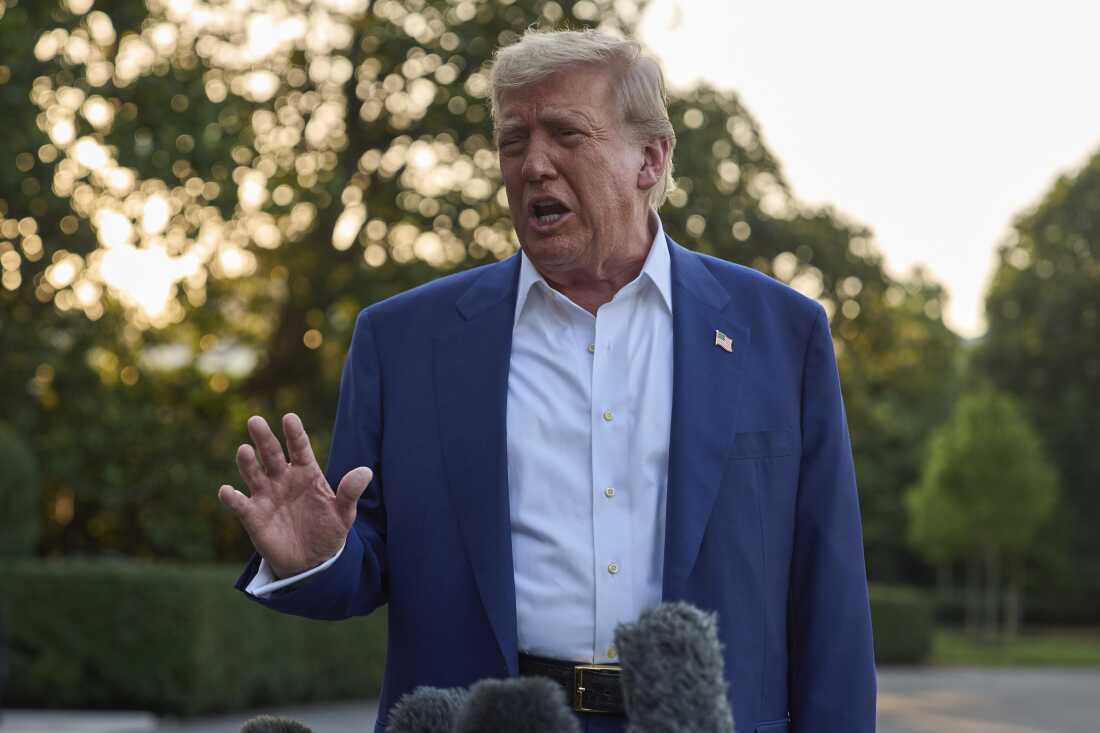
Everything in one scope: Geopolitical Tension, Trade War, and More… មតិ៖ នេះអាចជាទង្វើមួយក្នុងការគាបសង្កត់អុីស្រាអែល ជាពិសេសនៅពេលដែលពិចារណាទៅលើជម្លោះនាពេលថ្មីៗនេះរវាងអុីរ៉ង់ និងហ្គាហ្សា។ មតិ៖ តើវាពិតដែរ ឬទេ? អុីរ៉ង់ជាប្រទេសផលិតប្រេងឆៅដ៏សំខាន់មួយ ហើយមានប្រហែល 20% នៃប្រេងពិភពលោកនៅច្រកសមុទ្រ Hormuz ដូច្នេះការមានការគ្រប់គ្រងលើប្រេងនេះ តើវាមិនប្រសើរទេឬ? ប៉ុន្តែបើទោះបីជារូបលោកមានបំណងបែបនេះក៏ដោយ ក៏ការធ្វើនេះមិនងាយស្រួលក្នុងការសម្រេចនោះដែរ។ *** ការសង្ស័យគឺផ្អែកលើប្រតិកម្មទីផ្សារ និងអារម្មណ៍។ មិនមានព័ត៌មានត្រូវបានបញ្ជាក់។*** |English Version| Opinion: This might be an act to restrict Israel’s actions against other nations, especially when considering on recent conflict between Iran and Gaza. Opinion: Is it true? Iran is a major producer of crude oil and accounts for roughly 20% of the global oil in the Strait of Hormuz, so having this control over oil, would it not be better? But even if it does, it might not come easily. ***The skepticism was based on the market reaction and sentiment; no news was confirmed.***

Macro News: Israel and Iran’s Ceasefire and the Federal Reserve យោងតាមព័ត៌មានផ្តាច់មុខរបស់ CNN បានរាយការណ៍ថា “ការវាយប្រហារលើអុីរ៉ង់មិនបានបំផ្លាញទីតាំងនុយក្លេអ៊ែរទាំងស្រុងនោះទេ” ពោលគឺបានឆ្លុះបញ្ជាំងថា នេះគ្រាន់តែជាការពន្យារពេលបណ្តោះអាសន្ននូវកម្មវិធីនុយក្លេអ៊ែររបស់ទីក្រុងតេអេរ៉ង់តែប៉ុណ្ណោះ ហើយវាបានបង្កើនការព្រួយបារម្ភអំពីភាពតានតឹងក្នុងតំបន់។ ប្រធានាធិបតី Trump បានច្រានចោលការអះអាងនេះ ដោយអះអាងថា កម្មវិធីនេះត្រូវបាន “បំផ្លាញទាំងស្រុងហើយ” និងបានរិះគន់ប្រភព CNN ចំពោះការផ្សព្វផ្សាយព័ត៌មានមិនពិត។ ព័ត៌មានម្សិលមិញ៖ កាលពីយប់មិញលោក Trump ក៏បានបញ្ជាក់ម្តងហើយម្តងទៀតថា “ទាំងអុីស្រាអែល និងអុីរ៉ង់ចង់បញ្ឈប់សង្រ្គាមស្មើភាពគ្នា” បន្ទាប់ពីប៉ុន្មានម៉ោងក្រោយការប្រកាសរបស់គាត់អំពី “បទឈប់បាញ់ឥឡូវនេះបានចូលជាធរមាន” នៅម៉ោង 12:08 ថ្ងៃត្រង់។ កត្តាទាំងអស់នេះសុទ្ធតែធ្វើឱ្យតម្លៃមាសកាន់តែធ្លាក់ចុះកាលពីយប់មិញ។ ទន្ទឹមនឹងនេះ ប្រធានធនាគារកណ្តាលអាមេរិកលោក Powell បានរំលឹកឡើងវិញនូវការរក្សាអត្រាការប្រាក់យូរ ពោលគឺអាចនឹងកាត់ក្នុងខែកញ្ញា រហូតដល់ពួកគេមើលឃើញពី “ផលប៉ះពាល់នៃពន្ធថ្មីកាន់តែច្បាស់ជាងមុន”។ ទោះបីជាយ៉ាងណា សមាជិកផ្សេងទៀតរួមទាំង Christopher Waller និង Michelle Bowman ថ្មីៗនេះក៏បានបង្ហាញផងដែរថាពួកគេអាចគាំទ្រការបញ្ចុះអត្រាការប្រាក់ជាង។ ជាក់ស្តែង យោងតាមឧបករណ៍ CME Fedwatch ភាគរយចំនួន 71.3% គាំទ្រទៅលើការកាត់បន្ថយអត្រាការប្រាក់ខែកញ្ញាខណៈពេលដែលភាគរយ 81.4% អាចនឹងរក្សាអត្រានៅក្នុងខែកក្កដា។ យោងតាមលោក Thu Lan Nguyen ប្រធានផ្នែកស្រាវជ្រាវ FX និងលោហៈនៅ Commerzbank “តម្លៃមាសគឺមានភាពធន់ ដោយសារការរំពឹងទុកអំពីការកាត់បន្ថយអត្រាការប្រាក់របស់សហរដ្ឋអាមេរិក”។ ប្រតិកម្មទីផ្សារ ទោះយ៉ាងណាក៏ដោយ តម្លៃមាសបានកើនឡើងខ្ពស់ដល់ប្រហែល 3,329 ដុល្លារក្នុងមួយអោននៅដើមថ្ងៃពុធ ខណៈដែលទីផ្សារភាគហ៊ុនភាគច្រើនបានកើនឡើង ដោយសារតែបទឈប់បាញ់គ្នារវាងអុីរ៉ង់ និងអុីស្រាអែល។ |English Version| According to CNN’s exclusive news, “Early US intel assessment suggests strike on Iran did not destroy nuclear sites,” which indicates a temporarily delayed Tehran’s nuclear program rather than fully destroying it, raising concerns about heightened regional tensions. President Trump dismissed this claim, asserting that the program was “completely destroyed” and criticized CNN sources for spreading false information. Refresh News Looking back, Trump also repeatedly stated that “both Israel and Iran wanted to stop the war, equally.” Last night, following hours after his announcement on “the ceasefire is now in effect” at 12:08 PM, all of these factors were keeping the gold prices lower before fully rebounding last night. Meanwhile, the Federal Reserve Chair, Powell, reiterated holding the rate longer as expected, possibly in September, until “the impact of new tariffs becomes clearer,” albeit other members, including Christopher Waller and Michelle Bowman, have also recently indicated they could support lowering rates. According to the CME Fedwatch tool, the odds of a 71.3% stand on the September rate cut, while leaving 81.4% in July holding. As per Thu Lan Nguyen, head of FX and Commodity Research at Commerzbank, “Gold price is resilient thanks to speculation about U.S. rate cuts.” The Market Reaction Regardless, Gold prices edged higher to around $3,329 per ounce in early Wednesday, while stock markets mostly rose as a ceasefire between Iran and Israel appeared to be holding firm for a second day.

Gold prices dipped after the potential ceasefire emerged តម្លៃមាសបានធ្លាក់ចុះនៅក្រោមតម្លៃ $3,355 ក្នុងមួយអោន ខណៈដែលលទ្ធភាពដែលអាចមានបទឈប់បាញ់រវាងអុីស្រាអែល និងអុីរ៉ង់អាចនឹងកើតមានឡើង។ នេះគឺបានកើតមានឡើង បន្ទាប់ពីអុីរ៉ង់បានបាញ់កាំជ្រួចទៅកាន់ប្រទេសកាតា និងប្រទេសជិតខាងផ្សេងទៀត ទោះបីជាគ្មានអ្នកស្លាប់និងរបួសត្រូវបានរកឃើញក៏ដោយ។ ជាក់ស្តែង មន្ត្រីអុីរ៉ង់បីនាក់បានលើកឡើងថា ការវាយប្រហារនេះបានព្រមានអាមេរិក និងកាតាជាមុនជាច្រើនម៉ោងរួចមកហើយ ដែលមានបំណងទប់ស្កាត់ការឆ្លើយតបផ្នែកយោធាបន្ថែមទៀត ពោលគឺសំដៅលើយោធាអាមេរិក នេះបើយោងតាមអ្នកវិភាគរបស់អតីតមន្ត្រីមន្ទីរប៉ង់តាហ្គោន។ ហើយប៉ុន្មានម៉ោងក្រោយមក លោកប្រធានាធិបតី Donald Trump បានលើកឡើងលើប្រព័ន្ធផ្សព្វផ្សាយសង្គមរបស់គាត់ថា “បទឈប់បាញ់កំពុងកើតមានឡើង” ពោលគឺរូបលោកបានពិភាក្សារួចទៅហើយជាមួយនឹងអុីស្រាអែល។ នៅឡើយតែការចរចាអុីរ៉ង់ ដែលអាចនឹងមានការជួយពីប្រទេសកាតា។ ដូច្នេះហើយ នេះបានធ្វើឱ្យតម្លៃមាសបានធ្លាក់ចុះ បន្ទាប់ពីបទឈប់បាញ់អាចនឹងកើតមានឡើង។ បើទោះជាមិនមានការបញ្ជាក់ច្បាស់លាស់ពីភាគីអុីរ៉ង់ក៏ដោយ ក៏មនុស្សមួយចំនួនបានរាយការណ៍ថា យោធាអុីស្រាអែលបានរកឃើញការបាញ់មីស៊ីលពីអុីរ៉ង់ឆ្ពោះទៅកាន់ទឹកដីរបស់ខ្លួន នេះបើយោងតាមសារព័ត៌មាន Al Jazeera ។ ជាលទ្ធផលភាពមិនច្បាស់លាស់នៅតែមាន។ ប៉ុន្តែរឿងមួយដែលយើងអាចដឹងគឺថាភាពតានតឹងភូមិសាស្ត្រនយោបាយគឺជាកត្តាជំរុញទីផ្សារដ៏សំខាន់ដែលពាណិជ្ជករត្រូវមើលយ៉ាងដិតដល់នូវព័ត៌មានទាំងនេះ និងចាត់វិធានការប្រុងប្រយ័ត្នក្នុងការជួញដូរ ដូចជាការកាត់បន្ថយទំហំចូលទីផ្សារ ការកំណត់តម្លៃការខាតបង់ ឬប្រាក់ចំណេញ និងច្រើនទៀត។ ត្រូវចងចាំ៖ |English Version| Gold prices dipped to below $3,355 per ounce as the potential ceasefire between Israel and Iran came into place, right after Iran fired a missile at Qatar and other nearby countries, although no casualties were reported. In fact, three Iranian officials cited that this attack had already warned the US and Qatar hours in advance, which aimed to prevent a further military response, namely, referring to the US military, as per an analyst from a former Pentagon official. And hours come after the confirmation from President Donald Trump’s post on his social media that “ceasefire is happening,” while the US has already settled now with Israel’s agreement and leaving Iran’s negotiation with Qatar. Therefore, this has led the gold price to take a downtrend after the potential Truce. Although there was no clear confirmation from Iran’s side, some reported that the Israeli military detected the launch of missiles from Iran toward its territory, as per Al Jazeera news. As a result, uncertainty remains. But one thing we can know is that geopolitical tension is the main market driver, which the trader shall closely watch out for in unexpected news and take a cautious approach to trading, such as reducing the lot size, limiting stop loss or profit, and more. Remember: