

Economic Uncertainty: Tariffs Threat and Global Diplomacy under Trump ធនាគារកណ្តាលនៅអាមេរិក សមាជិកធនាគារកណ្តាលនៅអាមេរិកលោក Austan Goolsbee បានលើកឡើងពីគោលជំហរដ៏ប្រុងប្រយ័ត្នទៅលើការសម្រេចចិត្តអត្រាការប្រាក់ ដោយផ្អែកទៅលើភាពមិនច្បាស់លាស់របស់ស្ថានភាពសេដ្ឋកិច្ចបច្ចុប្បន្ន។ ជាពិសេសសម្រាប់ក្រុមហ៊ុនផលិតក្នុងវិស័យដែក និងអាលុយមីញ៉ូម ដែលកំពុងប្រឈមមុខនឹងពន្ធ 25% ហើយទំនងជានឹងជួបប្រទះផលប៉ះពាល់អវិជ្ជមាន។ ហេតុដូច្នេះហើយលោក Goolsbee បានកត់សម្គាល់ថា “អ្នកផ្គត់ផ្គង់គ្រឿងបន្លាស់រថយន្តមានក្តីព្រួយបារម្ភអំពីពន្ធគយយ៉ាងខ្លាំង” ដោយផ្តល់នូវទស្សនវិស័យដ៏អាក្រក់មួយសម្រាប់ទិន្នន័យយប់នេះគឺ CB Consumer Confidence (CCI) ។ ប្រសិនបើ CCI ទាប = សុទិដ្ឋិនិយមតិចលើទស្សនវិស័យបច្ចុប្បន្ន និងច្រាសមកវិញ។ លោកប្រធានាធិបតី Donald Trump |English Version| The Federal Reserve Federal Reserve member Austan Goolsbee suggested a cautious approach regarding Trump’s policies, emphasizing a “wait-and-see” strategy ahead of the current restrictive and uncertain global economic conditions. This is particularly relevant for manufacturers in the steel and aluminum sectors, who are grappling with a 25% tariff and are likely to experience negative impacts. Therefore, Goolsbee noted, “Auto parts suppliers are concerned about tariffs,” giving a dampened view on tonight’s data—CB Consumer Confidence (CCI). Lower CCI = less optimism on the current outlook and vice versa. President Donald Trump

របាយការណ៍សង្ខេបទិន្នន័យប្រចាំសប្តាហ៍ ត្រូវនឹងថ្ងៃទី 22 ខែកុម្ភៈ ឆ្នាំ2024 នៅក្នុងរបាយការណ៍នេះ យើងនឹងតាមដានទៅលើបណ្តាសេដ្ឋកិច្ចសំខាន់ៗ រួមមានសហរដ្ឋអាមេរិក តំបន់អឺរ៉ុប ជប៉ុន អូស្ត្រាលី ចក្រភពអង់គ្លេស និងកាណាដា ដែលភាគច្រើនផ្តោតសំខាន់ទៅលើសូចនាករសេដ្ឋកិច្ច និងព្រឹត្តិការណ៍សេដ្ឋកិច្ចមួយចំនួនដែលបានកើតឡើងក្នុងសប្តាហ៍នេះ។ ប្រទេសអូស្ត្រាលី ភាពរឹងមាំនៃទីផ្សារការងារ និងអតិផរណាដែលមានកម្រិតខ្ពស់បានជំរុញឱ្យធនាគារកណ្តាលនៅប្រទេសអូស្ត្រាលីកាត់បន្ថយអត្រាការប្រាក់តាមបែប Hawkish (កាត់បន្ថយហើយ និងអាចរក្សានាកិច្ចប្រជុំបន្ទាប់)។ ដោយពួកគេជឿជាក់ថា “ការបន្ធូរបន្ថយគោលនយោបាយរូបិយវត្ថុលឿនពេកអាចនឹងពន្យាពេលក្នុងការបន្ទាបអត្រាអតិផរណាមករកអត្រាគោលដៅ”។ ដូច្នេះ ការចេញផ្សាយទិន្នន័យបន្ថែមទៀតទំនងជានឹងកំណត់ការសម្រេចចិត្តបន្ទាប់ បើទោះបីជាពួកគេនៅតែពឹងផ្អែកលើការរក្សាអត្រាការប្រាក់សម្រាប់ពេលនេះក៏ដោយ ជាពិសេសនៅពេលដែលមានសង្គ្រាមពាណិជ្ជកម្មនាពេលថ្មីៗនេះ។ ប្រទេសជប៉ុន កំណើនសេដ្ឋកិច្ច ភាពរឹងមាំនៃទីផ្សារការងារ និងអតិផរណាខ្ពស់សុទ្ធតែអាចជំរុញឱ្យមានការដំឡើងអត្រាការប្រាក់របស់ធនាគារកណ្តាលជប៉ុន (BOJ) ។ ទោះជាយ៉ាងណាក៏ដោយ អភិបាលធនាគារកណ្តាលជប៉ុនលោក Ueda បានលើកឡើងថា លោកនឹងបង្កើនការទិញមូលបត្របំណុល ប្រសិនបើទិន្នផលសញ្ញាប័ណ្ណកើនឡើងខ្លាំង ដើម្បីរក្សាស្ថិរភាពស្ថានភាពហិរញ្ញវត្ថុ ហើយនោះបង្ហាញពីភាពមិនច្បាស់លាស់នៅក្នុងការសម្រេចចិត្តលើគោលនយោបាយនាពេលអនាគតខាងមុខ។ ហើយប្រសិនបើទិន្នន័យអតិផរណាបន្តកើនឡើង នោះធនាគារកណ្តាលជប៉ុនប្រហែលជាត្រូវរឹតបន្តឹងលើគោលនយោបាយរូបិយវត្ថុបន្ថែមទៀត។ ដូច្នេះប្រសិនបើ BOJ ដំឡើងអត្រាការប្រាក់ → រូបិយប័ណ្ណយ៉េនអាចនឹងកើនឡើង និងទប់ស្កាត់អតិផរណា។ ប្រទេសកាណាដា តម្រូវការនៅក្នុងប្រទេសកាណាដាបានកើនឡើងយ៉ាងខ្លាំងដល់កម្រិត 2.5% ដែលអាចបណ្តាលមកពីការផ្តាច់ពន្ធពីការលក់ចាប់ពីពាក់កណ្តាលខែធ្នូដល់ពាក់កណ្តាលខែកុម្ភៈ និងវិធានការបន្ធូរបន្ថយម្តងហើយម្តងទៀតរបស់ធនាគារកាណាដា (BOC) ដែលជាការជំរុញគោលនយោបាយរបស់ប្រទេសកាណាដា។ ខណៈពេលដែលការជំរុញទាំងនេះអាចផ្តល់នូវការជំរុញកំណើនសេដ្ឋកិច្ចក្នុងរយៈពេលខ្លី ក្តីបារម្ភនៅតែមានអំពីទស្សនវិស័យរយៈពេលវែង។ ការកើនឡើងនៃវត្ថុធាតុដើម និងថ្លៃដើមផលិតកម្មបានកាត់បន្ថយប្រាក់ចំណេញរបស់អាជីវកម្ម។ ហើយនេះអាចនឹងបង្អាក់កំណើនសេដ្ឋកិច្ចក្នុងរយៈពេលវែង ហើយអាចនាំឱ្យមានបញ្ហា Stagflation។ លើសពីនេះ ពន្ធ 25% ដែលអាមេរិកដាក់លើការនាំចូលរបស់កាណាដានឹងធ្វើឱ្យសម្ពាធអតិផរណាកាន់តែធ្ងន់ធ្ងរដោយការកើនឡើងតម្លៃវត្ថុធាតុដើមបន្ថែមទៀត។ ចក្រភពអង់គ្លេស អាជីវកម្មជាច្រើនកំពុងបង្កើនការព្រួយបារម្ភអំពីអតិផរណាប្រាក់ឈ្នួលដែលជំរុញឱ្យតម្រូវការក្នុងស្រុកកាន់តែអាក្រក់ជាងមុន ពោលគឺអាចបង្កឱ្យមាន Stagflation។ ទិន្នន័យថ្មីៗនេះបានបង្ហាញពីការកើនឡើងគួរឱ្យកត់សម្គាល់នៅក្នុងកំណើនប្រាក់ឈ្នួលជាមធ្យម ខណៈពេលដែលសន្ទស្សន៍តម្លៃទំនិញប្រើប្រាស់បានកើនឡើងខ្ពស់ដល់ 3.0% ដែលគាំទ្រដល់សេចក្តីថ្លែងការណ៍ដែលបានលើកឡើងពីមុន។ ហើយប្រសិនបើតម្រូវការកាត់បន្ថយ ហើយអាជីវកម្មមិនអាចទទួលការខាតបង់ទៀត នោះពួកគេគ្មានជម្រើសអ្វីក្រៅពីកាត់បន្ថយកម្រិតការងារ ដែលបណ្តាលឱ្យមានកំណើនយឺតនោះទេ។ តំបន់អឺរ៉ុប ក្តីបារម្ភដូចគ្នាទៅនឹងចក្រភពអង់គ្លេស៖ អតិផរណាសេវាកម្មគឺជាពិរុទ្ធជនចម្បងដែលអាចជំរុញឱ្យធនាគារកណ្តាលអឺរ៉ុបមិនសូវមានទំនុកចិត្តក្នុងការកាត់បន្ថយអត្រាការប្រាក់នាកិច្ចប្រជុំប៉ុន្មានសប្តាហ៍ទៀត។ ហើយប្រសិនបើអតិផរណាបន្តធ្វើឱ្យតម្រូវការកាន់តែទាប នោះសេដ្ឋកិច្ចអាចនឹងបន្តទន់ខ្សោយ។ ដូច្នេះ អត្រាអតិផរណានៅថ្ងៃនេះនឹងត្រូវបានគេតាមដានយ៉ាងសកម្ម។ សហរដ្ឋអាមេរិក ទីផ្សារលំនៅឋាននៅតែបន្តផ្តល់នូវទស្សនវិស័យធ្លាក់ចុះដោយសារតែភាពទន់ខ្សោយនៃតម្រូវការលំនៅដ្ឋានដែលឃើញនៅក្នុងទិន្នន័យថ្មីៗនេះ។ ការចាប់ផ្តើមលំនៅដ្ឋាន និងការលក់ផ្ទះដែលមានស្រាប់បានថយចុះ ខណៈពេលដែលការអនុញ្ញាតសាងសង់មានភាពប្រសើរឡើងបន្តិច។ ហើយគួបផ្សំជាមួយនឹងភាពអាប់អួរពីបញ្ហាពន្ធគយ និងស្ថានភាពភូមិសាស្ត្រនយោបាយ ទាំងអស់នេះកំពុងនាំឱ្យមានភាពមិនច្បាស់លាស់នៅក្នុងសេដ្ឋកិច្ចសហរដ្ឋអាមេរិក រួមជាមួយនឹងការព្រួយបារម្ភយ៉ាងខ្លាំងរបស់ក្រុមហ៊ុននានា។ ឥឡូវនេះសំណួរកើតឡើង បើមិនអត្រាអតិផរណាកើនឡើងនោះទេ ក៏ក្រុមហ៊ុនអាចនឹងទទួលការខាតបង់ពីប្រាក់ចំណេញរបស់ពួកគេនោះដែរ។ ទាំងនេះសុទ្ធតែអាចធ្វើឱ្យមានភាពទន់ខ្សោយនៃកំណើនសេដ្ឋកិច្ច ជាពិសេសអាចនឹងមាន Stagflation ថែមទៀតផង។ សមាជិកធនាគារកណ្តាលភាគច្រើនកំពុងគាំទ្រការរក្សាអត្រាការប្រាក់។ ព័ត៌មានបន្ថែម៖ |English Version| Weekly Data Summary Report As of Feb 22, 2024 In this report, we will assess major economies, including the United States, the Eurozone, Japan, Australia, and Canada, mainly based on their economic indicators and economic events that have occurred within this week. Australia Tighter labor market conditions and persistent inflation have led the Reserve Bank of Australia to commit to a hawkish rate cut and cautious approach at its next meeting. With a saying that “easing too quickly would lead to a delay in disinflation progress.” Therefore, further data releases will likely determine the next decision, although they still lean on the holding rate for now, especially with the recent trade war. Japan Positive economic growth, a solid labor market, and stronger inflation are all calling out for the Bank of Japan’s (BOJ) interest rate hike. However, BOJ Governor Ueda cited that he will increase bond purchases if the bond yield rises shapely to stabilize the financial condition, and that hints at indecisiveness in the next future policy. And yet if the data continue to improve further, then the Bank of Japan possibly will have no choice except for further tightening monetary policy. So if the BOJ raises the rate, → Strengthens the yen currency and restrains inflation. Canada Sales demand coming for Canada rose significantly to 2.5%, which may resulted from the sales tax break from mid-December to mid-February and the Bank of Canada’s (BOC) repeated easing measures—Canada’s policy stimulus. While these stimuli may provide a short-term boost to economic growth, concerns remain about the long-term outlook. Elevated raw material and production costs are squeezing businesses, that are attempting to maintain selling prices. This pressure is likely to dampen long-term growth and could lead to stagflation. Furthermore, the 25% tariff imposed by the US on Canadian imports will exacerbate inflationary pressures by further increasing raw material costs. The United Kingdom Many businesses are raising concerns over the wage inflation that is tumultuous on both business profit and consumer spending while hinting at the potential of having stagflation in the near term. Recent data showed a significant rise in average wage growth, while the consumer price index surged higher to 3.0%, supporting the statement cited earlier. And yet, if demand reduces and businesses no longer hold out for these high operation expenses, then they have no choice but to cut down the employment level, resulting in slow growth. The Eurozone The same concern as the United Kingdom: service inflation is the main culprit in making the European Central Bank rate decision less confident, especially when the meeting is a few weeks away. And with softer activities being brought out, if high inflation continues to eat away at the demand, then economic growth will also likely be softening in response. With that in mind, today’s consumer price index will be widely anticipated. The United States The housing market continues to give a dampening outlook due to a weakness in housing demand seen in the recent data. Housing starts and existing home sales are walking backward while building permits slightly improve. Adding on to the gloomy global outlook from tariffs and geopolitical development, all of these are leading uncertainty to in the US economy along with widespread concern among the companies. Now the question arises: either they are expecting higher inflationary pressures or further squeezing businesses’ profit margins will take a toll. All of these choices are leading to softer growth or possibly posing a stagflation threat. Most of the Federal Reserves are now supporting holding the rate. Extra:
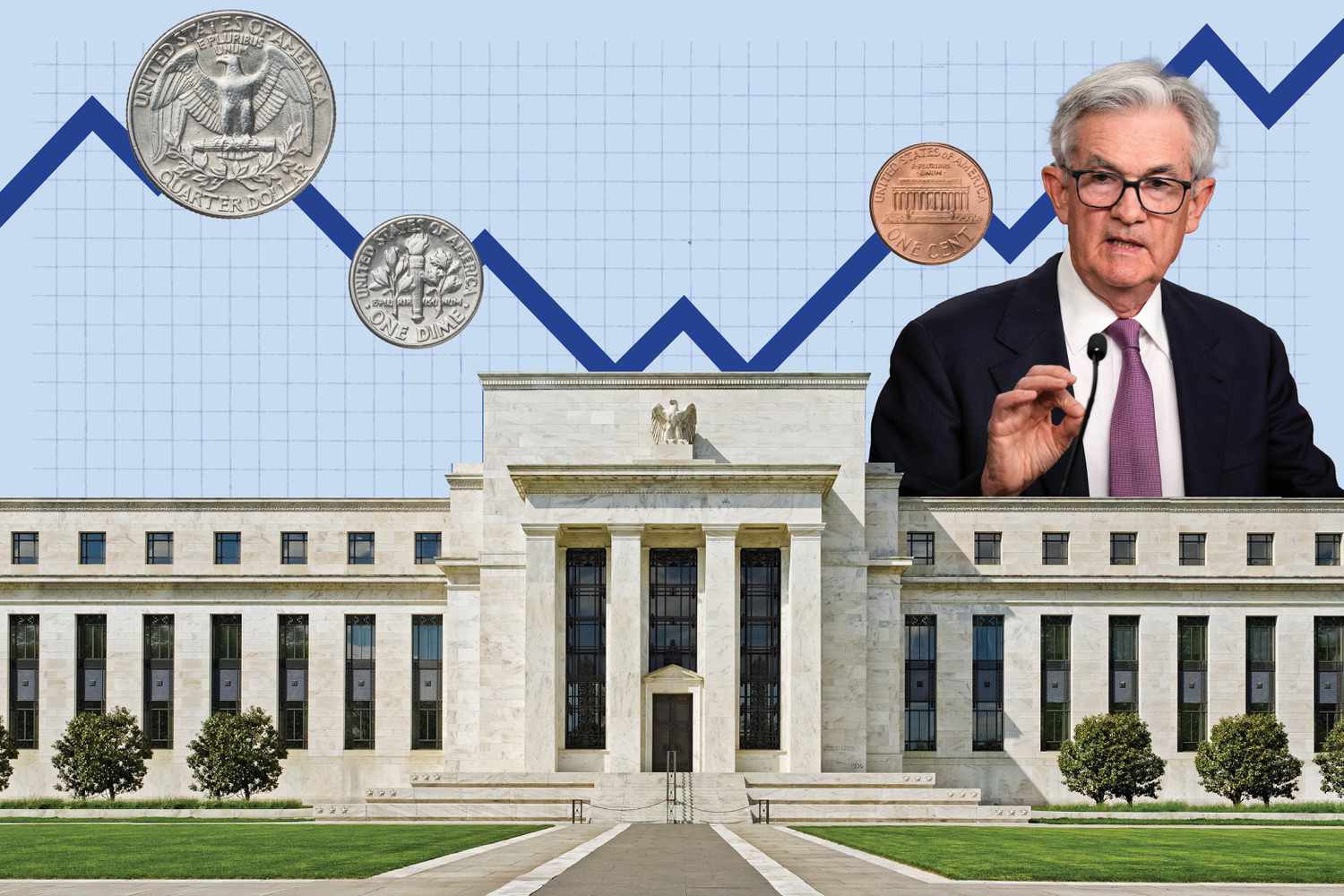
Economic News: An uncertain outlook remains from Trump’s policies ធនាគារកណ្តាលនៅសហរដ្ឋអាមេរិក ដោយមើលឃើញពីស្ថានភាពសេដ្ឋកិច្ចនាពេលបច្ចុប្បន្ន ធនាគារកណ្តាលនៅសហរដ្ឋអាមេរិកនៅតែមានក្តីបារម្ភទៅលើកំណើនហានិភ័យអត្រាអតិផរណា ស្របពេលដែលអត្រាអ្នកគ្មានការងារធ្វើនឹងមានការកើនឡើងដូចគ្នា។ ទាំងនេះសុទ្ធតែអាចពន្យារពេលលើការធ្វើឲ្យអតិផរណាឈានទៅរកអត្រាគោលដៅប្រចាំឆ្នាំ។ ដោយសារហេតុផលខាងក្រោម៖ ដូច្នេះ ប្រសិនបើអត្រាអ្នកអត់ការងារធ្វើកើនឡើង ដែលរារាំងដល់កំណើនសេដ្ឋកិច្ច → ភាគរយដែលមានសេណារីយ៉ូនៃការជាប់គាំងនឹងមានកាន់តែច្រើន ដូចអ្វីដែលរបាយការណ៍សន្ទស្សន៍អ្នកគ្រប់គ្រងការទិញបានលើកឡើងលើសេដ្ឋកិច្ចចក្រភពអង់គ្លេស។ ព័ត៌មានបន្ថែម៖ លោក Elon Musk ដែលជាដៃគូជិតស្និទ្ធបំផុតរបស់លោក Trump ឥឡូវនេះកំពុងពិចារណាលើការធ្វើសវនកម្មលើ Federal Reserve ដែលបង្ហាញពីលទ្ធភាពដែលកើតមានភាពមិនច្បាស់លាស់បន្ថែមទៀតនាពេលខាងមុខ។ ធនាគារកណ្តាលជប៉ុន ទោះបីជាអតិផរណាថ្មីៗនេះនៅក្នុងប្រទេសជប៉ុនបានកើនឡើងខ្ពស់ដល់ 4.0% និងបានបង្កើនភាគរយដែលធនាគារកណ្តាលជប៉ុនអាចនឹងដំឡើងអត្រាការប្រាក់ក៏ដោយ ក៏អភិបាល BOJ Ueda ក៏បានលើកឡើងផងដែរថា “នឹងទិញមូលបត្របំណុលយ៉ាងឆាប់រហ័ស ប្រសិនបើទិន្នផលសញ្ញាប័ណ្ណកើនឡើងយ៉ាងខ្លាំង” ក្នុងគោលបំណងធ្វើឱ្យមានស្ថិរភាពក្នុងទីផ្សារហិរញ្ញវត្ថុ។ ការទិញមូលបត្របំណុលគឺជាទម្រង់នៃការបន្ធូរបន្ថយគោលនយោបាយរូបិយវត្ថុរបស់រដ្ឋាភិបាលជប៉ុន (QE) ដែលត្រូវបានប្រើប្រាស់ដើម្បីកាត់បន្ថយហានិភ័យក្នុងបំណុលរបស់រដ្ឋាភិបាលជប៉ុន។ ដូច្នេះ USDJPY បានកើនឡើងខ្ពស់ដល់ប្រមាណ150។ |English Version| The Federal Reserve Given the current economic condition, the Federal Reserve is now anxious about the upside inflation risk while foreseeing a higher risk in the unemployment rate, possibly delaying the timing of achieving the annual target rate. Due to various reasons are stated below: So if the unemployment rate rises, which hinders economic growth, → potential of having a stagflation scenario just like what the purchasing managers’ index stated on the UK economy. Extra: Elon Musk, Trump’s closest partner during his campaign, is now considering having the audit on the Federal Reserve, hinting more uncertainty is likely to come. The Bank of Japan Although recent inflation in Japan surged higher to 4.0% and raised the bar of interest rate hikes by the Bank of Japan, the BOJ governor Ueda also cited that “to purchase bonds quickly if bond yields rise sharply,” aiming to stabilize the financial conditions. Purchasing bonds is a form of quantitative easing (QE), that is used to ease the risk exposed to increased debt-servicing costs from higher Japanese government bond yields. Therefore, USDJPY rose higher to approximately 150.
OPEC – Organization of the Petroleum Exporting Countries ⭐️ គន្លឹះសំខាន់ ⭐️ ឈ្វេងយល់ពី OPEC OPEC ឬ Organization of the Petroleum Exporting Countries (អង្គការនៃក្រុមប្រទេសនាំប្រេងចេញ) គឺជាអង្គការអន្តររដ្ឋាភិបាលចំនួន 13 ប្រទេសនាំចេញប្រេង ដែលសម្របសម្រួលគោលនយោបាយប្រេងរបស់សមាជិករបស់ខ្លួន។ ⭐️ ហេតុអ្វីបានជា OPEC ត្រូវបានបង្កើតឡើង? OPEC ត្រូវបានបង្កើតឡើងនៅឆ្នាំ 1960 ដើម្បីរារាំងប្រទេសធំៗដែលផលិតប្រេងនៅក្នុងពិភពលោកពីការបញ្ចុះ និងតម្លើងតម្លៃប្រេងខ្លាំងពេក។ ដូច្នេះ នៅពេលដែលប្រទេសមួយកាត់បន្ថយតម្លៃប្រេង ប្រទេសផ្សេងទៀតនឹងធ្វើដូចគ្នាដើម្បីប្រកួតប្រជែងក្នុងទីផ្សារអន្តរជាតិ នោះវានឹងអាចនាំឱ្យមានការថយចុះនៃទុនបម្រុងប្រេងក្នុងអត្រាលឿនជាងមុន។ ⭐️ តើរបាយការណ៍ OPEC តែងតែចេញផ្សាយនៅពេលណា? OPEC តែងតែចេញផ្សាយរបាយការណ៍ទីផ្សារប្រេងប្រចាំខែរបស់ខ្លួននៅចន្លោះពាក់កណ្តាលខែនីមួយៗ។ ⭐️ គោលបំណងនៃការចេញផ្សាយរបាយការណ៍ OPEC គោលបំណងនៃការចេញផ្សាយរបាយការណ៍ OPEC គឺ ដើម្បីផ្តល់នូវបច្ចុប្បន្នភាព និងការវិភាគលើទីផ្សារប្រេងពិភពលោក រួមទាំងសក្ដានុពលនៃការផ្គត់ផ្គង់ និងតម្រូវការ កម្រិតផលិតកម្ម និងនិន្នាការតម្លៃប្រេង។ ⭐️ តម្លៃប្រេងគោលដៅ តម្លៃប្រេងគោលដៅគឺ $70-$80 ក្នុងមួយបារ៉ែល។ ហើយប្រសិនបើតម្លៃប្រេងធ្លាក់ចុះក្រោមតម្លៃគោលដៅ នោះបណ្តាប្រទេស OPEC នឹងដាក់កម្រិតលើការផ្គត់ផ្គង់របស់ពួកគេ ដូច្នេះតម្លៃអាចកើនឡើងខ្ពស់។ ⭐️ ប្រទេសទាំង 13 ដែលចូលជាសមាជិកនៃអង្គការ OPEC & ⭐️ ប្រទេសទាំង 5 ដែលប្រើប្រាស់ប្រេងច្រើនជាងគេ ប្រទេសទាំង 13 ដែលចូលជាសមាជិកនៃអង្គការ OPEC៖ អាល់ហ្សេរី, អង់ហ្គោឡា, កុងហ្គោ, អេក្វាទ័រហ្គីណេ, ហ្គាបុង, អ៊ីរ៉ង់, អ៊ីរ៉ាក់, គុយវ៉ែត, លីប៊ី, នីហ្សេរីយ៉ា, អារ៉ាប៊ីសាអូឌីត, អេមីរ៉ាតអារ៉ាប់រួម, និងវ៉េណេស៊ុយអេឡា។ ប្រទេសទាំង 5 ដែលប្រើប្រាស់ប្រេងច្រើនជាងគេ៖ សហរដ្ឋអាមេរិក, សាធារណរដ្ឋប្រជាមានិតចិន, ឥណ្ឌា, ជប៉ុន, និងរុស្ស៊ី។ ⭐️ តើ OPEC មានគោលដៅចំនួនប៉ុន្មាន? OPEC មានគោលដៅចំនួន 3 គឺ៖ 1. រក្សាតម្លៃប្រេងឱ្យមានស្ថិរភាព៖ ដើម្បីរក្សាស្ថិរភាពតម្លៃប្រេងដោយការសម្របសម្រួលផលិតកម្មប្រេងរបស់សមាជិករបស់ខ្លួនតាមរយៈកូតា។ 2. កាត់បន្ថយការប្រែប្រួលតម្លៃប្រេង៖ ដើម្បីកាត់បន្ថយការប្រែប្រួលតម្លៃប្រេង ដោយសង្ឃឹមថានឹងធ្វើឱ្យការផលិត និងការផ្គត់ផ្គង់ប្រេងទទួលបានផលចំណេញតាមដែលអាចធ្វើបានសម្រាប់សមាជិក OPEC។ 3. កាត់បន្ថយអតិរេក និងកង្វះខាត៖ កែសម្រួលការផ្គត់ផ្គង់ប្រេង ដើម្បីទប់ទល់នឹងអតិរេក និងការខ្វះខាត ដែលជាលទ្ធផលអាចជួយកាត់បន្ថយការប្រែប្រួលតម្លៃប្រេងនៅលើទីផ្សារអន្តរជាតិ។ ⭐️ តើរបាយការណ៍ OPEC មានឥទ្ធិពលយ៉ាងដូចម្ដេចខ្លះចំពោះសេដ្ឋកិច្ច? តួនាទីរបស់អង្គការ OPEC គឺរក្សាស្ថិរភាពតម្លៃនៅក្នុងទីផ្សារប្រេងអន្តរជាតិ ដើម្បីទប់ស្កាត់ការប្រែប្រួលដ៏ធំនៃតម្លៃនៅពេលដែលតម្លៃប្រេងឥន្ធនៈត្រូវបានកំណត់នៅជុំវិញពិភពលោក។ ប្រេងជាវត្ថុដែលចាំបាច់ក្នុងការផលិតទំនិញ ដើម្បីប្រែក្លាយវត្ថុធាតុដើមទៅជាផលិតផលសម្រេចតាមរយៈការដឹកជញ្ជូន និងថ្លៃដើមផលិតកម្ម។ ប្រសិនបើថ្លៃដើមនៃការផលិតកើនឡើង នោះផលិតផលកាន់តែថ្លៃ។ ម្យ៉ាងវិញទៀត គ្រួសារភាគច្រើនប្រើប្រាស់ប្រេងជាថាមពល ដូច្នេះតម្លៃប្រេងកាន់នឹងកាន់តែឡើងខ្ពស់សម្រាប់អ្នកប្រើប្រាស់។ ដោយសារតម្លៃប្រេងឡើងថ្លៃ ធ្វើឱ្យថ្លៃដើមនៃការផលិត (ដែលត្រូវបានបញ្ជូនទៅអ្នកប្រើប្រាស់) នឹងឡើងថ្លៃ ដែលទាំងអស់នេះអាចបណ្តាលឱ្យថ្លៃចំណាយក្នុងការរស់នៅខ្ពស់។ នេះនាំឱ្យមានអតិផរណាខ្ពស់ និងអាចកាត់បន្ថយកំណើនសេដ្ឋកិច្ចផងដែរ។ |English Version| ⭐️ Key takeaway ⭐️ Understand about OPEC OPEC or Organization of the Petroleum Exporting Countries is an intergovernmental organization of 13 countries oil-exporting countries that coordinate the petroleum policies of its members. ⭐️ Why OPEC was formed? OPEC was formed in 1960 to prevent the world’s largest oil producers from lowering the price of oil. So, once one country reduces its oil price, other countries will do so to compete in the international market. This would lead to a depletion of oil reserves at a more rapid rate. ⭐️ When is the OPEC report released? OPEC released its monthly oil market reports around the middle of each month. ⭐️ Purpose of releasing the OPEC report Purpose of releasing this report: to provide updates and analysis on the global oil market, including supply and demand dynamics, production levels, and price trends. ⭐️ The oil target price The target price for oil is currently between $70 and $80 per barrel. If prices drop below those levels then OPEC countries will restrict their supply so prices can push higher. ⭐️ What are the 13 countries? & The top 5 biggest consumers of oil The 13 countries of OPEC: The Organization of the Petroleum Exporting Countries (OPEC) has 13 members: Algeria, Angola, Congo, Equatorial Guinea, Gabon, Iran, Iraq, Kuwait, Libya, Nigeria, Saudi Arabia, the United Arab Emirates, and Venezuela. The top 5 biggest consumers of oil: The United States of America, the People’s Republic of China, India, Japan, and Russia. ⭐️ Goals of OPEC OPEC has 3 main goals: 1. Keep oil prices stable: To keep oil prices stable by coordinating its members’ oil production through quotas. 2. Reduce oil price volatility: To reduce oil price volatility, in the hope of making the production and supply of oil as profitable as possible for OPEC members 3. Minimize surpluses and shortages: Adjust the supply of oil to combat surpluses and shortages which in turn can help reduce the volatility of oil prices on international markets. ⭐️ How can the OPEC report affect the economy? OPEC’s role is to stabilize prices in international oil markets to prevent large movements in prices. It plays a part when petrol prices are set around the world. Oil is also needed in the manufacturing of goods to turn raw ingredients into the finished product through transportation and manufacturing costs. If the costs to produce increase, products become more expensive, and this will be passed on to the consumer. Households also use oil for energy so higher oil prices mean higher bills for consumers. As higher oil prices increase the cost of manufacturing (which is passed onto the consumer) and increase the cost of utilities to consumers, this can all cause higher living costs. This, in turn, leads to higher inflation and reduced economic growth.

Effective Federal Fund Rate (EFFR/Fed Rate) ⭐️ គន្លឹះសំខាន់ ⭐️ ឈ្វេងយល់ពី Fed Rate Fed Rate គឺជាអត្រាការប្រាក់គោលដៅ ដែលកំណត់ដោយ FOMC (គណៈកម្មាធិការទីផ្សារបើកចំហសហព័ន្ធ) សម្រាប់ធនាគារពាណិជ្ជខ្ចី និងផ្តល់ប្រាក់កម្ចីបម្រុងលើសរបស់ពួកគេឱ្យគ្នាទៅវិញទៅមក ហើយគោលបំណងចម្បងនៃការផ្លាស់ប្តូរនេះគឺដើម្បីប្រយុទ្ធប្រឆាំងនឹងអត្រាអតិផរណា។ ⭐️ គោលដៅនៃ Fed Rate គោលដៅនៃ Fed Rate៖ ដើម្បីលើកកម្ពស់កំណើនសេដ្ឋកិច្ចប្រកបដោយនិរន្តរភាព បង្កើនអត្រាមានការងារធ្វើឱ្យបានខ្ពស់ អត្រាការប្រាក់រយៈពេលវែងកម្រិតមធ្យម និងដើម្បីរក្សាអំណាចទិញនៃប្រាក់ដុល្លារអាមេរិក។ ⭐️ កាតព្វកិច្ចរបស់ Federal Reserve ត្រូវបានបែងចែកជាបួនផ្នែកទូទៅ៖ ⭐️ តើ Fed Rate ត្រូវបានកំណត់យ៉ាងដូចម្តេច? Fed Rate ត្រូវបានកំណត់ដោយ៖ ⭐️ សារៈសំខាន់នៃ Fed Rate វាមានសារៈសំខាន់សម្រាប់ហេតុផល២បែបគឺ៖ ក. អត្រាការប្រាក់ឡើងថ្លៃ ដែលធ្វើឱ្យធនាគារពិបាកក្នុងការខ្ចីប្រាក់ ខ. ធ្វើឱ្យសេដ្ឋកិច្ចធ្លាក់ចុះ ដោយសារតែអាជីវកម្មផ្សេងៗពិបាកក្នុងការខ្ចីប្រាក់យកទៅវិនិយោគ ក. អត្រាការប្រាក់ចុះថោក ដូចនេះធនាគារងាយស្រួលក្នុងការខ្ចីប្រាក់ ខ. ជួយជម្រុញឱ្យមានកំណើនសេដ្ឋកិច្ច ដោយសារតែមានការខ្ចីប្រាក់ពីបណ្តាក្រុមហ៊ុន និងវិនិយោគិនផ្សេងៗយកទៅវិនិយោគ ⭐️ ឥទ្ធិពលនៃ Fed Rate |English Version| ⭐️ Key takeaway ⭐️ Understand about Fed Rate The Fed Rate is not an indicator but is the target rate set by the FOMC (Federal Open Market Committee) for commercial banks to borrow and lend their excess reserves to each other overnight. Thus, the primary purpose of this change is to combat with inflation rate. ⭐️ The goal of Fed Rate The goal of the Fed Rate is to promote sustainable economic growth, high employment rates, moderate long-term interest rates, and to preserve the purchasing power of the U.S. dollar. ⭐️ What are the duties of the Federal Reserve? The Fed’s main duties include: ⭐️ How is the fed rate determined? Fed Rate is determined by: ⭐️ The importance of Fed Rate It is important for 2 reasons: a. More expensive for banks to borrow money b. Helps to slow down the economy by making it more expensive for businesses to borrow money and invest. a. Cheaper for banks to borrow money. b. Helps to stimulate the economy by making it cheaper for businesses to borrow money and invest. ⭐️ The impact of Fed Rate

Nonfarm Payroll (NFP) ⭐️ គន្លឹះសំខាន់ ⭐️ ឈ្វេងយល់ពី Nonfarm Payroll (NFP) NFP (NonFarm Payroll) គឺជាសូចនាករសេដ្ឋកិច្ច ដែលផ្តល់ព័ត៌មានសំខាន់ៗស្ដីពីនិកម្មភាព (ភាពគ្មានការងារធ្វើ) កំណើនការងារ និងបញ្ជីប្រាក់បៀវត្សរ៍ ដោយមិនរាប់បញ្ចូលនូវចំនួនកសិករ ឬអ្នកមិនជាប់ពន្ធកាត់ទុកឡើយ។ ⭐️ តើទិន្នន័យ Nonfarm Payroll (NFP) តែងតែចេញផ្សាយនៅពេលណា? ទិន្នន័យនេះតែងតែចេញផ្សាយនៅ ថ្ងៃសុក្រនៃសប្តាហ៍ទី១ នៅចន្លោះពីម៉ោង១៩:៣០ និង២០:៣០ នាទីល្ងាច (ម៉ោងនៅក្នុងព្រះរាជាណាចក្រកម្ពុជា) ជារៀងរាល់ខែ ហើយទិន្នន័យ NFP របស់ខែកក្កដា នឹងចេញផ្សាយនៅខែសីហាជានិច្ច។ ⭐️ សារៈសំខាន់នៃរបាយការណ៍ Nonfarm Payroll (NFP) NFP (NonFarm Payroll) មានសារៈសំខាន់ ព្រោះវាផ្តល់នូវការយល់ដឹងសំខាន់ៗអំពីស្ថានភាពបច្ចុប្បន្ននៃទីផ្សារការងារ ការជះឥទ្ធិពលលើការរំពឹងទុកនៃអត្រាការប្រាក់ ការប៉ះពាល់ដល់អារម្មណ៍ទីផ្សារ និងជាពិសេសវាអាចជួយឱ្យអ្នកត្រេតអាចសម្រេចចិត្តនៅក្នុងការជួញដូរដ៏ត្រឹមត្រូវបានផងដែរ។ ចំនួនការងារត្រូវបានបង្កើតបន្ថែម ឬបាត់បង់ក្នុងរយៈពេលជាក់លាក់មួយ អាចបង្ហាញពីភាពរឹងមាំនៃសេដ្ឋកិច្ចរបស់ប្រទេស ព្រមទាំងអាចឲ្យសញ្ញាណពីការសម្រេចចិត្ត ឬសកម្មភាពលើគោលនយោបាយរូបិយប័ណ្ណ (Monetary Policy) នៃធនាគារកណ្តាល។ ⭐️ កត្តាដែលជះឥទ្ធិពលលើ Nonfarm Payroll (NFP) កត្តាដែលជះឥទ្ធិពលលើការ NFP អាចប្រែប្រួលអាស្រ័យលើលក្ខខណ្ឌសេដ្ឋកិច្ច និងទីផ្សារការងារផ្សេងៗ។ តែទោះជាយ៉ាងណាក៏ដោយ មានកត្តាទូទៅមួយចំនួនដែលអាចប៉ះពាល់ដល់ NFP រួមមាន ទិន្នន័យគ្មានការងារធ្វើប្រចាំសប្តាហ៍ ADP employment changes របាយការណ៍ Purchasing Managers’ Index ប្រចាំខែក៏អាចមានឥទ្ធិពលលើរបាយការណ៍ NFPផងដែរ។ ⭐️ ឥទ្ធិពលនៃ Nonfarm Payroll (NFP) |English Version| ⭐️ Key takeaway ⭐️ Understand about NFP Nonfarm Payroll (NFP) is an economic indicator that provides important information on the unemployment rate, employment growth, and payroll, excluding the number of farmers or non-taxpayers. ⭐️ When is the NFP data released? Nonfarm Payroll (NFP) is usually released on the Friday of the first week between 19:30 and 20:30 pm (Cambodian time) each month, and the July NFP data will be released in August. ⭐️ The importance of Nonfarm Payroll (NFP) Nonfarm Payroll (NFP) is important because it provides important insights into the current state of the labor market, the impact on interest rate expectations, the impact on market sentiment, and in particular it can help traders make proper decisions in trading as well. Non-farm payrolls offer insights into the state of employment across the country. The number of jobs added or lost in a month can indicate the strength of the economy and how the Federal Reserve might act on monetary policy. ⭐️ Factors that influence this indicator Other employment figures such as weekly jobless data, ADP employment changes, and employment constituents of the monthly data and Purchasing Managers’ Index report may also influence non-farm payroll reports. ⭐️ The impact of NFP (Nonfarm Payroll) 👉Influence of NFP (Nonfarm Payroll) on the economy The non-farm payroll report is an important economic indicator that reflects the health of the labor market. It measures how many people are employed in the US, excluding farm workers and some other job types. A rising non-farm payroll number indicates a growing economy. However, if non-farm payrolls rise too rapidly, it could lead to inflation which could hurt the economy as well. And vice versa. 👉Influence of NFP (Nonfarm Payroll) on the dollar The non-farm payroll report is an important economic indicator that can affect the dollar price. If the non-farm payroll number rises, it may lead to expectations of higher interest rates which can push the dollar higher. Conversely, if the non-farm payroll number declines, it may lead to expectations of lower interest rates which can cause the dollar to depreciate.

ADP Nonfarm Employment Change គន្លឹះសំខាន់ – ADP Nonfarm Employment Change គឺជារបាយការណ៍សេដ្ឋកិច្ចប្រចាំខែនៃការងារដែលចេញផ្សាយដោយវិទ្យាស្ថានស្រាវជ្រាវ ADP។ – ADP Nonfarm Employment Change ផ្តល់នូវការព្យាករណ៍អំពីចំនួនការងារដែលបានបន្ថែម ឬបាត់បង់នៅក្នុងវិស័យឯកជននៅក្នុងសេដ្ឋកិច្ចសហរដ្ឋអាមេរិក។ – កត្តាដែលជះឥទ្ធិពលដល់ ADP Nonfarm Employment Change – សារៈសំខាន់នៃ ADP Nonfarm Employment Change ឈ្វេងយល់ពី ADP Nonfarm Employment Change ADP Nonfarm Employment Change ឬជាភាសាខ្មែរហៅថា ទិន្នន័យការងារ ADP គឺជារបាយការណ៍សេដ្ឋកិច្ចប្រចាំខែដែលចេញផ្សាយដោយវិទ្យាស្ថានស្រាវជ្រាវ ADP ដែលវាស់វែងលើការផ្លាស់ប្តូរនៃចំនួនបុគ្គលិកនៅក្នុងវិស័យឯកជន ដែលមិនរាប់បញ្ចូលនូវវិស័យកសិកម្មឡើយ។ របាយការណ៍នេះគឺផ្អែកទៅលើទិន្នន័យប្រាក់បៀវត្សរ៍ ដែលបានមកពីបណ្តាអាជីវកម្មនានាប្រហែល 400,000 នៅឯសហរដ្ឋអាមេរិក ដោយក្នុងនោះមានបុគ្គលិកប្រហែល 23 លាននាក់។ តើទិន្នន័យ ADP Nonfarm Employment Chang តែងតែចេញផ្សាយនៅពេលណា? ADP Nonfarm Employment Change តែងតែចេញផ្សាយជារៀងរាល់ពីរថ្ងៃមុនការចេញផ្សាយរបាយការណ៍ស្ថានភាពការងាររបស់ការិយាល័យស្ថិតិការងារ ដែលជាទូទៅគឺនៅរៀងរាល់ថ្ងៃសុក្រនៃសប្តាហ៍ដំបូងនៃខែនីមួយៗ។ សារៈសំខាន់នៃរបាយការណ៍ ADP Nonfarm Employment Change ADP Nonfarm Employment Change មានសារៈសំខាន់ ព្រោះវាផ្តល់នូវការព្យាករណ៍អំពីចំនួនការងារដែលបានបន្ថែម ឬបាត់បង់នៅក្នុងវិស័យឯកជននៃសេដ្ឋកិច្ចសហរដ្ឋអាមេរិក។ លើសពីនេះទៅទៀត របាយការណ៍ ADP គឺជាសូចនាករសេដ្ឋកិច្ចដែលមានឥទ្ធិពល ដែលអាចប៉ះពាល់ដល់ទីផ្សារហិរញ្ញវត្ថុ រួមទាំងទីផ្សារ Forex និងទីផ្សារភាគហ៊ុនផងដែរ។ ដូច្នេះ នៅពេលដែលទិន្នន័យនៃសូចនាករនេះកើនឡើង វាបង្ហាញថាមនុស្សភាគច្រើនមានការងារធ្វើនៅក្នុងវិស័យមិនមែនកសិកម្ម ដែលជាសញ្ញាវិជ្ជមានសម្រាប់សេដ្ឋកិច្ច។ ការកើនឡើងនេះអាចនាំឱ្យមានការកើនឡើងនៃការចំណាយរបស់អ្នកប្រើប្រាស់ និងកំណើនសេដ្ឋកិច្ចទាំងមូលបានផងដែរ។ ម្យ៉ាងវិញទៀត នៅពេលដែលទិន្នន័យ ADP Nonfarm Employment Change មានការថយចុះ វាបង្ហាញថាមានចំនួនមនុស្សតិចជាងមុនដែលធ្វើការនៅក្នុងវិស័យមិនមែនកសិកម្ម ដែលជាសញ្ញាអវិជ្ជមានសម្រាប់សេដ្ឋកិច្ច។ ការថយចុះនេះអាចនាំឱ្យមានការថយចុះនៃការចំណាយរបស់អ្នកប្រើប្រាស់ និងធ្វើឱ្យសេដ្ឋកិច្ចទាំងមូលធ្លាក់ចុះផងដែរ។ កត្តាសំខាន់ៗដែលមានឥទ្ធិពលលើ ADP Nonfarm Employment Change៖ |English Version| Key Takeaways – ADP Nonfarm Employment Change is an employment monthly economic report published by the ADP Research Institute. – ADP Nonfarm Employment Change provides a forecast of the number of jobs added or lost in the private sector of the US economy. – Factors that influence ADP Nonfarm Employment Change – The importance of ADP Nonfarm Employment Change Understand about ADP Nonfarm Employment Change ADP Nonfarm Employment Change is a monthly economic report published by the ADP Research Institute that measures the change in the number of employed people in the nonfarm private sector of the United States economy. The report is based on payroll data from around 400,000 U.S. businesses, covering around 23 million employees. When will the ADP Nonfarm Employment Changes data be released? The ADP Nonfarm Employment Change is released two days prior to the Bureau of Labor Statistics’ employment situation report, which is available on the first Friday of each month. The Importance of ADP Nonfarm Employment Change ADP Nonfarm Employment Status is important because it provides a forecast of the number of jobs added or lost in the private sector of the US economy. Moreover, the ADP report is an important economic indicator that can impact financial markets, including the forex and stock markets. So when this indicator increases, it indicates that more people have been employed in the nonfarm sector compared to the previous month, which is generally seen as a positive sign for the economy. This can lead to an increase in consumer spending and overall economic growth. On the other hand, when the ADP Nonfarm Employment Change decreases, it suggests that fewer people have been employed in the nonfarm sector compared to the previous month, which is generally seen as a negative sign for the economy. This can lead to a decrease in consumer spending and overall economic growth. The key factors that influence the ADP Nonfarm Employment Status report:

Latest Highlights from Yesterday’s Economic News: Insights from Trump’s Speech and the Federal Reserve សុន្ទរកថារបស់លោក Trump ធនាគារកណ្តាលអាមេរិក ធនាគារកណ្តាលអាមេរិកបានសម្តែងការព្រួយបារម្ភអំពីបញ្ហាអត្រាអតិផរណា ជាពិសេសស្របពេលដែលកំពុងមានភាពច្របូកច្របល់លើពន្ធ។ ដូចគ្នានេះដែរ Fitch Ratings ក៏មានក្តីបារម្ភដូចគ្នា ជាពិសេសទាក់ទងនឹងទីផ្សារអាលុយមីញ៉ូម។ ជាក់ស្តែងទីផ្សារនៅតែជឿជាក់ថាអាចនឹងរក្សាអត្រាការប្រាក់នាកិច្ចប្រជុំបន្ទាប់ យោងទៅតាម CME FEDwatch Tool ។ ទស្សនៈរបស់យើង បច្ចុប្បន្ននេះ ក្តីកង្វល់ចម្បងរបស់ខ្ញុំគឺការកើនឡើងអត្រា Deliquency (បំណុលដែលបង់យឺត) រួមជាមួយនឹងការគំរាមកំហែងពន្ធគយ និងបញ្ហាអតិផរណា។ ដូច្នេះ ប្រសិនបើកត្តាទាំងនេះរារាំងការចំណាយរបស់អ្នកប្រើប្រាស់យ៉ាងខ្លាំងនោះ វាអាចនាំឱ្យមានបញ្ហាបំណុល ហើយអាចឈានទៅរកភាពទន់ខ្សោយក្នុងសេដ្ឋកិច្ច។ ដូច្នេះ ជម្រើសអាចមានពីរគឺ រដ្ឋាភិបាលអាចដោះស្រាយលើឱនភាពថវិកាបច្ចុប្បន្ន ឬដំណោះស្រាយលើការសម្រេចចិត្តអត្រាការប្រាក់របស់ FED ។ ខ្ញុំជឿថាការបន្ធូរបន្ថយនឹងមិនអាចជួយអ្វីបានច្រើននៅចំណុចនេះតទៅមុខទេ។ |English Version| Trump’s Speeches The Federal Reserve The Federal Reserve has expressed concerns about the turbulent path of inflation amid ongoing tariff threats. Similarly, Fitch Ratings shares these concerns, particularly regarding the aluminum market. More odds still lean on holding the rate, as per the CME FEDwatch Tool. Our Perspective Currently, my primary concern is the rising delinquency rate, along with the tariff threats and inflation problem. So if these factors significantly restrain consumer spending, it could lead to debt default, and then this will hinder economic growth. So either the government deals with the current budget deficit or the FED’s interest rate decision. I do believe that easing won’t help much at this point onward.
Protected:
There is no excerpt because this is a protected post.
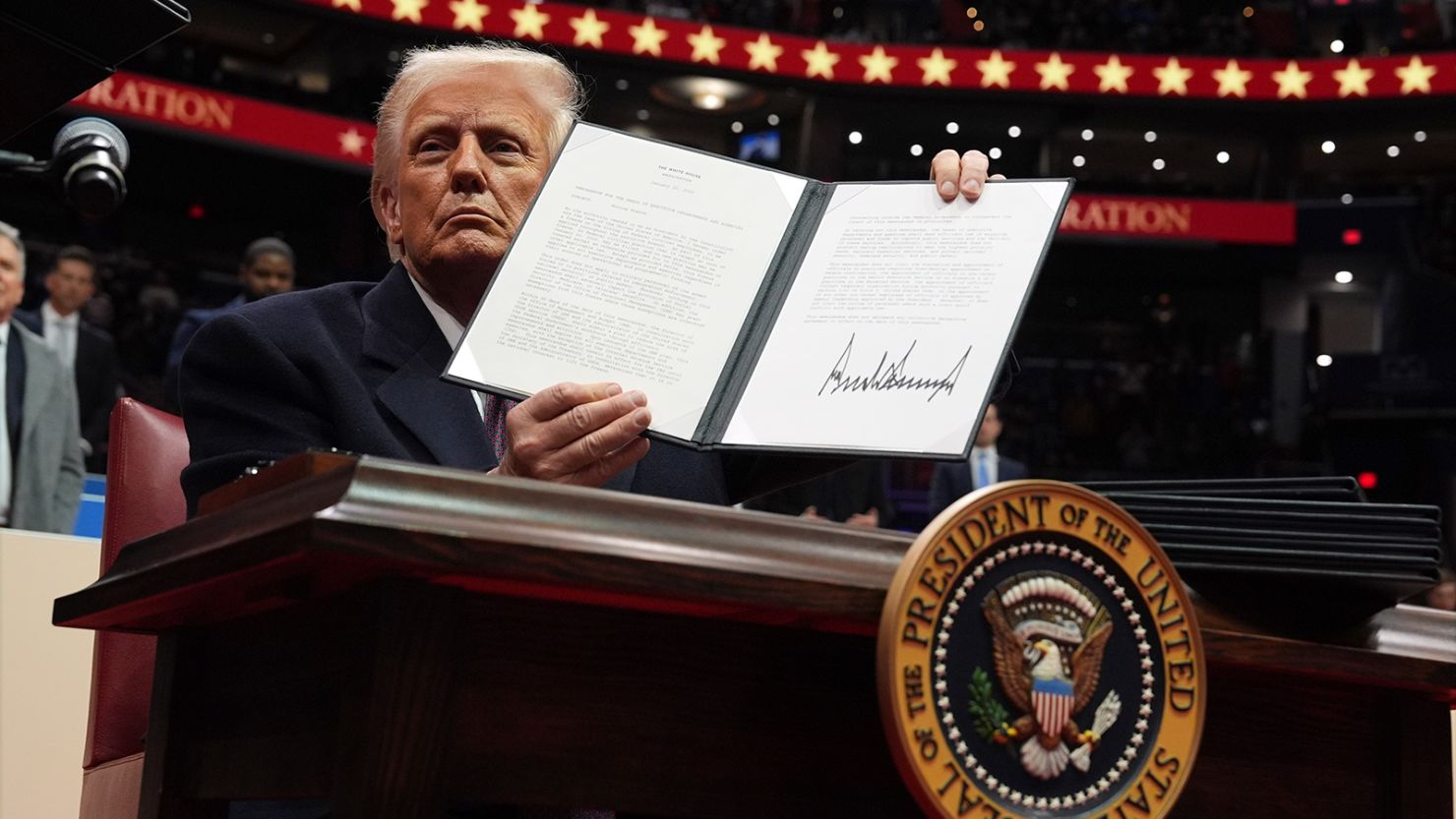
Key Economic News: The Federal Reserve Speech, Trump Speech, and Australia Wage Growth ធនាគារកណ្តាលនៅអាមេរិក ស្ថានភាពសេដ្ឋកិច្ចអាមេរិកនៅតែមានសភាពរឹងមាំ ទីផ្សារការងារនៅតែល្អប្រសើរ ហើយអត្រាអតិផរណានៅតែមានកម្រិតខ្ពស់ ដូច្នេះហើយបានជាសមាជិកធនាគារកណ្តាលលោកស្រី Daly ជឿជាក់ថាគោលនយោបាយរូបិយវត្ថុគួរតែរក្សាក្នុងកម្រិតដដែលនាពេលបច្ចុប្បន្ន។ នេះបានបង្ហាញថា ធនាគារកណ្តាលនៅតែមានភាពមិនច្បាស់លាស់អំពីឥទ្ធិពលភូមិសាស្ត្រនយោបាយ និងគោលនយោបាយរូបិយវត្ថុលើស្ថានភាពសេដ្ឋកិច្ច ស្របពេលដែលអាចនឹងមានការប្រុងប្រយ័ត្នកាន់តែច្រើនមកលើការសម្រេចចិត្តអត្រាការប្រាក់។ យោងតាម CMEFEDWatch Tool ទីផ្សារជឿជាក់ថាអាចនឹងមានភាគរយចំនួន43.7% ទៅលើការបន្ទាបអត្រាការប្រាក់នៅខែកញ្ញា ស្របពេលដែលអាចនឹងរក្សាអត្រាការប្រាក់នៅក្នុងខែមីនា។ ប្រធានាធិបតីលោក Trump៖ មតិមួយចំនួននិងការរំពឹងទុក៖ អតិផរណាខ្ពស់ + សក្តានុពលនៃភាពអត់ការងារធ្វើខ្ពស់ → តម្រូវការទាប និងកំណើនខ្សោយ។ ប្រទេសអូស្ត្រាលី កំណើនប្រាក់ឈ្នួលនៅក្នុងប្រទេសអូស្ត្រាលីត្រូវបានបញ្ជាក់ថាមានការចេញផ្សាយទិន្នន័យតិចជាងមុន បន្ទាប់ពីការកាត់បន្ថយអត្រាការប្រាក់បែប hawkish របស់ធនាគារកណ្តាលអូស្ត្រាលី (RBA) កាលពីម្សិលមិញ។ ការផ្លាស់ប្តូរនេះបង្ហាញថាតម្រូវការអាចនឹងបន្តថយចុះ ដោយសារតែការរឹតបន្តឹងលើការចាយវាយ។ |English Version| The Federal Reserve Given how strong the US economy is from tight labor markets and bumpy inflation progress, Federal Reserve member Daly still leans toward having a current restrictive policy. This cautious approach hints that the FED is uncertain about the current geopolitical and monetary policy effects on the economy while taking steps at a time on the interest rate decisions. According to the CMEFEDWatch Tool, the market priced in a September rate cut with odds of 43.7%, while the next March rate decision meeting is on holding the rate tight. Trump: Our Thoughts/Expectation: Australia The wage growth in Australia was confirmed to have a softer figure release after the Reserve Bank of Australia’s (RBA) hawkish rate cut yesterday. This change indicates that household consumption is very likely to be restrained by tight budgeting.