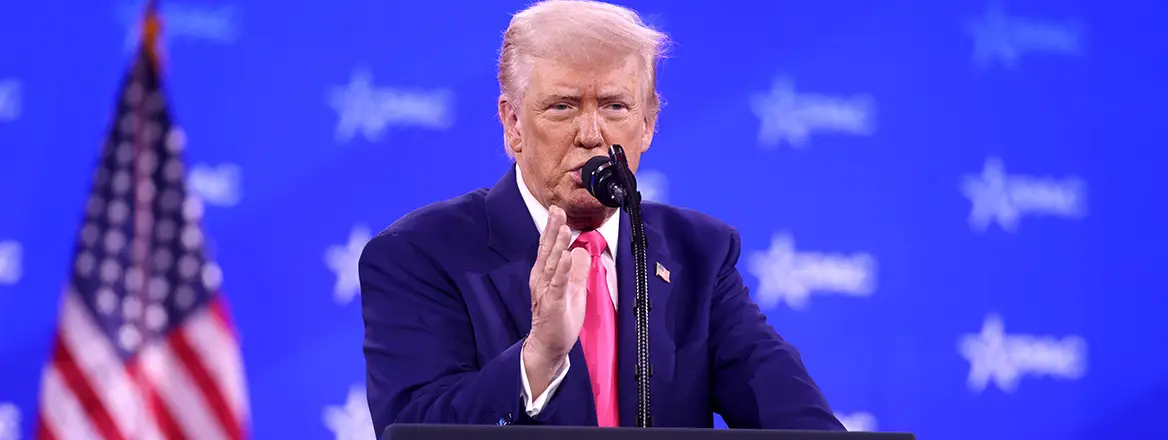
Trump’s Tariff Tightrope: Balancing Trade, Reciprocity, and Recession Risks សហរដ្ឋអាមេរិក សន្ទស្សន៍ទំនុកចិត្តអ្នកប្រើប្រាស់អាមេរិកបានបន្តធ្លាក់ចុះមកដល់កម្រិត 92.9 ទាបជាងទិន្នន័យព្យាករណ៍ ហើយនោះបង្ហាញពីលទ្ធភាពកាន់តែច្រើនដែលសេដ្ឋកិច្ចអាមេរិកអាចនឹងទន់ខ្សោយជាងមុនប្រសិនបើការធ្លាក់ចុះនៃទំនុកចិត្តនេះ នៅតែបន្តបន្ទាបតម្រូវការប្រើប្រាស់។ ជាក់ស្តែង ក្រុមហ៊ុន Goldman Sachs ក៏បានលើកឡើងពីលទ្ធភាពកាន់តែច្រើនដែលសេដ្ឋកិច្ចអាចធ្លាក់ចូលវិបត្តិសេដ្ឋកិច្ច។ ដូច្នេះប្រសិនបើភាពមិនច្បាស់លាស់នៅតែបន្តមាន នោះវិបត្តិសេដ្ឋកិច្ចអាចនឹងកើតមានកាន់តែច្រើន។ លោកប្រធានាធិបតី Donald Trump គិតត្រឹមថ្ងៃនេះ លោកប្រធានាធិបតី Donald Trump មិនទាន់ចេញវិធានការច្បាស់លាស់ណាមួយទៅលើការផ្លាស់ប្តូរគោលនយោបាយពន្ធនោះឡើយ។ ពោលគឺ រូបលោកគ្រាន់តែលើកឡើងថាការដាក់ពន្ធត្រឡប់ទៅវិញអាចនឹងមានកម្រិតធូរស្រាលជាងមុនតែប៉ុណ្ណោះ ដែលបានបង្ហាញពីភាពបត់បែនរបស់លោកលើផែនការពន្ធ ហើយនេះក៏បានផ្តល់នូវទស្សនវិស័យវិជ្ជមានមួយចំនួនទៅកាន់ប្រទេសមុិកសុិក និងកាណាដា។ លើកលែងតែសហភាពអឺរ៉ុបតែប៉ុណ្ណោះ ដែលទំនាក់ទំនងប្រទេសទាំងពីរនៅមិនទាន់មានភាពប្រសើរឡើងនៅឡើយទេ។ ការតាមដានបន្ថែមទៀត៖ Trump បាននិយាយថាមាន “សេចក្តីប្រកាសពាណិជ្ជកម្មនឹងមកដល់នៅថ្ងៃស្អែក” ព្រមទាំងលើកឡើងពីផែនការស្តីពីពន្ធនាំចូលទង់ដែងក្នុងរយៈពេលប៉ុន្មានសប្តាហ៍ផងដែរ។ អ៊ុយក្រែន និងរុស្ស៊ី ទោះបីជាមានកិច្ចព្រមព្រៀងស្តីពីបទឈប់បាញ់លើការវាយប្រហារហេដ្ឋារចនាសម្ព័ន្ធថាមពល និងសមុទ្រខ្មៅរវាងអ៊ុយក្រែន និងរុស្ស៊ីក៏ដោយ ក៏មិនទាន់មានព័ត៌មានលម្អិតណាមួយដែលបានផ្តល់នូវថ្ងៃជាក់លាក់ ឬរបៀបដែលវានឹងត្រូវបានអនុវត្តនោះទេ។ ប៉ុន្តែរឿងមួយដែលប្រាកដនោះគឺថា ប្រធានាធិបតីអ៊ុយក្រែន Zelenskiy នឹង “ប្តឹងទៅសហរដ្ឋអាមេរិកដោយផ្ទាល់” ប្រសិនបើរុស្សីបន្តការវាយប្រហារមកកាន់ប្រទេសខ្លួន។ ទោះបីជាយ៉ាងណាក៏ដោយ នេះអាចជាជំហានបន្ទាប់ឆ្ពោះទៅរកការបញ្ចប់សង្គ្រាមរុស្ស៊ី-អ៊ុយក្រែន។ ការនាំចូលប្រេងរបស់វេណេស៊ុយអេឡា បន្ទាប់ពីប្រធានាធិបតី Trump បានប្រកាសពន្ធលើប្រទេសដែលនាំចូលប្រេង និងឧស្ម័ន របស់ប្រទេស Venezuelan ដែលនឹងចូលជាធរមានៅថ្ងៃទី 2 ខែមេសារួចមក ក្រសួងការបរទេសចិនបានប្រឆាំងយ៉ាងម៉ឺងម៉ាត់ចំពោះរឿងនេះ ព្រោះវានឹងបន្ថែមសម្ពាធកាន់តែច្រើនលើការចំណាយអាជីវកម្មរបស់ចិន(តម្លៃឡើងថ្លៃ) និងអាចរំខានដល់លទ្ធភាពក្នុងការទទួលបានប្រេងឆៅពីប្រទេស Venezuelan ដែលមានតម្លៃសមរម្យ។ ជាពិសេសនៅពេលដែលប្រទេសចិនជាអ្នកទិញដ៏ធំបំផុតនៃប្រេង Venezuelan ដូច្នេះការដាក់ពន្ធលើនេះនឹងនាំឱ្យមានការធ្លាក់ចុះសេដ្ឋកិច្ចទាំងពីរកាន់តែច្រើន។ |English Version| The United States US consumer confidence continues to decline to 92.9, lower than the initial expected reading, and that suggests a potential for weaker economic growth if soft confidence remains dragging on demand consumption. In fact, Goldman Sachs also brought out the possibility of having more recession risk. So, having a prolonged uncertainty in trade tension would also dig itself further into the recession scenario. Trump As of today’s date, there is no firm policy shift from President Donald Trump yet aside from his soft tone toward his “reciprocal tariff” approach and that suggests his flexibility on Trump’s tariff plans. Saying that, “I will likely be more lenient than reciprocal,” giving a potential break on some, particularly to Mexico and Canada, as he also expressed positivity on their recent approaches. Except for the EU, where the relationship still has not gotten any better yet. Forward Looking: Ukraine and Russia Despite an agreement on a ceasefire between Ukraine and Russia that has been made on energy infrastructure attacks and the Black Sea, no further details were given on the exact date or how it would be implemented. But one thing for sure is that Ukraine’s President Zelenskiy would “appeal to the US directly” by seeking more weapons from them if Russia broke the ceasefire. Regardless, this could represent another step toward the end of the Russia-Ukraine war. Venezuelan oil imports After President Trump announced tariffs on nations importing Venezuelan oil and gas, effective on April 2, the Chinese foreign ministry has firmly opposed this, as this will add to more pressures on Chinese businesses’ costs and potentially disrupt their access to affordable Venezuelan crude. Especially when China is the largest buyer of Venezuelan oil, importing significant volumes, so imposing a tariff on this would lead to more economic downturn for both economies.

របាយការណ៍សង្ខេបទិន្នន័យប្រចាំសប្តាហ៍ត្រូវនឹងថ្ងៃទី 22 ខែមីនា ឆ្នាំ2025 នៅក្នុងរបាយការណ៍នេះ យើងនឹងតាមដានទៅលើបណ្តាសេដ្ឋកិច្ចសំខាន់ៗ រួមមានសហរដ្ឋអាមេរិក តំបន់អឺរ៉ុប ជប៉ុន អូស្ត្រាលី ចក្រភពអង់គ្លេស និងកាណាដា ដែលភាគច្រើនផ្តោតសំខាន់ទៅលើសូចនាករសេដ្ឋកិច្ច និងព្រឹត្តិការណ៍សេដ្ឋកិច្ចមួយចំនួនដែលបានកើតឡើងក្នុងសប្តាហ៍នេះ។ ប្រទេសអូស្ត្រាលី ទោះបីជាធនាគារកណ្តាលនៅអូស្ត្រាលីបានបន្ទាបអត្រាការប្រាក់ពីមុនក៏ដោយ ក៏ស្ថានភាពទីផ្សារការងារនៅតែមានសភាពទន់ខ្សោយនោះដែរ ដោយសារតែចំនួនអ្នកមានការងារធ្វើកាន់តែមានកម្រិតទាបជាងមុន ស្របពេលដែលអត្រាអ្នកចូលរួមកម្លាំងពលកម្ម (Participation Rate) បានធ្លាក់ចុះមកដល់ 66.8%។ ទាំងអស់នេះសុទ្ធតែអាចជំរុញឱ្យធនាគារកណ្តាលកាត់បន្ថយអត្រាការប្រាក់ចំនួន 2 ដងបន្ថែមទៀត ពោលគឺទីផ្សារចំនួន 77% បានជឿជាក់រួចទៅហើយទៅលើការបន្ទាបនៅខែឧសភា នេះបើតាមប្រភពព័ត៌មាន Bloomberg។ ប្រទេសជប៉ុន ធនាគារកណ្តាលជប៉ុនបានរក្សាអត្រាការប្រាក់ក្នុងកម្រិតដដែល ទោះបីជាស្ថានភាពសេដ្ឋកិច្ចបានឆ្លុះបញ្ជាំងពីភាពទន់ខ្សោយ និងលទ្ធភាពនៃកំណើនអត្រាអតិផរណាកាន់តែច្រើនទៀតក៏ដោយ។ អ្វីដែលគួរឱ្យបារម្ភនោះគឺ អត្រាអតិផរណាមកពីប្រាក់ឈ្នួល។ ប្រសិនបើកំណើននេះកាន់តែខ្ពស់នោះធនាគារកណ្តាលអាចនឹងមានភាគរយច្រើនក្នុងការដំឡើងអត្រាការប្រាក់បន្ថែមទៀត លើកលែងតែក្នុងករណីដែលសេដ្ឋកិច្ចស្ថិតក្នុង “ស្ថានភាពអាក្រក់”។ ជាក់ស្តែង យើងកំពុងឃើញពីការធ្លាក់ចុះបន្តិចនៃអត្រាអតិផរណាក្នុងខែកុម្ភៈនេះ ដែលអាចជំរុញឱ្យអត្រាការប្រាក់រក្សារហូតទៅដល់ខែមិថុនា និងកក្កដា។ ប្រទេសកាណាដា សេដ្ឋកិច្ចរបស់ប្រទេសកាណាដាបានកើនឡើងយឺត ទោះបីជាមានការបន្ធូរបន្ថយអត្រាការប្រាក់ជាច្រើនដងពីធនាគារកណ្តាលកាណាដាក៏ដោយ។ អ្វីដែលយើងកំពុងប្រឈមមុខនោះគឺ បញ្ហាតម្រូវការ ភាពទន់ខ្សោយនៃទីផ្សារការងារ បញ្ហាបំណុល ព្រមទាំងបញ្ហាអតិផរណាដែលបានកើនខ្ពស់ជាងអត្រាគោលដៅ ជាពិសេសគួបផ្សំជាមួយនឹងបញ្ហាសង្រ្គាមពន្ធដែលកើតមាននាពេលបច្ចុប្បន្ននោះ ទាំងនេះសុទ្ធតែអាចជំរុញឱ្យការចំណាយទូទៅអាចនឹងមានបញ្ហាទៅមុខទៀតកាន់តែច្រើន។ យោងទៅតាមអភិបាលរបស់ធនាគារកណ្តាលកាណាដាលោក Macklem “ប្រសិនបើបញ្ហាពន្ធនៅតែបន្តមាន នោះវាអាចជំរុញឱ្យមានបញ្ហាវិបត្តិសេដ្ឋកិច្ចជាមិនខាន។” ពោលគឺអាចនឹងបន្ថែមការគំរាមកំហែងទៅលើការធ្លាក់ចុះនៃសេដ្ឋកិច្ចបន្ថែមទៀត ប្រសិនបើទាំង Trump និងកាណាដាមិនឈានដល់កិច្ចព្រមព្រៀងណាមួយក្នុងពេលឆាប់ៗនេះ។ លើសពីនេះ ទីផ្សារបានបន្ទាបលទ្ធភាពនៃការបន្ធូរបន្ថយអត្រាការប្រាក់ក្នុងខែមេសាពី 43% ទៅ 30%។ ដូច្នេះ ពួកគេនឹងតាមដានទៅលើពន្ធគយរបស់ Trump នៅថ្ងៃទី 2 ខែមេសា។ ចក្រភពអង់គ្លេស ធនាគារកណ្តាលអង់គ្លេសបានរក្សាអត្រាការប្រាក់ក្នុងកម្រិតដដែល 4.5% ទោះបីជាកិច្ចប្រជុំនេះហាក់ដូចជាមានសម្លេងបែប Hawkish (អាចនឹងមានការរឹងបន្តឹងលើគោលនយោបាយរូបិយវត្ថុ) ក៏ដោយ។ នេះកើតឡើងនៅពេលដែលអតិផរណាប្រាក់ឈ្នួល និងតម្លៃនៃការរស់នៅកាន់តែមានកម្រិតខ្ពស់ ដែលបង្កើននូវហានិភ័យអត្រាអតិផរណាកាន់តែច្រើន។ ជាក់ស្តែង នេះអាចជំរុញឱ្យកំណើនសេដ្ឋកិច្ចកាន់តែទន់ខ្សោយ ខណៈដែលអត្រាគ្មានការងារធ្វើនៅតែជាកង្វល់។ ដូច្នេះ ភាពទន់ខ្សោយនៃសេដ្ឋកិច្ច បញ្ហាបំណុលខ្ពស់ អតិផរណាខ្ពស់ និងសង្គ្រាមពាណិជ្ជកម្មដែលកំពុងកើតមាន- ទាំងអស់នេះកំពុងបង្កើនហានិភ័យនៃការជាប់គាំងនាពេលអនាគតដ៏ខ្លីនេះ។ ជាក់ស្តែង សមាជិកធនាគារកណ្តាលអង់គ្លេសបានព្យាករណ៍រួចហើយថានឹងឃើញការបន្ធូរបន្ថយតិចជាងការរំពឹងទុកនៅឆ្នាំនេះ ទោះបីជាពួកគេរំពឹងថានឹងមានការកាត់បន្ថយអត្រាការប្រាក់បីបន្ថែមទៀតក៏ដោយ។ អឺរ៉ុប ចំពេលមានភាពមិនច្បាស់លាស់នៅក្នុងភាពតានតឹងពាណិជ្ជកម្ម កំណើនរបស់សហភាពអឺរ៉ុបនៅតែទន់ខ្សោយជាមួយនឹងសកម្មភាពយឺតយ៉ាវក្នុងវិស័យផលិតកម្ម និងវិស័យលំនៅឋាន ទាំងអស់នេះប្រហែលជាមិនអាចផ្តល់សុទិដ្ឋិនិយមល្អបំផុតលើទស្សនវិស័យសេដ្ឋកិច្ចនៅឡើយទេ។ អតិផរណាបានកើនឡើងខ្ពស់បន្ថែមទៀតដោយសារចំនួនសហជីពនៅក្នុងសហភាពអឺរ៉ុបកំពុងជំរុញកំណើនរបស់ពួកគេតាមរយៈការពន្យារពេលលើបញ្ហាបំណុល និងកំណើននៃការចាយវាយរបស់រដ្ឋាភិបាល។ ហើយនេះនឹងត្រូវបានព្យាករណ៍ថានឹងឃើញការកើនឡើងបន្ថែមទៀតទៅលើអត្រាអតិផរណា ជាពិសេសជុំវិញការរឹតបន្តឹងពន្ធរបស់សហរដ្ឋអាមេរិក។ ជាក់ស្តែង សហភាពអឺរ៉ុបបានពន្យារពេលវិធានការតបតពន្ធចំពោះស្រាវីស្គីរបស់អាមេរិក ហើយនឹងចរចាបន្ថែមទៀតបន្ទាប់ពីពន្ធគយថ្ងៃទី 2 ខែមេសា។ សហរដ្ឋអាមេរិក ធនាគារកណ្តាលនៅអាមេរិកបានរក្សាអត្រាការប្រាក់របស់ខ្លួននៅកម្រិត 4.5% ហើយព្យាករណ៍ថាអាចនឹងមានការកាត់បន្ថយអត្រាការប្រាក់ចំនួនពីរដងបន្ថែមទៀតនៅក្នុងឆ្នាំនេះ។ ធនាគារកណ្តាលក៏ចង់កាត់បន្ថយ Balance Sheet នៅ “ល្បឿនយឺត” ខណៈពេលដែលពួកគេទទួលស្គាលពីភាពទន់ខ្សោយនៃសេដ្ឋកិច្ចនាពេលថ្មីៗនេះ ដោយសារតែបញ្ហាពន្ធគយ។ សេចក្តីថ្លែងការណ៍ទាំងនេះបង្ហាញពីការជម្រុញរបស់ពួកគេក្នុងការនាំមកនូវស្ថិរភាពដល់កំណើនសេដ្ឋកិច្ច ខណៈពេលដែលនឹងតាមដានយ៉ាងសកម្មទៅលើទិន្នន័យអតិផរណា។ ធនាគារកណ្តាលក៏បានបន្ទាបការព្យាករណ៍របស់ពួកគេទៅលើទិន្នន័យកំណើនផលិតផលក្នុងស្រុកសរុប ស្របពេលដែលបង្កើនការព្យាករណ៍ទៅលើអត្រាអតិផរណា និងអត្រាអ្នកគ្មានការងារធ្វើ។ គួបផ្សំជាមួយនឹងការកើនឡើងនៃឱនភាពសហរដ្ឋអាមេរិក និងភាពតានតឹងជាសកល ទាំងអស់នេះទំនងជានាំមកនូវភាពមិនច្បាស់លាស់បន្ថែមទៀតដល់ទីផ្សារ ហើយទំនងជាបន្តធ្វើឱ្យមានការធ្លាក់ចុះនៃកំណើនសេដ្ឋកិច្ច។ លើសពីនេះ ឧបករណ៍ CME FEDwatch បានបង្ហាញថា FED នឹងរក្សាអត្រាការប្រាក់នៅក្នុងខែឧសភា ខណៈពេលដែលព្យាករណ៍ពីការកាត់បន្ថយអត្រាការប្រាក់ចំនួនបីបន្ថែមទៀតនៅឆ្នាំនេះ។ |English Version| Weekly Data Summary Report As of March 22, 2024 In this report, we will assess major economies, including the United States, the Eurozone, Japan, Australia, the United Kingdom, and Canada, mainly based on their economic indicators and economic events that have occurred within this week. Australia Despite the last rate cut, Australian labor market conditions got worse with a cutback in the number of full employment, while the participation rate also dropped to 66.8%. All of these are bolstering two more rate cuts, which 77% have already priced in May, as per a Bloomberg source. Japan The Bank of Japan held the interest rate high despite showing some signs of weakness in the economic outlook and higher inflationary pressures on consumption. What is more concerning is the wage inflation that keeps the BOJ in check, and yet, the BOJ is also raising the possibility that if all aligns, then we are likely to see more rate hikes coming in unless the economy is in “bad shape.” In fact, we are seeing a softer figure for the national inflation in February, which is also boosting even more on having rate hold until June or July. Canada Canada’s economy is growing slowly but steadily with a multiple easing from the Bank of Canada rate decision. Yet we remain seeing a drawback in demand consumption, a weak labor market, high household debt, and inflation is rising above the restrictive level, especially concerns on the tariff war between the US and Canada are not going nowhere. Therefore, all of these can potentially lead the consumer to continue spending more cautiously and pose challenges to a more robust recovery. According to BOC’s Gov. Macklem, “Broad-based and prolonged tariffs could lead to recession,” hinting at a serious threat coming to drag economic down if both Trump and Canada don’t reach any agreement any time soon. Furthermore, the market downgraded the odds from 43% to 30% in favor of the rate cut in April. All eyes locked on Trump’s reciprocal tariff on April 2. The United Kingdom The Bank of England held the rate tight at 4.5%, adopting a gradual approach to easing the monetary policy, although this meeting seems to have more of a hawkish tone. This comes when persistent wage inflation and cost of living are alerting the inflation risk pose to economic growth while the unemployment rate remains a concern. Therefore, a fragile recovering with a low productivity, high debts, high inflation, and trade war risking every sight—all of these are heightening the risk of stagflation in the near future. In fact, the Bank of England member has already projected to see a lesser than expected easing this year, although they anticipate a three more rate cuts. The European Amid uncertainty in the trade tension, the EU growth remains weak with sluggish activities in the manufacturing sector and a recovering housing sector—coming together, all of these might not give the best optimism on the economic outlook yet. Inflation climbed higher further given how many unions in the EU are stimulating their growth through debt brakes or increases in government spending. and this will be projected to see further expansion, especially surrounding the US tariff restraint. In fact, the EU delayed the countermeasures on American whiskey and would negotiate only after April 2 tariffs. The market still awaits the Trump and EU retaliatory tariffs. The United States The Federal Reserve maintained its key rate at 4.5%, the same as its peers this week and hints at two more rate cuts this year—the dovish move approach. The Fed also wants to shrink down the balance sheet at “a slower pace” while acknowledging the recent turbulence from the tariff tensions on the weak economic outlook. These statements suggest their motive to bring stability to economic growth while looking closely at the inflation data. The forecast is revised down for GDP growth, tempered by a higher potential risk of inflation and unemployment rate and along with a rise in U.S. deficits and global tensions, all of these are likely to bring more uncertainty to the market and likely continue to pose a slowdown in economic growth. As a matter of fact, the CME FEDwatch tool suggests that the FED will hold the rate tight in May while projecting three more rate cuts this year.
Cautious Approach From The Bank of England, and The Bank of Canada amid Uncertain Trump’s Deal ធនាគារកណ្តាលនៅប្រទេសអង់គ្លេស ក្តីបារម្ភកាន់តែមានច្រើនជាងមុនទៅលើបញ្ហាកំណើនប្រាក់ឈ្នួល ព្រមទាំងតម្លៃទំនិញឬសេវាកម្មនាពេលបច្ចុប្បន្ននេះ ដែលបានជំរុញឱ្យធនាគារកណ្តាលអង់គ្លេសប្រកាន់យកគោលជំហរបែប Hawkish។ ជាក់ស្តែង ធនាគារកណ្តាលអង់គ្លេសបានរក្សាអត្រាការប្រាក់សម្រាប់កិច្ចប្រជុំកាលពីយប់មិញ ហើយបានលើកឡើងថាពួកគេនឹងបន្ធូរបន្ថយអត្រាការប្រាក់បន្តិចម្តងៗ និងដោយប្រុងប្រយ័ត្ន។ ក្នុងចំណោមសមាជិកធនាគារកណ្តាលអង់គ្លេសចំនួន 9 រូប មានតែមួយប៉ុណ្ណោះដែលគាំទ្រទៅលើការបន្ធូរបន្ថយអត្រាការប្រាក់។ យោងតាមលោក Dan Hanson និង Ana Andrade “ធនាគារកណ្តាលអាចនឹងកាត់បន្ថយអត្រាការប្រាក់ចំនួន 3 ដងទៀតនៅឆ្នាំនេះជាមួយនឹងការផ្លាស់ប្តូរបន្ទាប់នៅក្នុងខែឧសភា” ទោះបីជាពួកគេក៏បានរំលឹកឡើងវិញថាការសម្រេចចិត្តអត្រាការប្រាក់អាចនឹងមកតិចជាងការរំពឹងទុក។ កិច្ចព្រមព្រៀងរ៉ែរវាងលោកប្រធានាធិបតី Trump និងអ៊ុយក្រែន លោកប្រធានាធិបតី Donald Trump បានប្រកាសថា ក្នុងពេលឆាប់ៗនេះ សហរដ្ឋអាមេរិកនឹងចុះហត្ថលេខាលើកិច្ចព្រមព្រៀងរ៉ែ និងធនធានធម្មជាតិជាមួយអ៊ុយក្រែន ដោយបញ្ជាក់ថា កិច្ចចរចាសន្តិភាពពីមុនរវាងអ៊ុយក្រែន និងរុស្ស៊ីកំពុងដំណើរការយ៉ាងល្អ។ ធនាគារកណ្តាលកាណាដា យោងតាមលោក Tiff Macklem ទេសាភិបាលធនាគារកណ្តាលកាណាដា “យើងនឹងបន្តការប្រុងប្រយ័ត្នជាមួយនឹងការផ្លាស់ប្តូរបន្ថែមទៀតចំពោះអត្រាការប្រាក់គោលនយោបាយរបស់យើង” ដែលបង្ហាញពីការឆ្លើយតបទៅកាន់ការអភិវឌ្ឍន៍ពាណិជ្ជកម្មដែលបានជះឥទ្ធិពលដោយប្រធានាធិបតី Donald Trump ។ លោកក៏បានសម្តែងការប្តេជ្ញាចិត្តក្នុងការធានានិងការពារពីការកើនឡើងអត្រាអតិផរណាមកពីបញ្ហាពាណិជ្ជកម្មផងដែរ។ |English Version| The Bank of England A growing concern on the wage prices and cost of living are prompting the Bank of England’s decision to become more hawkish on the interest rate. In fact, the central bank held the rate tight last night and will approach the next decision by “gradual and careful” loosening. Out of 9 BOE members, only one is in favored for easing, which came lower than expected and delivered a sounded hawkish compared to the last vote split. According to Dan Hanson and Ana Andrade, “Our base case is that the central bank cuts rates three more times this year with the next move in May,” albeit they also iterated that the rate decision may come less than expected. Trump and Ukraine Mineral Deal President Donald Trump announced that the U.S will soon sign a mineral and natural resource deal with Ukraine, stating that previous peace talks between Ukraine and Russia were progressing well. The Bank of Canada According to Bank of Canada Governor Tiff Macklem, “We will proceed cautiously with any further changes to our policy interest rate,” indicating a more reactive approach to trade developments influenced by President Donald Trump. He also expressed a commitment to ensuring that trade uncertainties do not escalate into an inflationary issue.
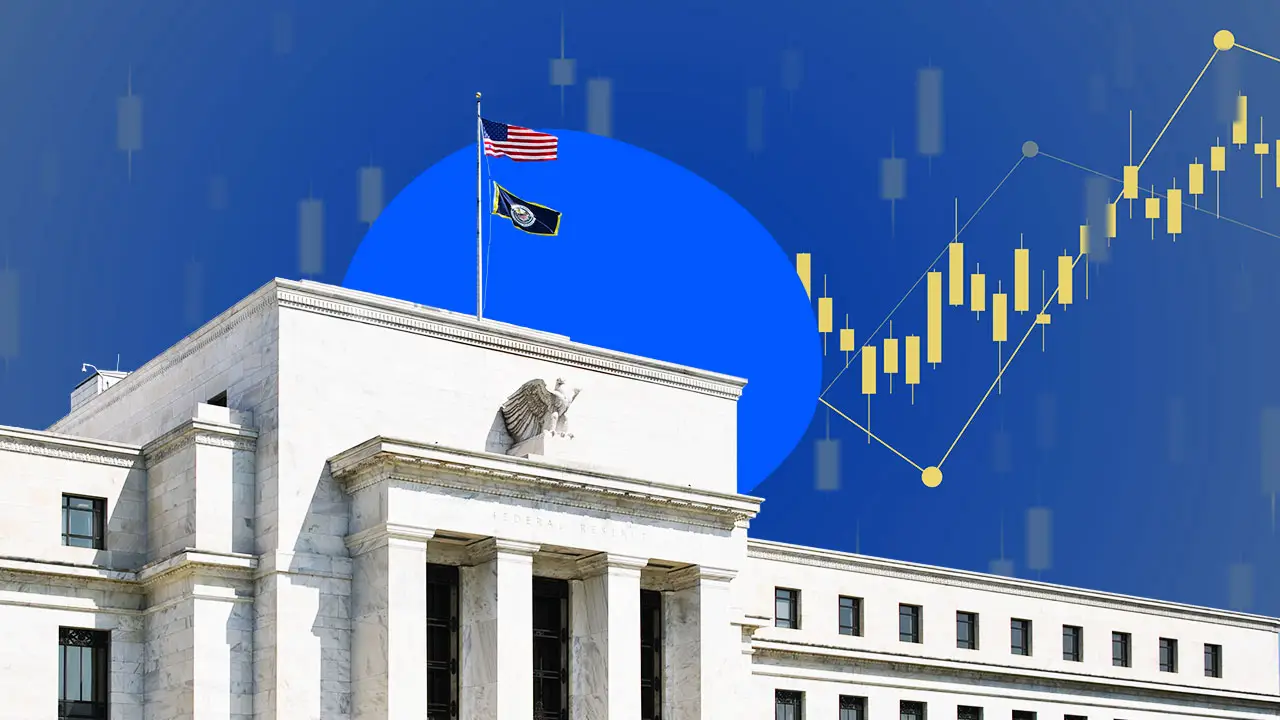
Federal Reserve: The Key Takeaway You Need to Know ទោះបីជាធនាគារកណ្តាលនៅអាមេរិកបានរក្សាអត្រាការប្រាក់ដូចអ្វីដែលគេព្យាករណ៍ក៏ដោយ ក៏ភាគច្រើនវិនិយោគិនតាមដានទៅលើទិសដៅបន្ទាប់របស់អត្រាការប្រាក់ ស្ថានភាពសេដ្ឋកិច្ចក៏ដូចជាការសុន្ទរកថារបស់លោកប្រធានធនាគារកណ្តាលអាមេរិកនោះដែរ។ នេះជាអ្វីដែលអ្នកគួរយល់ដឹង៖ ទិសដៅបន្ទាប់របស់អត្រាការប្រាក់ និងការសុន្ទរកថារបស់លោកប្រធានធនាគារកណ្តាលអាមេរិក ធនាគារកណ្តាលអាមេរិកបានរក្សាអត្រាការប្រាក់ថេរនៅក្នុងកម្រិត 4.5% ហើយពួកគេក៏មានគម្រោងអាចនឹងកាត់បន្ថយអត្រាការប្រាក់បន្ថែមទៀតចំនួនពីរដង (50 bps) ក្នុងឆ្នាំនេះ។ លោក Powell បានលើកឡើងថា “ស្ថានភាពបច្ចុប្បន្នគឺអាចទាមទារលើការបន្ទាបអត្រាការប្រាក់ ឬរក្សាក្នុងកម្រិតដដែល” ពោលគឺបានលុបបំបាត់នូវការដំឡើងអត្រាការប្រាក់។ ប៉ុន្តែលោកក៏បានលើកឡើងពីគោលបំណងនៃការបន្ទាប Balance Sheet ក្នុងកម្រិត “យឺតជាងមុន” ដោយអនុញ្ញាតឱ្យមូលប័ត្រផ្សេងៗផុតកំណត់ដោយខ្លួនឯងនៅខែក្រោយ (បន្ធូរបន្ថយការរឹតបន្តឹងនៃគោលនយោបាយរូបិយវត្ថុបន្តិច)។ ការផ្លាស់ប្តូរនេះត្រូវបានឆ្លុះបញ្ជាំងពី “Dovish leaning” (ជាការផ្លាស់ប្តូរទៅរកការបន្ធូរបន្ថយគោលនយោបាយរូបិយវត្ថុ) ដោយពួកគេមានបំណងក្នុងការតាមដានទៅលើភាពទន់ខ្សោយនៃស្ថានភាពសេដ្ឋកិច្ច ព្រមទាំងព្យាយាមបន្តឹងលើការកើនឡើងអត្រាអតិផរណា។ ជាក់ស្តែង គាត់មិនបានបោះបង់ទៅលើការរឹតបន្តឹងគោលនយោបាយរូបិយវត្ថុទាំងស្រុង ឬការផ្លាស់ប្តូរទៅរកការបន្ធូរបន្ថយទាំងស្រុងនោះឡើយ។ គោលដៅចម្បងគឺ ជៀសវាងការជំរុញឱ្យប្រព័ន្ធហិរញ្ញវត្ថុរឹតត្បឹតពេក ចំពេលមានភាពតឹងតែងនៃទីផ្សារ និងភាពមិនច្បាស់លាស់នៃបញ្ហាបំណុល។ ទស្សនវិស័យសេដ្ឋកិច្ចនាពេលបច្ចុប្បន្ន និងការព្យាករណ៍នាពេលអនាគត លោក Powell បានទទួលស្គាល់ពីភាពទន់ខ្សោយនៃស្ថានភាពសេដ្ឋកិច្ចនាពេលថ្មីៗនេះ ដោយសារមហិច្ឆតារបស់លោក Trump លើការផ្លាស់ប្តូរគោលនយោបាយពន្ធដារដែលមានភាពចលាចលលើទស្សនវិស័យសេដ្ឋកិច្ច និងហានិភ័យអតិផរណាកាន់តែច្រើន។ ជាក់ស្តែង ធនាគារកណ្តាលក៏បានទំលាក់ការព្យាករណ៍នៃកំណើនសេដ្ឋកិច្ច ហើយបង្កើននូវហានិភ័យកាន់តែច្រើនទៅលើអត្រាអតិផរណា និងអត្រាអ្នកគ្មានការងារធ្វើកាន់តែខ្ពស់។ ទាំងអស់នេះសុទ្ធតែបានបង្ហាញពីលទ្ធភាពនៃការកើតមានសេណារីយ៉ូ stagflation និងនាំឱ្យតម្លៃមាសកើនឡើងបន្ថែមទៀតពោលគឺកើនលើសពី $3,050 ក្នុងមួយអោននាពេលបច្ចុប្បន្ន។ ប្រតិកម្មទីផ្សារ តម្លៃមាស និង S&P 500 ទាំងអស់បានឡើងថ្លៃយ៉ាងខ្លាំងបន្ទាប់ពីការប្រកាសត្រូវបានធ្វើឡើង ខណៈពេលដែលប្រាក់ដុល្លារ ហើយទិន្នផលមកពីមូលបត្របានធ្លាក់ចុះបន្តិច ដោយសារតែការផ្លាស់ប្តូរលើការរំពឹងទុកអត្រាការប្រាក់។ |English Version| Despite the expectation on rate hold coming true, the real focus is on the dot plot, economic projections, and Powell’s tone. Here is what you should be aware of: Dot pot and Powell’s tone The Federal Reserve held the interest rate steady at 4.50% this time, and the dot plot hints at two more rates cut (50 bps) this year. Powell cited that “we’re at a place where we can cut or we can hold,” leaving out the possibility of having a rate hike and yet, he also aims to shrink down the balance sheet “more slowly” by letting the pace of runoff its security holding beginning next month (reduce QT a bit). This move is shown as a dovish leaning with the FED trying to keep track of both economic slowdown and potential higher inflation. He neither abandons the quantitative tightening or fully enters the quantitative easing, whose primary goal is to avoid pushing the financial system too hard amid money-market tightness and debt ceiling uncertainty. Economic Outlook and Future Projection Powell acknowledged a recent weakening in economic growth due to Trump’s ambitions on tariff policy changes that have already caused negative turmoil on the economic outlook and risked inflation even more. In fact, the FED downward revision on the economic growth, while heightening the risk of inflation and the unemployment rate higher, all of these are raising more odds on the stagflation scenario and leading the gold price to rise further and hit off above $3,050 per ounce. Market Reaction (pending) Gold prices and the S&P 500 all moved upward sharply after the announcement was made while leaving the dollar and yields adjusted as traders repriced rates cut expectations.
A Slow Burn Stagflation is looming? តើស្ថិរតាអតិផរណា ឬStagflation អាចនឹងកើតមានឡើងដែរ ឬទេ? សម្រាប់អ្នកដែលមិនធ្លាប់បានយល់ដឹងពីមុន ស្ថិរតាអតិផរណាគឺសំដៅទៅលើភាពទន់ខ្សោយនៃស្ថានភាពសេដ្ឋកិច្ច ឬវិបត្តិសេដ្ឋកិច្ចដែលមានអត្រាអតិផរណាខ្ពស់ និងអត្រាអ្នកគ្មានការងារធ្វើខ្ពស់។ នៅក្នុងអត្ថបទនេះ ខាងខ្ញុំនឹងចែករំលែកនូវផ្នត់គំនិតមួយចំនួនទៅលើស្ថានភាពបច្ចុប្បន្ន ព្រមទាំងស្ថានភាពដែលអាចកើតមានឡើងនាពេលខាងមុខ។ ចំណាំ៖ នេះជាគំនិតរបស់ខ្ញុំ មិនមែនជាការណែនាំអំពីការវិនិយោគទេ។ ជនអន្តោប្រវេសន៍ និងលំនៅឋាន យើងបានដឹងរួចមកហើយថា អន្តោប្រវេសន៍គឺជារឿងដំបូងដែលលោកប្រធានាធិបតីយកមកអនុវត្តមុនគេ ហើយក្នុងនោះក៏រួមបញ្ចូលនូវការបញ្ជូនជនអន្តោប្រវេសន៍វិលត្រឡប់មករកប្រទេសរបស់ពួកគេវិញ។ ខណៈពេលដែលការធ្វើបែបនេះអាចនឹងប៉ះពាល់ទៅដល់ទីផ្សារការងារ នេះក៏អាចជះឥទ្ធិពលទៅកាន់តម្លៃលំនៅឋាននោះដែរ។ ជាពិសេសនៅពេលដែលលោកប្រធានាធិបតី Trump បានចេញលិខិតរឹតបន្តឹងលើការធ្វើដំណើររបស់ប្រទេសមួយចំនួនកាលពីប៉ុន្មានថ្ងៃមុននេះ។ តើនេះអាចនឹងបន្តរារាំងលើការវិនិយោគបន្ថែមទៀតដែរ ឬទេ? អ្វីដែលយើងអាចលើកឡើងបាននោះគឺ ការប៉ះពាល់។ ការបញ្ឈប់ការងារ និងតម្រូវការ ការបញ្ឈប់ការងារដ៏ធំនាពេលថ្មីៗនេះគ្រាន់តែជាចំណុចចាប់ផ្តើមពីការវិវត្តន៍របស់លោកប្រធានាធិបតី Trump និងលោក Elon Musk (ដូចដែលបានបង្ហាញក្នុងរូបភាពខាងលើ) ពោលគឺការកាត់បន្ថយចំនួនការងាររបស់បុគ្គលិកសហព័ន្ធ ឬDOGEជាដើម។ ទាំងនេះគឺធ្វើឡើងក្នុងគោលបំណងកាត់បន្ថយការចំណាយថវិកា។ ទោះជាយ៉ាងណាក៏ដោយ យើងមិនទាន់ឃើញពីផលប៉ះពាល់ពេញលេញមកពីអាជីវកម្មនោះឡើយ។ យោងតាមការិយាល័យស្ថិតិការងារ អត្រាគ្មានការងារធ្វើ (U6) បានកើនឡើងពីកម្រិត 7.5% មកដល់ 8.0% ដែលបង្ហាញពីភាពទន់ខ្សោយនៅក្នុងស្ថានភាពទីផ្សារការងារ។ លើសពីនេះ ភាពទន់ខ្សោយនៃសន្ទស្សន៍អារម្មណ៍របស់ប្រជាជននៅទីនោះ គួបផ្សំជាមួយនឹងការរំពឹងទុកលើអត្រាអតិផរណាកាន់តែខ្ពស់ជាងមុន និងតម្រូវការកាន់តែយ៉ាប់យ៉ឺននាពេលបច្ចុប្បន្ន ទាំងនេះសុទ្ធតែជះឥទ្ធិពលយ៉ាងអាក្រក់ទៅកាន់ក្រុមហ៊ុនពួកគេ។ ពោលគឺពួកគេអាចនឹង៖ កាត់បន្ថយចំនួនការងារដើម្បីបន្ទាបការចំណាយ ការដំឡើងថ្លៃទំនិញ ឬសេវាកម្ម ឬការធ្វើ Shrinkflation (a.1)។ ទោះបីជាក្រុមហ៊ុនមួយចំនួនអាចនឹងបង្រួមទំហំកញ្ចប់ទំនិញ(Shrinkflation) ក៏ក្រុមហ៊ុនបច្ចេកវិទ្យាភាគច្រើនពឹងផ្អែកទៅលើសមាសធាតុដែលមិនអាចខ្វះបាននោះដែរ។ ហើយនេះក៏មានន័យថា ពួកគេមិនអាចធ្វើយុទ្ធសាស្ត្រ Shrinkflation បានដែរ។ ជាលទ្ធផល ប្រជាជននៅទីនោះនឹងបាត់បង់ការងារ បាត់បង់ប្រាក់ចំណូល ដូច្នេះពួកគេអាចនឹងចាប់ផ្តើមចាយវាយកាន់តែតិចជាងមុន ឬក៏កាន់តែអាក្រក់ជាងនេះគឺពួកគេអាចនឹងពិបាកក្នុងការទ្រទ្រង់លើការរស់នៅប្រចាំថ្ងៃ។ ទាំងនេះត្រូវបានគេស្គាល់ថាជា “Wealth Reverse Effect” (a.3)។ ដូច្នេះតើតម្រូវការអាចមកពីណាវិញ? ប្រហែលជាមកពីអ្នកមាន។ បញ្ហាតែមួយគត់ដែលយើងកំពុងឃើញរហូតមកដល់ពេលនេះ គឺគម្លាតទ្រព្យសម្បត្តិ។ អ្នកមាននឹងកាន់តែមាន ហើយអ្នកក្រនឹងកាន់តែក្រ។ ជាក់ស្តែង ចំនួនការងារដែលបាត់បង់ភាគច្រើនចេញមកពីចំណូលអ្នកមធ្យម ទៅចំណូលទាប ដូច្នេះពួកគេនឹងទទួលរងនូវផលប៉ះពាល់មុនគេ។ ទោះយ៉ាងណាក៏ដោយ ក្នុងអំឡុងពេលយូរ សូម្បីតែអ្នកមានក៏នឹងទទួលរងនូវឥទ្ធិពលអាក្រក់នោះដែរ។ a.1៖ Shrinkflation គឺជាពាក្យដែលប្រើដើម្បីពិពណ៌នាអំពីរបៀបដែលអាជីវកម្មកាត់បន្ថយទំហំផលិតផលខណៈពេលដែលរក្សាតម្លៃ។ a.2៖ Buy-in front គឺជាការទិញទុកជាមុន។ a.3៖ Wealth reverse effect = បំផ្លាញឥទ្ធិពលទ្រព្យសម្បត្តិ។ សង្គ្រាមពាណិជ្ជកម្ម និងអតិផរណា សង្គ្រាមពាណិជ្ជកម្មបានធ្វើឲ្យកំណើននៃការរំពឹងទុកអតិផរណានាពេលបច្ចុប្បន្នកាន់តែមានច្រើនជាងមុន។ ជាក់ស្តែង បម្រែបម្រួលនូវគោលនយោបាយពាណិជ្ជកម្មសុទ្ធតែអាចជំរុញឲ្យមានកំណើននៃការរំពឹងទុកអតិផរណាកាន់តែច្រើន ហើយក៏អាចនាំយកនូវអត្រាអតិផរណាខ្ពស់ផងដែរ។ ទោះបីជាលោក Trump ជ្រើសរើសបន្តគម្រោងដំឡើងពន្ធឬអត់ នេះលែងសំខាន់ហើយប្រសិនបើក្រុមហ៊ុនជាច្រើនបានទិញទំនិញច្រើនស្តុកទុក ឬBuy-in front (a.2)។ នេះនឹងធ្វើឱ្យផលិតកម្មជាច្រើនកើនឡើង បើទោះបីជាតម្រូវការមានតិចក៏ដោយ។ ទោះបីជាយ៉ាងណាក៏ដោយ វានឹងធ្វើឲ្យលំហូរសាច់ប្រាក់របស់ពួកគេខាតបង់ច្រើនជាងមុន ដោយនឹងឈានទៅរកការបញ្ឈប់ការងារកាន់តែច្រើនបន្ថែមទៀត។ Hyperinflation មិនត្រូវបានធានាទេ ប៉ុន្តែហានិភ័យដែលអាចកើតមានឡើងមានច្រើនជាងមុន។ សកម្មភាពរបស់ធនាគារកណ្តាល គំនិតទាំងអស់នេះនឹងឈានដល់ការសន្និដ្ឋានតែមួយប៉ុណ្ណោះ ដែលជាការបន្ធូរបន្ថយគោលនយោបាយរូបិយវត្ថុ ដើម្បីជំរុញកំណើនសេដ្ឋកិច្ច និងកាត់បន្ថយឱនភាពបំណុលរបស់ប្រទេសជាតិ។ សំណួរសួរថា តើអ្នកបង្កើតគោលនយោបាយនឹងធ្វើឆ្លើយតបទៅវិញបានទាន់ពេលវេលាដែរឬទេ? ចម្លើយនោះគឺ អាស្រ័យលើអ្នកប្រើប្រាស់នៅទីនោះ។ ប្រសិនបើលោក Trump នៅតែប្រកាន់ខ្ជាប់នូវផែនការរបស់គាត់ក្នុងការដាក់ពន្ធទៅលើប្រទេសជិតខាងនោះ មានលទ្ធផលពីរអាចកើតមានឡើងគឺ តម្រូវការអាចនឹងវិលត្រឡប់មកវិញប្រសិនបើពួកគេអាចសង្គ្រោះទាន់ពេលវេលា ប៉ុន្តែប្រសិនបើតម្រូវការនៅតែមានភាពទន់ខ្សោយ នោះវាអាចនឹងប្រឈមមុខនឹងបញ្ហាស្ថិរតាអតិផរណា ឬStagflation។ ហើយអតិផរណានឹងបន្តកើតមាន លុះត្រាតែសហរដ្ឋអាមេរិកមានផលិតកម្មផ្ទាល់ខ្លួនលើវត្ថុធាតុដើម។ កត្តាទាំងអស់នេះហើយដែលនាំឱ្យវិនិយោគិនជាច្រើនលក់ចេញនូវទ្រព្យសកម្មរបស់ពួកគេដោយសារតែការភ័យខ្លាចនៃការធ្លាក់ចុះសេដ្ឋកិច្ចដែលបណ្តាលឱ្យមានភាពចលាចលនៅក្នុងទីផ្សារភាគហ៊ុនក្នុងរយៈពេលប៉ុន្មានថ្ងៃកន្លងមកនេះ។ ជាក់ស្តែង របាយការណ៍របស់ JP Morgan និងប្រធានសេដ្ឋវិទូនៅ Moody’s Analytics បានដំឡើងលទ្ធភាពនៃការកើតមានវិបត្តិសេដ្ឋកិច្ចរហូតជិតទៅដល់ 50% ចំពេលមានការគំរាមកំហែងពន្ធ។ លើសពីនេះ សន្ទស្សន៍ S&P 500 បានធ្លាក់ចុះគួរឱ្យកត់សម្គាល់ផងដែរ។ ទោះយ៉ាងណាក៏ដោយ នោះមិនមែនជាសេណារីយ៉ូដ៏អាក្រក់បំផុតនៅឡើយទេ។ យើងផ្តោតតែលើសេដ្ឋកិច្ចអាមេរិកប៉ុណ្ណោះ។ ចុះដៃគូពាណិជ្ជកម្មរបស់ពួកគេវិញ? ការបន្ធូរបន្ថយគោលនយោបាយរូបិយវត្ថុរបស់ប្រទេសចិននៅមិនទាន់ធ្វើឲ្យសេដ្ឋកិច្ចរបស់ខ្លួនត្រឡប់មកសភាពដើមនៅឡើយទេ។ ចក្រភពអង់គ្លេស និងកាណាដាកំពុងប្រឈមមុខនឹងការជាប់គាំងនៃកំណើនពីភាពតានតឹងពាណិជ្ជកម្ម ការផ្លាស់ប្តូរនយោបាយ និងភាពមិនច្បាស់លាស់ជាសកល ជាមួយនឹងការបញ្ឈប់ការងារ។ ជប៉ុន ទោះបីមានភាពតានតឹងជាមួយសហរដ្ឋអាមេរិកជុំវិញការចំណាយលើវិស័យការពារជាតិក៏ដោយ ក៏នៅតែរក្សាជំហររឹងមាំដដែល។ ប៉ុន្តែប្រសិនបើធនាគារកណ្តាលជប៉ុនដំឡើងអត្រាការប្រាក់ខណៈធនាគារកណ្តាលផ្សេងទៀតកំពុងបន្ធូរបន្ថយ នោះប្រាក់យ៉េនអាចនឹងឡើងថ្លៃ ដែលធ្វើឲ្យម្ចាស់ប័ណ្ណបំណុលរបស់រដ្ឋាភិបាលជប៉ុននឹងរងផលប៉ះពាល់យ៉ាងខ្លាំង។ ដូច្នេះ តើយើងកំពុងឈានទៅរកការជាប់គាំងហើយឬនៅ? សញ្ញាដូចជាការផ្លាស់ប្តូរគោលនយោបាយ ភាពមិនច្បាស់លាស់នៃពាណិជ្ជកម្ម ការបញ្ឈប់ការងារ និងភាពទន់ខ្សោយនៃសេដ្ឋកិច្ច សុទ្ធតែបង្ហាញថាវាអាចទៅរួច។ ប៉ុន្តែប្រសិនបើវាពិតជាកើតឡើងនោះមែន តើយើងអាចគេចពីគំរាមគំហែងដែរ ឬទេ? |English Version| Is a slow-burn stagflation coming? For those unfamiliar, stagflation combines sluggish economic growth—or even a recession—with rising inflation and high unemployment. Picture this: a recession, job losses, and soaring prices all at once. In this piece, I’ll share my thoughts on why this triple threat might be brewing in today’s economy. Note: This is my opinion, not investment advice. Immigration and Housing We already know that immigration will be the first thing Trump would involve himself directly with; that includes sending massive deportees to their respective economies. While this could reshape the labor market conditions, this also largely impacts the rental costs as well. Along with a newly imposed travel restriction that was just released a few days ago, could this continue to deter investment further? It’s too early to say but the disruption is clear. Layoffs and Demand Recent massive layoffs are just a starting point from the Trump and Elon Musk evolutions (as shown in the above image), either from the federal worker or DOGE cut; these are aimed at reducing the budget spending. However, we haven’t seen the full ripple effects of a broader business slowdown yet. According to the Bureau of Labor Statistics, the unemployment rate (U6) rose to 8.0%, up from 7.5%, which suggests softness in the labor market conditions. Weak consumer sentiment, coupled with higher inflation expectations and current deteriorated demand, leaves companies with tough choices: cut jobs to reduce costs, pass the burden cost to consumers, or adopt “shrinkflation (a.1). And unlike food companies shrinking package sizes, the tech firm relies on precision components, for which shrinkflation may not be an option. People will lose their jobs and have no household income; of course, spending will dry up. They will only spend less and save more (in the image below) or worse, they can’t even support themselves and push out to the street. This is called the “wealth reverse effect.” (a.3) So, where would demand come from? Maybe from the rich. The only problem we are seeing so far is the wealth gap. Rich will be richer and poor will be poorer. All of those jobs that were lost, are mainstream from the middle to low-income class that will be faced in front; however, a longer effect, even the elite could feel the pinch as economic growth deflates. a.1: Shrinkflation is a term used to describe how the business reduces the product size while maintaining the price. a.2: Buy-in front is presumably preemptive purchasing. A.3: Wealth reverse effect = erode the wealth effect. Trade Wars and Inflation Inflation expectations are now building up in the name of a trade war. Trump’s uncertain trade policy changes could lead to higher inflation expectations and possibly end with higher inflation. Whether Trump chooses to proceed as planned or not; this does not matter if many companies panic and stockpile, or I call this a buy-in front (a.2). This will unexpectedly surge production without matching demand. Either way, this will stain the cash flow, resulting in losses and further layoffs. Hyperinflation is not guaranteed, but the risk is growing. Central Bank Action All of these thoughts will only lead to one conclusion, which is massive easing to stimulate economic growth and reduce the nation’s debt deficit. Will policymakers act fast enough to avoid this slow burn—or are we already too late? This will depend on the durability of the consumer. Let’s say that Trump still sticks to his plan of imposing heavy duties on neighboring countries. A timely demand revival might spark recovery—but if the demand stays weak, stagflation becomes a real threat. Inflation will keep coming unless the US has its own production of necessary items in the US. All of these factors are leading many investors to sell off their underlying assets due to fear of recession or possibly fear of stagflation, resulting in turbulence in the stock market for the past few days. In fact, the JP Morgan report and chief economist at Moody’s Analytics are raising the odds of recession up to almost 50% amid tariff threats. The S&P 500 dropped remarkably. However, that is not the worst-case scenario yet. We only focus on the US economy; how about its trading partner? China’s massive quantitative easing has yet to revive its economy meaningfully. The UK and Canada face growth stalls from trade tensions, political shifts, and global uncertainty, with layoffs piling up. Japan, despite tensions with the U.S. over defense spending, has held firm. But if the Bank of Japan raises interest rates while other central banks ease, the yen could strengthen, hitting Japanese bondholders hard. Japanese government bondholders will be largely impacted. So, are we heading off to stagflation now? The signs, such as policy changes, trade uncertainty, layoffs, and economic fragility, all suggest that it is possible. But if it really is, then can we dodge this
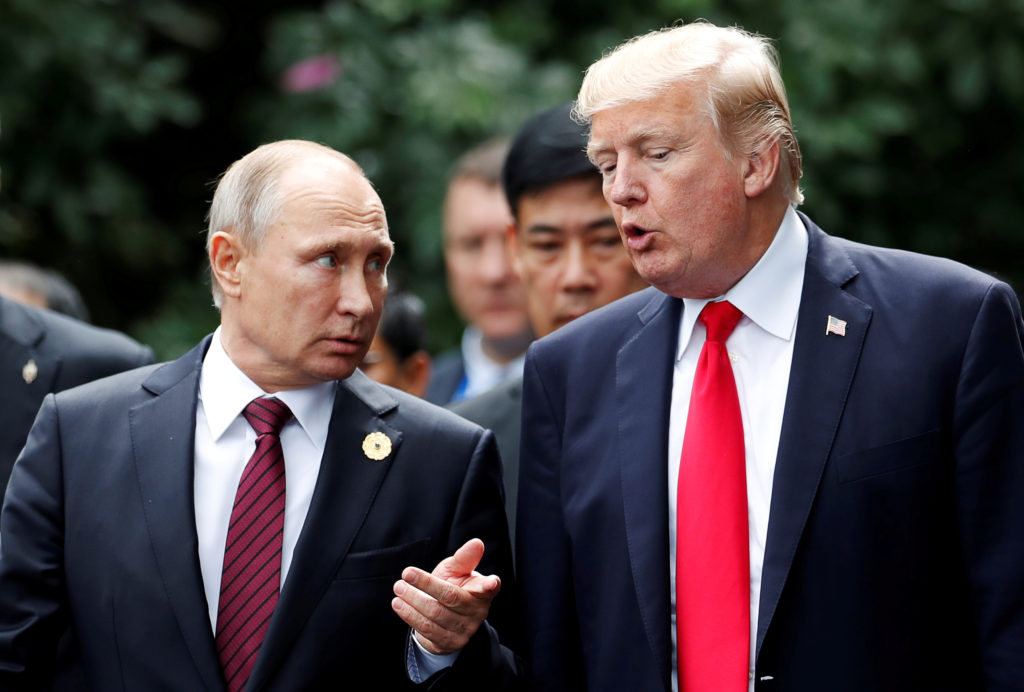
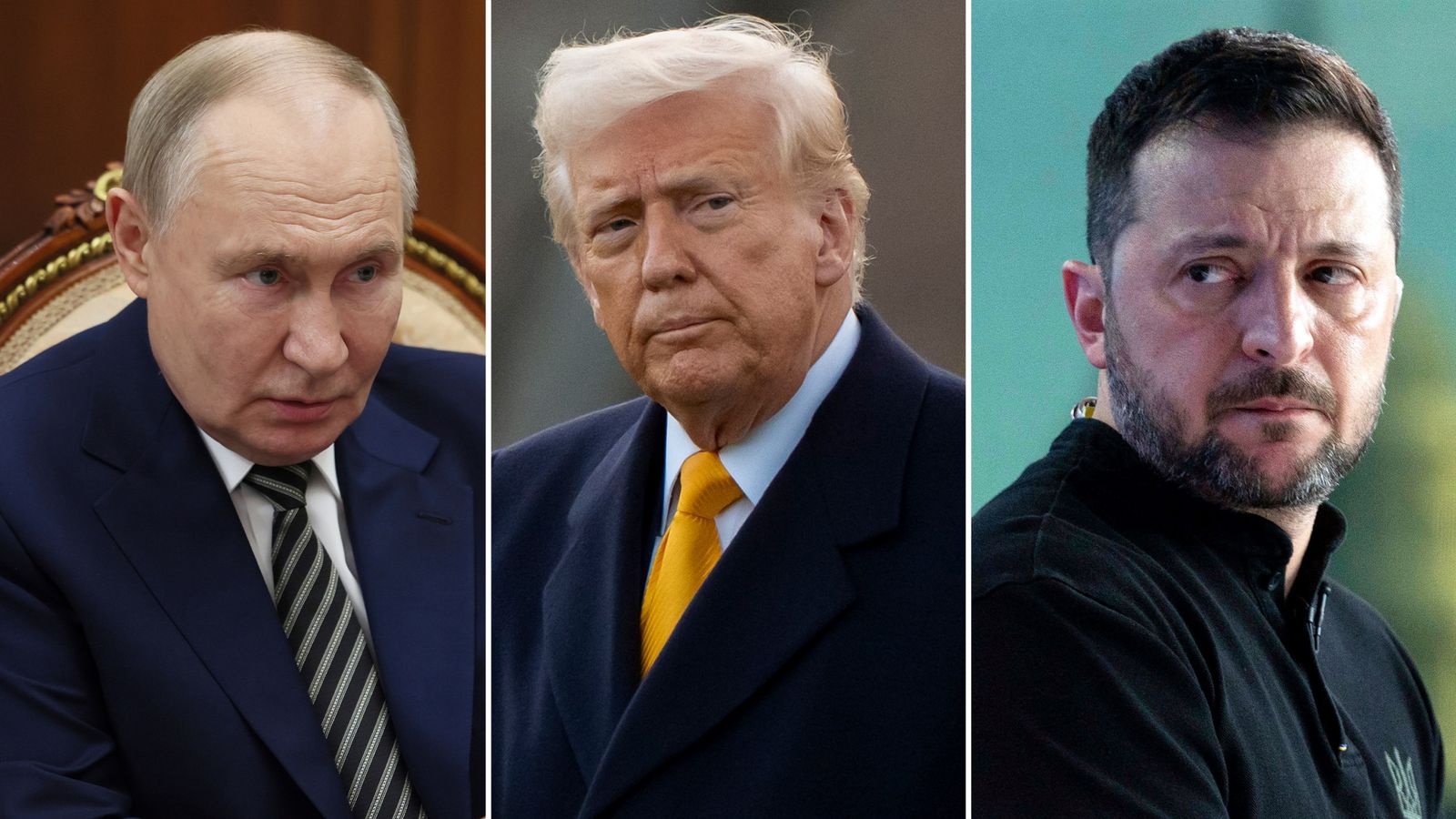
Key Takeaway: Trump And Putin’s Call, And The Bank of Japan Rate Hold ការអំពាវនាវរបស់លោកប្រធានាធិបតី Trump និងលោក Putin ជុំវិញកិច្ចព្រមព្រៀងសន្តិភាពកាលពីយប់មិញ កិច្ចពិភាក្សាកាលពីម្សិលមិញគឺមិនបានបញ្ចប់ដោយពេញលេញនោះទេ ពោលគឺមានតែការសម្រេចចិត្តលើបទបញ្ឈប់ការបាញ់ប្រហារលើតំបន់ថាមពល និងហេដ្ឋារចនាសម្ព័ន្ធ ព្រមទាំងការចុះព្រមព្រៀងលើការចរចាបច្ចេកទេសបន្ថែមទៀតស្តីពីបទឈប់បាញ់ដែនសមុទ្រ។ សរុបមក លោកប្រធានាធិបតី ពូទីន ជៀសវាងការធ្វើកិច្ចព្រមព្រៀងសន្តិភាពពេញលេញជាមួយអ៊ុយក្រែន។ ទោះបីជាមេដឹកនាំទាំងពីរបានយល់ស្របថាការចរចាកាលពីយប់មិញគឺជាការចាំបាច់សម្រាប់ជំហានដំបូងក៏ដោយ ក៏អ្នកវិនិយោគមានការព្រួយបារម្ភថា តើការចរចានេះនឹងបន្តដល់កម្រិតណា ឬដល់ពេលវេលាណា។ ទោះបីជាប្រធានាធិបតីអ៊ុយក្រែន លោក Zelensky បានគាំទ្រទៅលើការបញ្ចប់សង្គ្រាមនេះក៏ដោយ ក៏លោកខកចិត្តចំពោះការមិនមានឈ្មោះចូលរួមក្នុងកិច្ចពិភាក្សាកាលពីយប់មិញនោះដែរ។ ពោលគឺលោកទាមទារឈ្វេងយល់បន្ថែមទៀតអំពីកិច្ចពិភាក្សាមួយនេះ។ បន្ថែមពីលើនេះ លោកក៏ស្នើឱ្យដោះលែងអ្នកទោសអ៊ុយក្រែនទាំងអស់ ដើម្បីឱ្យមានតម្លាភាពកាន់តែខ្លាំងជាងមុនសម្រាប់កិច្ចចរចាបន្ទាប់នោះដែរ។ ធនាគារជប៉ុន ធនាគារកណ្តាលជប៉ុននៅតែបន្តរក្សាអត្រាការប្រាក់របស់ខ្លួនក្នុងកម្រិត 0.50% ខណៈពេលដែលអ្នកសេដ្ឋកិច្ចភាគច្រើនកំពុងពឹងផ្អែកលើវិធីសាស្រ្តប្រុងប្រយ័ត្នក្នុងការរក្សាអត្រាមួយនេះរហូតដល់ខែមិថុនា ឬខែកក្កដា។ ជាក់ស្តែង មានលទ្ធភាពចំនួន 71% ដែលកំពុងគាំទ្រការដំឡើងអត្រាការប្រាក់នៅខែកក្កដា និងភាគរយលើការដំឡើងនៅខែតុលា។ នេះត្រូវបានជំរុញដោយសារតែភាពមិនច្បាស់លាស់នាពេលបច្ចុប្បន្នរបស់គោលនយោបាយពាណិជ្ជកម្មសហរដ្ឋអាមេរិក ដែលបានបង្កឱ្យមានភាពតានតឹងកាន់តែខ្លាំង និងការគំរាមកំហែងដល់សេដ្ឋកិច្ចរបស់ប្រទេសជប៉ុន។ នេះបើយោងតាមលោក Harumi Taguchi សេដ្ឋវិទូមួយរូបនៅS&P Global Market Intelligence បានលើកឡើងថា “ចំពោះស្ថានភាពក្នុងស្រុក ការពិភាក្សាអំពីប្រាក់ឈ្នួលកំពុងដំណើរការល្អជាងមុន ហើយតម្លៃក៏នៅតែបន្តកើនឡើងគួរឱ្យកត់សម្គាល់នោះដែរ ដូច្នេះខ្ញុំគិតថាអ្វីៗកំពុងរីកចម្រើនដូចដែល BOJ បានព្យាករណ៍”។ ដូច្នេះ ប្រសិនបើអតិផរណាជាប់គាំង ឬកើនឡើងលើសពីការព្យាករណ៍ នោះមានឱកាសកាន់តែច្រើនក្នុងការដំឡើងអត្រាការប្រាក់។ ដោយសារតែគោលដៅគឺដើម្បីការពារការធ្លាក់ចុះបន្ថែមទៀតនៃរូបិយប័ណ្ណ JPY និងកាត់បន្ថយផលប៉ះពាល់ពីអតិផរណានាំចូល។ Fun Fact៖ ធនាគារកណ្តាលជប៉ុនមានអត្រាការប្រាក់ទាបបំផុតក្នុងចំណោមសេដ្ឋកិច្ចធំៗ។ |English Version| Trump and Putin’s call over the peace deal and ending the war. Nothing is properly set in stone yet, except for an agreement over the halt firing on the energy and infrastructure targets and an agreement to hold “technical negotiations” on a maritime ceasefire and, further, a full ceasefire and permanent peace. To sum up, President Putin avoided making a complete peace deal with Ukraine, which the US sought to end. Although both leaders agreed that last night’s negotiation was mandatory for the first step, investors are worried about how far this negotiation will go. Regardless, Ukrainian President Zelensky was open to the pause but sought clarification on the terms as he is upset for not being directly involved and not having enough information about last night’s call. Additionally, he also requests to free all Ukrainian prisoners to have a better negotiation. The Bank of Japan As expected, the Bank of Japan continues to hold its interest rate steady at 0.50%, while most economists are leaning toward a cautious approach on holding until June or July. In fact, odds of 71% are supporting a rate hike by July and certainty by October. This comes when an uncertain US trade policy causes more tension and a threat to Japan’s economy. As per Harumi Taguchi, principal economist at S&P Global Market Intelligence. “As for the domestic situation, wage talks are producing high results and prices are continuing to rise, so I think things are progressing as the BOJ has forecast.” So if the inflation stalls or rises further beyond the forecast, then there is more chance of having an interest rate increase. Because the goal is to prevent further weakening in the JPY currency and reduce the impact of import inflation. Fun Fact: The Bank of Japan has the lowest interest rate among its peers.
Economic Uncertainty and Global Tension spark further amid an already fragile spending ទិន្នន័យលក់រាយរបស់សហរដ្ឋអាមេរិក ទិន្នន័យលក់រាយចុងក្រោយបំផុតរបស់សហរដ្ឋអាមេរិកបានសបង្ហាញពីការធ្លាក់ចុះនៃការចំណាយទូទៅរបស់ប្រជាជននៅទីនោះ ពោលគឺឆ្លុះបញ្ជាំងពីការប្រុងប្រយ័ត្នកាន់តែខ្លាំងលើការចាយវាយ និងភាពតានតឹងលើសុខភាពហិរញ្ញវត្ថុរបស់ពួកគេ។ ជាក់ស្តែង សន្ទស្សន៍អារម្មណ៍វិនិយោគិន ព្រមទាំងទំនុកចិត្តរបស់ប្រជាជននៅទីនោះកាន់តែមានសុទិដ្ឋិនិយមកាន់តែខ្លាំង ដែលអាចបន្តការថយចុះនៃការចំណាយរបស់ពួកគេនាពេលខាងមុខ។ សូម្បីតែទីផ្សារភាគហ៊ុនក៏កំពុងរងការវាយប្រហារដោយការលក់ចេញភាគហ៊ុនយ៉ាងច្រើន ពោលដោយសារតែកំណើននៃភាពភ័យខ្លាចលើវិបត្តិសេដ្ឋកិច្ច។ ទាំងនេះសុទ្ធតែអាចជាបញ្ហាដែលធនាគារកណ្តាលអាមេរិកអាចប្រឈមមុខក្នុងការសម្រេចចិត្តលើអត្រាការប្រាក់នៅសប្តាហ៍នេះ។ ការដាក់ពន្ធត្រឡប់ទៅវិញរបស់លោកប្រធានាធិបតី Donald Trump លោក Trump នៅតែប្រកាន់ខ្ជាប់នូវគោលនយោបាយពន្ធគយដែលនឹងដាក់ទៅវិញជាធរមាននៅថ្ងៃទី 2 ខែមេសា ហើយលោកក៏បានបង្ហើបនូវតម្រុយថា អាចជាការចាប់ផ្តើមនៃការដាក់ពន្ធថ្មីនេះ។ នេះនឹងបង្កើនភាពមិនច្បាស់លាស់ និងហានិភ័យបន្ថែមទៀតដល់សេដ្ឋកិច្ចពិភពលោក។ សូម្បីតែសមាជិកធនាគារកណ្តាលអឺរ៉ុបលោក de Guindos ក៏បានទទួលស្គាល់ថា “រដ្ឋបាល Trump បានបង្កើនភាពមិនច្បាស់លាស់ខាងសេដ្ឋកិច្ចតាមរយៈពន្ធគយនិងបទប្បញ្ញត្តិនោះដែរ។ បទឈប់បាញ់ត្រូវបានបញ្ចប់ អ៊ីស្រាអែលបានបើកការវាយប្រហារផ្លូវអាកាសលើក្រុងហ្កាហ្សា ដែលបានបញ្ចប់បទឈប់បាញ់ដែលបានធ្វើឡើងកាលពីថ្ងៃទី ១៩ ខែមករា ដោយបានជំរុញឱ្យតម្លៃមាសឡើងថ្លៃបន្ថែមទៀតនៅព្រឹកថ្ងៃអង្គារ។ លើសពីនេះ អ៊ីស្រាអែលលោក Katz ក៏បានលើកឡើងពីលទ្ធភាពនៃការវាយប្រហារបន្ថែមទៀត ប្រសិនបើក្រុមហាម៉ាសមិនដោះលែងចំណាប់ខ្មាំងទាំងអស់ដែលត្រូវបានឃុំខ្លួននៅក្នុងទឹកដីប៉ាឡេស្ទីន។ យោងតាមបទសម្ភាសន៍របស់ Fox News “អ៊ីស្រាអែលបានទៅពិភាក្សាជាមួយនឹងរដ្ឋបាល Trump និងសេតវិមានអំពីការវាយប្រហាររបស់ពួកគេនៅហ្គាហ្សា” ។ ព័ត៌មានដែលត្រូវតាមដានបន្ថែមទៀត៖ លោកប្រធានាធិបតី Donald Trump មានភាពវិជ្ជមានយ៉ាងខ្លាំងចំពោះកិច្ចប្រជុំថ្ងៃនេះ (ប្រហែលម៉ោងអាហារថ្ងៃត្រង់នៅកម្ពុជា) ជាមួយលោក Putin ដើម្បីពិភាក្សាជាចម្បងលើកិច្ចព្រមព្រៀងបទឈប់បាញ់អ៊ុយក្រែន និងរុស្ស៊ី។ |English Version| US retail sales The latest US retail sales figures indicate a decline in consumer spending on goods, suggesting a trend of cautious expenditure and potential financial strain as concerns about a trade war loom. In fact, investor sentiment and consumer confidence appear to be leaning negatively recently, which may further dampen discretionary spending on services. Even the stock market is being hit by a significant sell-off from fear of a recession, which continues to create challenges for the Federal Reserve’s upcoming rate decision this week. Reciprocal Tariff Trump still holds firm on the reciprocal tariff policy that will come into effect on April 2nd, hinting that “there will be the start of a wave of new tariffs.” This will escalate further uncertainty and risk posed to global economics. Even the European Central Bank’s de Guindos also acknowledged that the “Trump administration has increased economic uncertainty due to tariffs and deregulation. Ceasefire Broken Israel launched air strikes on Gaza City, which broke the ceasefire that was made on January 19, pushing the gold price higher in the early morning of Tuesday. Israel Katz cited the possibility of a further strike if Hamas does not release all the hostages that are held in the Palestinian territory. According to a Fox News interview, “The Trump administration and the White House were consulted by the Israelis on their attacks in Gaza tonight.” Looking Forward: President Donald Trump is very positive about today’s meeting (approximately around Cambodian lunchtime) with Putin to discuss mainly the Ukraine-Russia ceasefire agreement.
របាយការណ៍សង្ខេបទិន្នន័យប្រចាំសប្តាហ៍ត្រូវនឹងថ្ងៃទី15 ខែមីនា ឆ្នាំ2025 នៅក្នុងរបាយការណ៍នេះ យើងនឹងតាមដានទៅលើបណ្តាសេដ្ឋកិច្ចសំខាន់ៗ រួមមានសហរដ្ឋអាមេរិក តំបន់អឺរ៉ុប កាណាដា និងជប៉ុន ដែលភាគច្រើនផ្តោតសំខាន់ទៅលើសូចនាករសេដ្ឋកិច្ច និងព្រឹត្តិការណ៍សេដ្ឋកិច្ចមួយចំនួនដែលបានកើតឡើងក្នុងសប្តាហ៍នេះ។ ប្រទេសជប៉ុន ទោះបីជាកំណើនសេដ្ឋកិច្ចនៅប្រទេសជប៉ុនបានកើនឡើង ហើយអត្រាអតិផរណាក៏មានកាន់តែច្រើនក៏ដោយ ក៏យើងឃើញមានផលប៉ះពាល់មួយចំនួនដែលប្រទេសនេះអាចប្រឈមមុខនោះដែរដើម្បីឈានដល់គោលដៅ 2% GDP នៅឆ្នាំ 2027។ នេះកើតមានឡើងនៅពេលដែលសហរដ្ឋអាមេរិកដាក់សម្ពាធលើជប៉ុនក្នុងការដំឡើងការចំណាយលើវិស័យការពារជាតិ”យ៉ាងហោចណាស់ 3% នៃ GDP” (បច្ចុប្បន្នមានកម្រិត 1.4% នៃ GDP)។ នេះក៏មានន័យថា កំណើនផលិតផលក្នុងស្រុកសរុប (GDP) របស់ជប៉ុនកាន់តែច្រើន នោះការចំណាយទៅលើវិស័យការពារជាតិក៏កាន់តែមានច្រើននោះដែរ។ ដូច្នេះហើយ វិនិយោគិនជាច្រើនបានព្រួយបារម្ភពីផលប៉ះពាល់របស់កំណើនការចំណាយលើវិស័យការពារជាតិមួយនេះទៅលើប្រព័ន្ធហិរញ្ញវត្ថុរបស់ជប៉ុន ជាពិសេសនៅពេលដែលពួកគេកំពុងប្រឈមមុខនឹងបញ្ហាប្រាក់បំណុលខ្ពស់។ ជាក់ស្តែង មនុស្សមួយចំនួនកំពុងជឿជាក់ថាធនាគារកណ្តាលជប៉ុនអាចនឹងដំឡើងអត្រាការប្រាក់កាន់តែច្រើន ដោយវាអាចនឹងជំរុញឱ្យប្រាក់ JPY កាន់តែរឹងមាំជាងមុនបើធៀបជាមួយនឹងរូបិយប័ណ្ណផ្សេងទៀត។ គិតត្រឹមពេលនេះ ប្រាក់ចំណូលសរុបនៃប្រាក់ឈ្នួល និងការចំណាយរបស់គ្រួសារបានធ្លាក់ចុះនៅក្នុងខែមករា ដែលនេះក៏ឆ្លុះបញ្ចាំងពីភាពទន់ខ្សោយនៃសន្ទស្សន៍អារម្មណ៍អ្នកប្រើប្រាស់ អំឡុងពេលមានភាពមិនប្រាកដប្រជាជាសកល។ ប្រទេសកាណាដា ការផ្លាស់ប្តូរលើការកាត់បន្ថយអត្រាការប្រាក់ដោយធនាគារកាណាដាកើតឡើងនៅពេលដែលសង្គ្រាមពាណិជ្ជកម្មកាន់តែអាក្រក់ជាងមុន ស្របពេលដែលហានិភ័យនៃវិបត្តិសេដ្ឋកិច្ចក៏ឈានជិតមកដល់។ ទោះបីជាបម្រែបម្រួលអត្រាការប្រាក់នេះគ្រាន់តែអាចបន្ទាបផលប៉ះពាល់មួយចំនួនទៅលើស្ថានភាពសេដ្ឋកិច្ចក៏ដោយ ក៏លទ្ធភាពនៃភាពទន់ខ្សោយសេដ្ឋកិច្ចនៅតែមានច្រើននោះដែរ ពោលគឺពួកគេនៅតែជឿជាក់ថាអត្រាអតិផរណាអាចនឹងមានកាន់តែច្រើន។ ជាក់ស្តែង លោកប្រធានាធិបតី Donald Trump នៅតែប្តេជ្ញាដាក់កិច្ចព្រមព្រៀងពន្ធគយជាមួយកាណាដា និងម៉ិកស៊ិក លុះត្រាតែ “លំហូរគ្រឿងញៀនបានបញ្ឈប់”។ អឺរ៉ុប ភាពតានតឹងពាណិជ្ជកម្មរវាងសហរដ្ឋអាមេរិក និងសហភាពអឺរ៉ុបបានកើនឡើងនៅពេលដែលលោក Trump បានដាក់ពន្ធ 200% លើស្រា ស្រាសំប៉ាញ និងភេសជ្ជៈមានជាតិអាល់កុលផ្សេងទៀតពីប្រទេសបារាំង និងសហភាពអឺរ៉ុប បន្ទាប់ពីពន្ធសងសឹករបស់សហភាពអឺរ៉ុបលើទំនិញនាំចូលរបស់សហរដ្ឋអាមេរិក។ លោក Trump ក៏បានបន្ថែមថា “សហភាពអឺរ៉ុបបានជះឥទ្ធិពលអាក្រក់ជាច្រើនមកលើអាមេរិក” ដូចជា “ការប្តឹងទៅលើ Google បណ្តឹង Facebook និងពាក្យបណ្តឹងទៅលើក្រុមហ៊ុនផ្សេងៗទៀត ពោលគឺការរឹតបន្តឹងទៅលើក្រុមហ៊ុនអាមេរិក”។ ទាំងនេះសុទ្ធតែបង្ហាញថា ពួកគេអាចនឹងពិបាកក្នុងការសម្របសម្រួលគ្នាវិញ។ សហរដ្ឋអាមេរិក ទោះបីជាអតិផរណារបស់សហរដ្ឋអាមេរិកបានធូរស្រាលសម្រាប់ខែកុម្ភៈក៏ដោយ សន្ទស្សន៍អារម្មណ៍ទីផ្សារនៅតែមានសភាពទន់ខ្សោយជាងមុនទៅលើទស្សនវិស័យសេដ្ឋកិច្ច ស្របពេលដែលការរំពឹងទុកលើអត្រាអតិផរណាកើនឡើងកាន់តែច្រើន។ ទោះបីជាការរំពឹងទុកអតិផរណាខ្ពស់នេះអាចនាំឱ្យមានការផ្អាកអត្រាការប្រាក់របស់ធនាគារកណ្តាលអាមេរិកក៏ដោយ ក៏ឧបករណ៍ CME FEDWatch បានប្រាប់យើងថាអាចនឹងមានការកាត់បន្ថយអត្រាការប្រាក់រហូតទៅដល់ 3 ដងនៅឆ្នាំនេះ។ នេះក៏កើតមានផងដែរនៅពេលដែលទីផ្សារភាគហ៊ុនត្រូវបានធ្លាក់ចុះយ៉ាងខ្លាំង ខណៈដែលមាសបានឈានដល់កម្រិតកំពូលនៅ $3000 ក្នុងមួយអោន។ ទាំងអស់នេះគឺបង្ហាញថាភាពតានតឹងពាណិជ្ជកម្ម ទស្សនវិស័យសេដ្ឋកិច្ចដ៏ទន់ខ្សោយ និងភាពមិនច្បាស់លាស់នៅក្នុងភាពតានតឹងភូមិសាស្ត្រនយោបាយកំពុងបង្កើនហានិភ័យនៃវិបត្តិសេដ្ឋកិច្ចបន្ថែមទៀត។ ព័ត៌មានបន្ថែមទៀត៖ លោក Trump ក៏បានចេញច្បាប់ដាក់កំហិតក្នុងការចេញចូលលើប្រទេសមួយចំនួនផងដែរ។ |English Version| Weekly Data Summary Report As of March 15, 2024 In this report, we will assess major economies, including the United States, the Eurozone, Japan, and Canada, mainly based on their economic indicators and economic events that have occurred within this week. Japan Given how Japan’s economy expanded further along with an acceleration of inflation, there are some drawbacks that Japan may likely face in order to reach its target of 2% GDP by 2027. This comes when the US puts pressure on adding more spending on the defense “at least 3% of GDP” (currently at 1.4% of GDP) at a Senate confirmation hearing. This also means that the growth of Japan’s GDP would also force Japan to spend more on defense. Therefore, attention arises on whether this increase in defense spending would impact Japan’s finances, especially when they have already had a high debt level. Some speculations mentioned that more interest rate hikes will be likely, potentially strengthening the JPY against other currencies. As of now, overall wage income and household spending have dropped, in January, which also reflects a weakness in consumer sentiment ahead of global uncertainty. Canada The Bank of Canada’s move on the rate cut comes as the heat over the tariff war surged higher and recession risk rose. Although this adjustment only lessens the damage to the economy, the risk of slowing down or a possible recession is still very likely with a projection of inflation shock from the trade war. In fact, Trump is still committed to imposing his tariff deal with Canada and Mexico unless “drug flow stops.” The European A trade tension between the US and EU escalated when Trump imposed a 200% tariff on wine, champagne, and other alcoholic beverages from France and elsewhere in the European Union after the EU retaliatory tariff on US imported goods. Trump also added that “EU is treating the US very badly” and “They’re suing Google, they’re suing Facebook, they’re suing all of these companies, and they’re taking billions of dollars out of American companies,” hinting that this tension may take time to ease longer than we expected. The United States Despite US inflation easing for February, the market is still having a softer sentiment on the economic outlook while projecting higher inflation expectations. Even though this higher inflation anticipation could lead to a pause in the FED Fund rate, the CME FEDWatch tool told us otherwise, projecting to have 3 rate cuts this year. This also comes when the stock market has been significantly dropped, while gold has finally reached its peak at $3000 per ounce. All of these indicate that trade tension, fragile economic outlook, and uncertainty in geopolitical tensions are further raising the odds of recession risk. Extra: Trump also imposed new trade restrictions on some countries as well.
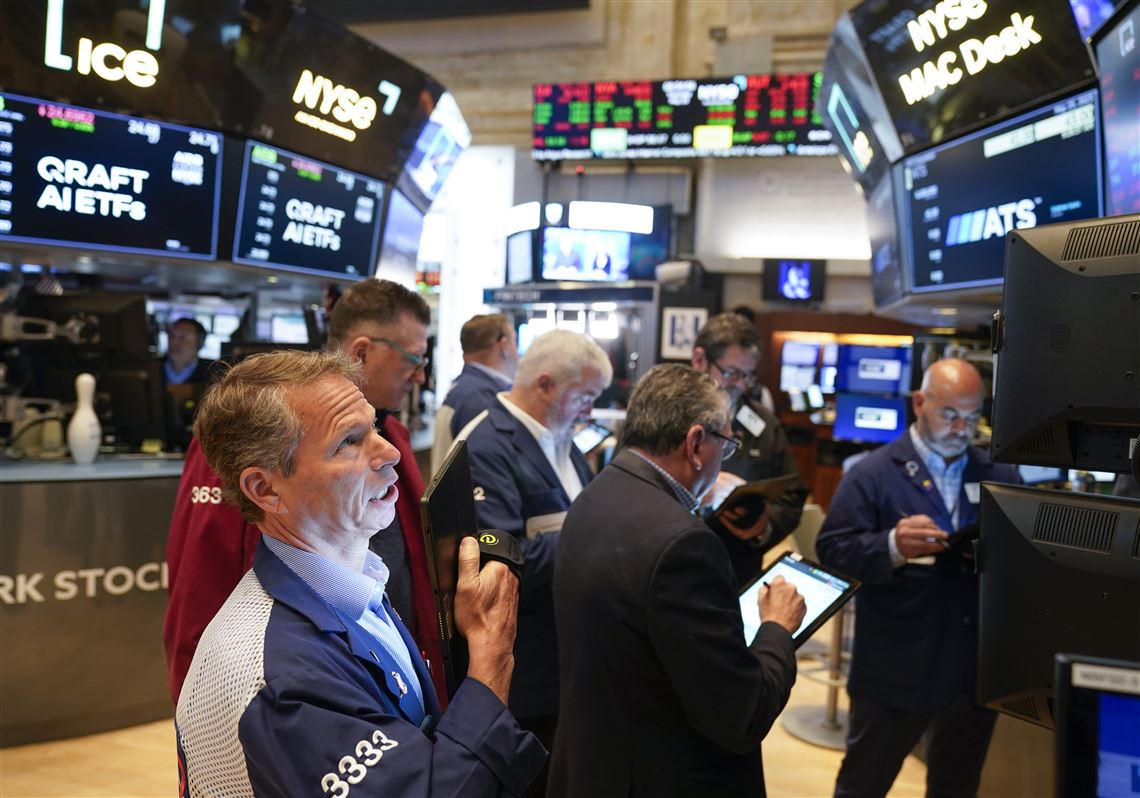
Stock Market Woes And Gold’s Surge: All Come From The “R” Word ទោះបីជាទិន្នន័យអត្រាអតិផរណាបានថយចុះបន្តិចកាលពីយប់មិញដែលជាព័ត៌មានល្អសម្រាប់សេដ្ឋកិច្ចក៏ដោយ ក៏ទីផ្សារភាគហ៊ុនបានប្រឈមមុខនឹងភាពច្របូកច្របល់ម្តងទៀតនោះដែរ។ ជាក់ស្តែង សន្ទស្សន៍ VIX ដែលជាសូចនាករវាស់ស្ទង់ទៅលើភាពភ័យខ្លាចរបស់វិនិយោគិនបានកើនឡើងខ្ពស់រហូតទៅដល់ 10%, ចំណែកឯភាគហ៊ុនធំៗក្នុង Magnificent-7 ក៏បានធ្លាក់ចុះយ៉ាងខ្លាំង និង S&P 500 ថយចុះគួរឱ្យកត់សម្គាល់។ ទាំងនេះសុទ្ធតែជំរុញឱ្យវិនិយោគិនផ្លាស់ប្តូរការវិនិយោគមកលើទ្រព្យសម្បត្តិដែលមានសុវត្ថិភាពវិញ ដូចជាមាសជាដើម។ នេះជាអ្វីដែលអ្នកគួរដឹង៖ ភាពភ័យខ្លាចនៃការធ្លាក់ចុះសេដ្ឋកិច្ចឥឡូវនេះបានកើនឡើង មិនត្រឹមតែដោយសារតែភាពទន់ខ្សោយនៃទស្សនវិស័យសេដ្ឋកិច្ចតែមួយមុខប៉ុណ្ណោះទេ ប៉ុន្តែការរកប្រាក់ចំណូលរបស់ក្រុមហ៊ុននីមួយៗក៏បានបង្ហាញពីការធ្លាក់ចុះនោះដែរ។ គួបផ្សំជាមួយនឹងភាពមិនប្រាកដប្រជានៅក្នុងគោលនយោបាយមិនអាចទាយទុកជាមុនបានរបស់លោក Trump និងភាពតានតឹងភូមិសាស្ត្រនយោបាយដែលមិនទាន់ត្រូវបានដោះស្រាយទៀតនោះ។ ទាំងនេះសុទ្ធតែជំរុញឱ្យមានភាពភ័យខ្លាចកាន់តែច្រើន។ លោក Trump កាលពីយប់មិញបានគំរាមដាក់ពន្ធ 200% លើ “ស្រា ស្រាសំប៉ាញ និងផលិតផលគ្រឿងស្រវឹងទាំងអស់ដែលចេញមកពីប្រទេសបារាំង និងសហភាពអឺរ៉ុបផ្សេងទៀត ប្រសិនបើពន្ធមិនត្រូវបានដកចេញភ្លាមៗ”។ មិនត្រឹមតែប៉ុណ្ណោះ លោក Trump ក៏បានលើកឡើងផងដែរថា “កាណាដាត្រូវការអាមេរិក ប៉ុន្តែអាមេរិកមិនត្រូវការប្រទេសកាណាដាទេ” ហើយនេះពិតជាបានបង្ហាញថា គាត់មិនខ្វល់អំពីទីផ្សារភាគហ៊ុនពិតមែន។ ជាក់ស្តែង គោលនយោបាយរបស់លោក Trump មានទំនោរច្រើនទៅលើសង្គ្រាមពាណិជ្ជកម្ម ដែលគាត់សុខចិត្តទទួលយកការធ្លាក់ចុះសេដ្ឋកិច្ចនារយៈពេលខ្លី ដើម្បីទទួលបានកំណើនល្អប្រសើរក្នុងរយៈពេលវែង។ ខណៈពេលដែលអ៊ុយក្រែនបានសង្កត់ធ្ងន់លើការព្រួយបារម្ភរបស់គាត់អំពីបទឈប់បាញ់ជាមួយរុស្ស៊ី លោក Trump ក៏ប្តេជ្ញាការពាររឿងនេះពីការកើតឡើង ហើយនឹងមានការពិភាក្សាបន្ថែមទៀតរវាងរុស្ស៊ី។ លើសពីនេះ វិនិយោគិនល្បីៗជាច្រើនបានលក់ទ្រព្យសកម្មរបស់ពួកគេ ហើយក្នុងនោះក៏មានលោក Warren Buffett ដែលជាវិនិយោគិនដ៏ល្បីមួយរូបក្នុងទីផ្សារភាគហ៊ុនផងដែរ។ សូម្បីតែ CME Fedwatch Tool ក៏បានព្យាករណ៍ថានឹងកាត់បន្ថយអត្រាការប្រាក់ចំនួន 3 ដងនៅឆ្នាំនេះ បើទោះបីជា 2 ខែមុន មនុស្សជាច្រើនមិនប្រាកដអំពីការបន្ធូរបន្ថយបន្ថែមទៀតក៏ដោយ។ ទាំងអស់នេះកំពុងបង្ហាញពីការភ័យខ្លាចនៃការធ្លាក់ចុះសេដ្ឋកិច្ចកាន់តែច្រើនពីភាពទន់ខ្សោយនៃសន្ទស្សន៍អារម្មណ៍វិនិយោគិន ដែលនាំឱ្យទីផ្សារភាគហ៊ុនអាមេរិកដំណើរការមិនប្រក្រតី ឬទាបជាង បើប្រៀបធៀបទៅនឹងទីផ្សារពិភពលោក។ ដូច្នេះហើយ វិនិយោគិនជាច្រើនឥឡូវនេះកំពុងស្វែងរកទ្រព្យសម្បត្តិដែលមានសុវត្ថិភាព ទោះបីជាយើងនៅតែមិនប្រាកដអំពីរយៈពេលដែលទីផ្សារភាគហ៊ុនត្រូវការសម្រាប់ការងើបឡើងវិញក៏ដោយ។ |English Version| The stock market has once again experienced another turbulence despite having soft inflation data last night. In fact, the fear index—VIX index—surged higher by roughly 10%, Magnificent-7 took a heavy blow, S&P500 closed in correction territory, while many are now shifting the focus to safe haven assets such as gold. Here’s something you should know: Arising recession fear is now in charge, not only because of weakness in economic outlook alone, but weak earnings are coming to play, uncertainty in Trump’s unpredictable policies and a completed unresolved geopolitical tension. Trump last night threatened to impose 200% on “all WINES, CHAMPAGNES, & ALCOHOLIC PRODUCTS COMING OUT OF FRANCE AND OTHER E.U. REPRESENTED COUNTRIES” if the tariff is not removed immediately. Not only that, Trump also mentioned that “Canada needs America; America does not need Canada,” raising even more possibility that Trump really meant it when he said he does not care about the stock market. As a matter of fact, Trump’s approach was more on trade war, which he is willing to take on more short-term pain for the long-term growth. While Ukraine emphasized his concern about a ceasefire with Russia, Trump is committed to preventing this from happening and furthered the discussion between Russia and Trump. Furthermore, global hedge funds are selling their assets, and that also includes Warren Buffett, the godfather of the stock market. Even the CME Fedwatch Tool also projects a 3-rate cut this year, which, for the last 2 months, many were unsure about further easing. These all show more recession fears from weak investor sentiment, which has led the US stock market to underperform compared to the global market after Trump’s inauguration. Therefore, many investors are now seeking a safe haven asset, although we are still unsure about how long it will take for recovery.

Under one Scope: US Inflation, Canada Rate Cut, and EU-US Trade អតិផរណារបស់សហរដ្ឋអាមេរិក៖ ទោះបីជាអតិផរណារបស់សហរដ្ឋអាមេរិកមានកម្រិតទាបជាងទិន្នន័យរំពឹងទុកក៏ដោយ — ពោលវាបណ្តាលមកពីការធ្លាក់ចុះនៃតម្រូវការធ្វើដំណើរ និងភាពទន់ខ្សោយនៃទីផ្សារលំនៅឋានបច្ចុប្បន្ន — ក៏តម្លៃស៊ុតនៅតែកើនឡើងយ៉ាងខ្លាំងនោះដែរ។ នេះបង្ហាញថា ការចំណាយរបស់អ្នកប្រើប្រាស់នៅតែត្រូវបានរំខាន ហើយតម្លៃទំនិញនៅតែជាបញ្ហា។ ជាពិសេសនៅពេលដែលឥទ្ធិពលពន្ធរបស់លោកប្រធានាធិបតី Trump នៅតែអាចបន្តជះប៉ះពាល់ទៅលើសេដ្ឋកិច្ច។ ដូច្នេះហើយបានជា មនុស្សជាច្រើននៅតែជឿថាទិន្នន័យថ្មីៗនេះអាចជាការធ្លាក់ចុះរយៈពេលខ្លី ជាជាងការធ្លាក់ចុះក្នុងរយៈពេលវែង។ ជាលទ្ធផល ទីផ្សារចំនួន 90% នៅតែជឿជាក់ថាអត្រាការប្រាក់អាចនឹងរក្សាក្នុងកម្រិតដដែលនៅសប្តាហ៍ក្រោយរហូតដល់ពាក់កណ្តាលឆ្នាំនេះ។ ធនាគារកាណាដា៖ ធនាគារកាណាដាបានសម្រេចចិត្តកាត់បន្ថយអត្រាការប្រាក់មកត្រឹម 2.75% តាមការរំពឹងទុក ដោយលើកឡើងថា “ឥឡូវនេះយើងកំពុងប្រឈមមុខនឹងវិបត្តិថ្មីមួយ” ចំពេលមានភាពមិនប្រាកដប្រជាទាក់ទងនឹងសង្គ្រាមពាណិជ្ជកម្មជាមួយអាមេរិក។ ភាពតានតឹងពន្ធនេះទំនងជាបង្កឱ្យមានការកើនឡើងនៃទិន្នន័យអតិផរណា ខណៈពេលដែលបង្កហានិភ័យយ៉ាងធ្ងន់ធ្ងរដល់ការចំណាយរបស់អ្នកប្រើប្រាស់ ការងារ និងកំណើនសេដ្ឋកិច្ចរបស់ប្រទេសកាណាដា។ ហេតុនេះហើយបានជា ធនាគារកណ្តាលបានសម្រេចចិត្តលើការកាត់បន្ថយអត្រាការប្រាក់នេះ ពោលគឺក្នុងគោលបំណងស្រោចស្រង់លើកំណើនសេដ្ឋកិច្ច។ លើសពីនេះ រដ្ឋមន្ត្រីហិរញ្ញវត្ថុកាណាដាក៏បានសម្តែងការប្តេជ្ញាចិត្តក្នុងការចូលរួមក្នុងកិច្ចពិភាក្សាបន្ថែមទៀតជាមួយសហរដ្ឋអាមេរិក ក្នុងគោលបំណងបន្ធូរបន្ថយពន្ធពីសហរដ្ឋអាមេរិក។ ប្រសិនបើពួកគេអាចបញ្ចុះបញ្ចូលអាមេរិកបាន នោះបញ្ហាអត្រាអតិផរណាក៏អាចនឹងថយចុះបន្តិចផងដែរ។ ពាណិជ្ជកម្មអឺរ៉ូ-អាមេរិក៖ បន្ទាប់ពីការអនុវត្តពន្ធ 25% លើដែកថែប និងអាលុយមីញ៉ូម ភាពតានតឹងពាណិជ្ជកម្មរវាងសហភាពអឺរ៉ុប និងអាមេរិកកាន់តែតានតឹងឡើង។ សហភាពអឺរ៉ុបគ្រោងនឹងដាក់ពន្ធលើទំនិញអាមេរិកដែលមានតម្លៃ 26 ពាន់លានអឺរ៉ូ (ប្រហែល 28.31 ពាន់លានដុល្លារ) ចាប់ពីខែក្រោយ។ ជាការឆ្លើយតប ប្រធានាធិបតី Trump បានប្រកាសពីចេតនាក្នុងការអនុវត្តពន្ធសងសឹក ទោះបីជាព័ត៌មានលម្អិតជាក់លាក់អំពីវិធានការនេះមិនទាន់ត្រូវបានបញ្ជាក់ឱ្យច្បាស់លាស់ក៏ដោយ។ |English Version| US Inflation Headline: Although US inflation was lower than anticipated—primarily due to a decline in travel demand and a weakening housing market—egg prices have still risen significantly. This indicates that consumer spending is still disrupted by higher costs of living. Especially when the tariff effect has not fully been felt yet, many still believe that the recent figure might be a short-dip instead of a downtrend in inflation. As a result, the odds of more than 90% standing on holding the interest rate next week until mid-year. The Bank of Canada: The Bank of Canada decided to reduce the interest rate to 2.75% this meeting as expected, citing that “we’re now facing a new crisis,” amid uncertainties related to the trade war with the US. This tariff tension is likely to trigger an inflation shock while posing serious risks to Canada’s consumer spending, employment, and economic growth. Therefore, this is a call for last night’s cut. Furthermore, the Canadian finance minister has also expressed a commitment to engaging in further discussions with the US, seeking relief from US tariffs. If the US can be persuaded, the potential for tariff-induced inflation may decrease, although the impact is expected to be limited. EU-US trade: Following the implementation of a 25% tariff on steel and aluminum, trade tensions between the EU and the US have intensified. The EU plans to impose tariffs on US goods valued at €26 billion (approximately $28.31 billion) starting next month. In response, President Trump announced intentions to implement retaliatory tariffs, although specific details on the measures have yet to be clarified.