
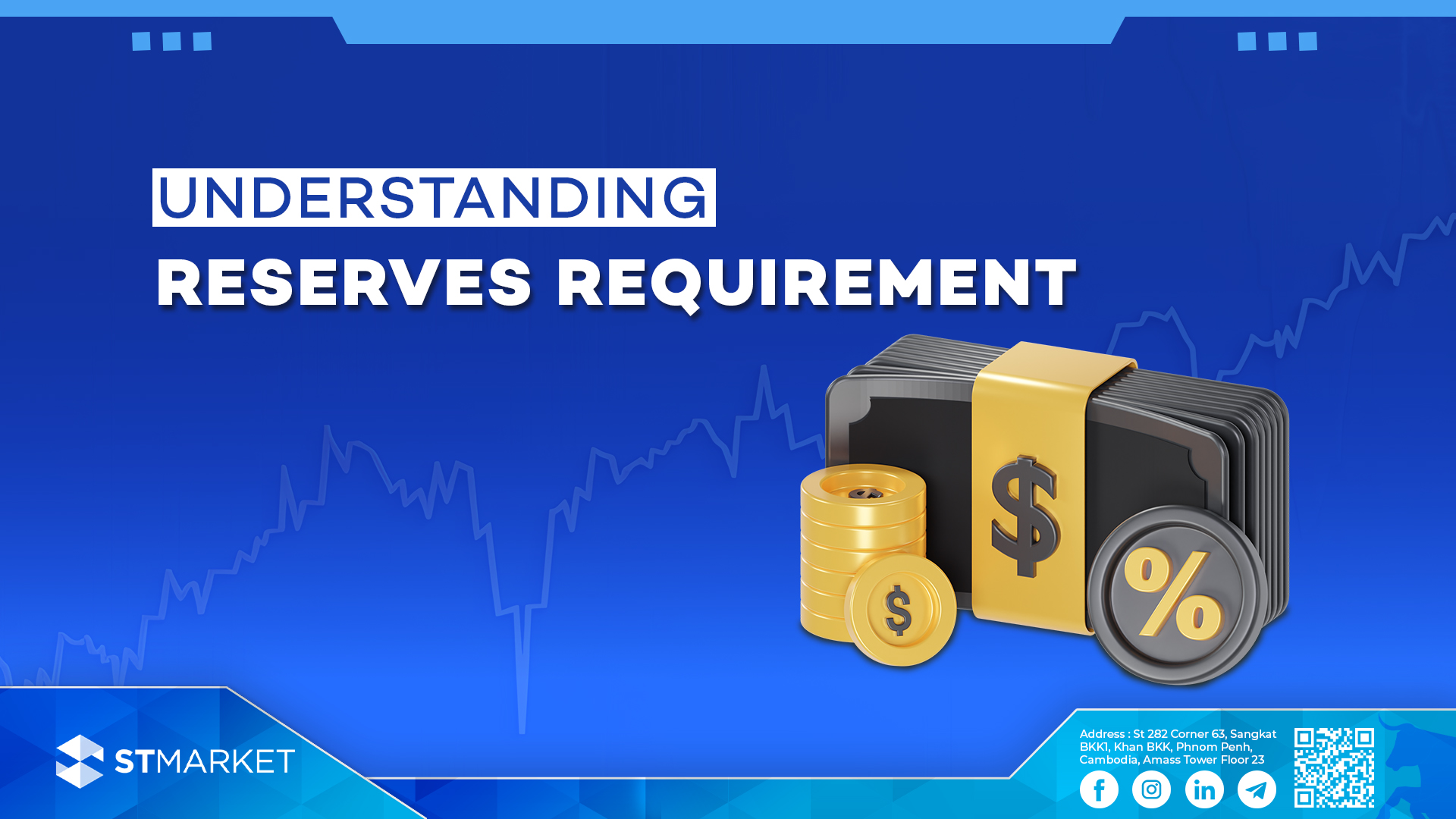
Reserves Requirement ឧបករណ៍គោលនយោបាយរូបិយវត្ថុមួយគឺ អត្រាប្រាក់បម្រុងកាតព្វកិច្ច (Reserves Requirement)ភាគច្រើនត្រូវបានប្រើប្រាស់ទៅលើបម្រែបម្រួលចរន្តប្រាក់នៅក្នុងសេដ្ឋកិច្ច។ ពោលគឺប្រសិនបើចរន្តប្រាក់មានចំនួនច្រើនពេកអាចនឹងធ្វើឲ្យមានអតិផរណាខ្ពស់ ស្របពេលដែលចរន្តប្រាក់ដែលមានតិចពេកអាចនឹងគំរាមកំហែងទៅកាន់កំណើនសេដ្ឋកិច្ច។ ធនាគារកណ្តាលធំៗទាំងនៅក្នុងអាមេរិក ចក្រភពអង់គ្លេស ឬសូម្បីតែធនាគារជាតិនៃកម្ពុជាសុទ្ធតែរឹតបន្តឹងទៅលើអត្រាប្រាក់បម្រុងកាតព្វកិច្ច (Reserves Requirement) ដើម្បីការពារហានិភ័យរបស់ប្រព័ន្ធធនាគារ។ រហូតមកដល់ពេលនេះ ភាគច្រើនកំពុងពឹងផ្អែកលើឧបករណ៍ផ្សេងទៀតដូចជាអត្រាការប្រាក់ និងប្រតិបត្តិការទីផ្សារបើកចំហ(open market operations) ដើម្បីទប់ស្កាត់ការប្រយុទ្ធនឹងបញ្ហាអតិផរណា។ ក្នុងន័យសាមញ្ញ អត្រាប្រាក់បម្រុងកាតព្វកិច្ច (Reserves Requirement)ជាភាគរយនៃប្រាក់បញ្ញើសរុបដែលធនាគារពាណិជ្ជត្រូវរក្សាទុកក្នុងទុនបំរុងរបស់ខ្លួន និងមិនផ្ទេរដោយផ្ទាល់ទៅធនាគារកណ្តាលនោះឡើយ។ ជាថ្មីម្តងទៀត “ការរក្សា មិនមែនផ្ទេរទៅកាន់ធនាគារកណ្តាលនោះឡើយ” ។ ឧទាហរណ៍ លោក A ចង់ដាក់ប្រាក់ 100 ដុល្លារទៅធនាគារពាណិជ្ជ។ ប្រសិនបើធនាគារកណ្តាលកំណត់អត្រាប្រាក់បម្រុងកាតព្វកិច្ច (Reserves Requirement)ចំនួន 10% នោះធនាគារនឹងយក 10% នៃចំនួនប្រាក់បញ្ញើ 100 ដុល្លារពីលោក A ដើម្បីរក្សាទុកនៅក្នុងទុនបម្រុង។ ដូច្នេះ ធនាគារអាចប្រើតែ 90 ដុល្លារប៉ុណ្ណោះក្នុងការផ្តល់នូវប្រាក់កម្ចី ស្របពេលដែល 10 ដុល្លារដែលនៅសល់នឹងមិនអាចប្រើសម្រាប់សាច់ប្រាក់ងាយស្រួលរបស់ពួកគេនោះទេ។ ផលប៉ះពាល់សក្តានុពលលើសេដ្ឋកិច្ច និងរូបិយប័ណ្ណ ការកើនឡើងអត្រាប្រាក់បម្រុងកាតព្វកិច្ច (Reserves Requirement) → ធនាគារកណ្តាលចង់រឹតបន្តឹងគោលនយោបាយរូបិយវត្ថុដោយធ្វើឱ្យធនាគារពាណិជ្ជរក្សាប្រាក់បម្រុងកាន់តែច្រើន → មានន័យថា ធនាគារពាណិជ្ជមានលុយតិចសម្រាប់ផ្តល់ប្រាក់កម្ចី ដែលអាចកាត់បន្ថយការផ្គត់ផ្គង់លុយក្នុងសេដ្ឋកិច្ច និងអាចធ្វើឲ្យកំណើនសេដ្ឋកិច្ចធ្លាក់ចុះ។ → អាចនឹងធ្វើឲ្យតម្លៃរូបិយប័ណ្ណក្នុងស្រុកកាន់តែឡើងថ្លៃ បើធៀបជាមួយនឹងរូបិយប័ណ្ណផ្សេងទៀត។ ការថយចុះអត្រាប្រាក់បម្រុងកាតព្វកិច្ច (Reserves Requirement) → គឺជាសញ្ញានៃការបន្ធូរបន្ថយរបស់ធនាគារកណ្តាលដែលមានគោលបំណងក្នុងការលើកកម្ពស់លើការផ្តល់ប្រាក់កម្ចីកាន់តែច្រើន។ → ធនាគារមានលទ្ធភាពប្រើប្រាស់ប្រាក់ ឬមានសាច់ប្រាក់ងាយស្រួលកាន់តែច្រើន ដែលអាចធ្វើឱ្យសាច់ប្រាក់ក្នុងស្រុកមានកាន់តែច្រើន ព្រមទាំងជំរុញកំណើនសេដ្ឋកិច្ច។ → អាចនឹងមានលទ្ធភាពធ្វើឱ្យរូបិយប័ណ្ណក្នុងស្រុកចុះខ្សោយធៀបនឹងរូបិយប័ណ្ណផ្សេងទៀត។ នៅលើកំណត់សម្គាល់ដ៏សំខាន់មួយ មានកត្តាជាច្រើនទៀត រួមទាំងអត្រាការប្រាក់ និងលក្ខខណ្ឌសេដ្ឋកិច្ចសកល ដែលដើរតួនាទីយ៉ាងសំខាន់ក្នុងការផ្លាស់ប្តូរនេះផងដែរ។ ហេតុអ្វីបានជាវាសំខាន់? ការផ្លាស់ប្តូរអត្រាប្រាក់បម្រុងកាតព្វកិច្ច (Reserves Requirement) អាចសបញ្ជាក់ពីទស្សនវិស័យមួយចំនួនរបស់ធនាគារកណ្តាលទៅលើស្ថានភាពសេដ្ឋកិច្ច ព្រមទាំងរូបិយប័ណ្ណរបស់ពួកគេ ថាតើពួកគេចង់គ្រប់គ្រងអតិផរណា ឬពួកគេកំពុងព្យាយាមបង្កើនតម្រូវការក្នុងស្រុក។ នេះក៏អាស្រ័យទៅលើឥណទានដែលមាននៅក្នុងស្រុក ដែលអាចជះឥទ្ធិពលមួយចំនួនទៅកាន់ពួកគេ។ ខណៈពេលដែលនេះជាឧបករណ៍ចម្បងសម្រាប់គ្រប់គ្រងប្រាក់ក្នុងស្រុក ប៉ុន្តែវាក៏អាចជាសំណាញ់សុវត្ថិភាពសម្រាប់ធនាគារផងដែរ ដោយធានាថាពួកគេមានសាច់ប្រាក់គ្រប់គ្រាន់ដើម្បីបំពេញតម្រូវការដកប្រាក់របស់អតិថិជន។ តើមានអ្វីកើតឡើងនៅពេលដែលមានការផ្លាស់ប្តូរគោលនយោបាយ? តើវាប៉ះពាល់ដល់អត្រាប្រាក់បម្រុងកាតព្វកិច្ច (Reserves Requirement)ពីមុនដែរ ឬទេ? នៅពេលណាដែលមានការផ្លាស់ប្តូរគោលនយោបាយ ឬប្រាក់បញ្ញើរបស់ពួកគេ អត្រាប្រាក់បម្រុងកាតព្វកិច្ច (Reserves Requirement)ទាំងអស់អាចនឹងត្រូវកែតម្រូវទៅតាមទម្រង់ថ្មី ដោយសារតែវាអាចជះឥទ្ធិពលមួយចំនួនទៅកាន់ប្រាក់បញ្ញើដែលធនាគារគប្បីរក្សាទុក។ ម្យ៉ាងវិញទៀត នេះមានន័យថា នៅពេលណាដែលប្រាក់បញ្ញើថ្មីចូលមក ធនាគារត្រូវបង្កើនទុនបំរុងរបស់ពួកគេ ដើម្បីបំពេញតាមភាគរយដែលត្រូវការ ហើយនៅពេលដែលប្រាក់បញ្ញើត្រូវបានដក ធនាគារអាចកាត់បន្ថយទុនបំរុងរបស់ពួកគេទៅតាមនោះ។ នេះបង្ហាញថា ទោះបីជាមាន ឬក៏គ្មានគោលនយោបាយក៏ដោយ ក៏អ្វីៗគ្រប់យ៉ាងគប្បីកែតម្រូវដោយស្វ័យប្រវត្តិ នៅពេលមានប្រតិបត្តិការថ្មីកើតឡើង។ ព័ត៌មានថ្មីៗពីកម្ពុជា យោងតាមប្រកាសលេខ 7.024.1718 ចេញផ្សាយនៅថ្ងៃពុធ ទី 21 ខែកញ្ញា ឆ្នាំ 2024 ធនាគារជាតិនៃកម្ពុជា បានបញ្ជាក់ថា អត្រាប្រាក់បម្រុងកាតព្វកិច្ច (Reserves Requirement)នឹងត្រូវប្តូរទៅ 7% រហូតដល់ថ្ងៃទី 31 ខែធ្នូ ឆ្នាំ 2025។ ទាំងអស់នេះបង្ហាញថាធនាគារកណ្តាលចង់បន្ធូរបន្ថយគោលនយោបាយរូបិយវត្ថុដោយផ្តល់សាច់ប្រាក់ងាយស្រួលដល់ធនាគារដើម្បីផ្តល់ប្រាក់កម្ចីកាន់តែច្រើន ហើយវាពិតជាធ្វើឱ្យមានភាពងាយស្រួលសម្រាប់អ្នកខ្ចី/អ្នកប្រើប្រាស់។ គោលដៅគឺជំរុញកំណើនសេដ្ឋកិច្ច តាមរយ:ការបង្កើនតម្រូវការទំនិញ ឬសេវាកម្មបន្ថែមទៀត។ ការឆ្លើយតបរបស់វិនិយោគិនចំពោះការផ្លាស់ប្តូរអត្រាប្រាក់បម្រុងកាតព្វកិច្ច (Reserves Requirement) ដូចដែលបានរៀបរាប់ខាងលើ អត្រាប្រាក់បម្រុងកាតព្វកិច្ច (Reserves Requirement)ខ្ពស់ នឹងឆ្លុះបញ្ចាំងពីការមានគោលនយោបាយរូបិយវត្ថុរឹតបន្តឹង ដែលអាចនាំឱ្យតម្លៃរូបិយប័ណ្ណក្នុងស្រុក (ប្រាក់រៀល)កើនឡើង និងផ្ទុយមកវិញ។ នេះអាចត្រូវបានគេមើលឃើញថាជា ឱកាសមួយដែលអ្នកប្រើប្រាស់អាចវិនិយោគលើរូបិយប័ណ្ណដែលបានផ្លាស់ប្តូរ ជាក់ស្តែង ដុល្លារ/រៀល។ តម្លៃប្រាក់រៀលឡើងថ្លៃមានន័យថា 1 ដុល្លារកំពុងធ្លាក់ចុះធៀបនឹងប្រាក់រៀល។ ខណៈពេលដែលអត្រាប្រាក់បម្រុងកាតព្វកិច្ច (Reserves Requirement)ខ្ពស់អាចបង្កើតឱកាសសម្រាប់ការផ្លាស់ប្តូររូបិយប័ណ្ណ វាក៏មានកត្តាដែលអាចប៉ះពាល់ដល់ប្រាក់ចំណេញនោះដែរ ដូចជាថ្លៃប្រតិបត្តិការ និងលក្ខខណ្ឌទីផ្សារ។ ឧទាហរណ៍ ពីមុន: ដុល្លារ/រៀល = 4100 ប្រាក់រៀលឡើងថ្លៃក្នុងរយៈពេល 10 ថ្ងៃ៖ ដុល្លារ/រៀល = 4000 ប្រសិនបើអ្នកទិញដុល្លារ/រៀលចំនួន 100$ នៅតម្លៃ 4100 អ្នកនឹងទទួលបាន 410,000 នៅពេលនោះ។ → អ្នកអាចលក់ប្រាក់រៀលរបស់អ្នកទៅដុល្លារមកវិញនៅតម្លៃ 4000 បន្ទាប់ពីតម្លៃកើនឡើងដូចគ្នាចំនួន 100$។ នេះមានន័យថាអ្នកប្រហែលជាត្រូវការ 400,000 ដើម្បីប្តូរទៅ 100 ដុល្លារ ហើយ 10,000 នឹងក្លាយជាប្រាក់ចំណេញរបស់អ្នក។ ឬ ពីមុនដុល្លារ/រៀល = 4100 x 100 = 410,000 រៀល ប្រាក់រៀលឡើងថ្លៃក្នុងរយៈពេល 10 ថ្ងៃ៖ ដុល្លារ/រៀល = 4000 x 100 = 400,000 រៀល → ប្រាក់ចំណេញ = 410,000 – 400,000 = 10,000 រៀល ដូច្នេះស្រមៃថាអ្នកធ្វើពាណិជ្ជកម្មជាមួយមូលនិធិធំជាង។ តើអ្នកនឹងទទួលបានប៉ុន្មាន? កំណត់ចំណាំសំខាន់ៗសម្រាប់វិនិយោគិន ទោះបីជាវាហាក់ដូចជាល្បែងដ៏ងាយស្រួលក៏ដោយ វាជារឿងសំខាន់ក្នុងការពិចារណាលើកត្តាផ្សេងទៀត ដូចជាទិសដៅរបស់ធនាគារកណ្តាល ដែលអាចពាក់ព័ន្ធនឹងឧបករណ៍រូបិយវត្ថុផ្សេងទៀត រួមទាំងអត្រាការប្រាក់ ឬប្រតិបត្តិការទីផ្សារបើកចំហ (OMO) កំណើនសេដ្ឋកិច្ច អតិផរណា និងភាពខុសគ្នានៃអត្រាការប្រាក់ នៅពេលដែលធ្វើការសម្រេចចិត្តជួញដូរ។ ដែនកំណត់នៃការប្រើប្រាស់ ទោះបីជាអត្រាប្រាក់បម្រុងកាតព្វកិច្ច (Reserves Requirement) អាចរារាំងធនាគារពីហានិភ័យក៏ដោយ ក៏មានការរឹតបន្តឹងមួយចំនួន ឬស្ថានភាពអាក្រក់ដែលបានបង្ខំឱ្យធនាគារក្ស័យធន ឬដំណើរការធនាគារ។ ព្រឹត្តិការណ៍ទូទៅបំផុតគឺការដកប្រាក់ដោយភ័យស្លន់ស្លោ ដែលអ្នកដាក់ប្រាក់បញ្ញើគ្រប់រូបចាប់ផ្តើមភ័យស្លន់ស្លោ និងដកប្រាក់ក្នុងពេលតែមួយ ដោយសារភាពមិនច្បាស់លាស់នៃកំណើនសេដ្ឋកិច្ច ឬព័ត៌មានអាក្រក់ណាមួយ។ ជាក់ស្តែង កាលពីខែមីនា ឆ្នាំ 2023 ធនាគារ Silicon Valley Bank (SVB) ដែលជាធនាគារធំជាងគេនៅក្នុងអាមេរិក ក៏បានក្លាយជាជនរងគ្រោះម្នាក់ ដោយសារតែការកើនឡើងនៃអត្រាការប្រាក់ខ្ពស់ហួសហេតុប៉ុន្មានខែកន្លងមក គួបផ្សំជាមួយនឹងការដកប្រាក់បញ្ញើច្រើនក្នុងពេលតែមួយ។ នៅពេលអ្នកដាក់ប្រាក់បញ្ញើទាំងនេះចាប់ផ្តើមដកប្រាក់យ៉ាងច្រើន ហើយធនាគារ SVB មិនអាចបំពេញតម្រូវការបាន នេះបានធ្វើឲ្យធនាគារពួកគេបរាជ័យ។ ដែនកំណត់ផ្សេងទៀតអាចមកពីភាពយឺតយ៉ាវនៃពេលវេលា ឥរិយាបទរបស់អតិថិជន និងធនាគារ ឬផលវិបាកដោយអចេតនា ដូចជាការប្រថុយប្រថានច្រើនពេករបស់ធនាគារពាណិជ្ជជាដើម។ |English Version| One of the monetary policy tools, the reserve requirement, is mainly focused on the money supply circulation in the economy, as too much may lead to hyperinflation, while too little may pose a serious threat to the economy. Long story short, central banks, either in the Federal Reserve, Bank of England, or even the National Bank of Cambodia, all impose a strict rule on having a reserve requirement in order to prevent the risk of bankruptcy or default risk in the banking system. As of now, the majority are relying more on other tools like interest rates and open market operations to curb the inflation fight. In simpler terms, the reserve requirement is the percentage of total deposits that the commercial bank needs to hold in its reserves and not directly transfer to the central bank, which may likely affect the withdrawal or liquidity in the bank. Again, “holding, not transferring.”. Example Mr. A wants to deposit 100 USD to the commercial bank. If the central bank imposes 10% of the reserve requirement ratio, also known as the cash reserve ratio, then the bank will take 10% of the 100 USD deposit amount from Mr. A to hold in the reserve. So, the bank can only use the 90 USD to lend out, while the remaining 10 USD will be unable to be used for their liquidity. Potential Impact on the Economic and Currency Increasing reserves requirement → The central bank wants to tighten the monetary policy by making the bank hold a larger portion of their deposit in cash. → Meaning that the commercial bank has less money available for lending, which can reduce the money supply in the economy and potentially slow down economic growth. → Possibly lead to stronger domestic currency against other currencies. Decreasing in reserves requirement → Easing signs from the central bank, which aims to promote more lending to the consumer. → the bank has more access or liquidity, which can improve the money supply and stimulate economic growth. → Potentially lead to weaker domestic currency against other currencies. On an important note, there are many other factors, including interest rates and global economic conditions, that play significant roles in these changes as well. Why is it important? A change in reserve requirement conveys a message from the central bank on their perspective on the economic condition and currencies, whether they want to take control of inflation or they are trying to improve consumption. It involves direct credit availability, but the impact could be significant. While this is primarily a tool for controlling the money supply, however, it also serves as a safety net for banks, ensuring that they have sufficient liquidity to meet customer withdrawals. What happens when there are changes in policy? Does it impact the previous reserve requirement before the policy changes? Whenever there is a change in the policy or in their deposits, all the reserve requirements may need to adjust accordingly from both the new one and the previous one, as this shows that it affects the portion of a bank’s deposit that must be held in cash. In other words, this means that whenever a new deposit comes in, the bank must increase its reserves to meet the required percentage, and when the deposit is withdrawn, the bank can reduce its reserves accordingly. This suggests that with or without the policy, everything needs to adjust automatically when there is a new transaction. Recent news from Cambodia. As per Prakas 7.024.1718 released on Wednesday, September 21, 2024, the National Bank of Cambodia stated that the reserve requirement will be changed to 7% until December 31, 2025. All of these suggest that the central bank wants to ease monetary policy by giving more liquidity to the bank to lend out more, and that actually makes it more convenient for the borrower/consumer. The goal is to stimulate economic growth by promoting more demand for goods or services. Investor Response to Changes in Reserve Requirements As mentioned above, a higher reserve requirement reflects having a tightening monetary policy, which could potentially lead to an appreciation of the domestic currency (Riel) and vice versa. This could be seen as a potential opportunity for consumers may invest in the exchanged currencies, for instance, USD/Riel. Appreciating Riel means that 1 dollar is

Currency Exchange Rate: Impact on your business នេះគឺជាទស្សនៈមួយដែលបង្ហាញពីមូលហេតុដែលរូបិយប័ណ្ណមានសារៈសំខាន់សម្រាប់គ្រប់សេដ្ឋកិច្ចផ្សេងទៀត៖ ជាពិសេសនៅក្នុងសេដ្ឋកិច្ចទំនើបនេះ ដែលពាណិជ្ជកម្មសកលមានសារៈសំខាន់ជាងពេលណាទាំងអស់។ មនុស្សទាំងអស់សុទ្ធតែមានតួនាទីសម្រាប់ជំរុញកំណើនសេដ្ឋកិច្ច។ អត្រាប្តូរប្រាក់៖ ប៉ះពាល់ដល់អាជីវកម្មរបស់លោកអ្នក ការឈ្វេងយល់អំពីរបៀបដែលអត្រាប្តូរប្រាក់ប៉ះពាល់ដល់អាជីវកម្មរបស់លោកអ្នកគឺមានសារៈសំខាន់សម្រាប់ប្រតិបត្តិការអន្តរជាតិ។ ភាពទន់ខ្សោយនៃរូបិយប័ណ្ណក្នុងស្រុកអាចផ្តល់អត្ថប្រយោជន៍ដល់ក្រុមហ៊ុនរបស់អ្នកតាមវិធីជាច្រើន៖ ទោះយ៉ាងណាក៏ដោយមានគុណវិបត្តិមួយចំនួន៖ ឧទាហរណ៍៖ អាជីវកម្មនៅក្នុងប្រទេសជប៉ុន ស្របពេលដែលភាពទន់ខ្សោយនៃប្រាក់យ៉េន ក្រុមហ៊ុន៖ ក្រុមហ៊ុនផលិតអេឡិចត្រូនិកជប៉ុន ឧទាហរណ៍៖ អាជីវកម្មនៅសហរដ្ឋអាមេរិកជាមួយនឹងប្រាក់ដុល្លារខ្លាំង ក្រុមហ៊ុន៖ ក្រុមហ៊ុនផលិតរថយន្តដែលមានមូលដ្ឋាននៅសហរដ្ឋអាមេរិក បញ្ហាប្រឈម៖ ប្រាក់ដុល្លារដ៏រឹងមាំធ្វើឱ្យរថយន្តផលិតនៅសហរដ្ឋអាមេរិកមានការប្រកួតប្រជែងតិចនៅក្នុងទីផ្សារបរទេស។ នេះអាចនាំឱ្យមានការថយចុះការនាំចេញ និងប្រាក់ចំណូលទាប។ អត្ថប្រយោជន៍៖ ក្រុមហ៊ុនអាចទទួលបានអត្ថប្រយោជន៍ពីការចំណាយលើការនាំចូលទំនិញដែលមានតម្លៃទាបពីបរទេស។ នេះអាចធ្វើឱ្យប្រាក់ចំណេញកាន់តែច្រើន។ ករណីទាំងពីរអាចនឹងផ្តល់នូវផលប្រយោជន៍ និងអវិជ្ជមានទាក់ទងនឹងហានិភ័យនៃរូបិយប័ណ្ណអន្តរជាតិ។ សេចក្តីសន្និដ្ឋាន៖ ដោយសារអាជីវកម្មដើរតួនាទីយ៉ាងសំខាន់ក្នុងកំណើនសេដ្ឋកិច្ច ទាក់ទងនឹងចំនួនការងារក្នុងស្រុក ការបង្កើនគុណភាពជីវិត និងបម្រែបម្រួលចំនួនប្រាក់នៅក្នុងស្រុក និងអន្តរជាតិ។ ទាំងអស់នេះដើរតួយ៉ាងសំខាន់ក្នុងកំណើនសេដ្ឋកិច្ច។ |English Version| A perspective on why currencies are very important for every other economy:Especially in this very modern economy where global trade matters more than ever. Everyone is playing their very own part in economic growth. Currency Exchange Rates: Impact on Your Business Understanding how currency exchange rates affect your business is crucial for international operations. A weak domestic currency can benefit your company in several ways: However, there’s a downside: Example: Business Operating in Japan with a Weak Yen Company: Japanese Electronics Manufacturer Example: Business Operating in the US with a Strong Dollar Company: US-based Automobile Manufacturer Both cases can offset their problem and enhance their advantage in relation to forex hedging. Conclusion: Businesses play very important roles in economic growth, such as hiring more workers, providing more products to improve quality of life, and circulating more money within both domestic and international economies. Those all play a very important part in how the economy will perform.
The Bigger Picture: What to Consider in Fundamental Analysis នៅក្នុងការជួយដូរ មានសសរស្តម្ភចំនួនបួនដែលត្រូវបានគេប្រើប្រាស់ច្រើន ជាពិសេសទៅលើការវិភាគតាមបែបមូលដ្ឋានឬត្រូវបានស្គាល់ថាជាការវិភាគសេដ្ឋកិច្ច និងចុងក្រោយគឺការវិភាគតាមបែបបច្ចេកទេស។ ទោះជាយ៉ាងណាក៏ដោយ ប្រភេទនីមួយៗកំពុងត្រូវបានពិចារណាតាមរយៈកត្តាជាច្រើនដូចខាងក្រោម។ សេចក្តីប្រកាសរបស់ធនាគារកណ្តាល ការផ្លាស់ប្តូរគោលនយោបាយតាមរយៈគោលនយោបាយរូបិយវត្ថុ ឬគោលនយោបាយសារពើពន្ធនឹងជះឥទ្ធិពលយ៉ាងធំធេងលើសកម្មភាពសេដ្ឋកិច្ច ជាពិសេសសន្ទស្សន៍អារម្មណ៍របស់វិនិយោគិនចំពោះការវិនិយោគរបស់ពួកគេ។ ធនាគារកណ្តាលអាចរឹតបន្តឹង ឬបន្ធូរបន្ថយរូបិយវត្ថុ ដើម្បីសម្រេចឲ្យបាននូវស្ថិរភាពតម្លៃ បង្កើនចំនួនការងារឲ្យបានច្រើន ព្រមទាំងរក្សាស្ថានភាពសេដ្ឋកិច្ចក្នុងសុខភាពល្អប្រសើរ។ ទិន្នន័យសេដ្ឋកិច្ច ដើម្បីឲ្យធនាគារកណ្តាលធ្វើការសម្រេចចិត្តគោលនយោបាយរូបិយវត្ថុឲ្យបានត្រឹមត្រូវ ពួកគេត្រូវតាមដានទៅលើទិន្នន័យសេដ្ឋកិច្ចមួយចំនួន ដូចជាអត្រាគ្មានការងារធ្វើ អត្រាអតិផរណា ផលិតផលសរុបក្នុងស្រុក ការលក់រាយ ឬសន្ទស្សន៍អ្នកគ្រប់គ្រងការទិញជាដើម។ ទិន្នន័យសំខាន់ៗទាំងនេះនឹងកំណត់លទ្ធភាពនៃការសម្រេចចិត្តលើអត្រាការប្រាក់។ កំណើនសេដ្ឋកិច្ចកាន់តែច្រើន និងអតិផរណាខ្ពស់អាចធ្វើឲ្យធនាគារកណ្តាលរឹតបន្តឹងគោលនយោបាយរូបិយវត្ថុបន្ថែមទៀត និងផ្ទុយមកវិញ។ ទោះបីជាយ៉ាងណាក៏ដោយ ទស្សនវិស័យសេដ្ឋកិច្ចពិតប្រាកដ ព្រមការឆ្លើយតបរបស់ធនាគារកណ្តាលជាធម្មតាមិនបង្ហាញដូចអ្វីដែលយើងបានរៀននោះទេ។ ជាក់ស្តែង ធនាគារកណ្តាលអាចនឹងពិចារណាទៅលើកត្តាផ្សេងៗទៀត មុននឹងធ្វើការសម្រេចចិត្ត ដូច្នេះពាណិជ្ជករគួរតែប្រុងប្រយ័ត្នខ្ពស់ចំពោះការជួញដូររបស់ពួកគេ។ កត្តានយោបាយ នេះអាចនឹងមានបម្រែបម្រួលខ្លាំង អាស្រ័យទៅលើប្រតិកម្មរបស់អ្នកនយោបាយទៅលើកាលៈទេសៈនីមួយៗ ហើយនោះជាអ្វីដែលបណ្តាលឱ្យមានភាពមិនច្បាស់លាស់នៅក្នុងទស្សនវិស័យសេដ្ឋកិច្ច។ ដូច្នេះហើយបានជា ពួកគេគប្បីកំណត់ការគ្រប់គ្រងទៅលើហានិភ័យឲ្យបានគ្រប់គ្រាន់ នៅពេលយុទ្ធនាការបោះឆ្នោតជិតមកដល់។ កត្តាផ្សេងទៀតដូចជាគ្រោះធម្មជាតិ និងរដូវកាល ដូចគ្នានឹងកត្តានយោបាយដែរ គ្រោះធម្មជាតិមិនដែលប្រាប់អ្នកណាម្នាក់ជាមុនទេ ហើយនៅពេលដែលវារីករាលដាល លទ្ធភាពនៃអត្រាអ្នកអត់ការងារធ្វើ អតិផរណា និងវិបត្តិសេដ្ឋកិច្ចគឺខ្ពស់ណាស់។ ជាក់ស្តែង ដូចកាល Covid-19 ជាដើម។ ដោយសារតែមានការរឹតបន្តឹងលើការជួញដូរ តម្រូវការនៅទីនោះកាន់តែយ៉ាប់យ៉ឺន និងកង្វះការផ្គត់ផ្គង់នៅក្នុងសេដ្ឋកិច្ចទៀតនោះ នេះបានធ្វើឱ្យសេដ្ឋកិច្ចប្រឈមនឹងហានិភ័យនៃការធ្លាក់ចុះសេដ្ឋកិច្ច។ |English Version| As you may already know, the four pillars of trading are based specifically on two main analyses, including the fundamental and technical analysis. However, each category is being considered through many factors, such as those listed below. Central Bank announcement Changes in policy, either through monetary policy or fiscal policy, will largely affect economic activities, especially investor sentiment toward investment portfolios. The central bank can either tighten or ease the monetary policy, which aims to achieve price stability, maximize employment changes, and improve the overall economic condition. Economic Data To set the right tool for monetary policy adjustment, the central bank may need to assess the economic data, including the unemployment rate, inflation rate, gross domestic product, retail sales, or purchasing managers’ index. These crucial data will determine the likelihood of a rate decision. Stronger economic growth and high inflation may require tighter monetary policy and vice versa. Theory aside, the real economic outlook and central bank response do not normally showcase just like what we have learned. The central bank may be required to assess other factors before making any adjustments. Therefore, it is often mistaken and traders should take serious caution toward the trading journey. Politics This involves something very unexpected, depending on how the politician reacts toward each circumstance, and that is what causes uncertainty in the economic outlook. With that in mind, it is highly recommended not to put all eggs in one basket when the voting campaign is around. Other factors such as natural disasters and seasonality. The same as political factors, a natural disaster never alerts anyone in advance, and once it is spread, the likelihood of having a high unemployment rate, high inflation, and recession is very high. Take COVID-19 for an example. Due to restrictions on trading, demand deteriorated, and a lack of supply in the economy, this will put the economy at risk of recession.
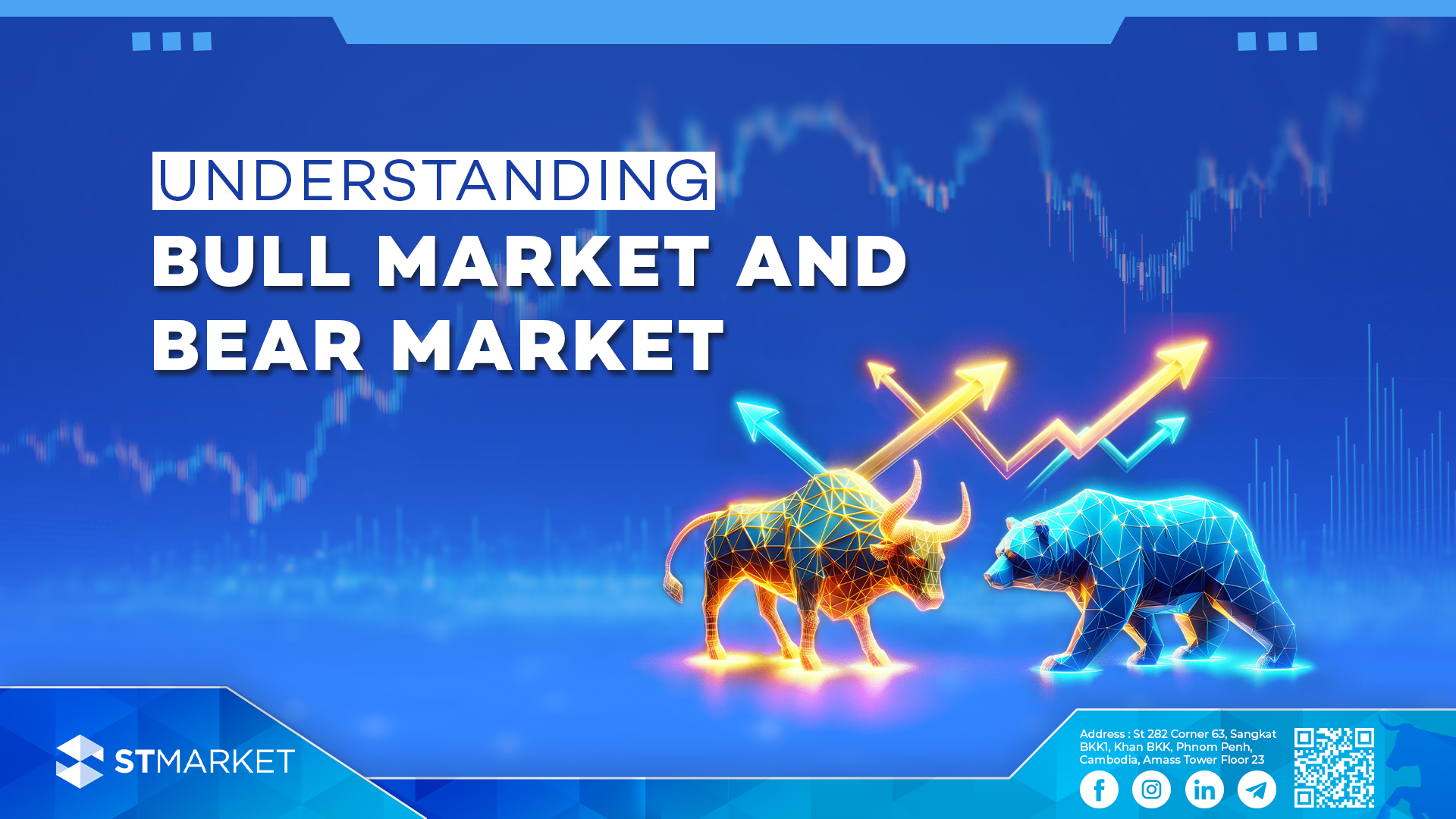
| Basic Explanation | Understanding The Bull and Bear Market ចំណុចសំខាន់ៗ៖ ទីផ្សារឡើងលើ ឬBull Market និងទីផ្សារចុះក្រោម ឬBear Markets ទីផ្សារមាននិន្នាការប្រែប្រួលយ៉ាងឆាប់រហ័ស ដោយអាចឡើងទៅលើ ឬចុះទៅក្រោមអាស្រ័យទៅតាមស្ថានភាពសេដ្ឋកិច្ច។ ប៉ុន្តែតើយើងដឹងថាទីផ្សារមានទិសដៅតាមរបៀបណា? ការយល់ដឹងអំពីទីផ្សារឡើងលើ ឬBull Market និងទីផ្សារចុះក្រោម ឬBear Marketsឱ្យកាន់តែច្បាស់អាចជួយលោកអ្នកក្នុងការជួញដូរឱ្យកាន់តែមានប្រសិទ្ធភាព។ និយមន័យ ទីផ្សារឡើងលើ ឬBull Market ទីផ្សារណាដែលមាននិន្នាការកើនឡើង ឬតម្លៃមូលបត្រណាមួយកើនឡើងចំនួន 20% ឬច្រើនជាងនេះក្នុងរយៈពេលយ៉ាងហោចណាស់ពីរខែ នឹងត្រូវបានគេស្គាល់ថាជា “ទីផ្សារឡើងលើ ឬBull Market “។ នេះអាចបណ្តាលមកពីសន្ទស្សន៍អារម្មណ៍ ឬទំនុកចិត្តរបស់វិនិយោគិនមានកម្រិតខ្ពស់ ពោលគឺពួកគេជឿជាក់ថាស្ថានភាពសេដ្ឋកិច្ចអាចនឹងកើនឡើង។ ទីផ្សារចុះក្រោម ឬBear Markets ផ្ទុយទៅវិញ ប្រសិនបើទីផ្សារមាននិន្នាការចុះក្រោមវិញ ឬតម្លៃមូលបត្រធ្លាក់ចុះដូចទីផ្សារខាងលើដែរ នោះទីផ្សារនោះត្រូវបានគេស្គាល់ថា ទីផ្សារចុះក្រោម ឬBear Markets។ លក្ខណៈរបស់ទីផ្សារមួយនេះគឺ វិនិយោគិនមានសុទិដ្ឋិនិយមតិចជាងមុន សេដ្ឋកិច្ចចុះខ្សោយ (អាចកើតមានវិបត្តិសេដ្ឋកិច្ច)។ ទាំងអស់នេះអាចប្រើប្រាស់បានទៅលើទីផ្សារដូចជា ទីផ្សារភាគហ៊ុន ទីផ្សារមូលបត្របំណុល អចលនទ្រព្យ និងទីផ្សាររូបិយប័ណ្ណអន្តរជាតិជាដើម (រូបិយប័ណ្ណ និងទំនិញ)។ ការប្រើប្រាស់សូចនាករសេដ្ឋកិច្ចដើម្បីតាមដានទៅលើស្ថានភាពទីផ្សារ -> ការប្រៀបធៀបរវាងទីផ្សារឡើងលើ ឬBull Market និងទីផ្សារចុះក្រោម ឬBear Markets ទីផ្សារឡើងលើ ឬBull Market ទីផ្សារចុះក្រោម ឬBear Markets តើវិនិយោគិននឹងធ្វើអ្វី? នៅក្នុងអំឡុងពេលដែលទីផ្សារមានទំនោរឡើង ឬBull Market វិនិយោគិនភាគច្រើនមានសុទិដ្ឋិនិយម និងទំនុកចិត្តខ្ពស់ទៅលើស្ថានភាពសេដ្ឋកិច្ច ដោយពួកគេគិតថានិន្នាការនេះអាចនឹងបន្តកើនឡើង។ ដូច្នេះ ពួកគេអាចនឹងទិញភាគហ៊ុន ឬទ្រព្យសម្បត្តិផ្សេងទៀត។ ហើយនៅពេលដែលទីផ្សារធ្លាក់ចុះ វិនិយោគិនបាត់បង់ទំនុកចិត្តកាន់តែច្រើនដែលអាចឱ្យពួកគេលក់ចេញនូវទ្រព្យសកម្មមួយចំនួន ដើម្បីជៀសវាងការខាតបង់បន្ថែមទៀត។ ទោះជាយ៉ាងណាក៏ដោយ មិនមែនវិនិយោគិនទាំងអស់សុទ្ធតែមានឥរិយាបទដូចគ្នាទេ ដោយសារតែពួកគេអាចដោះស្រាយជាមួយនឹងហានិភ័យផ្សេងៗគ្នា ហើយគោលដៅវិនិយោគក៏ខុសគ្នាដែរ។ ព្រឹត្តិការណ៍ប្រវត្តិសាស្ត្រ៖ យោងតាមប្រភព investopedia ព្រឹត្តិការណ៍របស់ទីផ្សារឡើងលើ ឬBull Market និងទីផ្សារចុះក្រោម ឬBear Marketsជាច្រើនរួមមាន នៅក្នុងទសវត្សរ៍ឆ្នាំ 1920 ទីផ្សារធ្លាក់ចុះនៅប្រទេសជប៉ុនឆ្នាំ 1980 ព្រឹត្តិការណ៍ dot-com bubble និងវិបត្តិហិរញ្ញវត្ថុក្នុងឆ្នាំ 2009 ជាដើម។ |English Version| Key Takeaway: Bull Market and Bear Market The market tends to fluctuate rapidly, either going upward or downward depending on the economic condition. But how do we exactly know when or in which direction they are heading? Understanding the two main forces at play—bulls and bears—is your ticket to a smoother ride. Definition Bull Market: Upward trend The market is heading an upward trend or pricing is rising by 20% or more within at least a two-month period, which is commonly known as “the bull market”. This could be due to higher investor sentiment or higher confidence in economic and corporate performance (Peak, expansionary). Bear Market: Downward trend In contrast, the market is moving downward or pricing is declining in the same way, which is typically seen as a “bear market”. This can be characterized by less optimism about the market and a weakening economy (recession/toughness, contraction). All of these can be applied to many markets, including the stock market, bond market, real estate, and forex market (currencies and commodities). Using economic indicators to tackle the market —> Comparison between Bull market and Bear Market What would investors do? During a bull market, an investor tends to be optimistic and confident that the upward trend will continue, so they would typically buy stocks or other assets. When a bear market hits, the investor loses more confidence, and panic/fear will cause them to sell their holding assets to avoid further losses. However, not all investors behave the same, as they may deal with different risk tolerances and investment goals. Historical Events: According to an Investopedia source, several significant bull and bear markets include the Roaring Twenties in the 1920s, the Japanese bull market of the 1980s, the dot-com bubble, and the financial crisis in 2009.
Types of Trading Strategy: You may want to know before starting your trading journey. វិនិយោគិនតែងតែមានយុទ្ធសាស្រ្តក្នុងការជួញដូរផ្សេងៗពីគ្នា ដែលត្រូវបានកំណត់ទៅតាមរយៈពេលនៃការដាក់បញ្ជារបស់ពួកគេ។ វិនិយោគិនខ្លះអាចជួញដូរតាមពេលវេលាដូចជា៖ scalping, intraday, swing trading, position trading ជាដើម។ (រយៈពេលពីវិនាទី រហូតទៅដល់នាទី) (នាទី -> ម៉ោងក្នុងមួយថ្ងៃ) (រយៈពេលចាប់ពី១ ថ្ងៃ -> សប្តាហ៍) (រយៈពេលចាប់ពីសប្តាហ៍ទៅឆ្នាំ) |English Version| Different traders lead to different trading strategies, which can be defined by how the trader holds their position throughout their journey. Some can trade by time frame, such as scalping, intraday, swing trading, position trading, etc. (Second -> Minutes) (Minutes -> Hours, within a day) (Days -> Weeks) (Weeks to Years)
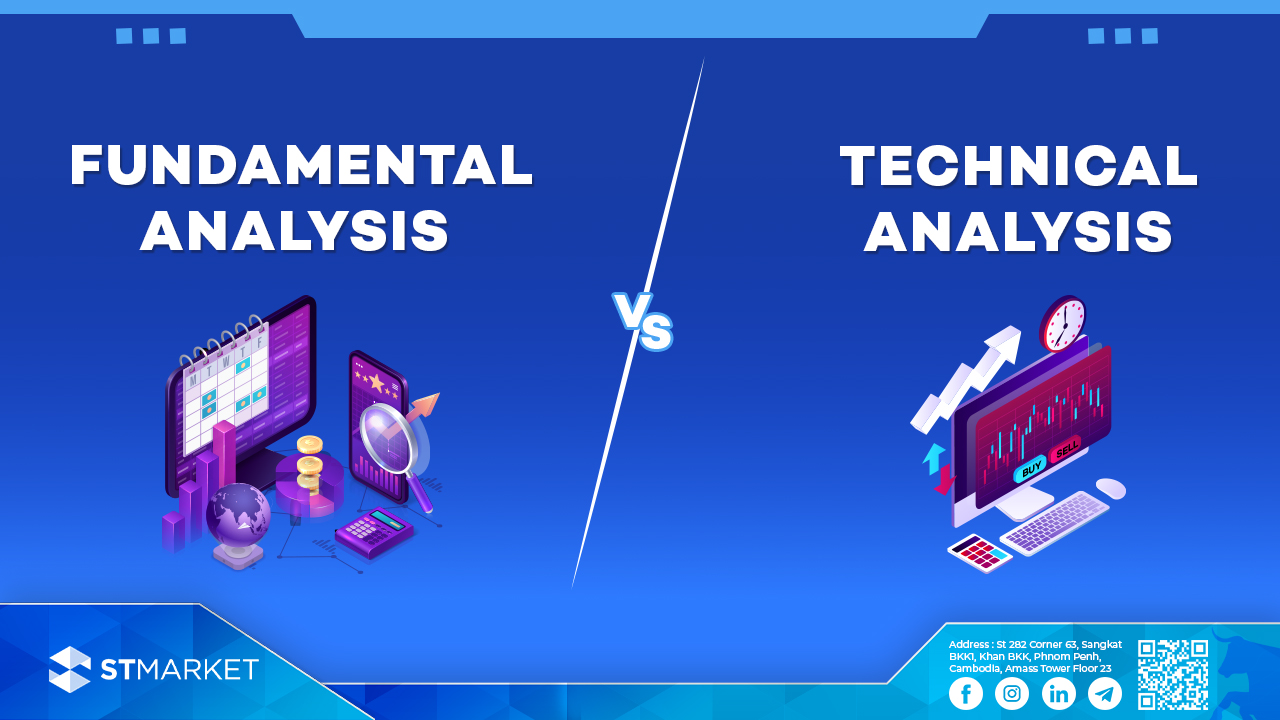
Forex Trading 101: Fundamental Analysis (FA) vs. Technical Analysis (TA) គន្លឺះសំខាន់ៗ៖ ការឈ្វេងយល់អំពីការវិភាគជាមូលដ្ឋាន និងការវិភាគបច្ចេកទេសគឺមានសារៈសំខាន់ខ្លាំងណាស់ក្នុងការស្គាល់ទីផ្សាររូបិយប័ណ្ណអន្តរជាតិ (Forex)។ វាមានភាពស្រដៀងគ្នាទៅនឹងរបៀបរស់នៅប្រចាំថ្ងៃរបស់លោកអ្នក ពោលគឺទាក់ទងនឹងតម្រូវការប្រើប្រាស់ សន្ទស្សន៍អារម្មណ៍របស់ប្រជាជននៅទីនោះ ព្រមទាំងកត្តាផ្សេងៗទៀត។ ឧទាហរណ៍ លោកអ្នកចាប់អារម្មណ៍ទៅលើការទិញលំនៅឋាននៅប្រទេសអូស្រ្តាលី។ ដំបូង អ្នកមើលទៅលើស្ថានភាពផ្ទះរបស់លោកអ្នក។ តើវាធំប៉ុនណា? តើមានបន្ទប់គេង ឬបន្ទប់ទឹកប៉ុន្មាន? តើទំហំរបស់លំនៅឋាននោះអាចឱ្យសមាជិកគ្រួសាររបស់លោកអ្នករស់នៅបានស្រួលដែរ ឬទេ? តើអ្នកនឹងអាចទិញផ្ទះបានយ៉ាងស្រួលជាមួយអត្រាកម្ចីទិញផ្ទះបច្ចុប្បន្នដែរឬទេ? នេះត្រូវបានគេស្គាល់ថាជាការវិភាគតាមបែបមូលដ្ឋាន ឬការវិភាគសេដ្ឋកិច្ច (FA) នៃទីផ្សាររូបិយប័ណ្ណ (Forex) ដោយគេនឹងតាមដានទៅលើស្ថានភាពសេដ្ឋកិច្ចនាពេលបច្ចុប្បន្ន ដូចជាទិន្នន័យការងារ ស្ថានភាពទីផ្សារការងារ និងសំខាន់បំផុតគឺការសម្រេចចិត្តអត្រាការប្រាក់របស់ធនាគារកណ្តាល។ កត្តាផ្សេងទៀតដូចជា ព្រឹត្តិការណ៍ភូមិសាស្ត្រនយោបាយ ការដួលរលំរបស់ធនាគារ ជាដើម ក៏អាចប៉ះពាល់ដល់កំណើនសេដ្ឋកិច្ចនោះដែរ។ លើសពីនេះ ការមើលទៅលើតម្លៃទីផ្សារផ្ទះរបស់លោកអ្នក។ លោកអ្នកអាចចាប់ផ្តើមប្រៀបធៀបតម្លៃពីហាងមួយទៅហាងមួយទៀត ហើយស្វែងរកតម្លៃទីផ្សារសមរម្យដែលអ្នកជឿថាជាតម្លៃល្អបំផុតសម្រាប់ពេលនេះ។ ក្រៅពីនេះ លោកអ្នកក៏អាចពិចារណាទៅលើកម្រិតដែលលោកអ្នកហ៊ានចំណាយ ឬទៅលើកម្រិតហានិភ័យដែលលោកអ្នកហ៊ានទទួលយកនោះដែរ។ ហើយនេះគឺជាអ្វីដែលយើងហៅថា ការវិភាគតាមបែបបច្ចេកទេស (TA)។ ពោលប្រសិនបើយើងមើលទៅលើក្នុងទីផ្សាររូបិយប័ណ្ណបរទេសវិញ លោកអ្នកអាចតាមដានទៅលើតម្លៃ ក៏ដូចជាក្រាហ្វ ហើយស្វែងរកតម្លៃដែលលោកអ្នកចាប់អារម្មណ៍។ នៅត្រង់កន្លែងនេះ វិនិយោគិនជាធម្មតាប្រើប្រាស់សូចនាករបច្ចេកទេសដូចជា RSI, MACD, Support, Resistance ជាដើម ដើម្បីគាំទ្រការជួញដូរ។ ភាពខុសគ្នា៖ ទោះបីជាការវិភាគទាំងពីរអាចត្រូវបានប្រើដើម្បីព្យាករណ៍ទៅលើបម្រែបម្រួលតម្លៃក៏ដោយ ក៏រយៈពេលនៃការវិនិយោគអាចនឹងខុសគ្នាបន្តិច ដោយសារតែវិនិយោគិនភាគច្រើនប្រើប្រាស់ការវិភាគតាមបែបបច្ចេកទេសសម្រាប់ការវិនិយោគរយៈពេលខ្លី ហើយការវិភាគតាមបែបមូលដ្ឋានសម្រាប់ការវិនិយោគក្នុងរយៈពេលវែង។ ម៉្យាងវិញទៀត ទាំងការវិភាគជាមូលដ្ឋាន (FA) និងការវិភាគបច្ចេកទេស (TA) នឹងត្រូវប្រើរួមគ្នា ដើម្បីទទួលបានទិដ្ឋភាពកាន់តែប្រសើរឡើងនៃចលនាទីផ្សារ ស្របពេលដែលវិនិយោគិនគប្បីផ្លាស់ប្តូរទៅលើយុទ្ធសាស្រ្តជួញដូរផ្ទាល់ខ្លួន ដើម្បីការពារការបាត់បង់ណាមួយ។ |English Version| Key Takeaway: Understanding the fundamental analysis (FA) and technical analysis (TA) is very crucial in getting to know the Forex market. It is a similar pattern in your daily lifestyle, including your consumption and how you view things based on your sentiments and other factors. For instance, you are interested in purchasing a house in Australia. First, you are looking at the overall condition of your house. How big is it? How many bedrooms or bathrooms? Does it fit with your current family members? Will you be able to afford your house comfortably with the current mortgage rate? This is known as fundamental analysis (FA) of the Forex market, by viewing the overall economic condition, including the inflation data, employment data, labor market condition, and most importantly, the central bank rate decision. Other factors such as geopolitical events, bank crises, etc., could potentially affect economic growth. Second, the market price of your house. You are starting to compare the pricing from one shop to another and find the reasonable market price that you believe is the best price for now. Plus, you may also consider how much you can afford by using the leverage from the loan and insurance to protect you from any risk associated with it. And this is what we call the technical analysis (TA). This is where you look at the pricing and chart pattern and find the best quote for your interest. With this, typical investors use technical indicators such as RSI, MACD, support, resistance, etc. to support trading. The difference: Although both analyses can be used to predict price movement, the investment period tends to differ, as the average investor usually uses the technical analysis for short-term trading while the fundamental analysis is for long-term trading. Yet, both Fundamental Analysis (FA) and Technical Analysis (TA) shall be used together to gain a better view of the market movement and develop your trading strategy to prevent any loss.
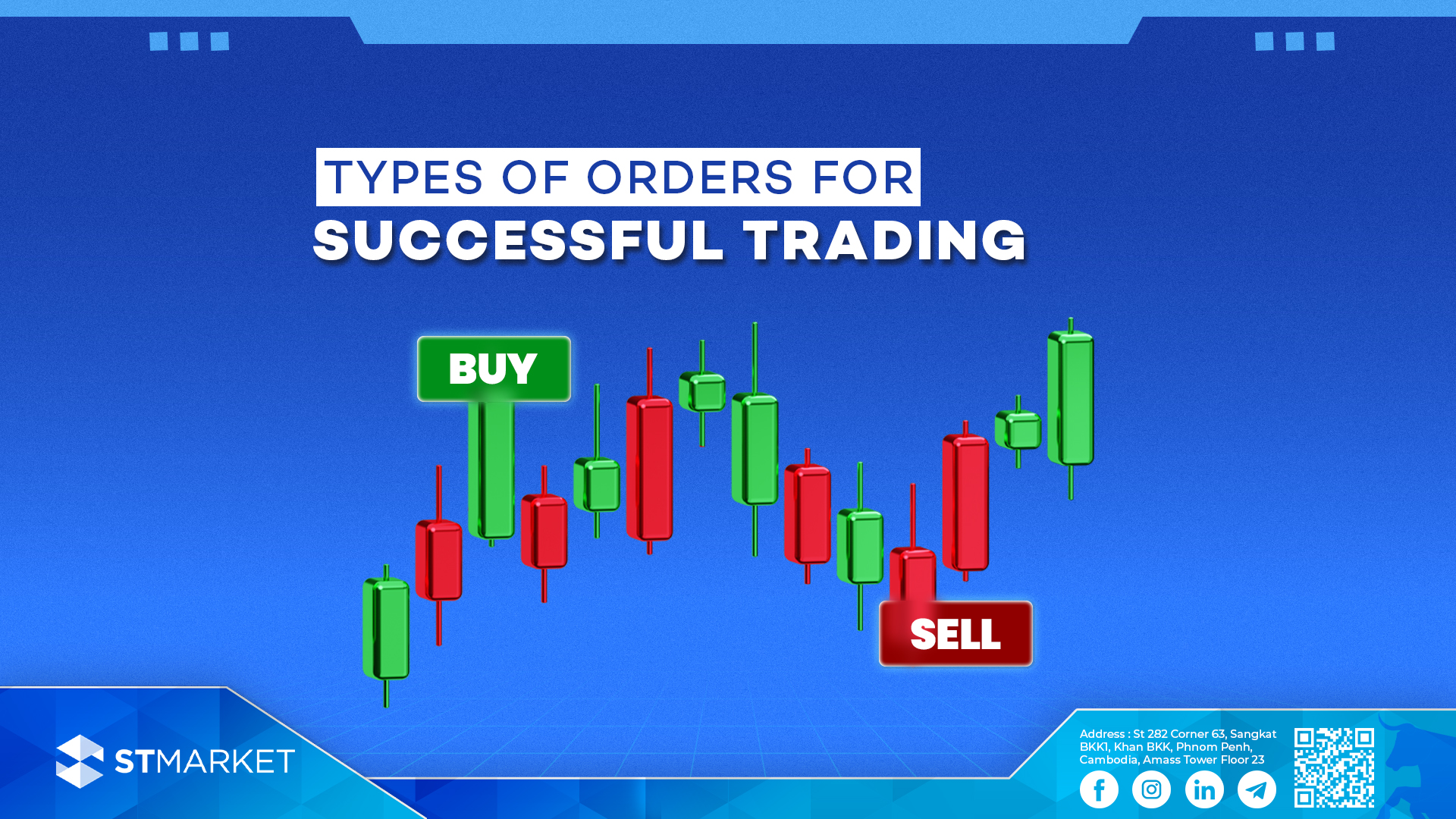
Types of Orders for Successful Trading ប្រភេទនៃការបញ្ជាទិញ ជាធម្មតា បម្រែបម្រួលទីផ្សារតែងតែពិបាកក្នុងការទាយទុកជាមុន។ ដូច្នេះហើយបានជា ការឈ្វេងយល់ទៅលើប្រភេទនៃការបញ្ជាទិញគឺមានសារៈសំខាន់ណាស់។ ជាក់ស្តែង MetaTrader 5 (MT5) គឺជាឧបករណ៍ជួញដូរមួយដែលអាចផ្តល់នូវប្រភេទនៃការជួញដូរផ្សេងៗ ពោលគឺអាចបំពេញតម្រូវការនៃការជួញដូររបស់លោកអ្នកបានដូចជា ការដាក់បញ្ជាទិញភ្លាម (Market Execution) ព្រមទាំងការដាក់បញ្ជាទិញទុកជាមុន (Pending orders) ហើយវាមានមុខងារផ្សេងៗពីគ្នា។ ការដាក់បញ្ជាទិញភ្លាម (Market Execution)៖ គឺជាប្រតិបត្តិការ ឬការចូលទីផ្សារភ្លាមៗតាមតម្លៃទីផ្សារបច្ចុប្បន្ន។ ប្រតិបត្តិការមួយនេះ អាចផ្តល់អាទិភាពឱ្យអ្នកចូលក្នុងទីផ្សារយ៉ាងឆាប់រហ័ស។ ការដាក់បញ្ជាទិញទុកជាមុន (Pending orders)៖ គឺជាការចូលក្នុងទីផ្សារទុកជាមុន ដោយរំពឹងទុកថាទីផ្សារអាចនឹងមានទិសដៅដូចអ្វីដែលបានកំណត់។ នេះមានន័យថា កាលណាដែលតម្លៃទីផ្សារចូលទៅរកតម្លៃដែលបានកំណត់ នោះអ្នកនឹងចូលក្នុងទីផ្សារមួយនោះដោយស្វ័យប្រវត្តិ។ ឧទាហរណ៍៖ ស្រមៃថាអ្នកចង់ទិញ EURUSD ប៉ុន្តែគិតថាតម្លៃបច្ចុប្បន្នគឺខ្ពស់បន្តិច។ ដូច្នេះ អ្នកកំណត់ការបញ្ជាទិញតាមបែបLimit (Limit Order)នៅតម្លៃ 1.08224 ។ នេះមានន័យថា អ្នកទិញអឺរ៉ូ ប្រសិនបើតម្លៃបានធ្លាក់ចុះមកដល់កម្រិតដែលអ្នកចង់បាន ឬសូម្បីតែទាបជាងនេះ។ ឧទាហរណ៍៖ អ្នកដាក់ការបញ្ជាទិញតាមបែប Stop សម្រាប់ AUD/USD នៅតម្លៃ 0.7200។ នេះមានន័យថា អ្នកនឹងលក់ AUD ដោយស្វ័យប្រវត្តិ ហើយទិញ USD ប្រសិនបើអត្រាប្តូរប្រាក់សម្រាប់ AUD/USD ធ្លាក់ចុះដល់ 0.7200 ឬទាបជាងនេះ។ ការបញ្ជាតាមបែប Stop Limit (Stop Limit Order)៖ គឺជាការដាក់បញ្ជារួមបញ្ចូលគ្នា ដែលក្នុងនោះរួមមានការបញ្ជាទិញតាមបែប Limit (Limit Order) និងការបញ្ជាតាមបែប Stop (Stop Order) ហើយវាមានតែក្នុង MT5 ប៉ុណ្ណោះ។ នេះត្រូវបានប្រើប្រាស់នៅពេលដែលតម្លៃបានឈានទៅដល់តម្លៃកំណត់ (ការបញ្ជាទិញតាមបែប Limit (Limit Order)) ដូច្នេះតម្លៃដែលយើងចង់បាន (Desired Price)ឬតម្លៃដែលបានកំណត់ពីមុននឹងចូលក្នុងទីផ្សារដោយស្វ័យប្រវត្តិ។ ដូច្នេះអ្វីដែលអ្នកត្រូវធ្វើគឺត្រូវរង់ចាំឱ្យតម្លៃធ្លាក់ចុះ ឬឆ្លងកាត់ការបញ្ជាទិញដែលមិនទាន់សម្រេច (ដែនកំណត់ទិញ/លក់)។ ពាក្យគន្លឹះ៖ Buy Stop Limit ឧទាហរណ៍៖ EURUSD បច្ចុប្បន្នគឺ 20 ដុល្លារ។ ឈ្មួញជឿថាវានឹងកើនឡើងលើសពី 28 ដុល្លារ ប៉ុន្តែពួកគេមានបំណងចង់ទិញក្នុងតម្លៃទាបគឺ 25 ដុល្លារ។ ក្នុងស្ថានភាពនេះ ការបញ្ជាតាមបែប Stop Limit ជាជម្រើសដ៏ល្អ។ នេះអនុញ្ញាតឱ្យពួកគេកំណត់តម្លៃពីរចំណុច៖ ពោលគឺ Sell Stop-Limit ឧទាហរណ៍៖ វិនិយោគិនមានចំណាប់អារម្មណ៍ជួញដូរទៅលើតម្លៃមាស(SYMBOL: XAUUSD) ដែលបច្ចុប្បន្នមានតម្លៃ 55$ ហើយគាត់រំពឹងថានឹងឃើញនិន្នាការធ្លាក់ចុះសម្រាប់គូនេះ។ ប្រសិនបើគាត់ប្រើការដាក់បញ្ជាតាមបែប sell-stop-limit ដោយកំណត់ sell-stop limit នៅ 40$ និង sell limit 45$។ ដូច្នេះមានន័យថានៅពេលដែលតម្លៃឡើងដល់ 40 ដុល្លារ នោះ sell limit នៅ 45 ដុល្លារនឹងត្រូវបានប្រតិបត្តិ ហើយរង់ចាំដូចការបញ្ជាទិញដែលមិនទាន់សម្រេចរហូតដល់តម្លៃត្រឡប់ទៅ 45 ដុល្លារវិញ។ នោះគឺជាពេលដែលសកម្មភាពតម្លៃពិតប្រាកដត្រូវបានប្រតិបត្តិ។ ពោលគឺ៖ នៅក្នុង Metal 5 Platform នេះជារបៀបដែលអ្នកអាចកំណត់ការបញ្ជាតាមបែប stop-limit order ដូចបានបង្ហាញខាងក្រោម៖ ការបញ្ជាទិញ Forex Good Till Cancelled (GTC) ការបញ្ជាទិញក្នុងរយៈពេលយូររហូតដល់តម្លៃដែលអ្នកចង់បានឈានមកដល់ ឬនៅពេលដែលអ្នកចង់លុបចោល(ឬបិទ) ការបញ្ជាទិញរបស់អ្នក។ ទោះយ៉ាងណាក៏ដោយ លោកអ្នកគឺអ្នកកំណត់រយៈពេលនៃការជួញដូររបស់លោកអ្នក ប៉ុន្តែការរក្សាការបញ្ជាទិញកាន់តែយូរ តម្លៃ Swapping ក៏កាន់តែខ្ពស់(មានន័យថាអ្នកចំណាយកាន់តែច្រើន)។ Good for the day (GFD) ការបញ្ជាទិញដែលផុតកំណត់នៅចុងបញ្ចប់នៃថ្ងៃជួញដូរ ហើយអ្នកអាចផ្លាស់ប្តូរនៅជម្រើសផុតកំណត់ដូចរូបខាងក្រោម។ ការបិទការបញ្ជាទិញ ការបិទការបញ្ជាទិញមួយចំនួន (Partially Close) នៅពេលអ្នកទិញ/លក់មូលបត្រនៅក្នុងតម្លៃណាមួយ ហើយលោកអ្នកមានបំណងបិទការបញ្ជាទិញខ្លះ និងទុកការបញ្ជាទិញខ្លះ លោកអ្នកអាចកែដូចបានបង្ហាញខាងក្រោម។ ឧទាហរណ៍ អ្នកទិញ 0.14 XAUUSD ហើយបិទការបញ្ជាចំនួន 0.10 XAUUSD ដូច្នេះការជួញដូររបស់លោកអ្នកនៅដល់ចំនួន 0.04 ទំហំឡូត។ ការបិទការទិញ និងការលក់ក្នុងពេលតែមួយ Close By នេះគឺជាពេលដែលអ្នកចង់បិទការដាក់បញ្ជាទាំងការលក់ និងការទិញក្នុងទំហំដូចគ្នា និងក្នុងពេលតែមួយ។ ឧទាហរណ៍ អ្នកទិញ XAUUSD ចំនួន0.60 ឡូតិ៍ ហើយលក់ XAUUSD ចំនួន 0.30 ឡូតិ៍។ នៅពេលអ្នកជ្រើសរើស “Close By” នេះមានន័យថាអ្នកនឹងបិទការបញ្ជាទិញ និងការបញ្ជាលក់ចំនួន 0.30 ទាំងអស់រួមគ្នា។ ដូច្នេះអ្នកនឹងនៅសល់ចំនួន 0.30 ឡូតិ៍ក្នុងការបញ្ជាទិញ XAUUSD។ ក្រៅពីនេះ មានការដាក់បញ្ជាពីរផ្សេងទៀតដែលពាណិជ្ជករប្រើសម្រាប់កាត់បន្ថយហានិភ័យដូចបានបង្ហាញខាងក្រោម៖ អត្ថប្រយោជន៍នៃការប្រើប្រាស់៖ ពាណិជ្ជករអាចជ្រើសរើសប្រតិបត្តិការទៅតាមប្រភេទដែលពួកគេចង់បាន ព្រមទាំងគោលដៅរបស់ពួកគេ។ លើសពីនេះ វាមានភាពងាយស្រួលក្នុងការសន្សំពេលវេលា និងសន្សំសំចៃ។ |English Version| The market can be unpredictable, and simply hoping for the best price isn’t always the most effective strategy. This is where understanding different order types comes in. MetaTrader 5 (MT5) offers various order types to suit your trading needs, such as market execution and pending orders (limit orders, stop orders, stop limit orders…) and so on which each display different usage in the market. What is market execution? Market Execution/Market Order: Executed immediately at the current market price. This is ideal when you prioritize entering a position quickly. What is a Pending Order? Pending Orders: a specific order with an anticipation of future market movements in mind, which will be executed automatically once it reaches the designed price action. Example: Imagine you want to buy EURUSD but think the current price is a bit high. You set a buy limit order at 1.08224. This tells your broker to only buy euros if the price falls to your desired level or even lower. Example: You place a sell-stop order for AUD/USD at 0.7200. This means you instruct your broker to automatically sell AUD and buy USD only if the exchange rate for AUD/USD falls to 0.7200 or lower. This is used when once the price action reaches the trigger price (buy/sell stop limit), the desired price action/pending orders (buy/sell limit) you have set earlier will be automatically executed. So all you have to do is wait for the price to fall or go past the pending order (buy/sell limit). Keyword: “Buy Stop Limit” Example: The EURUSD is currently at $20. Traders believe it will rise above $28, but ideally want to buy at a lower price, like $25. In this situation, a stop-limit order is a good option. This allows them to set two price points: Written in a simpler term: “Sell Stop-Limit” Example: The trader is interested in the gold price (SYMBOL: XAUUSD), which is currently at 55$ and he expects to see a downward trend for this pair. If he uses the sell-stop-limit order, set the sell-stop limit at 40$ and the sell limit 45$. So this means that once the price hits 40$, the sell limit at 45$ will be executed and wait as the pending order until the price reverses back to 45$. That is when the actual price action is executed. Written in a simpler term: In the Metal 5 platform, here is how you can set the stop-limit order as shown below: Forex Orders Good Till Cancelled (GTC) An order that remains active for a longer period until your desired price is reached or when you want to cancel your order. Anyhow, you are the one who decides your trading duration; however, the longer you wait, the higher the swapping price it will cost you. Good for the day (GFD) A day order which expires at the end of the trading day which you may change at the expiration option. Closing Order Partially Close When you buy/sell the security at a specific price and you want to close some position out of the overall, you may adjust as shown below. For instance, if you buy 0.14 XAUUSD and close position for 0.10 XAUUSD, the only position you have left is 0.04 Lot size. Close By This is when you want to close the position at the same time for both sell and buy positions in the same lot size. For instance, you buy XAUUSD for 0.60 lots and sell XAUUSD for 0.30 lots. When you choose “Close By,” this means that you will close the sell position and buy position at 0.30 lots. So you will have the remaining 0.30 lot buy position. Besides, there are two other orders that the trader uses for risk mitigation, as shown below: Benefits of using: A trader may execute the right type of market order that aligns with their direction and desires. Plus, it’s very convenient for time-saving and cost-efficiency.
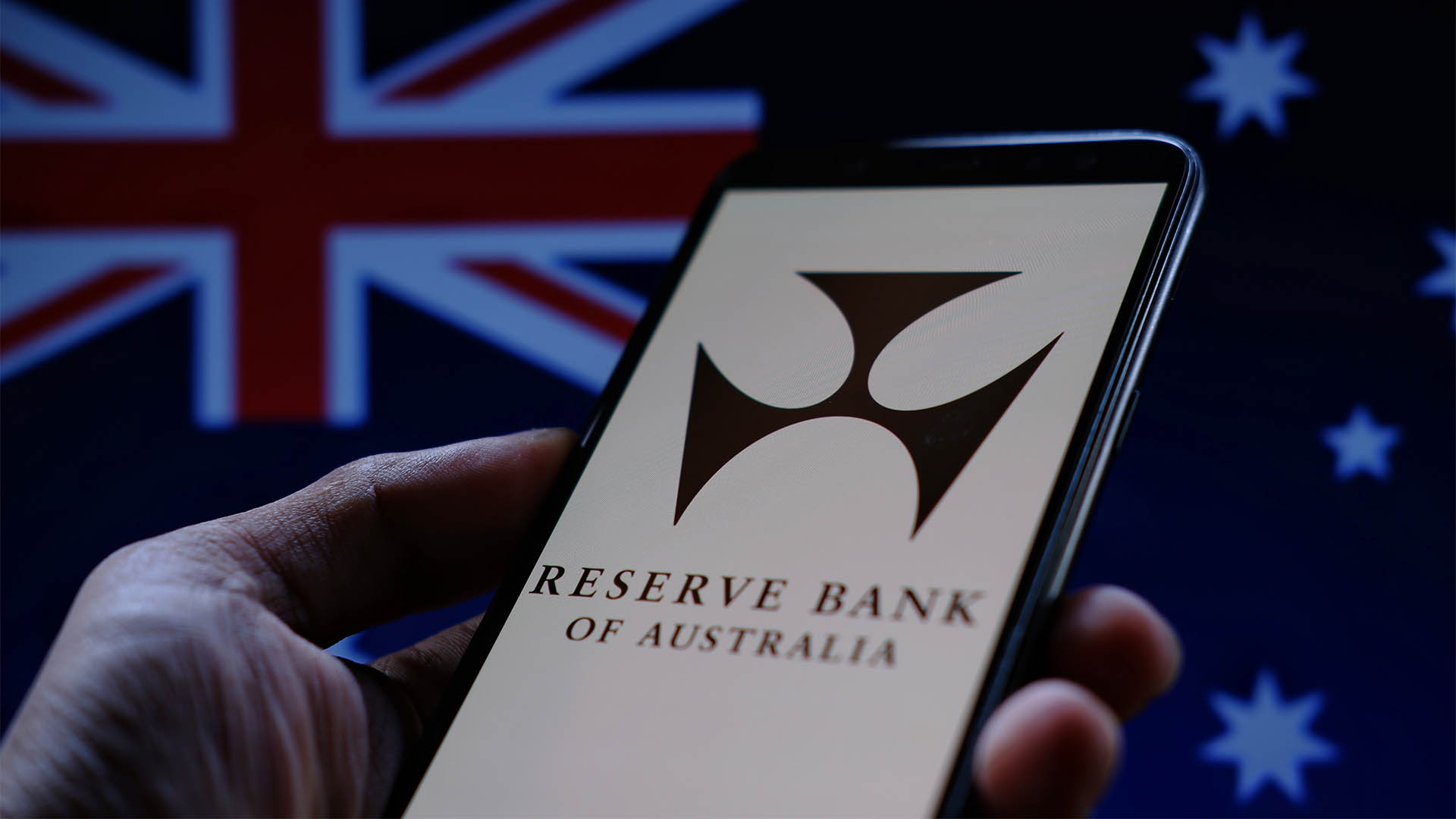
The Reserve Bank of Australia Cut Rate to 4.10% ដោយមើលឃើញពីភាពថមថយនៃអត្រាអតិផរណាលឿនជាងការរំពឹងទុក ធនាគារកណ្តាលនៅអូស្ត្រាលីបានបន្ទាបអត្រាការប្រាក់ចំនួន 0.25% គឺពី 4.35% មកត្រឹម 4.10%សម្រាប់កិច្ចប្រជុំមួយនេះ។ ពួកគេបានលើកឡើងថា ពួកគេនឹងតាមដានទៅលើបម្រែបម្រួលអត្រាអតិផរណានាពេលបច្ចុប្បន្ន ហើយអាចនឹងរក្សាអត្រាការប្រាក់បន្ទាប់ពីការកាត់បន្ថយលើកនេះ។ នេះក៏អាចបណ្តាលមកពីភាពមិនច្បាស់លាស់ជុំវិញគោលនយោបាយពន្ធរបស់ Trump ព្រមទាំងភាពរឹងមាំស្ថានភាពទីផ្សារការងារនាពេលបច្ចុប្បន្ន។ ទោះបីជាយ៉ាងណាក៏ដោយពួកគេក៏ជឿជាក់ថា អាជីវកម្មអាចឆ្លើយតបទៅលើបញ្ហាតម្រូវការតិច និងកំណើនយឺតវិញតាមរយៈការកំណត់តម្លៃ និងបម្រែបម្រួលការងារ។ នេះមានន័យថាអាជីវកម្មអាចនឹងដំឡើងតម្លៃទំនិញបន្ថែមទៀត ព្រមទាំងកាត់ចំនួនបុគ្គលិកនៅទីនោះ ដើម្បីកាត់បន្ថយការចំណាយប្រតិបត្តិការ។ ដូចដែលបានបង្ហាញខាងលើ ភាពមិនប្រាកដប្រជានៃគោលនយោបាយពាណិជ្ជកម្មបានកើនឡើងខ្ពស់ចាប់តាំងពីអំឡុងពេល COVID ស្របពេលដែលតម្លៃក៏បានកើនឡើងទាំងដំណាក់កាលទីមួយ និងដំណាក់កាលទីពីរនោះដែរ(ក្រាហ្វ 2.23)។ ពោលគឺ តម្លៃឡើងថ្លៃចាប់ពីការនាំចូល រហូតដល់ការដំឡើងនៅក្នុងស្រុក។ ការកាត់បន្ថយអត្រាម្តង និងរក្សាអត្រាការប្រាក់វិញត្រូវបានគេហៅថា Hawkish rate cut → ជំរុញ AUD កាន់តែខ្លាំងជាងមុន។ ជាក់ស្តែង AUD / USD បានឡើងខ្ពស់ដល់កម្រិត 0.63677 បន្ទាប់ពីការចេញផ្សាយទិន្នន័យ។ | English Version | Given how the disinflation progress has been made quicker than expected, the Reserve Bank of Australia reduced the cash rate by 25 bps to 4.10%, citing that inflation will now be their top priority and hinted at a hawkish move early this morning. This could result from an uncertain outlook around Trump tariff policies and current tight labor market conditions. However, the statement also believes that businesses might respond negatively to weak demand and slower growth through pricing setting and employment level, meaning that they will likely pass on additional costs and layoffs to reduce operation expenses. As shown above, trade policy uncertainty has risen higher since the COVID period, where the pricing is rising for both first-stage and second-stage pass-throughs (graph 2.23).

STMARKET TRADING WORKSHOP
WELCOME TO STMARKET TRADING WORKSHOP Details: The sessions are designed to provide participants with a deep knowledge of different trading strategies used in FX Trading. Through a blend of theoretical knowledge and practical applications, you will learn how to adapt the strategies to varying market conditions. Duration: 3 Hours Per Session Learning Format: Interactive Discussions Study Schedules: Learning Objectives (CFDs Investment For Beginner)– Define what CFDs are and how they work.– Differentiate between CFDs and traditional stock trading.– Learn the buy and sell function in CFD trading and How to make a profit from it. Learning Objectives (Swing Trading Strategy)– Understand the concept of swing trading and its advantages.– Learn to identify market trends, trend reversals, and potential entry points.– Recognize opportunity zones for swing trading positions. Learning Objectives (Intraday Trading Strategy)– Learn to identify short-term trends, support, and resistance levels.– Recognize optimal entry and exit points for intraday trades.– Learn on how to identify technical patterns for intraday setups. Learning Objectives (Money Management)– Understand the importance of money management in achieving consistent profitability.– Learn the concept of positive sizing and its role in controlling risk.– Learn how to adjust position sizes based on market conditions. Register via: https://forms.gle/Nw9S3eV6qDL23NLy7 Contact us: +855 10 883 288 (Telegram)
Understand Long Wick Candlestick Pattern តើអ្វីទៅជា Long Wick Candlestick Pattern? និយមន័យDefinition Long Wick ជាទម្រង់ទានដែលចង្អុលបង្ហាញពីការវិលត្រឡប់មួយនៅក្នុងលំហូរឡើងឬលំហូរចុះ ផ្តល់សញ្ញាប្រាប់យើងថាកម្លាំងអ្នកទិញឬអ្នកលក់មានការចុះក្សោយ។ ទម្រង់ទាននេះប្រាប់យើងថាមានការជួញដូរច្រើននៅក្នុងកំឡុងពេលមួយនោះធ្វើអោយទីផ្សារឡើងចុះៗហើយមកបិទទីផ្សារនៅក្បែតម្លៃបើកវិញ។ រូបរាងAppearance លក្ខណៈសម្គាល់Features ជាទានដែលមានតួរខ្លួនតូចមានស្រមោលវែង។ ឩទាហរណ៍Example The psychology behind Long Wick patterns reflects a struggle between buyers and sellers, where one side initially dominates and pushes the price to an extreme level. However, the opposing side regains strength, bringing the price back toward the opening level, indicating indecision or rejection of the extreme price. A long upper wick shows that sellers ultimately overpowered buyers, while a long lower wick indicates that buyers overcame initial selling pressure. ចិត្តសាស្រ្តនៅខាងក្រោយ ទម្រង់ Long Wick បង្ហាញពីការប្រឆាំងគ្នារវាងអ្នកទិញនិងអ្នកលក់ ដែលពីដំបូងមានអ្នកគ្រប់គ្រងទីផ្សារហើយរុញតម្លៃទៅកាន់កម្រិតតម្លៃជាក់លាក់មួយ បន្ទាប់មកកម្លាំងផ្ទុយបានចូលមកនាំតម្លៃត្រឡប់ទៅកាន់កំរិតតម្លៃដែលបានបើកពីដំបូងវិញបង្ហាញប្រាប់យើងថាមិនច្បាស់លាស់ ឬ ប្រាប់យើងថាជាការប្រតិកម្មតបទៅកាន់តម្លៃមួយ។ ស្រមោលខាងលើវែងបង្ហាញពីអ្នកលក់គ្រប់គ្រងទីផ្សារ ហើយស្រមោលខាងក្រោមវែងបង្ហាញថាអ្នកទិញចូលមកគ្រប់គ្រងទីផ្សារ What is Long Wick candlestick Pattern? Definition The long Wick is a candlestick pattern that indicates a potential reversal in an uptrend or down trend, signaling increasing selling pressure or buying pressure. This pattern signals that there was considerable price fluctuation within the trading period, but the final closing price reverted closer to the opening price. Appearance Characteristics A Long Wick pattern in candlestick charts features a candle with an extended wick, or shadow, that stretches far beyond the candle’s body. Example The psychology behind Long Wick patterns reflects a struggle between buyers and sellers, where one side initially dominates and pushes the price to an extreme level. However, the opposing side regains strength, bringing the price back toward the opening level, indicating indecision or rejection of the extreme price. A long upper wick shows that sellers ultimately overpowered buyers, while a long lower wick indicates that buyers overcame initial selling pressure.