

Global Tensions and Trade Talks: India-Pakistan Conflict, Houthi Actions, and Key Economic Moves Drive Gold Prices ភាពតានតឹងសង្គ្រាម ឥណ្ឌា និងប៉ាគីស្ថាន៖ សង្រ្គាមបានផ្ទុះឡើងម្តងទៀតរវាងឥណ្ឌា និងប៉ាគីស្ថាន ហើយបច្ចុប្បន្នភាគីទាំងពីរមិនទាន់មានបំណងចរចារចុះកិច្ចព្រមព្រៀងសន្តិភាពណាមួយនោះឡើយ។ ជម្លោះនេះត្រូវបានបង្កឡើងដោយការវាយប្រហាររបស់ក្រុមសកម្មនៅតំបន់កាស្មៀរកាលពីខែមុន ដែលបានសម្លាប់មនុស្សចំនួន 26 នាក់ ហើយឥណ្ឌាបានបន្ទោសប៉ាគីស្ថានទោះបីជាប៉ាគីស្ថានបដិសេធការជាប់ពាក់ព័ន្ធក៏ដោយ។ ទន្ទឹមនឹងជម្លោះអ៊ីស្រាអែល និងយេម៉ែនដែលកំពុងបន្តមានក៏អាចជាកត្តាមួយទៀតជំរុញល្បឿនតម្លៃមាសឱ្យកើនឡើងផងដែរ ប្រសិនបើភាពតានតឹងភូមិសាស្ត្រនយោបាយនៅតែខ្លាំងជាងមុន។ ជាងនេះទៅទៀត ក្រសួងការពារជាតិឥណ្ឌានឹងធ្វើសន្និសីទសារព័ត៌មានមួយនៅម៉ោង ១០ ព្រឹក ម៉ោងក្នុងស្រុករបស់ពួកគេ (IST)។ ពន្ធអាករ អ្វីដែលគួរតាមដាន៖ |English Version| War Tension: India and Pakistan: War broke out once again between India and Pakistan, and both parties currently have no intention of making any peace deal yet. The conflict was sparked by a militant attack in Kashmir last month that killed 26 people, with India blaming Pakistan and Pakistan denying involvement. Along with the ongoing Israel and Yemen conflict, this geopolitical tension will likely continue accelerating the gold prices if both escalate further. Moreover, the India Defense Ministry will hold a briefing at 10 am local time (IST). Tariff: Don’t Miss out:
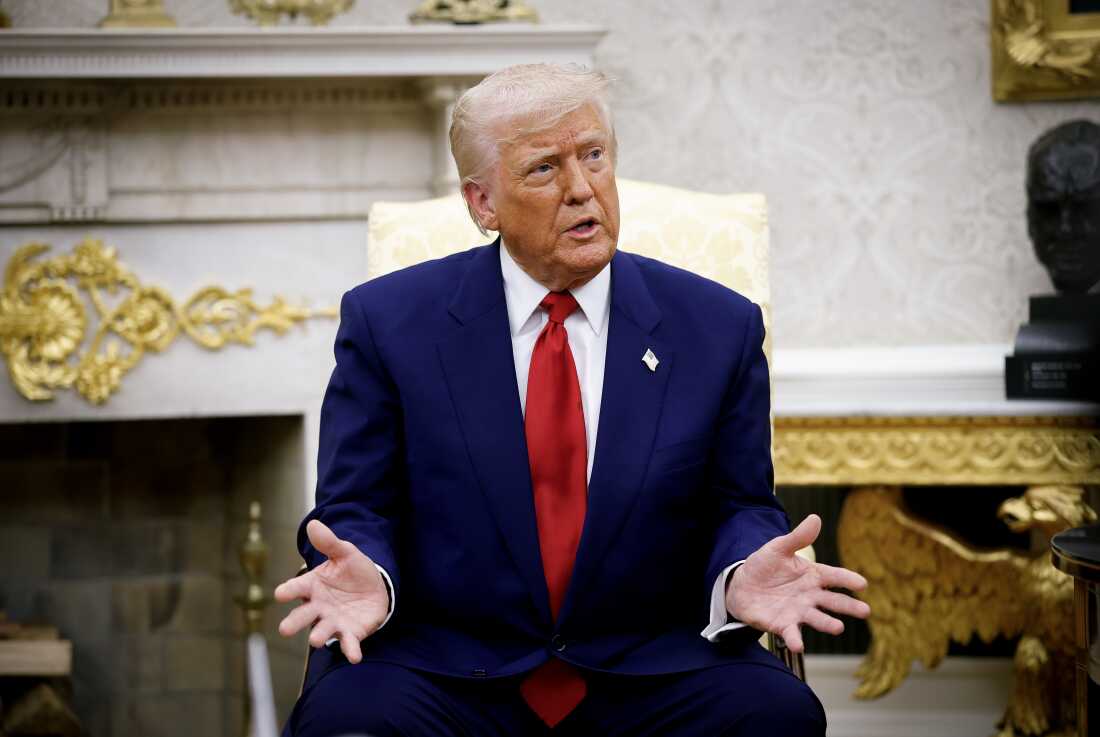
Middle East Tensions and Trump’s Diplomacy ព្រឹត្តិការណ៍សំខាន់ៗដែលគួរតាមដាន៖ ការតាមដានបន្ថែម៖ |English Version| Key Events to Consider: Forward-Looking:

របាយការណ៍សង្ខេបទិន្នន័យប្រចាំសប្តាហ៍គិតត្រឹមថ្ងៃទី02 ខែឧសភា ឆ្នាំ2025 ខាងក្រោមនេះគឺជារបាយការណ៍សង្ខេបអំពីស្ថានភាពសេដ្ឋកិច្ចសំខាន់ៗ ដូចជាសហរដ្ឋអាមេរិក និងជប៉ុន ដែលភាគច្រើនផ្អែកលើសូចនាករសេដ្ឋកិច្ច ព្រឹត្តិការណ៍សំខាន់ៗទាក់ទងនឹងជម្លោះពាណិជ្ជកម្មរបស់ប្រធានាធិបតី Donald Trump ជាមួយដៃគូពាណិជ្ជកម្ម និងព្រឹត្តិការណ៍សំខាន់ៗផ្សេងទៀត។ ការបដិសេធ៖ សូមចំណាំថានេះគ្រាន់តែជាមតិយោបល់តែប៉ុណ្ណោះ។ សហរដ្ឋអាមេរិក ទោះបីជាទិន្នន័យការងារតែងតែត្រូវបានគេចាត់ទុកថាជាទិន្នន័យដ៏សំខាន់ ហើយអាចបង្កឱ្យមានការប្រែប្រួលយ៉ាងខ្លាំងនៅក្នុងទីផ្សារក៏ដោយ ក៏វាមិនជះឥទ្ធិពលខ្លាំងដូចទៅនឹងព័ត៌មានដែលចេញមកពីប្រធានាធិបតី Trump និងសុន្ទរកថារបស់ធនាគារកណ្តាលអាមេរិកនោះដែរ។ ជាក់ស្តែង អ្វីដែលយើងកំពុងមើលឃើញនៅពេលនេះគឺថា ស្ថានភាពទីផ្សារការងារកំពុងបង្ហាញសញ្ញានៃភាពទន់ខ្សោយ ស្របពេលដែលទិន្នន័យអតិផរណាមានកម្រិតខ្ពស់ជាងអត្រាគោលដៅ ពោលគឺអាចនឹងនាំឱ្យស្ថានភាពសេដ្ឋកិច្ចកាន់តែទ្រុឌទ្រោមជាងមុន។ ជាពិសេសនៅពេលដែលវិនិយោគិនមួយចំនួនមានការភ័យខ្លាចទៅនឹងហានិភ័យដែលសេដ្ឋកិច្ចអាចនឹងធ្លាក់ចុះ។ ជាក់ស្តែង ផលិតផលក្នុងស្រុកសរុបថយចុះ សន្ទស្សន៍ទំនុកចិត្តរបស់អ្នកប្រើប្រាស់កាន់តែទាបជាងមុន ចំណែកឯតម្លៃរូបិយប័ណ្ណដុល្លារអាមេរិកក៏កាន់តែខ្សោយជាងមុន។ ទាំងនេះសុទ្ធតែបណ្តាលមកពីគោលនយោបាយពន្ធរបស់ Trump ការភ័យខ្លាចអតិផរណា ការព្រួយបារម្ភអំពីឯករាជ្យភាពរបស់ធនាគារកណ្តាលអាមេរិក និងភាពមិនប្រាកដប្រជាជាសកល។ ដូច្នេះ តើទាំងនេះបានបង្ហាញអ្វីខ្លះមកកាន់យើង? → ការបន្ធូរបន្ថយភាពតានតឹងនឹងនាំឱ្យរូបិយប័ណ្ណដុល្លារកាន់តែរឹងមាំ → ភាពមិនច្បាស់លាស់ និងភាពតានតឹងកាន់តែច្រើននឹងជំរុញឱ្យតម្លៃមាសកើនឡើង ជាពិសេសនៅពេលដែល Trump បន្តដាក់សម្ពាធលើប្រេងរបស់អ៊ីរ៉ង់ តាមរយៈការដាក់ពន្ធបន្ថែមទៅលើប្រទេសដែលទិញប្រេងពួកគេ។ ប៉ុន្តែរឿងមួយដែលគួរពិចារណានោះគឺថា Trump នៅតែប្តេជ្ញាចិត្តក្នុងការបន្ទាបអត្រាការប្រាក់ ហើយអាចនឹងបន្ទដាក់ពន្ធទៅលើទំនិញនាំចូលផ្សេងៗទៀតដែលអាចនាំឱ្យតម្លៃមាសឡើងថ្លៃក្នុងទស្សនវិស័យរយៈពេលវែង។ ជាក់ស្តែង លោកបានដាក់ពន្ធ ១០០% លើភាពយន្តបរទេស ដែលមានគោលបំណងជំរុញការផលិតក្នុងប្រទេស។ ទិន្នន័យដែលគួរតាមដាន៖ ការសម្រេចចិត្តលើអត្រាការប្រាក់របស់ធនាគារកណ្តាលត្រូវបានព្យាករណ៍ថានឹងនៅតែមិនផ្លាស់ប្តូរនៅក្នុងខែនេះ។ ប្រទេសជប៉ុន ធនាគារកណ្តាលជប៉ុនបានរក្សាអត្រាការប្រាក់នៅក្នុងកម្រិតដដែលគឺ 0.50% ដោយសារភាពមិនច្បាស់លាស់ដែលកើតចេញពីពន្ធរបស់លោក Trump ។ ទោះជាយ៉ាងណាក៏ដោយ ការកាន់កាប់របស់រតនាគារសហរដ្ឋអាមេរិកចំនួន 1 ទ្រីលានដុល្លាររបស់ប្រទេសជប៉ុនអាចជាឧបករណ៍ដ៏ខ្លាំងមួយសម្រាប់ការចរចាពាណិជ្ជកម្មជាមួយអាមេរិកនាពេលខាងមុខ។ ឥឡូវនេះ វិនិយោគិនទាំងអស់គឺនឹងតាមដានទៅលើប្រទេសជប៉ុន ព្រោះថាពួកគេនឹងប្រើប្រាស់ឧបករណ៍ដ៏មានឥទ្ធិពលបំផុតក្នុងការធ្វើឱ្យប្រាក់ដុល្លារធ្លាក់ចុះ ឬខ្លាំងជាងនេះ។ លើសពីនេះ លោក Ueda ក៏បានលើកឡើងផងដែរថា “ប្រសិនបើ Trump ធ្វើឱ្យពន្ធសូន្យឬនៅកម្រិតទាបជាងនេះ នោះការដំឡើងអត្រាការប្រាក់របស់ធនាគារកណ្តាលជប៉ុនអាចនឹងកើតមានឡើងលឿនជាងនេះ។ អ្នកវិភាគខ្លះរំពឹងថានឹងមានការដំឡើងអត្រាការប្រាក់បន្ថែមពីមួយទៅពីរដងនៅឆ្នាំនេះ។ ព័ត៌មានផ្សេងទៀត៖ |English Version| Weekly Data Summary Report As of May 02, 2024 Below is the summary on the major economies, such as the United States and Japan, which is mainly based on the economic indicators, critical events related to President Donald Trump’s trade conflict with other trading partners, and other important events. Disclaimer: Please note this is opinion-based; do not take it as investment advice. The United States Although the labor data are often seen as a very crucial event that will cause so much volatility in the market, they are still unable to counteract the volatility coming from Trump’s news and Federal Reserve speeches. In fact, what we are seeing right now is that the labor market conditions are showing signs of weakness in many other data while the pricing is still relatively high above the restrictive level, which could continue to lead to degrowth. Especially now, everyone still fears the recession risk, which is seen through contractions in GDP, plummeting consumer confidence, and weakening of the Dollar currencies that were driven by Trump’s tariff policies, inflation fears, concerns about the Federal Reserve’s independence, and global uncertainty. So what are these showing us? → Easing tension would lead to stronger Dollar currencies → More uncertainty and tension would favor gold, especially when Trump continues to pressure Iran’s oil through secondary sanctions. But one thing to note is that Trump is still committed to having lower interest rates and is likely to impose more tariffs on other imported goods, which could lead to higher gold prices in the long-term perspective. As a matter of fact, he imposed a 100% tariff on foreign movies, which aims to boost production in-house. Looking Forward: Japan The Bank of Japan maintained the interest rate unchanged at 0.50%, given the uncertainty stemming from Trump’s tariffs. Yet, the hidden cards from Japan’s $1 trillion in US Treasury holdings could be a powerful tool in trade negotiations and used as currency interventions. Now, all eyes are on Japan, as they will wield the most powerful tool in either making the USD weaker or stronger. In fact, Ueda also cited that, “If Trump makes tariffs zero or at a low level, then a quicker rate hike could be possible.” Some analysts are expecting to have one to two additional rate hikes this year. Other News:
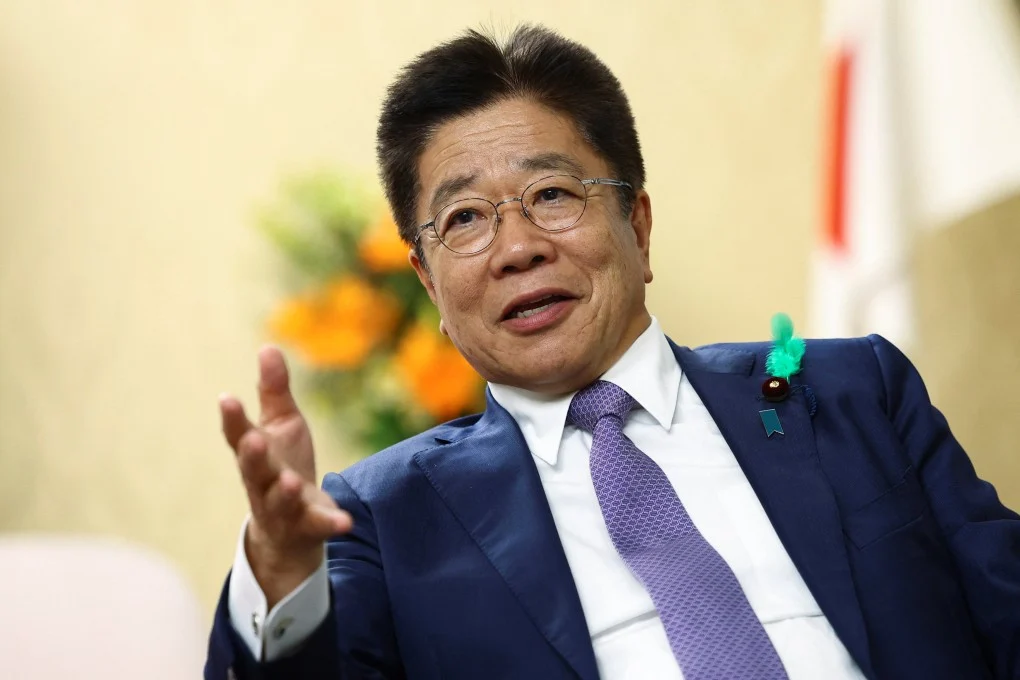
Japan’s $1 trillion in US Treasury holdings could be a powerful tool in trade negotiations. ប្រទេសជប៉ុនមានប័ណ្ណរតនាគារអាមេរិករហូតទៅដល់ 1 ទ្រីលានដុល្លារ ដែលអាចជាអាវុធមួយសម្រាប់យកទៅចរចារពាណិជ្ជកម្មនាពេលអនាគត។ ជប៉ុនអាចធ្វើឱ្យការចរចារពាណិជ្ជកម្មរបស់ពួកគេកាន់តែល្អប្រសើរបានតាមរយៈការលក់ប័ណ្ណរតនាគារអាមេរិកទៅកាន់ទីផ្សារ។ នេះអាចនឹងធ្វើឱ្យចំនួនមូលបត្របំណុលកាន់តែច្រើន ពោលគឺជំរុញឱ្យតម្លៃមូលបត្របំណុលធ្លាក់ចុះ និងជាលទ្ធផលទិន្នផលសញ្ញាប័ណ្ណកាន់តែខ្ពស់។ ទោះបីជានេះអាចធ្វើឱ្យប្រាក់ដុល្លារអាមេរិកឡើងថ្លៃក៏ដោយ នេះក៏បង្កើនការចំណាយលើការខ្ចីប្រាក់កាន់តែច្រើន និងធ្វើឱ្យប៉ះពាល់ដល់ថវិកាជាតិនោះដែរ។ ពោលគឺជាការប្រឆាំងទៅលើអ្វីដែលលោក Trump កំពុងព្យាយាមបន្ទាប ជាពិសេសទៅលើការកាត់បន្ថយអត្រាការប្រាក់នៅអាមេរិក ដើម្បីឱ្យបំណុលជាតិធ្លាក់ចុះ។ យោងតាមសារព័ត៌មាន Reuters បានឱ្យដឹងថា “ការលក់រតនាគាររបស់សហរដ្ឋអាមេរិក គឺជាកត្តាដែលនាំឱ្យ Trump ប្រកាសផ្អាកការដាក់ពន្ធត្រឡប់ទៅវិញក្នុងរយៈពេល 90 ថ្ងៃ ហើយលោក Bessent អាចនឹងដើរតួយ៉ាងសំខាន់ក្នុងរឿងមួយនេះ នេះបើយោងតាមប្រភពជិតស្និទ្ធនឹងសេតវិមាន។ ដូច្នេះស្រមៃមើលថា ប្រសិនបើអតិផរណាកើនឡើងខណៈពេលដែលអត្រាការប្រាក់កើនឡើងខ្ពស់សម្រាប់ប្រជាជននោះ តើពួកគេទាំងនៅអាមេរិក និងពិភពលោកនឹងអាចរស់នៅបានស្រួលដែរ ឬទេ? |English Version| Japan’s $1 trillion in US Treasury holdings could be a powerful tool in trade negotiations. To simply put, Japan can leverage its trading negotiation by selling off the US bond treasuries to the market. This creates more bond supply in the market, pushing the bond costs to drop and resulting in a higher bond yield. Although this could strengthen the USD, this also increases the borrowing cost and strains federal budgets, which Trump has been pulling all strings to lower, and what we have been facing with huge budget deficits from the past year. As per Reuters, “The U.S. Treasury sell-off was among the factors that led Trump to announce a 90-day pause on his ‘reciprocal’ tariff plan, with Bessent likely playing a key role, according to sources close to the White House.” So imagine if the inflation spikes while the interest rate is increasingly high for the consumer; one question is, will the consumer—not only US but global, survive?
Tariff Fallout: Iran Sanctions, Inflation Risks, and The Bank of Japan Responses ប្រធានាធិបតី ដូណាល់ ត្រាំ បានគំរាមកំហែងទៅលើប្រទេសដែលទិញប្រេងពីអុីរ៉ង់ ដោយលើកឡើងថា “អ្នកណាទិញប្រេងពីអុីរ៉ង់នឹងមិនត្រូវបានអនុញ្ញាតឱ្យធ្វើជំនួញជាមួយសហរដ្ឋអាមេរិកទេ” ។ ហើយនោះបានកើតឡើងបន្ទាប់ពីការដាក់ពន្ធប្រេងទៅលើប្រទេសវ៉េណេស៊ុយអេឡា និងសមាជិកអង្គការ OPEC ផ្សេងទៀតនៅដើមខែមេសា។ គោលដៅរបស់លោកគឺ បន្ទាបទៅលើការនាំចេញប្រេងរបស់អុីរ៉ង់ ដែលជាប្រភពចំណូលយ៉ាងសំខាន់របស់ពួកគេ ក្នុងគោលបំណងកាត់បន្ថយមូលនិធិដល់កម្មវិធីអភិវឌ្ឍន៍នុយក្លេអ៊ែរ និងសកម្មភាពផ្សេងៗទៀត។ ជាក់ស្តែង លោក Trump បានដាក់សម្ពាធប្រឆាំងនឹងប្រទេសអុីរ៉ង់តាំងពីខែកុម្ភៈ ហើយបានបន្តការចរចាលើកម្មវិធីនុយក្លេអ៊ែរកាលពីខែមុន។ ទោះបីជាយើងមិនទាន់ច្បាស់ថាតើវានឹងទៅជាយ៉ាងណាក៏ដោយ ប៉ុន្តែរឿងមួយគឺប្រាកដណាស់៖ វាក៏នឹងនាំឱ្យមានការកើនឡើងនៃភាពតានតឹងជាមួយដៃគូពាណិជ្ជកម្មដ៏សំខាន់របស់អុីរ៉ង់ដូចជាប្រទេសចិនជាដើម ដែលនឹងធ្វើឱ្យទំនាក់ទំនងរវាងសហរដ្ឋអាមេរិក និងចិនកាន់តែពិបាក។ លើសពីនេះ ទាំងក្រុមហ៊ុន Anderson Economic Group ដែលមានមូលដ្ឋាននៅរដ្ឋ Michigan និងអតីតរដ្ឋមន្ត្រីរតនាគារ Yellen បានព្រមានថា សេដ្ឋកិច្ចអាមេរិកអាចបន្តប្រឈមមុខនឹង “ផលប៉ះពាល់អវិជ្ជមាន” ពីពន្ធគយនេះ។ ជាក់ស្តែង ទិន្នន័យថ្មីៗនេះមានការគាំទ្រយ៉ាងខ្លាំងចំពោះការកើនឡើងហានិភ័យនៃអតិផរណា ខណៈពេលដែលកំណើនសេដ្ឋកិច្ចយឺតគឺអាចនឹងកើតមានក្នុងរយៈពេលដ៏ខ្លីខាងមុខនេះ។ ទន្ទឹមនឹងនេះ ធនាគារកណ្តាលជប៉ុន (BOJ) លោក Ueda ក៏បានកត់សម្គាល់ផងដែរថា ការផ្លាស់ប្តូរពន្ធនឹងធ្វើឱ្យប៉ះពាល់ដល់គោលនយោបាយរូបិយវត្ថុរបស់ប្រទេសជប៉ុនយ៉ាងខ្លាំង។ ប្រសិនបើពន្ធធ្លាក់ចុះដល់កម្រិតទាប ឬសូន្យ យើងទំនងជាឃើញការដំឡើងអត្រាការប្រាក់លឿនជាងមុនពីពួកគេ។ រហូតមកដល់ពេលនេះ ធនាគារកណ្តាលជប៉ុន (BOJ) នៅតែមិនច្បាស់ថាតើពួកគេត្រូវផ្លាស់ប្តូរអត្រាការប្រាក់ដោយពឹងផ្អែកលើស្ថានភាពសេដ្ឋកិច្ច ឬអត្រាអតិផរណា។ |English Version| President Donald Trump imposed secondary sanctions on Iranian oil purchases and threatened that “Whoever takes oil from Iran won’t be allowed to do business with the US.” And that came after secondary oil tariffs on Venezuela and other OPEC members in early April. The goal is to drive Iran’s oil exports as a major revenue source to zero, which could limit Iran’s ability to fund its nuclear development program and other activities. In fact, Trump has been putting maximum pressure against Iran since February and continued to negotiate over the nuclear program last month. Although we are unsure how this will turn out, one thing is certain: It would also lead to an escalation of tension with Iran’s major trading partner—China, which would strain relations between the US and China. Furthermore, both Michigan-based Anderson Economic Group and Ex Treasury Secretary Yellen have warned that the US economy could continue to face an “adverse impact” from tariffs. As a matter of fact, recent data are very supportive of rising more of inflation risk while slower economic growth is very likely in the near term. Meanwhile, the Bank of Japan (BOJ) Ueda also noted that tariff changes would greatly sway Japan’s monetary policies. If the tariff drops to a low level or zero, we are likely to see a quicker rate hike from them. As of now, the BOJ is still uncertain whether to prioritize the economic outlook or inflation.
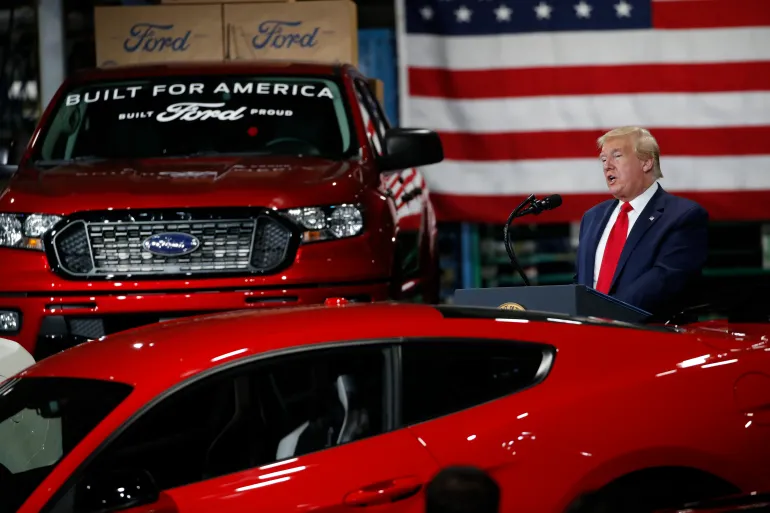
“A Little Relief”: Trump’s Plan for Automaker Reshoring Amid Uncertainty ក្រុមហ៊ុនផលិតរថយន្ត បន្ទាប់ពីបញ្ចប់កិច្ចពិភាក្សាជាមួយនឹងក្រុមហ៊ុនផលិតរថយន្តរួចមក លោក Trump បានផ្តល់ការបន្ធូរបន្ថយបណ្តោះអាសន្នទៅកាន់ពួកគេ ក្នុងគោលបំណងជួយទ្រទ្រង់សុខភាពក្នុងវិស័យនេះ ពោលគឺលើការជ្រើសរើសបុគ្គលិក និងការពង្រីកវិស័យនេះន្ថែមទៀត។ លោកបានអះអាងថា ការបន្ធូរបន្ថយនេះនឹងការពារការដាក់ពិន័យសម្រាប់ក្រុមហ៊ុនដែលមិនអាចរកគ្រឿងផលិត ដោយលើកទឹកចិត្តដល់ផលិតកម្មអាមេរិកបន្ថែមទៀត។ ដូចដែលបានរៀបរាប់ក្នុងអំឡុងពេលដំណើរទស្សនកិច្ចរបស់គាត់ទៅរដ្ឋ Michigan នេះត្រូវបានពិពណ៌នាថាជា “ការបន្ធូរបន្ថយបន្តិច” ដើម្បីជួយឧស្សាហកម្មវិនិយោគក្នុងការផលិតក្នុងស្រុកតាមរយៈពន្ធនោះដែរ។ ខណៈពេលដែលព័ត៌មានលម្អិតនៅតែមិនត្រូវបានបញ្ជាក់ ប្រភពដូចជា The Guardian បានលើកឡើងថា អាចនឹងមានការបន្ធូរពន្ធរយៈពេលពីរឆ្នាំទៅកាន់ក្រុមហ៊ុនក្នុងការផ្លាស់ប្តូរការផលិតនៅសហរដ្ឋអាមេរិក។ ជាក់ស្តែង រដ្ឋមន្ត្រីក្រសួងរតនាគារអាមេរិក Bessent ក៏បានកត់សម្គាល់ផងដែរថា កិច្ចព្រមព្រៀងពន្ធនឹងអនុញ្ញាតឱ្យអ្នកប្រើប្រាស់កាត់ប្រាក់កម្ចីរថយន្តសម្រាប់រថយន្តដែលផលិតនៅសហរដ្ឋអាមេរិក។ គោលនយោបាយនេះមានគោលបំណងជំរុញតម្រូវការរថយន្តអាមេរិក និងអាចធ្វើឱ្យសហរដ្ឋអាមេរិកជាប្រទេសនាំមុខគេលើពិភពលោកក្នុងការផលិតរថយន្ត។ ខណៈពេលដែលលោក Trump បានសរសើរលើការវិនិយោគទៅកាន់ក្រុមហ៊ុនធំៗមួយចំនួន ដូចជា Nvidia, TSMC, Amazon ជាដើម លោក Trump ក៏នៅតែបន្តរិះគន់គោលជំហររបស់ធនាគារកណ្តាលអាមេរិកពោលគឺគាត់មានបំណងបន្ទាបអត្រាការប្រាក់។ របាយការណ៍ JOLTs និងទំនុកចិត្តអ្នកប្រើប្រាស់ ទិន្នន័យថ្មីៗពីការធ្លាក់ចុះយ៉ាងខ្លាំងនៃរបាយការណ៍ JOLTs និងទំនុកចិត្តអ្នកប្រើប្រាស់ បង្ហាញពីសញ្ញានៃភាពទន់ខ្សោយកំណើនសេដ្ឋកិច្ច។ JOLTS Job Openings បានរាយការណ៍ថាចំនួនការងារដែលទំនេរបានធ្លាក់ចុះជាងមុន ស្របពេលដែលអត្រាឈប់ពីការងារបានកើនឡើងបន្តិច។ ទាំងអស់នេះបង្ហាញថា អាជីវកម្មកំពុងកាត់បន្ថយការជ្រើសរើសបុគ្គលិកបន្ថែមទៀត ចំពេលមានភាពមិនច្បាស់លាស់ខាងសេដ្ឋកិច្ច។ លើសពីនេះ ទំនុកចិត្តរបស់អ្នកប្រើប្រាស់បានចុះខ្សោយ ដែលបង្ហាញពីបញ្ហាប្រឈមដែលអាចកើតមានចំពោះកំណើនសេដ្ឋកិច្ច។ |English Version| Automaker After the discussion, Trump offered temporary relief to support their hiring and expansion efforts. He claimed that the relief would prevent penalties for companies unable to source parts, encouraging more U.S. production, which is known as “reshoring” manufacturing. As mentioned during his trip to Michigan, this was described as “a little relief” to help the industry invest in domestic manufacturing with the help of a tax deal. While details remain unconfirmed, sources like The Guardian suggest a potential two-year break for companies transitioning to U.S. production is likely. In fact, US Treasury Secretary Bessent also noted that a tax deal will allow consumers to deduct auto loans for U.S.-made cars. This policy aims to boost demand for American vehicles and position the U.S. as a global leader in auto manufacturing. While Trump has been praising investment to several key players in the market, including Nvidia, TSMC, Amazon, etc., Trump continued to criticize the Federal Reserve’s stance with the aim of bringing the interest rate lower. JOLTs Job Openings and Consumer Confidence Recent data from a dramatic drop in job openings and consumer confidence signals a weakness in economic growth. JOLTS Job Openings reported that job openings, which measure the number of job vacancies, dropped while the quit rate slightly rose. All this suggests that businesses are scaling back hiring amid economic uncertainty. Additionally, consumer confidence has weakened, further indicating potential challenges to economic growth.
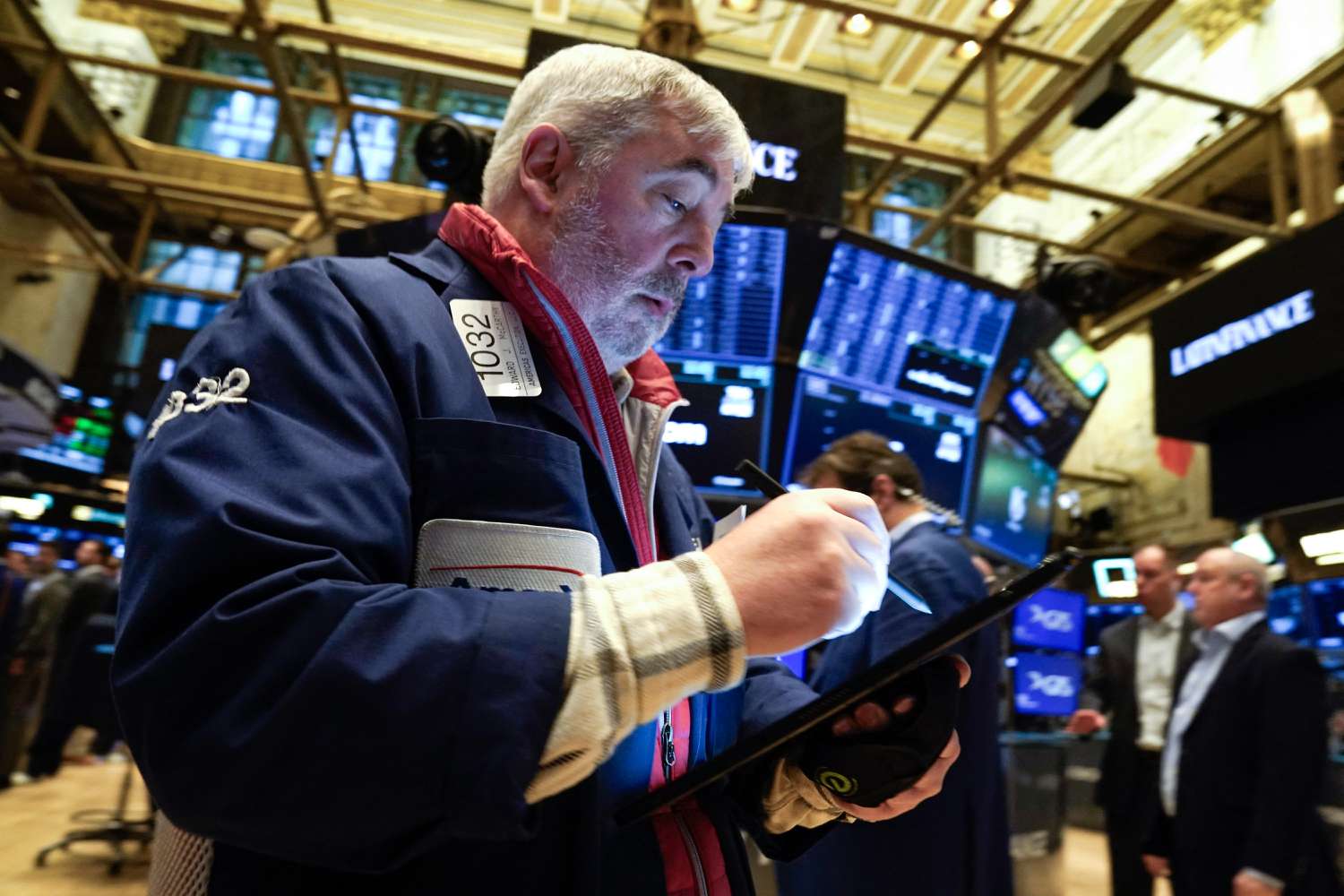
Tuesday News Recap: Tax Cut Proposal, China’s Stance, Russia-Ukraine Deal, and Iran’s Nuclear Talk សំណើកាត់បន្ថយពន្ធ ទោះបីជាប្រធានាធិបតីលោក Donald Trump បានប្រកាសពីការកាត់បន្ថយពន្ធ (Tax) សម្រាប់បុគ្គលដែលរកប្រាក់ចំណូលបានក្រោម 200,000 ដុល្លារតាមរយៈការបង្កើនពន្ធអាករ (Tariff)កាលពីថ្ងៃអាទិត្យក៏ដោយ រូបគាត់ក៏បានច្រានចោលទៅលើការកាត់ពន្ធរបស់មហាសេដ្ឋីនោះម្តងទៀតដែរ។ នេះមានន័យថា ពន្ធរបស់មហាសេដ្ឋីនៅតែមានដដែល។ ទោះយ៉ាងណាក៏ដោយ បញ្ហានៅតែស្ថិតលើលទ្ធភាពដែលអាចមានឱនភាពតម្រូវការ។ ជាក់ស្តែង អ្នកដែលមានចំណូលទាបទៅមធ្យមភាគច្រើនចំណាយប្រាក់ចំណូលរបស់ពួកគេលើទំនិញចាំបាច់ជាជាងពន្ធដែលបង់ជូនរដ្ឋ ដូច្នេះការដំឡើងពន្ធអាករទៅលើប្រទេសដទៃនៅតែអាចនាំឱ្យចំណាយកាន់តែខ្ពស់ ពោលគឺទំនិញនៅតែថ្លៃ។ នេះនឹងនាំឱ្យមានការថយចុះនៃកំណើនសេដ្ឋកិច្ច លុះត្រាតែផលិតកម្មក្នុងស្រុកចូលមក។ ប្រទេសចិន ខណៈពេលដែលទីផ្សារកំពុងរង់ចាំវឌ្ឍនភាពពាណិជ្ជកម្មរវាងសហរដ្ឋអាមេរិក និងចិន ការចរចារបស់ពួកគេនៅតែមិនទាន់បញ្ចប់ ឬមានការផ្លាស់ប្តូរអ្វីផ្សេងទៀតទេ។ ជាក់ស្តែង រដ្ឋមន្ត្រីការបរទេសចិន លោក Wang Yi បានសង្កត់ធ្ងន់លើការពង្រឹងឥទ្ធិពល BRICS ជាមួយរុស្ស៊ី ដែលអាចបន្ទាបតម្លៃប្រាក់ដុល្លារអាមេរិក និងបង្កើនភាពតានតឹងពាណិជ្ជកម្មកាន់តែខ្លាំងឡើង។ បទឈប់បាញ់រុស្ស៊ី-អ៊ុយក្រែន លោកពូទីនរបស់រុស្ស៊ីបានប្រកាសបទឈប់បាញ់បណ្តោះអាសន្នសម្រាប់ថ្ងៃឈប់សម្រាកខែឧសភា ប៉ុន្តែសេតវិមានរាយការណ៍ពីការជំរុញរបស់លោក Trump សម្រាប់បទឈប់បាញ់ជាអចិន្ត្រៃយ៍រវាងរុស្ស៊ី និងអ៊ុយក្រែន។ ទាំងសហរដ្ឋអាមេរិក និងអ៊ុយក្រែន មានបំណងចង់បញ្ចប់រឿងនេះឱ្យបានឆាប់តាមដែលអាចធ្វើទៅបាន។ កិច្ចពិភាក្សាអំពីនុយក្លេអ៊ែរ លោក Ron Dermer របស់អុីស្រាអែលបានសម្តែងការជឿជាក់លើគោលជំហររឹងមាំរបស់លោក Trump ទៅលើការប្រឆាំងនឹងកិច្ចព្រមព្រៀងនុយក្លេអ៊ែរអុីរ៉ង់ដែលមិនល្អ ដោយអុីរ៉ង់បានស្នើឱ្យមានកិច្ចចរចានុយក្លេអ៊ែរនៅទីក្រុងរ៉ូមនៅថ្ងៃទី 2 ខែឧសភាជាមួយបារាំង អង់គ្លេស និងអាល្លឺម៉ង់។ ព័ត៌មានបន្ថែមទៀត៖ JOLTs Job Openings នឹងផ្តល់ជូននូវព័ត៌មានបន្ថែមទៀតអំពីស្ថានភាពទីផ្សារការងារនៅក្នុងសហរដ្ឋអាមេរិក ដែលរៀបរាប់លម្អិតអំពីចំនួនការងារ ការបញ្ឃប់ និងសកម្មភាពជ្រើសរើសបុគ្គលិកបន្ថែមទៀតជាដើម។ |English Version| Tax cut proposal Despite Trump’s tax cut announcement for individuals earning under $200,000 through tariff revenue on Sunday, he also repeatedly ruled out the millionaire’s tax. Yet, the problem lingers in the potential consumption deficit. Most low- to medium-income earners mainly spend their income on necessary goods rather than taxes, so raising the tariffs will only result in higher costs and will continue to burden purchasing power. This will lead to degrowth in response unless domestic production comes in. China While the market awaits the trade progress between the US and China, no recent US-China talks have occurred yet. In fact, China’s Foreign Minister Wang Yi emphasized strengthening BRICS influence with Russia, which could potentially challenge the U.S. dollar’s dominance and further intensify the trade tension. Russia-Ukraine Ceasefire Russia’s Putin declared a temporary ceasefire for the May holidays, and the White House reports Trump’s push for a permanent Russia-Ukraine ceasefire. Both the US and Ukraine are eager to end this as soon as possible. Nuclear Talk Israel’s Ron Dermer expressed confidence in Trump’s firm stance against a weak Iran nuclear deal, with Iran proposing nuclear talks in Rome on May 2 with France, Britain, and Germany. Looking Forward: JOLTs Job Openings will offer labor market conditions in the United States, which also detail the number of job openings, separations, and hiring activities.
របាយការណ៍សង្ខេបទិន្នន័យប្រចាំសប្តាហ៍គិតត្រឹមថ្ងៃទី 26 ខែមេសា ឆ្នាំ 2025 របាយការណ៍ខាងក្រោមនេះគឺជាការសង្ខេបរយៈពេលពីរសប្តាហ៍ស្តីពីសេដ្ឋកិច្ចសំខាន់ៗដូចជាសហរដ្ឋអាមេរិក តំបន់អឺរ៉ូ និងជប៉ុន ដែលភាគច្រើនផ្អែកលើសូចនាករសេដ្ឋកិច្ច ព្រឹត្តិការណ៍សំខាន់ៗទាក់ទងនឹងជម្លោះពាណិជ្ជកម្មរបស់ប្រធានាធិបតី Donald Trump ជាមួយដៃគូពាណិជ្ជកម្មផ្សេងទៀត និងបម្រែបម្រួលតម្លៃមាសជាដើម។ ការបដិសេធ៖ របាយការណ៍នេះគឺភាគច្រើនផ្អែកលើមតិរបស់ខាងយើងខ្ញុំ ដូច្នេះសូមជៀសវាងក្នុងការចាត់ទុកជាដំបូន្មានវិនិយោគ។ សហរដ្ឋអាមេរិក ស្ថានភាពសេដ្ឋកិច្ចអាមេរិកបានប្រឈមមុខនឹងបម្រែបម្រួលយ៉ាងខ្លាំងដោយសារតែការកើនឡើងនៃភាពតានតឹងរបស់សង្គ្រាមពាណិជ្ជកម្ម និងភាពមិនច្បាស់លាស់នៃគោលនយោបាយសេដ្ឋកិច្ច។ ជាក់ស្តែង គឺចាប់ផ្តើមនៅពេលដែលមានជម្លោះពាណិជ្ជកម្មរវាងប្រទេសចិន និងអាមេរិក ព្រមទាំងការវាយប្រហាររបស់លោក Trump លើប្រធានធនាគារកណ្តាលអាមេរិកលោក Jerome Powell លើការមិនបន្ធូរបន្ថយអត្រាការប្រាក់។ បញ្ហាទាំងពីរនេះបានធ្វើឱ្យទីផ្សារកាន់តែមានការភ័យខ្លាច ហើយបានជំរុញឱ្យតម្លៃមាសឡើងខ្ពស់រហូតទៅដល់ $3,500 ក្នុងមួយអោននៅថ្ងៃទី 22 ខែមេសា ឆ្នាំ 2025។ ប៉ុន្តែតម្លៃមាសក៏បានធ្លាក់ចុះមកត្រឹម $3,281.60វិញ នៅថ្ងៃទី 23 ខែមេសា នៅពេលដែលភាពតានតឹងបានកាត់បន្ថយ។ ជាក់ស្តែងលោក Trump បានលើកឡើងថា រូបលោកនឹងអាចទម្លាក់ពន្ធលើទំនិញរបស់ប្រទេសចិន ស្របពេលដែលការគំរាមកំហែងលើប្រធានធនាគារកណ្តាលក៏បានកាត់បន្ថយនោះដែរ។ ទាំងនេះជាកត្តាដែលជំរុញឱ្យតម្លៃមាសធ្លាក់ចុះ។ ជាមួយនឹងព្រឹត្តិការណ៍សំខាន់ៗទាំងពីរក្នុងសប្តាហ៍នេះ យើងអាចសន្មត់ថាទីផ្សារថ្មីៗនេះត្រូវបានជំរុញដោយបម្រែបម្រួលគោលនយោបាយពាណិជ្ជកម្ម ពោលគឺបានធ្វើឱ្យមានការផ្លាស់ប្តូរនូវសន្ទស្សន៍អារម្មណ៍របស់ទីផ្សារ និងការប្រែប្រួលតម្លៃមាសជាដើម។ ដូច្នេះ ប្រសិនបើមានសញ្ញាណាមួយដែលបង្ហាញពីការបន្ធូរបន្ថយភាពតានតឹងនៃពាណិជ្ជកម្មរវាងសហរដ្ឋអាមេរិក និងចិន នោះវានឹងបន្តធ្វើឱ្យតម្លៃមាសធ្លាក់ចុះ។ ផ្ទុយមកវិញ ប្រសិនបើភាពតានតឹងបានផ្ទុះឡើងម្តងទៀត ខណៈដែលលោក Trump មានអំណាចគំរាមកំហែងក្នុងការបញ្ចុះអត្រាការប្រាក់ នោះវាក៏នឹងជំរុញឱ្យមាសឡើងដល់កម្រិតកំពូលវិញដែរ។ រហូតមកដល់ពេលនេះ បើយោងតាមឧបករណ៍ CME FEDWatch ទីផ្សារនៅតែជឿជាក់ថា ធនាគារកណ្តាលអាចនឹងរក្សាអត្រាការប្រាក់រហូតដល់ខែមិថុនា ឆ្នាំ 2025។ អ្វីដែលគួរតាមដាន៖ លើសពីនេះ ទីផ្សារក៏នឹងតាមដានទៅលើទិន្នន័យទីផ្សារក្នុងសប្តាហ៍នេះ ដែលអាចនឹងមានបម្រែបម្រួលខ្លាំងក្នុងទីផ្សារនោះដែរ។ តំបន់អឺរ៉ូ បន្ទាប់ពីការផ្អាករយៈពេល 90 ថ្ងៃរបស់ Trump ចំពោះពន្ធ 20% រួចមក យើងមិនទាន់ឃើញមានកិច្ចព្រមព្រៀងណាមួយបានកើតឡើងរហូតដល់ថ្ងៃនេះឡើយ។ ប៉ុន្តែ ដូចដែល Moody’s បានលើកឡើង សេដ្ឋកិច្ចតំបន់អឺរ៉ូនៅតែប្រឈមមុខនឹងហានិភ័យនៃវិបត្តិសេដ្ឋកិច្ច។ ជាមួយនឹងទស្សនវិស័យធ្លាក់ចុះពីសហជីពធំៗដូចជា អាឡឺម៉ង់ បារាំង អុីតាលី និងអេស្ប៉ាញ នេះបង្ហាញថាស្ថានភាពសេដ្ឋកិច្ចសហភាពអឺរ៉ុបនៅតែមិនល្អប្រសើរ ជាពិសេសនៅក្នុងវិស័យផលិតកម្ម និងសេវាកម្ម ខណៈដែលតម្រូវការបរទេសនៅតែទន់ខ្សោយចំពេលមានភាពតានតឹងផ្នែកពន្ធគយ។ ដូច្នេះ ទីផ្សាររំពឹងថានឹងមានការថយចុះអត្រាការប្រាក់បន្ថែមទៀតនៅក្នុងខែមេសា ដើម្បីជំរុញកំណើនសេដ្ឋកិច្ច ទោះបីជាអតិផរណា និងការរំខាននៃខ្សែសង្វាក់ផ្គត់ផ្គង់អាចជាបញ្ហាប្រឈមក៏ដោយ។ ប្រទេសជប៉ុន ទោះបីជាមិនមានការផ្លាស់ប្តូរច្រើនសម្រាប់សេដ្ឋកិច្ចរបស់ប្រទេសជប៉ុនក្នុងសប្តាហ៍នេះក៏ដោយ ក៏ប្រទេសជប៉ុននៅតែប្រឈមនឹងហានិភ័យនៃការជាប់គាំងដែលបណ្តាលមកពីបញ្ហាពន្ធគយរបស់លោក Trump ជាពិសេសនៅក្នុងវិស័យរថយន្ត និងការនាំចេញរបស់ខ្លួន ដែលអាចកាត់បន្ថយការព្យាករណ៍កំណើនសេដ្ឋកិច្ច។ ជាក់ស្តែង IMF បានកាត់បន្ថយការព្យាករណ៍កំណើនរបស់ប្រទេសជប៉ុនពី 1.1% ទៅ 0.6% ។ នេះគឺដោយសារតែប្រទេសជប៉ុនគឺពឹងផ្អែកលើការនាំចេញទៅចិន ដែលជាដៃគូបន្ទាប់ពីសហរដ្ឋអាមេរិក ដូច្នេះការផ្លាស់ប្តូរគោលនយោបាយរវាង Trump និងចិនក៏អាចប៉ះពាល់ដល់ទីផ្សាររបស់ប្រទេសជប៉ុនផងដែរ។ ដូច្នេះហើយ ទីផ្សារនឹងតាមដានទៅលើការសម្រេចចិត្តអត្រាការប្រាក់របស់ធនាគារកណ្តាលជប៉ុន ដែលធ្វើឡើងនៅសប្តាហ៍នេះដោយព្យាករណ៍ថាអាចនឹងរក្សា។ អ្វីដែលសំខាន់គឺស្ថិតនៅលើសុន្ទរកថា និងសេចក្តីថ្លែងការណ៍របស់ពួកគេ ដែលអាចផ្តល់នូវព័ត៌មានសេដ្ឋកិច្ចបន្ថែមទៀត។ |English Version| Weekly Data Summary Report As of April 26, 2024 Below is the two-week summary on the major economies such as the United States, the Eurozone, and Japan, which is mainly based on the economic indicators, critical events related to President Donald Trump’s trade conflict with other trading partners, and gold price movements. Disclaimer: Please note this is opinion-based; do not take it as investment advice. The United States The US economy experienced significant volatility due to the escalation of the trade war and policy uncertainty. The period began with rising US-China trade tensions and Trump’s attacks on Federal Reserve Chair Jerome Powell for refusing to lower the rate. These attacks fueled market anxiety and sparked gold prices to a record high of $3,500 per ounce on April 22, 2025, before pulling back slightly to $3,281.60 on April 23 as tariff de-escalation hopes grew. In fact, Trump softened his stance toward both China’s trade conflict and Powell, citing on lowering of tariffs on China’s goods while backing off his threat to fire FED Chair Powell. With these two main events this week, we could assume that the recent market was marked by trade-driven factors that fueled market swings, consumer sentiment, and gold price volatility. Therefore, any signals of potential US-China trade easing would continue to temper the gold prices amid persistent uncertainty. One thing to remember is that if tension sparked once again while Trump has the power to threaten to lower the interest rate, then this would also push the gold back to its peak. As of now, as per the CME FEDWatch tool, the market is still priced in for a rate hold until June 2025. Looking forward: The US employment report this week will also cause huge volatility and offer further insights about the labor market conditions. The Eurozone After Trump’s 90-day suspension of 20% tariffs, no agreement materialized until today. Yet, as Moody’s has flagged, the Eurozone economy is still facing the risk of recession. With a downgraded outlook from major unions such as Germany, France, Italy, and Spain, this suggests that the EU is still experiencing stagnation, particularly in the manufacturing and services sectors, while external demand remains weak amid tariff tensions. Therefore, the market anticipates further easing in April to boost growth, although inflation and supply chain disruption could be challenges. Japan Although not much changes for Japan’s economy this week, Japan is still facing stagnation risk from Trump’s tariffs, particularly in its auto and export sectors, which could potentially cut the growth forecast. In fact, the IMF cut Japan’s growth forecast from 1.1% to 0.6%. This is a result of Japan’s dependent market in China after its first trading partner, the US, so changes between Trump and China could also affect Japan’s market. Therefore, all eyes are on the Bank of Japan’s interest rate decision, which takes place this week with an unchanged rate. But the important part falls on the speeches and statements that could dictate further economic insights.
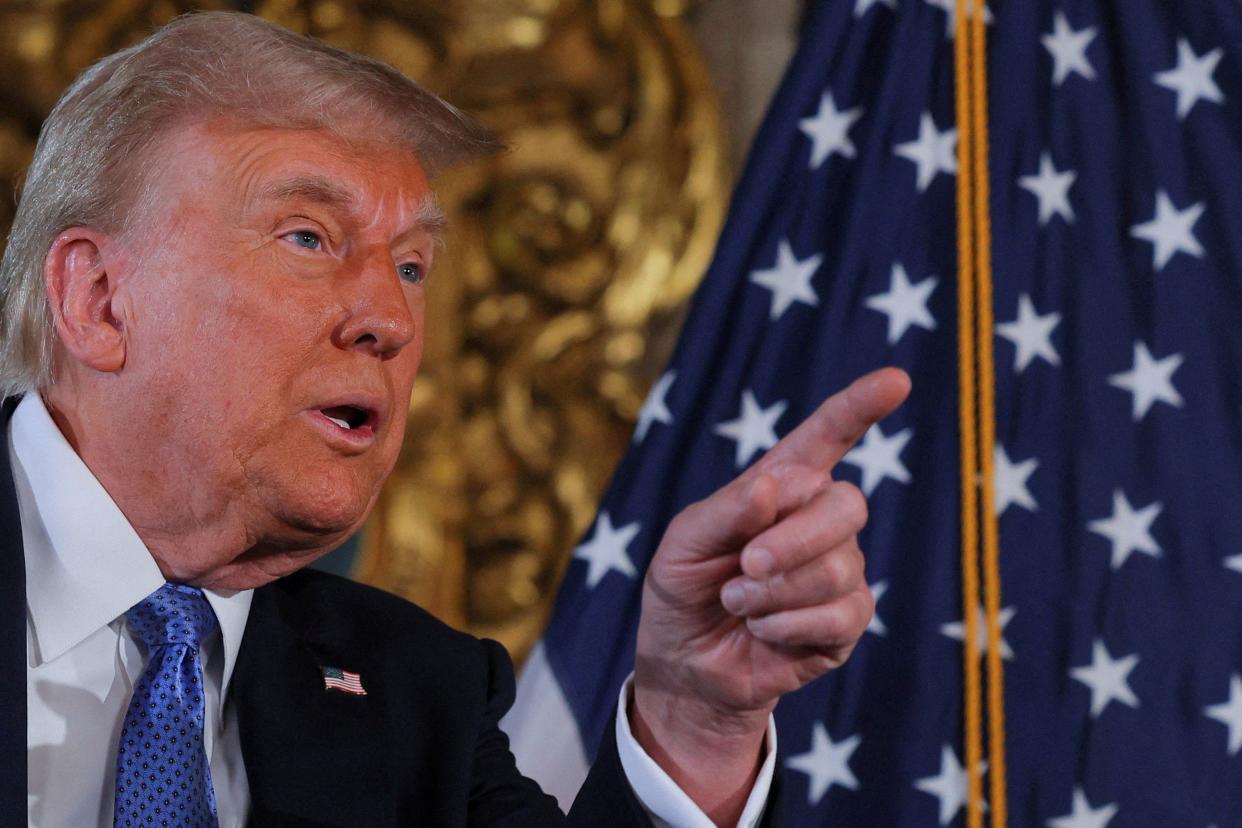
Trump’s Economic Optimism Meets Federal Reserve Caution ប្រធានាធិបតី Donald Trump ប្រធានាធិបតី Donald Trump បានទទួលស្គាល់ថាគោលនយោបាយពន្ធគយរបស់គាត់អាចនាំឱ្យមាន “បញ្ហាប្រឈមនៃការផ្លាស់ប្តូរ” ប៉ុន្តែនៅតែមានសុទិដ្ឋិនិយមចំពោះភាពជោគជ័យរបស់ពួកគេ។ លើសពីនេះ សេតវិមានបានប្រកាសថា ពន្ធអាមេរិកលើប្រទេសចិនបានកើនដល់ 145%។ លោក Trump ក៏កំពុងជំរុញឱ្យមានកញ្ចប់កាត់បន្ថយពន្ធ និងការដំឡើងកម្រិតអតិបរមារបស់បំណុល(Debt Ceiling)ផងដែរ។ នៅក្នុងនោះ ពួកគេបានស្នើឱ្យមានការកាត់បន្ថយពន្ធរហូតទៅដល់ 5.3 ទ្រីលានដុល្លារក្នុងរយៈពេលដប់ឆ្នាំ និងបង្កើនកម្រិតអតិបរមារបស់បំណុល(Debt Ceiling)ចំនួន 5 ទ្រីលានដុល្លារ ដែលអាចធ្វើឱ្យមានការកាត់បន្ថយការចំណាយចំនួន 4 ពាន់លានដុល្លារ។ ធនាគារកណ្តាលអាមេរិក ទោះបីជាអត្រាអតិផរណាមានកម្រិតទាបជាងមុនក៏ដោយ ក៏សមាជិកធនាគារកណ្តាលមួយចំនួនកាលពីយប់មិញបានសង្កត់ធ្ងន់បន្ថែមទៀតអំពីបញ្ហាអតិផរណា ខណៈពេលអាចនឹងមានការកើនឡើងនៃហានិភ័យអត្រាគ្មានការងារធ្វើខ្ពស់និងកំណើនយឺត ប្រសិនបើពន្ធគយអាចនឹងឡើងខ្លាំងលើសពីការរំពឹងទុក។ ហើយវាអាចនាំឱ្យមានការពន្យាពេលក្នុងការកាត់បន្ថយអត្រាការប្រាក់នៅឆ្នាំនេះ នេះបើយោងតាមធនាគារកណ្តាលអាមេរិកលោកស្រី Susan Collins ។ |English Version| President Donald Trump President Donald Trump acknowledged that his tariff policies might lead to some “transition challenges” but remained optimistic about their success. This follows the White House’s announcement that U.S. tariffs on China have increased to 145%. Trump is also pushing for a major tax cut package and a debt ceiling hike. The proposed budget includes up to $5.3 trillion in tax reductions over ten years and raises the debt ceiling by $5 trillion in exchange for $4 billion in spending cuts. Federal Reserve Despite having a lower inflation reading, several Federal Reserve members from last night further emphasized the inflation problem while addressing that the risk of a higher unemployment rate and slower growth would come if the tariff overshoots the expected. And that could lead to a delay in rate cuts this year, as per Federal Reserve Bank of Boston President Susan Collins.
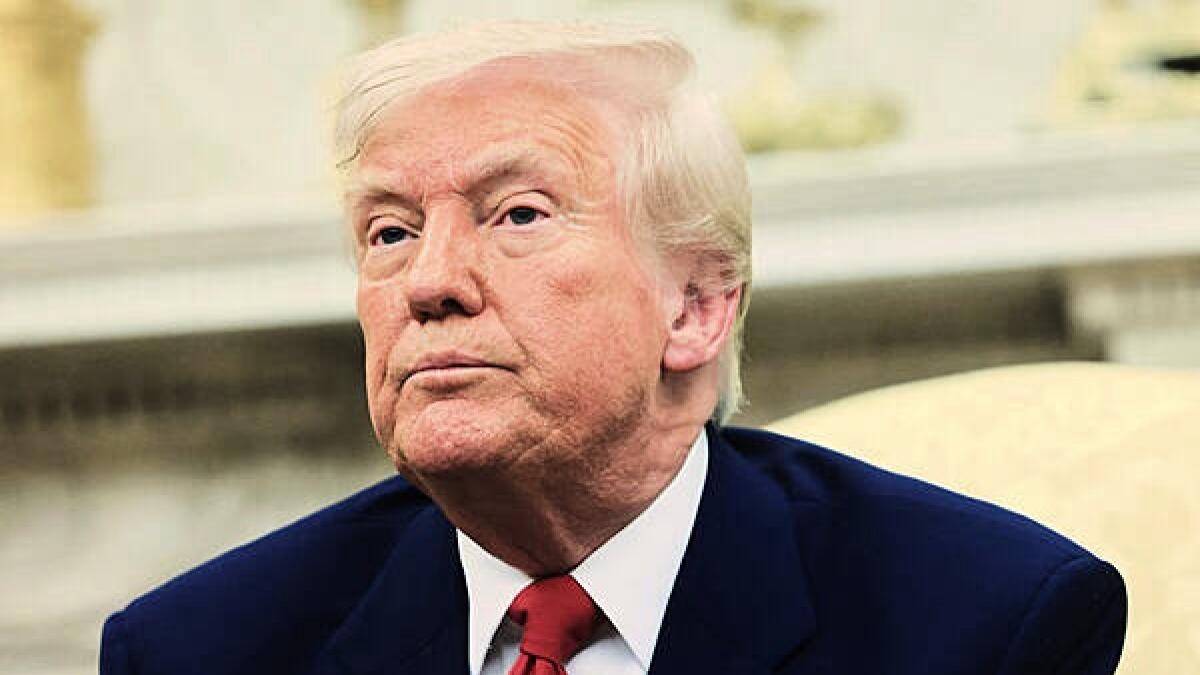
125% tariff on China, 10% or 90 Days pause for the Rest: Markets Cheer Now, Brace for Later ទីផ្សារភាគហ៊ុនបានកើនឡើងយ៉ាងខ្លាំងកាលពីយប់មិញ នៅពេលដែលលោកប្រធានាធិបតី Trump ផ្អាកការយកពន្ធលើប្រទេសនានាលើកលែងតែប្រទេសចិន។ លោក Trump បានដំឡើងពន្ធរបស់ប្រទេសចិនដល់ 125% និងបន្ថយពន្ធមកត្រឹម 10% សម្រាប់ប្រទេសដែលដាក់ពន្ធមកកាន់អាមេរិក។ ទាំងពីរនឹងចូលជាធរមានភ្លាមៗ។ ចំណែកប្រទេសដែលមិនមានពន្ធលើអាមេរិក លោក Trump បានផ្អាកការដាក់ពន្ធនេះរយៈពេល 90 ថ្ងៃ។ សេចក្តីថ្លែងការណ៍មួយនេះបានធ្វើឱ្យតម្លៃភាគហ៊ុនជាច្រើនកើនឡើង សន្ទស្សន៍ភ័យខ្លាច (Fear index) បានធ្លាក់ចុះ ខណៈពេលដែលតម្លៃមាសបានថយចុះបន្តិចក្រោយពីបានប្រកាស។ នេះសុទ្ធតែឆ្លុះបញ្ជាំងថា ភាពមិនច្បាស់លាស់នៅក្នុងទីផ្សារបានថយចុះ – យ៉ាងហោចណាស់សម្រាប់រយៈពេល 90 ថ្ងៃបន្ទាប់។ ការធ្លាក់ចុះនៃតម្លៃមាស បន្ទាប់មកឡើងថ្លៃដល់ $3,117 ក្នុងមួយអោនក៏បានសបញ្ជាក់ថា ទីផ្សារនៅតែមានទំនុកចិត្តខ្ពស់សម្រាប់ការវិនិយោគលើទ្រព្យសម្បត្តិដែលមានសុវត្ថិភាពដូចជាមាស ពោលគឺសម្រាប់ Hedge ចំពោះភាពមិនច្បាស់លាស់ក្នុងរយៈពេលវែង។ ដូច្នេះ៖ ទាំងនេះ សុទ្ធតែជាសារវិជ្ជមានសម្រាប់ទីផ្សារភាគហ៊ុន សេដ្ឋកិច្ចអាមេរិក និងគ្រប់គ្នា! គំនិតរបស់ខ្ញុំ → ខ្ញុំជឿថាចេតនារបស់លោក Trump គឺប្រើប្រាស់ការដំឡើងពន្ធនេះដើម្បីបន្ទាបតម្លៃភាគហ៊ុនជាពិសេសទៅលើក្រុមហ៊ុនដែលពឹងផ្អែកលើការនាំចូលវត្ថុធាតុដើម ពោលគឺលោកមានបំណងពង្រឹងលើវិស័យផលិតកម្មនៅអាមេរិក។ នោះក៏ជាហេតុផលមួយទៀតដែលលោកបានលើកឡើងកាលពីលើកមុនថាមិនតាមដានទៅលើទីផ្សារភាគហ៊ុន។ នេះក៏អាចជាវិធីមួយផ្សេងទៀតនៃការបង្ខំឱ្យ FED កាត់បន្ថយអត្រាការប្រាក់ជាមួយនឹងហានិភ័យនៃការធ្លាក់ចុះសេដ្ឋកិច្ចពីគ្រប់ជ្រុងទាំងអស់។ ទិន្នន័យបន្ទាប់ សន្ទស្សន៍តម្លៃទំនិញប្រើប្រាស់ដែលបានចេញផ្សាយនៅយប់នេះ គឺជាទិន្នន័យសំខាន់សម្រាប់សប្តាហ៍នេះ ដោយនឹងផ្តល់នូវការយល់ដឹងបន្ថែមទៀតថាតើតម្លៃអាចនឹងប្រែប្រួលយ៉ាងដូចម្តេច នៅពេលដែលគោលនយោបាយមួយចំនួនរបស់ Trump បានចូលជាធរមាន។ |English Version| A piece of positive news for the stock market last night came when President Trump paused big tariffs on countries except for China. Trump raised China’s tariff to 125% and lowered reciprocal tariffs to 10%; both are effective immediately. As for non-retaliating countries, they will be authorized with a 90-day pause. Given how the strong statement has already accelerated the stock prices positively, the Fear Index dropped while putting some downward pressure on the GOLD price for a short period. This reflects how the market became more certain, at least for the next 90 days. The dip and then surge in gold prices to $3,117 per ounce as we speak, also interpreted as a growing confidence in the safe-haven assets followed by a rebound as longer-term uncertainties remain. So here is the catch: All are positive for the stock market, the US economy, and everyone! My thought → I believe Trump’s intention was to use an aggressive tariff to pull some cold water on the stock market, with the purpose of forcing some reliant exported-company stock to decline and seek back to US production. That is also another reason why he mentioned last time not looking at the stock market, let alone the downfall in recent days. All will help to support their in-house production goal, just as he always repeated in his remark. While this also could be another way of forcing the FED to lower the interest rate with a risk of recession from every corner. Now, things have finally fallen into place, at least for a while. Forward-Looking: The Consumer Price Index, released tonight, is a key highlight of the week, offering valuable insights into how pricing has shifted as some of Trump’s policies have finally taken effect.