
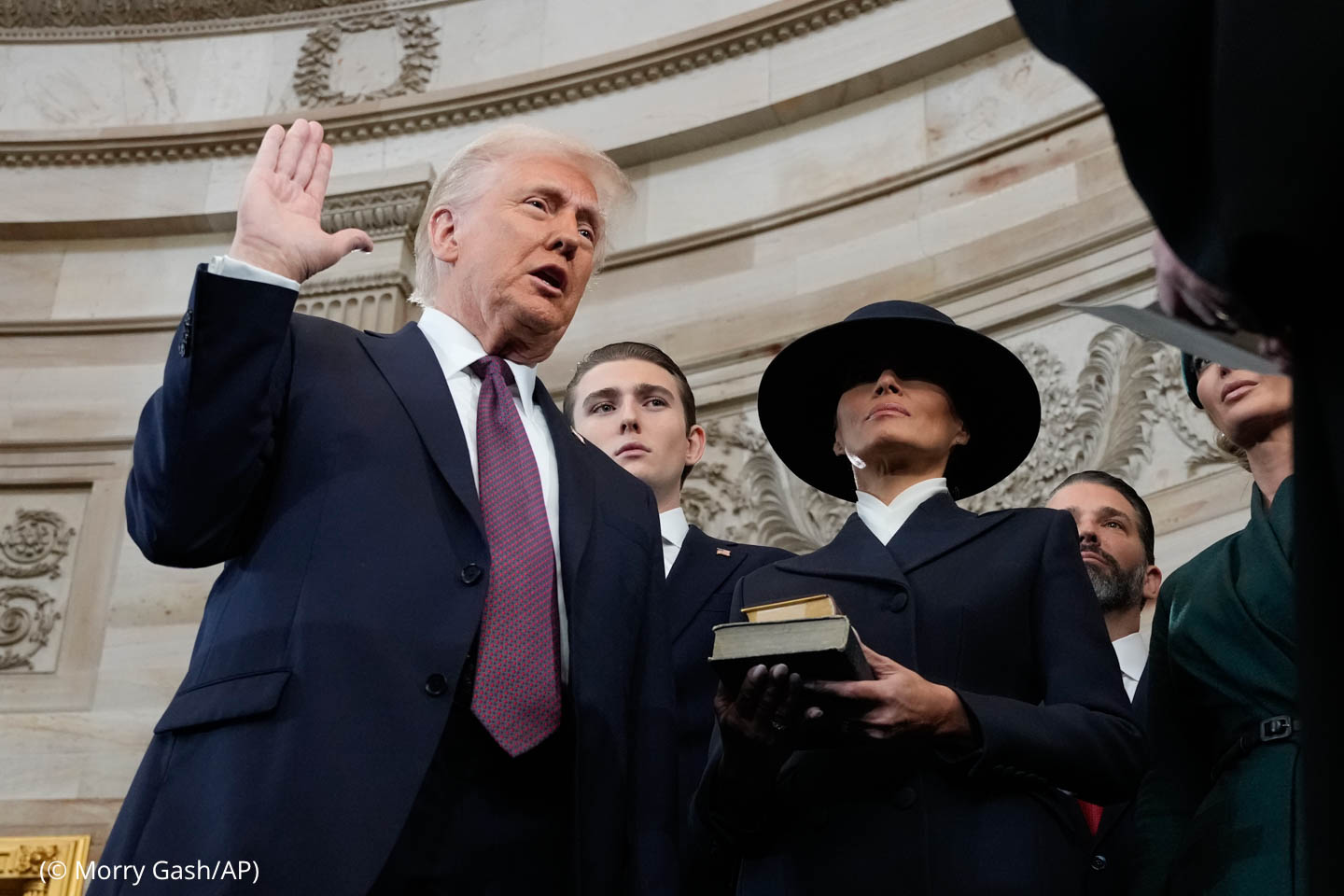
What we missed out from Trump’s Cabinet Meeting មតិមួយចំនួន → ប្រសិនបើនេះធ្វើបានត្រឹមត្រូវ នោះយើងទំនងជាឃើញកំណើនសេដ្ឋកិច្ចកាន់តែច្រើន។ ទោះយ៉ាងណាក៏ដោយវាកើតឡើងតែជាមួយ “វិធីសាស្ត្រត្រឹមត្រូវ” តែប៉ុណ្ណោះ។ រឿងមួយដែលត្រូវពិចារណាគឺថាប្រទេសកាណាដា និងសេដ្ឋកិច្ចផ្សេងទៀតឥឡូវនេះកំពុងប្រឈមមុខនឹងការវិលត្រឡប់នៃអត្រាអតិផរណា ឬការថយចុះនៃកំណើន បើទោះបីជាមានគោលនយោបាយបន្ធូរបន្ថយក៏ដោយ ហើយនោះបង្ហាញពីលទ្ធភាពនៃតម្រូវការទាបមែន ឬទេ? ដូច្នេះ ចុះបើតម្រូវការប្រើប្រាស់កាន់តែទាប ឬក៏លែងមានតទៅទៀត ហើយទស្សនវិស័យវិនិយោគិនបានធ្លាក់ចុះ នោះវាអាចនឹងបង្កឱ្យមាន “Risk Off Sentiment”។ ពោលគឺ បង្ហាញពីភាពស្ទាក់ស្ទើរក្នុងការវិនិយោគបរទេស ចុះប័ណ្ណមាស 5 លានដុល្លារ លក់មិនចេញ និងមិនអាចសងបំណុលជាតិអាមេរិកទៀតនោះ? ការទន្ទឹងរង់ចាំ៖ លោក Trump នឹងធ្វើសន្និសីទមួយជាមួយនាយករដ្ឋមន្ត្រីអង់គ្លេសនៅម៉ោងប្រហែល 2 ព្រឹកនៅថ្ងៃសុក្រ (ម៉ោងនៅកម្ពុជា)។ |English Version| Opinion Based → If this is done right, then we are likely to see more economic growth. However, that only happens with the “right method.” One thing to consider is that Canada and other economies are now either facing a return in inflation or de-growth despite easing policies, and that suggests a potential for demand disruption, isn’t it? So what if demand is no longer found and investor sentiment keeps getting lower, resulting in “risk-off sentiment.”. Indicating a reluctance to invest in the foreign, then would the gold card with 5 million dollars really be sold and pay the US national debt? Looking Forward: Trump will hold a conference with the UK prime minister at around 2 AM on Friday.
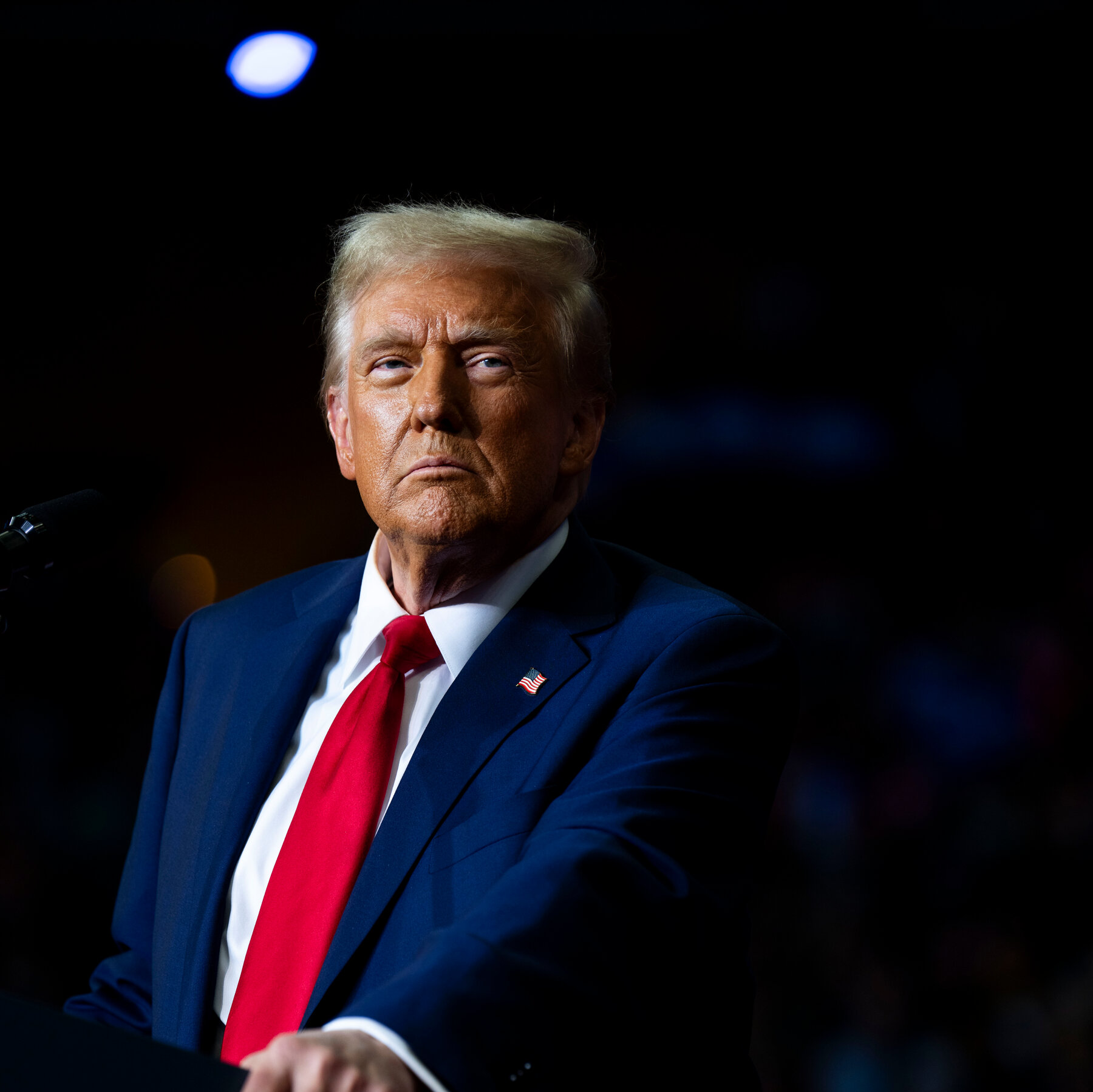
Recap on Trump’s Schedule: Things to be aware of ទោះបីជាព័ត៌មានមួយចំនួនធ្លាប់មានឥទ្ធិពលលើទីផ្សារហើយក៏ដោយ សូមរក្សាការប្រុងប្រយ័ត្នជាមួយនឹងការជួញដូររបស់អ្នកក្នុងអំឡុងពេលនេះ ព្រោះវាអាចមានឥទ្ធិពលលើគូពាណិជ្ជកម្មរបស់អ្នកទាំងអស់ ជាពិសេសជាមួយនឹងតម្លៃមាស និងគូដុល្លារ។ |English Version| Although some information has once influenced the market, please remain careful with your trading during this time, as this could possibly influence all your trading pairs, particularly with GOLD prices and USD pairs.

Understanding about Investment គន្លឹះសំខាន់– ការវិនិយោគសំដៅទៅលើការបែងចែកធនធាន (ឬលុយ) ជាមួយនឹងការរំពឹងទុកនៃការបង្កើតប្រាក់ចំណូល ឬប្រាក់ចំណេញនាពេលអនាគត។– ការយល់ដឹងអំពីការវិនិយោគគឺជារឿងសំខាន់ណាស់ ព្រោះវាជួយឱ្យអ្នកធ្វើការសម្រេចចិត្តផ្នែកហិរញ្ញវត្ថុប្រកបដោយការយល់ដឹង ជួយឱ្យអ្នកបង្កើនទ្រព្យសម្បត្តិរបស់អ្នកទៅតាមពេលវេលាណាមួយ។– ការវិនិយោគមានទម្រង់ផ្សេងៗគ្នា ដែលទម្រង់នីមួយៗមានហានិភ័យ និងផ្តល់ផលត្រឡប់មកវិញពីការវិនិយោគខុសៗគ្នា។– ហានិភ័យ និងផលត្រឡប់មកវិញពីការវិនិយោគ គឺជាចំណុចមូលដ្ឋាននៅក្នុងការវិនិយោគ។ ជាងនេះទៅទៀត ប្រសិនបើផលដែលទទួលបានពីការវិនិយោគខ្ពស់ នោះមានន័យថាកម្រិតហានិភ័យនៃការវិនិយោគក៏ខ្ពស់ទៅតាមហ្នឹងផងដែរ។– នៅក្នុងបរិបទនៃការវិនិយោគ ការគ្រប់គ្រងហានិភ័យគឺជាការអនុវត្តដ៏សំខាន់ដែលពាក់ព័ន្ធនឹងការកំណត់អត្តសញ្ញាណ ការវាយតម្លៃ និងកាត់បន្ថយហានិភ័យដែលអាចកើតមានឡើង។– ការប្រឹក្សាយោលបល់ប្រកបដោយវិជ្ជាជីវៈក្នុងការវិនិយោគគឺជាយុទ្ធសាស្រ្តដ៏មានតម្លៃមួយដើម្បីធានាថាការវិនិយោគនេះអាចនឹងត្រូវគ្នាជាមួយនឹងគោលដៅ ព្រមទាំងលទ្ធភាពដែលលោកអ្នកអាចទទួលយកហានិភ័យនេះបាន។ តើអ្វីទៅជាការវិនិយោគ?ការវិនិយោគ សំដៅទៅលើការបែងចែកធនធាន (ឬលុយ) ជាមួយនឹងការរំពឹងទុកនៃការបង្កើតប្រាក់ចំណូល ឬប្រាក់ចំណេញនាពេលអនាគត។ ការវិនិយោគអាចមានទម្រង់ផ្សេងៗគ្នាដូចជា ភាគហ៊ុន មូលបត្របំណុល អចលនទ្រព្យ មូលនិធិវិនិយោគ ការបណ្តាក់ទុនអាជីវកម្ម និងជាច្រើនទៀត។ គោលដៅចម្បងនៃការវិនិយោគគឺដើម្បីបង្កើនទ្រព្យសម្បត្តិរបស់លោកអ្នកតាមពេលវេលា ទាំងតាមរយៈការបង្កើនតម្លៃដើមទុន ឬបង្កើតលំហូរប្រាក់ចំណូលជាប្រចាំ។ ឬក្នុងន័យមួយទៀត ការវិនិយោគគឺប្រៀបដូចជាការដាំគ្រាប់ពូជជាមួយនឹងប្រាក់របស់អ្នក ដើម្បីជួយឱ្យវាលូតលាស់ទៅតាមពេលវេលា។ វាមានន័យថា ដាក់លុយរបស់អ្នកទៅវិនិយោគទៅតាមទម្រង់ផ្សេងៗដូចជាភាគហ៊ុន មូលបត្របំណុល ឬអចលនទ្រព្យ ដោយសង្ឃឹមថាវានឹងមានតម្លៃកាន់តែច្រើននាពេលអនាគត។ តាមរយៈការវិនិយោគប្រកបដោយភាពឆ្លាតវៃ អ្នកអាចធ្វើការឆ្ពោះទៅរកការសម្រេចបាននូវគោលដៅហិរញ្ញវត្ថុរបស់អ្នក។ សារៈសំខាន់នៃការយល់ដឹងពីការវិនិយោគការយល់ដឹងអំពីការវិនិយោគគឺជារឿងសំខាន់ណាស់ ព្រោះវាជួយឱ្យអ្នកធ្វើការសម្រេចចិត្តផ្នែកហិរញ្ញវត្ថុប្រកបដោយការយល់ដឹង ជួយឱ្យអ្នកបង្កើនទ្រព្យសម្បត្តិរបស់អ្នកទៅតាមពេលវេលាណាមួយ។ ដោយដឹងពីរបៀបដំណើរការនៃការវិនិយោគ អ្នកអាចចេះគ្រប់គ្រងហានិភ័យ ចាប់យកឱកាស និងតម្រឹមគោលដៅហិរញ្ញវត្ថុរបស់អ្នកប្រកបដោយប្រសិទ្ធភាព។ ហើយជាពិសេសចំណេះដឹងទាំងនេះអាចធ្វើឱ្យមានសុវត្ថិភាពហិរញ្ញវត្ថុកាន់តែប្រសើរ និងសក្តានុពលសម្រាប់ការសម្រេចបាននូវសេចក្តីប្រាថ្នារយៈពេលវែងរបស់អ្នក។ ខាងក្រោមនេះជាមូលហេតុនៃសារៈសំខាន់នៃការយល់ដឹងអំពីការវិនិយោគ៖– កំណើនទ្រព្យសម្បត្តិ៖ ការវិនិយោគអាចជួយបង្កើនទ្រព្យសម្បត្តិរបស់លោកអ្នក។ ប្រសិនបើអ្នកមិនមានការយល់ដឹងមូលដ្ឋានអំពីការវិនិយោគទេ នោះអ្នកអាចនឹងបាត់បង់ឱកាសក្នុងការបង្កើនប្រាក់របស់លោកអ្នក។ – គោលដៅហិរញ្ញវត្ថុ៖ ចំណេះដឹងអំពីការវិនិយោគអាចជួយអ្នកឱ្យតម្រឹមគោលដៅហិរញ្ញវត្ថុរបស់អ្នកជាមួយនឹងយុទ្ធសាស្រ្តបានសមស្រប។ មិនថាអ្នកកំពុងសន្សំប្រាក់សម្រាប់ការចូលនិវត្តន៍ ការទិញផ្ទះ ឬការអប់រំក្តី ការយល់ដឹងអំពីការវិនិយោគអនុញ្ញាតឱ្យអ្នកជ្រើសរើសទម្រង់វិនិយោគបានត្រឹមត្រូវដើម្បីសម្រេចបាននូវគោលដៅទាំងនោះ។ – ការគ្រប់គ្រងហានិភ័យ៖ ការទទួលបានព័ត៌មានអំពីប្រភេទផ្សេងៗនៃការវិនិយោគជួយឱ្យអ្នកធ្វើការសម្រេចចិត្តដែលមាន និងគ្រប់គ្រងហានិភ័យប្រកបដោយប្រសិទ្ធភាព។ វាក៏អនុញ្ញាតឱ្យអ្នកអាចធ្វើពិពិធកម្មលើផលប័ត្រ និងសមតុល្យហានិភ័យ និងការទទួលបានផ្សេងៗទៀតដោយយោងទៅតាមកម្រិតនៃការគ្រប់គ្រងហានិភ័យរបស់អ្នក។ – ឯករាជ្យភាពផ្នែកហិរញ្ញវត្ថុ៖ ការចាប់យកការវិនិយោគបានល្អអាចនាំឱ្យមានឯករាជ្យភាពផ្នែកហិរញ្ញវត្ថុ។ វាផ្តល់ឱ្យអ្នកនូវសក្តានុពលក្នុងការបង្កើតប្រាក់ចំណូលអកម្ម ដោយកាត់បន្ថយការពឹងផ្អែកលើការប្រកបការងារ ឬប្រភពចំណូលចម្បងរបស់អ្នក។ – ផែនការចូលនិវត្តន៍៖ ការវិនិយោគប្រកបដោយភាពឆ្លាតវៃគឺចាំបាច់សម្រាប់ការកសាងជីវិតនៅពេលចូលនិវត្តន៍។ – ការការពារអតិផរណា៖ ការវិនិយោគផ្តល់នូវគន្លឹះក្នុងការការពារប្រឆាំងនឹងអតិផរណា ដែលអាចបំផ្លាញអំណាចទិញនៃប្រាក់របស់អ្នកទៅតាមពេលវេលាណាមួយ។ តាមរយៈការវិនិយោគ អ្នកអាចទទួលបានផលចំណេញច្រើនជាងអតិផរណា។ – ការអប់រំ និងការសម្រេចចិត្ត៖ នៅពេលដែលអ្នកយល់ពីការវិនិយោគច្បាស់ អ្នកអាចធ្វើការសម្រេចចិត្តប្រកបដោយប្រសិទ្ធភាព និងអាចជួយឱ្យអ្នកជៀសវាងក្នុងការវិនិយោគក្លែងក្លាយ និងការបោកប្រាស់បានផងដែរ។ ចំណេះដឹងនេះជួយឱ្យអ្នកអាចគ្រប់គ្រងអនាគតហិរញ្ញវត្ថុបាន។ សរុបមក ការយល់ដឹងអំពីការវិនិយោគគឺចាំបាច់សម្រាប់ការធានាអនាគតហិរញ្ញវត្ថុរបស់អ្នកណាស់ ព្រោះអ្នកអាចសម្រេចបាននូវគោលដៅហិរញ្ញវត្ថុរបស់អ្នក។ ការវិនិយោគក៏ជាជំនាញមូលដ្ឋានមួយសម្រាប់កសាងទ្រព្យសម្បត្តិ និងសម្រេចបាននូវឯករាជ្យភាពផ្នែកហិរញ្ញវត្ថុផងដែរ។ ប្រភេទនៃការវិនិយោគ ការវិនិយោគមានទម្រង់ផ្សេងៗគ្នា ដែលទម្រង់នីមួយៗមានទម្រង់ហានិភ័យ និងផលត្រឡប់មកវិញពីការវិនិយោគ។ ខាងក្រោមនេះជាប្រភេទខាន់ៗនៃការវិនិយោគ៖– ភាគហ៊ុន៖ នៅពេលអ្នកទិញភាគហ៊ុនរបស់ក្រុមហ៊ុនណាមួយ នោះអ្នកនឹងក្លាយជាផ្នែកមួយនៃម្ចាស់ក្រុមហ៊ុននោះ។ ភាគហ៊ុនតំណាងឱ្យភាពជាម្ចាស់នៅក្នុងអាជីវកម្ម ហើយអាចផ្តល់ផលចំណេញខ្ពស់ក្នុងរយៈពេលវែង។ ទោះជាយ៉ាងណាក៏ដោយ ភាគហ៊ុនក៏អាចមានការប្រែប្រួលនៃតម្លៃ និងមានហានិភ័យខ្ពស់ផងដែរ។ – មូលបត្របំណុល (ប្រាក់ចំណូលថេរ)៖ មូលបត្របំណុលគឺសំដៅទៅលើការទូទាត់ការប្រាក់តាមកាលកំណត់ និងការសងប្រាក់ដើមនៅពេលដល់កំណត់។ មូលបត្របំណុលជាទូទៅត្រូវបានចាត់ទុកថាមានហានិភ័យតិចជាងភាគហ៊ុន និងផ្តល់លំហូរប្រាក់ចំណូលស្ថិរភាព។ – អចលនទ្រព្យ៖ ការវិនិយោគលើអចលនទ្រព្យពាក់ព័ន្ធនឹងការទិញអចលនទ្រព្យដូចជា លំនៅឋាន អគារពាណិជ្ជកម្ម ឬដី ដោយរំពឹងថានឹងបង្កើតប្រាក់ចំណូលពីការជួល ឬការលក់តាមពេលវេលា។ – មូលនិធិវិនិយោគ៖ គឺជាការប្រមូលលុយពីអ្នកវិនិយោគច្រើននាក់ដើម្បីវិនិយោគលើផលប័ត្រចម្រុះនៃភាគហ៊ុន មូលបត្របំណុល ឬមូលបត្រផ្សេងទៀត។ ពួកគេផ្តល់ជូននូវការធ្វើពិពិធកម្ម និងការគ្រប់គ្រងប្រកបដោយវិជ្ជាជីវៈសម្រាប់អ្នកវិនិយោគ។ – សាច់ប្រាក់ និងសមមូលសាច់ប្រាក់៖ គឺជាការវិនិយោគដែលមានហានិភ័យទាបរួមមាន គណនីសន្សំ វិញ្ញាបនបត្រនៃការដាក់ប្រាក់បញ្ញើ និងមូលនិធិទីផ្សារ។ ពួកគេផ្តល់នូវការរក្សាដើមទុន និងភាពងាយស្រួលក្នុងការប្រើប្រាស់មូលនិធិ ប៉ុន្តែជាធម្មតាការវិនិយោគប្រភេទនេះតែងតែផ្តល់ផលចំណេញទាប។ – ទំនិញ៖ មានដូចជាមាស ប្រេង ឬផលិតផលកសិកម្ម។ ការវិនិយោគលើទំនិញអាចជាមធ្យោបាយមួយដើម្បីធ្វើពិពិធកម្មផលប័ត្រ និងការពារអតិផរណាបានផងដែរ និងប្រភេទវិនិយោគផ្សេងៗទៀត។ ការយល់ដឹងអំពីលក្ខណៈ និងហានិភ័យដែលទាក់ទងនឹងប្រភេទនៃការវិនិយោគនីមួយៗគឺមានសារៈសំខាន់ណាស់នៅពេលបង្កើតផលប័ត្រវិនិយោគចម្រុះ និងការគ្រប់គ្រងហានិភ័យដែលស្របតាមគោលដៅហិរញ្ញវត្ថុរបស់អ្នក។ ជម្រើសនៃការវិនិយោគរបស់អ្នកគួរតែផ្អែកលើកាលៈទេសៈ និងគោលបំណងផ្ទាល់ខ្លួន។ ហានិភ័យ និងផលត្រឡប់មកវិញពីការវិនិយោគ ហានិភ័យ និងផលត្រឡប់មកវិញពីការវិនិយោគ គឺជាចំណុចមូលដ្ឋាននៅក្នុងការវិនិយោគ។ ជាងនេះទៅទៀត ប្រសិនបើផលដែលទទួលបានពីការវិនិយោគខ្ពស់ នោះមានន័យថាកម្រិតហានិភ័យនៃការវិនោយោគក៏ខ្ពស់ទៅតាមហ្នឹងផងដែរ។ ខាងក្រោមនេះគឺជាការពន្យល់ពីហានិភ័យ និងផលដែលទទួលបានមកពីការវិនិយោគ៖– កម្រិតហានិភ័យខ្ពស់ និងផលដែលត្រឡប់បានមកពីការវិនិយោគ ៖ ការវិនិយោគដែលមានហានិភ័យខ្ពស់ ដូចជាភាគហ៊ុន ឬការបណ្តាក់ទុនធំៗតែងតែទទួលបានប្រាក់ចំណេញពីការវិនិយោគក៏ខ្ពស់ដែរ។ ប៉ុន្តែទោះជាយ៉ាងណាក៏ដោយ ការវិនិយោគទាំងនោះក៏អាចបង្កជាហានិភ័យមួយចំនួនផងដែរដូចជាការប្រែប្រួលនៃតម្លៃ ក៏ដូចជាការខាតបង់ដ៏ធំផងដែរ។ – កម្រិតហានិភ័យទាប និងផលដែលត្រឡប់បានមកពីការវិនិយោគ៖ ផ្ទុយទៅវិញ ប្រសិនបើការវិនិយោគដែលមានលក្ខណៈមិនសូវប្រថុយប្រថាន ដូចជាមូលបត្របំណុល ឬគណនីសន្សំវិញ គឺតែងតែទទួលបាននូវផលចំណេញទាបវិញ។ ការវិនិយោគទាំងនេះផ្តល់នូវស្ថិរភាពចំពោះវិនិយោគិន ។ – កម្រិតតុល្យភាពហានិភ័យ និងផលដែលត្រឡប់បានមកពីការវិនិយោគ៖ វិនិយោគិនត្រូវតែស្វែងរកទម្រង់នៃការវិនិយោគណាមួយដែលមានកម្រិតតុល្យភាព ដើម្បីជួយឱ្យកម្រិតហានិភ័យ និងផលដែលទទួលបានមកពីការវិនិយោគមានសមភាពនឹងគ្នា ដោយមិនខ្ពស់ពេក ឬទាបពេក។ នេះមានន័យថាវិនិយោគិនគួរតែជ្រើសរើសយកការវិនិយោគណាដែលអាចទទួលយកបាន។ ការគ្រប់គ្រងហានិភ័យនៅក្នុងបរិបទនៃការវិនិយោគ ការគ្រប់គ្រងហានិភ័យគឺជាការអនុវត្តដ៏សំខាន់ដែលពាក់ព័ន្ធនឹងការកំណត់អត្តសញ្ញាណ ការវាយតម្លៃ និងកាត់បន្ថយហានិភ័យដែលអាចកើតមានឡើង។ ការគ្រប់គ្រងនេះគឺមានសារៈសំខាន់ណាស់ក្នុងការការពារផលប័ត្ររបស់អ្នកវិនិយោគ និងធ្វើឱ្យការសម្រេចចិត្តកាន់តែមានភាពប្រសើរឡើងដែរ។ ជំហានសំខាន់ៗក្នុងការគ្រប់គ្រងហានិភ័យនៃការវិនិយោគរួមមានការកំណត់ប្រភេទផ្សេងៗនៃហានិភ័យដែលអាចប៉ះពាល់ដល់ការវិនិយោគ ការវាយតម្លៃផលប៉ះពាល់សក្តានុពល និងការបង្កើតយុទ្ធសាស្រ្តដើម្បីកាត់បន្ថយហានិភ័យ។ ដំបូន្មានបែបវិជ្ជាជីវៈការស្វែងរកដំបូន្មានប្រកបដោយវិជ្ជាជីវៈក្នុងការវិនិយោគគឺជាយុទ្ធសាស្រ្តដ៏មានតម្លៃមួយដើម្បីធានាថាការសម្រេចចិត្តផ្នែកហិរញ្ញវត្ថុរបស់អ្នកត្រូវគ្នានឹងគោលដៅ និងការគ្រប់គ្រងកម្រិតហានិភ័យ។ អ្នកប្រឹក្សាផ្នែកហិរញ្ញវត្ថុ ដែលមានចំណេះដឹង និងបទពិសោធក្នុងផ្នែកវិនិយោគអាចជួយឱ្យអ្នកមានលទ្ធភាពក្នុងការវិនិយោគប្រកបដោយប្រសិទ្ធភាព ។ ពួកគេអាចផ្តល់នូវបទពិសោធ តាមដានពីការវិនិយោគរបស់អ្នក និងសម្របយុទ្ធសាស្រ្តរបស់អ្នក នៅពេលដែលលក្ខខណ្ឌទីផ្សារមានការវិវឌ្ឍន៍ និងជាពិសេសអាចជួយឱ្យអ្នកមានភាពជោគជ័យក្នុងការវិនិយោគបានផងដែរ។ | English Version | Key takeaway– Investment refers to the allocation of resources, typically money, with the expectation of generating future income or profit.– Understanding investments is crucial because it empowers you to make informed financial decisions, helping you grow your wealth over time.– Investments come in various forms, each with its risk-return profile.– The risk-return trade-off is a fundamental concept in the world of investment. It suggests that investments with the potential for higher returns typically come with higher levels of risk.– In the context of investments, risk management is a vital practice that involves identifying, assessing, and mitigating potential risks.– Seeking professional advice in investment is a valuable strategy to ensure that your financial decisions align with your goals and risk tolerance. What is Investment?Investment refers to the allocation of resources, typically money, with the expectation of generating future income or profit. Investments can take various forms, including stocks, bonds, real estate, mutual funds, business ventures, and more. The primary goal of investing is to grow your wealth over time, either through capital appreciation or by generating a regular income stream. In another meaning, investment is like planting seeds with your money to help it grow over time. It means putting your money into things like stocks, bonds, or real estate, hoping it will become more valuable in the future. By investing wisely, you can work towards achieving your financial goals and making your money work for you. Importance of understanding investmentUnderstanding investments is crucial because it empowers you to make informed financial decisions, helping you grow your wealth over time. By knowing how investments work, you can manage risk, seize opportunities, and align your financial goals effectively. Ultimately, this knowledge can lead to better financial security and the potential for achieving your long-term aspirations. Below are the reasons of understanding investments is crucial:– Wealth Growth: Investing allows your money to potentially grow over time, outpacing inflation and increasing your overall wealth. Without a basic understanding of investments, you may miss out on opportunities to make your money work for you. – Financial Goals: Knowledge of investments helps you align your financial goals with appropriate strategies. Whether you’re saving for retirement, a home, or education, understanding investments allows you to choose the right tools to achieve those goals. – Risk Management: Being informed about different types of investments helps you make informed decisions and manage risk effectively. It enables you to diversify your portfolio and balance risk and reward according to your risk tolerance. – Financial Independence: A good grasp of investments can lead to financial independence. It provides you with the potential to generate passive income, reducing your reliance on a traditional job or income sources. – Retirement Planning: Investing wisely is essential for building a retirement nest egg. – Inflation Protection: Investments offer a hedge against inflation, which erodes the purchasing power of your money over time. By investing, you can potentially earn returns that outpace inflation. – Education and Decision-Making: When you understand investments, you can make well-informed decisions, avoiding common investment pitfalls and scams. This knowledge empowers you to take control of your financial future. In summary, understanding investments is essential for securing your financial future, achieving your goals, and ultimately gaining greater control over your financial well-being. It’s a fundamental skill for building wealth and achieving financial independence. Types of investments Investments come in various forms, each with its own risk-return profile. Below are the main types of investments:– Stocks: When you buy a share of a company’s stock, you become a partial owner of that company. Stocks represent ownership in a business and can potentially provide high returns over the long term. However, they also come with higher volatility and risk. – Bonds (Fixed income): Bonds are debt securities where you lend money to a company or government in exchange for periodic interest payments and the return of the principal amount at maturity. Bonds are generally considered less risky than stocks and provide a steady income stream. – Real Estate: Real estate investments involve purchasing physical properties, such as residential homes, commercial buildings, or land, with the expectation of generating rental income or capital appreciation over time. – Mutual Funds: Mutual funds pool money from multiple investors to invest in a diversified portfolio of stocks, bonds, or other securities. They offer diversification and professional management, making them a popular choice for investors. – Cash & Cash Equivalents: These are low-risk, highly liquid investments, including savings accounts, certificates of deposit (CDs), and money market funds. They offer capital preservation and easy access to funds but usually provide lower returns. – Commodities: Commodities are physical goods such as gold, oil, or agricultural products. Investing in commodities can be a way to diversify a portfolio hedge against inflation, and so on. Understanding the characteristics and risks associated with each type
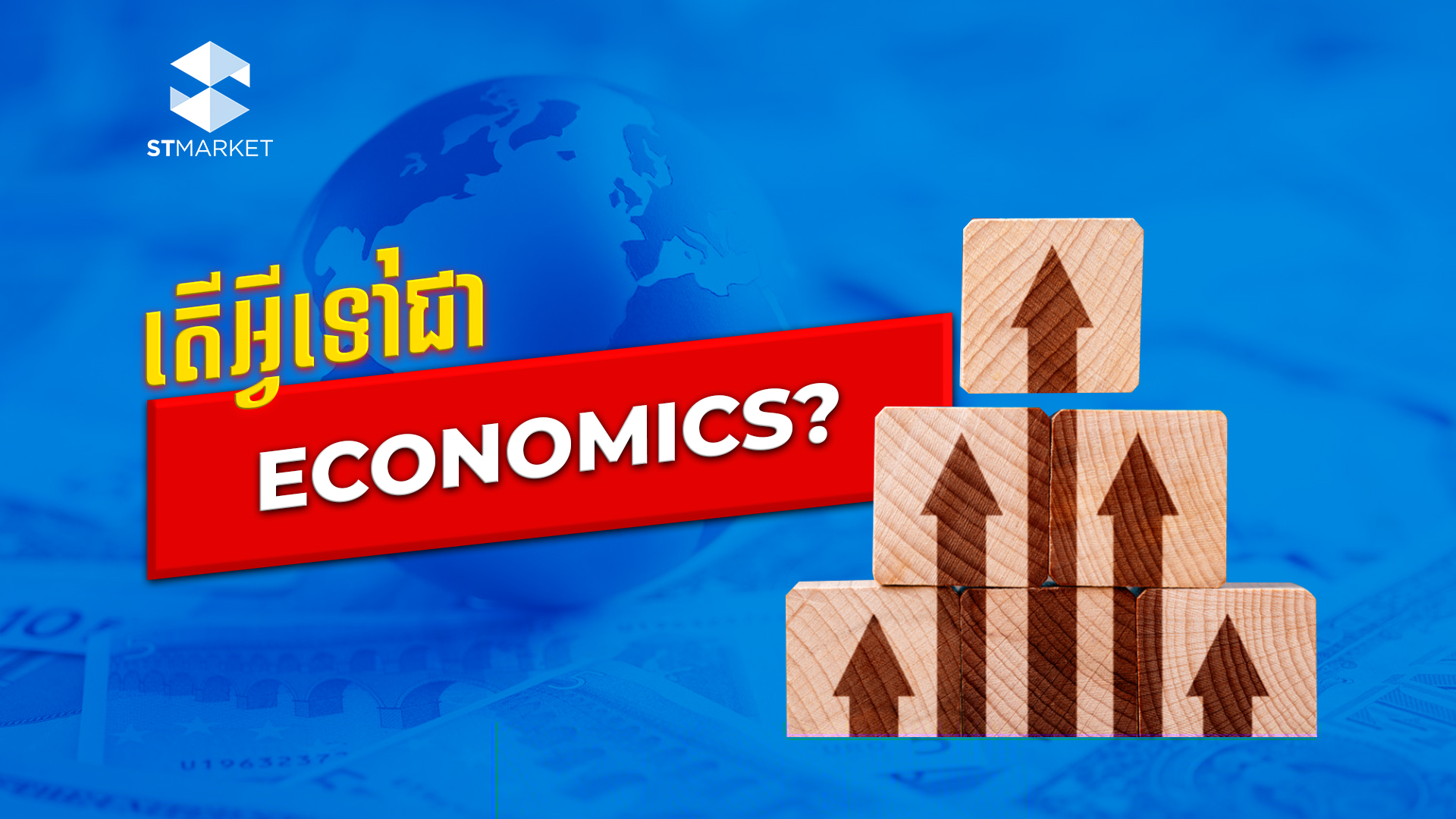
Understanding about Economics គន្លឹះសំខាន់ សេដ្ឋកិច្ចគឺជាវិទ្យាសាស្ត្រសង្គមដែលសិក្សាពីរបៀបដែលបុគ្គល អាជីវកម្ម រដ្ឋាភិបាល និងសង្គមបែងចែកធនធានដែលមានកម្រិត ដើម្បីបំពេញតម្រូវការរបស់ពួកគេ។– សេដ្ឋកិច្ចមានសារៈសំខាន់ណាស់នៅក្នុងការបែងចែកធនធានឱ្យមានប្រសិទ្ធភាព ការណែនាំអំពីការសម្រេចចិត្តរបស់បុគ្គល និងរដ្ឋាភិបាល និងការបង្កើតគោលនយោបាយដែលដោះស្រាយបញ្ហាប្រឈមមុខនឹងសេដ្ឋកិច្ច។– មីក្រូសេដ្ឋកិច្ច គឺជាផ្នែកមួយនៃសេដ្ឋកិច្ចដែលផ្តោតលើការសិក្សាពីស្ថានភាពសេដ្ឋកិច្ចរបស់បុគ្គល និងអន្តរកម្មនៅក្នុងទីផ្សារ។– ម៉ាក្រូសេដ្ឋកិច្ច គឺជាផ្នែកសំខាន់មួយទៀតនៃសេដ្ឋកិច្ចដែលផ្តោតលើការសិក្សាអំពីដំណើរការ និងស្ថានភាពនៃសេដ្ឋកិច្ចទាំងមូល។– សូចនាករសេដ្ឋកិច្ច គឺជារង្វាស់ដ៏សំខាន់ដែលផ្តល់នូវរូបភាពនៃស្ថានភាព និងដំណើរការទូទៅរបស់សេដ្ឋកិច្ច។ តើអ្វីទៅជាសេដ្ឋកិច្ច?សេដ្ឋកិច្ចគឺជាវិទ្យាសាស្ត្រសង្គមដែលសិក្សាពីរបៀបដែលបុគ្គល អាជីវកម្ម រដ្ឋាភិបាល និងសង្គមបែងចែកធនធានដែលមានកម្រិត ដើម្បីបំពេញតម្រូវការរបស់ពួកគេ។ សេដ្ឋកិច្ចក៏ជាការសិក្សាអំពីរបៀបដែលមនុស្សធ្វើការជ្រើសរើសដើម្បីបំពេញនូវគោលដៅ និងបំណងប្រាថ្នារបស់ពួកគេ ដោយសារកង្វះខាតធនធាន។ សារៈសំខាន់នៃការយល់ដឹងពីសេដ្ឋកិច្ចសេដ្ឋកិច្ចមានសារៈសំខាន់ណាស់នៅក្នុងការបែងចែកធនធានឱ្យមានប្រសិទ្ធភាព ការណែនាំអំពីការសម្រេចចិត្តរបស់បុគ្គល និងរដ្ឋាភិបាល និងការបង្កើតគោលនយោបាយដែលដោះស្រាយបញ្ហាប្រឈមមុខនឹងសេដ្ឋកិច្ច។ វាជួយយើងឱ្យយល់អំពីសក្ដានុពលទីផ្សារ ពាណិជ្ជកម្មសកល និងកត្តាដែលជំរុញកំណើនសេដ្ឋកិច្ច និងការបែងចែកប្រាក់ចំណូល។ លើសពីនេះទៅទៀត សេដ្ឋកិច្ចក៏បានប្រាប់យើងអំពីផលប៉ះពាល់បរិស្ថាននៃសកម្មភាពសេដ្ឋកិច្ច និងការយល់ដឹងអំពីឥទ្ធិពលសេដ្ឋកិច្ចមកលើការសម្រេចចិត្ត។ ជាងនេះទៅទៀត សេដ្ឋកិច្ចក៏បានជួយពលរដ្ឋក្នុងការសម្រេចចិត្តប្រកបដោយប្រសិទ្ធភាព ជំរុញភាពជាសហគ្រិន និងការច្នៃប្រឌិត និងដើរតួនាទីយ៉ាងសំខាន់ក្នុងការគ្រប់គ្រងវិបត្តិ និងការស្តារសេដ្ឋកិច្ចឡើងវិញ។ មីក្រូសេដ្ឋកិច្ចមីក្រូសេដ្ឋកិច្ចគឺជាផ្នែកមួយនៃសេដ្ឋកិច្ចដែលផ្តោតលើការសិក្សាពីស្ថានភាពសេដ្ឋកិច្ចរបស់បុគ្គល និងអន្តរកម្មនៅក្នុងទីផ្សារ។ មីក្រូសេដ្ឋកិច្ចជួយពិនិត្យមើលទៅលើអាកប្បកិរិយារបស់អ្នកប្រើប្រាស់ម្នាក់ៗ ក្រុមហ៊ុន និងគ្រួសារ ព្រមទាំងរបៀបដែលពួកគេធ្វើការសម្រេចចិត្តអំពីការបែងចែកធនធាន។ គោលគំនិត និងប្រធានបទសំខាន់ៗក្នុងមីក្រូសេដ្ឋកិច្ចរួមមាន៖ ការផ្គត់ផ្គង់ និងតម្រូវការ, រចនាសម្ព័ន្ធទីផ្សារ, អាកប្បកិរិយាអ្នកប្រើប្រាស់, យុទ្ធសាស្រ្តអ្នកផលិត, ការបរាជ័យនៅក្នុងទីផ្សារ, សុខុមាលភាពសេដ្ឋកិច្ច, ទីផ្សារការងារ, ទ្រឹស្តីហ្គេម (Game theory)។ មីក្រូសេដ្ឋកិច្ចគឺជាឧបករណ៍សេដ្ឋកិច្ចដ៏សំខាន់មួយក្នុងការយល់ដឹងអំពីអាកប្បកិរិយារបស់បុគ្គល និងដំណើរការនៃទីផ្សារជាក់លាក់។ វាផ្តល់នូវមូលដ្ឋានគ្រឹះសម្រាប់ធ្វើការសម្រេចចិត្តអំពីការបែងចែកធនធាន ការកំណត់តម្លៃ ការផលិត និងការប្រើប្រាស់នៅកម្រិតមីក្រូ ហើយវាផ្តល់នូវការយល់ដឹងដ៏មានតម្លៃសម្រាប់អាជីវកម្ម អ្នកបង្កើតគោលនយោបាយ និងអ្នកប្រើប្រាស់ផងដែរ។ ម៉ាក្រូសេដ្ឋកិច្ចម៉ាក្រូសេដ្ឋកិច្ច គឺជាផ្នែកសំខាន់មួយទៀតនៃសេដ្ឋកិច្ចដែលផ្តោតលើការសិក្សាអំពីដំណើរការ និងស្ថានភាពនៃសេដ្ឋកិច្ចទាំងមូល។ ផ្ទុយពីមីក្រូសេដ្ឋកិច្ច ម៉ាក្រូសេដ្ឋកិច្ចគឺមើលទៅស្ថានភាពសេដ្ឋកិច្ចទាំងមូល។ វារួមបញ្ចូលនូវចំណុចសំខាន់ៗ រួមមាន៖ ផលិតផលក្នុងស្រុកសរុប (GDP), អតិផរណា, ភាពអត់ការងារធ្វើ, កំណើនសេដ្ឋកិច្ច, គោលនយោបាយសារពើពន្ធ, គោលនយោបាយរូបិយវត្ថុ, តុល្យភាពនៃការទូទាត់, អត្រាប្តូរប្រាក់, វដ្តអាជីវកម្ម, គោលនយោបាយសេដ្ឋកិច្ច, សូចនាករសេដ្ឋកិច្ច។ ម៉ាក្រូសេដ្ឋកិច្ចមានសារៈសំខាន់សម្រាប់ការយល់ដឹងអំពីសុខភាពទូទៅ និងអាកប្បកិរិយានៃសេដ្ឋកិច្ច ក៏ដូចជាសម្រាប់ការរៀបចំ និងអនុវត្តគោលនយោបាយដែលមានគោលបំណងសម្រេចបាននូវស្ថិរភាពសេដ្ឋកិច្ច កំណើនប្រកបដោយចីរភាព និងការលើកកម្ពស់កម្រិតជីវភាពសម្រាប់ប្រជាជនរបស់ប្រទេសមួយ។ តើមានសូចនាករសេដ្ឋកិច្ចសំខាន់ៗអ្វីខ្លះ?សូចនាករសេដ្ឋកិច្ច គឺជារង្វាស់ដ៏សំខាន់ដែលផ្តល់នូវរូបភាពនៃស្ថានភាព និងដំណើរការទូទៅរបស់សេដ្ឋកិច្ច។ ខាងក្រោមនេះ គឺជាសូចនាករសេដ្ឋកិច្ចសំខាន់ៗមួយចំនួនដូចជា៖ផលិតផលក្នុងស្រុកសរុប (GDP), អត្រាគ្មានការងារធ្វើ, អត្រាអតិផរណា, សន្ទស្សន៍តម្លៃទំនិញប្រើប្រាស់ (CPI), សន្ទស្សន៍តម្លៃអ្នកផលិត (PPI), ជញ្ជីងពាណិជ្ជកម្ម, ការលក់លក់រាយ, ផលិតកម្មឧស្សាហកម្ម, សន្ទស្សន៍ទំនុកចិត្តអ្នកប្រើប្រាស់, សន្ទស្សន៍ទំនុកចិត្តអាជីវកម្ម, សូចនាករទីផ្សារលំនៅឋាន, និងអត្រាការប្រាក់ជាដើម។ សូចនាករសេដ្ឋកិច្ចសំខាន់ៗទាំងនេះត្រូវបានត្រួតពិនិត្យ និងវិភាគជាទៀងទាត់ដោយអ្នកបង្កើតគោលនយោបាយ អ្នកប្រកបអាជីវកម្ម និងអ្នកសេដ្ឋកិច្ច ដើម្បីវាយតម្លៃពីស្ថានភាពសេដ្ឋកិច្ច ធ្វើការសម្រេចចិត្តប្រកបដោយត្រឹមត្រូវ និងប្រមើលមើលពីនិន្នាការសេដ្ឋកិច្ចដែលមានសក្តានុពល។ | English Version | Key takeaway– Economics is the social science that studies how individuals, businesses, governments, and societies allocate their limited resources to satisfy their needs and wants.– Economics is crucial for allocating scarce resources efficiently, guiding decision-making for individuals and governments, and shaping policies that address economic challenges.– Microeconomics is a branch of economics that focuses on the study of individual economic units and their interactions within specific markets.– Macroeconomics is a branch of economics that focuses on the study of the overall performance and behavior of an entire economy.– Economic indicators are statistical data points that provide insights into the overall health and performance of an economy. What is Economics?Economics is the social science that studies how individuals, businesses, governments, and societies allocate their limited resources to satisfy their needs and wants. It is the study of how people make choices to fulfill their goals and desires given the scarcity of resources. Importance of economicEconomics is crucial for allocating scarce resources efficiently, guiding decision-making for individuals and governments, and shaping policies that address economic challenges. It helps us understand market dynamics, global trade, and factors that drive economic growth and income distribution. Additionally, economics informs us about the environmental impact of economic activities and behavioral insights that influence choices. Lastly, economic literacy empowers citizens to make informed choices, fosters entrepreneurship, and innovation, and plays a critical role in crisis management and recovery. MicroeconomicsMicroeconomics is a branch of economics that focuses on the study of individual economic units and their interactions within specific markets. It examines the behavior of individual consumers, firms, and households, as well as how they make decisions about the allocation of resources. Key concepts and topics in microeconomics include: supply & demand, market structures, consumer behavior, producer theory, market failures, welfare economics, labor economics, and game theory. Microeconomics is instrumental in understanding the behavior of individual economic agents and the functioning of specific markets. It provides a foundation for making decisions about resource allocation, pricing, production, and consumption at the micro-level, and it offers valuable insights for businesses, policymakers, and consumers. MacroeconomicsMacroeconomics is a branch of economics that focuses on the study of the overall performance and behavior of an entire economy. Unlike microeconomics, which examines individual economic units and specific markets, macroeconomics looks at the economy as a whole. It encompasses a wide range of topics and key concepts, including Gross Domestic Product (GDP), Inflation, Unemployment, Economic growth, Fiscal policy, Monetary policy, Balance of payments, Exchange rates, Business cycles, Economic policies, and Economic indicators. Macroeconomics is essential for understanding the overall health and behavior of an economy, as well as for designing and implementing policies that aim to achieve economic stability, sustainable growth, and improved living standards for a nation’s population. What are economic indicators?Economic indicators are statistical data points that provide insights into the overall health and performance of an economy. They help analysts, policymakers, and businesses assess economic trends, make informed decisions, and gauge the impact of various factors on the economy. Here are some of the most important key economic indicators:Gross Domestic Product (GDP), Unemployment Rate, Inflation Rate, Consumer Price Index (CPI), Producer Price Index (PPI), Balance of Trade, Retail Sales, Industrial Production, Consumer Confidence Index, Business Confidence Index, Housing Market Indicators, Interest Rates. These key economic indicators are regularly monitored and analyzed by policymakers, businesses, and economists to assess economic conditions, make informed decisions, and anticipate potential economic trends.
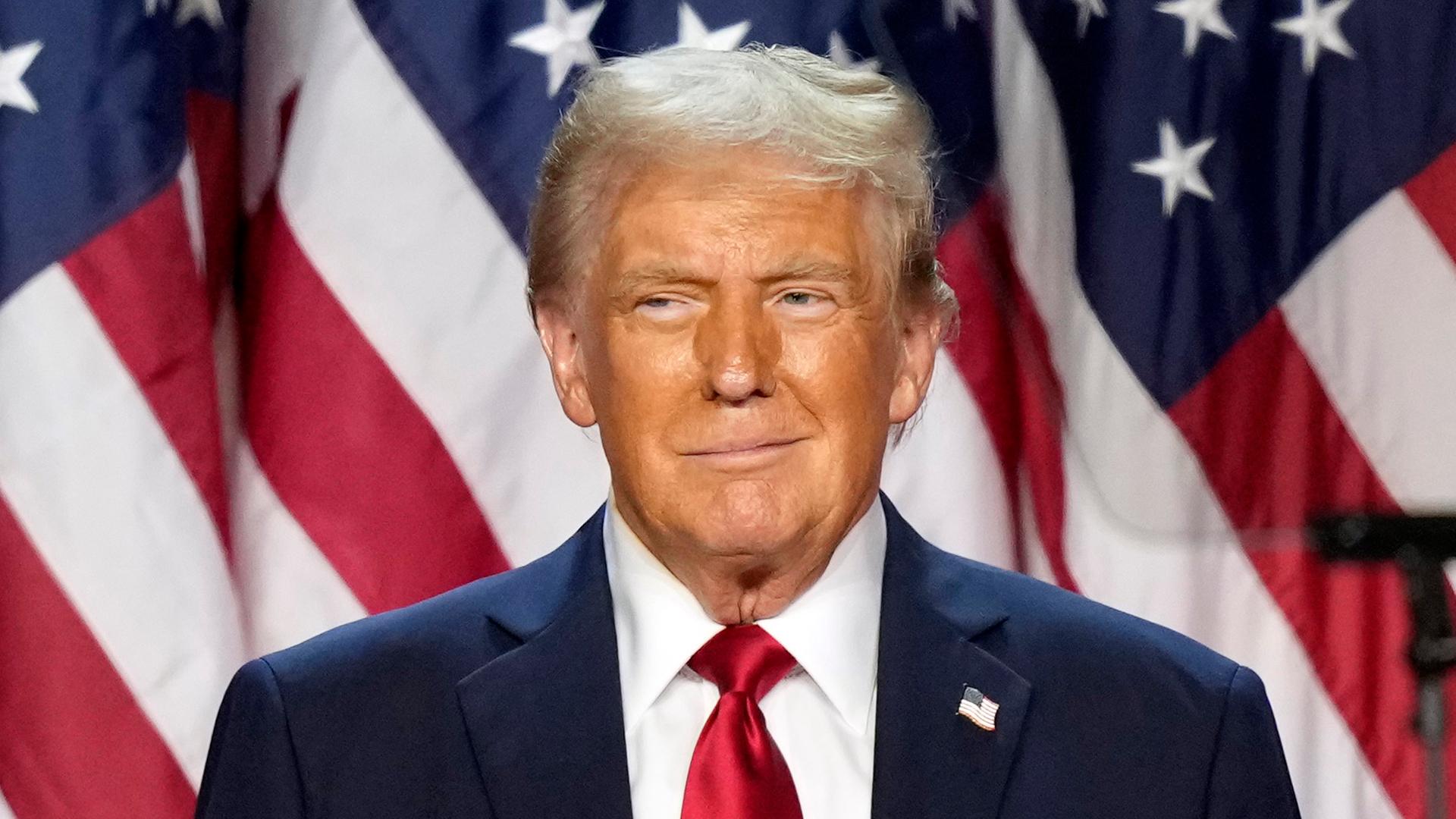
Trump’s Economic Strategy: Green Cards for Investment and Tariffs to Combat Inflation តម្លៃ Spot Gold បានធ្លាក់ចុះយ៉ាងខ្លាំងដល់កម្រិតទាបបំផុតនៃ 2888.10 ដោយសារវិនិយោគិនបានលក់ចេញនូវទ្រព្យរបស់ពួកគេដើម្បីទទួលយកប្រាក់ចំណេញ ស្របពេលដែលវិនិយោគិនមួយចំនួននៅតែមានភាពភ័យខ្លាចខ្លាំងចំពោះទីផ្សារ។ នេះបានកើតឡើងដោយមានហេតុផលជាច្រើនដូចជាសេណារីយ៉ូ stagflation ពីភាពមិនច្បាស់លាស់អំពីការគំរាមកំហែងពន្ធជាមួយនឹងហេតុផលភូមិសាស្ត្រនយោបាយ។ រួមជាមួយនឹងការ hack Bybit ថ្មីៗនេះដែលបានធ្វើឱ្យតម្លៃ bitcoin ធ្លាក់ចុះយ៉ាងខ្លាំង ពោលគឺបានធ្វើឱ្យមនុស្សជាច្រើនវិលមករកការរក្សាប្រាក់នៅក្នុងដៃវិញ។ |English Version| Spot Gold price significantly plunged to the lowest of 2888.10 due to profit-taking and risk-off sentiment that came forward. This came across with several reasons, such as the stagflation scenario from uncertainty about the tariff threat with geopolitical reasons, along with the recent Bybit hack that plunged in bitcoin price, which left many people to highly liquid assets such as cash.
The Bigger Picture: What to Consider in Fundamental Analysis នៅក្នុងការជួយដូរ មានសសរស្តម្ភចំនួនបួនដែលត្រូវបានគេប្រើប្រាស់ច្រើន ជាពិសេសទៅលើការវិភាគតាមបែបមូលដ្ឋានឬត្រូវបានស្គាល់ថាជាការវិភាគសេដ្ឋកិច្ច និងចុងក្រោយគឺការវិភាគតាមបែបបច្ចេកទេស។ ទោះជាយ៉ាងណាក៏ដោយ ប្រភេទនីមួយៗកំពុងត្រូវបានពិចារណាតាមរយៈកត្តាជាច្រើនដូចខាងក្រោម។ សេចក្តីប្រកាសរបស់ធនាគារកណ្តាល ការផ្លាស់ប្តូរគោលនយោបាយតាមរយៈគោលនយោបាយរូបិយវត្ថុ ឬគោលនយោបាយសារពើពន្ធនឹងជះឥទ្ធិពលយ៉ាងធំធេងលើសកម្មភាពសេដ្ឋកិច្ច ជាពិសេសសន្ទស្សន៍អារម្មណ៍របស់វិនិយោគិនចំពោះការវិនិយោគរបស់ពួកគេ។ ធនាគារកណ្តាលអាចរឹតបន្តឹង ឬបន្ធូរបន្ថយរូបិយវត្ថុ ដើម្បីសម្រេចឲ្យបាននូវស្ថិរភាពតម្លៃ បង្កើនចំនួនការងារឲ្យបានច្រើន ព្រមទាំងរក្សាស្ថានភាពសេដ្ឋកិច្ចក្នុងសុខភាពល្អប្រសើរ។ ទិន្នន័យសេដ្ឋកិច្ច ដើម្បីឲ្យធនាគារកណ្តាលធ្វើការសម្រេចចិត្តគោលនយោបាយរូបិយវត្ថុឲ្យបានត្រឹមត្រូវ ពួកគេត្រូវតាមដានទៅលើទិន្នន័យសេដ្ឋកិច្ចមួយចំនួន ដូចជាអត្រាគ្មានការងារធ្វើ អត្រាអតិផរណា ផលិតផលសរុបក្នុងស្រុក ការលក់រាយ ឬសន្ទស្សន៍អ្នកគ្រប់គ្រងការទិញជាដើម។ ទិន្នន័យសំខាន់ៗទាំងនេះនឹងកំណត់លទ្ធភាពនៃការសម្រេចចិត្តលើអត្រាការប្រាក់។ កំណើនសេដ្ឋកិច្ចកាន់តែច្រើន និងអតិផរណាខ្ពស់អាចធ្វើឲ្យធនាគារកណ្តាលរឹតបន្តឹងគោលនយោបាយរូបិយវត្ថុបន្ថែមទៀត និងផ្ទុយមកវិញ។ ទោះបីជាយ៉ាងណាក៏ដោយ ទស្សនវិស័យសេដ្ឋកិច្ចពិតប្រាកដ ព្រមការឆ្លើយតបរបស់ធនាគារកណ្តាលជាធម្មតាមិនបង្ហាញដូចអ្វីដែលយើងបានរៀននោះទេ។ ជាក់ស្តែង ធនាគារកណ្តាលអាចនឹងពិចារណាទៅលើកត្តាផ្សេងៗទៀត មុននឹងធ្វើការសម្រេចចិត្ត ដូច្នេះពាណិជ្ជករគួរតែប្រុងប្រយ័ត្នខ្ពស់ចំពោះការជួញដូររបស់ពួកគេ។ កត្តានយោបាយ នេះអាចនឹងមានបម្រែបម្រួលខ្លាំង អាស្រ័យទៅលើប្រតិកម្មរបស់អ្នកនយោបាយទៅលើកាលៈទេសៈនីមួយៗ ហើយនោះជាអ្វីដែលបណ្តាលឱ្យមានភាពមិនច្បាស់លាស់នៅក្នុងទស្សនវិស័យសេដ្ឋកិច្ច។ ដូច្នេះហើយបានជា ពួកគេគប្បីកំណត់ការគ្រប់គ្រងទៅលើហានិភ័យឲ្យបានគ្រប់គ្រាន់ នៅពេលយុទ្ធនាការបោះឆ្នោតជិតមកដល់។ កត្តាផ្សេងទៀតដូចជាគ្រោះធម្មជាតិ និងរដូវកាល ដូចគ្នានឹងកត្តានយោបាយដែរ គ្រោះធម្មជាតិមិនដែលប្រាប់អ្នកណាម្នាក់ជាមុនទេ ហើយនៅពេលដែលវារីករាលដាល លទ្ធភាពនៃអត្រាអ្នកអត់ការងារធ្វើ អតិផរណា និងវិបត្តិសេដ្ឋកិច្ចគឺខ្ពស់ណាស់។ ជាក់ស្តែង ដូចកាល Covid-19 ជាដើម។ ដោយសារតែមានការរឹតបន្តឹងលើការជួញដូរ តម្រូវការនៅទីនោះកាន់តែយ៉ាប់យ៉ឺន និងកង្វះការផ្គត់ផ្គង់នៅក្នុងសេដ្ឋកិច្ចទៀតនោះ នេះបានធ្វើឱ្យសេដ្ឋកិច្ចប្រឈមនឹងហានិភ័យនៃការធ្លាក់ចុះសេដ្ឋកិច្ច។ (English Version) As you may already know the four pillars of trading, which specifically on two main analyses including the fundamental and technical analysis. However, each category is being considered through many factors such as those listed below. Central Bank announcement Changes in policy either through monetary policy or fiscal policy will largely affect economic activities, especially the investor sentiment toward investment portfolios. The central bank can either tighten or ease the monetary which aims to achieve price stability, maximize the employment changes, and the overall economic condition. Economic Data To set the right tool for monetary policy adjustment, the central bank may need to asses on the economic data including the unemployment rate, inflation rate, Gross domestic product, retail sales, or purchasing managers’ index. These crucial data will determine the likelihood of a rate decision. Stronger economic growth and high inflation may require tighter monetary policy and vice versa. Theory aside, the real economic outlook and central bank response do not normally showcase just like what we have learned. The central bank may be required to assess another factor before making any adjustments. Therefore, it is often mistaken and traders should take serious caution toward the trading journey. Politics This involves very unexpected, depending on how the politician reacts toward each circumstance, and that is what causes uncertainty in the economic outlook. With that in mind, it is highly recommended not to put all eggs in one basket when the voting campaign is around. Other factors such as natural disasters and seasonality. The same as political factors, natural disaster never alerts anyone in advance and once it is spread, the likelihood of having a high unemployment rate, high inflation, and recession is very high. Take the Covid-19 for an example. Due to restrictions on trading, demand deteriorated, and lack of supply in the economy, this will put the economy at risk of recession.
How much does the geopolitical tension affect on the economy? ភាពតានតឹងភូមិសាស្ត្រនយោបាយកើតឡើងនៅពេលដែលមានជម្លោះអន្តរជាតិ ក៏ដូចជាការដណ្តើមអំណាចពីគ្នាទៅវិញទៅមក ដែលអាចបណ្តាលឱ្យមានការខូចខាតយ៉ាងធ្ងន់ធ្ងរមិនត្រឹមតែដល់សេដ្ឋកិច្ចតែមួយប៉ុណ្ណោះទេ ប៉ុន្តែក៏រួមជាមួយនឹងអ្នកដែលពាក់ព័ន្ធទាំងឡាយ។ ខណៈពេលដែលវាអាចឈានទៅរកការផ្ទុះសង្រ្គាម វាក៏អាចឈានទៅរកជម្លោះផ្សេងៗទៀតរួមមានជម្លោះការទូត ការប្រកួតប្រជែងសេដ្ឋកិច្ច ឬជម្លោះទៅលើភាពខុសគ្នាខាងមនោគមវិជ្ជានោះដែរ។ ដូច្នេះ តើយើងកំពុងមានជម្លោះអ្វីនៅពេលនេះ? ជាក់ស្តែងនាពេលបច្ចុប្បន្នមានជម្លោះភូមិសាស្ត្រនយោបាយ និងភាពតានតឹងផ្សេងៗទៀតដូចជា សង្គ្រាមមជ្ឈិមបូព៌ា សង្គ្រាមរុស្ស៊ី និងអ៊ុយក្រែន ច្រកសមុទ្រតៃវ៉ាន់ (តៃវ៉ាន់ និងចិន) សង្គ្រាមពាណិជ្ជកម្មរវាងអាមេរិក និងចិនជាដើម។ ប៉ុន្តែតើសង្គ្រាមនេះប៉ះពាល់ទៅដល់ស្ថានភាពសេដ្ឋកិច្ចដល់កម្រិតណា? សង្គ្រាមទាំងនេះផ្តល់ផលប៉ះពាល់ដូចជា៖ ដូច្នេះសរុបមក ទាំងអស់នេះកំពុងបង្កើនហានិភ័យនៃការកើនឡើងអតិផរណា តម្រូវការ និងការរំខាននៃការផ្គត់ផ្គង់ដែលនឹងនាំទៅរកការធ្លាក់ចុះនៃសេដ្ឋកិច្ច។ ឱកាសវិនិយោគ ទោះបីជាភាពតានតឹងផ្នែកភូមិសាស្ត្រនយោបាយអាចចាត់ទុកថាជាស្ថានភាពរំខាន ឬសុបិន្តអាក្រក់សម្រាប់មនុស្សជាច្រើន ជាពិសេសចំពោះប្រទេសអ្នកនាំចេញ ឬអ្នកវិនិយោគក៏ដោយ ក៏មានឱកាសជាច្រើនដែលវិនិយោគិនមិនគួរមើលរំលងនោះដែរ។ មិនមែនភាគហ៊ុនទាំងអស់សុទ្ធតែមិនល្អក្នុងអំឡុងពេលមានសង្រ្គាមនោះទេ វិនិយោគិនក៏អាចបង្កើតឱកាសវិនិយោគក្នុងវិស័យដូចជា វិស័យការពារជាតិ សន្តិសុខតាមអ៊ីនធឺណិត ឬហេដ្ឋារចនាសម្ព័ន្ធសំខាន់ៗដែលទំនងជាទទួលបានផលចំណេញច្រើនក្នុងអំឡុងពេលនេះ។ ម៉្យាងវិញទៀត មាសជាទ្រព្យសម្បត្តិដែលមានសុវត្ថិភាពក៏មានប្រជាប្រិយភាពខ្លាំងក្នុងចំណោមអ្នកវិនិយោគ ទំនិញផ្សេងទៀតដូចជាប្រេង ឧស្ម័ន ឬលោហៈដ៏មានតម្លៃ ដែលអាចជួយកាត់បន្ថយហានិភ័យផងដែរ។ លើសពីនេះទៀត វិនិយោគិនក៏អាចពិចារណាលើការប្រើប្រាស់ទៅលើ CFDs ដែលពួកគេអាចធ្វើការទិញ ឬលក់ទៅតាមទិសដៅរបស់ទីផ្សារនាពេលនោះ។ នេះមានន័យថាប្រសិនបើអ្នកចង់ជួញដូររូបិយប័ណ្ណ ហើយរំពឹងថានឹងធ្លាក់ចុះ អ្នកក៏អាចលក់រូបិយប័ណ្ណដើម្បីទទួលបានប្រាក់ចំណេញសមរម្យផងដែរ។ សម្រាប់ប្រតិបត្តិការអាជីវកម្ម ពួកគេក៏អាចពិចារណាលើការទិញទំនិញទុកមុនដើម្បីទទួលបានប្រាក់ចំណេញកាន់តែប្រសើរនៅពេលតម្លៃកើនឡើង។ ទោះជាយ៉ាងនេះក្តី វិនិយោគិនត្រូវមានការប្រុងប្រយ័ត្នជាមុន ព្រោះទីផ្សារអាចមានបម្រែបម្រួលខ្លាំងដោយមិនបានគ្រងទុកមុន។ នេះក៏មានន័យថាវិនិយោគិនគួប្បីតាមដានទៅលើព័ត៌មានផ្សេងៗ ព្រមទាំងធ្វើការផ្លាស់ប្តូរយុទ្ធសាស្ត្រ ដើម្បីកាត់បន្ថយហានិភ័យដែលអាចកើតមានឡើង។ (English Version) Geopolitical tension occurs from a strain of international conflict or the power snitch from being inferior/supreme, which will ultimately result in severe damage not only to one side of the economy but also to those who are involved. While it can escalate to armed conflict such as a war outbreak, it often has a broader range of tensions between countries such as diplomatic disputes, economic competition, or ideological differences. So what are the conflicts we are having right now? Let’s count on major geopolitical conflicts and tensions currently are the Middle East war, the Russia and Ukraine War, the Taiwan Strait (Taiwan and China), Trade war between US-China Relations, for instance. But to what degree does this war affect the economic outlook? There are various effects that this could potentially influence such as: So to sum up, all of these are heightening the risk of spiking inflation, demand, and supply disruption which will lead to economic degrowth. Investment Opportunities Although geopolitical tensions will often be seen as a disruptive situation and a nightmare to many, especially to exporter countries, or investors, there are plenty of potential opportunities that investors shall never overlook. Not all stocks are bad during a war outbreak, investors can also create investment opportunities in sectors such as defense, cybersecurity, or critical infrastructure that are very likely to be profitable during this period. While GOLD as a safe-haven asset is also very popular among investors, other commodities such as oil, gas, or precious metals can help mitigate risk as well. Additionally, investors may also consider using derivative security through CFDs that can walk both ways—buy and sell, meaning that if you want to trade the currency and expect to decline, you can also sell the currency to gain a reasonable profit. As for business operations, they may also consider purchasing up-front goods to gain a better profit when the price rises. Regardless, investors should be pre-cautious as a sharp market fluctuation could be triggered without notice. This means that staying up-to-date with news and being very flexible in investment adjustment would be very essential to reduce the risk associated.
Understanding the National Debt ដូចទៅនឹងអ្វីដែលការខ្ចីប្រាក់របស់ប្រជាជនពីម្ចាស់បំណុល ឬធនាគារដែលការធ្វើបែបនេះនឹងបង្កឱ្យបំណុលកាន់តែកើនឡើង ហើយបំណុលជាតិវិញក៏ដូចគ្នាដែរ។ តស់! ទៅឈ្វេងយល់ពីបំណុលជាតិ។ បំណុលជាតិគឺពិតជាទិន្នន័យសំខាន់ ដោយសារតែវានឹងតាមដានទៅលើសុខភាពហិរញ្ញវត្ថុនៃសេដ្ឋកិច្ចទាំងមូល ដូច្នេះកាលណាដែលបំណុលមានកាន់តែខ្ពស់ នោះមានន័យថារដ្ឋាភិបាលខ្ចីប្រាក់ពីម្ចាស់បំណុលកាន់តែច្រើន ដែលនឹងធ្វើឱ្យពួកគេមានការស្ទាក់ស្ទើរក្នុងការចាយវាយបន្ថែមទៀត។ តើហេតុអ្វីបានជាដូច្នេះ? តើអ្នកចាំទេ នៅពេលដែលយើងនិយាយអំពីឱនភាពសារពើពន្ធកាលពីអត្ថបទលើកមុន ដែលរដ្ឋាភិបាលចំណាយលើសចំណូលលើហេដ្ឋារចនាសម្ព័ន្ធផ្សេងៗដូចជា សាលារៀនសាធារណៈ មន្ទីរពេទ្យនិងផ្លូវថ្នល់ជាដើម? ហើយនៅពេលដែលការចាយវាយនេះលើសបានកើតឡើង នោះពួកគេនឹងខ្ចីប្រាក់ពីទីផ្សារមូលបត្របំណុលតាមរយៈការចេញប័ណ្ណបំណុលរដ្ឋាភិបាលដល់វិនិយោគិន។ លើសពីនេះ អត្រាប័ណ្ណ (អត្រាដែលរដ្ឋាភិបាលត្រូវបង់ទៅឱ្យអ្នកទិញ ឬវិនិយោគិន)នឹងដើរតួដូចជាអត្រាការប្រាក់ដូចគ្នា ហើយនេះនឹងក្លាយជាបំណុលរបស់រដ្ឋាភិបាល។ នៅពេលដែលបំណុលកើនឡើង ហើយរដ្ឋាភិបាលមិនអាចសងទាន់ពេល នោះបំណុលជាតិនឹងកាន់តែខ្ពស់។ ឧទាហរណ៍៖ រដ្ឋាភិបាល៖ ចេញប័ណ្ណរតនាគារចំនួន 100 ដែលនីមួយៗមានតម្លៃ 100 ដុល្លារ។ វិនិយោគិន៖ ទិញប័ណ្ណរតនាគារ (Treasury Notes) ចំនួន 10 ក្នុងតម្លៃសរុប $1,000 និងរយៈពេល 5 ឆ្នាំ។ ការទូទាត់ការប្រាក់៖ រដ្ឋាភិបាល៖ បង់ការប្រាក់ប្រចាំឆ្នាំដល់វិនិយោគិន។ អត្រាការប្រាក់ប្រចាំឆ្នាំ៖ 10% បង់ការប្រាក់ប្រចាំឆ្នាំ៖ 1,000 ដុល្លារ * 10% = 100 ដុល្លារ វិនិយោគិន៖ ទទួលបានការប្រាក់ 100 ដុល្លារក្នុងមួយឆ្នាំ។ នៅពេលដែលប័ណ្ណបំណុលនេះដល់ពេលកំណត់៖ រដ្ឋាភិបាល៖ សងវិនិយោគិននូវតម្លៃដើមគឺ 1,000 ដុល្លារ។ វិនិយោគិន៖ ទទួលបាន 1,000 ដុល្លារពីរដ្ឋាភិបាល។ លំហូរសាច់ប្រាក់សរុបសម្រាប់វិនិយោគិន៖ ការវិនិយោគដំបូង៖ ១០០០ ដុល្លារ ការទូទាត់ការប្រាក់ប្រចាំឆ្នាំ៖ +100 ដុល្លារ ការទូទាត់តាមកាលកំណត់៖ + $1,000 លំហូរសាច់ប្រាក់សុទ្ធ៖ -$1,000 +$100×5 + $1,000 = +$500 ដូច្នេះវិនិយោគិននឹងទទួលបានប្រាក់ចំណេញ 500 ដុល្លារ (ហើយនោះគឺជាការចំណាយការប្រាក់មួយ8ទៀតសម្រាប់រដ្ឋាភិបាល) ដូច្នេះឥឡូវនេះ អ្នកយល់ច្បាស់អំពីបំណុលជាតិ។ ប៉ុន្តែក្រៅពីការចេញមូលបត្របំណុល តើមានវិធីសាស្ត្រអ្វីទៀតដែលរដ្ឋាភិបាលអាចខ្ចីបាន? ទោះបីជាទីផ្សារមូលបត្របំណុលអាចជាដំណោះស្រាយដែលរដ្ឋាភិបាលតែងតែអនុវត្តក៏ដោយ ក៏ពួកគេស្វែងរកជំនួយពីធនាគារកណ្តាលដែលយើងស្គាល់ផងដែរថាជា “monetizing the debt” ឬពីស្ថាប័នហិរញ្ញវត្ថុអន្តរជាតិដូចជាមូលនិធិរូបិយវត្ថុអន្តរជាតិ (IMF)ជាដើម។ ឥឡូវសាកស្រមៃមើលទាំងអស់គ្នា តើនឹងមានអ្វីកើតឡើងនៅពេលដែលប្រាក់ចំណូលរបស់រដ្ឋាភិបាលកាត់បន្ថយ (ឬកាត់បន្ថយពន្ធ) និងការកើនឡើងការចំណាយរបស់រដ្ឋាភិបាល? តើនេះមិនគួរនាំបំណុលជាតិកើនឡើងទេ? ឥឡូវដកបំណុលដ៏ច្រើនដែលយើងកំពុងមាននៅពេលនេះ ហើយគិតថាថវិការដ្ឋាភិបាលនឹងចាប់ផ្តើមលែងមាន (ឬប្រាក់អវិជ្ជមានគឺនៅជំពាក់គេ) ចាប់ពីពេលនេះ ដូច្នេះ តើអ្វីនឹងជាការផ្លាស់ប្តូរដ៏ធំសម្រាប់កំណើនសេដ្ឋកិច្ចនៅប៉ុន្មានឆ្នាំខាងមុខ? ជាក់ស្តែង យោងតាមទិន្នន័យ Fiscal Data Treasury.gov ការចំណាយសំខាន់ៗរបស់រដ្ឋាភិបាលសហព័ន្ធគឺផ្តោតលើ៖ ប្រាក់ចំណូល សន្តិសុខសង្គម សុខភាព ការការពារជាតិ និងការថែទាំសុខភាព។ ហើយឥឡូវនេះ បំណុលជាតិរបស់សហរដ្ឋអាមេរិកបានកើនឡើងពី 34.11 ទ្រីលានដុល្លារក្នុងឆ្នាំ 2023 ដល់ 35.46 ទ្រីលានដុល្លារក្នុងឆ្នាំ 2024។ (English Version) Just like how typical consumers borrow money from creditors or banks that build up the debt expense over time, national debt does the same. Let’s get a quick overview of the national debt. As heard by many, national debt is really important data, as this will also be used to assess the financial health of the whole economy, so the higher the national debt, the higher the government borrows from creditors, and the more reluctant they are willing to spend as much as they want. Why is that? Do you remember when we talked about the fiscal deficit, where the government overspends its income on infrastructure such as public schools, hospitals, roads, etc.? And when they do, they will likely borrow the money from the bond market by issuing government bonds to the investor. Plus, the coupon rate that acts as the interest rate expense will be the government debt. Once the debt builds up and the government is unable to pay it on time, the higher the national debt will be. Example: Government: Issues 100 Treasury Notes, each with a face value of $100. Investor: Purchases 10 Treasury Notes for a total of $1,000 over the 5-year period Interest Payment: Government: Pays the investor an annual interest payment. Annual interest rate: 10% Annual interest payment: $1,000 * 10% = $100 Investor: Receives $100 per year in interest. Maturity: Government: Repays the investor the face value of the Treasury Note, which is $1,000. Investor: Receives $1,000 from the government. Total Cash Flow for the Investor: Initial Investment: -$1,000 Annual Interest Payment: +$100 Maturity Payment: +$1,000 Net Cash Flow: -$1,000 +$100×5 + $1,000 = +$500 So the investor will gain a profit of $500 (and that is another interest expense for the government) So now you get a good grasp of the national debts. But aside from issuing the bond, what are the other methods the government can borrow from? Although the bond market can be the common path the government always strives for, they also seek help from the central bank, also known as “monetizing the debt,” or from an international financial institution such as the International Monetary Fund (IMF) itself. Imagine together: what would happen when the government income is reduced (or tax cut) and government expenses increased (stimulus programs)? Should not this lead to a growing national debt? Let’s exclude the huge piles of debt we are having right now, Think of how the government budget will start to have a negative amount starting from now So what will be the big changes for the economic growth in the next few years? Fun Fact: As per data from the Fiscal Data Treasury.gov, major spending from the federal government is mainly on income security, social security, health, national defense, and Medicare. And now the U.S. national debt has increased from $34.11 trillion in 2023 to $35.46 trillion in 2024.
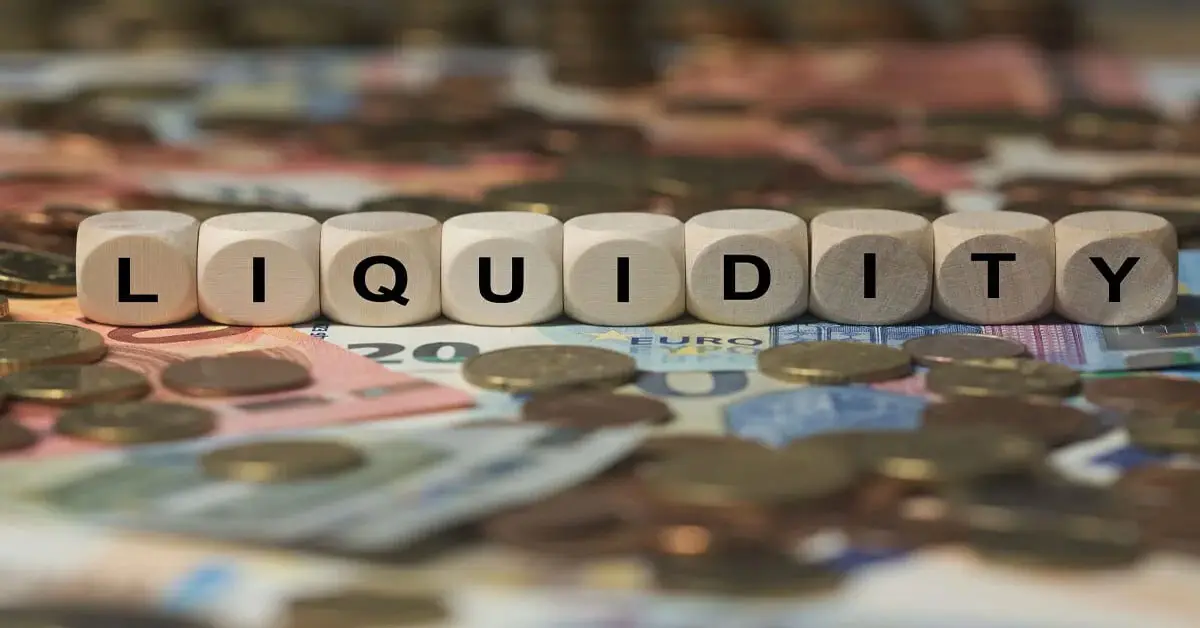
Understanding the Forex Ecosystem: Liquidity, Volatility, and Market Participants សន្ទនីយភាព ឬសាច់ប្រាក់ងាយស្រួល(Liquidity) និងការមានបម្រែបម្រួលខ្ពស់ក្នុងទីផ្សារ (Volatility) នៅក្នុងទីផ្សាររូបិយប័ណ្ណអន្តរជាតិ (Forex) ការមានសន្ទនីយភាព ឬសាច់ប្រាក់ងាយស្រួល(Liquidity) ខ្ពស់មានន័យថា អ្នកអាចផ្លាស់ប្តូរថវិការបស់លោកអ្នកបានយ៉ាងងាយស្រួលភ្លាមៗ។ នេះគឺបណ្តាលមកពីចំនួនអ្នកទិញ ឬអ្នកលក់នៅក្នុងទីផ្សារមានចំនួនច្រើន ហើយអាចអនុញ្ញាតឱ្យអ្នកចូល និងចេញពីផ្សារបានយ៉ាងឆាប់រហ័សក្នុងតម្លៃដែលអ្នកឃើញនៅលើអេក្រង់។ ទន្ទឹមនឹងនេះ បម្រែបម្រួលខ្ពស់ក្នុងទីផ្សារអាចឱ្យតម្លៃមានការផ្លាស់ប្តូរកាន់តែខ្ពស់។ នេះអាចឱ្យអ្នកទទួលបានប្រាក់ចំណេញកាន់តែច្រើន ឬការខាតបង់កាន់តែធំដូចគ្នា។ អ្នកចូលរួមក្នុងទីផ្សារ៖ វិនិយោគិនស្ថាប័ន (អ្នកធំ)៖ រួមមាន ក្រុមហ៊ុនមូលនិធិការពារហានិភ័យ (Hedge Funds) ធនាគារវិនិយោគ និងធនាគារកណ្តាល។ ពួកគេធ្វើពាណិជ្ជកម្មក្នុងបរិមាណដ៏ធំ ហើយអាចប៉ះពាល់យ៉ាងខ្លាំងដល់បម្រែបម្រួលតម្លៃរូបិយប័ណ្ណ។ ឈ្មួញកណ្តាល (a.k.a middleman)៖ ជាឈ្នួញជើងសារកណ្តាលរវាងអ្នកទិញ និងអ្នកលក់ដូចជាក្រុមហ៊ុន អេសធី ម៉ាឃីត។ ពួកគេអាចនឹងផ្តល់អត្ថប្រយោជន៍ជូនទៅដល់អ្នកជួញដូរដូចជា របាយការណ៍ស្រាវជ្រាវ ឧបករណ៍វិភាគ ព្រមទាំងប្រឹក្សាយោបល់ពីអ្នកជំនាញ។ ធនាគារ៖ ធ្វើការផ្លាស់ប្តូរទៅលើគូរូបិយប័ណ្ណ ព្រមទាំងធ្វើជួញដូរជាមួយនឹងពាណិជ្ជកម្មអន្តរជាតិ។ វិនិយោគិនខ្នាតតូច៖ ពាណិជ្ជករដែលជួញដូរដើមទុនខ្នាតតូចមានភាគរយច្រើនអាចនឹងទទួលរងនូវផលប៉ះពាល់ពីទីផ្សារ។ *** សរុបមក សន្ទនីយភាព ឬសាច់ប្រាក់ងាយស្រួលកាន់តែខ្ពស់ ហានិភ័យចំពោះអ្នកជួញដូរក៏កាន់តែខ្ពស់ដូចគ្នា ស្របពេលដែលហានិភ័យរបស់វិនិយោគិនស្ថាប័នអាចនឹងមានកម្រិត។ (English Version) Liquidity and Volatility In the Forex market, having high liquidity means you can easily exchange your money quickly as the market is filled with many buyers and sellers. This allows you to quickly enter and exit positions at the price you see on the screen. Meanwhile, high volatility in the market makes the price fluctuate even more or swing rapidly. This can either lead to a bigger profit or a bigger losses. Different Players/ Market Maker: ***Overall, the higher liquidity, a higher risk for retail investors while institutional investors tend to have a lower risk
The Ultimate Guide to Forex Trading Sessions: Best Times to Trade ទីផ្សាររូបិយប័ណ្ណអន្តរជាតិគឺមានលក្ខណៈពិសេស ប្រតិបត្តិការ 24 ម៉ោងក្នុងមួយថ្ងៃ ប្រាំថ្ងៃក្នុងមួយសប្តាហ៍។ ប៉ុន្តែនោះមិនមានន័យថាម៉ោងទាំងអស់គឺល្អដូចគ្នាសម្រាប់ការជួញដូរនោះទេ។ ដើម្បីក្លាយជាអ្នកជួញដូរដែលទទួលបានជោគជ័យ វាជារឿងសំខាន់ក្នុងការយល់ដឹងពីរបៀបដែលវគ្គ Forex Session ដំណើរការ និងរបៀបដែលវាប៉ះពាល់ដល់ចលនាតម្លៃ និងសន្ទនីយភាព (Liquidity)។ នៅក្នុងអត្ថបទនេះយើងនឹងចូលទៅសិក្សារលំអិតអំពី Forex Trading Session និងពេលវេលាល្អបំផុតក្នុងការជួញដូរ។ តស់ចាប់ផ្តើម! អ្វីទៅជា Trading Session? ទីផ្សារ Forex ដំណើរការតាមរយៈវគ្គជួញដូរសំខាន់ៗចំនួនបួន ដែលត្រូវនឹងមជ្ឈមណ្ឌលហិរញ្ញវត្ថុសំខាន់ៗរបស់ពិភពលោក៖ ទីក្រុងឡុងដ៍ ញូវយ៉ក ស៊ីដនី និងតូក្យូ។ ទីក្រុងទាំងនេះនីមួយៗមានពេលវេលាជាក់លាក់មួយ នៅពេលដែលទីផ្សាររបស់វាសកម្មបំផុត ដែលបង្កើតវគ្គជួញដូរនៅពេលថ្ងៃ។ វគ្គទាំងនេះត្រួតលើគ្នានៅពេលវេលាជាក់លាក់ ដោយផ្តល់ឱកាសពិសេសមួយសម្រាប់ធ្វើការជូញដូរ។ 1. Sydney Session ទីក្រុងស៊ីដនីបើកដើមសប្តាហ៍ទីផ្សារ Forex នៅថ្ងៃចន្ទ។ ខណៈពេលដែលវាត្រូវបានចាត់ទុកថាជាវគ្គដែលមានការប្រែប្រួលតិចតួចបំផុតដោយសារតែបរិមាណជួញដូរទាប វានៅតែអាចបង្ហាញពីឱកាស ជាពិសេសសម្រាប់គូដែលទាក់ទងនឹងប្រាក់ដុល្លារអូស្រ្តាលី និងនូវែលសេឡង់។ 2. Tokyo Session វគ្គជួញដូរនៅទីក្រុងតូក្យូមើលឃើញសកម្មភាពច្រើនជាងទីក្រុងស៊ីដនី និងជាវគ្គជួញដូរធំបំផុតនៅអាស៊ី។ គូ JPY មានសកម្មភាពខ្លាំងក្នុងអំឡុងពេលវគ្គនេះ។ លើសពីនេះ ព័ត៌មានទីផ្សារអាស៊ីមាននិន្នាការប៉ះពាល់ដល់ប្រាក់យ៉េនជប៉ុន និងរូបិយប័ណ្ណអាស៊ីផ្សេងទៀតក្នុងអំឡុងពេលម៉ោងទាំងនេះ។ 3. London Session វគ្គនៅទីក្រុងឡុងដ៍គឺជាកន្លែងដែលសកម្មភាពកើនឡើង។ ក្នុងនាមជាមជ្ឈមណ្ឌលហិរញ្ញវត្ថុដ៏ធំបំផុតមួយ ទីក្រុងឡុងដ៍មើលឃើញចលនាទីផ្សារជាច្រើន និងសម្បូរទៅដោយសន្ទនីយភាព (Liquidity) ខ្ពស់។ អ្នកជួញដូរជាច្រើនចាត់ទុកវគ្គជួញដូរនៅទីក្រុងឡុងដ៍គឺជាពេលវេលាដ៏ល្អបំផុតសម្រាប់ការជួញដូរប្រចាំថ្ងៃ ជាពិសេសសម្រាប់គូរូបិយប័ណ្ណសំខាន់ៗដូចជា GBP/USD និង EUR/USD។ 4. New York Session ជាវគ្គចុងក្រោយនៃថ្ងៃនោះ វគ្គជួញដូរនៅទីក្រុងញូវយ៉កត្រួតលើគ្នាជាមួយទីក្រុងឡុងដ៍រយៈពេលពីរទៅបីម៉ោង ដោយបង្កើតបម្រែបម្រួល និងសន្ទនីយភាព (liquidity) ខ្ពស់ ជាពិសេសសម្រាប់គូរូបិយប័ណ្ណដុល្លារ។ រយៈពេលត្រួតស៊ីគ្នានេះច្រើនតែសកម្មបំផុត ហើយជាពេលវេលាសំខាន់សម្រាប់ពាណិជ្ជករដើម្បីចូលទីផ្សារ ព័ត៌មានសេដ្ឋកិច្ចពីសហរដ្ឋអាមេរិកក៏ជះឥទ្ធិពលយ៉ាងខ្លាំងដល់ចលនាទីផ្សារក្នុងអំឡុងពេលនេះផងដែរ។ ពេលវេលាល្អបំផុតដើម្បីធ្វើការជួញដូរ៖ អំឡុងពេលត្រួតស៊ីគ្នា ខណៈពេលដែលវគ្គនីមួយៗផ្តល់ឱកាសធ្វើការជួញដូរ ពេលវេលាដែលប្រែប្រួលបំផុតគឺនៅពេលដែលវគ្គត្រួតលើគ្នា៖ ពេលវេលាអាក្រក់បំផុតដើម្បីធ្វើការជួញដូរ ខណៈពេលដែលទីផ្សារ Forex បើក 24/5 ពេលខ្លះមិនសូវអំណោយផលសម្រាប់ការជួញដូរដោយសារតែការប្រែប្រួល និងទំហំជួញដូរទាប។ ជាទូទៅ វាជាការល្អក្នុងការជៀសវាងការជួញដូរនៅពេលវេលាខាងក្រោម៖ គន្លឹះសម្រាប់កំណត់ពេលវេលាជួញដូររបស់អ្នក Conclusion ការយល់ដឹងអំពី Forex sessionsគឺមានសារៈសំខាន់សម្រាប់ការជួញដូរប្រកបដោយប្រសិទ្ធភាព។ គន្លឹះសំខាន់គឺថា ខណៈពេលដែលទីផ្សារ Forex ដំណើរការ 24/5 មិនមែនម៉ោងទាំងអស់សុទ្ធតែទទួលបានផលចំណេញស្មើគ្នានោះទេ។ ផ្តោតលើការជួញដូរក្នុងអំឡុងពេលវគ្គត្រួតគ្នា ឬពេលវេលានៃសាច់ប្រាក់ងាយស្រួល និងការប្រែប្រួលខ្ពស់ ដើម្បីបង្កើនឱកាសជោគជ័យរបស់អ្នក។ តាមរយៈការតម្រឹមយុទ្ធសាស្រ្តជួញដូររបស់អ្នកជាមួយនឹងចង្វាក់នៃទីផ្សារ អ្នកអាចធ្វើការសម្រេចចិត្តដែលមានការយល់ដឹងកាន់តែច្រើន និងបង្កើនសក្តានុពលប្រាក់ចំណេញរបស់អ្នក។ (English Version) The Forex market is unique, operating 24 hours a day, five days a week. But that doesn’t mean all hours are equally good for trading. To become a successful trader, it’s important to understand how Forex sessions work and how they impact price movements and liquidity. In this post, we’ll dive into the major Forex trading sessions and explore when the best times to trade are. Let’s get started! What Are Forex Trading Sessions? The Forex market operates through four main trading sessions, corresponding to the world’s major financial hubs: London, New York, Sydney, and Tokyo. Each of these cities has a specific time frame when its market is most active, which creates trading sessions during the day. These sessions overlap at certain times, offering unique trading opportunities. 1. Sydney Session Sydney opens the Forex market week on Monday. While it’s often considered the least volatile session due to lower trading volume, it can still present opportunities, especially for pairs related to the Australian and New Zealand dollars. 2. Tokyo Session The Tokyo session sees more activity than Sydney and is the largest trading session in Asia. The JPY pairs are highly active during this session. Additionally, Asian market news tends to affect the Japanese yen and other Asian currencies during these hours. 3. London Session The London session is where the action really picks up. As one of the biggest financial centers, London sees a lot of market movement and high liquidity. Many traders consider the London session to be the best time for day trading, especially for major currency pairs like GBP/USD and EUR/USD. 4. New York Session As the final session of the day, the New York session overlaps with London for a few hours, creating high volatility and liquidity, particularly for the USD pairs. This overlap period is often the most active and is prime time for traders to enter positions. Economic news from the U.S. also significantly affects market movements during this time. Best Times to Trade: The Overlap Periods While each session offers trading opportunities, the most volatile times are when the sessions overlap: Worst Times to Trade While the Forex market is open 24/5, some times are less favorable for trading due to lower volatility and volume. Generally, it’s wise to avoid trading: Tips for Timing Your Trades Conclusion Understanding Forex sessions is crucial for effective trading. The key takeaway is that while the Forex market runs 24/5, not all hours are equally profitable. Focus on trading during session overlaps or times of high liquidity and volatility to increase your chances of success. By aligning your trading strategy with the rhythm of the market, you can make more informed decisions and potentially increase your profitability.