

លោក Trump បញ្ជាក់ថា អ៊ីរ៉ង់ចង់ចរចា ខណៈអ្នកសម្របសម្រួលកំពុងព្យាយាមស្តារកិច្ចពិភាក្សានុយក្លេអ៊ែរ ស្ថានការណ៍ភូមិសាស្ត្រនយោបាយនៅតែស្ថិតក្នុងការចាប់អារម្មណ៍ បន្ទាប់ពីលោក Donald Trump បានថ្លែងកាលពីម្សិលមិញថា អ៊ីរ៉ង់បានទាក់ទងមកសហរដ្ឋអាមេរិក ដោយប្រាប់អ្នកសារព័ត៌មាននៅលើយន្តហោះ Air Force One អំឡុងពេលចាកចេញពីមូលដ្ឋានទ័ពអាកាស RAF Mildenhall ក្នុងចក្រភពអង់គ្លេសថា «អ៊ីរ៉ង់បានតេមកមុននេះបន្តិច» ហើយថា «ពួកគេចង់ធ្វើកិច្ចព្រមព្រៀងខ្លាំងណាស់»។ ការលើកឡើងនេះធ្វើឡើងមួយថ្ងៃបន្ទាប់ពីលោក Trump បានប្រកាសកាលពីថ្ងៃពុធថា អនុស្សរណៈនៃការយោគយល់គ្នា (MoU) ស្ដីពីបទឈប់បាញ់ជាមួយអ៊ីរ៉ង់ គឺបានបញ្ចប់បន្ទាប់ពីភាពតានតឹងផ្នែកយោធាបានបន្តកើនឡើង។ ទន្ទឹមនឹងនេះ កាលពីម្សិលមិញក៏មានសេចក្តីរាយការណ៍អំពីការវាយប្រហារជុំថ្មីមួយនៅក្នុងប្រទេសអ៊ីរ៉ង់ផងដែរ។ ទោះជាយ៉ាងណា មន្ត្រីសហរដ្ឋអាមេរិកម្នាក់បានបដិសេធថា សហរដ្ឋអាមេរិកមិនមែនជាអ្នកនៅពីក្រោយការវាយប្រហារលើកចុងក្រោយនេះឡើយ។ រហូតមកដល់ពេលនេះ មិនទាន់មានភាគីណាមួយចេញមុខទទួលខុសត្រូវ ហើយអ៊ីរ៉ង់ក៏មិនទាន់បានចោទប្រកាន់ប្រទេសណាមួយជាផ្លូវការនោះដែរ។ ទោះបីជាសកម្មភាពយោធានៅតែបន្តក៏ដោយ កិច្ចខិតខំប្រឹងប្រែងផ្នែកការទូតក៏កំពុងបន្តដំណើរការផងដែរ។ យោងតាម Axios ប្រទេសកាតា ប៉ាគីស្ថាន និងអ្នកសម្របសម្រួលក្នុងតំបន់ផ្សេងទៀត កំពុងព្យាយាមជួយបន្ថយភាពតានតឹងរវាងសហរដ្ឋអាមេរិក និងអ៊ីរ៉ង់ និងស្ដារកិច្ចចរចាលើកិច្ចព្រមព្រៀងនុយក្លេអ៊ែរឡើងវិញ។ ប្រភពដែលដឹងពីដំណើរការចរចាបានឱ្យដឹងថា អ្នកសម្របសម្រួលជឿជាក់ថា ភាគីទាំងពីរបានបង្ហាញវឌ្ឍនភាពគួរឱ្យកត់សម្គាល់ក្នុងជុំចរចាមុនៗ ហើយកំពុងព្យាយាមទប់ស្កាត់មិនឱ្យ MoU ដួលរលំទាំងស្រុង។ បន្ទាប់ពីការវិវត្តចុងក្រោយទាំងនេះ តម្លៃមាសបានងើបឡើងវិញមួយផ្នែកពីការធ្លាក់ចុះកាលពីដើមសប្តាហ៍ ខណៈការរំពឹងទុកថាការចរចានឹងត្រូវបានស្ដារឡើងវិញ បានជួយកាត់បន្ថយក្តីបារម្ភអំពីការរំខានរយៈពេលវែងដល់ការផ្គត់ផ្គង់ប្រេងពិភពលោក។ ការរំពឹងទុកអតិផរណាទាបជាងមុន ក៏បានកាត់បន្ថយការរំពឹងថាធនាគារកណ្តាលអាមេរិក (Fed) នឹងដំឡើងអត្រាការប្រាក់ ដែលបានផ្តល់ការគាំទ្រដល់តម្លៃមាស។ ទីផ្សារការងារអាមេរិកនៅតែបង្ហាញភាពរឹងមាំ បើទោះបីជារបាយការណ៍ Nonfarm Payrolls កាលពីសប្តាហ៍មុនទន់ខ្សោយក៏ដោយ ទិន្នន័យសេដ្ឋកិច្ចចុងក្រោយរបស់សហរដ្ឋអាមេរិកបានបង្ហាញសញ្ញាចម្រុះអំពីស្ថានភាពទីផ្សារការងារ។ ចំនួនអ្នកដាក់ពាក្យសុំប្រាក់ឧបត្ថម្ភអត់ការងារធ្វើដំបូង (Initial Jobless Claims) បានធ្លាក់ចុះមកត្រឹម 215,000 នាក់ ទាបជាងការរំពឹងទុករបស់ទីផ្សារដែលមានចំនួន 218,000 នាក់ និងទាបជាងតួលេខ 217,000 នាក់ កាលពីសប្តាហ៍មុន ដែលបង្ហាញថា ការបញ្ឈប់បុគ្គលិកនៅតែមានកម្រិតទាប ហើយទីផ្សារការងារនៅតែបន្តបង្ហាញភាពរឹងមាំ។ ទិន្នន័យ Initial Jobless Claims ដែលប្រសើរជាងការរំពឹងទុកនេះ បានចេញផ្សាយបន្ទាប់ពីរបាយការណ៍ Nonfarm Payrolls (NFP) កាលពីសប្តាហ៍មុន ដែលបង្ហាញថា កំណើនការជួលបុគ្គលិកបានថមថយខ្លាំងជាងការរំពឹងទុក។ ជារួម ទិន្នន័យទាំងពីរនេះបង្ហាញថា ទោះបីជាល្បឿននៃការបង្កើតការងារថ្មីកំពុងថយចុះក៏ដោយ និយោជកនៅមិនទាន់ចាប់ផ្តើមកាត់បន្ថយបុគ្គលិកក្នុងទ្រង់ទ្រាយធំនៅឡើយទេ។ ជារួម ទិន្នន័យសេដ្ឋកិច្ចចុងក្រោយនេះ ទំនងជាមិនអាចផ្លាស់ប្តូរទស្សនវិស័យគោលនយោបាយរូបិយវត្ថុរបស់ធនាគារកណ្តាលអាមេរិក (Fed) យ៉ាងមានន័យសំខាន់នោះទេ។ ភាពរឹងមាំរបស់ទីផ្សារការងារ គាំទ្រដល់ជំហរប្រុងប្រយ័ត្នរបស់ Fed ខណៈអ្នកកំណត់គោលនយោបាយទំនងជានឹងរង់ចាំភស្តុតាងបន្ថែមដែលបង្ហាញពីការចុះខ្សោយនៃទីផ្សារការងារ និងការធ្លាក់ចុះនៃអតិផរណា មុនពេលពិចារណាបញ្ចុះអត្រាការប្រាក់។ | English Version | Trump Signals Willingness to Negotiate as Mediators Push to Revive U.S.-Iran Nuclear Talks Geopolitical developments remained in focus after President Donald Trump said yesterday that Iran had recently reached out to the United States. Speaking to reporters aboard Air Force One as he departed the U.K.’s RAF Mildenhall Air Base, Trump stated that “Iran called a little while ago” and that “they want to make a deal so badly.” His remarks came a day after he declared on Wednesday that the ceasefire MoU with Iran was effectively over following continued military escalation. Meanwhile, reports emerged yesterday of another round of strikes inside Iran. However, a U.S. official denied that the United States was responsible for the latest attacks. No party has claimed responsibility so far, and Iran has not publicly blamed any specific country. Despite the renewed military activity, diplomatic efforts are continuing behind the scenes. According to Axios, Qatar, Pakistan, and other regional mediators are working with both sides to de-escalate tensions and revive negotiations on a new nuclear agreement. Sources familiar with the talks said mediators believe meaningful progress had been made during previous rounds of negotiations and are aiming to prevent the existing MoU from collapsing completely. Following these developments, gold recovered part of its earlier losses as expectations for renewed negotiations helped reduce concerns over prolonged disruptions to global oil supplies. Lower inflation expectations reduced expectations for further Federal Reserve interest rate hikes, providing support for gold prices. U.S. Labor Market Remains Resilient Despite Last Week’s Weak Nonfarm Payrolls Figure The latest U.S. economic data presented a mixed picture of the labor market. Initial Jobless Claims fell to 215,000, below the market expectation of 218,000 and down from the previous week’s 217,000, indicating that layoffs remain limited and the labor market continues to show resilience. The stronger-than-expected jobless claims data comes after last week’s Nonfarm Payrolls (NFP) report, which showed hiring slowed significantly more than expected. Together, the two reports suggest that while the pace of job creation may be moderating, employers are not yet cutting workers on a large scale. Overall, the latest data is unlikely to materially change the Federal Reserve’s policy outlook. The resilient labor market supports the Fed’s cautious approach to monetary policy, as policymakers are expected to seek further evidence of broader labor market weakness and easing inflation before considering interest rate cuts.
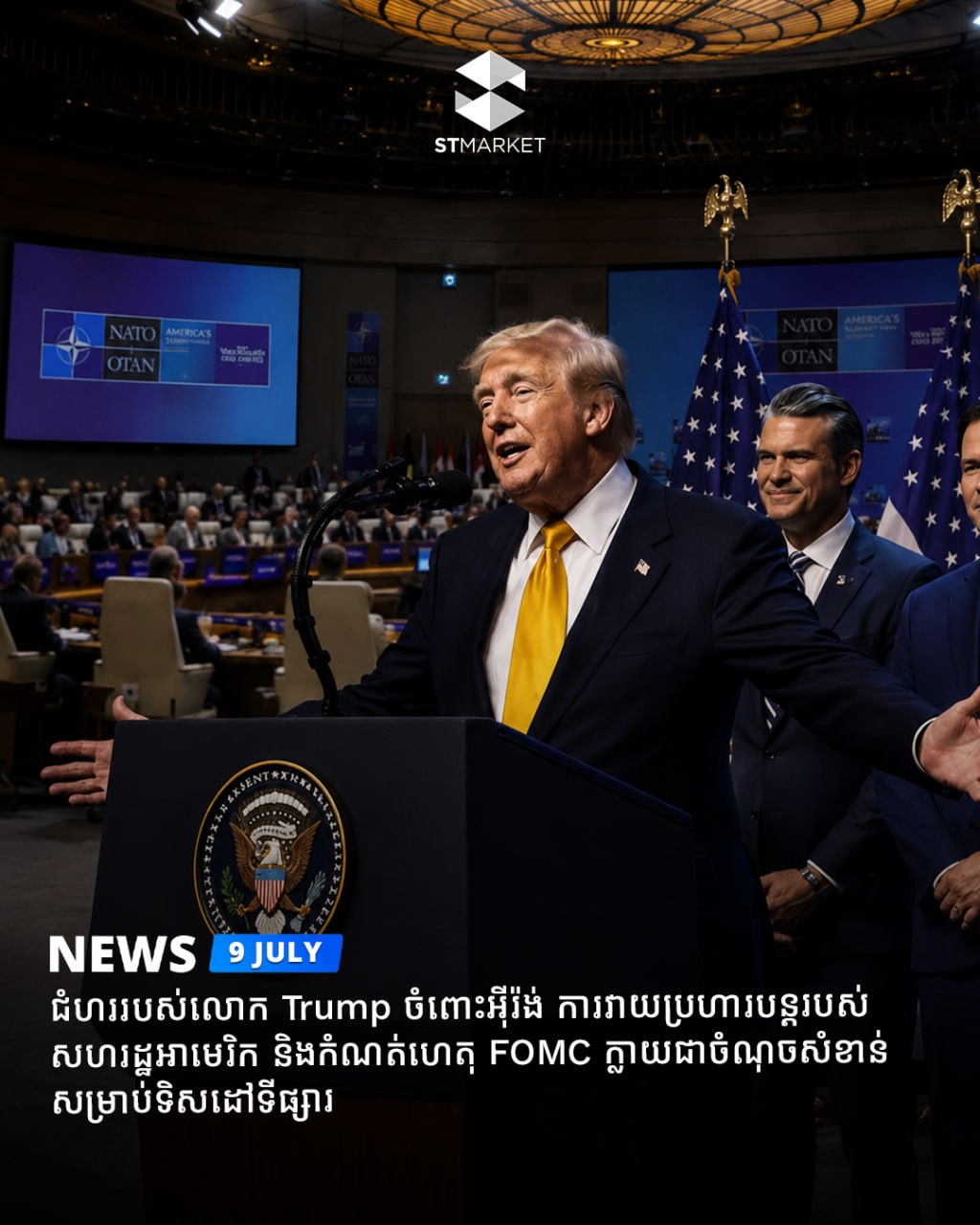
Market Daily Dose: Trump’s Iran Stance, Renewed U.S. Strikes, and FOMC Minutes Shape Market Sentiment
ការលើកឡើងរបស់លោក Trump នៅកិច្ចប្រជុំ NATO និងការវាយប្រហារបន្តរបស់សហរដ្ឋអាមេរិក ដាក់សម្ពាធលើតម្លៃមាស តម្លៃមាសបានរងសម្ពាធ បន្ទាប់ពីប្រធានាធិបតី លោក Donald Trump បានបង្ហាញជំហររឹងមាំជាងមុនចំពោះអ៊ីរ៉ង់ ក្នុងអំឡុងកិច្ចប្រជុំកំពូល NATO ដោយលោកបានថ្លែងថា អនុស្សរណៈយោគយល់គ្នា (MoU) ស្តីពីបទឈប់បាញ់គ្នាគឺ «បានបញ្ចប់ហើយ» បន្ទាប់ពីអ៊ីរ៉ង់ត្រូវបានរាយការណ៍ថា បានវាយប្រហារលើនាវាពាណិជ្ជកម្មចំនួនបីគ្រឿងនៅច្រកសមុទ្រ Hormuz កាលពីដើមសប្តាហ៍នេះ។ លោក Trump ក៏បានបញ្ជាក់ថា លោកលែងមានបំណងចូលរួមការចរចាការទូតជាមួយអ៊ីរ៉ង់ទៀតហើយ ប៉ុន្តែលោកបានបន្ថែមថា លោកមិនរំពឹងថាស្ថានការណ៍នឹងវិវត្តទៅជាសង្គ្រាមពេញលេញនោះទេ។ ក្នុងពេលជាមួយគ្នានេះ សហរដ្ឋអាមេរិកបានបន្តប្រតិបត្តិការយោធាប្រឆាំងនឹងអ៊ីរ៉ង់ជាថ្ងៃទីពីរជាប់ៗគ្នា បន្ទាប់ពីបានវាយប្រហារតាមបណ្តោយឆ្នេរសមុទ្រភាគខាងត្បូងរបស់ប្រទេសអ៊ីរ៉ង់ រួមទាំងទីក្រុង Bandar Abbas ដែលជាកំពង់ផែពាណិជ្ជកម្មធំបំផុតរបស់អ៊ីរ៉ង់ និងជាទីតាំងសំខាន់របស់កងទ័ពជើងទឹក និងកងឆ្មាំបដិវត្តន៍អ៊ីស្លាម (IRGC) នៅច្រកសមុទ្រ Hormuz។ សកម្មភាពយោធាដែលបានបន្តនេះ បានបង្កើនការព្រួយបារម្ភអំពីការរំខានដល់ការផ្គត់ផ្គង់ប្រេងពិភពលោក។ បន្ទាប់ពីការលើកឡើងរបស់លោក Trump និងការបន្តប្រតិបត្តិការយោធា តម្លៃប្រេងបានកើនឡើង ដែលជំរុញឱ្យមានការព្រួយបារម្ភថា ថ្លៃថាមពលខ្ពស់អាចធ្វើឱ្យអតិផរណានៅតែស្ថិតក្នុងកម្រិតខ្ពស់។ កត្តានេះបានជំរុញឱ្យវិនិយោគិនបង្កើនការរំពឹងទុកថា ធនាគារកណ្តាលសហរដ្ឋអាមេរិក (Fed) អាចនឹងរក្សាអត្រាការប្រាក់ឱ្យស្ថិតក្នុងកម្រិតខ្ពស់រយៈពេលយូរជាងមុន ដែលកាត់បន្ថយភាពទាក់ទាញរបស់មាស ដែលជាទ្រព្យដែលមិនផ្តល់ផលចំណេញជាទម្រង់អត្រាការប្រាក់។ ជាលទ្ធផល តម្លៃមាសបានធ្លាក់ចុះ 1.42% គិតត្រឹមម៉ោង 10:12 ព្រឹក (GMT+7) ថ្ងៃទី 9 ខែកក្កដា។ កំណត់ហេតុកិច្ចប្រជុំ FOMC បញ្ជាក់ពីជំហរ “អត្រាការប្រាក់ខ្ពស់រយៈពេលយូរ” របស់ Fed កំណត់ហេតុកិច្ចប្រជុំ FOMC ចុងក្រោយបានបញ្ជាក់ថា ធនាគារកណ្តាលសហរដ្ឋអាមេរិក (Fed) នៅតែប្រុងប្រយ័ត្នចំពោះការបន្ធូរបន្ថយគោលនយោបាយរូបិយវត្ថុ។ ទោះបីជាសមាជិកទាំងអស់បានបោះឆ្នោតជាឯកច្ឆន្ទរក្សាអត្រាការប្រាក់មូលនិធិសហព័ន្ធឱ្យនៅដដែលក៏ដោយ ការពិភាក្សាបានបង្ហាញថា អតិផរណានៅតែជាក្តីបារម្ភចម្បងរបស់គណៈកម្មាធិការ ដោយមន្ត្រីបានលើកឡើងពីសម្ពាធតម្លៃដែលនៅតែបន្តពីពន្ធគយ ថ្លៃថាមពល និងការវិនិយោគខ្លាំងក្នុងវិស័យ AI។ គួរឱ្យកត់សម្គាល់ថា សមាជិកមួយចំនួនបានលើកឡើងថា មានហេតុផលគាំទ្រការដំឡើងអត្រាការប្រាក់ ប៉ុន្តែចុងក្រោយពួកគេនៅតែគាំទ្រការរក្សាអត្រាការប្រាក់ឱ្យនៅដដែលក្នុងកិច្ចប្រជុំនេះ។ ទន្ទឹមនឹងនេះ មន្ត្រីជាច្រើនបានបង្ហាញថា អត្រាការប្រាក់អាចបន្តស្ថិតនៅ ឬខ្ពស់ជាងកម្រិតបច្ចុប្បន្ន ប្រសិនបើអតិផរណានៅតែមានភាពរឹងមាំជាងការរំពឹងទុក ហើយបានបញ្ជាក់ថា ការសម្រេចចិត្តគោលនយោបាយនាពេលអនាគត នឹងពឹងផ្អែកលើទិន្នន័យសេដ្ឋកិច្ចដែលនឹងចេញផ្សាយបន្តទៀត។ ទោះបីជាកំណត់ហេតុកិច្ចប្រជុំមានសារបែបតឹងរឹង (Hawkish) ក៏ដោយ វាមានឥទ្ធិពលតិចតួចលើតម្លៃមាស ព្រោះទីផ្សារបានរំពឹងទុកជាមុនរួចហើយពីជំហរប្រុងប្រយ័ត្នរបស់ Fed បន្ទាប់ពីកិច្ចប្រជុំបានបញ្ចប់កាលពីខែមុន។ ដោយសារមិនមានការភ្ញាក់ផ្អើលផ្នែកគោលនយោបាយ វិនិយោគិនបន្តផ្តោតការយកចិត្តទុកដាក់ទៅលើទិន្នន័យអតិផរណា និងទីផ្សារការងារនាពេលខាងមុខ ដើម្បីស្វែងរកសញ្ញាច្បាស់លាស់អំពីពេលវេលានៃការកែសម្រួលអត្រាការប្រាក់បន្ទាប់។ | English Version | Trump’s NATO Remarks and Renewed U.S. Strikes Pressure Gold Gold came under pressure after President Trump adopted a tougher stance on Iran during the NATO summit, declaring that the ceasefire memorandum of understanding (MoU) was effectively over following Iran’s reported attacks on three commercial vessels in the Strait of Hormuz earlier this week. Trump also stated that he no longer wished to engage with Iran diplomatically, although he added that he does not expect the situation to escalate into a full-scale war. At the same time, the United States continued its military campaign against Iran for a second consecutive day, after carrying out strikes along the country’s southern coast, including Bandar Abbas—home to Iran’s largest commercial port and key naval facilities on the Strait of Hormuz. The renewed military action heightened concerns over potential disruptions to global oil supplies. Oil prices rose following Trump’s remarks and the continued military operations, fueling concerns that higher energy costs could keep inflation elevated. This prompted investors to increase expectations that the Federal Reserve may need to keep interest rates higher for longer, reducing the appeal of non-yielding assets such as gold. As a result, gold fell 1.42% as of 10:12 AM (GMT+7) on 9 July. FOMC Minutes Reinforce the Fed’s Higher-for-Longer Stance The latest FOMC meeting minutes reinforced that the Federal Reserve remains cautious about easing monetary policy. While policymakers unanimously voted to keep the federal funds rate unchanged, discussions revealed that inflation continues to be the Committee’s primary concern, with officials highlighting persistent price pressures from tariffs, energy costs, and strong AI-driven investment. Notably, a few participants stated there was a case for raising interest rates, although they ultimately supported leaving rates unchanged at this meeting. At the same time, many officials indicated that rates could remain at or even above current levels if inflation proves more persistent than expected, while emphasizing that future policy decisions will remain dependent on incoming economic data. Despite the relatively hawkish tone of the minutes, the release had little impact on gold prices, as markets had largely anticipated the Fed’s cautious stance. With no significant policy surprises, investors continue to look toward upcoming inflation and labor market data for clearer signals on the timing of future rate adjustments.

Market Daily Dose: Escalating Strait of Hormuz Tensions and the NATO Summit Drive Market Focus
ភាពតានតឹងកើនឡើងជាថ្មីនៅច្រកសមុទ្រ Hormuz ជំរុញឱ្យតម្លៃប្រេងឡើងថ្លៃ ភាពតានតឹងផ្នែកភូមិសាស្ត្រនយោបាយនៅច្រកសមុទ្រ Hormuz បានកើនឡើងជាថ្មី បន្ទាប់ពីអ៊ីរ៉ង់ត្រូវបានចោទប្រកាន់ថាបានវាយប្រហារលើនាវាពាណិជ្ជកម្មចំនួនបី ដែលកំពុងធ្វើដំណើរនៅក្បែរច្រកសមុទ្រដ៏សំខាន់នេះ រួមទាំងនាវាដឹកឧស្ម័នធម្មជាតិរាវ (LNG) ដែលមានទង់ជាតិកាតា al-Rakiyat ផងដែរ។ ប្រទេសកាតាបានថ្កោលទោសការវាយប្រហារនេះថាជា «ការរំលោភច្បាប់អន្តរជាតិយ៉ាងធ្ងន់ធ្ងរ និងច្បាស់លាស់» ហើយបានអំពាវនាវឱ្យអ៊ីរ៉ង់បញ្ឈប់ជាបន្ទាន់នូវសកម្មភាពដែលគំរាមកំហែងដល់សន្តិសុខក្នុងតំបន់ និងការធ្វើនាវាចរអន្តរជាតិ។ ខណៈដែលប្រព័ន្ធផ្សព្វផ្សាយដែលមានទំនាក់ទំនងជាមួយរដ្ឋអ៊ីរ៉ង់បានរាយការណ៍ថា នាវានេះត្រូវបានវាយប្រហារបន្ទាប់ពីមិនអើពើនឹងការព្រមានជាច្រើនលើក។ ទោះជាយ៉ាងណា អ៊ីរ៉ង់មិនទាន់បានបញ្ជាក់ជាផ្លូវការលើព័ត៌មាននេះនៅឡើយទេ។ ជាការឆ្លើយតប សហរដ្ឋអាមេរិកបានបើកការវាយប្រហារលើយោធាអ៊ីរ៉ង់ ដោយបញ្ជាការកណ្តាលសហរដ្ឋអាមេរិក (U.S. Central Command) បានបញ្ជាក់ថា ប្រតិបត្តិការនេះធ្វើឡើងដើម្បីឆ្លើយតបនឹងការវាយប្រហាររបស់អ៊ីរ៉ង់លើនាវាពាណិជ្ជកម្មទាំងបី។ ជាមួយគ្នានេះដែរ រដ្ឋាភិបាលសហរដ្ឋអាមេរិកក៏បានបង្កើនសម្ពាធសេដ្ឋកិច្ច ដោយលុបចោលការផ្អាកដាក់ទណ្ឌកម្មជាបណ្តោះអាសន្ន ដែលធ្លាប់អនុញ្ញាតឱ្យអ៊ីរ៉ង់នាំចេញប្រេងឆៅ និងផលិតផលប្រេងក្រោមអនុស្សរណៈយោគយល់គ្នា (MoU) រវាងសហរដ្ឋអាមេរិក និងអ៊ីរ៉ង់កាលពីខែមុន។ ក្រុមហ៊ុនដែលពាក់ព័ន្ធត្រូវបញ្ចប់ប្រតិបត្តិការទាំងអស់មុនថ្ងៃទី 17 ខែកក្កដា។ ការវិវឌ្ឍចុងក្រោយនេះបានបង្កើនការព្រួយបារម្ភអំពីការរំខានដល់ការផ្គត់ផ្គង់ថាមពលសកល ខណៈប្រេងប្រមាណមួយភាគប្រាំនៃពិភពលោកត្រូវបានដឹកជញ្ជូនឆ្លងកាត់ច្រកសមុទ្រ Hormuz។ ដោយសារក្តីបារម្ភនេះ តម្លៃប្រេង Brent បានកើនឡើង 5.40% កាលពីថ្ងៃអង្គារ ខណៈ WTI បានកើនឡើង 5.26% ដោយសារវិនិយោគិនបានបញ្ចូលហានិភ័យភូមិសាស្ត្រនយោបាយ និងលទ្ធភាពនៃការរឹតបន្តឹងការផ្គត់ផ្គង់ប្រេងទៅក្នុងការវាយតម្លៃទីផ្សារ។ សេចក្តីសង្ខេបសន្និសីទកំពូល NATO ថ្ងៃទី 1 នៅទីក្រុង Ankara នេះគឺជាថ្ងៃទី 1 នៃសន្និសីទកំពូល NATO ដែលមានរយៈពេលពីរថ្ងៃ។ ផលប៉ះពាល់ដល់ទីផ្សារ៖ ទោះបីជាសន្និសីទនេះទទួលបានការចាប់អារម្មណ៍យ៉ាងខ្លាំងពីទស្សនៈភូមិសាស្ត្រនយោបាយក៏ដោយ ក៏វាមិនមែនជាកត្តាចម្បងដែលជំរុញចលនាតម្លៃមាស និងប្រេងនៅពេលនេះដែរ។ ផ្ទុយទៅវិញ ទីផ្សារកំពុងផ្តោតការយកចិត្តទុកដាក់ទៅលើភាពតានតឹងដែលកំពុងកើនឡើងនៅច្រកសមុទ្រ Hormuz ដែលការវាយប្រហារលើនាវាពាណិជ្ជកម្ម និងការដាក់ទណ្ឌកម្មជាថ្មីរបស់សហរដ្ឋអាមេរិកលើការនាំចេញប្រេងរបស់អ៊ីរ៉ង់ បានបង្កើនក្តីបារម្ភអំពីការផ្គត់ផ្គង់ថាមពលសកល។ សម្រាប់ថ្ងៃទី 2 នៃសន្និសីទ វិនិយោគិនគួរតាមដានការលើកឡើងណាមួយរបស់ លោក Donald Trump ពាក់ព័ន្ធនឹងអ៊ីរ៉ង់ ព្រោះសញ្ញាណណាមួយអំពីការរឹតបន្តឹងទណ្ឌកម្មបន្ថែម ឬការកើនឡើងនៃភាពតានតឹងផ្នែកយោធា អាចប៉ះពាល់ដល់ទិសដៅទីផ្សារ។ ទោះជាយ៉ាងណាក៏ដោយ កំណត់ហេតុកិច្ចប្រជុំ FOMC ដែលនឹងចេញផ្សាយនៅម៉ោង 1:00 ព្រឹក (GMT+7) ថ្ងៃស្អែក ត្រូវបានរំពឹងថានឹងក្លាយជាកត្តាសំខាន់ជាងសម្រាប់ទីផ្សារមាស ខណៈវិនិយោគិនស្វែងរកតម្រុយបន្ថែមអំពីទិសដៅគោលនយោបាយរូបិយវត្ថុរបស់ធនាគារកណ្តាលសហរដ្ឋអាមេរិក (Federal Reserve)។ | English Version | Tensions Escalate Again in the Strait of Hormuz, Sending Oil Prices Higher Geopolitical tensions in the Strait of Hormuz intensified after Iran allegedly attacked three commercial vessels transiting near the strategic waterway, including the Qatari-flagged LNG tanker al-Rakiyat. Qatar condemned the incident as a “grave and explicit violation of international law” and called on Iran to immediately cease actions that threaten regional security and international shipping. While Iranian state-linked media reported that the tanker was struck after allegedly ignoring repeated warnings, no official confirmation was provided by Tehran. In response, the United States launched military strikes against Iranian targets, with U.S. Central Command stating the operation was conducted in retaliation for the attacks on the commercial vessels. Washington also increased economic pressure by revoking its temporary sanctions waiver that had allowed Iranian crude oil and petrochemical exports under last month’s interim U.S.-Iran agreement. Companies have until July 17 to wind down any remaining transactions involving Iranian oil. The renewed conflict has raised concerns over potential disruptions to global energy supplies, as roughly one-fifth of the world’s oil passes through the Strait of Hormuz. Reflecting these fears, Brent crude oil rose 5.40% on Tuesday, while WTI crude gained 5.26%, as traders priced in higher geopolitical risk and the possibility of tighter oil supply. NATO Summit Day 1 in Ankara: Quick Recap This was day one of a two-day summit. Market impact: While the summit has attracted significant geopolitical attention, it has not been the primary driver of gold and oil prices. Instead, markets remain focused on the escalating tensions in the Strait of Hormuz, where attacks on commercial vessels and renewed U.S. sanctions on Iranian oil have increased concerns over global energy supplies. Looking ahead, traders should monitor any comments from President Trump on Iran during the second day of the summit, as any indication of further sanctions or military escalation could influence market sentiment. However, the FOMC Meeting Minutes, scheduled for release at 1:00 AM (GMT+7) tomorrow, are expected to be the more significant catalyst for gold as investors look for further clues on the Federal Reserve’s policy outlook.

Market Daily Dose: U.S.-Iran Negotiations Pause and PMI Data Impact on Gold
ការចរចារវាងសហរដ្ឋអាមេរិក និងអ៊ីរ៉ង់ហាក់ដូចជាកំពុងផ្អាកអំឡុងពិធីបុណ្យសពអតីតមេដឹកនាំកំពូលអ៊ីរ៉ង់ លោក Khamenei ការចរចារវាងសហរដ្ឋអាមេរិក និងអ៊ីរ៉ង់ ហាក់ដូចជាកំពុងផ្អាក ខណៈប្រទេសអ៊ីរ៉ង់កំពុងរៀបចំពិធីបុណ្យសពអតីតមេដឹកនាំកំពូល លោក Ali Khamenei ដែលគ្រោងនឹងប្រព្រឹត្តទៅរហូតដល់ថ្ងៃទី 9 ខែកក្កដា។ ពិធីបុណ្យសពនេះបានក្លាយជានិមិត្តរូបនៃឯកភាពជាតិ ខណៈមន្ត្រីអ៊ីរ៉ង់បានបង្ហាញថា ទីក្រុងតេហេរ៉ង់មិនទាន់ប្រញាប់ប្រញាល់ក្នុងការបន្តការចរចាឡើងវិញនោះទេ ហើយមានបំណងពង្រឹងជំហរយុទ្ធសាស្ត្ររបស់ខ្លួន មុននឹងត្រឡប់ទៅកាន់តុចរចា។ សម្រាប់ទីផ្សារ ចំណុចសំខាន់គឺបទឈប់បាញ់ដែលបានចុះហត្ថលេខាកាលពីខែមុន នៅតែបន្តជួយជំរុញឱ្យតម្លៃប្រេងធ្លាក់ចុះ ដែលរួមចំណែកបន្ធូរសម្ពាធអតិផរណា។ ការធ្លាក់ចុះនៃតម្លៃថាមពលបានកាត់បន្ថយការរំពឹងទុកអំពីការដំឡើងអត្រាការប្រាក់បន្ថែមរបស់ធនាគារកណ្តាលអាមេរិក (Fed) ដោយផ្តល់ការគាំទ្រដល់តម្លៃមាស តាមរយៈការធូរស្រាលនៃសម្ពាធអតិផរណា និងការផ្លាស់ប្តូរការរំពឹងទុកអំពីអត្រាការប្រាក់ ជាជាងការកើនឡើងនៃតម្រូវការទ្រព្យសុវត្ថិភាព (safe-haven asset)។ វិនិយោគិនគួរបន្តតាមដាន ថាតើការចរចារវាងសហរដ្ឋអាមេរិក និងអ៊ីរ៉ង់នឹងចាប់ផ្តើមឡើងវិញ បន្ទាប់ពីពិធីបុណ្យសពបញ្ចប់ដែរឬទេ។ តើទិន្នន័យ PMI កាលពីម្សិលមិញ បង្ហាញអ្វីខ្លះអំពីវិស័យសេវាកម្មរបស់សហរដ្ឋអាមេរិក? ទិន្នន័យ PMI ចុងក្រោយរបស់សហរដ្ឋអាមេរិក បានបង្ហាញរូបភាពចម្រុះ ប៉ុន្តែជារួម វិស័យសេវាកម្មនៅតែមានស្ថិរភាព។ សន្ទស្សន៍ S&P Global Services PMI បានធ្លាក់ចុះបន្តិចមកនៅ 51.2 ពី 51.3 ខណៈ ISM Services PMI ស្ថិតនៅ 54.0 ទាបជាងការរំពឹងទុកបន្តិច ប៉ុន្តែនៅតែបង្ហាញថាវិស័យសេវាកម្មកំពុងបន្តពង្រីកខ្លួន។ ទន្ទឹមនឹងនេះ ISM Services Prices Index បានធ្លាក់ចុះមកនៅ 67.7 ពី 71.3 ដែលបង្ហាញថាសម្ពាធលើថ្លៃដើមរបស់អាជីវកម្មកំពុងថយចុះបន្តិចម្តងៗ ទោះបីជានៅតែស្ថិតក្នុងកម្រិតខ្ពស់ក៏ដោយ។ ជារួម ទិន្នន័យនេះបង្ហាញថា វិស័យសេវាកម្មរបស់សហរដ្ឋអាមេរិកនៅតែមានភាពរឹងមាំ ខណៈសម្ពាធអតិផរណាកំពុងបន្តធូរស្រាល ដែលគាំទ្រដល់ការរំពឹងទុកថា Fed ទំនងជានឹងបន្តរក្សាជំហរអត់ធ្មត់ក្នុងការសម្រេចចិត្តលើគោលនយោបាយអត្រាការប្រាក់។ | English Version | U.S.-Iran Negotiations Appear on Hold During Khamenei Funeral Negotiations between the United States and Iran appear to be on pause as Iran holds funeral ceremonies for former Supreme Leader Ali Khamenei, which are scheduled to run until July 9. The funeral has become a symbolic display of national unity, with Iranian officials signaling that Tehran remains in no rush to resume negotiations and intends to strengthen its strategic position before returning to the negotiating table. For markets, the key takeaway is that the ceasefire signed last month continues to support a decline in oil prices, helping ease inflation pressures. Lower energy costs have reduced expectations of further Federal Reserve rate hikes, providing support for gold through improving inflation dynamics and shifting interest rate expectations rather than renewed safe-haven demand. Investors will be watching closely for any signs that U.S.-Iran negotiations resume once the funeral concludes. What Yesterday’s PMI Data Tells Us about the US Services Sector The latest U.S. PMI data painted a mixed but broadly stable picture of the services sector. The S&P Global Services PMI edged down to 51.2 from 51.3, while the ISM Services PMI came in at 54.0, slightly below expectations but still indicating continued expansion in service-sector activity. Meanwhile, the ISM Services Prices Index eased to 67.7 from 71.3, suggesting that input cost pressures are gradually moderating despite remaining elevated. Overall, the data indicate that the U.S. services sector remains resilient while inflation pressures continue to cool, supporting expectations that the Federal Reserve is likely to maintain a patient approach to interest rate policy.

GOLD Price Direction For July 2026
របាយការណ៍នេះនឹងផ្តល់នូវការវិភាគអំពីកត្តាចម្បងដែលជះឥទ្ធិពលលើតម្លៃមាស ទៅកាន់វិនិយោគិន។ ការបដិសេធ (Disclaimer): ព័ត៌មានទាំងអស់ដែលបង្ហាញគឺសម្រាប់ក្នុងគោលបំណងអប់រំតែប៉ុណ្ណោះ ហើយមិនគួរត្រូវប្រើប្រាស់ជាដំបូន្មានហិរញ្ញវត្ថុ ឬការណែនាំសម្រាប់ការសម្រេចចិត្តលើការជួញដូរ ឬការវិនិយោគនោះទេ។ ការវិភាគបែបសេដ្ឋកិច្ច (Fundamental Analysis) សង្ខេបស្ថានភាពសេដ្ឋកិច្ចប្រចាំខែមិថុនា៖ ខែមិថុនា ឆ្នាំ២០២៦ គឺជាខែដែលមានការប្រែប្រួលដ៏សំខាន់មួយសម្រាប់ទីផ្សារហិរញ្ញវត្ថុពិភពលោក ខណៈការដឹកនាំគោលនយោបាយរូបិយវត្ថុរបស់សហរដ្ឋអាមេរិកបានផ្លាស់ប្តូរ ស្របពេលដែលភាពតានតឹងភូមិសាស្ត្រនយោបាយនៅមជ្ឈិមបូព៌ានៅតែបន្តជះឥទ្ធិពលលើទំនុកចិត្តរបស់វិនិយោគិន។ ពេញមួយខែ ទីផ្សារបានព្យាយាមវាយតម្លៃរវាងជំហរតឹងរ៉ឹងជាងមុនរបស់ធនាគារកណ្តាលសហរដ្ឋអាមេរិក (Fed) និងហានិភ័យអតិផរណាដែលបន្តកើតមានពីការរំខានខ្សែសង្វាក់ផ្គត់ផ្គង់ប្រេង និងជម្លោះភូមិសាស្ត្រនយោបាយ។ ព្រឹត្តិការណ៍សំខាន់មួយក្នុងខែនេះ គឺការតែងតាំងលោក Kevin Warsh ជាប្រធាន Fed ថ្មីជំនួសលោក Jerome Powell។ ក្នុងកិច្ចប្រជុំធនាគារកណ្តាលអាមេរិក (FOMC) លើកដំបូងរបស់លោក Warsh បានបង្ហាញពីការផ្លាស់ប្តូរគួរឱ្យកត់សម្គាល់ចំពោះយុទ្ធសាស្ត្រទំនាក់ទំនងរបស់ Fed ដោយលោកបានលើកឡើងថា Fed នឹងកាត់បន្ថយការផ្តល់ការណែនាំជាមុន (Forward Guidance) ហើយផ្អែកកាន់តែខ្លាំងលើទិន្នន័យសេដ្ឋកិច្ចដែលចេញជាបន្តបន្ទាប់។ ស្របតាមគោលជំហរនេះ លោកក៏មិនបានចូលរួមបោះឆ្នោតលើ Dot Plot របស់គណៈកម្មាធិការផងដែរ។ ទោះបីជាលោក Warsh ប្រកាន់យកការទំនាក់ទំនងដែលមានការប្រុងប្រយ័ត្នជាងមុនក៏ដោយ ក៏ទីផ្សារនៅតែបកស្រាយថា កិច្ចប្រជុំ FOMC ប្រចាំខែមិថុនាមានលក្ខណៈ Hawkish។ ទោះបីជា Fed បានសម្រេចរក្សាអត្រាការប្រាក់នៅកម្រិតដដែលក៏ដោយ Dot Plot ដែលបានធ្វើបច្ចុប្បន្នភាពបង្ហាញថា សមាជិក FOMC ចំនួន 9 នាក់ ក្នុងចំណោម 18 នាក់ រំពឹងថានឹងមានការដំឡើងអត្រាការប្រាក់យ៉ាងហោចណាស់មួយលើកក្នុងឆ្នាំ 2026។ លើសពីនេះ លោក Warsh ក៏បានទទួលស្គាល់ថា អតិផរណានៅតែខ្ពស់ជាងគោលដៅ 2% របស់ Fed ខណៈទីផ្សារការងារអាមេរិកនៅតែមានភាពរឹងមាំ ដែលពង្រឹងការរំពឹងថា គោលនយោបាយរូបិយវត្ថុតឹងរ៉ឹងអាចនឹងបន្តអូសបន្លាយរយៈពេលវែងជាងការរំពឹងទុក។ ជាលទ្ធផល ទីផ្សារបានកែសម្រួលការរំពឹងទុកចំពោះអត្រាការប្រាក់ឡើងវិញ ដោយកាត់បន្ថយការរំពឹងថា Fed នឹងបញ្ចុះអត្រាការប្រាក់ក្នុងពេលឆាប់ៗនេះ។ ទន្ទឹមនឹងនេះ ការវិវត្តផ្នែកភូមិសាស្ត្រនយោបាយក៏នៅតែជាកត្តាសំខាន់មួយដែលជះឥទ្ធិពលដល់ទំនុកចិត្តទីផ្សារ។ ទោះបីជាសហរដ្ឋអាមេរិក និងអ៊ីរ៉ង់បានចុះហត្ថលេខាលើអនុស្សរណៈយោគយល់ (MoU) ដើម្បីបន្តបទឈប់បាញ់រយៈពេល 60 ថ្ងៃបន្ថែមទៀតក៏ដោយ ភាពតានតឹងនៅក្នុងតំបន់នៅតែបន្ត ខណៈការប៉ះទង្គិច និងការផ្លាស់ប្តូរការបាញ់ប្រហារនៅតែកើតមាន។ ក្នុងពេលជាមួយគ្នានេះ ច្រកសមុទ្រ Hormuz នៅតែបិទ ដែលបន្តបង្កការព្រួយបារម្ភអំពីការផ្គត់ផ្គង់ថាមពលសកល ទោះបីជាតម្លៃប្រេងបានធ្លាក់ចុះក្នុងអំឡុងខែមិថុនាក៏ដោយ។ ការរួមបញ្ចូលគ្នារវាងភាពមិនច្បាស់លាស់ផ្នែកភូមិសាស្ត្រនយោបាយ និងហានិភ័យអតិផរណាពីផ្នែកផ្គត់ផ្គង់ បានបន្តដាក់សម្ពាធលើការរំពឹងទុករបស់ទីផ្សារ។ នៅក្រោមបរិយាកាសដែល Fed នៅតែមានជំហរតឹងរ៉ឹង និងក្តីបារម្ភអំពីអតិផរណានៅតែបន្ត មាសបានបញ្ចប់ខែមិថុនាជាមួយនឹងការធ្លាក់ចុះ 11.35% ដែលជាការធ្លាក់ចុះប្រចាំខែជាប់គ្នាលើកទី 4 ចាប់តាំងពីខែមីនា។ ការកើនឡើងនៃការរំពឹងទុកអំពីអត្រាការប្រាក់ពិតប្រាកដ (Real Interest Rates) និងការឡើងថ្លៃនៃប្រាក់ដុល្លារអាមេរិក បានកាត់បន្ថយតម្រូវការវិនិយោគលើទ្រព្យដែលមិនផ្តល់ផលចំណេញជាអត្រាការប្រាក់ (Non-yielding Assets) ដូចជាមាស។ ក្រៅពីសហរដ្ឋអាមេរិក ប្រាក់យ៉េនរបស់ជប៉ុនក៏ជារូបិយប័ណ្ណមួយដែលគួរឱ្យចាប់អារម្មណ៍ផងដែរ ដោយរូបិយប័ណ្ណនេះបានធ្លាក់ចុះដល់កម្រិតទាបបំផុតក្នុងរយៈពេលប្រមាណ 40 ឆ្នាំ។ ទោះបីជា ធនាគារកណ្តាលជប៉ុន (BoJ) បានដំឡើងអត្រាការប្រាក់ពី 0.75% ទៅ 1.00% ក្នុងខែមិថុនាក៏ដោយ ការសម្រេចចិត្តនេះមិនអាចជួយពង្រឹងប្រាក់យ៉េនបានច្រើននោះទេ ខណៈគូរូបិយប័ណ្ណ USD/JPY នៅតែជួញដូរនៅជិតកម្រិត 160។ អាជ្ញាធរជប៉ុនក៏បានធ្វើអន្តរាគមន៍ក្នុងទីផ្សារប្តូរប្រាក់បរទេស ដោយលក់ទ្រព្យសកម្មដែលមានមូលដ្ឋានជាប្រាក់ដុល្លារ ដើម្បីទិញប្រាក់យ៉េន ប៉ុន្តែវិធានការនេះបានផ្តល់ផលវិជ្ជមានត្រឹមរយៈពេលខ្លីប៉ុណ្ណោះ។ បញ្ហាសំខាន់នៅតែជាគម្លាតអត្រាការប្រាក់ដ៏ធំរវាងជប៉ុន និងសហរដ្ឋអាមេរិក ដោយអត្រាការប្រាក់របស់ Fed ស្ថិតនៅចន្លោះ 3.50%–3.75% ខណៈ BoJ មានត្រឹម 1.00% ប៉ុណ្ណោះ។ គម្លាតអត្រាការប្រាក់នេះបានបន្តគាំទ្រដល់ការឡើងថ្លៃនៃប្រាក់ដុល្លារអាមេរិក និងបង្កើនសម្ពាធបន្ថែមលើទ្រព្យសកម្មដែលកំណត់តម្លៃជាប្រាក់ដុល្លារ ដូចជាមាស។ ការសម្រេចអត្រាការប្រាក់របស់ធនាគារកណ្តាលអាមេរិកនៅខែនេះ តើកត្តាអ្វីខ្លះគួរត្រូវបានពិចារណាមុនការសម្រេចអត្រាការប្រាក់របស់សហរដ្ឋអាមេរិកនៅខែនេះ? ទីផ្សារការងារ៖ សប្តាហ៍មុន ទិន្នន័យ Nonfarm Payrolls បានចេញមកត្រឹម 57,000 ដែលទាបជាងការព្យាករណ៍ 114,000 យ៉ាងច្រើន។ នេះបង្ហាញថា ទីផ្សារការងារអាចកំពុងមានសញ្ញាថយចុះ និងកំពុងកើនឡើងក្នុងអត្រាដែលយឺតជាងការរំពឹងទុក។ ជាទូទៅ ទីផ្សារការងារដែលខ្សោយជាងមុនអាចជំរុញឲ្យ Fed ពិចារណាកាត់បន្ថយអត្រាការប្រាក់ ដើម្បីជំរុញសកម្មភាពសេដ្ឋកិច្ច និងការបង្កើតការងារ។ អតិផរណា (Inflation): អតិផរណាបច្ចុប្បន្នស្ថិតនៅកម្រិត 4.2% ដោយផ្អែកលើទិន្នន័យ CPI ដែលបានចេញផ្សាយកាលពីខែមុន។ ទោះជាយ៉ាងណា នៅតែមិនទាន់ច្បាស់ថា CPI ក្នុងខែនេះនឹងកើនឡើង ឬថយចុះមុនកិច្ចប្រជុំ FOMC នៅចុងខែនេះ។ គួរបញ្ជាក់ថា លោក Kevin Warsh បានលើកឡើងនៅក្នុងវេទិកាបស់ធនាគារកណ្តាលអឺរ៉ុប (ECB Forum) ថា អតិផរណាកំពុងមានសញ្ញាថយចុះ។ ដូច្នេះ មានលទ្ធភាពថា CPI អាចចេញមកទាបជាងកម្រិត 4.2% របស់ខែមុន។ ជាទូទៅ Fed អាចនឹងបន្តរក្សាអត្រាការប្រាក់នៅកម្រិតបច្ចុប្បន្ន ប៉ុន្តែសម្លេង និងជំហររបស់ Fed និងលោក Kevin Warsh នឹងក្លាយជាកត្តាសំខាន់ដែលកំណត់ទិសដៅទីផ្សារ។ ប្រសិនបើជំហរតឹងរ៉ឹង (Hawkish) បន្ថយ ឬទន់ខ្សោយ អាចជំរុញឲ្យមាសកើនឡើង។ ប៉ុន្តែបើ Fed នៅតែរក្សាជំហរតឹងរ៉ឹង មាសអាចបន្តធ្លាក់ចុះ ដោយសារទីផ្សារបន្តដាក់តម្លៃលើលទ្ធភាពដំឡើងអត្រាការប្រាក់នៅពេលក្រោយក្នុងឆ្នាំនេះ។ CME FedWatch Tool បង្ហាញថា មានប្រូបាប៊ីលីតេ 78.1% ដែល Fed នឹងរក្សាអត្រាការប្រាក់នៅកិច្ចប្រជុំនេះ ខណៈឱកាសនៃការដំឡើងអត្រាការប្រាក់កើនឡើងចាប់ពីខែកញ្ញាទៅមុខ។ កិច្ចប្រជុំនាពេលខាងមុខនេះក៏ជាកិច្ចប្រជុំ FOMC លើកដំបូងដែលដឹកនាំដោយលោក Kevin Warsh បន្ទាប់ពីការតែងតាំងជាប្រធានធនាគារកណ្តាលអាមេរិកកាលពីខែឧសភា ឆ្នាំ២០២៦។ ទោះបីការសម្រេចគោលនយោបាយរូបិយវត្ថុនៅតែផ្អែកលើទិន្នន័យសេដ្ឋកិច្ចក៏ដោយ វិនិយោគិននឹងតាមដានយ៉ាងយកចិត្តទុកដាក់លើសេចក្តីថ្លែងការណ៍គោលនយោបាយ ការព្យាករណ៍សេដ្ឋកិច្ច និងសន្និសីទសារព័ត៌មាន ដើម្បីស្វែងរកសញ្ញាអំពីរបៀបដែលថ្នាក់ដឹកនាំថ្មីអាចដោះស្រាយបញ្ហាអតិផរណា អត្រាការប្រាក់ និងទិសដៅគោលនយោបាយនាពេលអនាគត។ យោងតាមការកំណត់តម្លៃទីផ្សារបច្ចុប្បន្នដែលបង្ហាញដោយឧបករណ៍ CME FedWatch Tool វិនិយោគិនជាទូទៅរំពឹងថាធនាគារកណ្តាលអាមេរិកនឹងរក្សាអត្រាការប្រាក់បច្ចុប្បន្នក្នុងរយៈពេលខ្លី ដោយការសម្រេចចិត្តនាពេលអនាគតនឹងពឹងផ្អែកយ៉ាងខ្លាំងលើទិន្នន័យអតិផរណា និងទីផ្សារការងារដែលនឹងចេញផ្សាយបន្តទៀត។ តើធនាគារកណ្តាលនឹងបន្តគាំទ្រមាសដែរឬទេ? មួយក្នុងចំណោមប្រធានបទសំខាន់ៗដែលគួរតែតាមដានក្នុងខែកក្កដា គឺថា តើធនាគារកណ្តាលនៅតែបន្តទិញមាសក្នុងអត្រាដូចបច្ចុប្បន្នឬអត់។ ទុនបម្រុងមាសរបស់វិស័យផ្លូវការបានឡើងដល់កម្រិតខ្ពស់បំផុតចាប់តាំងពីឆ្នាំ 1975 ដែលឆ្លុះបញ្ចាំងពីការផ្លាស់ប្តូររចនាសម្ព័ន្ធក្នុងការគ្រប់គ្រងទុនបម្រុងសកល។ ទិន្នន័យស្ទង់មតិថ្មីពី World Gold Council បង្ហាញថា 89% នៃធនាគារកណ្តាលរំពឹងថា ទុនបម្រុងមាសសកលនឹងបន្តកើនឡើងក្នុងរយៈពេល 12 ខែខាងមុខ ខណៈជិតពាក់កណ្តាលរំពឹងថានឹងបន្ថែមទុនបម្រុងមាសរបស់ខ្លួនផ្ទាល់ផងដែរ។ នៅពេលដូចគ្នា អ្នកឆ្លើយតបជាច្រើនក៏រំពឹងថា នឹងមានការកាត់បន្ថយទុនបម្រុងប្រាក់ដុល្លារអាមេរិកបន្តិចម្តងៗក្នុងរយៈពេលប៉ុន្មានឆ្នាំខាងមុខ ដែលបង្ហាញពីនិន្នាការបង្វែរ (Diversification) ទុនបម្រុងបន្ត។ ការផ្លាស់ប្តូរនេះត្រូវបានជំរុញដោយកត្តាសំខាន់ 2 ប្រការ។ ទីមួយ មាសនៅតែជាទ្រព្យសុវត្ថិភាព (Safe-haven asset) សម្រាប់រយៈពេលវែង ក្នុងអំឡុងពេលមានភាពមិនប្រាកដប្រជាផ្នែកភូមិសាស្ត្រនយោបាយ និងសេដ្ឋកិច្ច។ ទីពីរ ការប្រើប្រាស់វិធានការដាក់ទណ្ឌកម្មហិរញ្ញវត្ថុដោយសហរដ្ឋអាមេរិក និងសហភាពអឺរ៉ុបក្នុងរយៈពេលប៉ុន្មានឆ្នាំចុងក្រោយ បានបង្កើនការចាប់អារម្មណ៍លើមាស ព្រោះវាជាទ្រព្យសដែលអាចរក្សាទុកក្នុងប្រទេស និងពិបាកក្នុងការដាក់ទណ្ឌកម្មពីខាងក្រៅ។ គិតត្រឹមដើមឆ្នាំ 2026 ប្រទេសប៉ូឡូញបាននាំមុខក្នុងការទិញមាសជាមួយ 64 តោន បន្ទាប់មកគឺអ៊ូសបេគីស្ថាន (33 តោន), ចិន (25 តោន) និងកាហ្សាក់ស្ថាន (20 តោន)។ ទោះបីជាអត្រាការប្រាក់ខ្ពស់នៅសហរដ្ឋអាមេរិកអាចបន្តដាក់សម្ពាធលើតម្លៃមាសក្នុងរយៈពេលខ្លីក៏ដោយ ការទិញមាសជាបន្តរបស់ធនាគារកណ្តាលនៅតែជាកត្តាគាំទ្ររចនាសម្ព័ន្ធដ៏សំខាន់ ដែលវិនិយោគិនគួរតែបន្តតាមដានក្នុងខែកក្កដា។ ការចរចារវាងសហរដ្ឋអាមេរិក និងអ៊ីរ៉ង់ និងច្រកសមុទ្រ Hormuz ការវិវត្តន៍ផ្នែកភូមិសាស្ត្រនយោបាយនៅតំបន់មជ្ឈិមបូព៌ា នឹងនៅតែជាប្រធានបទសំខាន់មួយសម្រាប់ទីផ្សារក្នុងខែកក្កដា។ ទោះបីជាសហរដ្ឋអាមេរិក និងអ៊ីរ៉ង់បានចុះហត្ថលេខាលើអនុស្សរណៈយោគយល់ (MoU) ដើម្បីបន្តបទឈប់បាញ់រយៈពេល 60 ថ្ងៃបន្ថែមក៏ដោយ ការចរចានៅតែស្ថិតក្នុងស្ថានភាពមិនទាន់បានដោះស្រាយពេញលេញ។ ភាគីទាំងពីរនៅតែមានការខ្វែងគំនិតលើបញ្ហាសំខាន់ៗមួយចំនួន ជាពិសេសការបើកច្រកសមុទ្រ Hormuz ឡើងវិញទាំងស្រុង និងអនាគតនៃកម្មវិធីនុយក្លេអ៊ែររបស់អ៊ីរ៉ង់។ ទោះបីជាការថយចុះភាពតានតឹងបានជួយឲ្យតម្លៃប្រេងធ្លាក់ចុះក្នុងខែមិថុនាក៏ដោយ ច្រកសមុទ្រ Hormuz នៅតែមិនទាន់បានបើកឡើងវិញពេញលេញទេ។ ក្នុងនាមជាផ្លូវដឹកជញ្ជូនថាមពលសំខាន់បំផុតមួយរបស់ពិភពលោក ការរាំងស្ទះណាមួយរយៈពេលវែង អាចបន្តបង្កហានិភ័យកើនឡើងទៅលើតម្លៃថាមពល និងអតិផរណាសកល។ សម្រាប់វិនិយោគិន ការវិវត្តន៍បន្ថែមទៀតក្នុងការចរចានឹងត្រូវបានតាមដានយ៉ាងជិតស្និទ្ធ ព្រោះការរាំងស្ទះផ្គត់ផ្គង់ឡើងវិញអាចធ្វើឲ្យអតិផរណាកើនឡើងវិញ និងពង្រឹងការរំពឹងថា ធនាគារកណ្តាលសហរដ្ឋអាមេរិកនឹងរក្សាអត្រាការប្រាក់ខ្ពស់រយៈពេលវែង។ នៅក្នុងបរិយាកាសទីផ្សារបច្ចុប្បន្ន ការវិវត្តន៍ផ្នែកភូមិសាស្ត្រនយោបាយទាំងនេះនឹងជះឥទ្ធិពលដល់តម្លៃមាសតាមរយៈការផ្លាស់ប្តូរការរំពឹងទុកអត្រាការប្រាក់ជាចម្បង ជាជាងតម្រូវការទ្រព្យសុវត្ថិភាពបែបប្រពៃណី។ ទស្សនវិស័យតម្លៃមាសសម្រាប់ខែកក្កដា៖ កត្តាសេដ្ឋកិច្ចសំខាន់ៗ កត្តាគាំទ្រតម្លៃមាស៖ មាសបានបង្ហាញសញ្ញាថាកំពុងរកបានកម្រិតគាំទ្រក្នុងរយៈពេលខ្លី ខណៈទីផ្សារចាប់ផ្តើមវាយតម្លៃឡើងវិញលើទស្សនវិស័យគោលនយោបាយរូបិយវត្ថុរបស់សហរដ្ឋអាមេរិក។ ទិន្នន័យសេដ្ឋកិច្ចថ្មីៗបង្ហាញថា ទីផ្សារការងារអាមេរិកអាចកំពុងថយចុះបន្តិច ដោយ Nonfarm Payrolls ចេញមកទាបជាងការរំពឹងទុកយ៉ាងច្រើន។ ក្នុងពេលដូចគ្នា ប្រធានធនាគារកណ្តាល លោក Kevin Warsh បានលើកឡើងនៅ ECB Forum ថា អតិផរណាកំពុងបង្ហាញសញ្ញាថយចុះ ទោះបីជានៅតែខ្ពស់ជាងគោលដៅ 2% របស់ Fed ក៏ដោយ។ កត្តាទាំងនេះរួមគ្នាបានធ្វើឲ្យវិនិយោគិនជឿថា Fed អាចនឹងក្លាយជាមានជំហរតឹងរ៉ឹងតិចជាងមុន (Less hawkish) ទោះបីជានៅមិនទាន់ឈានទៅរកគោលនយោបាយបន្ធូរបន្ថយ (Dovish) ក្នុងរយៈពេលខ្លីក៏ដោយ។ ការផ្លាស់ប្តូរការរំពឹងទុកនេះបានជួយឲ្យមាសមានស្ថេរភាពនៅជុំវិញកម្រិត $4,100 បន្ទាប់ពីការធ្លាក់ចុះជាប់គ្នា 4 ខែ។ បន្ថែមពីលើនេះ ការទិញមាសបន្តរបស់ធនាគារកណ្តាលនៅតែជាកត្តាគាំទ្ររចនាសម្ព័ន្ធសំខាន់ ដែលឆ្លុះបញ្ចាំងពីនិន្នាការបង្វែរទុនបម្រុង និងតួនាទីរបស់មាសជាទ្រព្យរក្សាតម្លៃរយៈពេលវែង។ កត្តាគាំទ្រតម្លៃមាស៖ ទោះបីជាមានសញ្ញាថា Fed អាចក្លាយជាមានជំហរតឹងរ៉ឹងតិចជាងមុនក៏ដោយ អត្រាការប្រាក់នៅតែត្រូវបានរំពឹងថានឹងនៅកម្រិតខ្ពស់ ដោយសារអតិផរណានៅតែខ្ពស់ជាងគោលដៅ 2%។ នេះបន្តគាំទ្រប្រាក់ដុល្លារអាមេរិក និងបង្កើនថ្លៃឱកាសនៃការកាន់កាប់ទ្រព្យដែលមិនផ្តល់ផលចំណេញជាអត្រាការប្រាក់ ដូចជាមាស។ ទន្ទឹមនឹងនេះ ការវិវត្តន៍ភូមិសាស្ត្រនយោបាយរវាងសហរដ្ឋអាមេរិក និងអ៊ីរ៉ង់នៅតែជាហានិភ័យសំខាន់ដែលត្រូវតាមដាន។ ទោះបីជាការចរចាបានមានវឌ្ឍនភាពក៏ដោយ ច្រកសមុទ្រ Hormuz នៅតែមិនទាន់បើកឡើងវិញពេញលេញ។ ការរាំងស្ទះផ្គត់ផ្គង់ណាមួយអាចបង្កសម្ពាធឲ្យតម្លៃថាមពលកើនឡើងវិញ បង្កការព្រួយបារម្ភអំពីអតិផរណា និងពង្រឹងការរំពឹងថា Fed នឹងរក្សាអត្រាការប្រាក់ខ្ពស់រយៈពេលវែង។ នៅក្នុងបរិយាកាសទីផ្សារបច្ចុប្បន្ន កត្តាអតិផរណា និងការរំពឹងទុកអត្រាការប្រាក់នឹងមានឥទ្ធិពលលើតម្លៃមាសខ្លាំងជាងភាពតានតឹងភូមិសាស្ត្រនយោបាយតាមបែបប្រពៃណី។ ដូច្នេះ ទិន្នន័យអតិផរណារបស់សហរដ្ឋអាមេរិកសម្រាប់ខែកក្កដា កិច្ចប្រជុំ FOMC និងការវិវត្តន៍នៅមជ្ឈិមបូព៌ា នឹងជាកត្តាសំខាន់ដែលកំណត់ទិសដៅតម្លៃមាសក្នុងខែនេះ។ ការវិភាគបច្ចេកទេស ទិដ្ឋភាពទូទៅនៃទីផ្សារមាស — ខែកក្កដា ឆ្នាំ 2026 បច្ចុប្បន្ន មាសកំពុងជួញដូរនៅតម្លៃ 4,163.00 ដុល្លារ ស្ថិតនៅក្នុងលំហូរឡើង ។ គំនូសតាងបង្ហាញពីសម្ពាធនៃការទិញយ៉ាងខ្លាំង ដែលយើងអាចមើលឃើញថាផ្សារនៅផ្នែកខាងលើនៃ Point Of Control សប្តាហ៍មុននៅតម្លៃ 4,063។ តំបន់បច្ចេកទេសសំខាន់ៗ យុទ្ធសាស្ត្រជួញដូរ | English Version | This report provides an analysis of the primary factors influencing gold prices, offering insights for investors. Disclaimer: All information presented is for educational purposes only and should not be interpreted as financial advice or a recommendation for trading or investment decisions. Fundamental Analysis Recap of June: June 2026 marked a significant turning point for global financial markets as monetary policy leadership in the United States shifted while geopolitical tensions in the Middle East continued to influence investor sentiment. Markets spent much of the month balancing the implications of a more hawkish Federal Reserve against persistent inflation risks stemming from ongoing supply disruptions and regional conflict. A major development during the month was the appointment of Kevin Warsh as the new Chair of the Federal Reserve, succeeding Jerome Powell. At his first FOMC meeting, Warsh signaled a notable shift in the Fed’s communication strategy, stating that policymakers would provide less forward guidance and instead place greater emphasis on incoming economic data. Consistent with this approach, he also chose not to participate in the Committee’s dot plot projections. Despite Warsh’s more restrained communication, the June FOMC meeting was widely interpreted as hawkish. Although policymakers left interest rates unchanged, the updated dot plot showed that nine of the eighteen FOMC participants expected at least one interest rate hike in 2026. Warsh also acknowledged that inflation remained above the Federal Reserve’s 2% target while the US labor market continued to demonstrate resilience, reinforcing the view that restrictive monetary policy could remain in place for longer. As a result, markets repriced interest rate expectations, reducing the likelihood of near-term policy easing. Geopolitical developments also remained an important driver of market sentiment. Although the United States and Iran signed a memorandum of understanding to extend the existing ceasefire for another 60 days, tensions in the region persisted as exchanges of fire continued. Meanwhile, the Strait of Hormuz remained closed, sustaining concerns over global energy supply despite oil prices easing during the month. This combination of ongoing geopolitical uncertainty and potential supply-side inflation pressures continued to weigh on market expectations. Against this backdrop of a hawkish Federal Reserve and lingering inflation concerns, gold experienced another challenging month. The precious metal closed June down 11.35%, marking its fourth consecutive monthly decline since March as higher real interest rate expectations and a stronger US dollar reduced demand for non-yielding assets. Outside the United States, the Japanese yen remained one of the weakest major currencies, falling to levels not seen in approximately four decades. Although the Bank of Japan raised its policy interest rate from 0.75% to 1.00% during June, the move had little lasting impact as USD/JPY continued trading near the 160 level. Japanese authorities also intervened in the foreign exchange market by selling US dollar-denominated assets to purchase yen, but these measures provided only temporary support. The primary challenge remained the substantial interest rate differential between Japan and the United States, with the Federal Reserve maintaining policy rates at 3.50%–3.75%. This persistent yield gap continued to support US dollar strength, creating additional headwinds for dollar-denominated assets such as gold. Upcoming Federal Interest Rate Decision What factors should be considered before the upcoming U.S. interest rate decision later this month? Labor Market: Last week’s Nonfarm Payrolls came in at 57k, significantly lower than the 114k
Market Daily Dose: Nonfarm Payrolls Impact on Gold Prices Overnight
ភាពខ្សោយនៃទីផ្សារការងារជំរុញឱ្យមានការកែប្រែការរំពឹងទុករបស់ទីផ្សារលើអត្រាការប្រាក់របស់ធនាគារកណ្តាលអាមេរិក (Fed) ទិន្នន័យទីផ្សារការងារសហរដ្ឋអាមេរិកដែលបានចេញផ្សាយកាលពីយប់មិញ បង្ហាញសញ្ញាថាទីផ្សារការងារកំពុងមានការថយចុះ។ អត្រាអត់ការងារ (unemployment rate) ប្រាក់ឈ្នួលមធ្យមក្នុងមួយម៉ោង (average hourly earnings) និងចំនួនអ្នកដាក់ពាក្យសុំអត្ថប្រយោជន៍អត់ការងារដំបូង (initial jobless claims) សុទ្ធតែចេញមកស្របតាមការរំពឹងទុកទូទៅ។ ទោះជាយ៉ាងណា ចំណុចដែលភ្ញាក់ផ្អើលបំផុតគឺទិន្នន័យ Nonfarm Payrolls (NFP) ដែលចេញត្រឹម 57k ប្រៀបធៀបនឹងការរំពឹងទុក 114k ទាបជាងការព្យាករណ៍យ៉ាងខ្លាំង។ ការកើនឡើងការងារដែលខ្សោយជាងការរំពឹងទុកនេះ បានធ្វើឱ្យទីផ្សារកាត់បន្ថយការរំពឹងទុកចំពោះការបន្តរឹតបន្តឹងគោលនយោបាយរូបិយវត្ថុរបស់ Fed ក្នុងឆ្នាំនេះ ដោយសារវាបង្ហាញពីសន្ទុះសេដ្ឋកិច្ចកំពុងថយចុះក្នុងទីផ្សារការងារ។ នៅដើមសប្តាហ៍នេះ ទិន្នន័យ ADP Nonfarm Employment Change ដែលវាស់វែងការបង្កើតការងារនៅវិស័យឯកជន ក៏ចេញទាបជាងការរំពឹងទុកផងដែរ ដោយស្ថិតនៅ 98k ប្រៀបធៀបនឹង 118k ដែលគេរំពឹងទុក បន្ថែមការគាំទ្រទស្សនៈថាកំណើនការងារកំពុងថយចុះជាបន្តបន្ទាប់។ គួរបញ្ជាក់ថា ប្រធានធនាគារកណ្តាលអាមេរិក លោក Kevin Warsh បានលើកឡើងនៅក្នុងវេទិការបស់ធនាគារកណ្តាលអឺរ៉ុប (ECB Forum) កាលពីថ្ងៃពុធ ថា ហានិភ័យអតិផរណាបានថយចុះក្នុងប៉ុន្មានសប្តាហ៍ថ្មីៗនេះ ដោយមានការគាំទ្រពីការធ្លាក់ចុះតម្លៃប្រេង បន្ទាប់ពីការវិវត្តពាក់ព័ន្ធនឹងការចុះហត្ថលេខាអនុស្សរណៈយោគយល់ (MoU) រវាងអ៊ីរ៉ង់ និងសហរដ្ឋអាមេរិក។ ទោះជាយ៉ាងណា លោកក៏បានបញ្ជាក់ថា អតិផរណានៅតែខ្ពស់ជាងគោលដៅ 2% របស់ Fed ហើយធនាគារកណ្តាលនៅតែប្តេជ្ញាធ្វើឱ្យវាត្រឡប់មកកម្រិតគោលដៅវិញដោយស្ថិរភាព។ បន្ទាប់ពីការចេញផ្សាយទិន្នន័យ និងការអត្ថាធិប្បាយផ្នែកគោលនយោបាយ ទីផ្សារបានកំណត់តម្លៃថាមានប្រហែល 53.2% នៃឱកាសការដំឡើងអត្រាការប្រាក់នៅខែកញ្ញា ដែលធ្លាក់ចុះពី 66% មុនការចេញទិន្នន័យ យោងតាម CME FedWatch Tool។ តម្លៃមាសបានកើនឡើងប្រហែល 2.92% បន្ទាប់ពីការចេញផ្សាយ NFP ដោយសារទិន្នន័យការងារដែលខ្សោយ និងការថយចុះការរំពឹងទុកលើការដំឡើងអត្រាការប្រាក់ បានជំរុញតម្រូវការទ្រព្យសម្បត្តិដែលមិនផ្តល់អត្រាការប្រាក់ ដូចជាមាសជាដើម។ | English Version | Labor Market Weakness Triggers Fed Rate Expectation Repricing U.S. labor market data released last night pointed to signs of cooling employment conditions. The unemployment rate, average hourly earnings, and initial jobless claims all came in broadly in line with expectations. However, the main surprise was in Nonfarm Payrolls (NFP), which printed at 57k versus a forecast of 114k, significantly below expectations. This weaker-than-expected jobs growth led markets to scale back expectations of further Fed tightening this year, as it signals softer momentum in the labor market. Earlier in the week, the ADP Nonfarm Employment Change, which tracks private-sector job creation, also came in softer at 98k versus 118k expected, reinforcing the view that employment growth is gradually cooling. It is also worth mentioning that Federal Reserve Chair Kevin Warsh noted at the ECB Forum that inflation risks have eased in recent weeks, supported by declining oil prices following developments around the Iran–U.S. MoU signing. However, he also emphasized that inflation remains above the Fed’s 2% target, with the central bank still committed to bringing it back sustainably to target. Following the data releases and policy commentary, markets now price in a 53.2% probability of a rate hike in September, down from 66% prior to the data, according to the CME FedWatch Tool. Gold rose approximately 2.92% following the NFP release, as weaker labor data and lower rate hike expectations supported demand for non-yielding assets.
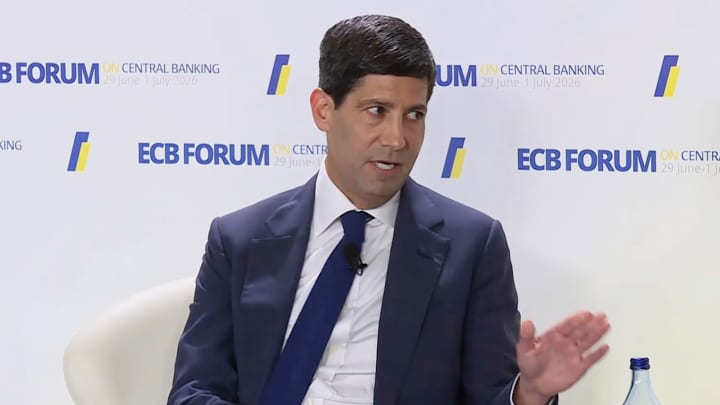
Market Daily Dose: Gold Advances Following Kevin Warsh’s ECB Forum Remarks While Markets Focus on U.S. Nonfarm Payrolls
ការលើកឡើងរបស់ប្រធានធនាគារកណ្តាលអាមេរិក (Fed) លោក Kevin Warsh នៅវេទិការបស់ធនាគារកណ្តាលអឺរ៉ុបជំរុញឱ្យមាសកើនឡើង កាលពីម្សិលមិញ ប្រធានធនាគារកណ្តាលសហរដ្ឋអាមេរិក (Fed) លោក Kevin Warsh បានចូលរួមវេទិការបស់ធនាគារកណ្តាលអឺរ៉ុប (European Central Bank – ECB Forum) ជាមួយអភិបាលធនាគារកណ្តាលអង់គ្លេស (BoE) លោក Andrew Bailey និងប្រធាន ECB លោកស្រី Christine Lagarde។ នៅក្នុងកិច្ចប្រជំុរបស់ធនាគារកណ្តាលអាមេរិក (FOMC) កាលពីខែមុន លោក Warsh បានបញ្ជាក់ថា លោកនឹងមិនផ្តល់ការណែនាំលម្អិតជាមុន (Forward Guidance) អំពីទិសដៅគោលនយោបាយរូបិយវត្ថុនាពេលអនាគតនោះទេ។ លោកបានរក្សាជំហរដដែលនេះនៅក្នុងវេទិកាកាលពីម្សិលមិញ ប៉ុន្តែមតិយោបល់របស់លោកអំពីអតិផរណា នៅតែមានឥទ្ធិពលលើការរំពឹងទុករបស់ទីផ្សារ។ លោក Warsh បានលើកឡើងថា “ហានិភ័យអតិផរណាបានថយចុះ” ដោយសារតម្លៃថាមពលបានធ្លាក់ចុះគួរសមដែរ។ ការលើកឡើងនេះស្របទៅនឹងស្ថានភាពទីផ្សារនាពេលថ្មីៗនេះ។ ចាប់តាំងពីថ្ងៃទី 17 ខែមិថុនា ដែលសហរដ្ឋអាមេរិក និងអ៊ីរ៉ង់បានចុះហត្ថលេខាលើអនុស្សរណៈយោគយល់ (MoU) តម្លៃប្រេងឆៅ Brent និង West Texas Intermediate (WTI) បានបន្តធ្លាក់ចុះជាទូទៅ ដែលជួយបន្ថយសម្ពាធលើអតិផរណា។ ទោះជាយ៉ាងណា អតិផរណានៅតែស្ថិតលើសគោលដៅ 2% របស់ Fed ដោយអត្រាអតិផរណា CPI ប្រចាំឆ្នាំ (Year-on-Year CPI) កាលពីខែមុនបានកើនដល់ 4.2%។ លោក Warsh ក៏បានបញ្ជាក់ជាថ្មីអំពីការប្តេជ្ញាចិត្តរបស់ Fed ក្នុងការរក្សាស្ថិរភាពតម្លៃ ដោយលោកបានមានប្រសាសន៍ថា៖ ”ប្រសិនបើនរណាម្នាក់គិតថា ធនាគារកណ្តាលនេះនឹងពេញចិត្តជាមួយគោលដៅអតិផរណាលើស 2% នោះ ពួកគេនឹងខកចិត្ត”។ បន្ទាប់ពីវេទិកានេះ តម្លៃមាសបានកើនឡើង ខណៈទីផ្សារបកស្រាយថា ការលើកឡើងរបស់លោក Warsh បានកាត់បន្ថយក្តីបារម្ភថា អតិផរណានឹងបន្តស្ថិតក្នុងកម្រិតខ្ពស់រយៈពេលវែង។ ប្រសិនបើសម្ពាធអតិផរណាបន្តថយចុះ ធនាគារកណ្តាលសហរដ្ឋអាមេរិកអាចនឹងមានភាពបត់បែនកាន់តែច្រើនក្នុងការរក្សាអត្រាការប្រាក់ឱ្យនៅដដែល ឬអាចចាប់ផ្តើមបញ្ចុះអត្រាការប្រាក់នៅពេលខាងមុខ ដែលជាកត្តាមួយជាទូទៅគាំទ្រដល់តម្លៃមាស។ ទិន្នន័យសេដ្ឋកិច្ចអាមេរិកចម្រុះ មានឥទ្ធិពលតិចតួចលើមាស ខណៈទីផ្សាររង់ចាំរបាយការណ៍ NFP ទិន្នន័យសេដ្ឋកិច្ចសហរដ្ឋអាមេរិកដែលបានចេញផ្សាយកាលពីម្សិលមិញ បានបង្ហាញពីស្ថានភាពសេដ្ឋកិច្ចដែលមានភាពចម្រុះ ប៉ុន្តែមិនបានជះឥទ្ធិពលខ្លាំងដល់តម្លៃមាសនោះទេ ខណៈដែលវិនិយោគិនកំពុងផ្តោតការយកចិត្តទុកដាក់លើរបាយការណ៍ Nonfarm Payrolls (NFP) ដែលនឹងចេញផ្សាយនៅថ្ងៃនេះ។ ទិន្នន័យ ADP Nonfarm Employment Change បានបង្ហាញការបង្កើតការងារថ្មីចំនួន 98,000 ការងារ ដែលទាបជាងទាំងការព្យាករណ៍ 118,000 និងតួលេខមុន 122,000 ដែលបង្ហាញថាការជួលបុគ្គលិកក្នុងវិស័យឯកជនបានថយចុះក្នុងខែមិថុនា។ ក្នុងពេលជាមួយគ្នានេះ ទាំង S&P Global Manufacturing PMI និង ISM Manufacturing PMI ក៏បានចេញមកទាបជាងការរំពឹងទុកផងដែរ ដែលបង្ហាញថាវិស័យផលិតកម្មរបស់សហរដ្ឋអាមេរិកនៅតែប្រឈមមុខនឹងបញ្ហាប្រឈម។ ទន្ទឹមនឹងនេះ ISM Manufacturing Prices Index នៅតែស្ថិតក្នុងកម្រិតខ្ពស់ 73.0 ដែលបង្ហាញថាសម្ពាធអតិផរណានៅក្នុងវិស័យផលិតកម្មនៅតែមាន ទោះបីជាបានធ្លាក់ចុះពីកម្រិត 82.1 កាលពីខែមុនក៏ដោយ។ ទោះបីជាទិន្នន័យទាំងនេះមានភាពចម្រុះក៏ដោយ តម្លៃមាសមិនបានមានប្រតិកម្មខ្លាំងបន្ទាប់ពីការចេញផ្សាយទិន្នន័យនោះទេ ព្រោះវាមិនបានផ្លាស់ប្តូរការរំពឹងទុករបស់ទីផ្សារចំពោះគោលនយោបាយបន្ទាប់របស់ Fed យ៉ាងមានន័យ។ ទិន្នន័យ ADP Nonfarm Employment Change ដែលទាបជាងការរំពឹងទុក អាចជាសញ្ញាបឋមថា របាយការណ៍ Nonfarm Payrolls (NFP) នៅថ្ងៃនេះក៏អាចចេញមកទាបជាងការព្យាករណ៍ផងដែរ។ ទោះជាយ៉ាងណា ទំនាក់ទំនងរវាងរបាយការណ៍ទាំងពីរនេះមិនមានភាពស៊ីសង្វាក់គ្នាជានិច្ចនោះទេ ហើយទីផ្សារតែងតែផ្តល់ទម្ងន់កាន់តែខ្លាំងទៅលើទិន្នន័យ NFP ផ្លូវការ។ ជាលទ្ធផល វិនិយោគិនទំនងជានឹងបន្តរង់ចាំរបាយការណ៍ Nonfarm Payrolls (NFP) ដែលនឹងចេញផ្សាយនៅវេលាម៉ោង 7:30 PM (GMT+7)។ ក្នុងនាមជាសូចនាករទីផ្សារការងារដ៏សំខាន់មួយដែល Fed តាមដាន របាយការណ៍ NFP ត្រូវបានរំពឹងថានឹងមានឥទ្ធិពលខ្លាំងជាងលើការរំពឹងទុកអំពីអត្រាការប្រាក់ ហើយជាបន្តបន្ទាប់ នឹងកំណត់ទិសដៅតម្លៃមាសក្នុងរយៈពេលខ្លី។ | English Version | Kevin Warsh’s ECB Forum Remarks Boost Gold Yesterday, Fed Chairman Kevin Warsh participated in the European Central Bank (ECB) Forum alongside Bank of England (BoE) Governor Andrew Bailey and ECB President Christine Lagarde. At last month’s FOMC press conference, Warsh indicated that he would avoid providing detailed forward guidance on future monetary policy. He maintained that approach during yesterday’s forum, although his comments on inflation still influenced market sentiment. Warsh noted that “inflation risks have come down” as energy prices have fallen substantially. His remarks are broadly consistent with recent market developments. Since June 17, when the U.S. and Iran signed a Memorandum of Understanding (MoU), both Brent crude and West Texas Intermediate (WTI) crude have generally trended lower, helping ease upward pressure on headline inflation. Nevertheless, inflation remains above the Federal Reserve’s 2% target, with last month’s year-on-year CPI coming in at 4.2%. Warsh reiterated the Fed’s commitment to price stability, stating, “If people thought this central bank was going to be comfortable with an inflation objective above 2%, they would be disappointed.” Following the forum, gold prices moved higher as markets interpreted Warsh’s remarks as reducing the risk of inflation remaining persistently elevated. If inflation pressures continue to moderate, the Federal Reserve may have greater flexibility to keep interest rates unchanged or eventually begin lowering them, a scenario that is generally supportive of gold prices. Mixed U.S. Economic Data Has Limited Impact on Gold Ahead of NFP Yesterday’s U.S. economic data painted a mixed picture of the economy but ultimately had little impact on gold prices, as markets remained focused on today’s Nonfarm Payrolls (NFP) report. The ADP Nonfarm Employment Change came in at 98,000, below both the forecast of 118,000 and the previous reading of 122,000, suggesting that private-sector hiring slowed in June. Meanwhile, both the S&P Global Manufacturing PMI and ISM Manufacturing PMI came in slightly below expectations, indicating that the U.S. manufacturing sector continues to face headwinds. However, the ISM Manufacturing Prices Index remained elevated at 73.0, reflecting that inflationary pressures within the manufacturing sector are still relatively strong despite easing from the previous month’s reading of 82.1. Despite these mixed results, gold showed little reaction following the data releases, as none of the reports significantly altered market expectations for the Federal Reserve’s next policy move. While the weaker-than-expected ADP Nonfarm Employment Change may provide an early indication that today’s Nonfarm Payrolls (NFP) report could also come in weaker than expected, the correlation between the two reports is far from perfect, and markets typically place much greater weight on the official NFP data. As a result, investors are likely to remain on the sidelines ahead of today’s U.S. Nonfarm Payrolls (NFP) report at 7:30 PM (GMT+7). As one of the Federal Reserve’s most closely watched labour market indicators, the NFP report is expected to play a much larger role in shaping interest rate expectations and, consequently, the direction of gold prices.
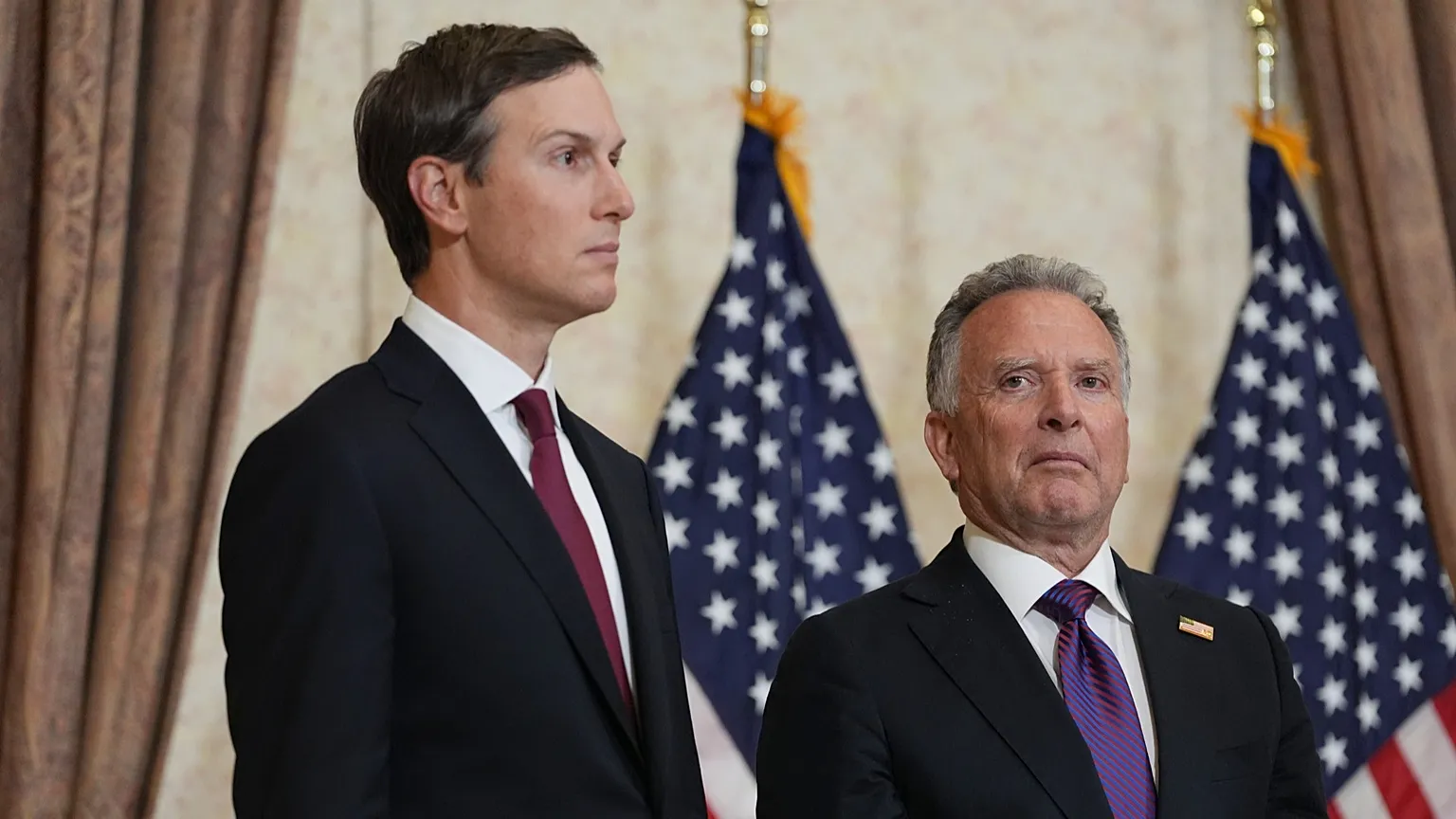
Market Daily Dose: Gold Faces Pressure as US-Iran Progress in Qatar Stalls and the Fed Maintains a Hawkish Stance
បេសកជនអាមេរិកមកដល់ទីក្រុងដូហា ប៉ុន្តែការចរចាដោយផ្ទាល់ជាមួយអ៊ីរ៉ង់នៅមិនទាន់ចាប់ផ្តើម បេសកជនអាមេរិក លោក Jared Kushner និងលោក Steve Witkoff បានទៅដល់ទីក្រុងដូហា ប្រទេសកាតា ប៉ុន្តែយោងតាមអ្នកនាំពាក្យក្រសួងការបរទេសអ៊ីរ៉ង់ មិនទាន់មានកាលវិភាគសម្រាប់កិច្ចប្រជុំជាមួយមន្ត្រីអ៊ីរ៉ង់នៅឡើយទេ។ ទោះជាយ៉ាងណា អ៊ីរ៉ង់បានបញ្ជូនគណៈប្រតិភូមួយទៅកាន់ទីក្រុងដូហា ដើម្បីតាមដានដំណើរការដោះលែងទ្រព្យសម្បត្តិរបស់អ៊ីរ៉ង់ដែលត្រូវបានបង្កក ដែលជាចំណុចមួយក្នុងអនុស្សរណៈយោគយល់ (MoU) ដែលបានចុះហត្ថលេខាកាលពីដើមខែនេះ។ ទោះបីជាយ៉ាងណាក៏ដោយ យោងតាមអ្នកនាំពាក្យក្រសួងការបរទេសកាតា នឹងមិនមានជំនួបដោយផ្ទាល់រវាងមន្ត្រីនៃប្រទេសទាំងពីរឡើយ។ ជំនួសមកវិញ ភាគីទាំងពីរនឹងពិភាក្សាដាច់ដោយឡែកជាមួយអ្នកសម្របសម្រួលរបស់ប្រទេសកាតា អំពីវឌ្ឍនភាពនៃការអនុវត្ត MoU។ បច្ចុប្បន្ន អ៊ីរ៉ង់ហាក់បីដូចជាមិនទាន់មានបំណងចូលរួមការចរចាលើកិច្ចព្រមព្រៀងចុងក្រោយជាមួយសហរដ្ឋអាមេរិកឡើយ រហូតទាល់តែលក្ខខណ្ឌទាំងអស់ក្នុង MoU ត្រូវបានអនុវត្តជាមុនសិន។ ក្នុងចំណោមលក្ខខណ្ឌទាំងនោះ រួមមានការដោះលែងទ្រព្យសម្បត្តិរបស់អ៊ីរ៉ង់ដែលត្រូវបានបង្កក និងការបញ្ឈប់អរិភាពនៅប្រទេសលីបង់។ ខណៈពេលដែលសហរដ្ឋអាមេរិកកំពុងជំរុញឱ្យច្រកសមុទ្រ Hormuz បើកដំណើរការឡើងវិញទាំងស្រុង ដោយអ៊ីរ៉ង់មិនត្រូវរំខានដល់ការដឹកជញ្ជូនតាមសមុទ្រ និងអនុញ្ញាតឱ្យនាវាពាណិជ្ជកម្មធ្វើដំណើរឆ្លងកាត់ដោយសេរី។ ជារួម ទោះបីជា MoU ត្រូវបានចុះហត្ថលេខារួចហើយក៏ដោយ ការអនុវត្តរបស់នៃលក្ខខណ្ឌទាំងអស់នៅមិនទាន់បញ្ចប់នៅឡើយ។ ដោយសារច្រកសមុទ្រ Hormuz នៅមិនទាន់បើកដំណើរការពេញលេញ នេះអាចធ្វើឱ្យតម្លៃប្រេង និងសម្ពាធអតិផរណានៅតែស្ថិតក្នុងកម្រិតខ្ពស់ ដែលនឹងបន្តគាំទ្រជំហររឹតបន្តឹង (hawkish) របស់ធនាគារកណ្តាលអាមេរិក (Fed) និងបង្កើនលទ្ធភាពក្នុងការរក្សាអត្រាការប្រាក់ឱ្យនៅខ្ពស់ ឬដំឡើងបន្ថែម។ គិតត្រឹមថ្ងៃទី 1 ខែកក្កដា ម៉ោង 10:24 ព្រឹក (GMT+7) តម្លៃមាសបានធ្លាក់ចុះ 2.29% បើធៀបនឹងម្សិលមិញ ដោយសារអត្រាការប្រាក់ខ្ពស់នៅតែដាក់សម្ពាធលើតម្លៃមាស។ ទិន្នន័យសេដ្ឋកិច្ចអាមេរិកចម្រុះកាលពីម្សិលមិញ បានផ្តល់ការគាំទ្ររយៈពេលខ្លីដល់តម្លៃមាស ទិន្នន័យសេដ្ឋកិច្ចអាមេរិកដែលបានចេញផ្សាយកាលពីម្សិលមិញ បានបង្ហាញពីសញ្ញាចម្រុះនៃសេដ្ឋកិច្ច។ សន្ទស្សន៍សន្ទស្សន៍អ្នកគ្រប់គ្រងការទិញទីក្រុងឈីកាហ្គោ (Chicago PMI) ចេញមកនៅកម្រិត 56.7 ខ្ពស់ជាងការរំពឹងទុក 55.7 ប៉ុន្តែធ្លាក់ចុះគួរឱ្យកត់សម្គាល់ពី 62.7 កាលពីខែឧសភា ដែលបង្ហាញថាសកម្មភាពក្នុងវិស័យផលិតកម្មកំពុងបាត់បង់សន្ទុះ។ ទន្ទឹមនឹងនេះ សន្ទស្សន៍ទំនុកចិត្តអ្នកប្រើប្រាស់ (Consumer Confidence) បានធ្លាក់មកនៅ 91.2 ទាបជាងការរំពឹងទុក 94.4 ដែលបង្ហាញថាប្រជាពលរដ្ឋកាន់តែមានការប្រុងប្រយ័ត្នចំពោះទស្សនវិស័យសេដ្ឋកិច្ច។ ផ្ទុយទៅវិញ ទីផ្សារការងារនៅតែបង្ហាញពីភាពរឹងមាំ។ ចំនួនឱកាសការងារ (JOLTS Job Openings) បានកើនឡើងដល់ 7.594 លាន ខ្ពស់ជាងការព្យាករណ៍ 7.280 លាន ដែលបង្ហាញថាតម្រូវការកម្លាំងពលកម្មនៅតែមានភាពរឹងមាំ ទោះបីជាមានសញ្ញានៃការថយចុះនៃកំណើនសេដ្ឋកិច្ចក៏ដោយ។ បន្ទាប់ពីទិន្នន័យត្រូវបានចេញផ្សាយ សន្ទស្សន៍ប្រាក់ដុល្លារអាមេរិក (DXY) និងអត្រាផលទិន្នផលសញ្ញាប័ណ្ណរដ្ឋាភិបាលអាមេរិក (US treasury yields) បានធ្លាក់ចុះជាបណ្តោះអាសន្ន ដែលបានផ្តល់ការគាំទ្រដល់តម្លៃមាស ខណៈដែលវិនិយោគិនបានបង្កើនការរំពឹងទុកថា Fed អាចមានលទ្ធភាពបន្ធូរបន្ថយគោលនយោបាយរូបិយវត្ថុនាពេលអនាគត។ ទោះជាយ៉ាងណា ការផ្លាស់ប្តូរនេះមិនបានបន្តយូរឡើយ។ ក្រោយមក ប្រាក់ដុល្លារ និងអត្រាផលទិន្នផលសញ្ញាប័ណ្ណបានងើបឡើងវិញ ដែលទំនងជាបណ្តាលមកពីការកែសម្រួលសមាសភាពផលប័ត្រវិនិយោគ (portfolio rebalancing) នៅចុងខែ និងចុងត្រីមាស ដោយវិនិយោគិនស្ថាប័នធំៗ បានកែតម្រូវការបែងចែកទ្រព្យសកម្ម និងការការពារហានិភ័យរូបិយប័ណ្ណរបស់ពួកគេ។ ជារួម ទោះបីជាទិន្នន័យកាលពីម្សិលមិញបានផ្តល់ការគាំទ្ររយៈពេលខ្លីដល់តម្លៃមាសក៏ដោយ ក៏វាមិនទាន់គ្រប់គ្រាន់ក្នុងការផ្លាស់ប្តូរទស្សនវិស័យម៉ាក្រូសេដ្ឋកិច្ចទូលំទូលាយនោះទេ។ ទីផ្សារការងារអាមេរិកនៅតែបង្ហាញពីភាពរឹងមាំ ហើយទិន្នន័យដែលចេញផ្សាយក៏មិនទន់ខ្សោយគ្រប់គ្រាន់ដើម្បីផ្លាស់ប្តូរការរំពឹងទុកថា Fed នឹងបន្តរក្សាអត្រាការប្រាក់ក្នុងកម្រិតខ្ពស់សម្រាប់រយៈពេលយូរនោះដែរ។ ដរាបណា Fed នៅតែរក្សាជំហររឹតបន្តឹង គេរំពឹងថាអត្រាការប្រាក់ខ្ពស់នឹងបន្តកំណត់សក្តានុពលនៃការកើនឡើងរបស់តម្លៃមាស។ | English Version | US Envoys Arrive in Doha, but Direct Talks with Iran Remain on Hold US envoys Jared Kushner and Steve Witkoff have landed in Doha, but no meeting with Iranian officials is scheduled yet, according to Iran’s Foreign Ministry spokesman. Iran, however, has sent a team to Doha to follow up on the release of frozen Iranian assets, a point that was agreed on in the MoU signed earlier this month. However, no direct meetings between the two countries’ officials will take place according to Qatar’s Foreign Ministry spokesman. Officials from both countries will discuss with Qatar’s mediators the current progress in implementing the MoU. As of now, Iran seems reluctant to discuss any negotiations with the US on a final agreement until all clauses of the MoU are implemented. Two of those clauses are the release of Iranian frozen assets and the cessation of hostilities in Lebanon. The US, on the other hand, wants the complete reopening of the Strait of Hormuz, with Iran refraining from interfering with shipping and allowing vessels to pass unhindered. As a whole, while the MoU has been signed, its implementation is far from complete. With the Strait of Hormuz still not fully reopened, inflation and oil prices will most likely remain elevated, reinforcing a hawkish Fed that will most likely hold interest rates or increase them further. As of June 1st, 10:24 AM (GMT+7), gold is currently down 2.29% from yesterday, with elevated interest rates weighing on gold prices. Yesterday’s Mixed US Economic Data Gives Temporary Support to Gold Yesterday’s US economic data painted a mixed picture of the economy. The Chicago PMI came in at 56.7, beating expectations of 55.7, but slowing significantly from 62.7 in May, suggesting that manufacturing activity is losing momentum. Meanwhile, Consumer Confidence fell to 91.2, below the expected 94.4, indicating that households have become more cautious about the economic outlook. On the other hand, the labor market remained relatively strong. JOLTS Job Openings rose to 7.594 million, above the forecast of 7.280 million, showing that demand for workers remains resilient despite signs of slower economic growth. Following the data release, the US Dollar and Treasury yields initially declined, providing short-term support for gold as investors briefly increased expectations that the Federal Reserve could have more room to ease monetary policy. However, those moves proved temporary. The US Dollar and Treasury yields later recovered, likely driven by month-end and quarter-end portfolio rebalancing, where institutional investors adjust their asset allocations and currency exposures. Overall, while yesterday’s data provided a short-term boost for gold, it did little to change the broader macroeconomic outlook. The labor market remains relatively resilient, and the data was not weak enough to significantly alter expectations for the Federal Reserve’s higher-for-longer interest rate stance. As long as the Fed maintains a hawkish bias, elevated interest rates are likely to continue limiting gold’s upside potential.
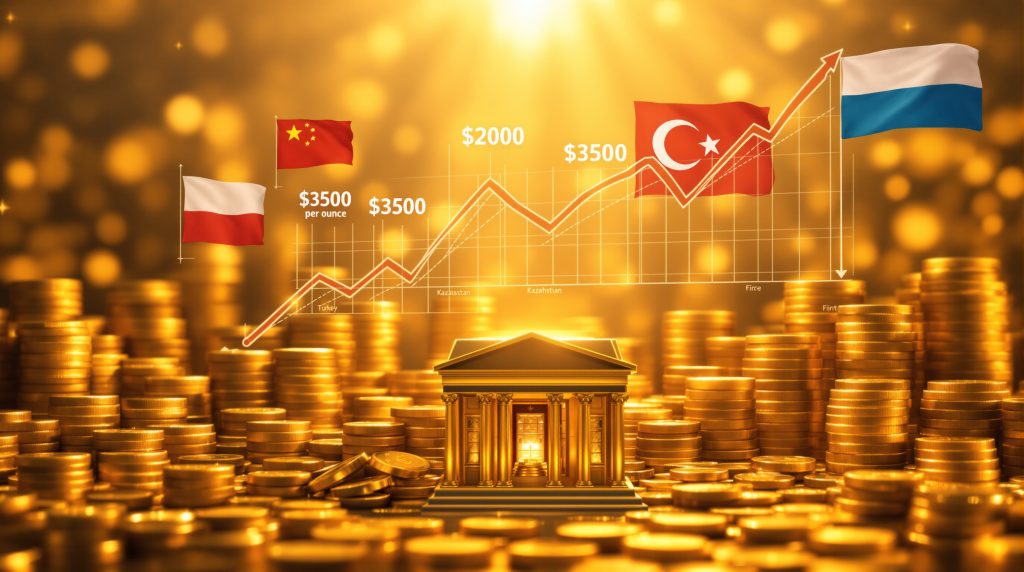
Market Daily Dose: Central Bank Gold Holdings Hit a 50-Year High as a Shift in Reserves Continues to Unfold
ការកាន់កាប់មាសរបស់ធនាគារកណ្តាល ឈានដល់កម្រិតខ្ពស់បំផុតក្នុងរយៈពេល 50 ឆ្នាំ។ ហេតុអ្វីបានជាធនាគារកណ្តាលបន្តទិញមាស? ធនាគារកណ្តាលជាច្រើននៅទូទាំងពិភពលោកកំពុងបន្តបង្កើនការកាន់កាប់មាសរបស់ខ្លួន ដែលនិន្នាការនេះបានកើនឡើងយ៉ាងខ្លាំងបន្ទាប់ពីរុស្ស៊ីបានឈ្លានពានអ៊ុយក្រែនកាលពីឆ្នាំ 2022។ បច្ចុប្បន្ន ស្ថាប័នផ្លូវការកាន់កាប់មាសសរុបប្រមាណ 36,000 តោន ដែលជាកម្រិតខ្ពស់បំផុតចាប់តាំងពីឆ្នាំ 1975 មក នេះបើយោងតាមទិន្នន័យពីមូលនិធិរូបិយវត្ថុអន្តរជាតិ (IMF)។ ក្រុមប្រឹក្សាមាសពិភពលោក (World Gold Council) ក៏បានធ្វើការស្ទង់មតិក្នុងខែនេះអំពីទស្សនៈរបស់ធនាគារកណ្តាលចំពោះមាសផងដែរ។ ចំណុចសំខាន់ៗមួយចំនួនរួមមាន៖ លទ្ធផលនៃការស្ទង់មតិបង្ហាញថា ធនាគារកណ្តាលជាច្រើនរំពឹងថានឹងបន្តធ្វើពិពិធកម្ម (diversification) ទុនបម្រុងរបស់ខ្លួន ដោយកាត់បន្ថយការពឹងផ្អែកលើប្រាក់ដុល្លារអាមេរិក ខណៈដែលមាសត្រូវបានគេរំពឹងថានឹងក្លាយជាទ្រព្យសកម្មមួយដែលទទួលបានអត្ថប្រយោជន៍ចម្បង។ ដូច្នេះ តើអ្វីទៅជាកត្តាដែលជំរុញឱ្យមានការផ្លាស់ប្តូរនេះ? មានមូលហេតុសំខាន់ៗពីរគឺ៖ ទស្សនវិស័យមាស៖ ក្នុងរយៈពេលខ្លី ទស្សនវិស័យម៉ាក្រូសេដ្ឋកិច្ចសម្រាប់មាសនៅតែមានសម្ពាធអវិជ្ជមាន (bearish) ដោយសារតែធនាគារកណ្តាលអាមេរិកទំនងជានឹងរក្សាអត្រាការប្រាក់នៅកម្រិតខ្ពស់ ដើម្បីទប់ស្កាត់អតិផរណា។ ទោះជាយ៉ាងណាក៏ដោយ ការបន្តទិញមាសដោយធនាគារកណ្តាលបង្ហាញថា នៅតែមានកត្តាគាំទ្រសម្រាប់តម្លៃមាស និងតួនាទីរបស់វាជាទ្រព្យសុវត្ថិភាព។ តម្រូវការមាសពីធនាគារកណ្តាលនៅតែជាកត្តាគាំទ្ររចនាសម្ព័ន្ធដ៏សំខាន់សម្រាប់តម្លៃមាស ទោះបីជាអត្រាការប្រាក់ខ្ពស់នៅតែបន្តដាក់សម្ពាធលើតម្លៃមាសក្នុងរយៈពេលខ្លីក៏ដោយ។ | English Version | Central Bank Gold Holdings are at a 50-year High. Why are central banks buying gold? Central banks have been accumulating significant quantities of gold, a trend that accelerated after Russia invaded Ukraine in 2022. As of now, official agencies hold the highest quantity of gold since 1975, at 36,000 tonnes, according to data from the International Monetary Fund (IMF). The World Gold Council also conducted a survey this month on central banks’ sentiment surrounding gold. Some of the key findings include: The survey suggests that many central banks expect reserve diversification away from the US dollar over the coming years, with gold likely to be one of the primary beneficiaries. So what is causing this shift? There are two main reasons: Outlook for Gold: The near-term macroeconomic backdrop remains bearish, as interest rates will most likely remain elevated by the Fed in order to curb inflation. However, central banks’ accumulation of gold shows that there is still support for gold prices and its role as a safe-haven asset. Central bank demand provides an important source of structural support for gold prices, even if higher interest rates continue to weigh on prices in the near term.

Weekly Market Recap & Outlook as of June 29, 2026
របាយការណ៍ទីផ្សារប្រចាំសប្តាហ៍ទស្សនវិស័យទីផ្សារប្រចាំសប្តាហ៍គិតត្រឹមថ្ងៃទី 29 ខែមិថុនា ឆ្នាំ 2026 កត្តាសំខាន់ៗដែលត្រូវតាមដានបំផុតសម្រាប់សប្តាហ៍នេះគឺនឹងដាក់បញ្ចូលនៅក្នុងរបាយការណ៍ខាងក្រោមនេះដោយវិនិយោគិនអាចប្រើប្រាស់ព័ត៌មានខាងក្រោមជាមូលដ្ឋានគ្រឹះមុនពេលធ្វើការសម្រេចចិត្តលើការជួញដូរលើទ្រព្យណាមួយ។ របាយការណ៍នេះរួមបញ្ចូលទាំងការវិភាគបែបសេដ្ឋកិច្ច (Fundamental Analysis) ដែលជាកត្តាសំខាន់ៗជំរុញចលនាទីផ្សារ និងការវិភាគបែបបច្ចេកទេស (Technical Analysis) រួមទាំងចលនាតម្លៃ និងតំបន់សាច់ប្រាក់ (Liquidity Zones) សំខាន់ៗ ដែលអ្នកជួញដូរគួរតែតាមដាន។ ការបដិសេធ (Disclaimer): របាយការណ៍នេះធ្វើឡើងក្នុងគោលបំណងផ្សព្វផ្សាយការអប់រំ និងព័ត៌មានដែលគួរដឹងតែប៉ុណ្ណោះ។ សូមមេត្តាកំុប្រើប្រាស់របាយការណ៍នេះជាដំបូន្មានវិនិយោគ ឬជាសញ្ញាសម្រាប់ការជួញដូររបស់អ្នក។ ការវិភាគបែបសេដ្ឋកិច្ច (Fundamental Analysis) កត្តាបីយ៉ាងដែលត្រូវផ្តោតលើសប្តាហ៍នេះ៖ សង្ខេបទីផ្សារសប្តាហ៍មុន – មាសធ្លាក់ក្រោម $4,000 ជាលើកដំបូងចាប់តាំងពីខែវិច្ឆិកា ឆ្នាំ 2025 កាលពីសប្តាហ៍មុន តម្លៃមាសបានធ្លាក់ចុះក្រោម $4,000 ជាលើកដំបូងចាប់តាំងពីខែវិច្ឆិកា ឆ្នាំ 2025។ កត្តាសំខាន់ៗដែលជំរុញឱ្យតម្លៃមាសធ្លាក់ចុះរួមមាន៖ ជារួម បរិយាកាសម៉ាក្រូសេដ្ឋកិច្ចនៅតែបន្តដាក់សម្ពាធលើតម្លៃមាស ខណៈទីផ្សារបន្តកំណត់តម្លៃដោយផ្អែកលើការរំពឹងទុកថា គោលនយោបាយរូបិយវត្ថុនឹងនៅតែមានភាពតឹងរ៉ឹង។ ទោះជាយ៉ាងណា ទិន្នន័យទីផ្សារការងាររបស់សហរដ្ឋអាមេរិក ដែលនឹងប្រកាសនៅសប្តាហ៍នេះ ជាពិសេសរបាយការណ៍ Nonfarm Payrolls (NFP) នៅថ្ងៃព្រហស្បតិ៍ អាចកំណត់ថា តើសម្ពាធធ្លាក់ចុះរបស់មាសនឹងបន្ត ឬមាសនឹងអាចរកការគាំទ្រនៅតំបន់ $4,000 ដុល្លារ។ ព្រឹត្តិការណ៍ប្រតិទិនសេដ្ឋកិច្ចសប្តាហ៍នេះ ប្រតិទិនសេដ្ឋកិច្ចសម្រាប់សប្តាហ៍នេះ ផ្តោតសំខាន់លើទិន្នន័យទីផ្សារការងាររបស់សហរដ្ឋអាមេរិក ដែលនឹងដើរតួនាទីយ៉ាងសំខាន់ក្នុងការកំណត់ការរំពឹងទុករបស់ទីផ្សារចំពោះគោលនយោបាយរបស់ Fed។ ការចាប់អារម្មណ៍សំខាន់បំផុតគឺនៅថ្ងៃព្រហស្បតិ៍ ដែលទិន្នន័យ Nonfarm Payrolls (NFP), អត្រាគ្មានការងារធ្វើ (Unemployment Rate), ប្រាក់ឈ្នួលជាមធ្យមក្នុងមួយម៉ោង (Average Hourly Earnings) និងការទាមទារជំនួយគ្មានការងារដំបូង (Initial Jobless Claims) នឹងត្រូវប្រកាសក្នុងពេលតែមួយ។ ក្នុងចំណោមទិន្នន័យទាំងនេះ Nonfarm Payrolls (NFP) ត្រូវបានចាត់ទុកថាជាកត្តាដែលមានឥទ្ធិពលខ្លាំងបំផុតលើតម្លៃមាស។ សេណារីយ៉ូសំខាន់ៗគឺ៖ ទោះបីជាតួលេខ NFP ជាកត្តាសំខាន់បំផុតក៏ដោយ ប្រតិកម្មរបស់មាសក៏អាចរងឥទ្ធិពលយ៉ាងខ្លាំងពីព័ត៌មានលម្អិតក្នុងរបាយការណ៍ផងដែរ។ ការកើនឡើងនៃ Average Hourly Earnings អាចបង្កើនការព្រួយបារម្ភអំពីអតិផរណា និងកំណត់ការកើនឡើងរបស់មាស ខណៈអត្រាគ្មានការងារធ្វើដែលកើនឡើង អាចបង្ហាញពីការចុះខ្សោយនៃសេដ្ឋកិច្ច និងជំរុញសន្ទុះវិជ្ជមានសម្រាប់មាស ទោះបីជាតួលេខ NFP នៅតែរឹងមាំក៏ដោយ។ លើសពីនេះ ការកែសម្រួលទិន្នន័យនៃខែមុនៗ ក៏អាចផ្លាស់ប្តូរការរំពឹងទុករបស់ទីផ្សារចំពោះទិសដៅគោលនយោបាយរបស់ Fed បានយ៉ាងមានន័យផងដែរ។ បន្ថែមពីលើនេះ វេទិកា European Central Bank (ECB) Forum ក៏នឹងប្រព្រឹត្តទៅក្នុងសប្តាហ៍នេះផងដែរ ដោយមានការចូលរួមពី ទេសាភិបាលធនាគារកណ្តាលអង់គ្លេស (BOE) លោក Andrew Bailey, ប្រធានធនាគារកណ្តាលអឺរ៉ុប (ECB) អ្នកស្រី Christine Lagarde និង ប្រធានធនាគារកណ្តាលអាមេរិក (Fed) លោក Kevin Warsh។ អាស្រ័យលើខ្លឹមសារនៃសុន្ទរកថារបស់ពួកគាត់ ទីផ្សារអាចនឹងមានប្រតិកម្ម ឬមិនមានប្រតិកម្មក៏អាចថាបាន។ ព័ត៌មានថ្មីៗអំពីស្ថានភាពរវាងសហរដ្ឋអាមេរិក និងអ៊ីរ៉ង់ ស្ថានភាពភូមិសាស្ត្រនយោបាយនៅមជ្ឈិមបូព៌ា បានវិលត្រឡប់ទៅរកដំណើរការការទូតដោយប្រុងប្រយ័ត្នវិញ បន្ទាប់ពីសហរដ្ឋអាមេរិក និងអ៊ីរ៉ង់បានព្រមព្រៀងបញ្ឈប់ការវាយប្រហារលើគ្នាទៅវិញទៅមក។ ភាគីទាំងពីរគ្រោងនឹងជួបពិភាក្សាគ្នានៅទីក្រុង ដូហា (Doha) ប្រទេសកាតា នៅថ្ងៃអង្គារ ដើម្បីបន្តការចរចាពាក់ព័ន្ធនឹងច្រកសមុទ្រ Hormuz។ កិច្ចព្រមព្រៀងនេះ កើតឡើងបន្ទាប់ពីស្ថានការណ៍មានភាពប្រែប្រួលខ្លាំងកាលពីសប្តាហ៍មុន ដោយការរីកចម្រើនផ្នែកការទូតនៅដើមសប្តាហ៍មុន រួមទាំងកិច្ចពិភាក្សាបច្ចេកទេសនៅប្រទេសស្វីស និងការបន្ធូរបន្ថយទណ្ឌកម្មមួយចំនួន ត្រូវបានបាំងបាត់ដោយការផ្ទុះឡើងវិញនៃការវាយប្រហារយោធាក្នុងអំឡុងចុងសប្តាហ៍មុន ដែលបានជំរុញឱ្យតម្រូវការមាសក្នុងនាមជាទ្រព្យសកម្មសុវត្ថិភាពកើនឡើងមួយរយៈខ្លី។ ទោះបីជាបទឈប់បាញ់បានកាត់បន្ថយហានិភ័យនៃការកើនឡើងនៃជម្លោះក្នុងរយៈពេលខ្លីក៏ដោយ បញ្ហាសំខាន់ៗជុំវិញច្រកសមុទ្រ Hormuz កម្មវិធីនុយក្លេអ៊ែររបស់អ៊ីរ៉ង់ និងសន្តិសុខក្នុងតំបន់នៅតែមិនទាន់អាចដោះស្រាយបាន ដែលធ្វើឱ្យស្ថានការណ៍នៅតែមានភាពផុយស្រួយខ្លាំង។ សម្រាប់ទីផ្សារមាស ទោះជាយ៉ាងណា កត្តាភូមិសាស្ត្រនយោបាយបច្ចុប្បន្នកំពុងដើរតួនាទីបន្ទាប់បន្សំ បើប្រៀបធៀបនឹងការរំពឹងទុកចំពោះគោលនយោបាយរូបិយវត្ថុរវស់ Fed។ ការបន្ធូរបន្ថយភាពតានតឹងនៅមជ្ឈិមបូព៌ា បានកាត់បន្ថយមួយផ្នែកនៃតម្លៃបន្ថែមដែលកើតពីហានិភ័យភូមិសាស្ត្រនយោបាយ (Geopolitical Risk Premium) ដែលបានបញ្ចូលក្នុងតម្លៃមាស ប៉ុន្តែទិសដៅរបស់មាសនៅតែត្រូវបានកំណត់ជាចម្បងដោយការរំពឹងទុកអំពីអត្រាការប្រាក់របស់សហរដ្ឋអាមេរិក។ លុះត្រាតែជម្លោះកើនឡើងដល់កម្រិតដែលបង្កឱ្យមានការស្វែងរកទ្រព្យសសុវត្ថិភាពជាបន្តបន្ទាប់ ឬជំរុញឱ្យតម្លៃថាមពលកើនឡើងយ៉ាងខ្លាំងរហូតបង្កើនក្តីបារម្ភអំពីអតិផរណាវិញ ទើបមាសអាចទទួលឥទ្ធិពលខ្លាំងពីស្ថានការណ៍នេះ។ បើមិនដូច្នោះទេ តម្លៃមាសទំនងជានឹងបន្តមានប្រតិកម្មខ្លាំងជាងចំពោះទិន្នន័យសេដ្ឋកិច្ចរបស់សហរដ្ឋអាមេរិក ជាពិសេសរបាយការណ៍ Nonfarm Payrolls (NFP) នៅសប្តាហ៍នេះ ដែលអាចកំណត់ការរំពឹងទុករបស់ទីផ្សារចំពោះការសម្រេចចិត្តបន្ទាប់របស់ Fed។ ការវិភាគបច្ចេកទេស (Technical Analysis) | English Version | Fundamental Analysis Three factors to focus on this week from the fundamental side: Last Week Recap – Gold Drops Below $4,000 for the First Time Since November 2025 Last week, gold dropped below $4,000 for the very first time since November 2025. The main drivers for this drop include: Overall, the macro backdrop remains tilted against gold as markets continue to price in tighter monetary policy. However, this week’s labor market data—particularly Thursday’s Nonfarm Payrolls report—could determine whether bearish momentum extends or whether gold finds support around the $4,000 level. This Week’s Economic Calendar Events This week’s economic calendar is dominated by U.S. labor market data, which will play a crucial role in shaping Federal Reserve expectations. The primary focus will be on Thurday where Nonfarm Payrolls (NFP), the Unemployment Rate, Average Hourly Earnings, and Initial Jobless Claims will be released at the same time. Nonfarm Payrolls will be the data that has the strongest effect on gold. Here are the key scenarios: While the headline NFP figure is usually the main driver, gold’s reaction can be significantly influenced by the details of the report. A rise in average hourly earnings may reignite inflation concerns and cap gold gains, while a higher unemployment rate can signal economic softening and strengthen bullish momentum for gold even if job numbers are solid. Revisions to prior months’ data can also meaningfully shift market expectations around Fed policy. Additionally, the Europrean Central Bank (ECB) Forum will also be happening this week, where the Bank of England’s (BOE) Governor, Andrew Bailey, the ECB’s President, Christine Lagarde, and Fed Chariman, Kevin Warsh, will all be in attendance. Depending on their speech, it may or may not have an impact on the market. US and Iran Developments The geopolitical landscape in the Middle East has shifted back toward cautious diplomacy after the United States and Iran agreed to halt direct attacks on one another, with both sides scheduled to meet in Doha, Qatar, on Tuesday to continue negotiations over the Strait of Hormuz. The agreement follows last week’s volatility in which early diplomatic progress—including technical talks in Switzerland and limited sanctions relief—was overshadowed by renewed military exchanges over the weekend that briefly reignited safe-haven demand for gold. While the ceasefire has reduced the immediate risk of further escalation, key issues surrounding the Strait of Hormuz, Iran’s nuclear program, and broader regional security remain unresolved, leaving the situation highly fragile. For gold, however, geopolitical developments are currently playing a secondary role to monetary policy expectations. The easing of Middle East tensions has reduced some of the geopolitical risk premium embedded in gold prices, but the metal’s broader direction continues to be driven primarily by expectations for U.S. interest rates. Unless the conflict escalates materially and triggers a sustained flight to safety or a significant surge in energy prices that reignites inflation concerns, gold is likely to remain more sensitive to incoming U.S. economic data—particularly this week’s Nonfarm Payrolls report—which will shape market expectations for the Federal Reserve’s next policy move. Technical Analysis Key scenarios to watch include: